
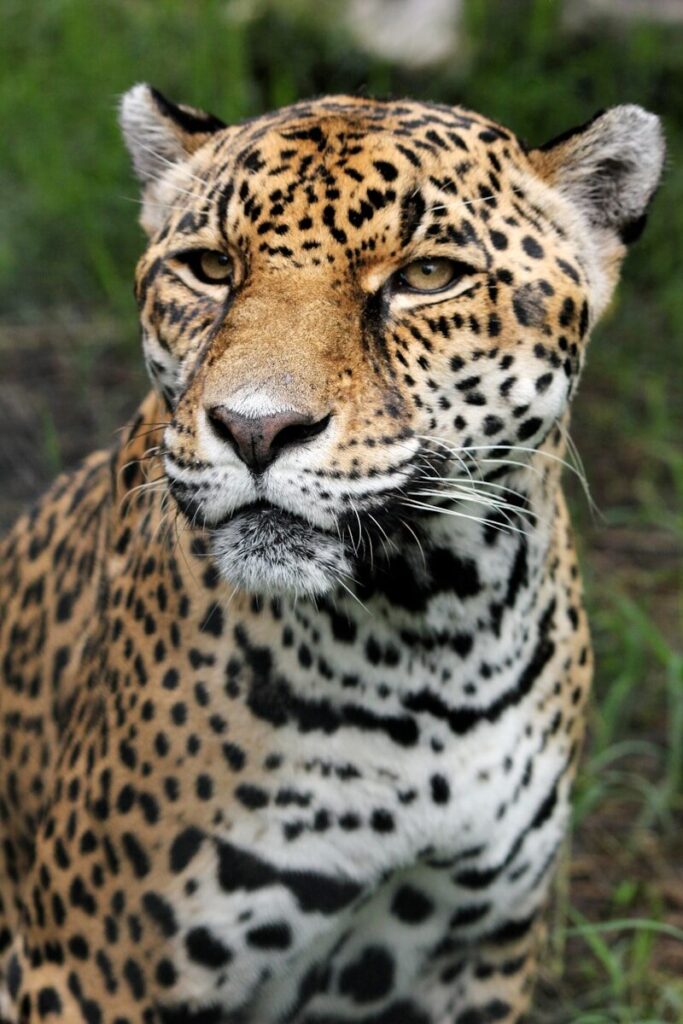
Jaguar daily routine Amazon reveals an extraordinary 24-hour cycle of stealth, power, and survival in one of Earth’s most biodiverse ecosystems. From jaguar hunting habits at twilight to Amazon jaguar behavior during the heat of the day and intense jaguar night activities under the canopy, these solitary apex predators master every moment with remarkable adaptability. Follow a typical jaguar through its daily rhythm and discover how it thrives amid the towering trees, winding rivers, and hidden trails of the Amazon Rainforest.
A Day in the Life of a Jaguar: 24-Hour Routine in the Amazon Rainforest
Explore the Amazon Rainforest Habitat
Interactive map of the Amazon Rainforest — primary home of the jaguar in Brazil and surrounding countries.
Midnight: Stealthy Territory Patrol in the Amazon Rainforest

As the clock strikes midnight, the jaguar daily routine Amazon shifts into high gear. Under a star-filled sky, the solitary cat begins its silent patrol across a territory that can span up to 100 square kilometers. Using scent glands and claw marks on trees, it reinforces boundaries while staying alert for intruders. The dense humidity of the Amazon night carries every sound and smell, helping the jaguar navigate with precision.
Patrolling also serves as an opportunity to listen for prey movement near rivers and clearings. This nocturnal vigilance is a cornerstone of Amazon jaguar behavior, ensuring the predator maintains dominance without unnecessary confrontation.
| Time | Activity | Key Behavior | Adaptation |
|---|---|---|---|
| Midnight | Territory patrol | Silent movement & scent marking | Acute hearing & night vision |
| Distance covered | Up to 8 km | Avoiding conflict | Powerful paws for quiet steps |
Did You Know: Jaguars possess the strongest bite force relative to body size among big cats, capable of crushing skulls and turtle shells with ease.
1 AM: Navigating Rivers Under Starlight

By 1 AM the jaguar often ventures toward the many waterways that crisscross the Amazon. Excellent swimmers, these cats cross rivers without hesitation, using their muscular tails as rudders. This part of the jaguar daily routine Amazon highlights their comfort in water — a trait that sets them apart from most other big cats.
While moving through the shallows, they scan for fish or caimans, blending jaguar hunting habits with efficient travel. The cool night water also helps regulate body temperature after hours of walking.
| Time | Activity | Key Behavior | Adaptation |
|---|---|---|---|
| 1 AM | River navigation | Powerful swimming | Webbed toes & strong tail |
| Habitat | Riverbanks & floodplains | Opportunistic feeding | Excellent night vision |
Did You Know: Unlike lions or tigers, jaguars frequently hunt and travel in water, making rivers vital corridors in their Amazon home.
2 AM: Ambush Hunting Tactics in Action

Peak jaguar night activities often unfold around 2 AM. The cat uses dense undergrowth and low branches to lie in wait, then explodes forward in a lightning-fast pounce. Its powerful jaws deliver a fatal bite to the skull or neck — the signature move of jaguar hunting habits.
This ambush style conserves energy while maximizing success against large prey such as tapirs or deer. The Amazon’s thick vegetation provides perfect cover for these calculated strikes.
| Time | Activity | Key Behavior | Adaptation |
|---|---|---|---|
| 2 AM | Ambush hunting | Stealthy approach & explosive pounce | Camouflage coat & retractable claws |
| Success rate | High in low light | Skull-crushing bite | Exceptional bite force |
3 AM: Securing a Successful Kill

Once prey is taken, the jaguar drags the carcass to a secluded spot, often up a tree or into thick brush. Feeding can last hours, providing the calories needed for the rest of the jaguar daily routine Amazon.
After eating, the cat may cover the remains with leaves to return later — a classic example of Amazon jaguar behavior that minimizes waste and competition from scavengers.
| Time | Activity | Key Behavior | Adaptation |
|---|---|---|---|
| 3 AM | Feeding & caching | Dragging heavy prey | Immense strength & jaw power |
| Prey size | Up to 80 kg | Minimal waste | Tree-climbing ability |
Did You Know: According to the World Wildlife Fund, jaguars play a critical role in maintaining balance in the Amazon by controlling herbivore populations (source: WWF Jaguars).
4 AM: Aquatic Adventures and Swimming Skills

Before dawn, many jaguars return to the water for a final hunt or simply to cool off. Their swimming prowess allows them to pursue caimans and fish with ease, showcasing the versatility of jaguar hunting habits.
This aquatic phase underscores how the Amazon’s rivers are lifelines for both travel and food in the jaguar daily routine Amazon.
| Time | Activity | Key Behavior | Adaptation |
|---|---|---|---|
| 4 AM | Swimming & hunting | Graceful strokes in current | Webbed paws & muscular build |
| Target prey | Caimans & fish | Underwater stealth | Powerful lungs |
5 AM: Pre-Dawn Solitude and Rest

As the sky begins to lighten, the jaguar seeks a quiet resting spot high in the canopy or deep in ferns. This brief pause allows digestion and recovery before the new day.
Solitude is central to Amazon jaguar behavior — these cats rarely interact except during mating season.
| Time | Activity | Key Behavior | Adaptation |
|---|---|---|---|
| 5 AM | Rest & recovery | High vantage point rest | Climbing strength |
Did You Know: The U.S. Fish & Wildlife Service notes that jaguars once ranged across the southern United States but are now primarily protected in the Amazon basin (source: USFWS Jaguar).
6 AM: Greeting the Dawn in the Canopy

Dawn brings the first rays filtering through the canopy. The jaguar stretches and surveys its domain from above, a peaceful interlude in the jaguar daily routine Amazon.
This moment of observation helps plan the day’s movements and detect any changes in the forest.
| Time | Activity | Key Behavior | Adaptation |
|---|---|---|---|
| 6 AM | Canopy observation | Stretching & scanning | Keen eyesight |
7 AM: Scent Marking and Boundary Patrol

Early morning patrols reinforce the previous night’s efforts. Fresh scent marks remind neighboring jaguars of occupied space, reducing conflict and supporting stable Amazon jaguar behavior.
| Time | Activity | Key Behavior | Adaptation |
|---|---|---|---|
| 7 AM | Marking & patrol | Urine & claw scratching | Highly developed scent glands |
8 AM: Daytime Resting in Hidden Spots

By late morning the jaguar retreats to dense shade. Resting conserves energy for the evening hunt, illustrating the flexible nature of jaguar night activities balanced with daytime recovery.
| Time | Activity | Key Behavior | Adaptation |
|---|---|---|---|
| 8 AM | Resting | Camouflaged sleep | Spotted coat blending |
Did You Know: Jaguars are excellent climbers and often choose elevated resting spots to stay safe from ground threats and insects.
9 AM: Vigilant Observation of Surroundings

Even while resting, the jaguar remains alert. Ears twitch at every rustle, eyes scan the canopy — constant vigilance defines Amazon jaguar behavior throughout the day.
| Time | Activity | Key Behavior | Adaptation |
|---|---|---|---|
| 9 AM | Observation | Heightened senses | 360-degree awareness |
10 AM: Personal Grooming Rituals

Grooming keeps the coat clean and waterproof — essential for a predator that spends time in water. This self-care is an important part of the jaguar daily routine Amazon.
| Time | Activity | Key Behavior | Adaptation |
|---|---|---|---|
| 10 AM | Grooming | Thorough licking | Rough tongue & flexible body |
11 AM: Conserving Energy in the Heat

The midday heat demands energy conservation. The jaguar slows its breathing and limits movement, preparing for the more active hours ahead.
| Time | Activity | Key Behavior | Adaptation |
|---|---|---|---|
| 11 AM | Energy conservation | Minimal movement | Low metabolic rate when resting |
Did You Know: National Geographic reports that jaguars can go several days between large meals thanks to their efficient metabolism.
Noon: Brief Foraging in Daylight

Occasionally the jaguar forages for smaller items or checks cached food. Daylight foraging is less common but demonstrates adaptability in the jaguar daily routine Amazon.
| Time | Activity | Key Behavior | Adaptation |
|---|---|---|---|
| Noon | Light foraging | Opportunistic feeding | Versatile diet |
1 PM: Afternoon Slumber in Cool Shades

The warmest part of the day is spent in deep shade. Slumber restores strength for the coming dusk transition.
| Time | Activity | Key Behavior | Adaptation |
|---|---|---|---|
| 1 PM | Deep rest | Thermoregulation | Shade-seeking instinct |
2 PM: Opportunistic Daytime Movement

If prey appears or conditions are favorable, short movements occur. This flexibility shows how Amazon jaguar behavior adjusts to opportunity.
| Time | Activity | Key Behavior | Adaptation |
|---|---|---|---|
| 2 PM | Short movement | Opportunistic patrol | Flexible activity pattern |
3 PM: Exploring Wetlands and Streams

Afternoon often brings the cat back to wetlands. Exploration here combines cooling, drinking, and scouting for prey.
| Time | Activity | Key Behavior | Adaptation |
|---|---|---|---|
| 3 PM | Wetland exploration | Water-based scouting | Amphibious lifestyle |
Did You Know: Jaguars are one of only four big cat species that regularly swim, alongside tigers, lions, and leopards.
4 PM: Preparing for Evening Transition

As shadows lengthen, the jaguar becomes more alert. Muscles loosen, senses sharpen — the transition to peak activity begins.
| Time | Activity | Key Behavior | Adaptation |
|---|---|---|---|
| 4 PM | Transition prep | Increasing alertness | Crepuscular instincts |
5 PM: Increased Activity at Dusk

Dusk triggers a surge in movement. The cat moves toward favorite hunting grounds, ready for the night’s main events.
| Time | Activity | Key Behavior | Adaptation |
|---|---|---|---|
| 5 PM | Dusk activity | Heading to hunt zones | Twilight vision boost |
6 PM: Twilight Hunting Preparation

Twilight is prime preparation time. The jaguar positions itself strategically, using fading light to its advantage in classic jaguar hunting habits.
| Time | Activity | Key Behavior | Adaptation |
|---|---|---|---|
| 6 PM | Hunting prep | Strategic positioning | Camouflage in low light |
7 PM: Peak Jaguar Night Activities Begin

Full darkness marks the height of jaguar night activities. The forest comes alive with sounds that guide the predator’s every move.
| Time | Activity | Key Behavior | Adaptation |
|---|---|---|---|
| 7 PM | Peak night activity | Active hunting phase | Superior low-light senses |
Did You Know: According to Panthera.org, jaguar populations in the Amazon are vital indicators of overall rainforest health.
8 PM: Stealth Through Dense Undergrowth

The jaguar glides silently through thick vegetation, its spotted coat rendering it nearly invisible. This stealth is fundamental to successful Amazon jaguar behavior.
| Time | Activity | Key Behavior | Adaptation |
|---|---|---|---|
| 8 PM | Undergrowth movement | Silent gliding | Soft paw pads |
9 PM: Solitary Life and Rare Encounters

Most nights are spent alone. Rare encounters with other jaguars are brief and usually territorial or reproductive.
| Time | Activity | Key Behavior | Adaptation |
|---|---|---|---|
| 9 PM | Solitary movement | Independent lifestyle | Self-sufficient hunting |
10 PM: Intense Nocturnal Hunting Habits

The late-night hunt can be the most intense. Using every sense, the jaguar closes in on unsuspecting prey, embodying the full power of its jaguar hunting habits.
| Time | Activity | Key Behavior | Adaptation |
|---|---|---|---|
| 10 PM | Intense hunting | Final pursuit | Explosive speed & power |
11 PM: Winding Down the Daily Cycle

As the cycle nears completion, the jaguar slows, finds a secure spot, and begins to rest. The 24-hour rhythm will soon restart with renewed energy and purpose.
This seamless loop of activity and rest ensures the jaguar remains the undisputed ruler of the Amazon night and day.
| Time | Activity | Key Behavior | Adaptation |
|---|---|---|---|
| 11 PM | Wind-down | Rest preparation | Recovery & planning |
Did You Know: The Amazon Rainforest supports the largest remaining population of jaguars, making conservation efforts here essential for the species’ future.
The jaguar daily routine Amazon is a masterful symphony of instinct, power, and adaptation that plays out every single day across the vast rainforest. Whether during jaguar hunting habits under the cover of darkness or quiet moments of Amazon jaguar behavior in the dappled light, these magnificent cats embody the wild spirit of the Amazon. Protecting their habitat ensures that future generations can continue to witness this timeless 24-hour cycle of survival and majesty. By supporting organizations like WWF and local conservation programs, we help secure a future where jaguars roam freely through rivers, trees, and starlit nights for centuries to come.