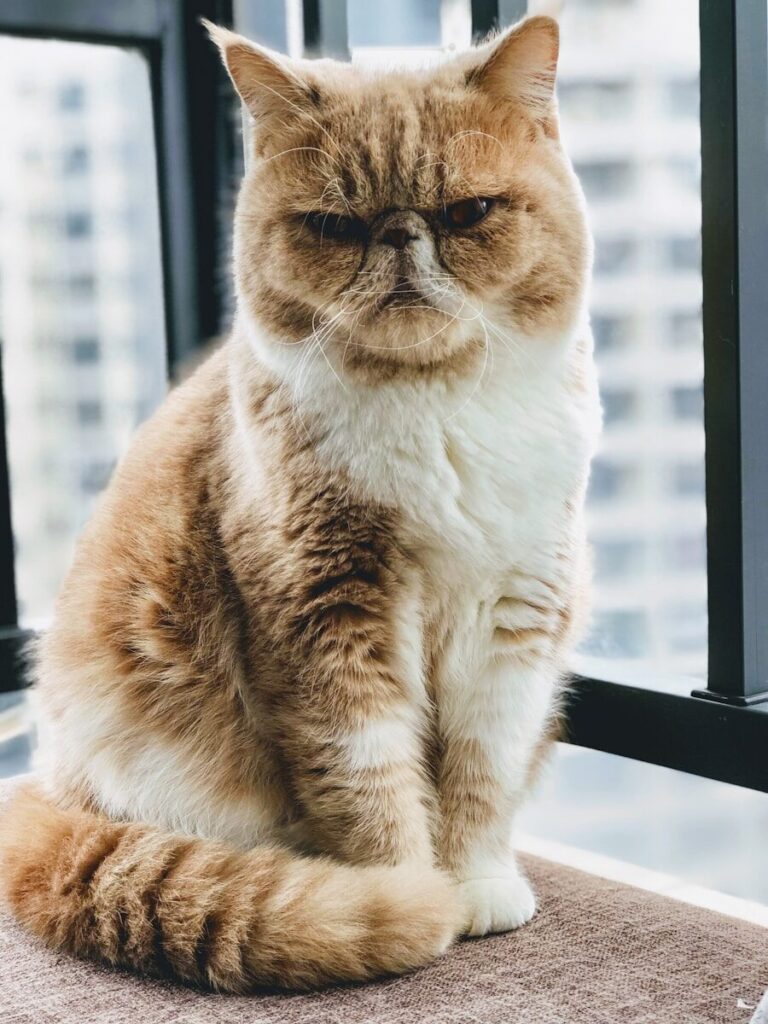
Exotic Shorthair Cat Encyclopedia: The Definitive Visual Guide
The Exotic Shorthair is a magnificent breed that perfectly captures the luxurious appeal of the Persian cat while offering the practical benefits of a shorter, far more manageable coat. Recognized by fanciers and cat lovers around the globe, this breed brings together stunning visuals, an incredibly affectionate temperament, and a robust physical build. Drawing on the extensive research documented in The Cat Encyclopedia: The Definitive Visual Guide, this comprehensive article covers fifteen essential categories detailing the history, biology, appearance, and specialized care required to help your Exotic Shorthair thrive.
1. Introduction to the Exotic Shorthair
The Exotic Shorthair is often celebrated as the perfect compromise for cat lovers who adore the placid, sweet-tempered nature of the Persian but cannot commit to the rigorous daily grooming a longhaired coat demands. Often referred to affectionately as “the lazy man’s Persian,” this breed boasts a thick, plush coat that is completely unique among shorthaired felines. They maintain the quintessential round-faced look and quiet demeanor of their Persian ancestors but are bundled in a short, dense, and highly touchable coat.
2. History and Origins of the Breed
The development of the Exotic Shorthair began in the United States during the 1960s. Initially, breeding programs were designed by crossing the luxurious Persian with the sturdy American Shorthair in an attempt to improve the coat of the latter. Early breeders primarily aimed to create a shorthaired cat that featured a beautiful silvery coat and striking green eyes, much like a silver Persian. By the 1980s, a popular British version of the breed had also emerged. The ultimate goal gradually shifted to producing cats with a distinct Persian-type face and body, but strictly possessing short hair.
3. The “Teddy Bear” Appearance
Thanks to its beautifully rounded, plush-furred body, short snub nose, and enormous round eyes, the Exotic Shorthair undeniably lives up to its popular nickname: the “teddy bear cat”. Most breeders proudly emphasize this comparison in their advertisements because the cat’s soft, densely packed coat and chunky frame literally make it look like a living plush toy. The distinct break between the eyes and the exceptionally full cheeks heavily contribute to this endearing, cherubic expression.
4. Physical Characteristics and Build
The Exotic Shorthair inherited a highly distinctive, stocky, and deep-chested body from its Persian forebears. Weighing in at a substantial 8 to 15 pounds (3.5 to 7 kg) when fully grown, it is a medium to large feline. Their bone structure is impressively heavy, supported by short, sturdy legs and large, rounded paws. The head is noticeably round with a broad skull, while the ears are distinctly small and rounded at the tips. The tail is short and thickly furred, completing the cat’s compact, powerful silhouette.
5. The Unique Exotic Shorthair Coat
The coat of the Exotic Shorthair is an absolute marvel and stands entirely unique among all shorthaired breeds. It is an extra-soft, thick double coat featuring a dense underlayer of long downy hairs, an attribute directly inherited from the Persian. This exceptionally thick undercoat physically lifts the topcoat away from the body, preventing it from lying flat and resulting in the breed’s signature plush, voluminous look.
6. Colors and Patterns
When it comes to aesthetic variety, the Exotic Shorthair offers something for absolutely everyone. They are recognized in almost all colors and patterns. Whether you are looking for a solid color (like black, white, or blue), a beautifully shaded golden coat, a striking silver tortie classic tabby, or even pointed coat patterns, the Exotic Shorthair displays them all brilliantly. The short length of the fur actually helps to highlight the clarity of tabby stripes and tortie patches much more vividly than the long, flowing hair of a Persian.
7. Temperament and Personality
Exotics combine the beautiful, round-faced look of the Persian with the same quiet, sweet, and highly docile nature. They are incredibly gentle cats that are deeply happy as indoor pets. Known to be exceedingly affectionate, they are always pleased to have someone around to play with them or to offer a warm lap. Exotics possess very soft voices and rarely make demands loudly, preferring instead to sit in front of their owners and gaze up beseechingly when they want a hug or attention.
8. Outcrossing and Genetic Diversity
To establish the Exotic Shorthair breed and refine its coat and coloring, breeders utilized careful outcrossing. While the American Shorthair and Persian formed the original foundation, breeders later introduced other lines, including the Burmese, Abyssinian, and the robust British Shorthair. This strategic genetic mixing not only widened the available color palette but also helped to maintain the breed’s overall health and vigor, creating a sturdy, healthy companion.
9. Grooming and Hygiene Requirements
Although it is celebrated as a low-maintenance alternative to the Persian, the Exotic Shorthair still requires a dedicated grooming routine. Their coat is incredibly dense, meaning they need to be groomed 2 to 3 times a week using a quality comb or slicker brush. This regular grooming removes the loose downy undercoat, prevents painful tangles or mats, and significantly reduces the ingestion of hair that leads to hairballs.
10. Dietary Needs and Feeding
Like all felines, Exotic Shorthairs are obligate carnivores that require a meat-rich diet to obtain vital nutrients like taurine. Because the Exotic Shorthair is a heavily boned, stocky breed with a relatively placid and lazy indoor lifestyle, they are particularly prone to unnecessary weight gain. Owners must strictly portion their cat’s food and avoid leaving dry kibble out all day; instead, establish a regular feeding routine to maintain their sturdy, but healthy, shape.
11. Indoor Living and Environment
The Exotic Shorthair is perfectly adapted for a quiet, indoor life. Unlike highly energetic, hyperactive Oriental breeds, the Exotic is docile and perfectly content lounging on the sofa. Keeping them indoors protects them from traffic, predators, and infectious diseases. To ensure they remain mentally stimulated while indoors, owners should provide comfortable cat beds, sturdy scratching posts, and a few interactive toys to mimic hunting behaviors.
12. Health and Inherited Disorders
While generally a sturdy breed, the Exotic Shorthair shares the facial structure of the Persian, which can lead to specific health considerations. The distinctly flattened face, or “doll face,” featuring a snub nose with a deep break between the eyes, means they can be prone to breathing difficulties and blocked or overflowing tear ducts. Additionally, like the Persian, the breed can be susceptible to Polycystic Kidney Disease (PKD), an inherited disorder that causes cysts to form in the kidneys . Responsible breeders actively screen for these genetic conditions .
13. Socialization and Playtime
Despite their famously laid-back reputation, Exotic Shorthairs still thoroughly enjoy playtime. They possess an endearing, quiet nature and rely on their owners for interaction, making them highly social companions within the home. Providing them with feather wands or simple chase toys stimulates their innate feline hunting reflexes. Early socialization as kittens ensures they grow up to be confident, well-adjusted adults who are comfortable around visiting guests and other household pets.
14. Comparison: Exotic Shorthair vs. Persian
The Exotic Shorthair is essentially a Persian in every way—sharing the exact same cobby body, sweet temperament, and flat facial structure—except for coat length. While a Persian requires 15 to 30 minutes of diligent, daily grooming to prevent its long, flowing coat from turning into impenetrable mats, the Exotic’s short, dense fur only requires a comb-through a few times a week. For those who admire the aristocratic grace of the Persian but have a busy lifestyle, the Exotic is the ultimate solution.
15. Choosing an Exotic Shorthair Kitten
When selecting an Exotic Shorthair kitten, it is crucial to source them from a reputable breeder who prioritizes health and temperament over extreme physical traits. Look for kittens that have clear, bright eyes without excessive nasal discharge, and ensure they breathe silently and effortlessly without snorting . A well-socialized kitten should be playful, curious, and willing to approach you for affection.
Exotic Shorthair Quick Facts
| Breed Attribute | Description |
|---|---|
| Origin | United States, 1960s. |
| Breed Registries | CFA, FIFe, GCCF, TICA. |
| Weight Range | 8–15 lb (3.5–7 kg). |
| Grooming Needs | 2–3 times a week to manage the thick, dense undercoat. |
| Colors and Patterns | Almost all colors and patterns are recognized, including solid, shaded, tabby, and tortie. |
| Body Type | Stocky, deep-chested, short sturdy legs (Cobby build). |
| Temperament | Affectionate, docile, quiet, sweet-natured, and happy indoors. |