
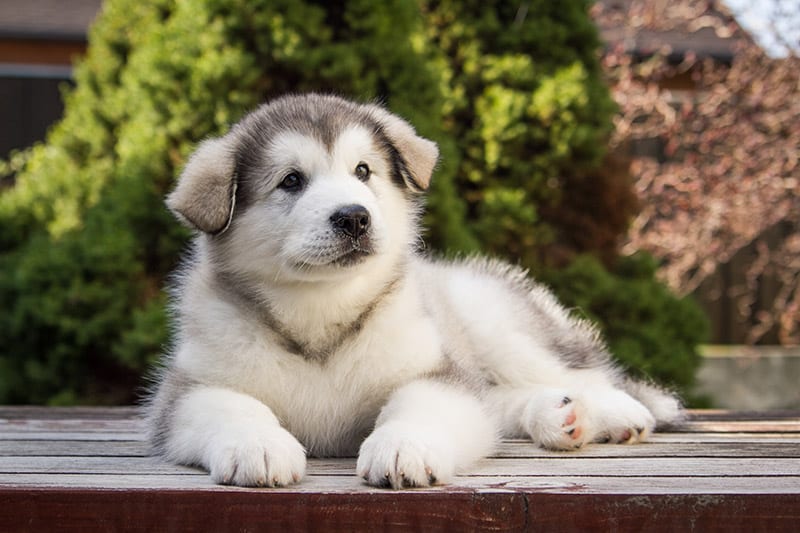
Understanding Alaskan Malamute Puppies
Alaskan Malamutes are a beloved breed known for their impressive strength, endurance, and captivating beauty. This section dives into an overview of the breed, providing essential insights for any prospective owner, and illuminates the specific behavior traits unique to Alaskan Malamute puppies.
Overview of the Alaskan Malamute Breed
Originating from the Arctic, Alaskan Malamutes were initially bred by the Native Arctic people, particularly the Mahlemuts, for strength and ability to haul heavy sled loads across icy terrains. Their physical attributes are truly remarkable:
- Size: Males typically weigh between 85 to 100 pounds, while females range around 75 to 85 pounds.
- Appearance: They possess a thick double coat that comes in various shades from gray to black to red, characterized by its dense fur that protects against severe cold.
- Temperament: Known for their friendly demeanor, Alaskan Malamutes are loyal and affectionate, making them excellent family companions.
These dogs are not just beautiful; they are highly intelligent and have a strong prey drive. This characteristic often leads them to have a hunting instinct. As such, they require careful training and socialization early in life to ensure they develop into well-rounded adults.
One notable aspect of Alaskan Malamutes is their social nature. Psychologically, they thrive in environments where they can be around family. This breed will not do well if left in isolation for extended periods, as they need companionship both from humans and other pets.
Behavior Traits Specific to Alaskan Malamute Puppies
Understanding the behavior traits of Alaskan Malamute puppies is crucial for effective training and integration into the family. Here are some defining traits that puppy owners can expect:
- Playfulness:
- Alaskan Malamute puppies exude energy and enthusiasm, often exhibiting playful behavior. Engaging them in games and interactive play can help channel this energy positively and is vital for their growth.
- Independent Nature:
- Despite their playfulness, Malamute puppies display a strong sense of independence. This trait can sometimes be perceived as stubbornness, casting them as challenging pups to train. For example, a puppy may choose to ignore commands if they are not motivated or if they feel it conflicts with their interests.
- Affectionate Behavior:
- Known for their affectionate nature, these puppies form strong bonds with their owners. They love to cuddle and show their affection openly, which helps foster a loving environment in the household.
- Curiosity:
- Alaskan Malamute puppies are incredibly curious about their surroundings. They often explore their environment through tough chewing and digging, which can also lead them to get into trouble if not supervised. A proactive approach with toys and safe spaces will ensure this curiosity is positively channeled.
- Sociability:
- Early socialization is critical. Malamute puppies generally get along well with other dogs, provided they have been adequately socialized. However, continuous introductions to new people and pets during their formative months will help them grow into well-adjusted adults.
To illustrate these traits, consider a personal anecdote: One puppy owner shared their experience of bringing home a Malamute puppy named Kodiak. Cheeky yet charming, Kodiak demonstrated boundless energy and was fiercely independent. Training sessions required patience and creativity, but the joy of watching him learn and develop social skills was immensely rewarding.
Navigating the Behavioral Challenges
Despite their delightful traits, potential owners should be prepared for challenges:
- Chewing and Destructive Behavior: Puppies often chew on furniture or household items as they explore their world. Providing adequate chew toys ensures that this behavior is redirected positively.
- Barking: Malamute puppies can be vocal. Early training that focuses on appropriate barking can alleviate this tendency and promote harmony in the household.
In summary, understanding the Alaskan Malamute breed and their specific puppy behavior traits will enable prospective owners to create a nurturing, engaging, and structured environment for their new friend. Early intervention and consistent training, combined with love and attention, will lead to a fulfilling relationship with an intelligent, loyal, and spirited companion.
Understanding these nuances sets the foundation for an enriching journey with your Alaskan Malamute puppy, making this adventure one to cherish for years to come.
Preparing for Alaskan Malamute Puppy Training
Once you’ve welcomed your Alaskan Malamute puppy into your home, the next step is preparing for effective training. Training can be a rewarding experience, especially when the right environment and tools are in place. Here, we’ll explore how to set up a conducive training environment and the necessary training tools and resources, ensuring that both you and your puppy thrive during this essential phase.
Setting Up a Conducive Training Environment
Creating a training-friendly environment is key to successful sessions with your Alaskan Malamute puppy. This is about more than just physical space; it includes emotional and psychological factors as well.
- Choose the Right Space:
- Select a quiet, distraction-free area where training can occur. Ideally, this is a place where your puppy feels comfortable.
- Consider selecting a section of your home such as a dedicated room or an enclosed area in your yard. If you’re indoors, using a kitchen or living room can work wonders.
- Consistent Training Areas:
- Consistency is important for puppies. Use the same spot for training to help your Malamute learn that this is their workspace.
- This familiarity can make them more relaxed and receptive to commands.
- Remove Distractions:
- Make sure the training area is free from loud noises, other pets, or toys that could divert your puppy’s attention.
- Keep valuable or breakable items out of reach to avoid any accidents when your puppy gets a little too excitable.
- Create an Engaging Environment:
- Incorporate elements that stimulate their minds. Simple puzzle toys can occupy their curiosity during breaks, while training treats can help motivate them.
- Remember, an environment that encourages exploration will be beneficial for an inquisitive Alaskan Malamute, but it should also remain manageable to aid focused training.
- Temperature and Comfort:
- Given the size and coat type of Alaskan Malamutes, ensure the training space is comfortable, adjusting for temperature as needed.
- Puppies can find it hard to focus in extreme temperatures, so keep the area cozy.
A personal anecdote from an owner highlights the importance of the environment: “I started training my Malamute, Aurora, in my living room. But it wasn’t until I moved her sessions to our quieter sunroom that I truly saw progress. The calm atmosphere helped her focus and learn faster!”
Necessary Training Tools and Resources
Equipping yourself with the right tools is equally important in ensuring a smooth training experience. Here are some essential resources to consider:
- Collar and Leash:
- A sturdy, comfortable collar and leash are vital, especially for an energetic breed like the Malamute. Opt for a leash that is at least six feet long to allow some level of freedom while maintaining control.
- Consider a harness instead of a collar; this can help prevent strain on the puppy’s neck during walks.
- Training Treats:
- Positive reinforcement is a crucial component of effective training. Use small, tasty treats that your puppy enjoys to reward good behavior.
- It’s wise to select healthier snacks and to break larger treats into smaller pieces to avoid overfeeding.
- Clicker:
- A clicker is a simple gadget that helps mark a desired behavior when your puppy performs correctly. Hearing a “click” serves as an immediate reward signal.
- This tool aids in establishing clear communication between you and your puppy.
- Training Books and Online Resources:
- Invest in books or seek out reputable online resources to gain insights into effective training techniques tailored to Alaskan Malamutes. Understanding their unique personality traits and tendencies will significantly benefit both you and your puppy.
- Joining aligned online forums or communities can enhance your experience, allowing for shared tips and support with other Malamute owners.
- Training Crate:
- A crate can be an invaluable tool in training and housebreaking your puppy. It provides a safe space for your Malamute, allowing them to relax when you can’t supervise them directly.
- Make sure the crate is the right size, offering enough room for them to stand, turn, and lie down comfortably.
- Toys:
- Providing a variety of toys that cater to their powerful chewing nature can help keep your puppy engaged and reduce destructive behavior.
- Look for durable rubber toys or ropes that can withstand vigorous playtimes.
In summary, preparing for Alaskan Malamute puppy training means cultivating a favorable environment and investing in the right tools. This groundwork will make a significant difference in how efficiently you teach your pup the commands and behaviors they need to master. With a little dedication and preparation, you and your Alaskan Malamute will embark on a fulfilling journey together, leading to a strong bond and a well-behaved companion. By prioritizing these aspects, you’ll set a solid foundation for all the training adventures yet to come!
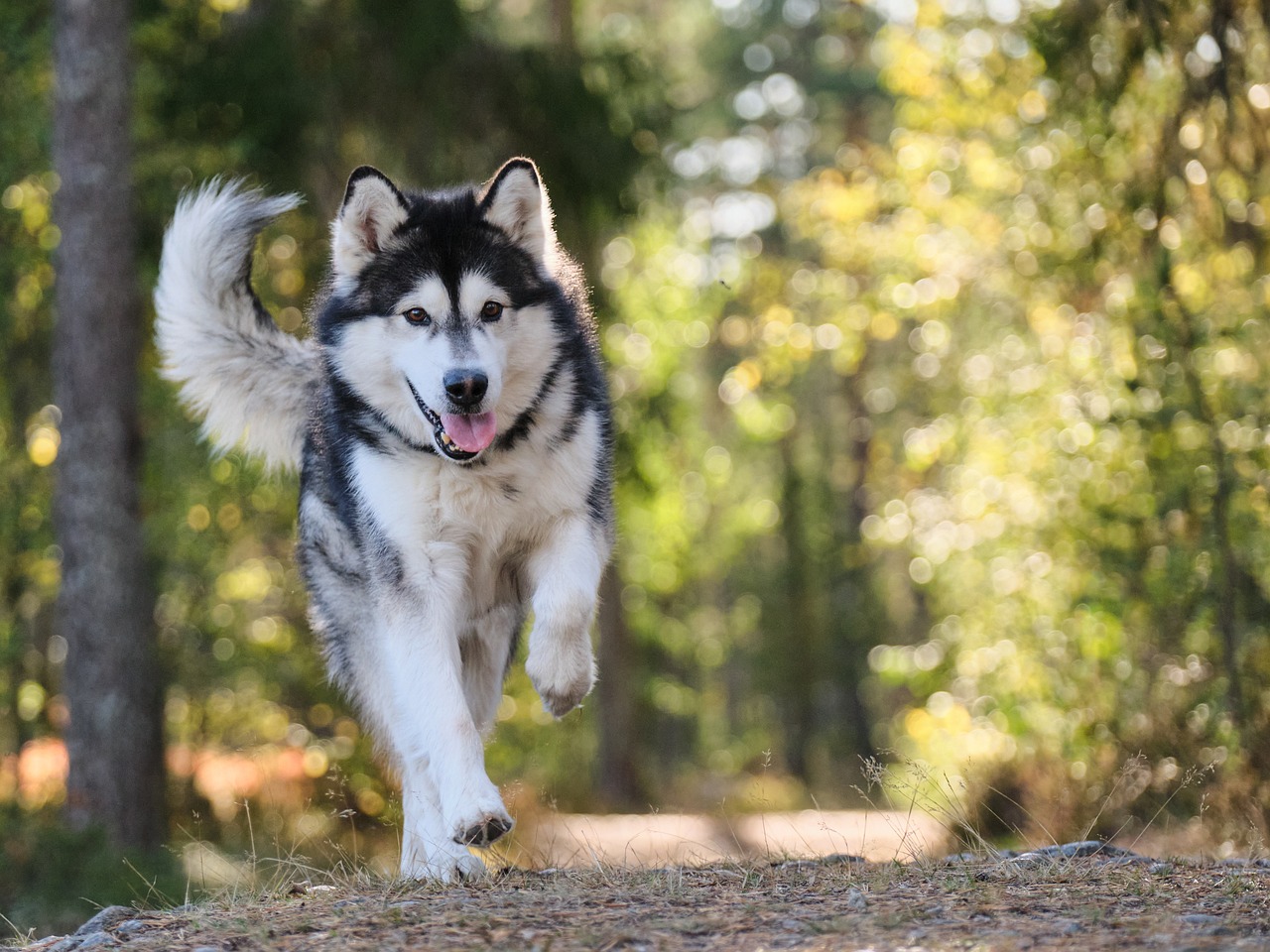
Basic Training Techniques for Alaskan Malamute Puppies
Now that you have set up a conducive training environment and gathered the necessary tools, it’s time to dive into the actual training techniques for your Alaskan Malamute puppy. This stage primarily involves two fundamental aspects: house training (or potty training) and socialization/obedience training. Both are essential for fostering a well-behaved and sociable dog.
House Training and Potty Training
House training your Alaskan Malamute puppy should be one of your top priorities. It forms the basis for a harmonious relationship between you and your pup, and it helps them understand where they can relieve themselves.
- Consistent Schedule:
- Establish a consistent feeding and bathroom schedule. Take your puppy outside immediately after meals, naps, and play sessions.
- Frequent potty breaks are essential, as puppies have small bladders. Young Alaskan Malamutes may need to go out every hour or so at first.
- Designated Bathroom Area:
- Choose a specific spot outside where you want your puppy to relieve themselves. This will help them associate that area with potty time.
- Use a specific command like “go potty” to associate the verbal cue with the action.
- Supervision:
- Keep a close eye on your puppy inside the house. Watch for signs that they need to go out, such as sniffing around, circling, or whining.
- If you cannot supervise them, consider using a crate, as puppies generally avoid soiling their sleeping area.
- Positive Reinforcement:
- Always reward your puppy immediately after they go to the bathroom outside. This can be in the form of treats, praise, or even a quick game.
- Avoid punishment for accidents inside. Instead, clean up thoroughly and redirect them outside next time.
- Dealing with Accidents:
- If you catch your puppy in the act indoors, interrupt gently with a soft voice, but don’t scold them. Take them straight outside to their designated spot.
- Clean any accidents inside with enzyme-cleaning products that eliminate odors, preventing your puppy from returning to the same spot.
A relatable anecdote comes from a Malamute owner who faced challenges with house training: “At first, my puppy, Luna, had a few accidents. I was frustrated, but I realized I needed to adjust my approach. Once I started taking her outside more frequently and rewarded her every time she did her business outside, it clicked for her! Now she’s fully house-trained!”
Socialization and Obedience Training
Socialization and obedience training are equally crucial for your Alaskan Malamute puppy. Proper socialization helps them become well-adjusted adults, while obedience training sets ground rules for a respectful relationship.
- Socialization:
- Expose your puppy to various environments, people, and other animals. The more experiences they have, the more comfortable they will become in different situations.
- Share positive experiences and exposures during the critical socialization window (between 3 to 14 weeks). This can include visits to parks, short rides in the car, and meeting friendly dogs.
- Positive Reinforcement:
- Just as with potty training, use treats and praise as positive reinforcement. Reward your puppy when they interact positively with new experiences and stimuli.
- Create a safe environment where your puppy feels secure; this will encourage them to be more confident around others.
- Basic Commands:
- Start teaching fundamental obedience commands like “sit,” “stay,” “come,” and “down.” These commands lay the groundwork for further training and ensure your puppy understands expectations.
- Use clear, concise verbal cues alongside hand signals to reinforce learning.
- Short and Engaging Sessions:
- Keep training sessions short but frequent, around 5-10 minutes, focusing on one command or behavior at a time. Puppies have short attention spans, so variations will keep them engaged.
- Include playtime after training sessions to help maintain enthusiasm.
- Real-Life Practice:
- Incorporate commands into everyday life. For instance, ask your puppy to sit before meals or to wait at doors. This not only reinforces training but also helps them understand their place in daily routines.
- Utilize daily outings to practice commands. For instance, while walking, encourage “heel” or “wait” at intersections.
Remember, socialization and obedience training is an ongoing process—continued exposure and reinforcement throughout your dog’s life will ensure they remain well-disciplined and socially adept.
In conclusion, house training and socialization/obedience training are crucial components of raising a healthy, well-adjusted Alaskan Malamute puppy. Establishing a consistent routine, providing positive reinforcement, and maintaining patience will yield rewarding results. Investing time and effort into these basic training techniques will undoubtedly pave the way for a loving, disciplined, and happy companion. Embrace the process, enjoy the journey, and cherish the memories you create with your furry friend!
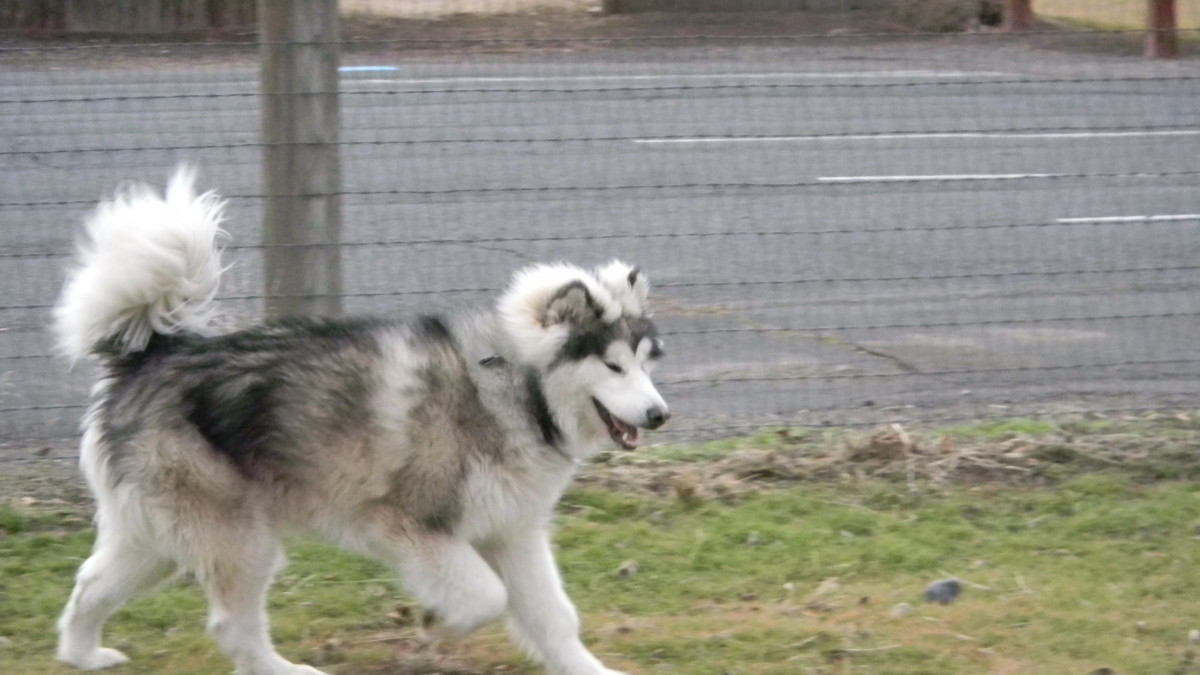
Advanced Training Tips for Alaskan Malamute Puppies
Having established the foundation of basic training for your Alaskan Malamute puppy, it’s time to delve into advanced training techniques. This stage not only enhances your puppy’s repertoire of commands and tricks but also helps in addressing behavioral issues and challenges that may arise. With consistency, patience, and methods tailored to this unique breed, you can effectively train your Malamute to be a well-behaved companion.
Teaching Commands and Tricks
Once your Alaskan Malamute has mastered basic commands, you can begin introducing more advanced commands and fun tricks. These activities not only stimulate your puppy’s mind but also strengthen your bond.
- Basic Commands as a Foundation:
- Before moving to advanced commands, ensure your puppy has a solid understanding of basic commands like “sit,” “stay,” and “come.” These form the building blocks for more complex tricks.
- Progressive Learning:
- Begin with one trick at a time to prevent overwhelming your pup. For example, start with “shake hands.”
- To teach this trick:
- Have a treat ready in your hand.
- Wait for your puppy to lift their paw and gently lift it with your hand.
- As soon as they lift their paw, praise them and give the treat, repeating the process until they associate the action with the command.
- Diverse Tricks to Consider:
- Here are some fun tricks you can teach your Malamute:
- Roll Over: Use a command combined with a gentle motion to guide them through the movement.
- Spin: Encourage them to turn in a circle using treats as guidance.
- Play Dead: Start with a “down” command and gently roll them onto their side, rewarding them for completing the action.
- Here are some fun tricks you can teach your Malamute:
- Make Training Fun:
- Incorporate games and play into training sessions. Using toys can make training feel less like a chore and more of a fun activity.
- Keep sessions short (10-15 minutes) to maintain interest, blending training with playtime.
- Use of Hand Signals:
- Accompany verbal commands with clear hand signals. For example, point to your eyes when asking for “look at me.”
- This visual cue supplements learning and helps your puppy respond better, as Alaskan Malamutes are naturally attuned to visual signals.
Sharing a personal story, one Malamute owner recounts her journey with advanced training: “I was amazed at how much my dog, Glacier, enjoyed learning new tricks. We began doing simple activities in the living room, mixing treats and praises. Before I knew it, he was mastering tricks like ‘spin’ and even ‘play dead!’ The joy in his eyes was the real reward!”
Addressing Behavioral Issues and Challenges
While training your Alaskan Malamute puppy can be enjoyable, behavioral issues may arise. Understanding the breed’s traits and incorporating effective strategies can help you navigate these challenges successfully.
- Understanding Prey Drive:
- Alaskan Malamutes have a strong prey drive, which means they may chase after small animals. It’s essential to supervise them during walks and outings.
- Use a secure leash to control them and redirect focus with commands if they become overly excited.
- Common Behavioral Concerns:
- Excessive Barking: This can stem from boredom, anxiety, or lack of exercise. Keep your Malamute mentally and physically stimulated with adequate exercise and interactive play.
- Destructive Chewing: Provide plenty of durable chew toys and redirect their focus if they start chewing on inappropriate items.
- Jumping Up: Teach them to greet people properly by rewarding calm behavior. Use the “sit” command before letting them interact with guests.
- Consistency is Key:
- Establish clear and consistent rules. For instance, if jumping on guests is not allowed, ensure everyone enforces that rule consistently.
- Use consistent commands and gestures. If one family member calls it “sit” while another says “down,” it can confuse your puppy.
- Timeouts for Poor Behavior:
- If your Malamute displays undesired behavior, implement a short timeout. This means gently removing them from the situation to calm down. This is not a punishment but a way to help them reset.
- Seek Professional Help When Needed:
- If behavioral problems persist, consider working with a professional dog trainer who specializes in Malamute behavior. They can offer tailored advice and hands-on assistance.
In the grand picture, advanced training techniques for your Alaskan Malamute involve teaching new commands and tricks while effectively addressing behavioral challenges. Each session is an opportunity to build on the strong bond you share with your puppy. Remember, patience, praise, and persistence are your best tools in this journey. Celebrate small victories—each trick learned and each challenge overcome is a step toward a joyful, obedient companion who truly understands you. Enjoy the journey!
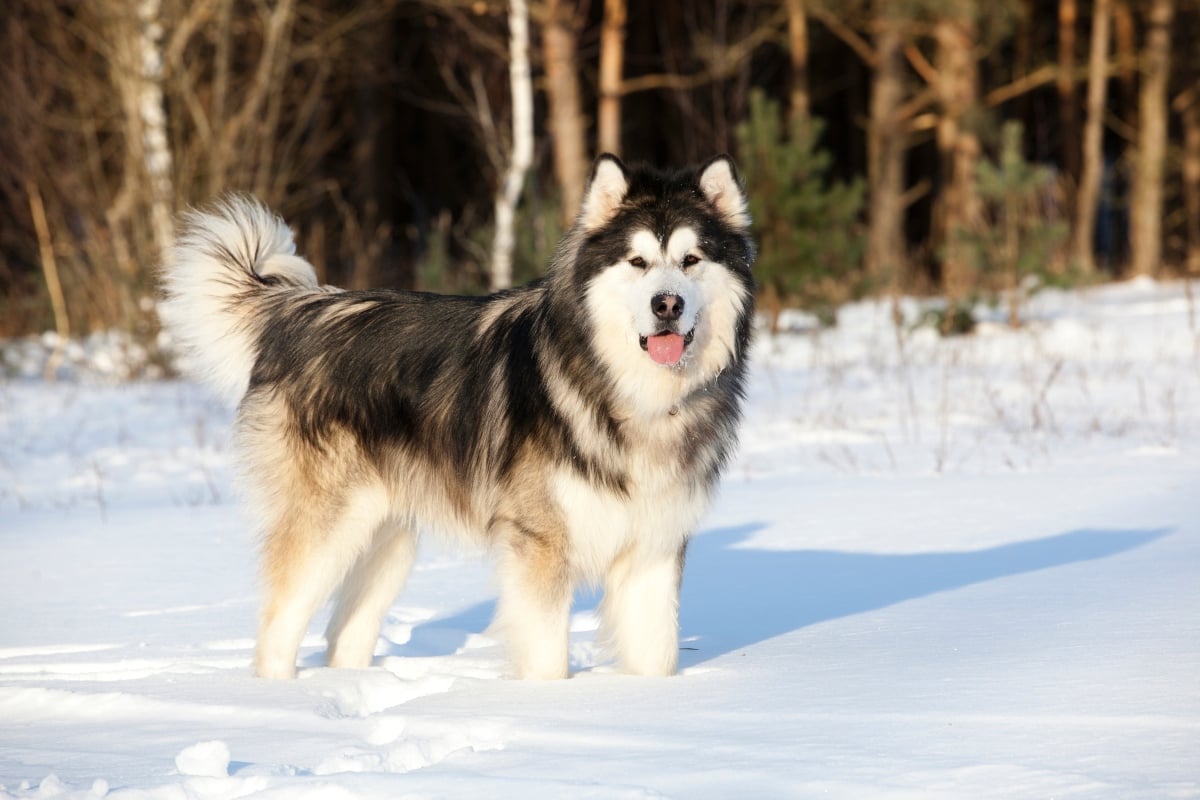
Health and Nutrition for Alaskan Malamute Puppies
Achieving a happy and healthy life for your Alaskan Malamute puppy relies heavily on proper nutrition and exercise. By ensuring that your puppy receives a balanced diet and ample physical activity, you will set the foundation for a long and vibrant life filled with energy and vitality. Let’s explore important recommendations for their diet and exercise needs along with some essential health considerations.
Balanced Diet Recommendations
A well-balanced diet is crucial for the growth and overall health of your Alaskan Malamute puppy. As a breed known for its size and energy levels, they have specific dietary needs that must be met.
- Quality Commercial Dog Food:
- Opt for high-quality commercial puppy food that is specifically formulated for large breeds. Look for products that list meat (like chicken or lamb) as the first ingredient and avoid fillers such as corn or soy.
- Check that the food contains essential nutrients like protein, healthy fats, vitamins, and minerals, which are all vital for your puppy’s growth.
- Protein Content:
- Alaskan Malamutes require a higher protein content in their diets—approximately 25-30% protein is suitable for fostering muscle development.
- Avoid protein sources that do not specify the type of meat, as this can be ambiguous regarding the quality of ingredients.
- Healthy Fats:
- Healthy fats provide energy and promote a shiny coat. Look for dog foods that incorporate omega-3 and omega-6 fatty acids, which can also help with skin and coat health.
- Fish oil is an excellent addition to their meals if you’re considering supplements.
- Portion Control:
- Follow the feeding guidelines on your dog food package, adjusting portions according to your puppy’s growth and activity level. Keep an eye on their weight.
- It’s best to feed puppies three to four small meals throughout the day instead of one or two large meals, as this helps prevent digestive issues.
- Hydration:
- Always provide fresh, clean water. Proper hydration contributes to digestion, a healthy coat, and overall well-being.
- Monitor your puppy’s water intake, especially after exercise or play.
- Homemade Diets:
- If considering homemade diets, consult with your veterinarian to ensure they meet nutritional needs. It’s easy to overlook essential nutrients without proper guidance.
Sharing an anecdote, one Malamute owner reflected, “When I first got my puppy, I wasn’t aware of the importance of a high-quality diet. Once I switched him to a premium puppy food, his energy skyrocketed! He was more playful and his coat became shiny and healthy. I had never realized how much of a difference diet could make!”
Exercise Needs and Health Considerations
Alaskan Malamutes are energetic dogs that require ample exercise to stay healthy and content. Establishing a regular exercise routine is essential, especially as they grow.
- Daily Exercise Requirements:
- Aim for at least 1 to 2 hours of exercise daily, which can include walks, runs, or play sessions in the yard.
- Be mindful of their stamina; puppies will tire out more quickly than adult dogs so shorter but more frequent sessions may work best.
- Physical and Mental Stimulation:
- Incorporating both physical and mental activities is critical. Use puzzle toys, training sessions, or agility exercises to keep their brains engaged.
- Interactive games like fetch or tug-of-war can also provide both physical exercise and bonding time.
- Socialization Through Exercise:
- Take your puppy to dog parks or arrange playdates with other dogs. This not only fulfills their exercise needs but also aids in socialization—a key factor for their behavioral health.
- Engaging with other well-mannered dogs introduces them to different play styles while reducing their own chances of developing behavioral issues.
- Health Considerations:
- Regular vet check-ups are vital; they will monitor your puppy’s growth, weight, and vaccination status. They can also advise you on health screenings specific to the breed.
- Be alert for common health issues in Alaskan Malamutes, such as hip dysplasia and certain hereditary conditions. Early detection can make a significant difference in management.
- Seasonal Considerations:
- As Alaskan Malamutes have thick fur, be mindful of heat during warm months. Avoid excessive exercise during peak heat hours, as overheating can pose serious risks.
- In the colder months, embrace the cold! These pups thrive in low temperatures but be cautious of frostbite and keep some essentials in mind, like having a warm shelter available.
In summary, proper health and nutrition for your Alaskan Malamute puppy encompass a balanced diet rich in appropriate nutrients, hydration, and a significant commitment to exercise. By carefully attending to these aspects, you ensure that your pup grows into a robust and happy adult. Investing in their diet and physical fitness pays off with a vibrant, energetic companion for many years to come! Remember, it’s all about the little, consistent choices you make that contribute to their overall well-being. Enjoy the journey of nurturing your furry friend!
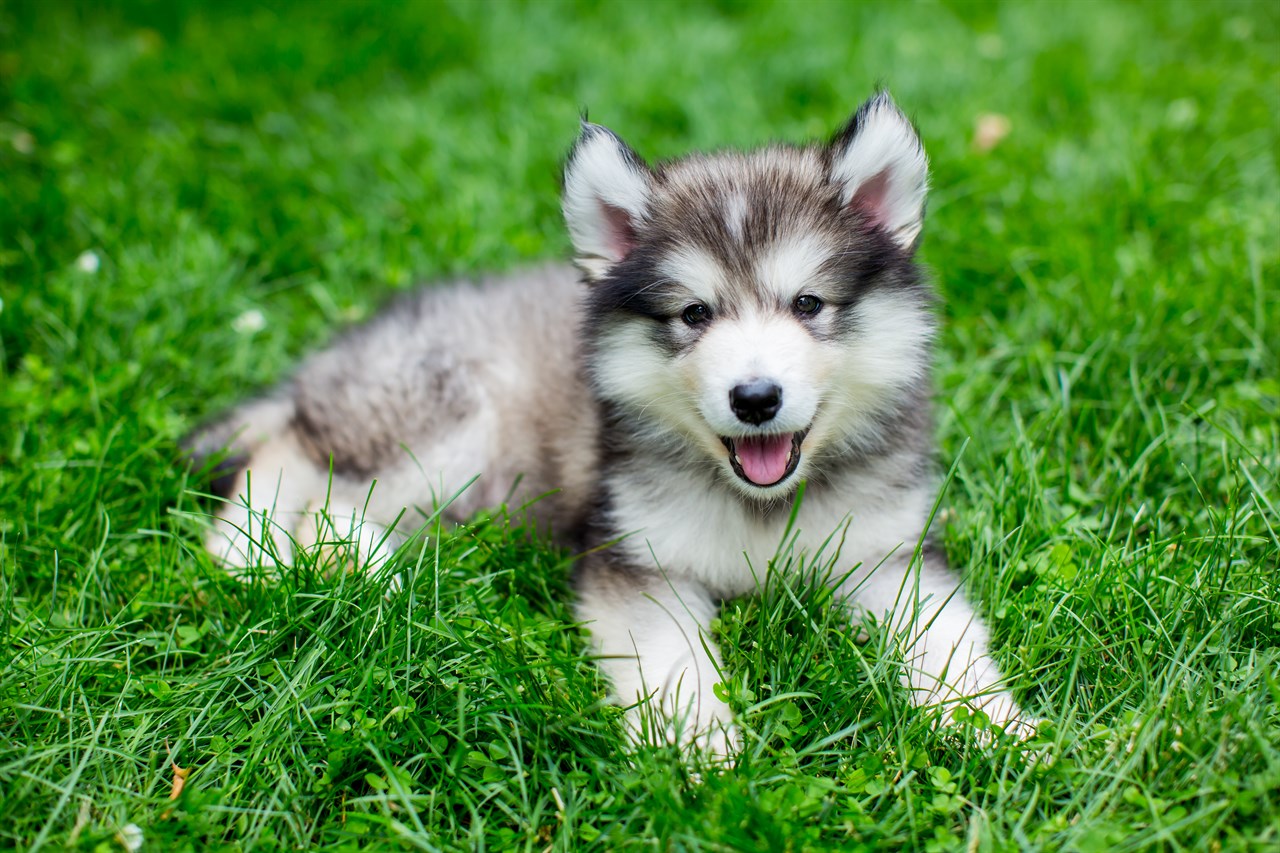
Building a Strong Bond with Your Alaskan Malamute Puppy
With all the foundational aspects of training, nutrition, and health covered, now it’s time to embark on one of the most rewarding journeys in dog ownership: building a strong bond with your Alaskan Malamute puppy. A solid relationship is vital for effective training and long-term companionship. By understanding the importance of bonding during training and engaging in activities that strengthen your connection, you can create a lasting partnership.
Importance of Bonding During Training
Creating a loving and trusting bond with your Alaskan Malamute puppy during training sessions sets the stage for a positive learning experience. Puppies that feel secure and connected with their owners are often more eager to learn and obey commands.
- Trust and Comfort:
- Bonding through training fosters a sense of trust. When your puppy trusts you, they are more likely to respond eagerly to your commands, knowing that you have their best interests at heart.
- This trust is essential for puppies, especially when introducing them to new situations or environments. The more confident they feel in you, the more they will explore.
- Positive Reinforcement:
- Using praise, treats, and gentle encouragement not only reinforces good behavior but also strengthens your bond. Positive experiences associated with training lead to your puppy becoming more enthusiastic about engaging with you.
- Besides training, incorporate fun into the reward system. For example, a simple game of tug-of-war can reinforce the bond alongside the command.
- Mutual Understanding:
- Engaging in training helps you understand your puppy’s unique personality, learning style, and needs. This mutual comprehension enables better communication, which is vital for fostering a lasting relationship.
- Each time you train, you develop not only your puppy’s abilities but also your skills as an owner.
- Building Patience and Consistency:
- Training can be a test of patience. Your Alaskan Malamute puppy may not grasp commands immediately, which can sometimes be frustrating. Remaining calm and consistent helps nurture a trusting relationship.
- Personal anecdotes abound from owners. One Malamute parent recalled, “When my puppy, Kodiak, was wiggly and uncooperative, I took a few deep breaths and remembered to approach him with patience. As soon as I relaxed, we began to bond over training sessions, and he started to respond beautifully to my commands!”
By prioritizing bonding in your training methodologies, you pave the path toward a loyal and deeply connected relationship with your Malamute.
Activities to Strengthen the Human-Dog Relationship
Beyond training, there are various activities that can further enhance the bond with your Alaskan Malamute puppy. Engaging in more dynamic experiences together fosters trust, communication, and fun!
- Playtime:
- Utilize daily play sessions to strengthen your bond. Engage in activities like fetch, tug-of-war, or hide-and-seek, which involve both physical activity and interaction.
- Rotating toys helps keep playtime exciting and minimizes boredom. Malamutes thrive on mental challenges, so consider puzzle toys as a brain-teaser!
- Regular Exercise:
- Take your puppy on regular walks, hikes, or jogs. The shared exercise builds stamina, health, and a sense of companionship.
- Explore new environments together—parks, trails, or beaches—offering your pup new sights and smells while bonding on adventures.
- Training Classes:
- Enroll in obedience classes together. Group settings provide socialization opportunities, while the structured environment enables you to learn from each other.
- Learning alongside others can also offer additional motivation for both you and your puppy.
- Quality Time:
- Dedicate uninterrupted time to simply sit with your puppy. Whether reading a book or enjoying sunshine, the close proximity fosters relaxation and trust.
- Consider grooming sessions, which provide an intimate way to connect. Your puppy will appreciate gentle strokes and brushing while enhancing comfort and trust.
- Creating Routines:
- Establish a daily routine that includes feeding, playtime, training, and rest. Puppies love structure, and following a routine will help them feel secure as they know what to expect.
- This predictability is comforting and aids in reinforcing your presence as a reliable source of love and care.
- Adventure Outings:
- Introduce your puppy to different dog-friendly spaces or events. Attending dog-friendly cafes, pet expos, or even puppy training trails can offer positive experiences while strengthening your bond through shared adventures.
By incorporating these activities into your daily lives, you will breed a lasting connection with your Alaskan Malamute puppy. A profound bond lays the groundwork for a fulfilling relationship, whereby your dog will be both a loyal companion and a joy to train.
In conclusion, building a strong bond with your Alaskan Malamute puppy is an ongoing journey that requires love, patience, and dedication. Prioritizing bonding during training and engaging in activities together fosters a connection that transcends mere obedience. Embrace the moments of play, exploration, and togetherness—this relationship with your furry friend is one of life’s greatest treasures. Enjoy every step of the journey!