
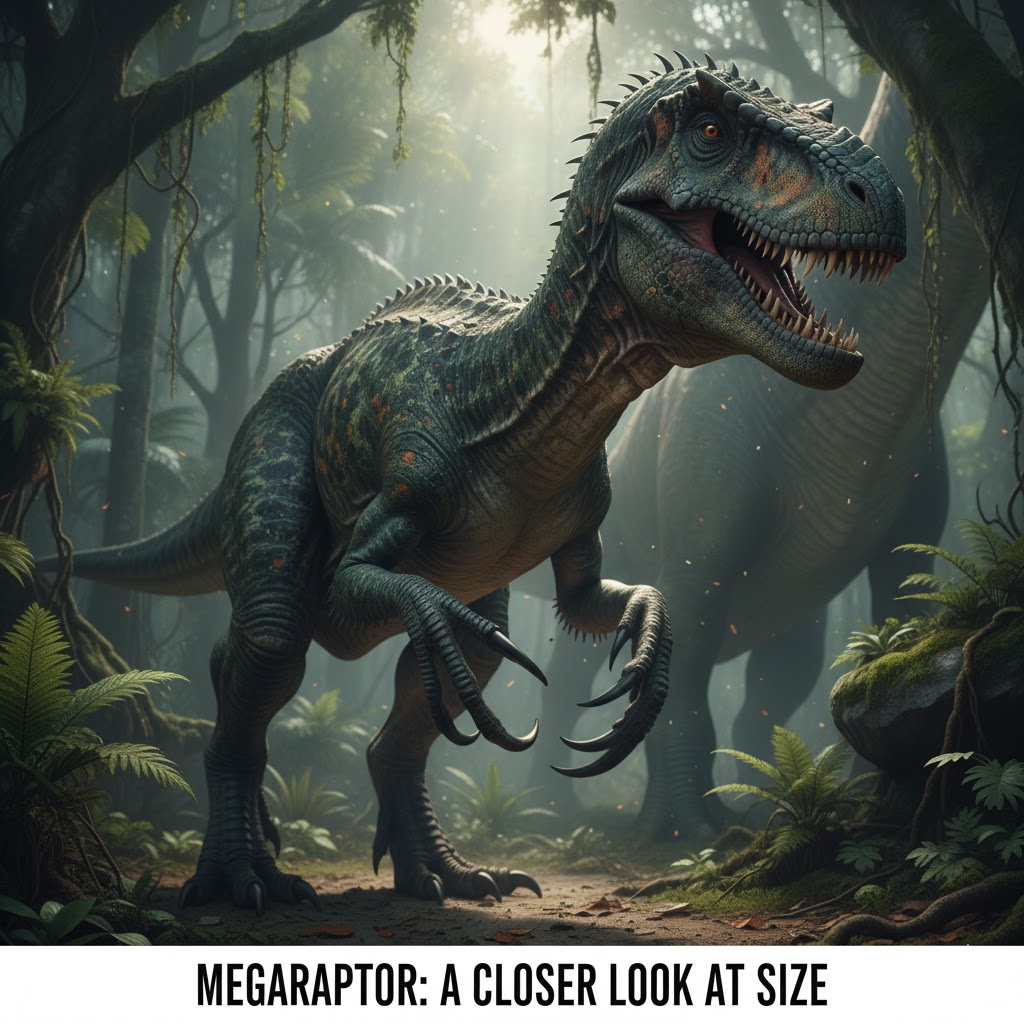
Unveiling the Mysteries of the Megaraptor: A Closer Look at Size and Fossil Evidence 🦖🔍
Table of Content 🗂️
- 1. Introduction to the Megaraptor 🦕
- 2. The Discovery of Megaraptor Fossils 💎
- 3. Size Estimates for the Megaraptor 📏
- 4. Anatomy and Structure of Megaraptor 🦴
- 5. Paleoecology of Megaraptor 🌍
- 6. Comparison with Other Theropods 🤔
- 7. Artistic Reconstructions 🎨
- 8. Megaraptor in Popular Culture 🎥
- 9. Ongoing Research on Megaraptor 🔬
- 10. Challenges in Megaraptor Studies 🧩
- 11. Insights into Megaraptor Behavior 🦺
- 12. Megaraptor’s Role in the Ecosystem 🦖🌱
- 13. Future of Megaraptor Research 🔮
- 14. Conclusion on Megaraptor Size and Fossils 📝
- 15. Further Reading and References 📖
1. Introduction to the Megaraptor 🦕
The Megaraptor, a fascinating dinosaur from the Late Cretaceous period, has captivated paleontologists and enthusiasts alike with its unique characteristics and size. Classified as a theropod, it showcases an intriguing mix of features that could help us unlock new insights into the past ecosystems of our planet. ⚖️
2. The Discovery of Megaraptor Fossils 💎
The first Megaraptor fossils were discovered in Argentina in the early 1990s, a find that marked a significant step forward in dinosaur research. These original fossils included a partial skeleton that provided enough information to allow scientists to speculate on its size and potential behavior. Fossils of Megaraptor continue to be uncovered, piecing together its place in the dinosaur family tree. 🕵️♂️
3. Size Estimates for the Megaraptor 📏
Estimates regarding the size of the Megaraptor indicate that it could reach up to 26 feet (8 meters) long. Its long limbs and large claws suggest it was a formidable predator. Ongoing research continues to refine our understanding of its exact dimensions and weight. 📊
4. Anatomy and Structure of Megaraptor 🦴
The Megaraptor is distinguished by its slender yet muscular build. It possessed an elongated skull with sharp teeth, ideal for capturing prey. Its unique claws also raise questions about its hunting strategies and overall adaptability in its habitat.
5. Paleoecology of Megaraptor 🌍
Understanding the paleoecology of Megaraptor gives insights into the environmental conditions during the Late Cretaceous. It likely inhabited semi-arid regions with access to forests and water sources. Analyzing these aspects helps scientists connect the Megaraptor‘s characteristics with its lifestyle. ⚡
6. Comparison with Other Theropods 🤔
When placed alongside well-known theropods like the Velociraptor and Tyrannosaurus, Megaraptor exhibits a unique combination of physical traits. The differences in size, claws, and hunting habits provide an exciting ground for comparison and contrast within the theropod family. 🦖
7. Artistic Reconstructions 🎨
Artistic reconstructions of the Megaraptor have generated much interest as they visualize what this majestic creature may have looked like during its reign. Such illustrations stimulate interest in the scientific process and the study of paleontology. 🎨
8. Megaraptor in Popular Culture 🎥
The Megaraptor has found its way into popular culture, appearing in various media, including films and literature. Its unique traits, combined with its enigmatic nature, make it an appealing subject for storytelling and education. 📚
9. Ongoing Research on Megaraptor 🔬
Paleontologists continue to study Megaraptor fossils to fill gaps in knowledge. Each new discovery unveils further details about its biology, which fuels ongoing debates within the scientific community. 🔬
10. Challenges in Megaraptor Studies 🧩
Despite advancements, many challenges remain in studying Megaraptor. Incomplete fossil records can obscure understanding. Researchers must piece together fragmented evidence to comprehend this dinosaur fully.
11. Insights into Megaraptor Behavior 🦺
Understanding the behavior of the Megaraptor is essential for illuminating its role as a predator. Its anatomy, coupled with the ecological evidence, suggests it might have used speed and agility to hunt.
12. Megaraptor’s Role in the Ecosystem 🦖🌱
Megaraptor played a crucial role in its ecosystem as both a predator and a potential scavenger. Its presence helped shape the dynamics of the Cretaceous food web. 🌐
13. Future of Megaraptor Research 🔮
The future of Megaraptor research is promising. As technology advances and more fossils emerge, scientists are likely to uncover deeper insights into this incredible dinosaur.
14. Conclusion on Megaraptor Size and Fossils 📝
The Megaraptor remains one of the most intriguing dinosaurs discovered to date. Its fossil records provide critical insights into its life, suggesting it was a formidable apex predator. Further discoveries may only enhance our understanding of this remarkable creature.
15. Further Reading and References 📖
While the Megaraptor continues to captivate audiences, for those interested in a deeper exploration, many scholarly articles and books delve into its biology and ecology.
Final Thoughts 💭
If you found this exploration of the Megaraptor engaging, feel free to share and spark conversations about this magnificent creature! Your enthusiasm helps keep the wonders of paleontology alive!
#Megaraptor #Dinosaurs #Paleontology #Science #Fossils
Share this post if you found it useful! 📢