
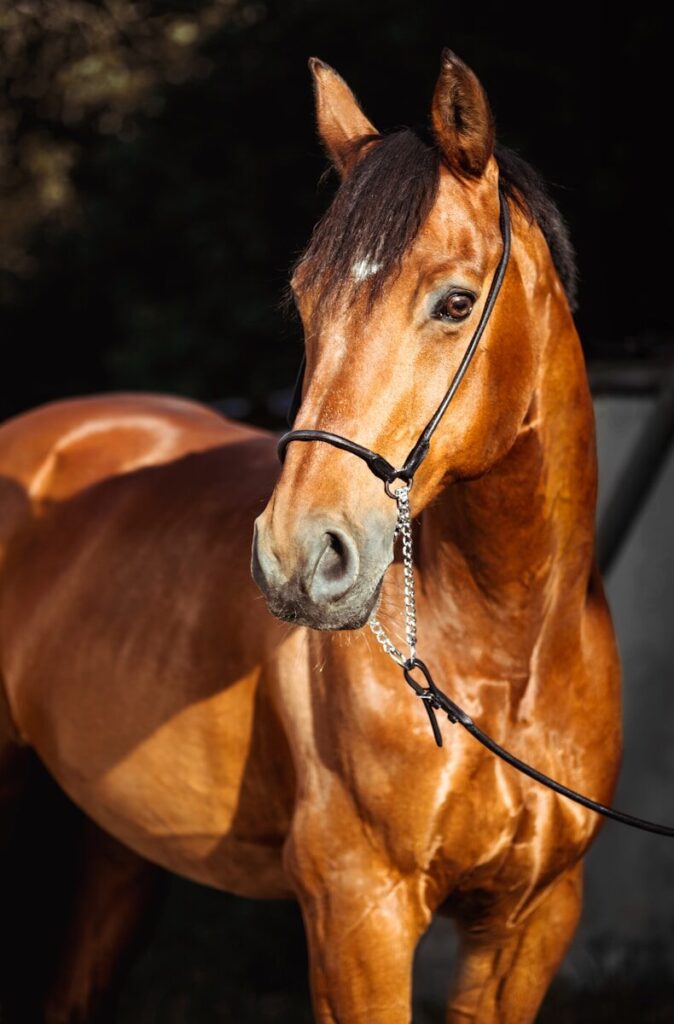
The Fascinating World of Horse Breeds: A Journey Through History and Diversity
Horses have been loyal companions to humankind for thousands of years, serving roles that range from wartime steeds to gentle riding partners. Today, there are over 350 recognized horse breeds worldwide, each with unique traits shaped by geography, climate, and the purposes for which they were originally bred. Understanding these breeds is essential for anyone interested in equestrian sports, farming, or simply appreciating the beauty of these magnificent animals.
Why Horse Breeds Matter
Every horse breed carries a story of its origin. The Arabian horse, one of the oldest and most recognizable breeds, was developed for endurance in the harsh desert climates of the Middle East. Meanwhile, the Thoroughbred, bred in England, became the gold standard for speed and agility in horse racing. The American Quarter Horse earned its name from excelling at quarter-mile sprints and became the backbone of ranch work across the United States.
These diverse characteristics are not random — they reflect centuries of selective breeding influenced by local geography and human needs. For a comprehensive and well-organized resource on this topic, the horse breed encyclopedia at Encyclopedia.guru provides detailed profiles covering breeds from around the globe.
Popular Horse Breeds and Their Key Traits
| Breed | Origin | Known For |
|---|---|---|
| Arabian | Middle East | Endurance, intelligence, loyalty |
| Thoroughbred | England | Speed, agility, athleticism |
| Quarter Horse | United States | Sprinting power, versatility, calm temperament |
| Clydesdale | Scotland | Strength, draft work, gentle nature |
| Friesian | Netherlands | Elegance, versatility, striking black coat |
| Connemara Pony | Ireland | Hardiness, friendly disposition, adaptability |
Hot-Blooded, Cold-Blooded, and Warmbloods
Horse breeds are commonly grouped into three categories based on temperament and build:
- Hot-blooded — Breeds like the Arabian and Thoroughbred are known for their speed, agility, and spirited personalities. They are best suited for racing and endurance riding.
- Cold-blooded — Heavy breeds such as the Clydesdale and Belgian Draught were originally used for farm labor and hauling. They are calm, powerful, and patient.
- Warmbloods — A cross between hot and cold types, breeds like the Hanoverian and Dutch Warmblood excel in competitive disciplines such as dressage and show jumping.
The Importance of Breed Preservation
Many horse breeds face declining populations due to modernization and reduced demand for working horses. Breeds like the Eriskay Pony and the Cleveland Bay are considered rare and at risk of extinction. Conservation programs and breed registries around the world work tirelessly to maintain genetic diversity and protect these living pieces of cultural heritage.
Organizations such as the Rare Breeds Survival Trust and various national studbooks play a crucial role in documenting pedigrees and encouraging responsible breeding. Supporting these efforts ensures that future generations can still experience the full spectrum of equine diversity.
Choosing the Right Breed
Selecting the right horse breed depends on the rider’s experience, intended activity, and personal preferences. Beginners often do well with calm, forgiving breeds like the Quarter Horse or the Irish Cob, while experienced riders may prefer the spirited energy of a Thoroughbred or Arabian.
Whether you are looking for a competitive show horse, a reliable trail companion, or a family-friendly pony, researching breed characteristics is the first step. You can explore a full directory of horse breeds to compare traits, origins, and suitability for different equestrian disciplines.
Fun Facts About Horses
- Horses can sleep both standing up and lying down thanks to a special locking mechanism in their legs.
- The Falabella from Argentina is one of the smallest horse breeds, standing only about 76 cm tall.
- The Akhal-Teke from Turkmenistan is known as the “golden horse” due to its unique metallic sheen coat.
- A horse’s brain weighs roughly half that of a human brain, yet they have excellent long-term memory.
- The Przewalski’s horse is the only truly wild horse breed remaining in the world today.