
Kaprosuchus: The Ancient Predator 🐊🦖
Expert perspectives describe Kaprosuchus as an extraordinary prehistoric crocodile that roamed 8 million years ago, showcasing exceptional predatory adaptations.
Table of Content 🗒️
- What is Kaprosuchus?
- Physical Characteristics
- Habitat and Environment
- Feeding Habits and Diet
- Relation to Modern Crocodiles
- Fossil Discoveries
- Cultural Significance
- Kaprosuchus in Popular Media
- Theories on Extinction
- Research and Studies
- Significance in Evolutionary Biology
- Comparison with Other Prehistoric Creatures
- Modern Day Implications
- Conservation of Crocodile Species
- Conclusion and Further Reading
What is Kaprosuchus?
Welcome, ancient life enthusiasts! Today, we're diving into the fascinating world of Kaprosuchus, a prehistoric creature that often captures the imagination of those who study the evolution of marine predators. Known as the "boar-croc," Kaprosuchus lived during the late Miocene epoch and is often considered a bridge between ancient crocodilians and modern-day reptiles.
Kaprosuchus was a fearsome predator that could reach lengths of nearly 26 feet and showcased unique adaptations that allowed it to thrive in its environment. This creature has intrigued both paleontologists and the general public, sparking countless discussions about prehistoric life and its significance to our current understanding of evolution.
Physical Characteristics
Size and Body Structure
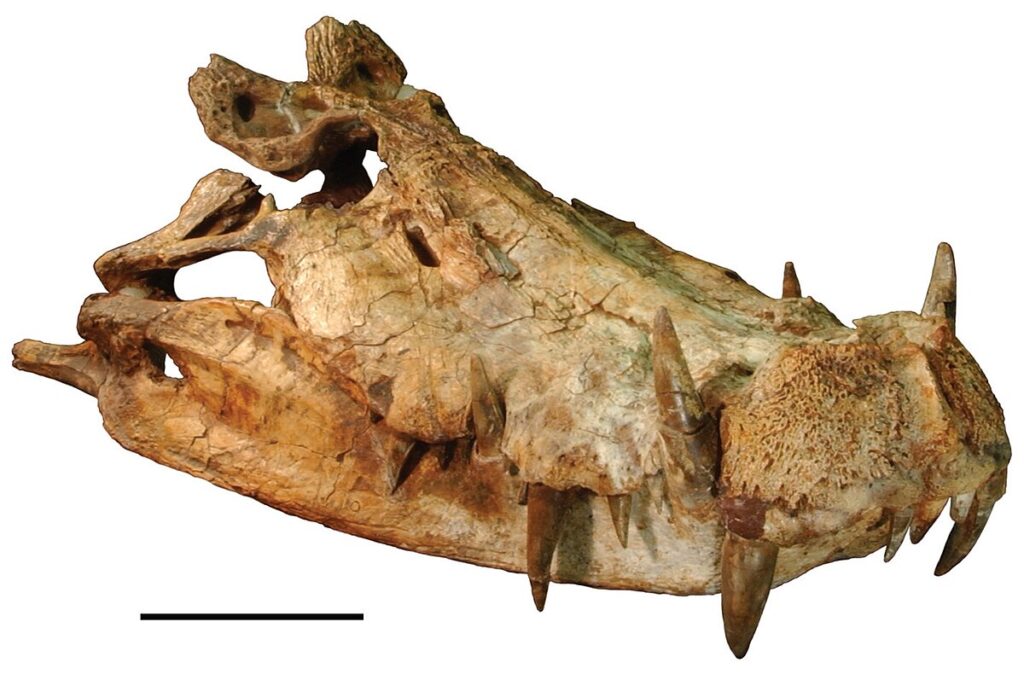
Kaprosuchus boasted a robust body similar to that of modern crocodiles but with distinct features. Its large, elongated skull had tusk-like teeth, which distinguished it from its contemporaries. The skeletal structure suggests it was particularly agile in the water, making it an efficient hunter.
| Feature | Description |
|---|---|
| Length | Up to 26 feet |
| Weight | Approximately 2,000 pounds |
| Skull Characteristics | Tusk-like teeth for grasping prey |
| Coloration | Likely similar to modern crocodilians |
Skin and Armor
The skin of Kaprosuchus may have been covered with tough, scaly armor, providing protection against other predators. This adaptation not only added a layer of defense but also contributed to its overall hydrodynamics while swimming.
Habitat and Environment
Ecosystem
Kaprosuchus inhabited freshwater environments, flowing rivers, and coastal areas of what is now Africa. It thrived in diverse ecosystems rich in both aquatic and terrestrial prey.
| Aspect | Description |
|---|---|
| Environment | Freshwater rivers and coastal habitats |
| Climate | Warm, tropical-like conditions |
| Flora and Fauna | Diverse fish species and land animals |
Coexistence with Other Species
This ancient predator coexisted with various other creatures, from large mammals to smaller reptiles, creating a competitive ecosystem. The interactions among these species likely influenced Kaprosuchus's evolution and hunting strategies.
Feeding Habits and Diet
Hunting Techniques
Kaprosuchus was a formidable predator, utilizing its unique dental structure to capture and hold onto slippery fish and other aquatic prey.
| Hunting Strategy | Description |
|---|---|
| Ambush Tactics | Waits for prey to approach water's edge |
| Bite Force | Powerful jaws capable of crushing bone |
Diet Composition
This ancient crocodile primarily fed on fish, but it was not above taking down land animals that ventured too close to the water's edge. This versatility in diet allowed Kaprosuchus to thrive in its habitat.
Relation to Modern Crocodiles
Evolutionary Lineage
Kaprosuchus is a significant ancestor in the crocodilian lineage, bridging gaps between ancient reptiles and today's species. Studying its characteristics provides insight into how modern crocodiles may have evolved.
| Relationship | Description |
|---|---|
| Ancestral Link | Shared traits with modern crocodiles |
| Adaptations | Influenced survival strategies |
Influences on Behavior
Understanding Kaprosuchus's behavior helps researchers piece together the evolutionary aspects of crocodilian hunting tactics and social structures evident in modern species.
Fossil Discoveries
Key Locations
Fossils of Kaprosuchus have been primarily found in Africa, specifically in regions like the Sahara Desert. These finds have provided vital clues regarding their lifestyle and environment.
| Discovery Site | Year Discovered | Significant Findings |
|---|---|---|
| Sahara Desert | 2000 | Exceptional skull and teeth fossils |
| Senegal | 2006 | Complete skeleton showing predation habits |
Importance of Fossils
Fossils serve as crucial pieces of evidence for understanding Kaprosuchus and reconstructing its environment, feeding habits, and interactions.
Cultural Significance
Representation in Art
Kaprosuchus has made its mark in the cultural sphere, often depicted in artworks representing prehistoric life. These representations mirror the fascination that ancient life holds over humanity.
| Cultural Aspect | Description |
|---|---|
| Art and Literature | Featured in various artistic forms |
| Education | Importance in teaching evolutionary biology |
Symbolism
The Kaprosuchus symbolizes strength and adaptability, traits that are often celebrated in various cultures. Its fierce predatory nature continues to captivate the imagination.
Kaprosuchus in Popular Media
Documentaries and Films
Various documentaries have featured Kaprosuchus, highlighting its dominance as a predator and showcasing findings from paleontological studies.
| Media Type | Description |
|---|---|
| Documentaries | Offer insights into prehistoric life |
| Movies | Occasionally inspired by prehistoric reptiles |
Theories on Extinction
Extinction Causes
Various theories surround the extinction of Kaprosuchus, with environmental changes being a leading factor. The transition from warm, aquatic habitats to changing climates had profound effects on their survival.
| Theory | Description |
|---|---|
| Climate Change | Shift from warm to increasingly colder temperatures |
| Habitat Loss | Changes in freshwater environments |
Research and Studies
Ongoing Paleontological Research
Research on Kaprosuchus continues to evolve, with new discoveries and technologies allowing for deeper investigations into its life and environment.
| Study Focus | Description |
|---|---|
| Fossil Analysis | Detailed examination of fossil remains |
| Behavioral Studies | Simulation of hunting strategies through models |
Significance in Evolutionary Biology
Evolutionary Insights
Kaprosuchus provides critical insights into adaptability and evolutionary strategies among predators, aiding in understanding survival mechanisms.
| Evolutionary Trait | Description |
|---|---|
| Adaptation | Key insights into survival strategies |
| Ancestry | Links to crocodilian lineage |
Comparison with Other Prehistoric Creatures
Notable Comparisons
By comparing Kaprosuchus to other prehistoric reptiles, researchers can better understand its unique adaptations and behaviors.
| Creature | Similarities/Variables |
|---|---|
| Deinosuchus | Similar predatory roles |
| Sarcosuchus | Comparable size and adaptability |
Modern-Day Implications
Importance of Crocodilian Conservation
Studying Kaprosuchus might offer modern conservationists insights regarding the importance of protecting existing crocodilian species and addressing environmental changes.
| Conservation Aspect | Description |
|---|---|
| Threats | Human activities affecting habitats |
| Preservation Efforts | Initiatives focused on crocodilian species |
Conclusion and Further Reading
In conclusion, Kaprosuchus remains a significant figure in the study of prehistoric life, offering profound insights into the evolution of modern crocodiles and ancient ecosystems. By understanding this fearsome predator's characteristics, behaviors, and extinction theories, we can appreciate the complexity of life on Earth across ages.
If you enjoyed learning about Kaprosuchus, check out other fascinating topics like The Evolution of Anxiety in Nature or The Dynamics of Predatory Behavior.
For more detailed insights into Kaprosuchus, refer to additional readings on renowned sites like Wikipedia.
Discovering ancient life can indeed be captivating! Keep exploring, and who knows what other fascinating creatures you might find?