
Unearthing Giants: The Dinosaur Quarry at Dinosaur National Monument
This site showcases one of the planet’s richest Jurassic fossil beds within the Morrison Formation, revealing spectacular dinosaur skeletons and insights.
Geological Setting: The Morrison Formation’s Window to the Jurassic
The landscape surrounding the Dinosaur Quarry within Dinosaur National Monument offers dramatic evidence of immense geological forces and deep time. Approaching from Jensen, Utah, the imposing mass of Split Mountain dominates the view, its southern slopes marked by deep canyons near the Green River’s passage. Within the monument, the details emerge: layers of gray shale abut tilted sandstone strata, showcasing the region’s complex geological history. The ground, covered primarily in sagebrush and greasewood away from the cottonwood-lined river, leads towards the heart of the discovery.
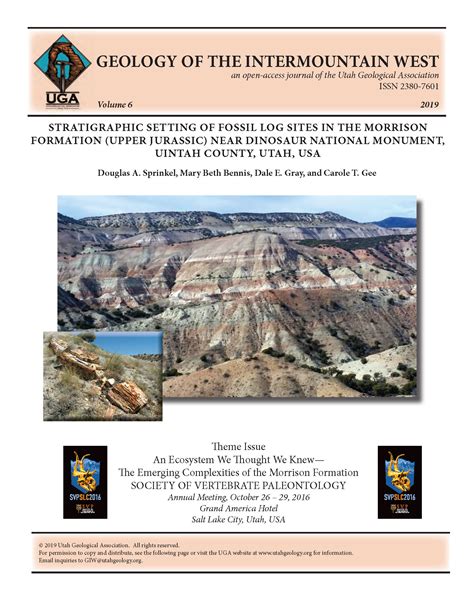
The journey culminates at the Quarry Visitor Center, a structure ingeniously built to enclose a significant section of the world-renowned Dinosaur Quarry. This location has yielded many iconic dinosaur skeletons now displayed in major museums globally. An overlook provides a stunning vista of Split Mountain’s eroded arch and the steeply tilted sedimentary layers between the overlook and the quarry itself. These layers include buff and gray sandstones interspersed with reddish-brown shales. Notably, the vibrant “rainbow beds” of the Morrison Formation display pastel hues, capped by resistant sandstone and limestone that form prominent hogbacks.
The Dinosaur Ledge: Epicenter of Discovery
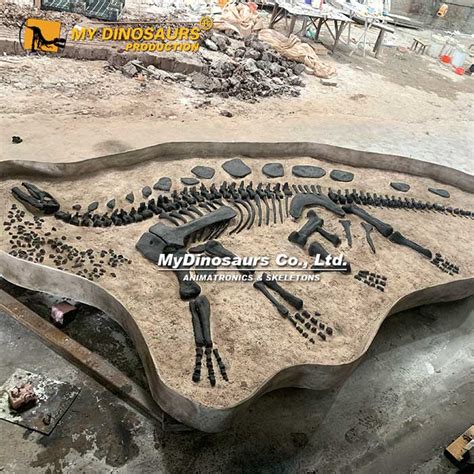
One particular layer, traceable across a ravine and into the visitor center’s north wall, is the famed Dinosaur Ledge. This specific stratum holds the distinction of being the source of perhaps the world’s greatest concentration of Jurassic dinosaur fossils. Its geological position and composition were crucial for preserving the remains found within.
Reading the Rocks: Sandstones, Shales, and Time
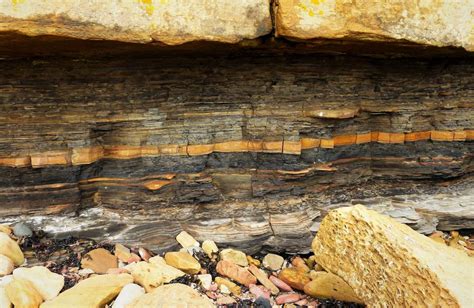
The rock types within the Morrison Formation tell a story of the ancient environment. Sandstones often represent ancient river channels or sandbars where currents deposited sand. Shales and siltstones formed from finer mud settling in slower-moving waters, such as lakes or floodplains. Analyzing these layers helps paleontologists and geologists reconstruct the Jurassic landscape. The characteristics of the sand grains—size, shape, composition—can even point to the original source of the sediments.
Split Mountain and Tilted Strata: A Dynamic Past
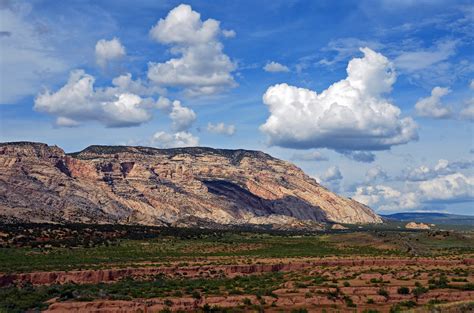
The dramatic southward tilt of the Dinosaur Ledge and surrounding rock layers is a direct result of powerful geological uplift. This occurred millions of years after the dinosaurs were buried, during the Laramide Orogeny, which formed the Rocky Mountains. Split Mountain itself is an anticline, an arch-like fold in the rock layers, subsequently eroded by the Green River. This tilting brought the fossil-rich layers closer to the surface, eventually allowing erosion to expose them.
| Feature | Description | Significance |
|---|---|---|
| Location | Dinosaur National Monument, Colorado & Utah | Protects a major paleontological and geological resource. |
| Primary Formation | Morrison Formation | Late Jurassic (~150 million years old), rich in dinosaur fossils. |
| Key Stratum | Dinosaur Ledge (sandstone) | Main bone-bearing layer within the Quarry Visitor Center. |
| Structural Feature | Split Mountain Anticline | Uplifted and tilted the fossil layers. |
| Associated Rocks | Sandstone, Shale, Limestone, “Rainbow Beds” (varicolored shale/claystone) | Indicate diverse depositional environments (rivers, lakes, etc.). |
| Erosional Agent | Green River | Exposed geological features and continues to shape the landscape. |
The Dinosaurs of the Quarry: A Jurassic Menagerie
The Dinosaur Quarry is exceptional for the sheer number and variety of dinosaur fossils unearthed. Paleontologists recognize remains belonging to the two major dinosaur orders, Saurischia and Ornithischia, offering a snapshot of life during the Late Jurassic period. These discoveries reveal creatures ranging dramatically in size and lifestyle.
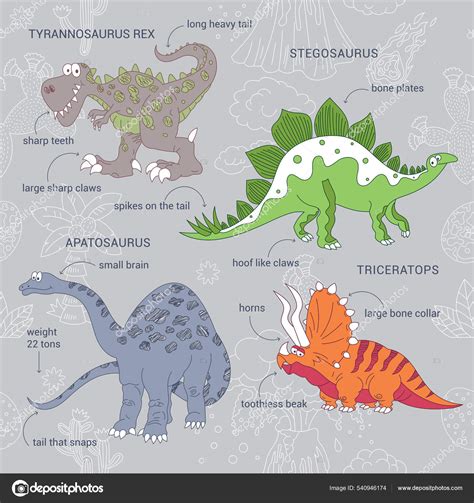
Some dinosaurs found here were no larger than modern chickens, while others, like the colossal sauropods, reached lengths and weights unmatched by any land animal living today. Fossil evidence, particularly teeth and claws, helps distinguish between carnivores (flesh-eaters) and herbivores (plant-eaters). The carnivores discovered were typically bipedal, walking on their hind legs and using long tails for balance, while their clawed forelimbs likely aided in capturing prey. Conversely, many large herbivores were quadrupedal, characterized by massive bodies, long necks, and lengthy tails, adapted for Browse vegetation likely in terrestrial and marshy environments.
Early Discoveries and Naming Dinosauria
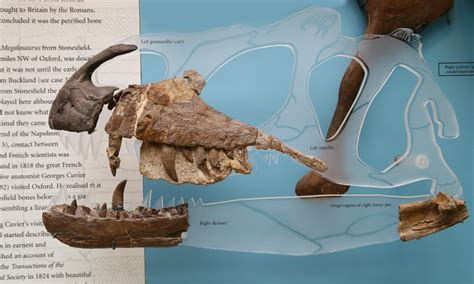
Understanding these magnificent creatures didn’t happen overnight. In the late 18th and early 19th centuries, isolated finds of large fossil bones and teeth in Europe and North America puzzled discoverers. Often, finders brought these curiosities to local physicians, who might report on them to learned societies like the American Philosophical Society. The true nature of these remains remained elusive for decades.
Sir Richard Owen’s Contribution
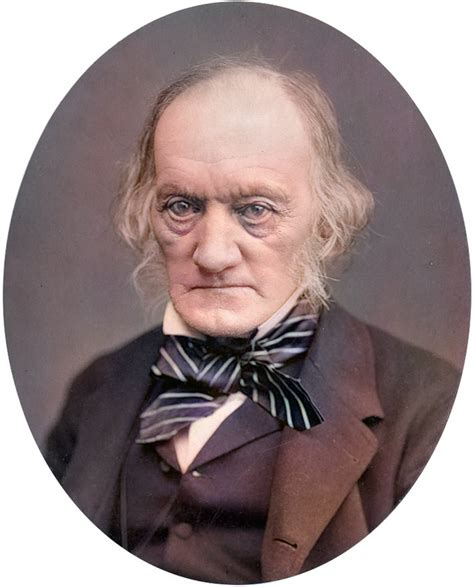
A pivotal moment came in 1842. Sir Richard Owen, a prominent British scientist associated with the British Museum, recognized that these fossils represented a distinct group of reptiles unlike any known lizards. He coined the term Dinosauria, derived from the Greek words deinos (terrible) and sauros (lizard), formally establishing the group. As more complete fossils emerged, scientists realized dinosaurs were incredibly diverse in form and size, not just giant “terrible lizards.”
Dinosaur Classification: Archosaurs and Beyond
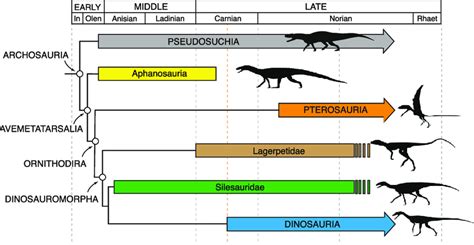
Dinosaurs belong to a larger group of reptiles called Archosauria (“ruling reptiles”). This subclass also includes modern crocodiles and alligators, as well as extinct pterosaurs (flying reptiles). While dinosaurs share a common reptilian ancestry with modern lizards, snakes, and turtles found in the monument today, their closest living relatives are crocodilians. Lizards and snakes belong to different reptilian subclasses that diverged from the archosaur line far back in geological time. The sheer abundance and dominance of dinosaurs during the Mesozoic Era justly earned it the title “Age of Reptiles.”
Saurischia vs. Ornithischia Pelvic Structure (Key Distinction)
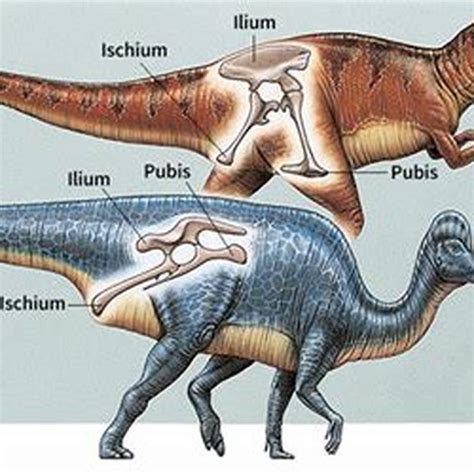
Paleontologists divide dinosaurs into two primary orders based on a fundamental difference in their hip structure. The pelvis consists of three main paired bones: the ilium (attached to the spine), the pubis (pointing forwards/downwards), and the ischium (pointing backwards/downwards).
- Saurischia (“lizard-hipped”): The pubis bone points forward, similar to typical reptilian hip structures. This group includes both carnivorous theropods and long-necked herbivorous sauropods.
- Ornithischia (“bird-hipped”): The pubis bone points backward, parallel to the ischium, resembling the hip structure of modern birds (though birds evolved from saurischian dinosaurs). This group includes various herbivores like armored dinosaurs, horned dinosaurs, and duck-billed dinosaurs.
Dinosaur Evolution Through the Mesozoic Era
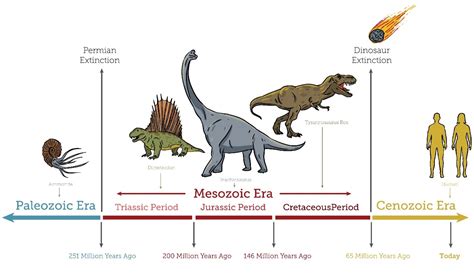
Dinosaurs thrived for an incredibly long period, dominating terrestrial ecosystems throughout the Mesozoic Era (roughly 252 to 66 million years ago). This era is divided into three periods, each witnessing distinct dinosaur faunas.
Triassic Beginnings
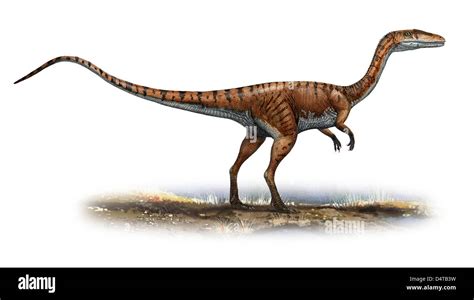
The first dinosaurs appeared in the Triassic Period. These early forms were mostly small to medium-sized, bipedal animals. Examples include agile carnivores like Coelophysis and early herbivores that were ancestors of the later giants.
Jurassic Apex (Focus of the Quarry)
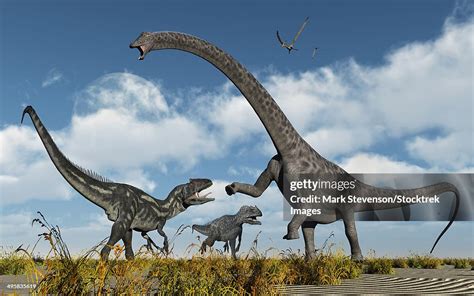
The Jurassic Period saw a dramatic increase in dinosaur size and diversity. This is the time period represented by the Dinosaur Quarry fossils. Giant quadrupedal sauropods like Apatosaurus, Diplodocus, and Camarasaurus roamed alongside large bipedal carnivores like Antrodemus (Allosaurus) and armored herbivores like Stegosaurus. Smaller bipedal herbivores like Camptosaurus also existed.
Cretaceous Diversity and Decline
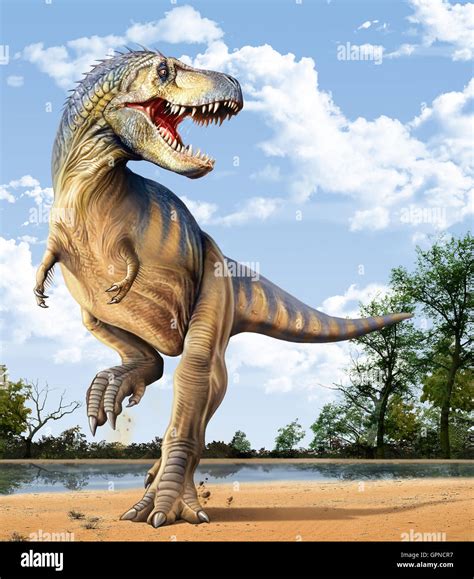
Dinosaur evolution continued into the Cretaceous Period, producing some of the most famous forms. Tyrannosaurus rex, the massive apex predator, appeared. Herbivores diversified significantly, including horned dinosaurs (Triceratops), heavily armored ankylosaurs, and numerous duck-billed hadrosaurs. Despite this diversity, all non-avian dinosaurs went extinct at the end of the Cretaceous.
| Dinosaur Order | Key Characteristic | Diet | Examples Found at Quarry | Examples Not at Quarry (Different Periods/Locations) |
|---|---|---|---|---|
| Saurischia | “Lizard-hipped” (pubis forward) | Carn./Herb. | Antrodemus (Allosaurus), Apatosaurus, Diplodocus, Camarasaurus, Barosaurus | Tyrannosaurus, Velociraptor, Brachiosaurus |
| Ornithischia | “Bird-hipped” (pubis backward) | Herbivore | Stegosaurus, Camptosaurus, Dryosaurus, Laosaurus | Triceratops, Ankylosaurus, Parasaurolophus |
Reconstructing the Past: How We Visualize Dinosaurs
Bringing dinosaurs back to life, at least in our understanding and museum displays, involves painstaking work by paleontologists, preparators, and artists. It combines fieldwork, laboratory analysis, and scientific interpretation based on the available fossil evidence.
From Field to Lab: Excavation Techniques
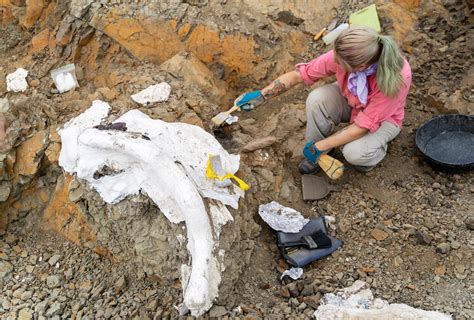
The process begins with locating and carefully excavating fossils. This requires patience and precision, especially with large, fragile specimens embedded in hard rock.
Uncovering and Stabilizing Fossils
Once a bone is partially exposed, paleontologists apply chemical consolidants (historically shellac or gum arabic, now often specialized plastics like Butvar B-76) to strengthen the brittle fossil bone before further excavation. Detailed site maps and diagrams record the exact position and orientation of each bone as it lies in the rock. This context is crucial for later interpretation.
Plaster Jacketing and Transport
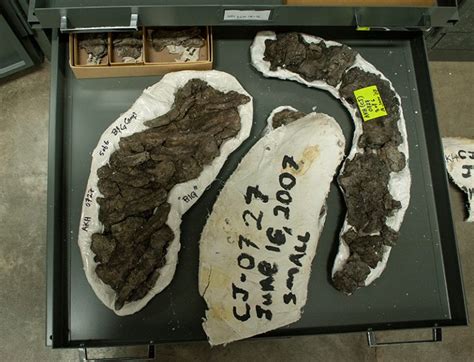
To safely remove large or fragile fossils, technicians dig a trench around the bone or section of skeleton. They then cover the exposed fossil and surrounding rock with layers of burlap strips soaked in wet plaster (similar to making a medical cast). Once hardened, this “plaster jacket” provides rigid support. The jacketed block is carefully undercut, turned over, and the bottom sealed with more plaster. These heavy jackets are numbered, recorded on the quarry map, and then transported – historically by wagon and rail, today often by truck – to a museum or laboratory like the Carnegie Museum of Natural History.
Laboratory Preparation and Study
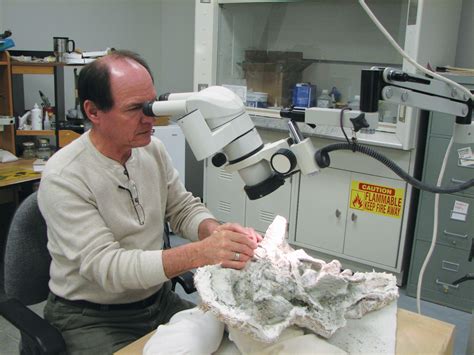
Back in the lab, the meticulous work of removing the rock matrix begins. Preparators use specialized tools ranging from small pneumatic chisels (air scribes) and dental picks to brushes and solvents to carefully expose the bone surface without damaging it.
Cleaning and Assembling Skeletons
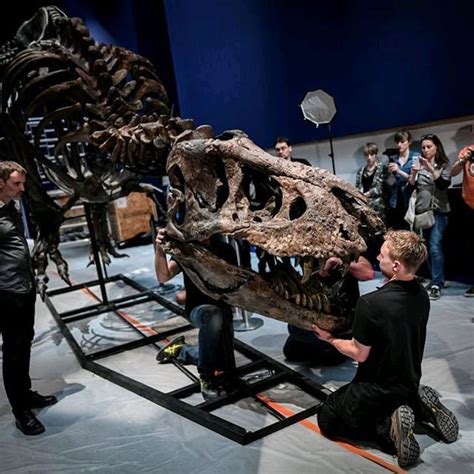
Broken fragments must be painstakingly glued back together. Cleaning reveals fine details on the bone surface. For mounting, the entire skeleton is laid out, ensuring correct articulation between vertebrae, ribs, limbs, and skull. This process determines the accurate posture and informs the construction of the custom steel armature needed to support the heavy fossil bones in a lifelike pose for museum display. This preparation phase can take years for a single large dinosaur skeleton.
Inferring Appearance: Bones, Muscles, and Skin
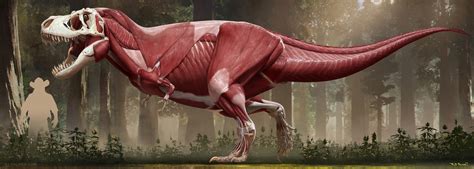
While bones provide the framework, reconstructing the living animal requires further inference.
Skeletal Articulation and Posture
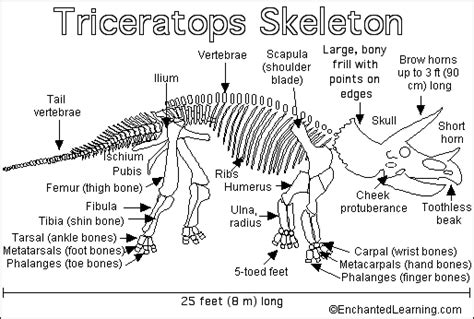
How the bones fit together reveals much about how the animal stood and moved. For example, the articulation of limb bones in sauropods like Camarasaurus lentus (a nearly complete skeleton from the quarry) showed they walked with legs held vertically beneath the body, not sprawling like lizards.
Muscle Scar Analysis
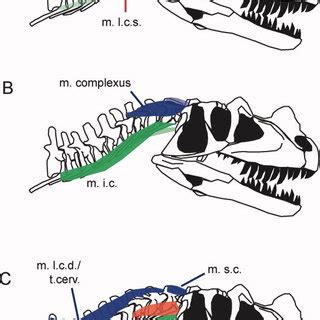
Rough patches or ridges on bones indicate where muscles attached. By comparing these “muscle scars” to the muscle attachments in living relatives (like crocodiles and birds), paleontologists can reconstruct the size and placement of major muscle groups, giving a better idea of the animal’s overall shape and bulk.
Skin Impressions and Limitations (Color Unknown)
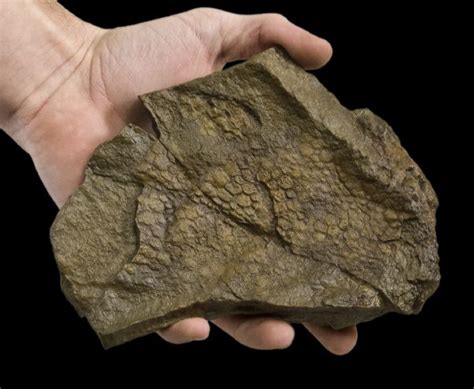
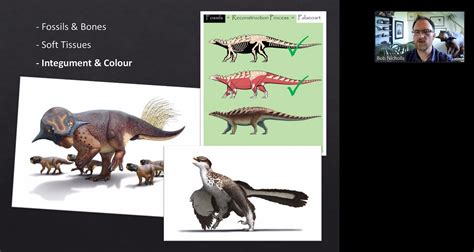
Rare “mummified” dinosaur fossils preserve impressions of their skin, revealing scaly textures. Different dinosaur groups had different scale patterns. Since dinosaurs were reptiles, scales likely helped prevent water loss. While some large animals like elephants have thick, nearly bare skin, scales were likely the norm for dinosaurs. However, the fossil record currently provides no direct evidence of dinosaur coloration; artistic depictions rely on speculation or analogies with modern animals.
Dinosaur Physiology: Warm-Blooded or Cold-Blooded?
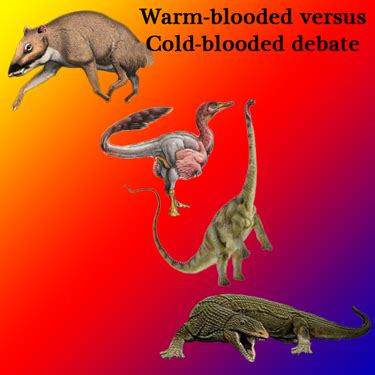
Whether dinosaurs regulated their own body temperature (endothermic, “warm-blooded”) like birds and mammals, or relied on the environment (ectothermic, “cold-blooded”) like modern reptiles, remains a topic of active research and debate. Learn more about dinosaur metabolism at UCMP Berkeley.
Ectothermy vs. Endothermy Considerations
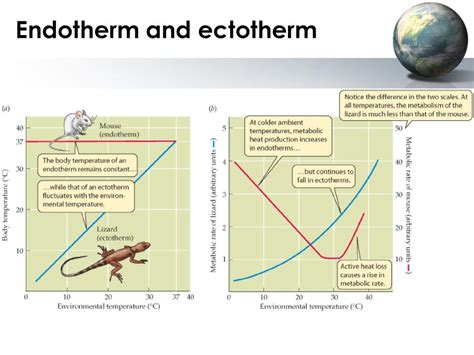
Traditional views considered dinosaurs ectothermic. However, evidence from bone structure (showing rapid growth rates similar to mammals), predator-prey ratios, and inferred activity levels (especially in active predators) suggests many dinosaurs may have had higher metabolic rates than typical modern reptiles.
Gigantothermy/Thermal Inertia in Large Sauropods
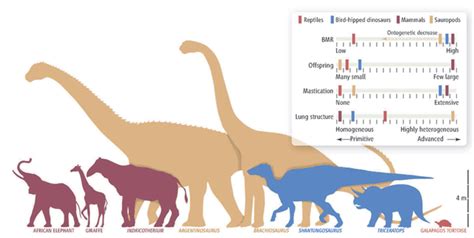
Even if fundamentally ectothermic, the immense size of large sauropods like Apatosaurus would create significant thermal inertia. Calculations based on studies of modern large reptiles suggest their massive bodies would gain and lose heat very slowly. This phenomenon, sometimes called “gigantothermy,” means they could maintain a relatively stable internal body temperature despite fluctuations in the external environment, effectively mimicking some benefits of endothermy without the high metabolic cost. Daily and seasonal temperature changes likely had less impact on large dinosaurs than on smaller ones.
The Mystery of Gizzard Stones (Gastroliths)
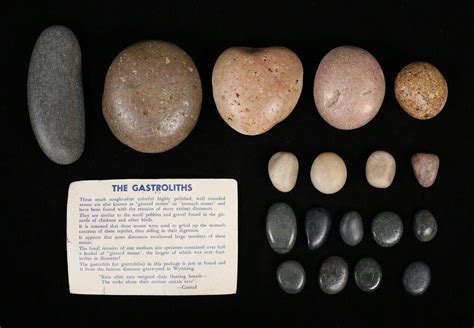
Highly polished, rounded stones, known as gastroliths (“stomach stones”), are sometimes found in association with reptile fossils. Their smoothness surpasses what typical water or wind action achieves. Scientists hypothesize that some dinosaurs, particularly large herbivores, swallowed these stones, which then helped grind tough plant material in a muscular gizzard, similar to modern birds and crocodiles. Supporting evidence includes gastroliths found within the rib cages of fossil plesiosaurs (marine reptiles) and associated with a Protiguanodon dinosaur skeleton from Mongolia. However, despite extensive excavation, no definitive gastroliths have been found associated with dinosaur skeletons within the Dinosaur Quarry itself. Thus, whether the specific dinosaurs preserved here used gizzard stones remains an open question.
| Reconstruction Step | Evidence Used | Information Gained | Limitations |
|---|---|---|---|
| Skeletal Framework | Complete/Partial Fossil Bones | Size, Proportions, Basic Body Plan, Posture | Missing bones require inference |
| Excavation & Preparation | Field Notes, Maps, Lab Techniques | Bone Condition, Articulation, Fine Details | Damage/distortion can occur pre- or post-burial |
| Musculature | Muscle Scars on Bones, Comparative Anatomy | Muscle Size & Placement, Overall Body Shape | Precise muscle shape is interpretive |
| Skin | Rare Skin Impressions, Analogy w/ Modern Reptiles | Scaly Texture (likely), Waterproofing | Scale patterns varied; Color completely unknown |
| Physiology | Bone Histology, Growth Rings, Body Size, Analogy | Metabolic Rate (debated), Thermal Regulation Strategy | Highly interpretive, relies on indirect evidence |
| Behavior (Diet) | Teeth Shape, Stomach Contents (rare), Gastroliths | Carnivore/Herbivore, Food Preferences | Direct evidence (stomach contents) is extremely rare |
The Jurassic World: Climate, Life, and Landscape
Geologists and paleontologists reconstruct the world of the Morrison Formation dinosaurs by piecing together clues from rocks and fossils. This reveals a vastly different landscape and climate than exists in the region today.
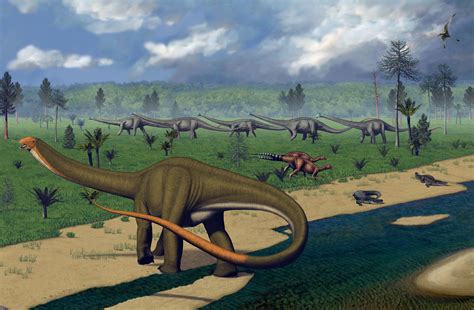
During the Late Jurassic, the area around the Dinosaur Quarry was part of a vast, low-lying plain situated near sea level. This landscape emerged after the retreat of an earlier inland sea (the Sundance Sea) which had covered large dune fields. High mountains existed far to the west, in present-day Nevada and western Utah.
From these western highlands, large, sluggish rivers flowed eastward across the nearly flat plains, carrying substantial amounts of sand and silt. These rivers frequently changed course, creating numerous swamps, ponds, and shallow lakes. The climate was significantly more humid and warmer than today, likely semi-tropical across much of North America. Active volcanoes far to the west periodically ejected clouds of ash, which winds carried eastward and deposited across the plains, now preserved as distinct clay layers (bentonite) within the Morrison Formation.
Reconstructing the Morrison Paleoenvironment
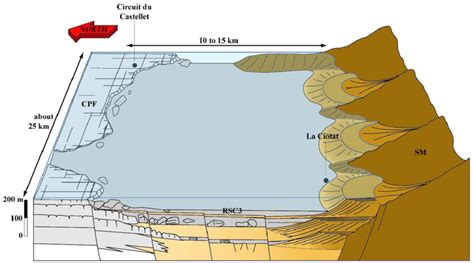
Understanding this ancient world involves multiple lines of scientific inquiry.
Evidence from Sedimentology and Fossils
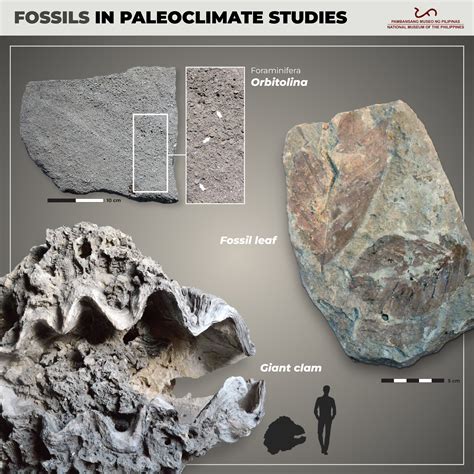
The types of rock provide direct clues. Sandstones indicate river channels and sandbars. Shales and mudstones point to calmer waters like lakes or floodplains. Conglomerates (containing gravel) suggest faster-moving water. Microscopic examination reveals sand grain sources, volcanic ash shards, and even fossilized charcoal from ancient wildfires. The fossils themselves are critical: freshwater clam shells and crocodile bones found alongside dinosaurs confirm a river and lake system with a mild climate. Scientists use reasoning by analogy, comparing fossil plants and animals to their nearest living relatives to infer ecological roles, while acknowledging that some organisms may have lived differently than their modern counterparts.
A Lush, Humid World: Flora of the Jurassic
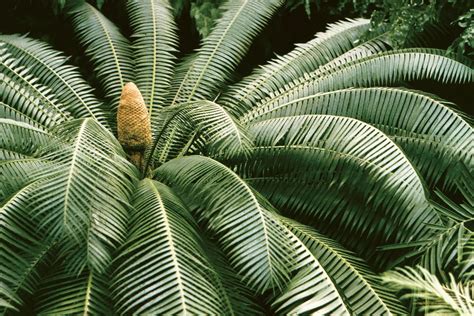
The warm, wet climate supported abundant plant life, though it looked very different from modern ecosystems.
Dominant Plant Types (Conifers, Ferns, Cycads)
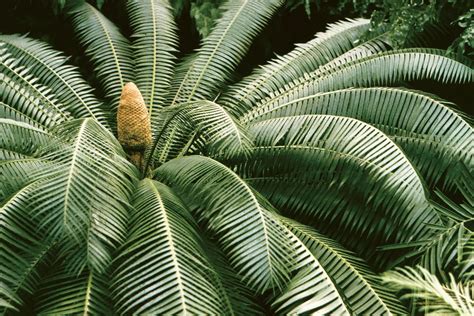
Forests consisted of conifers (related to modern pines), ginkgoes, and unusual tree ferns. The ground cover was a dense carpet of various herbaceous ferns. Cycads, resembling palms, were common, and horsetail rushes thrived along waterways. Many of these plant groups have relatives still living today, often in tropical or subtropical regions.
Absence of Flowering Plants and Grasses
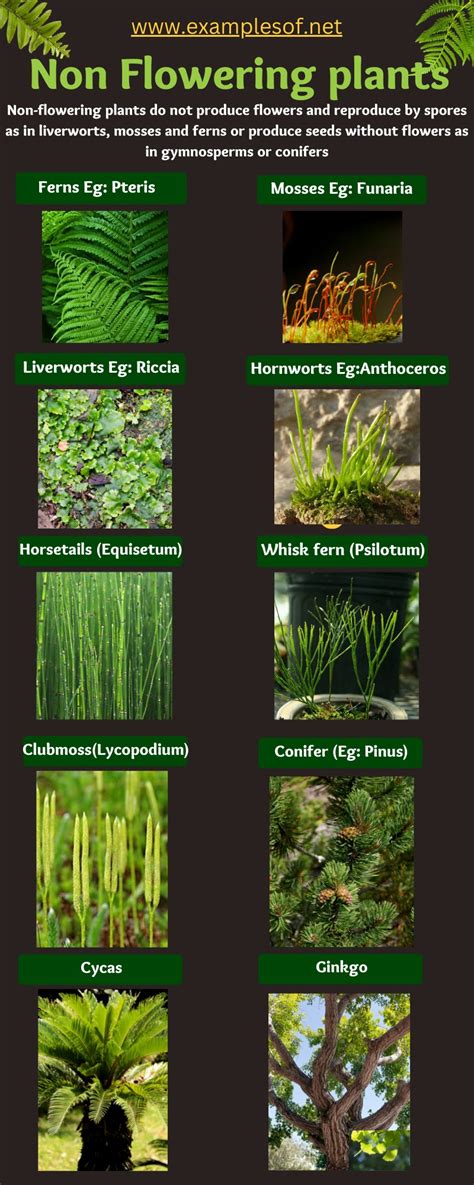
Conspicuously absent were the flowering plants (angiosperms) that dominate most terrestrial ecosystems today. This means no hardwood trees like oaks or maples, no familiar flowering shrubs, and, significantly, no grasses. The Jurassic landscape was predominantly green and brown, lacking the floral color diversity of later periods.
Beyond Dinosaurs: Other Jurassic Inhabitants
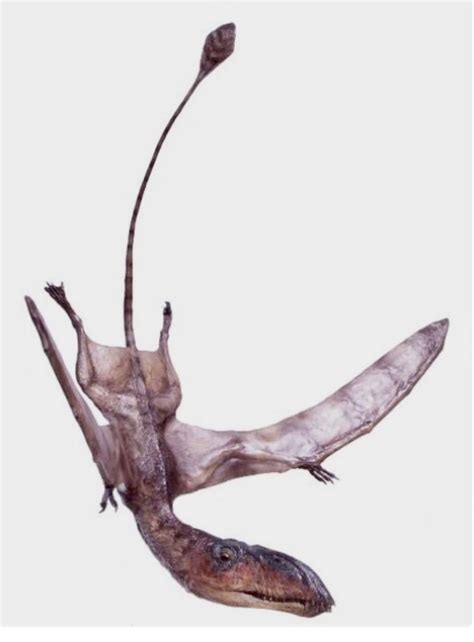
Dinosaurs shared their world with a host of other creatures.
Insects, Pterosaurs, and Crocodiles
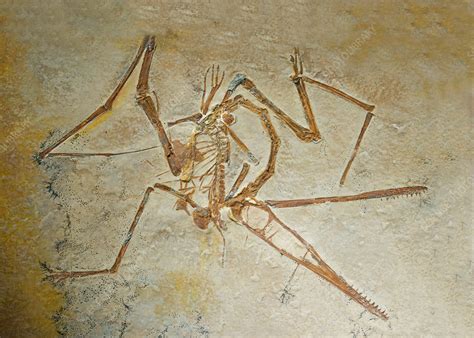
Insect life was diverse, with fossils representing ancestors of many modern groups like beetles, flies, grasshoppers, and ants (over 1,000 Jurassic insect species are known). The skies were ruled by pterosaurs, flying reptiles with leathery wings supported by an elongated fourth finger. They ranged from sparrow-sized to forms with wingspans of several feet. Crocodile species, similar in appearance and likely habits to modern ones, inhabited the rivers and lakes, undoubtedly preying on smaller dinosaurs and other animals.
Early Birds and Mammals
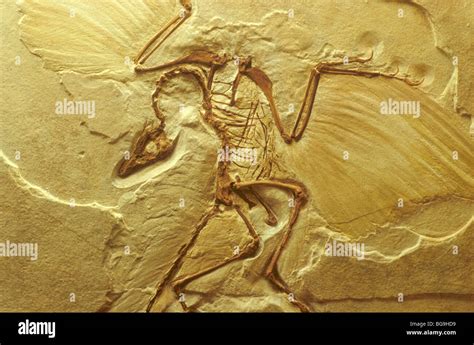
The Late Jurassic also saw the emergence of the first birds, like Archaeopteryx (found in Germany), which retained many reptilian features like teeth, clawed fingers, and a long bony tail, but possessed feathers. Small mammals, mostly shrew- to cat-sized, also existed, likely occupying nocturnal or arboreal niches in a world dominated by giant reptiles. Their remains are found in Morrison Formation sediments elsewhere (e.g., Como Bluff, WY), suggesting they were part of the broader ecosystem.
| Ecosystem Component | Examples | Role/Significance |
|---|---|---|
| Climate | Warm, Humid, Semi-tropical | Supported lush vegetation and large ectothermic/gigantothermic reptiles. |
| Landscape | Low-lying plains, meandering rivers, swamps, lakes | Provided diverse habitats; river systems concentrated fossils. |
| Dominant Flora | Conifers, Ferns, Cycads, Ginkgoes, Horsetails | Primary food source for herbivores; lacked flowers and grasses. |
| Dominant Fauna | Dinosaurs (Sauropods, Theropods, Ornithischians) | Top herbivores and carnivores, shaped the ecosystem. |
| Other Fauna | Insects, Pterosaurs, Crocodiles, Turtles | Filled various ecological niches (pollinators, aerial predators, aquatic predators). |
| Emerging Fauna | Early Birds (Archaeopteryx-like), Mammals | Small, likely inconspicuous, but representing important evolutionary lineages. |
| Geological Input | Volcanic Ash (from west) | Contributed sediment, provides layers for dating. |
The Quarry’s Secrets: Accumulation, Preservation, and Exposure
The remarkable concentration of bones in the Dinosaur Quarry tells a fascinating story not just of life, but also of death, burial, and the geological processes spanning millions of years – a field of study known as taphonomy.
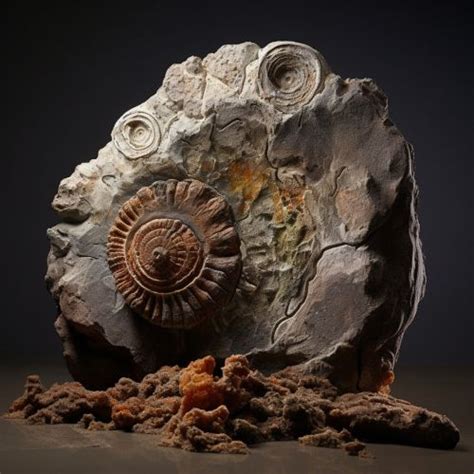
Why So Many Bones? The Sandbar Hypothesis
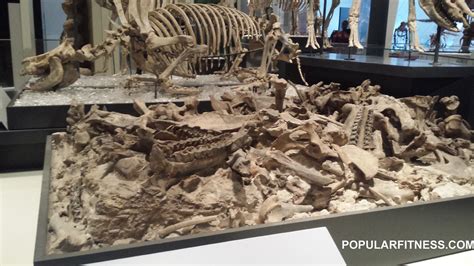
How did remains of over 300 individual dinosaurs end up in this one location? While a single catastrophe (like a flood or volcanic eruption) might seem plausible, the evidence points towards a more gradual accumulation.
Evidence Against Catastrophe
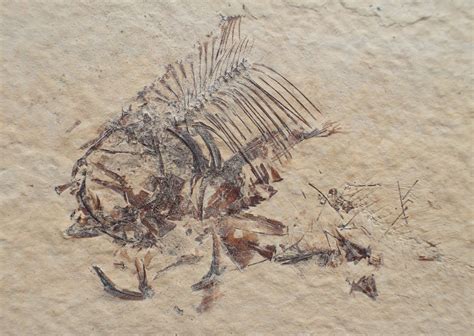
Several factors argue against a single mass-death event. Firstly, many skeletons are disarticulated (bones separated) and scattered, not found in complete, lifelike poses as often seen in rapid burial scenarios. Secondly, the bones occur throughout a sandstone layer approximately 12 feet thick, not concentrated on a single surface. Thirdly, the mix includes dinosaurs likely inhabiting different environments (swamp-dwelling sauropods and drier-land Stegosaurus). Finally, some bone fragments show signs of being rolled and rounded by water currents before final burial.
River Deposition Model
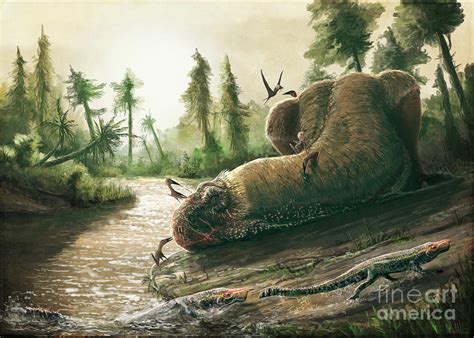
The most accepted explanation involves an ancient river. The quarry site likely represents a sandbar or shallow area in a large, eastward-flowing river during the Late Jurassic. Dinosaur carcasses—animals that died upstream from various causes (drowning, illness, predation, natural causes near the river)—floated downstream. Bloated bodies eventually snagged on this sandbar. As decomposition proceeded, bones from the undersides of carcasses often sank into the sand and remained relatively articulated, while exposed upper bones were scattered by currents and scavengers. The orientation of long elements like necks and tails often aligns eastward, consistent with river flow. This process, repeated over time during wet seasons or floods, gradually built up the dense concentration of bones – a natural “logjam” of dinosaur remains.
How Were They Preserved? The Fossilization Process
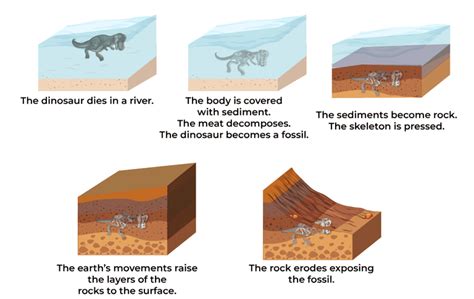
Burial alone doesn’t guarantee preservation. Bones exposed to weathering disintegrate quickly, and even buried bones can be re-eroded. Fossilization requires specific conditions.
Permineralization and Mineral Replacement
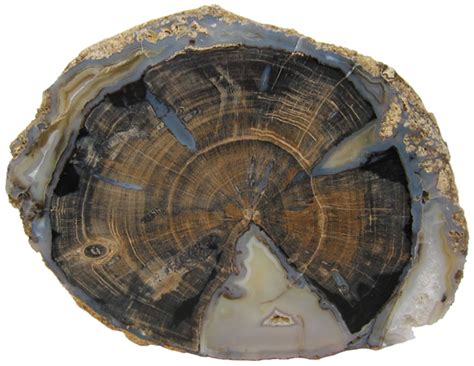
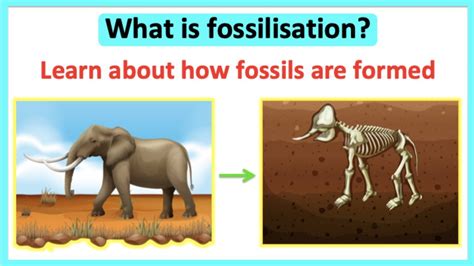
After burial in the sandbar sediments, groundwater rich in dissolved minerals (particularly silica in this case) percolated through the bones. Over long periods, these minerals gradually precipitated within the porous spaces of the bone (permineralization) and, molecule by molecule, replaced the original organic bone material. This faithful replacement process preserved even the microscopic structure of the bone, turning it into durable stone (fossil). Following burial and fossilization, the weight of overlying sediments (thousands of feet deposited after the Morrison Formation) compacted the rock layers, sometimes crushing or distorting the fossils within.
How Were They Exposed? Uplift and Erosion
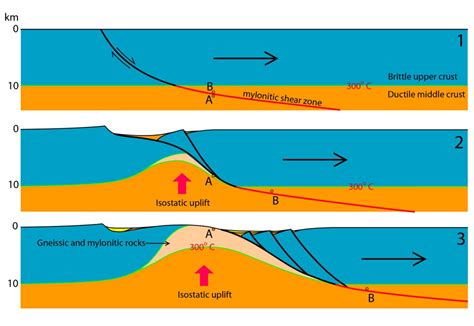
For millions of years after fossilization, the Dinosaur Ledge lay buried deep underground. Its eventual exposure resulted from large-scale geological events.
The Laramide Orogeny and Tilting
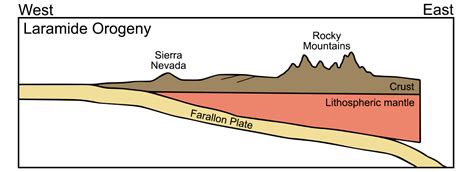
Near the end of the Mesozoic Era, immense tectonic forces began uplifting the region, culminating in the Laramide Orogeny (roughly 70-40 million years ago), which formed the Rocky Mountains. This uplift raised land that was once near sea level thousands of feet and caused the initially horizontal rock layers, including the Morrison Formation, to fold and tilt. At Dinosaur National Monument, this created the Split Mountain anticline and gave the Dinosaur Ledge its steep southward dip.
Erosion Unveiling the Past
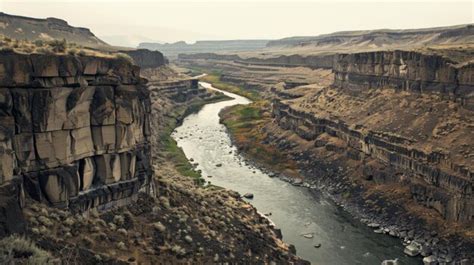
As the land rose, rivers and streams gained power, cutting downwards and stripping away the thousands of feet of overlying younger rock layers. Over millions of years, erosion gradually wore away the rock, eventually reaching the tilted Morrison Formation. Running water – the same agent that buried the bones 150 million years earlier – finally exposed the Dinosaur Ledge and its fossil treasures relatively recently in geological time. Their discovery depended on this exposure coinciding with the presence of observant humans capable of recognizing their significance.
| Taphonomic Stage | Process | Evidence at Quarry | Result |
|---|---|---|---|
| Pre-Burial | Death, Transport (fluvial), Decomposition Begins | Disarticulation, Scattering, Mixed Fauna, Bone Orientation, Water-worn Fragments | Concentration of carcasses/bones on sandbar |
| Burial | Deposition of Sand by River Currents | Bones encased in sandstone layer (~12 ft thick) | Protection from surface weathering and scavenging |
| Fossilization | Permineralization, Mineral Replacement (Silica) | Dense, rock-like bones preserving microscopic structure | Long-term preservation of bone shape and structure |
| Post-Fossilization | Compaction, Diagenesis, Tectonic Uplift & Tilting | Crushed/distorted bones, Tilted strata (Dinosaur Ledge @ ~67° dip), Split Mtn Anticline | Fossils lithified; brought closer to surface at an angle |
| Exposure | Erosion of Overlying Rock Layers | Dinosaur Ledge exposed at the surface | Fossils accessible for discovery |
An Enduring Mystery: Why Did Dinosaurs Go Extinct?
While the Dinosaur Quarry provides a stunning view into the Jurassic, the story of the dinosaurs ultimately ends in extinction. Notably, the fossils here are only from the Jurassic Period. Cretaceous seas later covered this area, depositing thick layers of marine sediment. Elsewhere, dinosaurs continued to thrive and diversify throughout the Cretaceous Period, reaching their peak before vanishing abruptly.
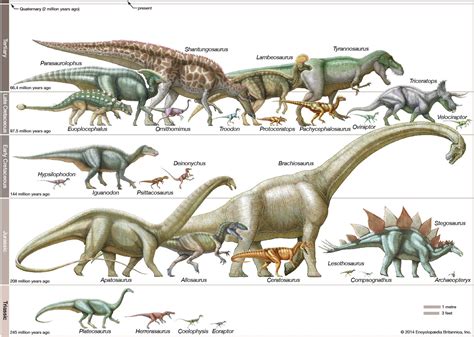
The disappearance of all non-avian dinosaurs (along with many other marine and terrestrial groups) approximately 66 million years ago marks one of the planet’s major mass extinction events. Its cause remains a subject of intense scientific investigation and debate.
The End-Cretaceous Event (K-Pg Boundary)
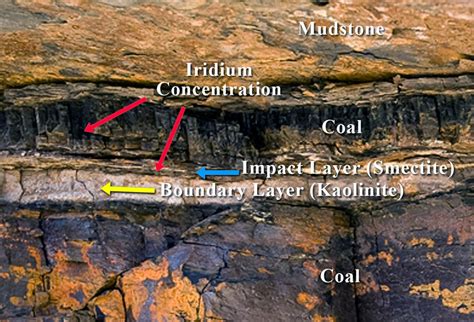
This extinction marks the boundary between the Cretaceous Period (K) and the Paleogene Period (Pg). Geological evidence worldwide, including a distinct layer of clay rich in the element iridium (rare on Earth’s surface but common in asteroids), points to a geologically sudden event.
Evaluating Extinction Theories
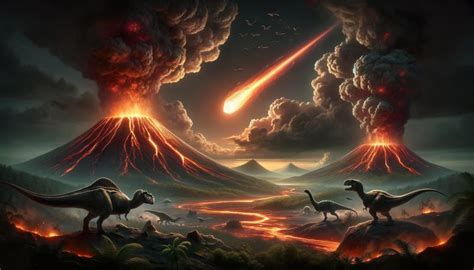
Several hypotheses have been proposed over the years, though some are now largely discounted while others have strong supporting evidence.
Catastrophism (Volcanoes, Asteroid Impact – Modern addition)
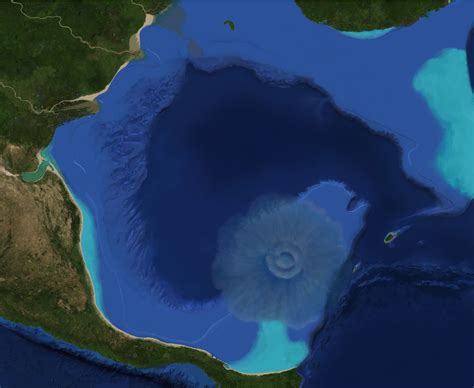
- Volcanism: Massive volcanic eruptions occurred around the end of the Cretaceous, particularly the Deccan Traps flood basalts in India. These released vast amounts of climate-altering gases (CO2, SO2) over hundreds of thousands of years, potentially causing significant environmental stress.
- Asteroid Impact: The discovery of the global iridium layer and the massive Chicxulub impact crater (~110 miles wide) in the Yucatán Peninsula, Mexico, dated precisely to the K-Pg boundary, provides compelling evidence for a catastrophic asteroid impact. The immediate effects (tsunamis, wildfires, impact winter blocking sunlight) and long-term climate disruption are widely considered the primary driver of the mass extinction. Explore the impact theory via The Planetary Society.
Gradual Environmental Change
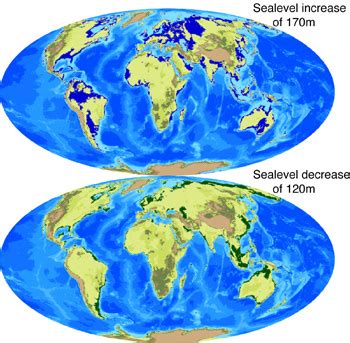
Some theories propose slower changes, such as climate shifts (cooling or warming trends), falling sea levels altering coastal habitats, and changes in vegetation (rise of flowering plants potentially impacting herbivore diets). While these factors likely played a role in stressing ecosystems, they struggle to explain the abruptness and global scale of the extinction event seen at the K-Pg boundary.
Other Hypotheses (Disease, Egg Predation)
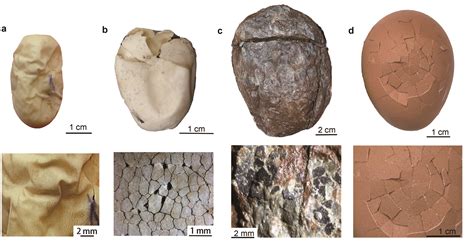
Ideas like widespread disease epidemics or early mammals eating too many dinosaur eggs are generally dismissed by paleontologists. Diseases are usually species-specific and unlikely to wipe out such a diverse group globally. Mammals coexisted with dinosaurs for over 150 million years, and egg predation didn’t prevent dinosaur populations from thriving throughout the Mesozoic. Furthermore, other egg-laying reptiles like crocodiles and turtles survived the extinction event.
The Unsolved Puzzle

While the asteroid impact hypothesis is currently the most strongly supported explanation for the K-Pg mass extinction, many scientists believe the full picture might involve a combination of factors. The environmental stress caused by the preceding Deccan Traps volcanism may have weakened ecosystems, making them more vulnerable to the catastrophic effects of the asteroid impact. The exact interplay of these factors continues to be researched. What remains clear is that the end of the Cretaceous marked a profound turning point in the history of life on Earth.
| Extinction Hypothesis | Proposed Mechanism | Supporting Evidence | Challenges/Limitations |
|---|---|---|---|
| Asteroid Impact (Chicxulub) | Global catastrophe: impact winter, wildfires, tsunamis, climate change | Iridium layer, Chicxulub crater, shocked quartz, tektites, precise dating | Explaining selectivity (why some groups survived); potential role of other factors. |
| Massive Volcanism (Deccan Traps) | Gradual climate change (CO2, SO2), ocean acidification, acid rain | Huge volume of lava flows dated near K-Pg boundary, known climate effects of gases | Timing slightly precedes boundary? Abruptness of extinction hard to explain solely by this. |
| Gradual Climate/Sea Level Change | Slow environmental stress, habitat loss, changing vegetation | Evidence of climate shifts and sea-level drops in Late Cretaceous | Does not easily explain the sudden, global nature of the K-Pg event. |
| Disease/Pandemic | Widespread fatal illness | None directly observed in fossil record | Unlikely to affect such diverse groups globally; lacks evidence. |
| Mammalian Egg Predation | Early mammals consuming too many dinosaur eggs | Mammals coexisted with dinosaurs | Dinosaurs thrived alongside mammals for >150 Myr; other egg-layers survived. |
History of the Dinosaur Quarry: Discovery and Development
The story of the Dinosaur Quarry is one of geological chance, keen observation, and dedicated scientific endeavor spanning over a century. Its transformation from an unassuming sandstone ridge to a world-famous paleontological site involved key individuals and institutions.
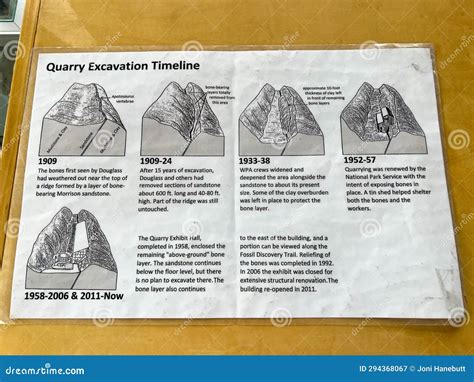
Early Sightings and the Pivotal Discovery (1909)
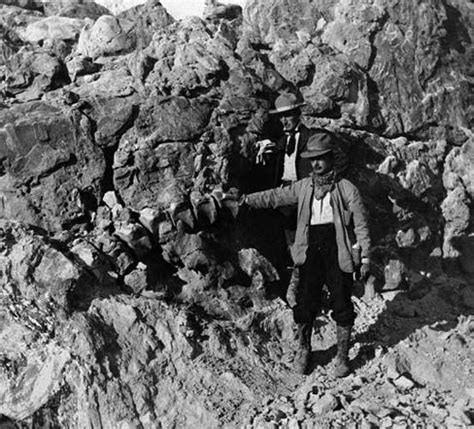
While Indigenous peoples likely encountered weathered bones for centuries, and early explorers like Father Escalante (1776) and John Wesley Powell (1871) passed nearby, the scientific significance remained unrecognized. Local settlers occasionally noted the strange “rock bones.” The first formal identification came in 1893 when O. A. Peterson of the American Museum of Natural History identified dinosaur fossils from the Morrison Formation south of the current monument.
Earl Douglass and the Carnegie Museum

Peterson’s report eventually led paleontologist Earl Douglass, working for the Carnegie Museum in Pittsburgh under Director W. J. Holland, to the area in 1908. After initial searches, Douglass returned in the summer of 1909. On August 17, 1909, Douglass made the breakthrough discovery, finding a series of articulated Apatosaurus tail vertebrae weathering out of the sandstone ledge. His diary entry captures the moment: “At last in the top of the ledge… I saw eight of the tail bones of a Brontosaurus [Apatosaurus] in exact position.”
Establishing and Expanding the Quarry
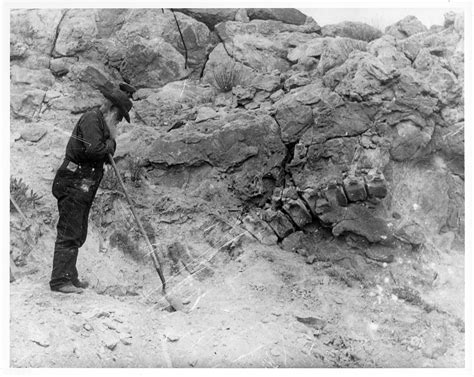
Douglass quickly realized the potential significance of his find. He began excavating along the tail, uncovering more of the massive skeleton.
Initial Excavations and Camp Setup
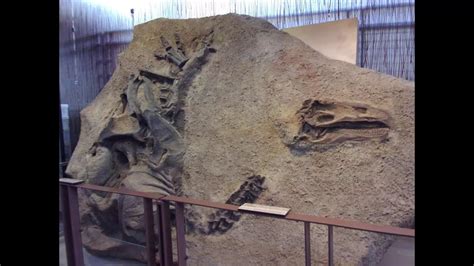
Recognizing the need for a major operation, Douglass secured funding from Andrew Carnegie himself (who desired a “barn-sized” dinosaur for his museum) and established a field camp. He hired local workers, built a cabin and road, and set up the necessary infrastructure for long-term excavation. Within a year, his team had opened a substantial cut along the tilted ledge, using mine carts on rails to remove tons of rock.
Major Finds (Apatosaurus, Diplodocus, etc.)
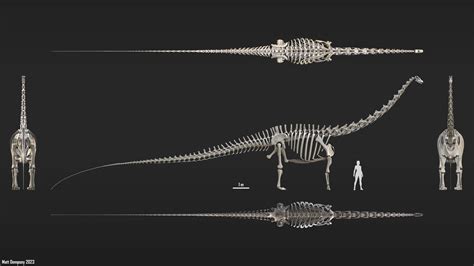
The quarry quickly yielded an astonishing array and abundance of fossils, becoming known as a “general quarry.” Besides the initial Apatosaurus (mounted at the Carnegie Museum by 1913), numerous specimens of Diplodocus (including skulls, which are rare), Camarasaurus, the armored Stegosaurus, the bipedal Dryosaurus, and the predator Antrodemus (Allosaurus) were unearthed. Douglass also found the exceptionally long-necked Barosaurus and the tiny Laosaurus. The concentration and preservation quality surpassed other Morrison Formation sites like Como Bluff, WY, and Canon City, CO. Douglass correctly interpreted the jumbled deposit as the result of river accumulation on a sandbar.
Excavation Methods: Then and Now
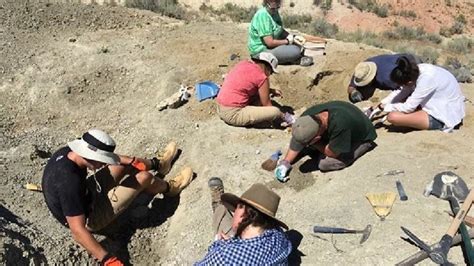
The techniques used to extract these giants evolved over time.
Early Manual Techniques
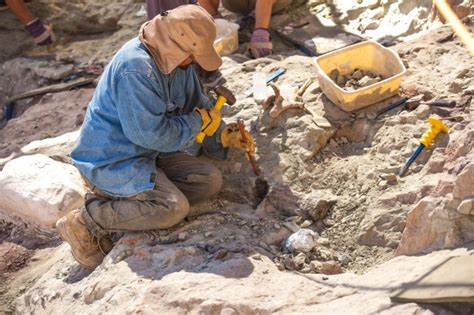
Douglass’s era relied entirely on manual labor. Overburden rock was broken using carefully placed dynamite charges, hand drills, wedges, and crowbars. Delicate work around the bones involved hammers and chisels. Rubble was removed using horse-drawn scrapers and handcarts. Bones were encased in plaster-and-burlap jackets (initially using flour paste) and laboriously transported over 60 miles by mule-drawn skids and heavy freight wagons to the nearest railhead.
Later Use of Power Tools (for exhibit prep)
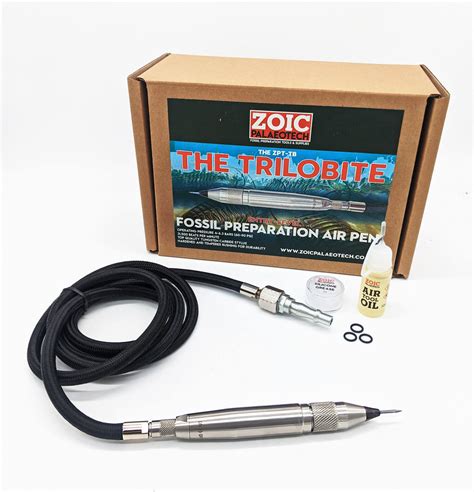
While the initial collection phase was manual, the later work in the 1950s to prepare the in-situ exhibit wall utilized modern technology for the first time at the quarry. Compressed air powered jackhammers and paving breakers to remove large amounts of overlying rock efficiently, followed by smaller pneumatic tools (like air scribes) and traditional hand tools for the final delicate exposure of the bones visible today.
Securing the Site: National Monument Status (1915)
Recognizing the extraordinary scientific value of the quarry, Carnegie Museum officials sought to protect the site. Their initial attempt to file a mineral claim failed because fossils weren’t legally considered minerals.
Role of the Antiquities Act
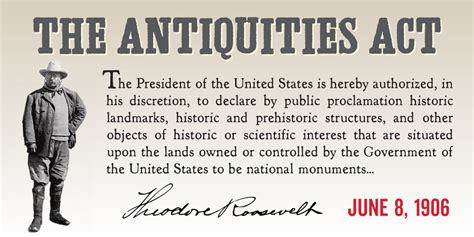
Advocacy efforts, however, led to a more significant outcome. Citing the exceptional preservation, abundance, variety, and completeness of the skeletons (including rare skulls and complete tails), President Woodrow Wilson used the recently passed Antiquities Act of 1906 to declare the quarry and 80 surrounding acres “Dinosaur National Monument” on October 4, 1915. This act allows presidents to quickly protect significant natural, cultural, or scientific features on federal land. The monument became part of the new National Park Service system in 1916.
Later Work and the In-Situ Exhibit Vision
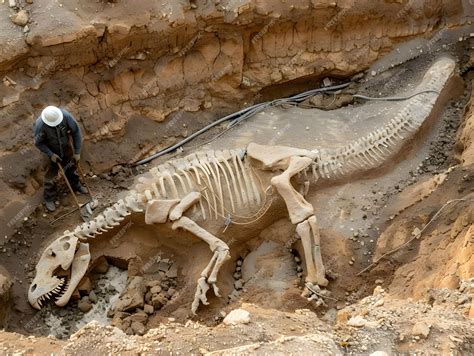
After the Carnegie Museum’s main excavation period ended around 1922 (having collected parts of ~300 dinosaurs representing 10 species), the Smithsonian Institution and the University of Utah conducted further work. One significant find during this later period was the remarkably complete Camarasaurus lentus skeleton, crucial for understanding sauropod posture.
Contributions from Other Institutions
These institutions added valuable specimens to their collections, further highlighting the quarry’s importance. The Smithsonian National Museum of Natural History continues to house important dinosaur collections, including specimens potentially influenced by the work at Dinosaur NM.
Development of the Quarry Visitor Center (1958)
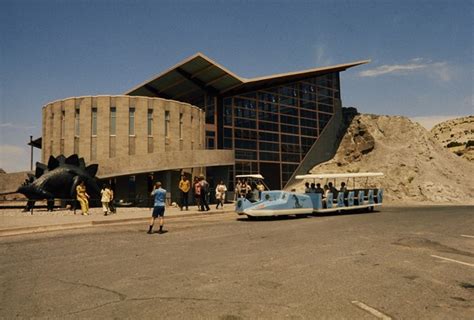
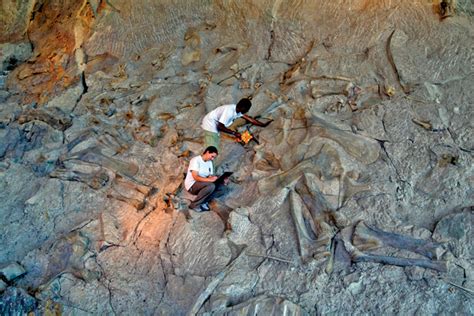
As early as 1915, Earl Douglass envisioned leaving some fossils in place for public viewing. In 1923, he formally proposed this idea to the Smithsonian. Although plans were drafted, decades passed. Finally, starting in 1953 under the National Park Service’s MISSION 66 program (a major infrastructure initiative), work began under paleontologist Theodore E. White to expose the remaining bone layer in bas-relief. This culminated in the construction of the unique Quarry Visitor Center, built directly over and against the fossil-rich cliff face, which opened to the public in 1958, realizing Douglass’s vision of an “in-situ” exhibit.
| Period | Key Events | Key Institutions/People | Outcome/Significance |
|---|---|---|---|
| Pre-1909 | Sporadic sightings, scientific recognition of regional Morrison Fm. fossils | Indigenous Peoples, Explorers, Settlers, O.A. Peterson | Background awareness of fossils in the region. |
| 1909 | Discovery of articulated Apatosaurus vertebrae | Earl Douglass, Carnegie Museum (W.J. Holland) | Pinpointed the rich deposit, initiated major excavation. |
| 1909-1922 | Intensive excavation, major fossil finds, camp established | Earl Douglass, Carnegie Museum (Andrew Carnegie) | World-class collection established, basis for museum displays, river deposition theory. |
| 1915-1916 | Establishment of Dinosaur National Monument | Carnegie Museum Advocacy, U.S. Dept. Interior, Pres. Wilson | Federal protection under Antiquities Act, inclusion in National Park Service. |
| Post-1922 | Continued excavation by other institutions, key finds (Camarasaurus lentus) | Smithsonian Institution, University of Utah | Additional significant specimens collected, postural insights gained. |
| 1923 | Douglass proposes in-situ exhibit concept | Earl Douglass, Smithsonian (Dr. Walcott) | Planted the seed for the future Quarry Visitor Center exhibit. |
| 1930s | WPA development work, AMNH interest | NPS (A.C. Boyle), WPA, AMNH (Barnum Brown) | Area infrastructure improvements, continued scientific interest. |
| 1953-1958 | Development and construction of Quarry Visitor Center (in-situ exhibit) | NPS (MISSION 66, H. Albright, T. White, J. Lombard) | Realization of Douglass’s vision, public access to fossils in place. |
Dinosaur National Monument Today: A Living Landscape
While famous for its fossils, Dinosaur National Monument is also a vibrant natural area where modern plants and animals thrive in a challenging environment, shaped by the same geological forces that preserved and exposed the dinosaurs.
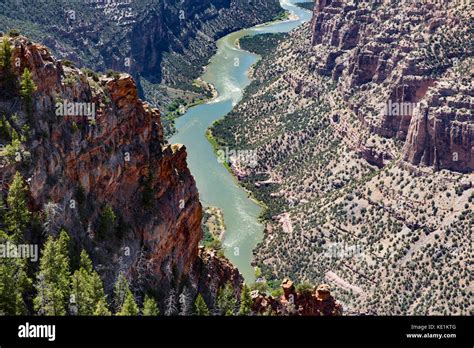
Climate and Terrain: A Land of Extremes
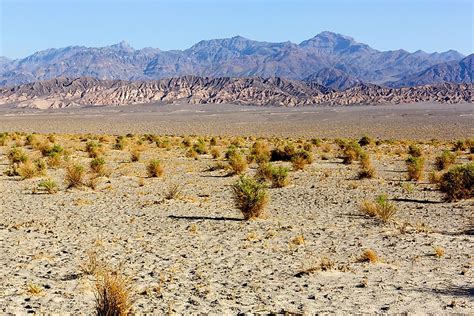
The area around the quarry experiences a semi-arid climate with significant temperature fluctuations. Summer days can exceed 100°F (38°C), though nights are typically cool. Winter temperatures can plummet well below zero (-18°C or lower), sometimes for extended periods. The defining factor is the lack of precipitation, averaging less than 8 inches (20 cm) annually. This stark, high-desert environment presents significant challenges for life.
Flora: Adapting to Aridity
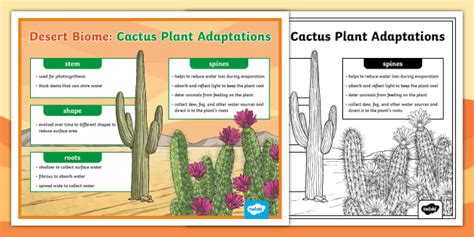
Plants here exhibit remarkable adaptations to survive heat, cold, and drought.
Desert Plants (Cactus, Sagebrush, Juniper)
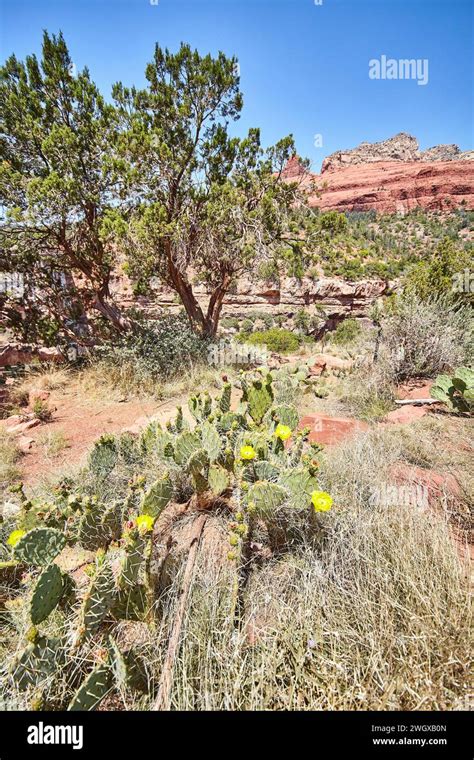
Cacti store water in thick stems and use shallow, spreading root systems to capture infrequent rain. Greasewood coats its leaves with wax, and sagebrush uses fine hairs to reduce water loss through transpiration. Junipers have tiny, scale-like leaves that minimize surface area. Many desert shrubs, like serviceberry, conserve water by dropping their leaves during dry periods, appearing dormant until moisture returns.
Riparian Life (Cottonwoods)
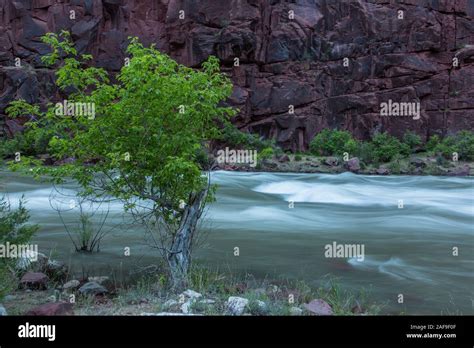
In stark contrast, large cottonwood trees thrive along the Green River and near springs. They transpire hundreds of gallons of water daily through their broad leaves, creating cool microclimates but requiring a constant water source. Their presence often indicates subsurface water even along seemingly dry washes.
Seasonal Wildflowers
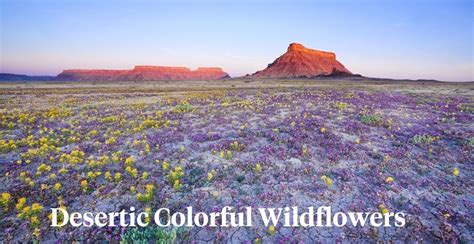
Spring briefly transforms the landscape. Triggered by snowmelt and infrequent rains, annual wildflowers germinate, bloom, set seed, and die within weeks. April, May, and early June offer splashes of color from lupine, locoweed, evening primrose, scarlet gilia, Indian paintbrush, and mallow. Later in the summer, rabbitbrush provides bursts of yellow, while bee plants attract pollinators along washes. These plants form the base of the local food web.
Fauna: Wildlife of the Monument
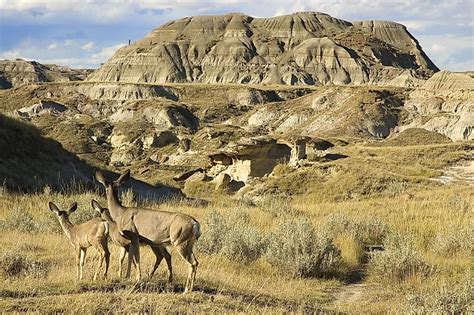
A surprising variety of animals have adapted to this environment, though many are elusive.
Birds (Year-round, Migratory)
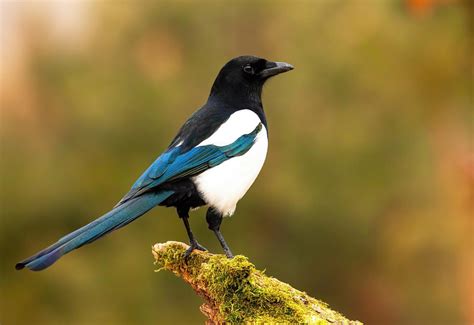
Birdwatching is best during cooler morning and evening hours. Year-round residents include golden and bald eagles, red-tailed hawks, magpies, and western horned owls. Summer breeders include rock wrens, robins, flycatchers, warblers, flickers, swallows, and swifts. Many migrate south in autumn, replaced by winter residents like juncos, mountain bluebirds, and piñon jays. Turkey vultures are common daytime sights, soaring high while searching for carrion. Say’s phoebes often perch conspicuously, darting out to catch insects.
Mammals (Nocturnal, Adaptations like Metabolic Water)
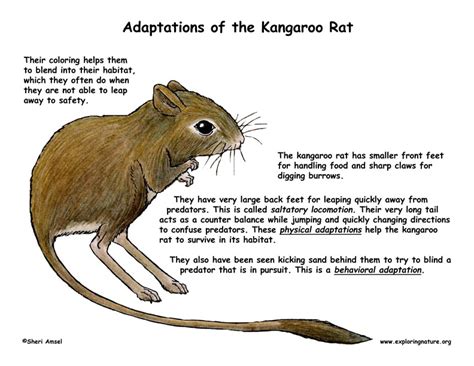
Most mammals are nocturnal and shy. Evidence of their presence includes deer mouse trails, beaver-gnawed stumps along the river, and kangaroo rat tracks. Golden-mantled ground squirrels are a common diurnal sight near visitor areas. Many small rodents survive without drinking free water, obtaining moisture from their food and through metabolic water production – a physiological process where water is generated internally from the chemical breakdown of food. Larger mammals like mule deer, coyotes, and badgers must eventually drink from the river or springs. Winter is challenging, forcing deer to lower elevations and causing hares to change coat color for camouflage. Some animals, like ground squirrels, hibernate.
Reptiles (Lizards, Snakes)
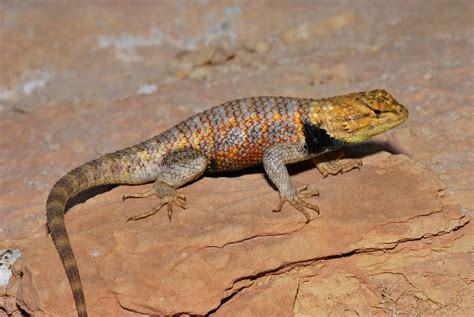
Reptiles are well-suited to the climate but are less numerous than might be expected. The most common snake is the non-poisonous bullsnake (gopher snake). Rattlesnakes are present but rare. Common lizards include the small side-blotched lizard and the larger, fast-moving western whiptail lizard, easily recognized by its long tail. Lizards can shed their tails (autotomy) to escape predators, later regrowing a replacement. These modern reptiles face the same environmental pressures of adaptation or extinction that shaped life throughout the monument’s deep history. You can learn more about the monument’s current ecosystems on the NPS Dinosaur National Monument Nature page.
| Ecosystem Aspect | Examples | Key Adaptations/Notes |
|---|---|---|
| Climate | Semi-arid, large temperature swings, <8″ precip. | Life must tolerate heat, cold, and extreme drought. |
| Terrain | Canyons, cliffs, sagebrush flats, riparian corridors | Provides diverse microhabitats. |
| Flora | Cactus, sagebrush, juniper, cottonwood, wildflowers | Water storage, reduced water loss (waxy/hairy/small leaves, dormancy), deep roots. |
| Avifauna | Eagles, hawks, wrens, swallows, juncos, magpies | Mix of resident, breeding, and migratory species exploiting different food sources. |
| Mammals | Ground squirrels, deer mice, kangaroo rats, coyotes | Nocturnal habits, hibernation, metabolic water production, seasonal migrations (deer). |
| Herpetofauna | Bullsnakes, side-blotched lizards, whiptails | Ectothermy (use sun for warmth), burrowing, tail autotomy (lizards). |
Planning Your Exploration
A visit to Dinosaur National Monument offers a unique journey through time, from ancient fossil beds to living desert ecosystems.
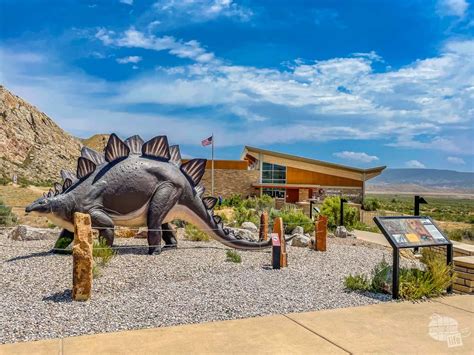
Visiting the Quarry Exhibit Hall
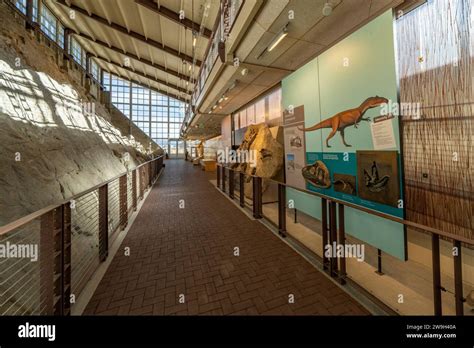
The highlight for many visitors is the Quarry Exhibit Hall on the Utah side of the monument. Here, you can view over 1,500 dinosaur bones exposed in place on the cliff face, exactly as they were deposited. Interpretive displays explain the history and science of the quarry. Check the official NPS website for Dinosaur National Monument for current hours, shuttle information (required during peak season), and any alerts or closures before your visit.
Other Activities in the Monument
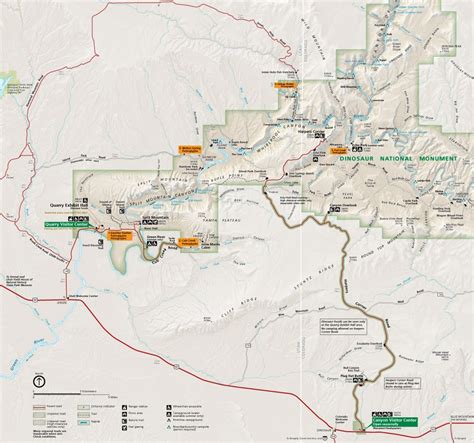
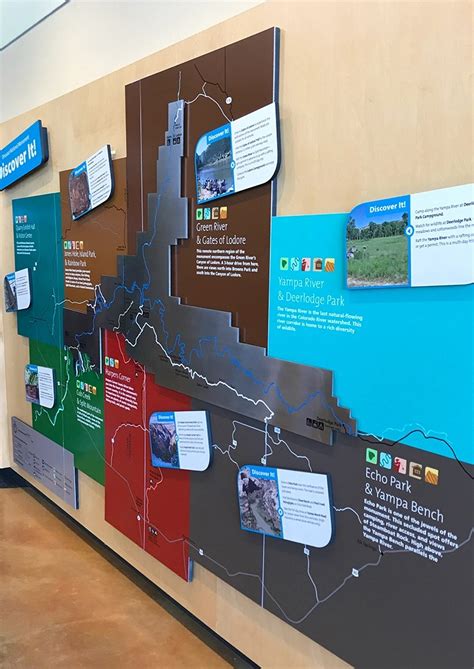
Beyond the quarry, the monument offers scenic drives (like the Harpers Corner Road on the Colorado side for canyon views), hiking trails through diverse landscapes, river rafting opportunities on the Green and Yampa Rivers, and chances to view ancient petroglyphs left by the Fremont people. Stargazing is also excellent due to the dark night skies.
Conclusion: A Legacy in Stone
The Dinosaur Quarry at Dinosaur National Monument stands as a testament to the immense span of geological time and the incredible history of life on Earth. From the initial discovery by Earl Douglass to the ongoing work of the National Park Service, the quarry continues to educate and inspire awe. It offers a rare window into the Jurassic period, showcasing the giants that once ruled the landscape and the intricate processes of fossilization that preserved their remains. Furthermore, the surrounding monument highlights the resilience of life, demonstrating how modern plants and animals adapt to the same dramatic landscape. A visit provides not only a glimpse of ancient dinosaurs but also an appreciation for the dynamic natural and geological forces that shape our planet.
Unearthing Giants: Inside Dinosaur National Monument’s World-Famous Quarry
Explore the world-renowned Dinosaur Quarry at Dinosaur National Monument. Discover Jurassic fossils, excavation history, the science behind these ancient giants, and plan your visit.