
Echoes of Extinction: Unveiling the Animals of the Past
Scientific consensus paints a vivid picture of Earth’s incredible prehistoric inhabitants, from ancient fish to colossal dinosaurs and giant mammals.
Defining and Discovering Fossils: Windows to Ancient Worlds
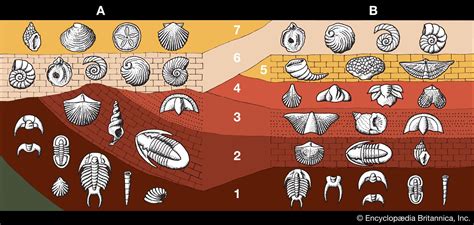
View Fossil Discovery Sites on Google Maps
Fossils represent the preserved remains, traces, or imprints of organisms from past geological ages. They serve as primary evidence for understanding the history of life on Earth. While often thought of as petrified bones, fossils encompass a much broader range of evidence.
| Fossil Type | Description | Formation Process Examples | Information Provided |
|---|---|---|---|
| Body Fossils | Preserved physical remains of an organism (bones, teeth, shells, wood). | Petrifaction (mineral replacement), Carbonization, Freezing. | Anatomy, size, species identification. |
| Trace Fossils | Preserved evidence of an organism’s activity (footprints, burrows, nests). | Impressions in soft sediment later hardened into rock. | Behavior, locomotion, environment. |
| Chemical Fossils | Organic molecules left behind by organisms. | Breakdown products of biological molecules preserved in rock. | Presence of life, metabolic pathways. |
| Casts & Molds | Impressions left by an organism (mold) or filled-in impressions (cast). | Decay of organism leaving a void filled by minerals/sediment. | External shape, size. |
The Process of Fossilization
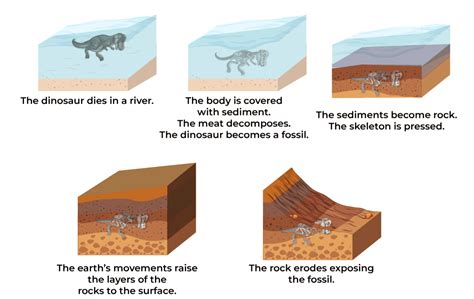
Fossilization is a rare event requiring specific conditions. Typically, an organism must be rapidly buried after death, usually in sediment deposited by water (lakes, rivers, oceans) or sometimes by volcanic ash or shifting sands. This rapid burial protects the remains from scavengers, decay, and weathering.
Over long periods, groundwater percolating through the sediments may dissolve the original organic material and replace it, molecule by molecule, with stable minerals like silica or calcite. This process, known as petrifaction, turns the remains into stone while often preserving intricate details. In other cases, only an impression (mold) might remain, which can later be filled by minerals to form a natural cast.
Types of Fossils (Body, Trace, Chemical)
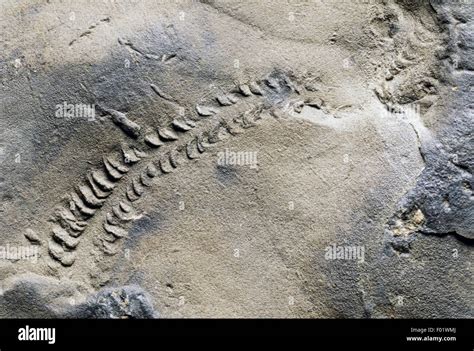
As outlined in the table, fossils vary greatly. Body fossils, like dinosaur bones or mammoth tusks, provide direct anatomical evidence. Trace fossils, such as footprints (ichnites), burrows, or fossilized feces (coprolites), offer invaluable insights into the behavior and environment of ancient creatures. Even delicate structures like leaves or feathers can leave impressions. Chemical fossils are molecular signatures indicating past life.
Challenges in Fossil Preservation and Discovery
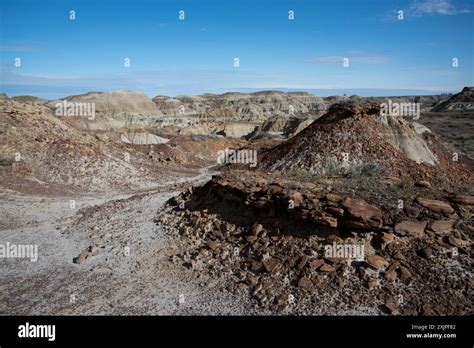
The vast majority of organisms that have ever lived left no fossil record. Preservation requires protection from decomposition and physical destruction. Exposure to air, sun, rain, frost, and biological agents (bacteria, scavengers, plant roots) quickly destroys organic remains on land. Aquatic environments offer better chances, but even there, currents, waves, and chemical dissolution can prevent fossilization.
Furthermore, even if fossils form, they must survive immense geological pressures, heat, and potential destruction through erosion or metamorphism. Finally, they must be exposed at the Earth’s surface and discovered before weathering destroys them. This combination of factors makes each fossil find a remarkable window into the deep past.
The Dawn of Vertebrates: Armored Fish and Early Sharks
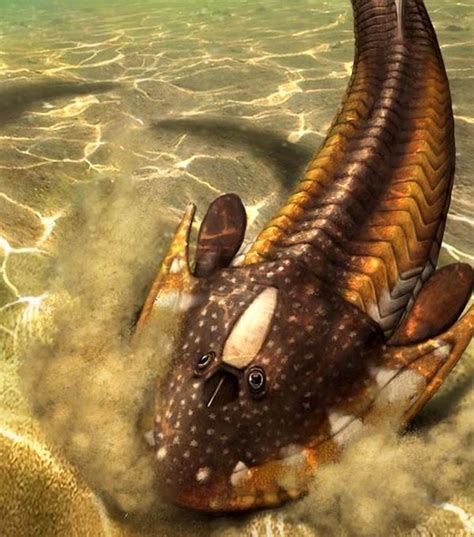
The journey of vertebrate life begins deep in the geological record, long before the reign of dinosaurs or mammals. The earliest evidence points towards fish-like creatures emerging in the Paleozoic Era.
| Era/Period | Key Vertebrate Group | Notable Characteristics | Examples |
|---|---|---|---|
| Ordovician | Early Jawless Fish | Small, often armored, lacking true jaws, cartilaginous. | Astraspis |
| Silurian | Jawless Fish Diversify | Increased variety of armored forms (Ostracoderms). | Cephalaspis |
| Devonian | Age of Fishes | Placoderms (armored jawed fish), early sharks, bony fish appear. | Dunkleosteus, Pterichthys, Cladoselache |
| Carboniferous | Sharks Dominate | Diversification of sharks and ray-finned fishes. | Stethacanthus |
The First Fish-Like Forms (Prevertebrates)
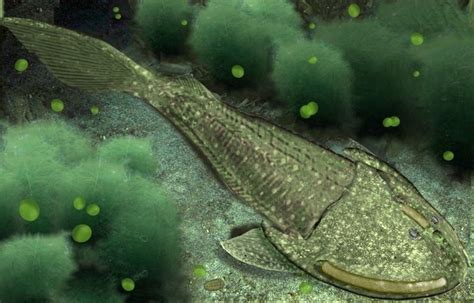
The earliest undisputed vertebrate fossils date back to the Ordovician period, roughly 480 million years ago. These initial forms, often termed “agnathans” or jawless fish, were typically small. Discoveries include bony plates and impressions suggesting creatures perhaps distantly related to modern lampreys and hagfish. Their cartilaginous skeletons meant preservation was challenging, often limited to protective dermal armor or rare impressions in fine sediment. Examples like Arandaspis and Sacabambaspis provide glimpses into these pioneering vertebrates.
The Age of Armored Fishes (Placoderms)
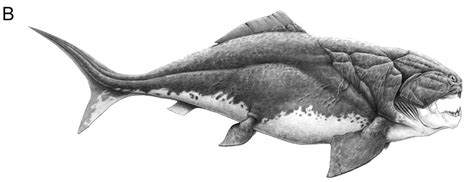
The Silurian and particularly the Devonian periods witnessed the rise of diverse and often heavily armored fish. Ostracoderms, like Cephalaspis, were jawless but possessed bony head shields. More formidable were the Placoderms, the first vertebrates to evolve true jaws, derived from modified gill arches. This innovation allowed for active predation.
Placoderms, such as the massive Dunkleosteus, which could reach lengths of several meters, dominated aquatic ecosystems. Their bodies were often covered in heavy bony plates, especially anteriorly, suggesting a world where defense was crucial. Other bizarre forms like Pterichthys (the “wing fish”) featured jointed, fin-like appendages encased in armor. Despite their success, the Placoderms went extinct by the end of the Devonian.
The Rise of Early Sharks (Carboniferous Period)
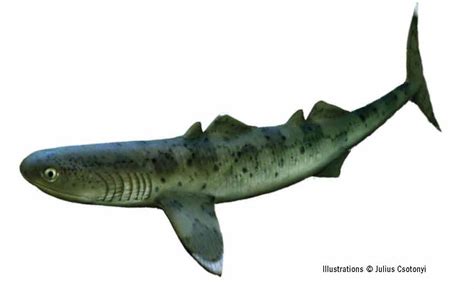
While sharks originated earlier, they diversified significantly during the Carboniferous period, following the decline of the placoderms. These early sharks, like Cladoselache, possessed cartilaginous skeletons, meaning their fossils are often represented only by teeth and fin spines.
Unlike modern sharks with replaceable rows of teeth embedded in connective tissue, many early forms had teeth more firmly attached. Their spines, often located anterior to the dorsal fins, likely served a defensive purpose. These Carboniferous sharks were generally smaller and less specialized than many modern species, but they represented a successful radiation into the niches previously occupied by armored fish. Their lineage would eventually give rise to the sharks we know today, including giants like the extinct Carcharodon megalodon.
Impressions in Stone: Reading Prehistoric Footprints
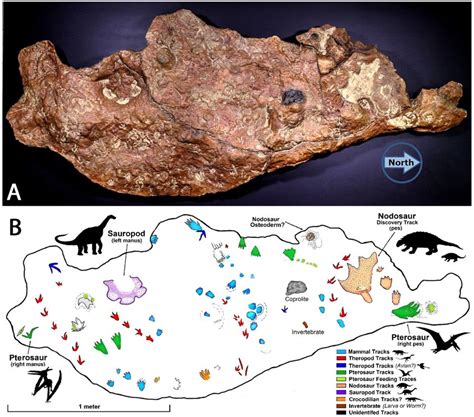
Fossil footprints, or ichnites, provide dynamic evidence of prehistoric life, capturing moments of movement and behavior frozen in time. These trace fossils complement the information derived from body fossils.
| Feature Observed | Interpretation | Examples |
|---|---|---|
| Shape & Size | Indicates type and size of animal | Three-toed dinosaur tracks vs. mammal prints |
| Number of Toes | Helps identify group (e.g., dinosaurs, early mammals) | Bipedal dinosaurs often show 3 toes, some mammals 5 |
| Stride Length | Suggests speed (running, walking) | Longer strides relative to leg length imply faster movement |
| Trackway Pattern | Shows locomotion (bipedal, quadrupedal), gait, tail drag | Parallel prints (quadruped), alternating (bipedal) |
| Sediment Features | Reveals environment (mud cracks, ripple marks) | Tracks on ancient mudflats, lake shores, riverbanks |
| Associations | Interactions between animals, herding behavior | Multiple trackways together, predator-prey scenarios |
Formation and Preservation of Tracks
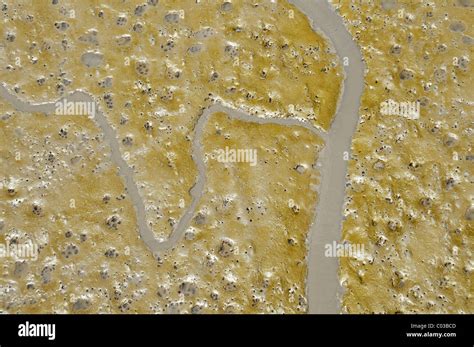
Footprints are most likely to be preserved when made in fine-grained, moist sediment like mud or sand, which can hold a clear impression. For the track to become a fossil, it must be protected from erasure by wind or water shortly after formation. This often occurs when the impression is quickly but gently buried by another layer of sediment, such as wind-blown sand or fine silt settling from calm water.
Over geological time, the layers lithify (turn to stone). The original track surface forms a natural mold. If this mold is later filled with sediment that also lithifies, it creates a natural cast. Often, the plane between the track layer and the overlying layer is a zone of weakness, allowing the rock to split and reveal the footprints – either as impressions or reliefs.
Famous Track Sites (e.g., Connecticut Valley)
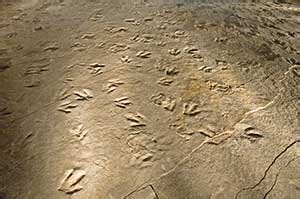
One of the most renowned fossil footprint localities is the Connecticut River Valley in New England, USA. The Triassic and Jurassic sandstones (often called “brownstone”) of this region preserve thousands of tracks, primarily from dinosaurs. Discovered in the early 19th century, these tracks were initially attributed to giant birds before the nature of dinosaurs was understood.
These tracks range from small, bird-like prints to large, three-toed impressions several feet apart, left by bipedal dinosaurs. The variety of tracks indicates a diverse fauna inhabited this ancient rift valley environment. Other significant track sites exist globally, recording moments from the lives of amphibians, reptiles, dinosaurs, and mammals.
What Tracks Reveal About Locomotion and Behavior
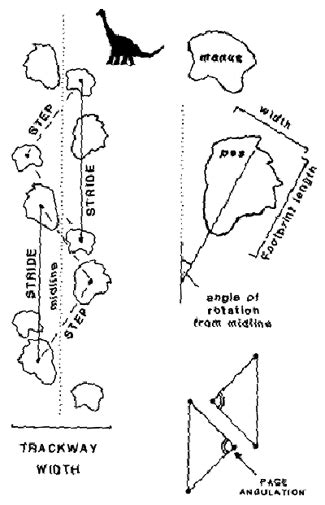
Trackways offer unique behavioral data unobtainable from bones alone. They definitively show whether an animal walked on two legs (bipedal) or four (quadrupedal). The absence of a tail drag mark in many dinosaur trackways indicates they held their tails aloft for balance, unlike crawling reptiles.
Stride length and the spacing between prints relative to estimated leg length can indicate whether an animal was walking, trotting, or running. Multiple parallel trackways suggest herding behavior. In rare cases, track sites appear to record interactions, such as predator stalking prey or group movements. Footprints thus provide a dynamic snapshot of how extinct animals moved through their ancient environments.
Marine Reptiles: Masters of the Mesozoic Seas
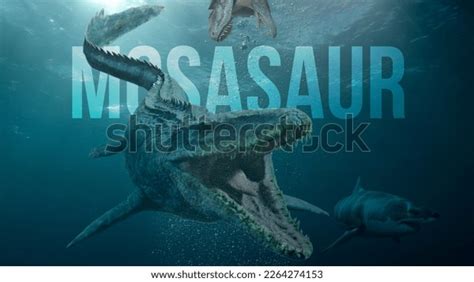
During the Mesozoic Era, while dinosaurs dominated the land, a diverse array of reptiles adapted to marine life, becoming apex predators in the ancient oceans.
| Group | Key Features | Time Period | Examples |
|---|---|---|---|
| Ichthyosaurs | Dolphin-like body shape, powerful tail fluke, large eyes, live birth. | Triassic – Cretaceous | Ichthyosaurus, Ophthalmosaurus |
| Plesiosaurs | Long or short necks, paddle-like limbs, broad body. | Triassic – Cretaceous | Plesiosaurus, Elasmosaurus, Pliosaurus |
| Mosasaurs | Large lizards adapted to marine life, paddle-like limbs, powerful tail. | Late Cretaceous | Mosasaurus, Tylosaurus, Platecarpus |
| Marine Crocodylomorphs | Streamlined crocodiles with paddle-limbs or tail flukes. | Jurassic – Cretaceous | Metriorhynchus, Geosaurus |
| Sea Turtles | Large marine turtles, some with reduced shells. | Cretaceous – Present | Archelon, Protostega |
The Mosasaurs: Giant Sea Lizards
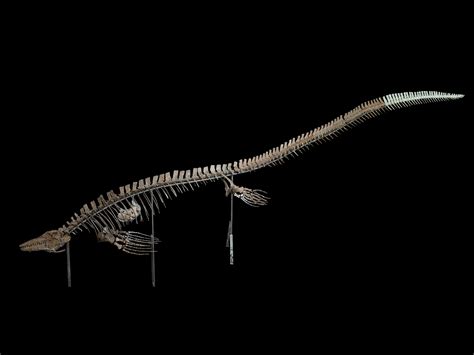
Mosasaurs were true lizards, closely related to modern monitor lizards, that adapted spectacularly to a marine existence during the Late Cretaceous. They evolved paddle-like limbs and a powerful, flattened tail for propulsion. Their skulls featured flexible jaws with an extra joint (intramandibular joint), allowing them to swallow large prey whole, similar to snakes.
These formidable predators ranged in size from a few meters to giants like Tylosaurus and Mosasaurus, potentially exceeding 15 meters (50 feet) in length. Fossil evidence, particularly abundant from the Western Interior Seaway of North America, shows they preyed on fish, ammonites, smaller marine reptiles, and even seabirds. Their reign was relatively short but dominant, ending abruptly with the Cretaceous-Paleogene extinction event.
Plesiosaurs and Ichthyosaurs (Brief Mention for context)
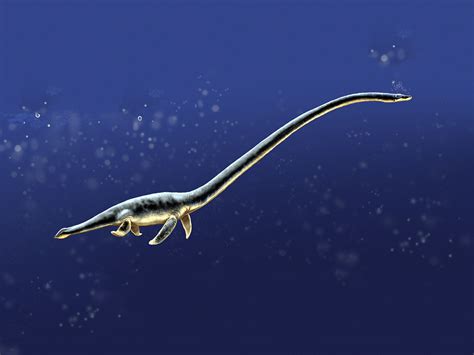
Before the Mosasaurs’ dominance, other marine reptiles ruled the seas. Ichthyosaurs evolved early in the Triassic and converged remarkably on a dolphin-like body plan, indicating efficient swimming. Their large eyes suggest deep diving capabilities. Plesiosaurs are famous for their often incredibly long necks (like Elasmosaurus) or, conversely, short necks and massive skulls (pliosaurs like Liopleurodon). Both groups propelled themselves primarily with powerful limb-paddles. They thrived throughout much of the Mesozoic but declined before the end of the Cretaceous.
Ancient Whales: The Case of Zeuglodon (Basilosaurus)
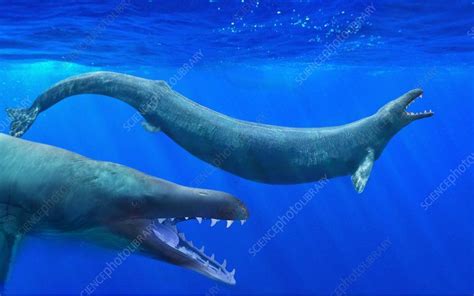
While not reptiles, early whales represent another group adapting to marine life after the Mesozoic. Basilosaurus (originally named Zeuglodon due to its yoke-shaped teeth) lived during the Eocene epoch. Despite its serpentine appearance—an elongated body reaching up to 18 meters (60 feet) with disproportionately small hind limbs—it was a mammal and an early whale.
Basilosaurus fossils, common in the southeastern United States, reveal a powerful predator with differentiated teeth for grasping and shearing. Its extremely elongated vertebral column suggests it swam with undulating movements. The discovery of its tiny but distinct hind limbs provided crucial evidence for the terrestrial ancestry of whales. It represents a fascinating stage in the transition of mammals back to the sea, eventually leading to modern cetaceans. Authoritative information can be found at institutions like the Smithsonian National Museum of Natural History.
The First True Birds: From Reptiles to Flight
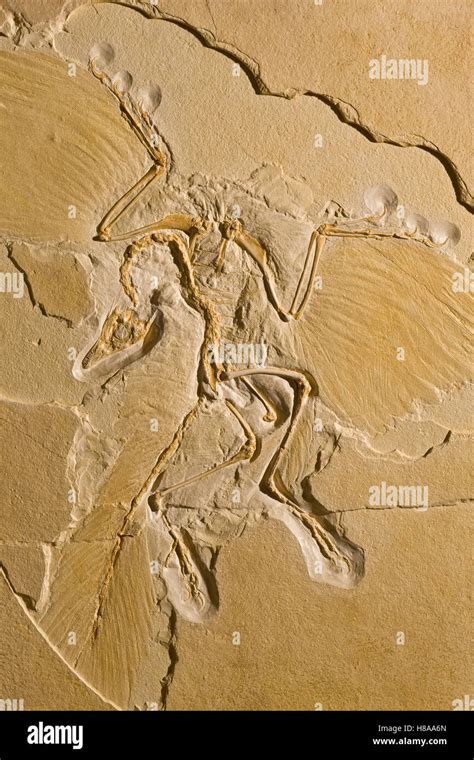
The evolution of birds from their reptilian ancestors is one of the most fascinating transitions documented in the fossil record. Feathers, the defining characteristic of birds, appear alongside a mosaic of reptilian and avian features in early forms.
| Time Period | Key Event/Group | Notable Features | Examples |
|---|---|---|---|
| Late Jurassic | Emergence of First Birds | Feathers, claws on wings, teeth, long bony tail. | Archaeopteryx |
| Early Cretaceous | Diversification | Toothed birds, some specialized (e.g., diving), pygostyle appears. | Confuciusornis, Jeholornis |
| Late Cretaceous | Advanced Toothed Birds | Further specialization, loss of flight in some lineages. | Hesperornis, Ichthyornis |
| Paleogene | Rise of Modern Birds | Extinction of toothed birds, radiation of modern orders. | Ancestors of ducks, parrots, etc. |
Archæopteryx: The Reptile-Bird Link
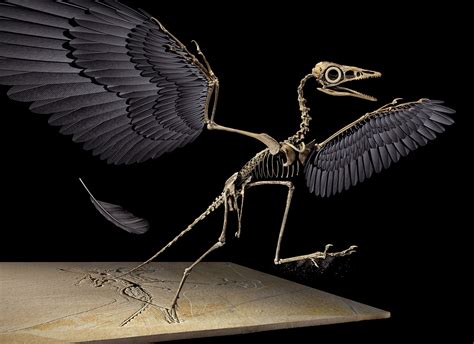
Discovered in the Solnhofen limestone quarries of Germany, Archaeopteryx fossils from the Late Jurassic (around 150 million years ago) represent a crucial transitional form. These crow-sized animals possessed well-developed feathers arranged on wings capable of flight, albeit likely weaker than modern birds.
However, Archaeopteryx retained many reptilian characteristics: teeth in its jaws, claws on its wing digits, a flat sternum (breastbone), and a long, bony tail (unlike the fused pygostyle of modern birds). Its existence provides compelling evidence for the dinosaurian ancestry of birds, bridging the gap between small theropod dinosaurs and true aves.
Toothed Birds of the Cretaceous (Hesperornis)
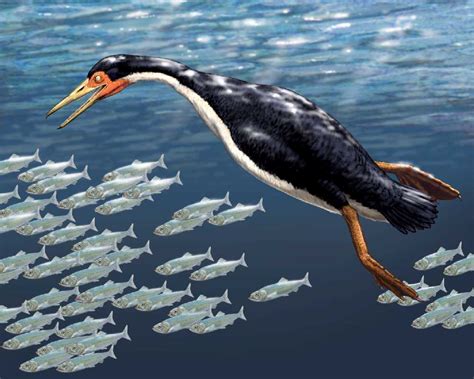
Bird evolution continued through the Cretaceous period. Fossils from this era reveal birds that were anatomically more advanced than Archaeopteryx but still possessed teeth. Hesperornis, found in the Western Interior Seaway deposits of North America, was a large, flightless diving bird, reaching over 1.5 meters (5 feet) long. It had powerful legs set far back on its body for swimming, likely propelling itself with its feet like modern loons or grebes. Its wings were extremely reduced, mere vestiges.
Conversely, its contemporary, Ichthyornis, resembled a modern tern or gull in size and skeletal structure but retained sharp teeth in its jaws. These Cretaceous birds demonstrate considerable diversification and adaptation, even while retaining some ancestral traits.
The Rarity of Avian Fossils

Despite their eventual success, bird fossils are relatively rare compared to those of other vertebrate groups. Several factors contribute to this. Bird bones are generally hollow and fragile, making them less likely to survive the fossilization process. Additionally, birds’ ability to fly means they often inhabit environments less conducive to preservation (like forests) or can escape events that might trap terrestrial animals (like floods or quicksand).
Dead birds are also more likely to be scavenged quickly. Consequently, our understanding of early bird evolution relies heavily on exceptional preservation sites (lagerstätten) like Solnhofen or the Jehol Biota in China, where fine sediments rapidly buried carcasses, preserving delicate structures like feathers.
The Age of Dinosaurs: Terrible Lizards of Land and Water
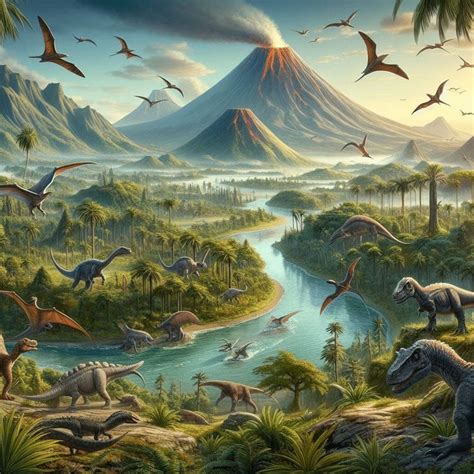
The Mesozoic Era (roughly 252 to 66 million years ago) is famously known as the Age of Dinosaurs. These reptiles exhibited extraordinary diversity in size, shape, diet, and habitat, dominating terrestrial ecosystems for over 160 million years.
| Dinosaur Group | Key Characteristics | Diet | Time Period | Examples |
|---|---|---|---|---|
| Sauropods | Long necks & tails, massive bodies, quadrupedal. | Herbivorous | Jurassic – Cretaceous | Apatosaurus, Diplodocus, Brachiosaurus |
| Theropods | Bipedal, typically sharp teeth & claws, varied sizes. | Carnivorous | Triassic – Cretaceous | Tyrannosaurus, Allosaurus, Velociraptor, Ceratosaurus |
| Ornithopods | Bipedal or quadrupedal, bird-like hips, beak-like jaws. | Herbivorous | Jurassic – Cretaceous | Iguanodon, Hadrosaurus, Thespesius |
| Stegosaurs | Quadrupedal, plates/spines along back, small heads. | Herbivorous | Jurassic – Cretaceous | Stegosaurus, Kentrosaurus |
| Ankylosaurs | Quadrupedal, heavily armored body, often tail club. | Herbivorous | Jurassic – Cretaceous | Ankylosaurus, Euoplocephalus |
| Ceratopsians | Quadrupedal, horns & frills on skull, beak-like jaws. | Herbivorous | Cretaceous | Triceratops, Styracosaurus, Protoceratops |
Sauropods: The Long-Necked Giants (Brontosaurus/Apatosaurus, Diplodocus)
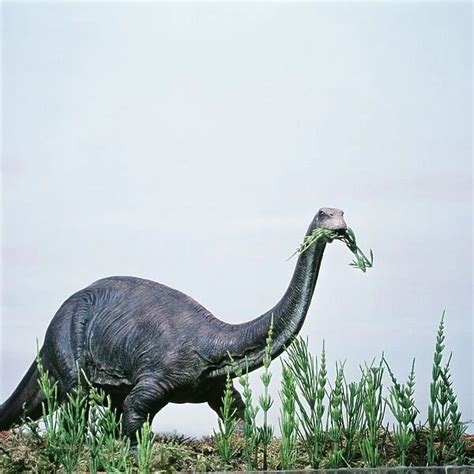
Sauropods were among the largest animals ever to walk the Earth. Characterized by their immense size, long necks and tails, columnar legs, and relatively small heads, they were quadrupedal herbivores. Giants like Apatosaurus (formerly widely known as Brontosaurus), Diplodocus, and the truly colossal Argentinosaurus likely browsed on vegetation, using their long necks to reach high foliage or sweep low-lying plants. Their sheer size would have offered considerable protection from predators. Fossils indicate they lived in herds and were widespread during the Jurassic and Cretaceous periods.
Theropods: The Carnivores (Ceratosaurus, [Add T-Rex for modern relevance])
![Theropods: The Carnivores (Ceratosaurus, [Add T-Rex for modern relevance])](https://atechsur.org/wp-content/uploads/2025/04/th-669e6a8d-f3b0-4340-9f88-7768387fde61.jpg)
Theropods encompass the vast majority of carnivorous dinosaurs, though some later groups may have adapted to other diets. Typically bipedal, they possessed sharp, serrated teeth and clawed hands and feet. Sizes varied dramatically, from chicken-sized compsognathids to the formidable Tyrannosaurus rex, arguably the most famous dinosaur.
Early forms like Ceratosaurus featured nasal horns and powerful builds. Later giants like T. rex, Allosaurus, and Spinosaurus were apex predators of their respective ecosystems. Many smaller theropods, like Velociraptor, were likely agile pack hunters. Fossil evidence suggests some theropods possessed feathers, reinforcing their close evolutionary link to birds.
Ornithischians: Armored and Horned Dinosaurs (Stegosaurus, Triceratops, Thespesius/Hadrosaurs)
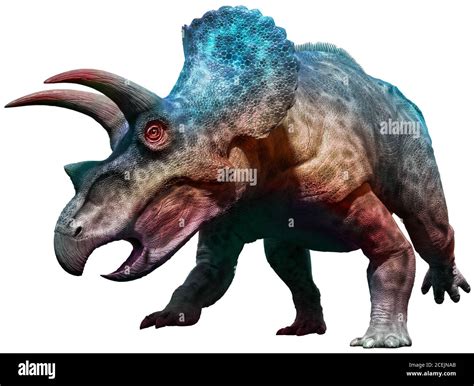
Ornithischians, or “bird-hipped” dinosaurs (though ironically not the direct ancestors of birds), were exclusively herbivorous and incredibly diverse. This group includes:
- Stegosaurs: Known for the distinctive plates and tail spikes (thagomizer) along their backs, like Stegosaurus.
- Ankylosaurs: Heavily armored “tanks” of the dinosaur world, often possessing tail clubs, like Ankylosaurus.
- Ceratopsians: Characterized by facial horns and elaborate neck frills, such as the iconic Triceratops. Their beaked mouths were adapted for shearing tough vegetation. Explore Triceratops details for more. (Suggested Internal Link 1)
- Ornithopods: Including the successful hadrosaurs (“duck-billed” dinosaurs like Thespesius or Edmontosaurus), known for their complex dental batteries for grinding plants. Many were capable of both bipedal and quadrupedal locomotion.
This incredible diversity highlights the successful adaptation of dinosaurs to nearly every terrestrial niche during the Mesozoic.
Reconstructing the Past: From Bone Fragments to Living Creatures
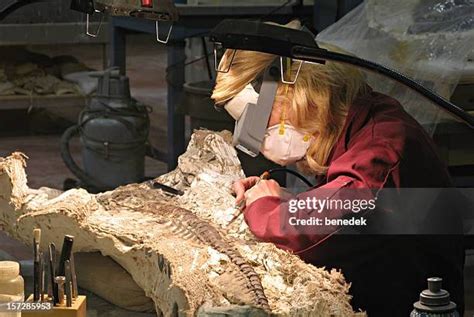
Bringing extinct animals “back to life” through reconstruction involves a meticulous process combining fieldwork, laboratory preparation, anatomical knowledge, and informed artistic interpretation.
| Stage | Process | Tools/Techniques Used | Outcome |
|---|---|---|---|
| Discovery | Locating fossil-bearing strata and identifying exposed remains. | Geological surveys, prospecting, recognizing bone texture. | Identification of potential dig site. |
| Excavation | Carefully removing fossils and surrounding rock (matrix). | Brushes, picks, shovels, jacketing (plaster & burlap). | Safe removal of fossils with context data. |
| Preparation | Cleaning fossils, removing matrix, stabilizing fragile specimens. | Air scribes, dental picks, needles, adhesives, consolidants. | Cleaned, stable fossils ready for study. |
| Identification | Determining the species and anatomical position of each bone. | Comparative anatomy, reference collections. | Understanding the available skeletal elements. |
| Assembly | Arranging bones into a skeletal mount or digital model. | Anatomical knowledge, gap filling (casts/digital), supports. | Articulated skeleton showing posture/proportions. |
| Interpretation | Inferring muscle attachments, soft tissues, behavior, appearance. | Muscle scars on bones, phylogenetic bracketing, trace fossils. | Hypothesis about the living animal’s biology. |
| Restoration | Creating a visual representation (drawing, painting, sculpture, CGI). | Artistic skill guided by scientific data. | Lifelike depiction of the extinct animal. |
The Process of Excavation and Preparation
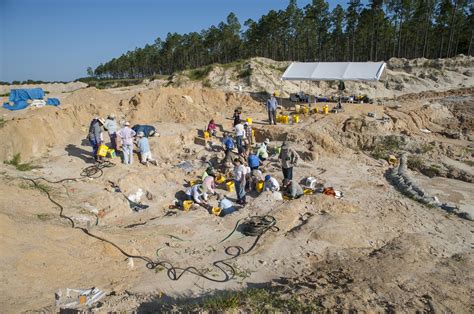
Once fossils are located, excavation begins. This demands extreme care to avoid damaging fragile bones. Surrounding rock, or matrix, is removed using tools ranging from shovels to dental picks. Detailed maps and notes record the precise location and orientation of each find. Fragile specimens are often encased in plaster jackets before removal to prevent breakage during transport.
In the laboratory, preparators meticulously remove the remaining matrix using specialized tools like air scribes (miniature jackhammers) and fine needles under magnification. Broken fragments are painstakingly glued back together, and porous or weak bone is strengthened with chemical consolidants. This process can take hundreds or even thousands of hours for a single large skeleton.
Interpreting Skeletons: Clues to Lifestyle
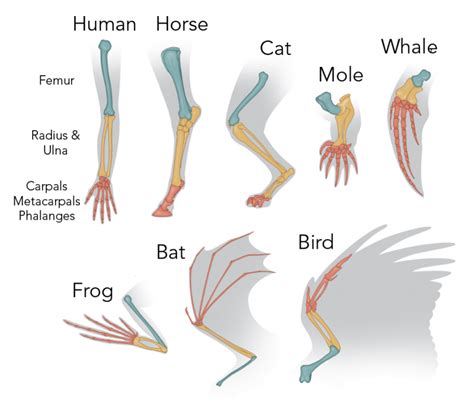
A skeleton provides a wealth of information beyond species identification. The shape and proportions of bones reveal posture and locomotion (bipedal vs. quadrupedal, runner vs. swimmer). Muscle attachment scars indicate the size and arrangement of muscles, suggesting strength and movement capabilities. Joint structure limits or allows specific motions.
Tooth morphology clearly indicates diet (sharp teeth for carnivores, grinding surfaces for herbivores). Skull openings relate to sense organs – large eye sockets suggest good vision, large nasal cavities imply a strong sense of smell. The overall skeletal structure is a mechanical solution adapted to the animal’s way of life and environment.
Clothing the Bones: Recreating Appearance (Skin, Feathers, Color)
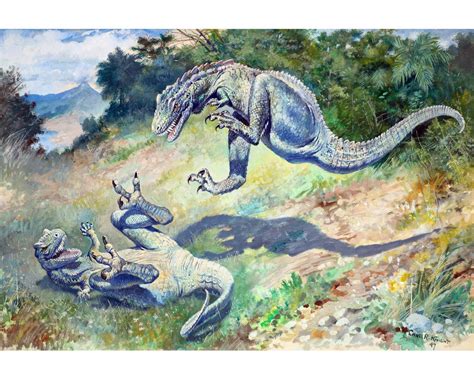
Reconstructing the external appearance involves more inference. While skin impressions are rare, they sometimes occur, revealing scales (dinosaurs), scutes, or even feathers (Archaeopteryx, other theropods). Phylogenetic bracketing—inferring features based on related groups—helps; if close relatives had feathers, an extinct species likely did too.
Coloration is almost entirely speculative, often based on analogies with modern animals in similar environments or hypothetical functions like camouflage or display. Artists like Charles R. Knight pioneered the art of scientifically informed restoration, collaborating closely with paleontologists to create plausible and dynamic depictions of prehistoric life. Modern paleoart continues this tradition, incorporating the latest discoveries. Resources like the American Museum of Natural History Paleontology Division showcase extensive fossil collections and reconstructions.
Giants Among Birds: Moas, Rocs, and Terror Birds
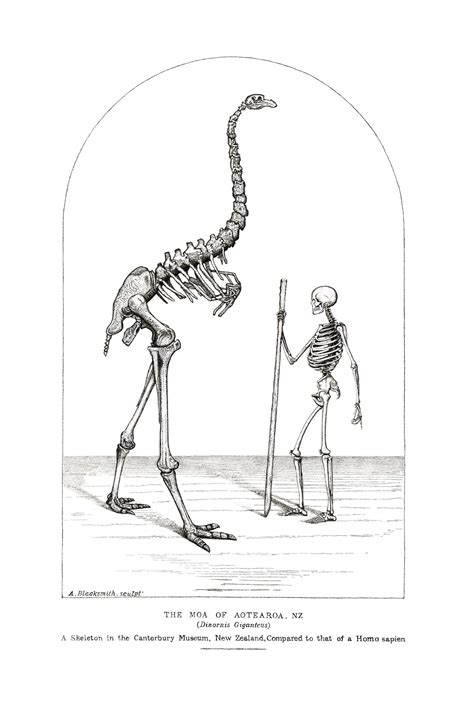
While the ostrich holds the title of largest living bird, the avian fossil record reveals even more impressive giants, many of which lost the power of flight. These colossal birds occupied diverse ecological niches across the globe.
| Bird Group | Location | Time Period | Key Features | Examples |
|---|---|---|---|---|
| Moas | New Zealand | Pleistocene-Holocene | Flightless, massive legs, diverse sizes (up to 3m+ tall). | Dinornis, Pachyornis |
| Elephant Birds | Madagascar | Pleistocene-Holocene | Flightless, stout build, laid largest known eggs. | Aepyornis, Mullerornis |
| Phorusrhacids | South America | Paleocene-Pleistocene | Flightless predators, large heads, hooked beaks. | Phorusrhacos, Titanis, Brontornis |
| Gastornithids | N. America, Europe | Paleocene-Eocene | Large, flightless, massive beak (diet debated). | Gastornis (Diatryma) |
The Moas of New Zealand
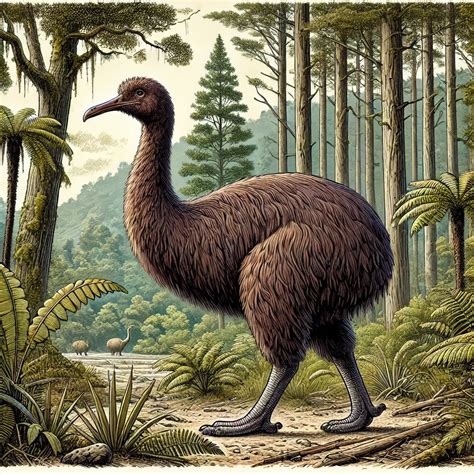
New Zealand was home to a remarkable radiation of flightless birds, the moas. Comprising several genera and species, they ranged from turkey-sized to the immense Dinornis, which stood over 3 meters (10 feet) tall, making it one of the tallest birds known. Moas possessed incredibly robust leg bones, suggesting powerful musculature, likely used for locomotion and possibly defense or digging for roots.
Their wings were extremely reduced, completely absent in some species. Abundant skeletal remains, occasionally found with preserved feathers, skin, and even stomach contents (gizzard stones and plant matter), provide detailed insights. Moas were hunted to extinction by the Maori people shortly after human arrival in New Zealand, likely within the last 600-700 years.
Æpyornis: The Elephant Bird of Madagascar

Madagascar hosted another group of giant flightless birds, the Aepyornithidae or elephant birds. Aepyornis maximus was a heavily built bird, perhaps not as tall as the largest moa but potentially heavier. Its most famous feature is its egg, the largest known bird egg, measuring up to 34 cm (13 inches) long and having a volume equivalent to about 150 chicken eggs.
Like the moas, elephant birds became extinct relatively recently, likely due to human activity (hunting and habitat alteration) after the colonization of Madagascar. Legends of the giant Roc bird in Arabian tales may have been inspired, in part, by encounters with these birds or their enormous eggs.
Phorusrhacids: The Terror Birds of South America
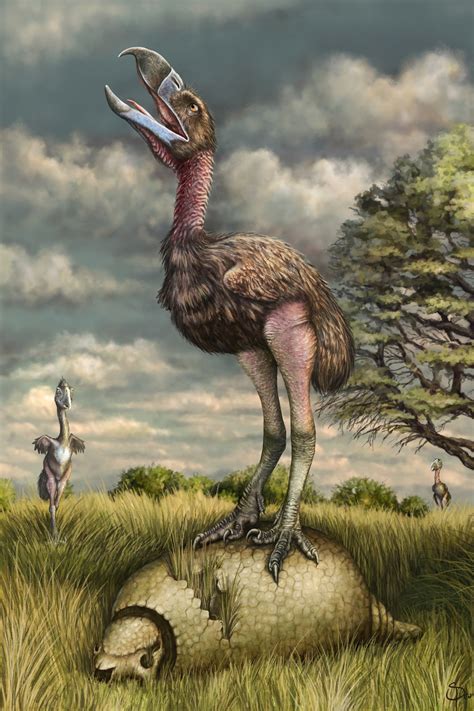
Dominating South America for millions of years when it was an island continent, the Phorusrhacids, or “terror birds,” were formidable flightless predators. Unlike the herbivorous ratites, these birds belonged to a different lineage (related to modern seriemas). They were characterized by large heads, powerful hooked beaks, strong legs, and reduced wings.
Species like Phorusrhacos and Kelenken stood up to 3 meters tall. Their massive beaks were likely used to strike and kill prey, which included the diverse mammal fauna of ancient South America. One genus, Titanis, even migrated into North America during the Great American Biotic Interchange before eventually going extinct in the Pleistocene.
The Epic Journey of the Horse: From Fox-Sized Ancestor to Modern Equus
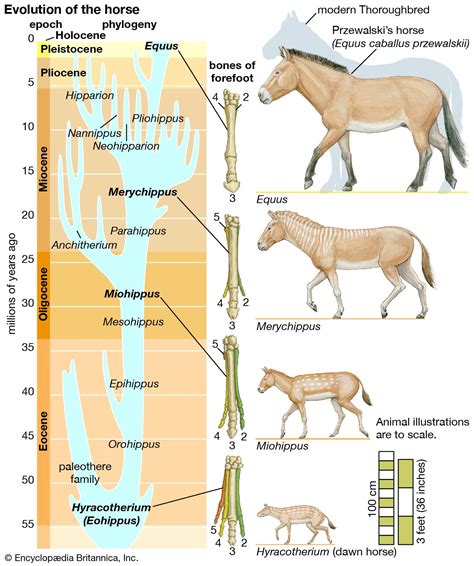
The evolution of the horse (Equus) provides one of the most complete and compelling examples of evolutionary change documented in the fossil record, primarily from North American deposits.
| Epoch | Key Genus | Approx. Size | Toes (Fore/Hind) | Teeth Characteristics | Environment |
|---|---|---|---|---|---|
| Eocene | Hyracotherium / Eohippus | Fox-sized | 4 / 3 | Low-crowned, simple cusps (browsing) | Forests |
| Oligocene | Mesohippus | Sheep-sized | 3 / 3 | Slightly higher crowns, more ridges | Woodlands/Openings |
| Miocene | Merychippus | Pony-sized | 3 / 3 (side reduced) | High-crowned, complex (grazing) | Grasslands |
| Pliocene | Pliohippus | Small horse | 1 / 1 (splints) | Very high-crowned, complex patterns | Plains |
| Pleistocene-Present | Equus | Modern sizes | 1 / 1 (splints) | High-crowned, adapted for grasses | Grasslands/Steppe |
Eohippus/Hyracotherium: The Dawn Horse
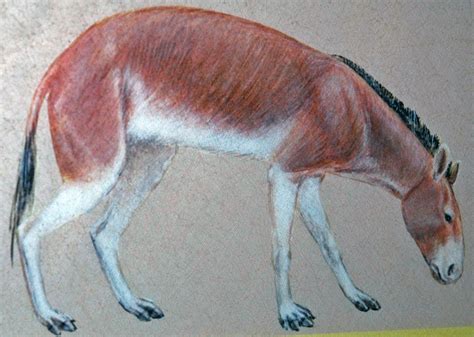
The story begins in the Eocene epoch, around 55 million years ago, with small, forest-dwelling animals like Hyracotherium (often called Eohippus, the “dawn horse”). These creatures were roughly the size of a small dog or fox. They possessed four functional toes on their front feet and three on their hind feet, suited for navigating soft forest floors. Their teeth were low-crowned (brachydont) with simple bumps (cusps), adapted for browsing on soft leaves and fruits.
Adapting to the Plains: Changes in Toes and Teeth
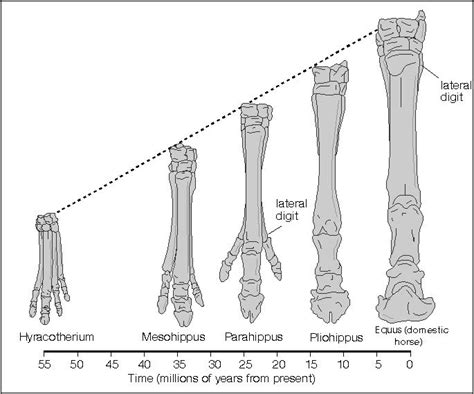
As global climates cooled and dried during the Oligocene and Miocene, forests gave way to expanding grasslands. This environmental shift drove significant changes in the horse lineage. Natural selection favored adaptations for running faster on open ground and eating abrasive grasses.
Key trends included:
- Reduction of Toes: The central toe became larger and stronger, while the side toes gradually reduced in size and eventually became non-functional splint bones, leading to the single hoof of modern horses. This streamlined the foot for efficient running.
- Increase in Size: Overall body size generally increased over time.
- Tooth Evolution: Teeth became high-crowned (hypsodont) with complex enamel ridges. This compensated for the rapid wear caused by chewing gritty grasses and allowed horses to graze effectively throughout their lives. The skull shape also changed to accommodate these larger teeth. Learn more about horse evolution. (Suggested Internal Link 2)
The Spread and Near Extinction in the Americas
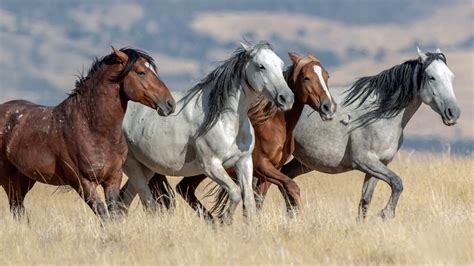
Horses originated and underwent most of their evolution in North America. Various lineages migrated to Eurasia and Africa across land bridges at different times. The modern genus Equus, which includes horses, asses, and zebras, appeared in the Pliocene.
Ironically, despite originating there, horses became extinct in North and South America at the end of the Pleistocene epoch, around 10,000 years ago, possibly due to a combination of climate change and human hunting (though the latter is debated for the Americas). Horses were absent from the Americas until reintroduced by European colonists starting in the 15th century. Feral descendants of these introduced horses, like the mustang, subsequently thrived.
Mammoths and Mastodons: Ice Age Giants
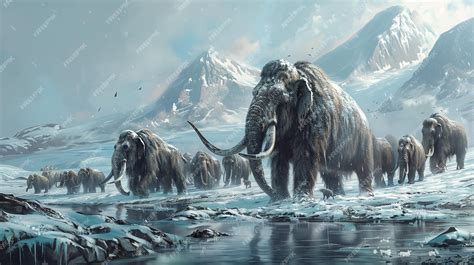
Mammoths and mastodons are iconic extinct members of the elephant family (Proboscidea) that roamed vast areas during the Pleistocene epoch, often referred to as the Ice Age. While frequently confused, they represent distinct evolutionary branches.
| Feature | Woolly Mammoth (Elephas primigenius) | American Mastodon (Mammut americanum) |
|---|---|---|
| Size | Approx. 9-11 ft shoulder height (similar to Asian Elephant) | Approx. 8-10 ft shoulder height (stockier build) |
| Tusks | Long, strongly curved | Shorter, less curved; small lower tusks sometimes present |
| Skull Shape | High, domed skull | Lower, flatter skull |
| Teeth | High-crowned plates (grinding grasses) | Low-crowned cones/ridges (browsing leaves/twigs) |
| Habitat | Primarily cold grasslands (steppe-tundra) | Primarily woodlands and forests |
| Distribution | Northern Eurasia, North America | North America (more widespread than mammoth) |
| Extinction | ~10,000 – 4,000 years ago (Wrangel Is. remnant) | ~10,000 years ago |
The Woolly Mammoth (Elephas primigenius): Characteristics and Discoveries
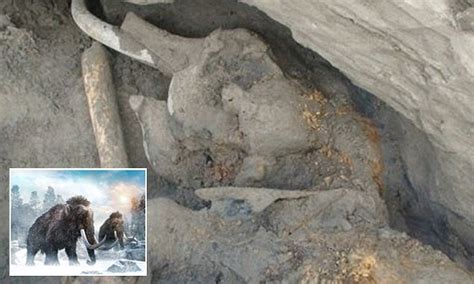
The Woolly Mammoth is renowned for its adaptations to cold climates. Fossils, particularly remarkably preserved carcasses frozen in Siberian permafrost, reveal a dense coat of long, shaggy hair overlaying thick underwool and a substantial layer of subcutaneous fat for insulation. They possessed relatively small ears and tails compared to modern elephants, likely to minimize heat loss.
Their high-crowned teeth with numerous enamel plates were well-suited for grinding tough tundra grasses. The long, dramatically curved tusks may have been used for display, defense, or clearing snow to reach vegetation. Mammoths were widespread across the northern continents and were contemporaries of early humans, who hunted them and depicted them in cave art.
The American Mastodon (Mammut americanum): Habitat and Habits
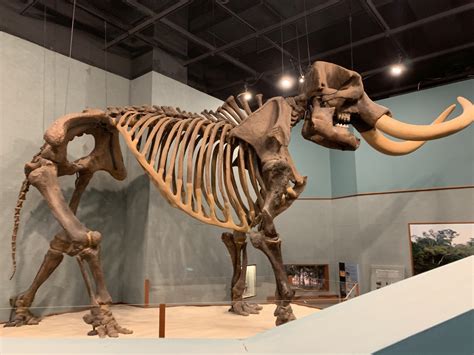
The American Mastodon was generally shorter and more robustly built than the Woolly Mammoth. Its most distinguishing feature lies in its teeth, which had prominent cone-shaped cusps arranged in ridges, adapted for crushing leaves, twigs, and branches of trees and shrubs. This indicates a preference for woodland or forest environments rather than open grasslands.
Mastodon remains are found widely across North America, from Alaska to Florida and California, often in bogs, swamps, and river deposits. While less is known about their external appearance than mammoths, it’s plausible they also possessed a hairy coat, especially in northern parts of their range.
The Mystery of Their Disappearance
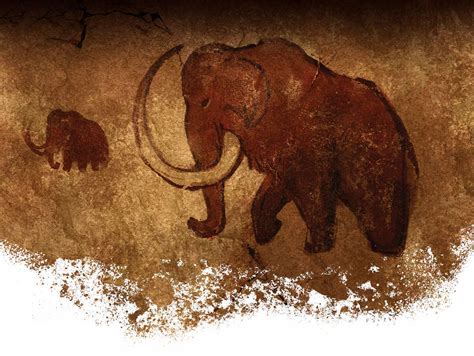
Both mammoths and mastodons vanished around the end of the last Ice Age, approximately 10,000 years ago (though isolated mammoth populations survived longer on islands). The exact causes remain debated, likely involving a combination of factors. Rapid climate change altering habitats and vegetation played a significant role. The increasing pressure from highly efficient human hunters (the “overkill hypothesis”) is also strongly implicated, particularly for mammoths. Understanding Mastodon extinction theories requires considering these complex interactions. (Required Internal Link) Further research on this topic can be found in publications like the Journal of Quaternary Science.
The Unanswered Question: Why Do Animals Go Extinct?
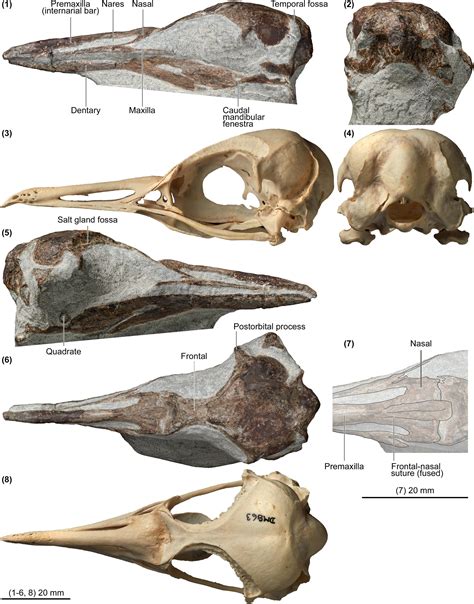
Extinction, the complete disappearance of a species, is a natural part of the history of life. However, the specific causes vary greatly and are often complex and interconnected. Mass extinction events punctuate the fossil record, but background extinction occurs continuously.
| Extinction Driver | Mechanism | Examples |
|---|---|---|
| Environmental Change | Climate shifts, sea-level changes, habitat loss/fragmentation. | Ice Ages impacting ranges, forest changing to grassland. |
| Catastrophic Events | Asteroid impacts, massive volcanic eruptions, sudden geological shifts. | K-Pg extinction event (dinosaurs), Permian-Triassic extinction (“Great Dying”). |
| Biological Interactions | Competition (invasive species), predation, disease, loss of food source/symbiont. | Introduction of predators to islands, new pathogens. |
| Evolutionary Factors | Over-specialization making adaptation difficult, “evolutionary dead ends.” | Species highly adapted to a specific, vanishing resource. |
| Anthropogenic Factors | Overhunting, habitat destruction/pollution, introduction of invasive species. | Dodo, Passenger Pigeon, ongoing biodiversity crisis. |
Natural Selection and Evolution
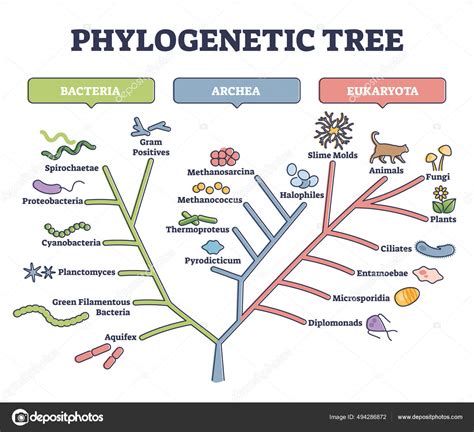
Evolution itself can lead to extinction. As environments change, species must adapt through natural selection. Those unable to adapt sufficiently quickly may decline and disappear. Sometimes, a species evolves into one or more new species, a process called pseudoextinction – the lineage continues, but the original form is gone. Overspecialization can also be a vulnerability; a species highly adapted to a very specific niche is susceptible if that niche changes or disappears.
Environmental Change and Climate Shifts
Gradual or rapid changes in the physical environment are major drivers of extinction. Fluctuations in global temperature (like Ice Ages), changes in sea level altering coastlines and continental shelves, mountain uplift affecting weather patterns, and shifts in atmospheric composition can all dramatically reshape ecosystems. Species unable to migrate, adapt, or tolerate the new conditions face extinction.
Catastrophic Events (Asteroids, Volcanoes)
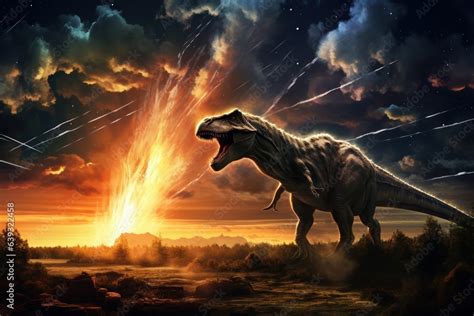
Throughout Earth’s history, sudden, large-scale catastrophes have caused mass extinctions. The most famous is the Cretaceous-Paleogene (K-Pg) event 66 million years ago, linked to a massive asteroid impact, which wiped out the non-avian dinosaurs, marine reptiles, and many other groups. Extensive volcanic activity, like the Siberian Traps associated with the Permian-Triassic extinction, can also release vast amounts of gases, altering climate and ocean chemistry catastrophically. Resources like the UC Berkeley Museum of Paleontology provide details on these events.
The Human Factor: Overhunting and Habitat Destruction
In recent geological time, particularly within the last few centuries, human activities have become the dominant cause of extinction. Overhunting (e.g., Steller’s Sea Cow, Passenger Pigeon) and habitat destruction through agriculture, urbanization, deforestation, and pollution are driving the current biodiversity crisis at rates far exceeding natural background levels. The introduction of invasive species by humans also wreaks havoc on native ecosystems.
Conclusion
The study of fossils reveals a dynamic history of life, marked by incredible diversification, adaptation, and inevitable extinction. From the earliest armored fish to the mighty dinosaurs and enigmatic ice age giants, each extinct species adds a piece to the puzzle of evolution. While natural forces drove extinctions in the deep past, understanding these processes provides crucial context for the human-driven biodiversity challenges we face today. Paleontology continues to unearth new discoveries, constantly refining our understanding of the magnificent and often mysterious animals of the past.
Echoes of Extinction: Discovering Dinosaurs, Mammoths & Prehistoric Life, Explore the fascinating world of extinct animals. Learn about fossil formation, dinosaurs, mammoths, mastodons, and the mysteries of extinction.