

Discovery of Megaraptor
The journey of understanding Megaraptor began in the arid landscapes of Argentina in the early 1990s. In 1996, paleontologist Fernando Novas and his team stumbled upon a collection of fossilized bones that would eventually be recognized as belonging to a previously unknown species. At first, the sheer size of these fossils led researchers to believe they had discovered a new type of theropod dinosaur. The discovery was significant for several reasons:
- Unique Physical Traits: Megaraptor had unusually large claws, which prompted extensive study regarding their purpose.
- The Naming: The name "Megaraptor" means "great thief," a nod to its impressive predatory features that suggested it may have been a fierce hunter.
As the bones were excavated and analyzed, scientists were captivated by Megaraptor’s distinctive characteristics. It was initially classified within the group of dromaeosaurids, colloquially known as the raptors. Over time, however, further research shifted its classification, positioning Megaraptor in a more obscure group within the theropod family tree known as Megaraptoridae. This evolution in understanding reflected the shifting nature of paleontological research, as new discoveries often prompt a reevaluation of previous assumptions.
Significance of Megaraptor in Paleontology
The significance of Megaraptor extends well beyond its initial discovery. It represents a crucial piece in the evolutionary puzzle of theropod dinosaurs and offers insights into their adaptive strategies and lifestyles.
- Evolutionary Insights:
- Megaraptor provides a window into the diversity of theropod dinosaurs during the Late Cretaceous period. Its combination of physical traits suggests a unique evolutionary trajectory.
- Studies of Megaraptor's anatomy have prompted renewed discussions about the potential functional variety among theropods. For instance, the combination of long forelimbs and robust claws suggests adaptations for a diverse diet and hunting style, unlocking new ideas about predatory behaviors.
- Reevaluation of Theropod Classification:
- The initial classification debates surrounding Megaraptor have pushed scientists to reexamine the relationships between various theropod species.
- It has opened doors to exploring convergent evolution, where similar traits develop independently in unrelated lineages to adapt to similar environments or predatory strategies.
- Broader Ecological Context:
- Research surrounding Megaraptor also sheds light on the ecosystems of its time, providing data on prey availability and competition among large predators.
- The study of its fossils contributes to a better understanding of regional biodiversity during the Late Cretaceous in South America, an area that was significantly different from today’s ecological landscape.
Personally, the tale of Megaraptor reminds one of the thrill that comes with scientific discovery. It evokes a sense of adventure, akin to piecing together a grand jigsaw puzzle where every new fossil adds depth to the narrative of life on Earth millions of years ago. Each study and each piece of fossilized bone found not only enriches knowledge of Megaraptor itself but invites questions about how this magnificent creature fit into the broader themes of survival, adaptation, and extinction that have shaped the history of life. In conclusion, the discovery of Megaraptor was not just about identifying another dinosaur; it was about enhancing the understanding of a complex evolutionary history and how varied life forms adapted to their environments. As the world of paleontology continues to evolve, so too will the story of Megaraptor, offering further insights that may alter our understanding of not only dinosaurs but the processes that drive evolution itself.
Megaraptor: Unraveling the Mystery
Physical Characteristics
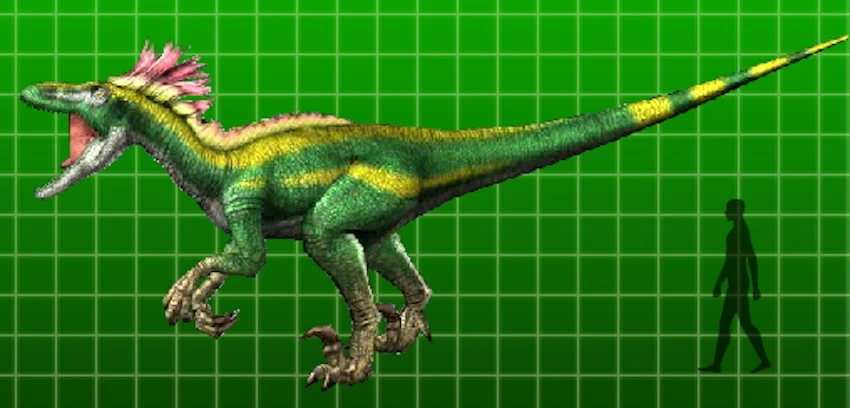
As paleontologists began to study Megaraptor in greater detail, they discovered a wealth of fascinating physical characteristics that set it apart from other theropods. With an impressive size estimated to be around 20 feet in length, this dinosaur certainly made an impression. Its features reveal a complex organism well adapted to its environment.
- Distinctive Claws:
- One of the most striking characteristics of Megaraptor is its massive claws, which could reach impressive lengths. These claws may have played a critical role in hunting, helping the dinosaur grasp and hold onto its prey.
- Researchers hypothesize that unlike the typical sickle-like claws of other theropods, Megaraptor's large claws may have been used for slashing as well as holding, potentially expanding its predatory capabilities.
- Body Structure:
- Megaraptor had a unique skeletal structure that combined elements from both dromaeosaurids and larger theropods, suggesting a transitional form that could help link these evolutionary dots.
- Its long arms, equipped with powerful musculature, likely aided in both predation and grasping. The robust build of its forelimbs suggests it was not merely a runner but also a formidable climber and ambusher.
- Posture and Movement:
- Like many theropods, Megaraptor was bipedal, allowing for agile movement. Its strong hind limbs suggest that it could sprint quickly, an essential trait for both predation and evasion.
- The balance it achieved with its tail—a feature common among theropods for stability—would have contributed to its ability to navigate various terrains.
These characteristics combined paint a picture of a truly remarkable predator, aptly designed for the challenges of its ecosystem. As a personal reflection, one might imagine standing in the shadow of such a creature, witnessing its powerful presence on the prehistoric landscape.
Behavior and Diet
When it comes to behavior, Megaraptor was likely a skillful predator, drawing upon a diverse array of hunting strategies that would have maximized its chances of success. This aspect of its life raises many questions about its dietary preferences and hunting techniques.
- Dietary Habits:
- Predation by Megaraptor would primarily focus on smaller to medium-sized herbivorous dinosaurs. Its large claws and muscular structure suggest it could subdue prey effectively.
- Researchers believe that Megaraptor may have been an opportunistic feeder, willing to scavenge or consume carrion when the opportunity arose. This behavior is often observed in modern predators as it allows for energy conservation.
- Hunting Techniques:
- Observing the anatomical features highlights that Megaraptor may have utilized both stalking and ambush tactics. Its long limbs would facilitate movement through dense underbrush where it could sneak up on unsuspecting prey.
- Some paleontologists speculate that pair hunting, where two Megaraptors work together to corner larger prey, may have been a strategy employed for greater success. Cooperative hunting can be advantageous, similar to modern-day wolves or lions.
- Social Behavior:
- While direct evidence of social behavior in Megaraptor remains elusive, theorists speculate that it may have been semi-social, gathering in small groups to hunt or for reproductive purposes.
- The possibility of social dynamics raises intriguing questions about the group interactions among Megaraptors and how these relationships may have benefited their survival.
In understanding the behavior and diet of Megaraptor, we not only unravel its past but also draw parallels to contemporary predators, bridging a connection between long-extinct dinosaurs and today’s ecological systems. The idea of this ferocious creature roaming the Earth instills a sense of wonder, illustrating the diversity and complexity of life that once thrived in a world millions of years ago. Each new discovery continues to sharpen our understanding of how creatures like Megaraptor once lived, hunted, and interacted with their environments.
Evolutionary History of Megaraptor
Relationship to Other Dinosaurs
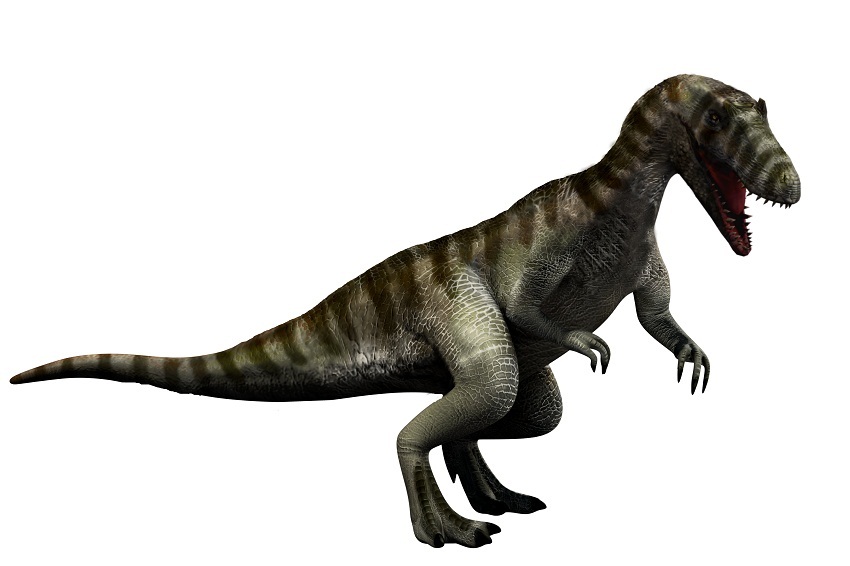
Understanding the evolutionary history of Megaraptor is like exploring a family tree with numerous branches, as it sheds light on the intricate web of relationships among various dinosaur species. Initial studies classified Megaraptor as a type of dromaeosaurid, a group known for their agility and hunting prowess. However, further analysis and fossil discoveries have led researchers to rethink where Megaraptor fits within the broader theropod family.
- Classification Shift:
- Initially grouped with dromaeosaurids, Megaraptor has since been placed within its own clade called Megaraptoridae. This classification recognizes its unique combination of traits that set it apart.
- The family tree of theropod dinosaurs is extensive, comprising various groups like the well-known Tyrannosauridae, Velociraptorinae, and others. Megaraptor's distinct traits highlight a representative of a broader spectrum of adaptability among theropods.
- Comparative Anatomy:
- When examining the anatomy of Megaraptor, notable comparisons can be drawn with other theropods. For instance, its large claws are reminiscent of the adaptations seen in some dromaeosaurids, suggesting convergent evolution—where different species independently evolve similar traits.
- Some paleontologists suggest that Megaraptor may share a lineage with other large-bodied theropods, like the allosaurids, evident in its robust construction and dietary habits.
- Fossil Discoveries and Relationships:
- Ongoing fossil discoveries continue to enrich our understanding of Megaraptor's relationships. For example, fossils from the Cretaceous period provide context for the diversity of theropods in South America, illustrating a landscape where Megaraptor coexisted with other carnivorous and herbivorous dinosaurs.
- By examining the geographical distribution of these dinosaurs, scientists can piece together how varying environments and evolutionary pressures shaped Megaraptor’s lineage.
Understanding Megaraptor’s relationship to other dinosaurs not only unravels its place in the family tree but also sparks excitement about the interconnectedness of life forms that roamed the Earth. This notion of connection may remind one of the relationships we experience in nature today—an intricate balance of species depending on one another for survival.
Speculations on Evolutionary Path
As researchers delve deeper into the evolutionary path of Megaraptor, they encounter questions that ignite the imagination and provoke further inquiry into how this fascinating creature evolved. Although the exact details remain unclear, several hypotheses help illuminate probable pathways that led to the emergence of Megaraptor.
- Adaptive Radiations:
- The Late Cretaceous was a period of significant diversification among dinosaurs. The emergence of new herbivorous species could have prompted competitive adaptations among carnivores, including Megaraptor.
- Scientists suggest that the versatile morphology of Megaraptor may have resulted from an evolutionary arms race—adapting larger claws for more effective predation as prey species evolved defenses.
- Ecological Niche Proposals:
- Megaraptor likely occupied a specific ecological niche as a dominant predator, which encouraged its evolutionary traits. Its physical characteristics suggest it was highly specialized for both fast running and powerful attacks, allowing it to exploit a range of prey.
- The balance of predator and prey dynamics may have played a vital role in shaping its evolutionary journey, forcing adaptations that enhanced its hunting strategies.
- Potential Common Ancestors:
- In pondering the origins of Megaraptor, paleontologists often examine its potential common ancestors with both smaller raptors and larger theropods. By aligning fossil evidence from different regions, they create an understanding of how traits may have been passed down through lineages.
- Speculations propose that Megaraptor could share lineage traces with advanced theropods, like Neovenator and Baryonyx, highlighting a convergence of various predatory features.
The exploration of Megaraptor’s evolutionary path remains a thrilling venture into the unknown. Each piece of evidence and each hypothesis brings the story of this prehistoric giant closer to the surface. As new discoveries emerge, understanding its place within the larger tapestry of life on Earth continues to evolve, inspiring awe and curiosity in those who ponder the age of dinosaurs. It is this enduring mystery, rooted in the past, that captivates enthusiasts and scientists alike, bound together by the pursuit of knowledge about life’s remarkable journey.

Megaraptor Fossils and Discoveries
Notable Fossil Finds
The saga of Megaraptor’s discovery is rich with notable fossil finds that have captured the imagination of paleontologists and dinosaur enthusiasts alike. Each successful excavation adds layers to our understanding of this remarkable predator, painting a more complete picture of its existence during the Late Cretaceous period.
- Initial Discovery:
- The first fossils of Megaraptor were unearthed in Argentina's Neuquén Province in 1996. This prompted a wave of excitement among paleontologists eager to explore the implications of such a significant find.
- The initial discovery included a collection of crucial elements, such as claw bones and parts of the forelimbs, which laid the groundwork for understanding its predatory capabilities.
- Subsequent Findings:
- In the years following the initial discovery, additional fossils were recovered, contributing vital information about Megaraptor’s anatomy. This includes more complete limb bones and further skull fragments, which have allowed researchers to refine its classification within the theropod family.
- Notably, one of the more remarkable finds in subsequent years was a remarkably preserved hand with large claws, illustrating how specialized Megaraptor's anatomy was for its predation habits.
- Fossil Interpretation:
- Each fossil find has sparked intense debate and discussion about Megaraptor’s lifestyle and behaviors. For instance, the presence of large claws has led to speculation not just about hunting strategies but also about the types of prey it may have targeted.
- This interplay among fossils helps create a narrative of Megaraptor’s daily life and its interactions within its environment. It is like piecing together an ancient jigsaw puzzle, where each bone contributes to a greater understanding of its role in the ecosystem.
As someone who frequently marvels at the wonders of natural history, the thrill associated with these discoveries is palpable. Being part of a community fascinated by these elusive creatures makes one appreciate the painstaking processes involved in unearthing these fossils and the stories they tell.
Impact on Understanding Dinosaur Evolution
The impact of Megaraptor’s fossils extends far beyond mere classification; they have significant implications for our comprehension of dinosaur evolution as a whole. Each excavation provides valuable insights that challenge existing theories and broaden our understanding of prehistoric life.
- Revising Traditional Classification:
- The ongoing study of Megaraptor has spurred debates about the classification of theropods, prompting researchers to reevaluate the connections between various species. This has particularly affected our view of dromaeosaurids and has led to a reconsideration of evolutionary trajectories among large predatory dinosaurs.
- The recognition of Megaraptor’s unique traits has encouraged paleontologists to explore the potential for more transitional forms, bridging connections between known theropods and newly discovered species.
- Ecological and Behavioral Insights:
- Megaraptor’s existence serves as a lens through which scientists can examine predator-prey dynamics of the Late Cretaceous ecosystems. Understanding its hunting strategies, potential social behavior, and diet adds depth to our comprehension of how these massive creatures interacted within their environments.
- This context helps enrich the narrative of survival strategies among dinosaurs, informing studies about competition, adaptation, and ecological balance during a time of significant biodiversity.
- Global Dinosaur Diversity:
- The implications of Megaraptor's discovery reach beyond its immediate geographical context in Argentina. By shedding light on the characteristics of South American theropods, researchers have started to gain insights into global dinosaur diversity.
- These studies not only elucidate the evolutionary pathways of species across continents but also contribute to identifying how changing environments influenced the adaptation and survival of various dinosaur lineages.
Overall, the ongoing research surrounding Megaraptor is a testament to the ever-evolving nature of paleontology. These discoveries encourage a deeper appreciation for the marvels of evolutionary history and remind us of the interconnectedness of all species that walked the Earth. It is an ongoing journey of excitement and discovery, as fossil finds reshape our understanding of how life thrived in a world so vastly different from our own. Each fossil story adds to the rich tapestry of our planet's history, encouraging us to remain inquisitive and open-minded as we pursue the answers hidden in the fossil record.

Controversies and Theories Surrounding Megaraptor
Claw Adaptation Debate
Megaraptor’s claws have sparked heated debates and fascinating discussions among paleontologists, as these impressive appendages open up questions about the dinosaur’s hunting strategies and ecological role. The structure and function of these claws raise intriguing, yet contentious, theories regarding their adaptation.
- Purpose of Claws:
- On the surface, it’s easy to assume that the large claws of Megaraptor served solely as weapons for hunting. However, the debate centers around whether they were primarily used for grappling prey or if they had additional functions, such as foraging or climbing.
- Some researchers argue that the claws exhibit adaptations more akin to those found in modern birds of prey, giving credence to the idea that Megaraptor may have been a versatile predator, using its claws for various purposes depending upon the situation.
- Comparison with Other Dinosaurs:
- By comparing Megaraptor's claws to those of other theropods, particularly dromaeosaurids like Velociraptor, differences emerge that complicate the narrative. Dromaeosaurids possess sickle-like claws that are more suited for slashing, while Megaraptor’s broader claws suggest different evolutionary pressures.
- This leads to a central point of contention: Are these claws an evolutionary offshoot representing a distinct predatory niche, or are they simply an adaptation that converged from shared traits among different theropod lineages?
- Implications for Behavior:
- The debate over claw adaptation isn’t just academic; it prompts further questions about Megaraptor's lifestyle and behavior. If the claws were primarily for grappling, it could indicate a hunting strategy that involved capturing and holding down prey, which would showcase a different hunting dynamic compared to other theropods.
- Personal experiences shared by paleontologists who have studied claw morphology underscore the challenges of interpreting evidence from the fossil record, as theories built on limited findings can lead to divergent conclusions.
The ongoing discussion surrounding claw adaptations serves as a reminder of the complexity inherent in studying prehistoric life. Every discovery comes with its own set of questions, fostering a spirit of inquiry and debate that brings the science of paleontology to life.
Phylogenetic Placement Disputes
Alongside the controversies surrounding claw adaptations, Megaraptor’s phylogenetic placement is another area rife with debates. Where does this enigmatic dinosaur fit within the vast family tree of theropods? It turns out, this question doesn’t have a straightforward answer.
- Evolving Classifications:
- Initially classified as a dromaeosaurid, newer findings challenged this designation and suggested a placement within its own group, Megaraptoridae. However, this shift has not come without its critics.
- Some researchers argue that the features used to classify Megaraptor in this new group are not unique enough to warrant separation. They point to shared characteristics with both dromaeosaurids and larger theropods as evidence that Megaraptor may bridge multiple lines of evolution.
- Data Discrepancies:
- The lack of complete fossils has made it difficult to arrive at a consensus regarding Megaraptor's place on the family tree. This inconsistency can lead to varying perceptions of its evolutionary significance.
- As paleontologists gather more fossil evidence, the story of Megaraptor’s lineage continues to evolve, showcasing the often unpredictable nature of scientific inquiry.
- Broader Implications:
- The phylogenetic placement of Megaraptor highlights broader issues in evolutionary biology. It emphasizes how discoveries can lead to paradigm shifts in our understanding of evolutionary relationships among species.
- By examining Megaraptor’s place in the theropod family, researchers can gain insights not just into its own evolution, but also into the dynamics that shaped the development of theropods as a whole, raising questions about common ancestry and adaptive radiation.
As the debates surrounding Megaraptor continue to unfold, they serve as a testament to the vibrant and sometimes contentious nature of scientific discourse. Every new finding or fossil discovered may shift perspectives and lead to further inquiries, ensuring that the study of dinosaurs remains an exciting and ever-evolving field. For enthusiasts and researchers alike, the journey of unraveling these mysteries is rewarding, conjuring images of ancient lives lived and the pursuit of knowledge that fuels the quest for understanding our planet’s rich biological history.

Megaraptor in Pop Culture
Influence on Media and Art
Megaraptor may often be overshadowed by its more famous theropod cousins like Tyrannosaurus rex or Velociraptor, but it has carved out its own niche in popular culture. The depiction of Megaraptor has appeared in various forms of media, art, and even merchandise, captivating the imagination of dinosaur enthusiasts and the general public alike.
- Film and Television:
- While Megaraptor hasn't starred in major blockbuster films, it has made appearances in documentaries and educational series that explore the lives of dinosaurs. Programs like "Walking with Dinosaurs" and "Prehistoric Park" have brought attention to its fascinating characteristics, showcasing its potential as a fierce predator.
- These portrayals often emphasize Megaraptor’s unique features, such as its impressive claws and agile stance, furthering interest and understanding of this lesser-known dinosaur.
- Gaming:
- In the gaming world, Megaraptor has found its place in titles that allow players to explore prehistoric worlds. Games like "ARK: Survival Evolved" feature Megaraptor as a formidable creature that players can encounter, adding an element of excitement and thrill.
- Such representations often highlight its predatory abilities, allowing players to experience what it might have been like to live alongside this dinosaur in a challenging survival scenario.
- Artistic Depictions:
- Artists have frequently taken inspiration from Megaraptor's striking silhouette and unique traits, creating stunning illustrations and sculptures that showcase its power and grace. From paintings that capture its fierce hunting stance to three-dimensional models used in educational settings, Megaraptor’s visual form has found a prominent place in paleontological art.
- A personal favorite of many enthusiasts are the vibrant, scientifically-informed illustrations found in children's books, which help introduce younger audiences to the excitement of prehistoric creatures, including Megaraptor.
These influences show how Megaraptor's combination of ferocity and elegance has intrigued artists, filmmakers, and game developers, allowing it to hold onto a slice of pop culture, even when it stands in the shadow of larger and more famous dinosaurs.
Megaraptor's Legacy
The legacy of Megaraptor extends beyond its appearances in media and art—it serves as a symbol of the ongoing fascination with prehistoric life and the enduring quest for knowledge about Earth's history. This legacy can be seen in various aspects:
- Scientific Impact:
- The study of Megaraptor has opened vital discussions about theropod evolution, adaptability, and ecological roles within ecosystems. As researchers continue to uncover new findings, Megaraptor challenges our understanding of predator dynamics among dinosaurs.
- Its classification debates and the exploration of its physical traits have encouraged further scientific investigations, leading to a more nuanced view of the theropod family tree.
- Educational Outreach:
- Megaraptor's intriguing story has made it a popular subject in educational outreach programs. Museums include it in exhibits to teach visitors about dinosaur diversity and evolution, emphasizing the importance of lesser-known species in understanding the prehistoric world.
- Events aimed at children often feature Megaraptor in educational workshops and activities, enabling younger generations to engage with paleontology in a fun and interactive manner.
- Inspiring Future Generations:
- The allure of creatures like Megaraptor can spark interest in science, prompting young learners to pursue studies in biology, paleontology, or even the arts. Its striking features and captivating backstory encourage exploration and curiosity.
- Anecdotes of kids talking about how they first learned about Megaraptor in school, leading them to become passionate about dinosaurs, reflect the enduring impact this dinosaur has on many lives.
In reflecting upon Megaraptor's legacy, one can appreciate how it encapsulates the wonder of discovery and the interconnectedness of art, science, and education. Its place in both the scientific community and popular culture serves as a reminder that even the less heralded aspects of Earth’s history hold profound significance. As the world continues to uncover the secrets of the past, creatures like Megaraptor will undoubtedly inspire future generations, fueling passions for learning and discovery that echo through time.

Excavations and Ongoing Research
Current Studies and Findings
The ongoing research surrounding Megaraptor continues to unearth remarkable insights into its biology, ecology, and evolutionary history. With new fossil discoveries and advancements in technology, scientists are actively piecing together the puzzle of this enigmatic predator, leading to exciting findings that deepen our understanding.
- Recent Fossil Discoveries:
- Recent expeditions in Argentina have provided valuable new fossils, expanding the collection that researchers have to work with. These discoveries often include partial vertebrae, limb fossils, and even imprints that give clues about Megaraptor's size and movement.
- For instance, the fossils collected during a 2022 excavation revealed unexpected traits that suggest Megaraptor had more robust musculature than previously believed, opening discussions about its predatory capabilities.
- Technological Advances:
- The application of modern imaging techniques, such as CT scans and 3D modeling, allows researchers to explore fossil structures in much greater detail than before. These technologies enable paleontologists to virtually reconstruct bones and understand their shape and function without damaging the fragile fossils.
- These methods lead to further hypotheses about Megaraptor’s behavior—especially how its anatomy could indicate social structures or hunting strategies.
- Collaborative Research:
- Collaboration among international teams of paleontologists is becoming increasingly common, allowing for a more comprehensive study of Megaraptor’s relatives found across different continents. By comparing fossils from both South America and North America, researchers can gain insights into the migration and evolutionary adaptations of theropods.
- Projects like these often feature fieldwork alongside laboratory analysis, creating a dynamic environment where ideas and discoveries flow between experts in various fields.
These current studies not only illuminate the life of Megaraptor but also highlight the passion within the paleontological community to explore the mysteries of the prehistoric world. Sharing firsthand experiences, many researchers describe their excitement when unearthing a fossil or making a significant discovery, frequently likening it to unearthing a piece of history that resonates deeply with the quest for knowledge.
Future Prospects in Megaraptor Research
Looking toward the future, the field of Megaraptor research holds substantial promise, presenting opportunities for new discoveries and insights into evolutionary biology. Researchers are optimistic about several avenues for exploration.
- New Excavation Sites:
- There are ongoing plans to explore under-examined regions in Argentina and other areas of South America. Given that many dinosaur fossils are still waiting to be discovered in these layers of rock, the potential for finding new Megaraptor specimens is high.
- Some researchers propose that these regions may reveal more information about the ecological niches that Megaraptor occupied, providing context about its interactions with contemporaneous species.
- Evolving Theories:
- As new findings emerge, theories about Megaraptor’s place in the theropod family tree will continue to evolve. Ongoing studies will likely yield insights regarding its evolutionary adaptations and changes in classification.
- Researchers anticipate that with a growing fossil record, they will refine the understanding of not only Megaraptor's lineage but also its ecological role—and how it relates to the environmental conditions of its time.
- Interdisciplinary Approaches:
- The future of Megaraptor research will likely integrate disciplines such as molecular biology, geology, and even computer modeling. These interdisciplinary approaches can offer comprehensive insights into not just Megaraptor itself, but the complex ecosystems it lived in.
- The use of bioinformatics could allow scientists to analyze fossil data with new algorithms, leading to groundbreaking discoveries that change our perception of how dinosaurs interacted with their ecosystems.
In essence, the journey of exploring Megaraptor is far from over. With each new excavation, each technological advancement, and each collaborative effort, we inch closer to unraveling the mysteries of this magnificent theropod. Such research fuels not only the scientific community but also ignites the imagination of enthusiasts who are captivated by the rich tapestry of life that existed millions of years ago. As these ongoing explorations progress, they promise to enrich our understanding of Megaraptor and further illuminate the vast history of dinosaur evolution.