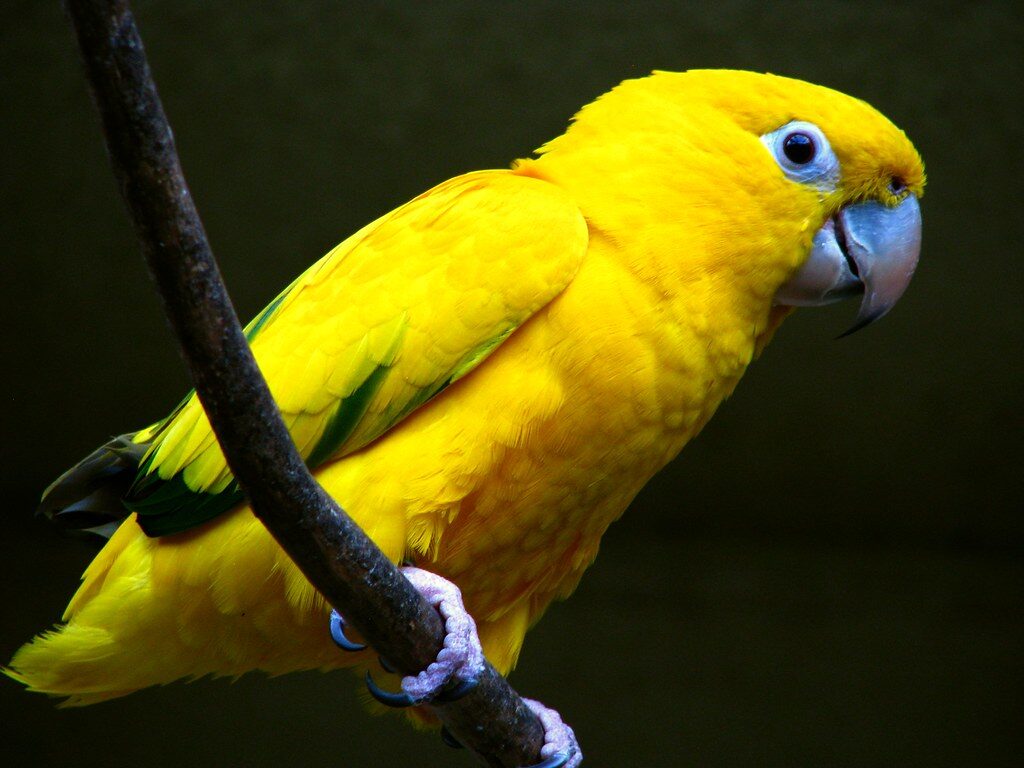
🌿 24 Hours in the Amazon: A Rainforest Animal Encyclopedia
An exhaustive 50-chapter journey documenting the daily cycle of survival, the intricate ecology, and the breathtaking biodiversity of the animals that call the Amazon Basin home.
✏️ Written & Curated by the Atechsur.org Neotropical Ecology Team | Last Updated: March 27, 2026

The Amazon Rainforest is not merely a collection of trees; it is a hyper-complex, pulsing biological engine. Covering approximately 5.5 million square kilometers across nine South American nations, it harbors an estimated 10% of all known species on Earth. To understand this ecosystem, one must observe it as it operates: in a continuous, relentless 24-hour cycle of life, death, and adaptation.
This encyclopedia breaks down the Amazonian day into 50 detailed chapters. We will explore the dawn chorus of the canopy dwellers, the midday survival tactics of riverine predators, the twilight emergence of elusive mammals, and the pitch-black hunting grounds of nocturnal specialists. From the vibrant feathers of the Amazona aestiva to the silent glide of the Pink River Dolphin, prepare to dive deep into the green heart of the planet.
- The Lungs of the Earth: While often called the world’s lungs, the Amazon actually consumes most of the oxygen it produces; its true global value lies in its massive role as a carbon sink.
- Stratified Living: The forest is divided into distinct layers (Emergent, Canopy, Understory, Forest Floor), each hosting completely different animal communities that rarely interact.
- The Flooded Forest: During the wet season, the Amazon River can rise up to 30 feet, creating Várzea (flooded forests) where fish swim among the treetops to eat fruit.
- Unrivaled Endemism: Thousands of species found in the Amazon exist nowhere else on the planet, meaning localized deforestation can cause immediate global extinctions.
Part I: Dawn in the Canopy (05:00 – 08:00)

As the sun breaches the horizon, the immense scale of the Amazon Basin begins to wake.
At 05:00 AM, the Amazon is shrouded in thick, cool mist. The transition from night to day is abrupt near the equator. The nocturnal hunters—jaguars, ocelots, and owl monkeys—are retreating to their hidden dens to digest their night’s catch.
Simultaneously, the diurnal (daytime) animals begin to stir. The very first signs of life usually come from the upper canopy, 150 feet above the dark forest floor, where the first rays of sunlight hit the emergent trees. This triggers a biological alarm clock that cascades down through the layers of the forest.
Before the birds fully take over the acoustic space, the deep, guttural roars of the Howler Monkeys echo through the mist. These primates possess an enlarged hyoid bone in their throats acting as a resonating chamber, allowing their calls to travel up to three miles through the dense foliage.
This roaring is not aggressive; it is a spacing mechanism. By announcing their location at dawn, different troops establish their territories for the day’s foraging, avoiding unnecessary physical conflict and conserving energy in a highly competitive environment.

Photographed in the Pantanal, Brazil. Their vibrant plumage is striking in the early morning light.
By 06:00 AM, the canopy is alive with flashes of green, yellow, and blue. The Turquoise-fronted Amazon (Amazona aestiva), also known as the Blue-fronted Parrot, leaves its communal roosting site. These highly intelligent birds travel in pairs or small noisy flocks.
Their morning routine consists of loud vocalizations to maintain flock cohesion as they head out to forage for seeds, nuts, fruits, and blossoms. Their strong, curved beaks are perfectly adapted for cracking open tough palm nuts that other canopy dwellers cannot access.

Despite their bright colors, they blend perfectly into the sun-dappled canopy leaves.
While the vivid turquoise forehead and yellow face of the Amazona aestiva seem conspicuous, they actually provide excellent camouflage. Against the backdrop of bright sun filtering through dense, shifting green leaves, the parrot’s broken color pattern disrupts its outline.
This camouflage is essential because the canopy is also the hunting ground for formidable aerial predators, such as the Harpy Eagle and various species of hawk-eagles, which rely on keen eyesight to spot movement among the branches.

A smaller cousin, showing the typical green body plumage necessary for canopy survival.
Sharing the airspace, though often in different localized regions, is the White-fronted Amazon (Amazona albifrons). It is the smallest of the Amazon parrot species.
Unlike the Turquoise-fronted, this species exhibits sexual dimorphism—males have bright red feathers on their shoulders, which females lack. They are agile climbers, using their zygodactyl feet (two toes pointing forward, two backward) and their beaks as a “third foot” to navigate the treacherous, slippery branches wet with morning dew.
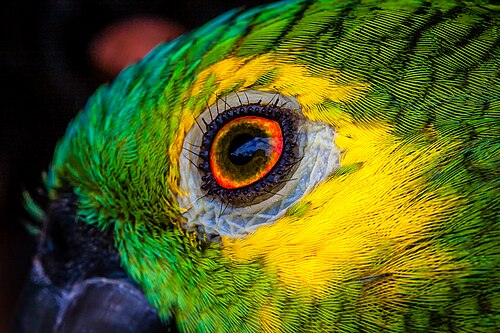
A close-up revealing the intricate iris. These birds possess highly complex social intelligence.
The survival of Amazon parrots relies heavily on their intelligence. They possess large brains relative to their body size, capable of complex problem-solving and memory retention necessary to map out fruiting trees across vast distances.
Their social structure is based on strong, lifelong pair bonds. These pairs cooperate in foraging and rearing young. When a predator is spotted, the flock utilizes a sophisticated warning system of specific squawks to alert the entire group, causing a synchronized, chaotic dispersal to confuse the attacker.

Moving at a glacial pace, the sloth’s survival depends on not being noticed.
While the canopy is loud, the understory operates on stealth. By 07:00 AM, the Sloth (such as the Pale-throated sloth) slowly begins its day. Sloths have an incredibly slow metabolic rate, dictated by their low-calorie diet of tough, toxic leaves.
Their sluggishness is an evolutionary defense mechanism. Predators like the Harpy Eagle or the Jaguar hunt primarily by detecting movement. By moving at a glacial pace, the sloth becomes essentially invisible. Furthermore, their fur often hosts symbiotic green algae, providing perfect olfactory and visual camouflage against the mossy tree trunks.
A sloth’s stomach is massive, comprising up to a third of its body weight, and is multi-chambered like a cow’s. It houses specialized symbiotic bacteria that break down the tough cellulose of canopy leaves.
This digestive process is so slow that a single meal can take up to a month to process. This extreme energy conservation means a sloth only needs to descend to the forest floor once a week to defecate—a highly risky journey where they are most vulnerable to terrestrial predators like ocelots.
Down at the water’s edge, the morning sun begins to burn off the fog over the tributaries. The Amazon River is not a single channel but a labyrinth of flooded forests, oxbow lakes, and muddy banks.
Here, the interface between land and water creates a unique micro-habitat. Capybaras, the world’s largest rodents, graze on the emergent grasses, while clouds of butterflies congregate on the muddy shores to drink mineral-rich water (a behavior known as mud-puddling), gathering sodium lacking in their nectar diet.

Perched near San Ignacio. Males are distinguished by their broad rufous (reddish-brown) breast band.
Taking up its position on a low-hanging branch overhanging a slow-moving tributary is the Amazon Kingfisher (Chloroceryle amazona). By 08:00 AM, the light is sufficient to pierce the murky water.
These birds are sit-and-wait predators. They possess exceptional eyesight, capable of polarizing light to reduce the glare from the water’s surface. When a small characin or cichlid swims too close to the surface, the kingfisher drops like a dart, plunging headfirst to snatch the fish with its dagger-like bill.
Part II: The Heat of Midday (09:00 – 14:00)
By 10:00 AM, the equatorial sun beats down mercilessly on the upper canopy. Temperatures can exceed 35°C (95°F) with crushing humidity. Most avian and mammalian activity ceases as animals seek shade to avoid overheating.
This is the time of the reptiles and insects. Iguanas bask on exposed branches to raise their core temperatures, while millions of leaf-cutter ants march in endless, organized lines along the forest floor, harvesting foliage to cultivate their underground fungus farms.

Unlike the male, the female lacks the red breast, featuring green banding instead.
Despite the heat, the Amazon Kingfisher continues its work, as fish are active in the cooler water. The species exhibits clear sexual dimorphism. The female lacks the broad chestnut breast band of the male, possessing instead broken green bands across her white chest.
These birds are highly territorial. A breeding pair will fiercely defend a stretch of riverbank, engaging in noisy, chattering chases to drive away rival kingfishers or other fish-eating birds.

Their flight is rapid and direct, flying low over the water surface.

Caught on camera over the Macal River.
The flight of the Chloroceryle amazona is fast and direct. They fly low, often just inches above the water’s surface, minimizing their silhouette against the sky to avoid aerial predators and to sneak up on unsuspecting fish.
When returning to their perch with a catch, they will violently beat the fish against the branch to stun it and break its spines before swallowing it headfirst, ensuring the scales and fins do not damage their throat.

The Pink River Dolphin is endemic to the Amazon and Orinoco basins.
As the surface heats up, activity shifts beneath the muddy waters of the river. The Amazon River Dolphin (Inia geoffrensis), famously known as the Boto or Pink River Dolphin, is uniquely adapted to this murky environment.
Unlike oceanic dolphins, the Boto has unfused neck vertebrae, allowing it to turn its head 90 degrees to navigate the tangled roots of the flooded forest. Its vision is poor, suited only for differentiating light from dark in the silt-laden water.
To hunt in water with zero visibility, the Boto relies on highly sophisticated echolocation. It emits high-frequency clicks from an organ in its forehead called the melon. The sound waves bounce off fish, turtles, and crabs, returning to the dolphin’s lower jaw, which acts as an acoustic receiver.
Their long, toothed beak is perfectly shaped to snatch hidden prey from the mud or out of hollow logs. The distinctive pink coloration of the adults is actually scar tissue from a lifetime of navigating sharp branches and fighting with rival males.

A caiman basking on the banks to regulate its body temperature.
By midday, the largest predator in the Amazon basin is soaking up the sun. The Black Caiman (Melanosuchus niger) can grow over 16 feet (5 meters) long. Being ectothermic (cold-blooded), they must bask on muddy banks to elevate their metabolism for the night’s hunt.
Their dark coloration helps them absorb heat quickly while providing excellent camouflage in the tannin-stained, “blackwater” rivers of the Amazon. They are opportunistic apex predators, capable of taking down anything from fish and capybaras to adult tapirs and even an unwary jaguar.

Only the eyes and nostrils remain above the waterline, rendering them nearly invisible to terrestrial prey.
When the heat becomes too intense, the caiman slips silently into the water. Its eyes and nostrils are positioned on the very top of its skull, allowing its entire massive body to remain hidden beneath the murky surface while it monitors the shoreline.
Sensory pits along its jawline can detect the faintest vibrations in the water—the footstep of a deer coming to drink or the thrashing of a hooked fish. The strike is explosive, relying on a powerful bite force to crush and drown its victim before executing a “death roll” to tear off manageable chunks of meat.

Early biological surveys documented the sheer impenetrability and scale of the river system.
To understand the animals, one must understand the water. The Amazon River is the lifeblood of the forest. The basin contains 20% of the world’s unfrozen freshwater. The ecology is dictated by the annual flood pulse.
During the rainy season, the river bursts its banks, inundating thousands of square miles of forest. This event allows fish to swim through the trees, dispersing seeds from fallen fruits and expanding their hunting grounds. The receding waters trap millions of aquatic animals in isolated pools, creating a brief, chaotic feast for caimans, herons, and jaguars.

The Amazon houses more species of fish than the entire Atlantic Ocean.
Beneath the caimans and dolphins swims a staggering diversity of fish—over 3,000 scientifically described species, with likely thousands more undiscovered. These range from the massive Arapaima (one of the world’s largest freshwater fish) to the notorious Red-bellied Piranha.
Many of these fish are highly specialized. The Tambaqui breathes surface air to survive in oxygen-depleted oxbow lakes, while the Candiru (vampire fish) famously tracks the urea of larger fish to parasitize their gills.

A butterfly nursery (Mariposario) in Iquitos, Peru, showcasing the delicate transformation stage of Amazonian Lepidoptera.
As the midday heat peaks, the insect world thrives. The Amazon is home to an estimated 2.5 million species of insects. Among the most visible are the butterflies, including the brilliant blue Morphos and the massive Owl butterflies.
Their life cycle from egg to ravenous caterpillar, to chrysalis (crisálidas), and finally to adult is a constant battle against parasitic wasps and insectivorous birds. Conservation facilities like the Mariposario Pilpintuwasi in Peru breed these insects to support local populations and educate visitors on the fragile micro-ecology of the forest undergrowth.
Part III: The Afternoon Shift (14:00 – 18:00)
In the Amazon, afternoon often brings a dramatic change in weather. Moisture sucked from the trees by the intense morning sun condenses into massive cumulonimbus clouds. By 15:00, torrential, violent thunderstorms frequently lash the canopy.
This sudden deluge cools the forest instantly. The rain is so heavy that the canopy intercepts much of it, funneling it down trunks in mini-waterfalls. This moisture is critical for the survival of amphibians, particularly the countless species of poison dart frogs that require damp leaves to lay their eggs.

A monkey in a protected park near Iquitos, Peru. As temperatures drop, foraging resumes.
As the storm passes and the heat breaks, the canopy primates resume their activities. Capuchin monkeys, Spider monkeys, and tiny Tamarins move rapidly through the branches. The Amazon houses an incredible diversity of New World monkeys.
Unlike Old World monkeys (from Africa and Asia), many Amazonian primates possess a prehensile tail. This muscular tail features a bare tactile pad at the tip, acting as a highly sensitive fifth limb that can support their entire body weight, allowing them to hang upside down to reach fruit at the very edges of fragile branches.

A grim historical record of Amazonian manatees hunted heavily for their meat and oil.
Grazing silently in the slow-moving oxbow lakes during the afternoon is the Amazonian Manatee (Trichechus inunguis). It is the only strictly freshwater species of manatee in the world. They lack the fingernails found on the flippers of their marine cousins.
These gentle herbivores consume up to 8% of their body weight in aquatic vegetation daily. Tragically, their slow nature and valuable meat made them easy targets. During the 19th and early 20th centuries, they were slaughtered by the thousands for their oil and hides. Today, despite legal protection, they remain highly vulnerable to entanglement in commercial fishing nets and habitat loss.

Specimen from the Museum of Veterinary Anatomy FMVZ USP. Note the broad, crushing jaw structure.
Also utilizing the late afternoon sun on fallen logs are various species of turtles, most notably the Giant South American River Turtle (Podocnemis expansa), locally known as the Arrau turtle.
As seen in the skull morphology, these turtles possess robust, heavily ossified jaws lacking teeth. Instead, they have sharp, keratinous beaks designed to shear through tough aquatic vegetation, fallen fruits, and occasionally freshwater sponges. These turtles are “side-necked” (Pleurodira), meaning they retract their heads sideways under their shell rather than pulling them straight back.

The river discharging massive amounts of sediment into the Atlantic Ocean, visible from space.
While the animals hunt and forage, the river itself is working. The Amazon is the largest river by discharge volume of water in the world. It carries an astronomical amount of sediment and nutrients stripped from the Andes mountains across the continent.
When this muddy, nutrient-rich water finally hits the Atlantic Ocean, it creates the “Amazon Plume”—a massive zone of lowered salinity and high biological productivity that stretches for hundreds of miles out to sea, fueling marine ecosystems far beyond the rainforest’s edge.
As shadows lengthen toward 17:00, the largest terrestrial mammal in South America emerges from the thick brush: the South American Tapir. Weighing up to 250 kg, this peculiar, pig-like animal with a prehensile snout is actually a close relative of horses and rhinoceroses.
Tapirs are crucial “ecosystem engineers.” They consume vast quantities of fruit and travel long distances, defecating intact seeds far from the parent tree. This seed dispersal maintains the immense botanical diversity of the forest. They are excellent swimmers, often taking to the water to escape pursuing jaguars or to feed on aquatic plants.
Before the sun sets, the apex aerial predator makes its final patrols. The Harpy Eagle is one of the largest and most powerful eagles in the world. Its rear talons are larger than the claws of a grizzly bear, capable of exerting bone-crushing pressure.
They specialize in hunting arboreal mammals, primarily sloths and monkeys. Navigating the dense canopy requires short, broad wings that provide explosive acceleration and immense agility, allowing them to snatch a 15-pound howler monkey right off a branch in mid-flight.
As 18:00 approaches, the sky fills with the raucous calls of returning Macaws. Scarlet, Blue-and-yellow, and Green-winged macaws fly high above the canopy, returning to their established roosting trees.
A famous and bizarre behavior observed in the western Amazon (particularly in Peru) is their visitation to clay licks (collpas) along riverbanks. These birds consume the kaolin clay, which scientists believe helps neutralize the toxic alkaloids found in the poisonous seeds they ingest during the day, acting as a natural antacid and providing essential sodium.

Traditional communities have lived in balance with this complex ecosystem for millennia.
It is impossible to separate the ecology of the Amazon from its human inhabitants. Indigenous tribes have lived in the basin for over 10,000 years, managing the forest through sophisticated, sustainable agroforestry techniques.
They possess an encyclopedic knowledge of the flora and fauna, utilizing thousands of plant species for medicine, construction, and hunting poisons (such as curare used on blowdarts). Today, these uncontacted and contacted tribes are on the front lines, defending the remaining pristine forest against illegal logging, mining, and oil extraction.
At 18:00, the sun sets rapidly. There is very little twilight at the equator. As the light fades, the diurnal animals seek safe shelter. Birds tuck into tree hollows, and monkeys huddle closely together high in the emergent trees, safe from terrestrial predators.
The acoustic environment changes completely. The bird calls fade, replaced instantly by the deafening, pulsing drone of millions of cicadas, katydids, and the chirping of thousands of species of tree frogs. The night shift is clocking in.
Part IV: The Nocturnal Empire (19:00 – 04:00)
Under the cover of darkness, the Jaguar (Panthera onca) begins its hunt. It is the largest feline in the Americas and possesses the strongest bite force relative to its size of any big cat.
Unlike lions or tigers that suffocate their prey via a throat bite, the jaguar employs a unique, brutal killing method: it bites directly through the skull of its prey (between the ears) to pierce the brain, or crushes the cervical vertebrae to sever the spinal cord. This allows them to instantly dispatch heavily armored prey like caimans and large river turtles.
While many cats despise water, the jaguar thrives in it. The flooded forests of the Amazon are their ideal hunting grounds. They are exceptionally strong swimmers and will readily dive into rivers to tackle adult caimans or fish.
Their iconic rosette spots provide perfect disruptive camouflage in the dappled moonlight filtering through the canopy, rendering them practically invisible as they stalk silently along the riverbanks.
High in the canopy, the only truly nocturnal monkeys in the world are active. The Night Monkeys (or Owl Monkeys) have evolved massive, oversized eyes to gather as much ambient light as possible.
Interestingly, they lack a tapetum lucidum (the reflective layer behind the retina that causes “eyeshine” in cats and dogs). They navigate and hunt for insects, fruits, and nectar relying heavily on spatial memory and scent marking. By foraging at night, they avoid competition with the larger, more aggressive diurnal monkeys.
In the sluggish, weed-choked backwaters, the Green Anaconda (Eunectes murinus) waits in ambush. It is the heaviest snake in the world, though the Reticulated Python is slightly longer.
Anacondas are cumbersome on land but incredibly graceful and fast in the water. They are non-venomous constrictors. They lie submerged with only their eyes and nostrils exposed, waiting for a capybara, deer, or caiman to approach the water. Once they strike, they coil around the victim, relying on overwhelming muscular pressure to cause cardiac arrest and asphyxiation.
The night air is ruled by bats. The Amazon hosts hundreds of bat species with incredibly diverse ecological roles. Some are insectivores, catching moths on the wing; others are frugivores, crucial for dispersing seeds across the forest.
There are also specialized nectar-feeding bats equipped with long tongues to pollinate night-blooming flowers like the Balsa tree, and the infamous Common Vampire Bat, which uses heat sensors on its nose to locate sleeping mammals and birds, making a tiny, painless incision to lap up the flowing blood.
The forest floor at night is a dangerous place. The Amazonian Giant Centipede (Scolopendra gigantea) can grow up to a foot long. It is a highly aggressive, venomous predator.
Using modified legs near its head (forcipules) that act as venomous fangs, it hunts large spiders, tarantulas, frogs, mice, and even small bats. It is capable of climbing cave walls to snatch bats right off the ceiling, paralyzing them instantly with a potent neurotoxin.
Sitting perfectly still on a dead branch is the Great Potoo. During the day, it sleeps perfectly upright with its beak pointing skyward, its cryptic plumage making it look exactly like a broken tree stump.
At night, it becomes an active predator. It has enormous eyes and a massive, gaping mouth. It hunts by swooping down from its perch to catch large flying insects like beetles and moths, returning to the exact same spot to wait for the next meal.
In the pitch black of the understory, light is used as a weapon and a lure. The forest floor is dotted with glowing fungi (foxfire), but more sinister are the bioluminescent insects.
The larvae of the click beetle, known as “headlight bugs,” possess glowing spots on their thorax. While adults use light to attract mates, the predatory larvae of certain fungus gnats use glowing bioluminescence to lure tiny flying insects directly into their sticky, web-like traps hidden in the leaf litter.
In the muddy, oxygen-poor swamps, the Electric Eel (Electrophorus electricus)—which is actually a knifefish, not a true eel—hunts in complete darkness.
Over 80% of its body is dedicated to three specialized organs that function like biological batteries, containing thousands of electrocytes. It emits low-level pulses to navigate and locate prey (electrolocation). Once a fish is found, it unleashes a massive shock of up to 860 volts, stunning or killing the prey instantly before swallowing it whole.
As 04:00 AM approaches, the temperature reaches its lowest point. The frantic activity of the night begins to slow down. Jaguars return to the dense thickets, and the anacondas sink back into the mud.
The first faint light begins to filter through the mist, and the cycle prepares to repeat. The survival of every species in this complex web relies entirely on the precise timing, specialized adaptations, and the unbroken ecological balance of the Amazon Basin.
Part V: Conservation and The Future (Chapters 41-50)
The delicate 24-hour cycle of the Amazon is currently facing its greatest existential threat: human-driven deforestation. Huge swaths of the forest are being clear-cut and burned, primarily to make way for cattle ranching and soy plantations.
When the canopy is removed, the entire microclimate collapses. The soil bakes, the understory dries out, and the arboreal highways used by monkeys and sloths are severed, leading to isolated, genetically doomed populations.
High-value timber, such as mahogany, is illegally harvested deep within the forest. While loggers may only take a few trees per hectare, the roads they bulldoze to access them cause massive habitat fragmentation.
These logging roads open the previously impenetrable interior to poachers, illegal miners, and settlers, accelerating the destruction of the ecosystem from the inside out and disrupting the vast territories required by apex predators like the jaguar.
Illegal artisanal gold mining (carried out by garimpeiros) wreaks havoc on the Amazon’s river systems. High-pressure hoses tear down riverbanks, destroying the nesting grounds of the Amazon Kingfisher and river turtles.
More devastating is the use of mercury to separate the gold. This toxic heavy metal is dumped directly into the river, where it bioaccumulates up the food chain. From small fish, to predatory catfish, to the Amazon River Dolphin, and ultimately to the indigenous human populations, mercury poisoning causes severe neurological damage across the ecosystem.
Species like the Amazona aestiva are highly sought after in the illegal global pet trade due to their intelligence and coloring.
The immense biodiversity of the Amazon makes it a prime target for international wildlife smuggling. Parrots, macaws, poison dart frogs, and exotic reptiles are poached from the wild by the millions.
Poachers often cut down entire nesting trees just to reach a single nest of macaw chicks, destroying future nesting sites and killing countless animals during crude, illegal transportation across international borders.
The Amazon generates its own weather; the trees transpire massive amounts of water vapor, creating the rain that sustains the forest. Deforestation disrupts this cycle, leading to severe, unprecedented droughts.
Extended dry seasons dry up oxbow lakes, causing mass die-offs of fish and river dolphins. Furthermore, a drier forest is highly susceptible to massive wildfires, a phenomenon historically alien to a healthy, humid rainforest environment.
The Arapaima (Arapaima gigas), or Pirarucu, is a prehistoric-looking, air-breathing fish that can weigh over 400 pounds. Because they must surface to gulp air, they are easily targeted by fishermen with harpoons.
Historically overfished to the brink of local extinction for their valuable meat and scales, rigorous community-based conservation and strict quota systems in countries like Brazil have begun to successfully recover their populations in protected reserves.
The push for renewable energy in South America has led to the construction of massive hydroelectric dams across the Amazon’s major tributaries. While providing power, these dams are ecologically disastrous for the river’s inhabitants.
Dams block the immense spawning migrations of massive catfish (like the Goliath Catfish) that travel thousands of miles from the estuary to the Andes. They also alter the natural flood pulse that the entire flooded forest ecology depends upon, drowning millions of acres of trees.
Despite the grim outlook, monumental conservation efforts are underway. Massive tracts of the Amazon have been designated as national parks and indigenous reserves, such as the Tumucumaque Mountains National Park in Brazil.
Satellite monitoring technology (like the ESA Sentinel missions) now allows governments to track illegal deforestation in real-time, enabling faster enforcement responses. Ecotourism is also providing sustainable economic alternatives to logging for local communities.
Data overwhelmingly shows that the most pristine, biodiverse, and protected areas of the Amazon are those legally controlled by Indigenous tribes. Their traditional knowledge and vested interest in the forest’s survival make them the most effective guardians against industrial encroachment.
Securing indigenous land rights is now widely recognized by international conservation organizations as one of the most vital strategies for saving the Amazon and its myriad animal inhabitants.
Why is the Amazon Rainforest so important for animals?
The Amazon provides a highly stratified, complex, and warm environment with abundant rainfall, allowing for millions of highly specialized evolutionary niches. It holds the highest terrestrial biodiversity on the planet, serving as a global genetic bank.
What is the biggest threat to these animals today?
Habitat loss driven by industrial agriculture (soy and cattle ranching), illegal logging, and mining. Deforestation not only physically destroys their homes but radically alters the regional climate, leading to lethal droughts.
Can the Amazon be saved?
Yes, but the window is closing rapidly. It requires enforcing strict anti-deforestation laws, transitioning to sustainable agroforestry, expanding and protecting indigenous land rights, and global action to curb demand for products sourced from cleared rainforest land.
Explore our trusted network of partner websites covering directories, encyclopedias, marketplaces, education, and finance.
- This digital documentation is created solely as an educational reference material detailing the ecological behaviors of Amazonian wildlife.
- All included image multimedia content is distributed from the free open-license directory (GNU/Creative Commons Attribution) belonging to the worldwide Wikimedia Commons database and contributing wildlife photographers.
- Ecological statistics and conservation threats discussed are based on scientific consensus and reports from global environmental monitoring agencies.
About the Drafting Team: Atechsur.org Ecology Experts
The scientific biology editorial board of Atechsur.org proactively provides accurate, in-depth scientific reports with a dedication to engaging, humanistic language to promote a future of improved rainforest conservation and comprehensive ecosystem protection globally.
© 2026 – Atechsur.org – Complete Amazonian Ecology Database (Chapters 1 – 50)
Neotropical Ecosystem • Critically Threatened • Updated: March 27, 2026