
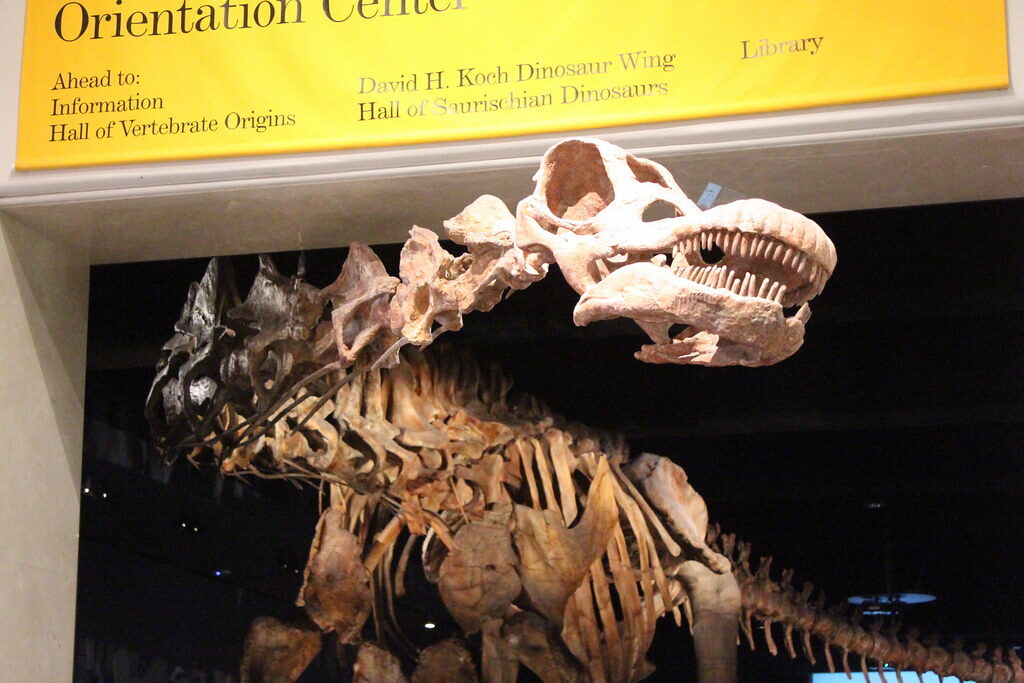
🦕 The Armored Titan: Encyclopedia of Saltasaurus
An exhaustive 25-chapter documentation dissecting the biology, discovery, bony armor, and ecological significance of the Late Cretaceous titanosaur Saltasaurus loricatus.
✏️ Written & Curated by the Atechsur.org Paleontology Team | Last Updated: April 1, 2026

Saltasaurus (meaning “lizard from Salta”) is a genus of titanosaurian sauropod dinosaur of the Late Cretaceous period. When it was first described in 1980, it sent shockwaves through the paleontological community, forcing a complete rewrite of what scientists thought they knew about sauropod anatomy.
This 25-chapter encyclopedia will explore the groundbreaking discovery of its bony armor (osteoderms), its surprisingly diminutive size compared to other titanosaurs, its nesting habits, and its place in the vibrant, dangerous ecosystems of ancient South America just before the K-Pg extinction event.
- The Armored Anomaly: Saltasaurus was the very first sauropod discovered with bony plates (osteoderms) embedded in its skin, a trait previously thought to belong only to ankylosaurs and stegosaurs.
- The “Dwarf” Titan: Despite belonging to the group of dinosaurs that includes the largest animals to ever walk the Earth, Saltasaurus was relatively small, roughly the weight of a modern African elephant.
- Auca Mahuevo: A massive nesting site discovered in Patagonia contained thousands of titanosaur eggs, likely belonging to Saltasaurus or a very close relative, revealing they laid small eggs in massive communal clutches.
- Late Survivors: Titanosaurs like Saltasaurus were the dominant herbivores in the Southern Hemisphere right up until the asteroid impact 66 million years ago.
Part I: Discovery and Anatomy (Chapters 1-7)
 1. The Breakthrough Discovery

Specimen PVL 4017−113, a piece of the distinctive bony armor (osteoderm) that redefined sauropod biology.
The story of Saltasaurus began in the late 1970s when renowned Argentine paleontologists José Bonaparte and Jaime Powell excavated the Lecho Formation in Salta Province, northwestern Argentina.
They found remains of at least five individuals mixed together. But the most shocking find wasn’t the bones; it was the presence of bony plates scattered among them. Prior to 1980, paleontologists firmly believed all sauropods (the long-necked dinosaurs) had smooth, leathery skin. The discovery of Saltasaurus proved that some titanosaurs had evolved armor.
 2. Interpreting the Name

A profile showing the characteristic slope of the back and the relatively short neck.
The genus name, Saltasaurus, simply means “lizard from Salta,” honoring the Argentine province where the fossils were extracted. The specific epithet, loricatus, is derived from Latin, meaning “armored” or “wearing a cuirass” (a piece of armor consisting of a breastplate and backplate).
Thus, the full scientific name translates roughly to “The Armored Lizard from Salta,” perfectly encapsulating its most famous defining characteristic.
 3. The Architecture of the Armor

The armor consisted of larger plates surrounded by a matrix of smaller, pebble-like studs.
The armor of Saltasaurus was not a solid shell like a turtle’s. It was composed of osteoderms—bones that form within the dermal layer of the skin.
These osteoderms came in two primary types. The first were large, oval plates measuring up to 12 centimeters (5 inches) across, featuring a pitted, rough texture. The second type were much smaller, rounded ossicles, roughly the size of peas. The large plates were likely arranged in rows along the animal’s back and flanks, while the thousands of smaller ossicles filled the spaces between them, creating a tough, flexible chainmail-like hide.
 4. A Diminutive Giant

Compared to other sauropods, Saltasaurus was remarkably stout and short.
When most people think of sauropods, they imagine behemoths like Brachiosaurus or Argentinosaurus. Saltasaurus, however, bucked this trend. It is one of the smallest known sauropods.
Estimates based on complete limb bones suggest adult individuals measured between 8.5 to 12.8 meters (28 to 42 ft) in length. Its weight is generally estimated between 2.5 and 7 metric tons. To put this in perspective, an adult Saltasaurus was roughly the same weight as a modern African bull elephant, a true lightweight in the titanosaur family.
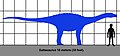 5. The “Barrel” Body Plan

Its incredibly wide chest and short, stocky legs gave it a low center of gravity.
What Saltasaurus lacked in length, it made up for in bulk. It possessed an incredibly broad, barrel-like chest cavity. Its limbs, particularly the lower leg bones, were exceptionally short and robust compared to earlier sauropods like Diplodocus.
This wide stance and low center of gravity suggest it was not built for speed or reaching high into the canopy. Instead, it was a slow-moving, heavily grounded browser, perfectly adapted to feeding on lower vegetation while relying on its armor for protection.
 6. Cancellous Bone Structure

A cross-section showing the spongy, air-filled structure of the tail vertebrae in titanosaurs.
To balance the immense weight of its armor, the skeleton of Saltasaurus was highly specialized. Like many advanced titanosaurs, its vertebrae (backbones) were incredibly pneumatic—meaning they were hollowed out and filled with air sacs connected to the respiratory system.
The bone structure itself was “cancellous,” resembling a hard sponge rather than solid rock. This brilliant evolutionary engineering drastically reduced the weight of the spine and neck without sacrificing structural strength, allowing the animal to move more efficiently.
 7. The Saltasauridae Family

Saltasaurus gave its name to a highly derived family of titanosaurs that dominated the Late Cretaceous.
The discovery of Saltasaurus was so significant that it became the type genus for a newly erected family: the Saltasauridae. This family represents some of the most derived (evolutionarily advanced) titanosaurs.
Saltasaurids are generally characterized by their relatively small size, wide hips, heavily pneumatic vertebrae, and the presence of dermal armor. They were highly successful, radiating across South America, Madagascar, and possibly other continents during the final stages of the dinosaur era.
Part II: The Midget Titanosaurs (Chapters 8-12)
 8. Insular Dwarfism or Ecological Niche?

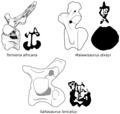
Saltasaurus (#9) compared to other small titanosaurs like Magyarosaurus (#10) and Neuquensaurus (#6).
Saltasaurus is part of a fascinating group sometimes colloquially referred to as “midget titanosaurs.” Some of these small species, like Magyarosaurus from Europe, are believed to have shrunk due to insular dwarfism (shrinking over generations due to limited resources on a small island).
However, South America during the Late Cretaceous was a massive, connected landmass. Therefore, the small size of Saltasaurus was likely not caused by being trapped on an island, but rather an evolutionary choice to exploit a specific low-browsing ecological niche, avoiding competition with larger herbivores.
 9. Relatives in the Ecosystem: Petrobrasaurus

Other titanosaurs shared the ancient landscape, displaying varying degrees of morphological similarities.
The Late Cretaceous of South America was the undisputed domain of the titanosaurs. Saltasaurus shared its environment with numerous other titanosaur species of varying sizes.
Discoveries of other taxa, such as Petrobrasaurus (from the earlier Plottier Formation), help paleontologists trace the evolutionary lineage of the titanosaurs, mapping out how the massive, unarmored giants of the early Cretaceous eventually gave rise to the smaller, armored forms like Saltasaurus.
 10. Diversity of Form: Narambuenatitan

A related titanosaur showing the incredible diversity of the group in Patagonia.
The sheer number of titanosaur species found in Argentina is staggering. Genera like Narambuenatitan (found in the Anacleto Formation) showcase the subtle morphological differences in skull shape, neck length, and vertebral structure that allowed these massive herbivores to partition resources.
This diversity proves that the titanosaurs were not a stagnant, dying group; they were highly successful and actively evolving right up until the K-Pg extinction event.
 11. Evolutionary Misinterpretations

Early paleoart often depicted all titanosaurs with Saltasaurus-like armor, leading to scientific disputes regarding accuracy.
Because the discovery of armor on Saltasaurus was so revolutionary, it caused a wave of over-correction in paleoart and classification. For decades following the 1980 discovery, artists frequently slapped osteoderms onto almost every new titanosaur discovered.
Modern paleontology has refined this view. We now know that while armor was a defining trait of the Saltasauridae family, it was not universal across all titanosaurs, highlighting the danger of extrapolating one spectacular fossil trait across an entire massive clade.
 12. Sauropod Size Evolution

A chart showing the vast disparity in lengths among the sauropods, with Saltasaurus near the lower end of the spectrum.
The evolutionary trajectory of sauropod size is complex. While early Jurassic forms grew to titanic proportions to avoid predation through sheer bulk, the Late Cretaceous saw a shift.
As predators evolved more lethal pack-hunting strategies, sheer size was no longer an absolute guarantee of safety. The evolution of Saltasaurus suggests a different survival strategy: shrinking down to require less food, while simultaneously developing bony armor to deflect the bites of large theropods.
Part III: Life and Reproduction (Chapters 13-17)
 13. Auca Mahuevo: The Nesting Grounds

Fragments of titanosaur eggshells from Patagonia. The sheer volume of shell fragments indicates massive nesting colonies.
In 1997, paleontologists made a staggering discovery at Auca Mahuevo in Patagonia: a nesting ground stretching across hundreds of square kilometers. It contained thousands of fossilized titanosaur eggs, laid in clutches of 15 to 40.
While the exact species is difficult to pinpoint perfectly, the embryos found inside the eggs possessed skin impressions showing tiny osteoderms, strongly linking these nests to Saltasaurus or a very close armored relative.
 14. The Mechanics of Titanosaur Eggs

A cast taken at the North American Museum of Ancient Life. The eggs were surprisingly small, roughly the size of a grapefruit.
Despite the adults weighing several tons, the eggs of Saltasaurus were remarkably small, measuring only 11 to 12 centimeters (4.5 inches) in diameter.
This massive disparity between egg size and adult size means the hatchlings were tiny and faced an unimaginably steep growth curve. The females likely used their hind legs to dig shallow depressions in the floodplains, deposited the eggs, and covered them with dirt and vegetation to incubate via geothermal heat, similar to modern crocodilians.
 15. Parental Care (Or Lack Thereof)

The porous nature of the shells allowed oxygen to reach the developing embryos buried in the warm dirt.
The sheer density of the nests at Auca Mahuevo—with nests spaced only a few meters apart—indicates that adult Saltasaurus gathered in massive herds to lay their eggs, likely returning to the same site year after year.
However, the close spacing also proves that the multi-ton mothers could not have stayed to guard the nests or raise the young, as they would have trampled the clutches. Saltasaurus utilized an “r-selection” reproductive strategy: lay hundreds of eggs, abandon them, and hope a few survive the perilous juvenile stage to reach adulthood.
 16. The Perils of Hatchlings

An artist’s depiction of the enantiornithine bird Soroavisaurus preying on a hatchling Saltasaurus.
Without parental protection, a newly hatched Saltasaurus was incredibly vulnerable. Weighing only a few pounds, they were prey for almost every carnivore in the Late Cretaceous ecosystem.
They would have been hunted by small dromaeosaurs, abelisaurid theropods, crocodilians, and even large predatory birds like Soroavisaurus. Their survival depended entirely on finding dense brush to hide in and eating voraciously to reach a size where their natural armor became effective.
 17. Herding Behavior

A Saltasaurus herd passes by an abelisaurid predator. Traveling in herds provided the ultimate defense against large theropods.
Once a Saltasaurus survived its perilous youth and reached its multi-ton adult size, its defenses were formidable. The combination of dermal armor, a thick barrel chest, and a powerful, whip-like tail made attacking a healthy adult incredibly dangerous.
Furthermore, trackways discovered in South America strongly suggest that titanosaurs traveled in massive herds. This social structure meant any predator, such as a pack of large abelisaurids, would have to breach a wall of armored, thrashing giants to secure a kill.
Part IV: The Ecosystem of the Lecho Formation (Chapters 18-25)
 18. The South American Ecosystem

While this chart shows the nearby Allen Formation, it reflects the incredible diversity of titanosaurs and predators that characterized Late Cretaceous South America.
The Lecho Formation, where Saltasaurus was discovered, represents a warm, humid environment characterized by sluggish rivers, lakes, and extensive floodplains. During the Campanian and Maastrichtian ages, South America was an island continent, completely separated from North America and Africa.
This isolation allowed a unique fauna to evolve. While North America was dominated by duck-billed hadrosaurs and horned ceratopsians (like Triceratops), the dominant herbivores in South America were exclusively the titanosaurs.
 19. Relatives Across the Continent

A model of Arackar licanantay (blue) from Chile shown alongside a Saltasaurus model (white).
The evolutionary success of the titanosaurs is evident in their spread across the entire South American landmass. Discoveries like Arackar licanantay in the Atacama Desert of Chile show that these creatures adapted to a variety of environments, from lush floodplains to drier upland regions.
Just as the herbivores were isolated, so were the predators. The tyrannosaurs never reached South America during the Cretaceous. Instead, the apex predators hunting Saltasaurus were the Abelisaurids.
Abelisaurids, like the famous Carnotaurus, were bizarre, heavily built theropods with deep, bulldog-like snouts and arms so drastically reduced they were virtually vestigial. Their jaws were designed for quick, slashing bites, highly effective for wounding massive, slow-moving titanosaurs.
The ecosystem of Saltasaurus was teeming with life beyond the dinosaurs. The skies were navigated by early groups of true birds, particularly the Enantiornithes, which retained small teeth in their beaks.
The waterways were dominated by a terrifying array of crocodilians. Some, like the massive Baurusuchids, had largely abandoned the water and evolved into long-legged, highly active terrestrial predators that competed directly with the theropod dinosaurs for prey.
The dietary engine powering a herd of Saltasaurus required an immense amount of vegetation. During the Late Cretaceous, flowering plants (angiosperms) were rapidly taking over the landscape.
The low-slung build and short neck of Saltasaurus strongly suggest it was a low-browser. It likely used its peg-like teeth to strip leaves from ferns, cycads, and low-growing early flowering shrubs, functioning much like a massive, scaly rhinoceros in the ecosystem.
While the armor was its primary passive defense, the tail of Saltasaurus was an active weapon. Unlike the thin, whip-like tails of the earlier diplodocids, titanosaur tails were highly muscular and robust at the base.
The ball-and-socket joints (procoelous vertebrae) in the tail allowed for extreme flexibility. A swing from the heavy, bone-laden tail of an adult Saltasaurus could have easily shattered the ribs or legs of an attacking abelisaurid.
The Lecho Formation dates to the very end of the Maastrichtian age, placing Saltasaurus at the very end of the age of dinosaurs. Around 66 million years ago, the Chicxulub asteroid struck the Earth.
The resulting impact winter decimated the global flora. The massive, specialized titanosaurs, which required immense amounts of daily forage, were among the first to starve. The armored giants of Salta were wiped out entirely, leaving only the birds as the surviving dinosaur lineage.
 25. Summary FAQ: Saltasaurus
Why was the discovery of Saltasaurus important?
It was the first definitive proof that some sauropods possessed bony armor (osteoderms) embedded in their skin, fundamentally changing how paleontologists viewed sauropod anatomy and defenses.
How big was Saltasaurus?
For a sauropod, it was quite small. It measured roughly 8.5 to 12 meters long and weighed around 4 to 7 tons, making it about the size of a modern African elephant.
Did they care for their young?
No. Evidence from massive nesting sites like Auca Mahuevo shows they laid dozens of small eggs in communal grounds and abandoned them, leaving the tiny hatchlings to fend for themselves.
Explore our trusted network of partner websites covering directories, encyclopedias, marketplaces, education, and finance.
- This digital encyclopedia is created solely as an educational reference material detailing the paleontology and geology of Saltasaurus.
- All included image multimedia content is distributed from the free open-license directory (Public Domain/Creative Commons) belonging to the worldwide Wikimedia Commons database.
- Paleontological statistics and evolutionary data discussed are based on scientific consensus from institutions and published research.
About the Drafting Team: Atechsur.org Paleontology Experts
The editorial board of Atechsur.org proactively provides accurate, in-depth scientific reports with a dedication to engaging, humanistic language to foster a deeper understanding of our planet’s deep past and evolutionary history.
© 2026 – Atechsur.org – Complete Saltasaurus Encyclopedia (Chapters 1 – 25)
Titanosauria • Late Cretaceous • Updated: April 1, 2026