

Stygimoloch: The Spiky-Headed Dinosaur of the Late Cretaceous Period
The fascinating Stygimoloch has captured the imagination of paleontologists and dinosaur enthusiasts alike with its distinctive skull adorned with spikes and bumps. This remarkable pachycephalosaurid thrived during the Late Cretaceous period, leaving behind intriguing fossil evidence of its existence.
Stygimoloch Discovery and Classification
Creek Formation Montana
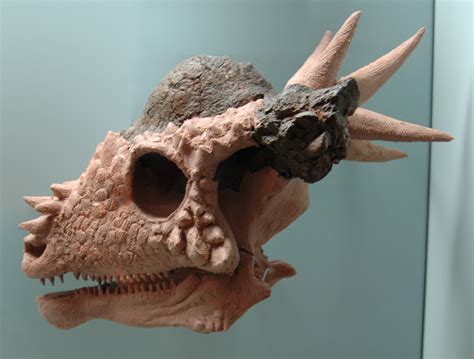
The Stygimoloch, whose name translates to “demon from the river Styx,” was first discovered in the Hell Creek Formation of Montana, USA. Paleontologist Peter Galton and Hans-Dieter Sues formally described this dinosaur in 1983, naming it after the mythological river Styx and the Hebrew word “moloch” meaning horned demon.
| Discovery Aspect | Details |
|---|---|
| First Discovery | Hell Creek Formation, Montana, USA |
| Year Described | 1983 |
| Named By | Peter Galton and Hans-Dieter Sues |
| Etymology | “Demon from the river Styx” |
| Formation | Hell Creek Formation |
| Age | Late Cretaceous (68-66 million years ago) |
| Taxonomic Status | Debated (possibly juvenile Pachycephalosaurus) |
Recent research by Jack Horner and Mark Goodwin has sparked debate about whether Stygimoloch represents a distinct genus or is actually a juvenile form of Pachycephalosaurus. This ontogenetic hypothesis suggests that as Pachycephalosaurus matured, its skull underwent significant changes, with the distinct spikes of Stygimoloch potentially representing an intermediate growth stage.
Physical Characteristics and Anatomy
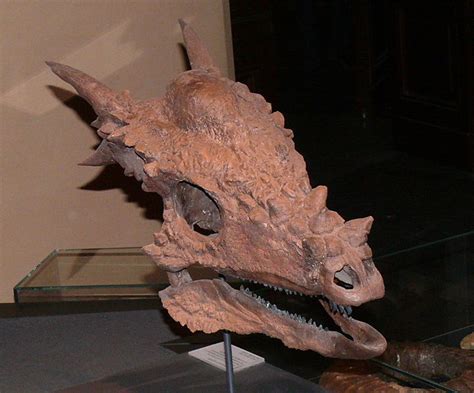
Stygimoloch possessed several distinctive physical features that set it apart from other dinosaurs of its time. Most notably, its skull was adorned with a cluster of spikes and nodes, creating a striking appearance that likely served multiple purposes.
| Anatomical Feature | Description |
|---|---|
| Length | Approximately 2.5-3 meters (8-10 feet) |
| Weight | Estimated 70-80 kg (150-175 pounds) |
| Skull Dome | Moderately thick, partially developed |
| Cranial Ornamentation | Prominent spikes (up to 10 cm long) at the back of skull |
| Posture | Bipedal |
| Limbs | Strong hind limbs, shorter forelimbs |
| Teeth | Small, leaf-shaped for plant consumption |
| Distinctive Feature | Cluster of long, pointed spikes projecting from the back of skull |
The most striking feature of Stygimoloch was its skull, which featured a moderately thick dome and a cluster of pointed spikes projecting from the back. These spikes could reach up to 10 centimeters (4 inches) in length, significantly longer than the nodes found on related pachycephalosaurs. According to research published in the Journal of Vertebrate Paleontology, these distinctive spikes likely played roles in species identification, sexual display, and possibly combat.
The dinosaur walked on two strong hind limbs with shorter forelimbs, suggesting it was primarily bipedal. Its teeth were small and leaf-shaped, indicating a herbivorous diet consisting mainly of plants, seeds, and fruits.
Habitat and Distribution
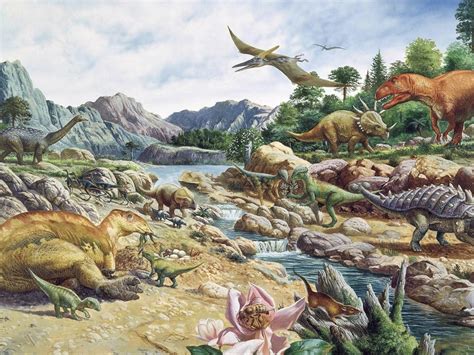
Stygimoloch inhabited the western regions of North America during the Late Cretaceous period, approximately 68-66 million years ago, just before the mass extinction event that wiped out the non-avian dinosaurs.
| Habitat Aspect | Details |
|---|---|
| Geological Time | Late Cretaceous (Maastrichtian stage) |
| Geographic Range | Western North America |
| Key Fossil Locations | Montana, Wyoming, South Dakota |
| Environment Type | Subtropical forests and floodplains |
| Climate | Warm and humid |
| Coexisting Dinosaurs | Tyrannosaurus, Triceratops, Edmontosaurus |
| Vegetation | Conifers, ferns, flowering plants |
| Water Sources | Rivers, lakes, and marshlands |
The environment during this period was characterized by subtropical forests, floodplains, and river systems. According to the Paleobiology Database, the climate was warm and humid, supporting diverse plant life including conifers, ferns, and early flowering plants. This lush vegetation would have provided ample food for herbivores like Stygimoloch.
Fossil evidence suggests that Stygimoloch shared its habitat with other well-known dinosaurs such as Tyrannosaurus rex, Triceratops, and Edmontosaurus. This rich ecosystem existed during the final stages of the Cretaceous period, making Stygimoloch one of the last dinosaur species to evolve before the extinction event.
Behavior and Lifestyle
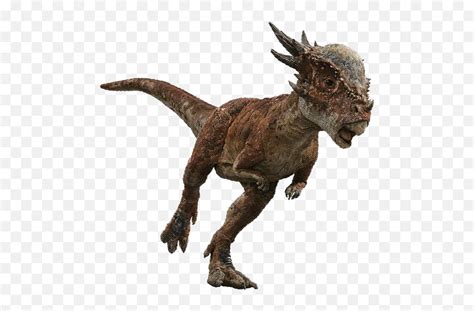
While direct evidence of Stygimoloch’s behavior is limited, paleontologists can make educated inferences based on its physical characteristics and comparisons with related species.
| Behavioral Aspect | Hypothesis |
|---|---|
| Social Structure | Possibly herding or small groups |
| Communication | Visual displays using cranial ornaments |
| Defensive Strategy | Intimidation displays, potential use of spikes |
| Mating Behavior | Competitive displays or combat between males |
| Movement Speed | Moderate to fast runner |
| Feeding Habit | Low-level browser |
| Daily Activity | Likely diurnal |
| Predator Evasion | Speed, vigilance, possible herding behavior |
The prominent spikes on Stygimoloch’s skull have led to numerous hypotheses about their function. Research published in PLOS ONE suggests these features may have been used for intraspecific combat, similar to how modern rams engage in head-butting contests. However, more recent biomechanical studies indicate the skull may not have been well-adapted for direct impacts, suggesting the spikes might have been more important for visual display.
Stygimoloch was likely a relatively fast runner, using its strong hind limbs to escape predators or traverse its territory efficiently. As a herbivore, it probably spent much of its day foraging for plants, using its small, leaf-shaped teeth to process vegetation.
Some paleontologists propose that Stygimoloch may have lived in small herds or groups, providing additional protection against predators like Tyrannosaurus rex. The distinctive head ornamentation could have played a role in group recognition and establishing social hierarchies within these groups.
The Pachycephalosaurid Controversy
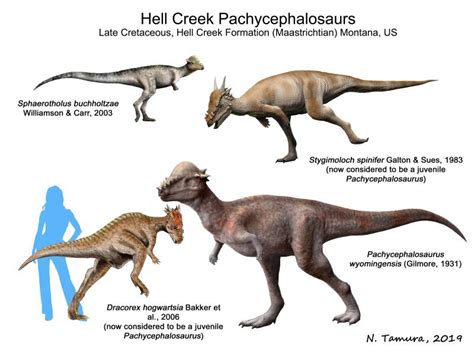
One of the most intriguing scientific debates surrounding Stygimoloch is whether it represents a distinct genus or is actually a growth stage of another pachycephalosaur, specifically Pachycephalosaurus.
| Aspect of Controversy | Details |
|---|---|
| Traditional View | Stygimoloch as a distinct genus |
| Modern Hypothesis | Stygimoloch as juvenile Pachycephalosaurus |
| Key Researchers | Jack Horner and Mark Goodwin |
| Evidence For | Transitional features in skull morphology |
| Evidence Against | Distinct spike patterns and dome development |
| Similar Cases | Dracorex also proposed as juvenile Pachycephalosaurus |
| Research Methods | Histological analysis of skull material |
| Current Consensus | Divided, with growing support for ontogeny hypothesis |
In 2009, paleontologists Jack Horner and Mark Goodwin published a groundbreaking study in The Journal of Vertebrate Paleontology suggesting that Stygimoloch and another pachycephalosaurid, Dracorex, might actually represent different growth stages of Pachycephalosaurus. They proposed that as these dinosaurs matured, their skulls underwent significant changes—the prominent spikes of juvenile specimens gradually resorbed, while the dome became larger and more pronounced.
This hypothesis is supported by histological analyses of skull material showing different growth patterns consistent with ontogenetic (developmental) changes rather than taxonomic differences. However, some paleontologists remain unconvinced, arguing that the spike patterns are too distinct to represent mere growth stages.
The debate continues to evolve as new fossil evidence comes to light. If the ontogeny hypothesis is correct, it would significantly reduce the diversity of known pachycephalosaurids and change our understanding of dinosaur growth patterns. Research published in the Proceedings of the Royal Society B has shown that many dinosaur species underwent dramatic changes during growth, making the identification of juvenile specimens particularly challenging.
Diet and Feeding Habits
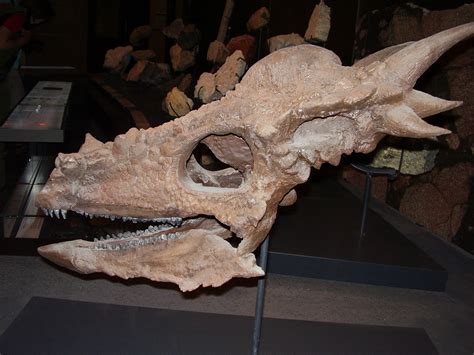
Stygimoloch was an herbivorous dinosaur that relied on plants for nourishment, with a dental and digestive system adapted for processing vegetation.
| Dietary Aspect | Details |
|---|---|
| Diet Type | Herbivorous |
| Primary Food | Low-growing plants, seeds, fruits |
| Tooth Morphology | Small, leaf-shaped teeth |
| Feeding Height | Low to medium vegetation |
| Jaw Mechanism | Precision biting and cutting |
| Plant Types Consumed | Ferns, cycads, early flowering plants |
| Digestive System | Likely efficient for fibrous material |
| Competitive Species | Other small to medium herbivores |
The tooth structure of Stygimoloch suggests it was adapted for slicing through plant material rather than grinding it. According to research in Paleobiology, pachycephalosaurs like Stygimoloch had relatively simple teeth compared to other herbivorous dinosaurs such as hadrosaurs or ceratopsians, which had complex dental batteries for processing tough plant material.
Stygimoloch likely fed on lower-growing vegetation, including ferns, cycads, and early flowering plants that were becoming increasingly common during the Late Cretaceous. Its moderate size would have allowed it to reach vegetation of varying heights, potentially giving it access to food sources unavailable to either very large or very small herbivores.
The digestive system of Stygimoloch remains speculative, but comparisons with other herbivorous dinosaurs suggest it may have had a relatively efficient system for processing fibrous plant material. Some paleontologists propose that pachycephalosaurs may have consumed fruits and seeds as well, which could have been an important source of energy in their diet.
Extinction and Legacy
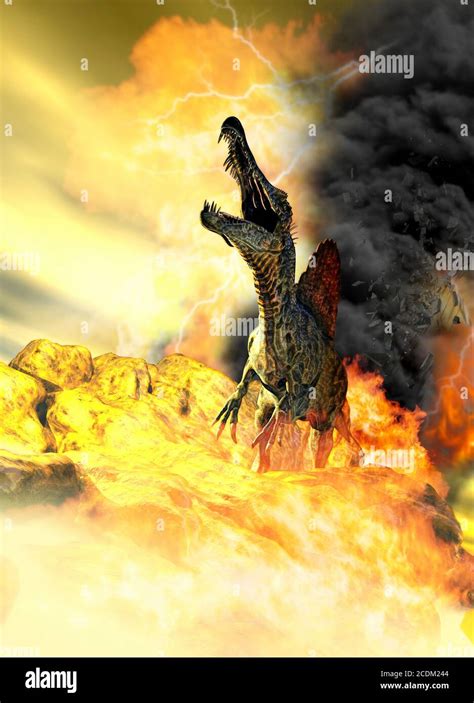
As a Late Cretaceous dinosaur, Stygimoloch existed during the final stages of dinosaur evolution before the catastrophic extinction event that marked the end of the Mesozoic Era.
| Extinction Aspect | Details |
|---|---|
| Timing | End of Cretaceous period (66 million years ago) |
| Cause | Chicxulub asteroid impact and volcanic activity |
| Extinction Event | Cretaceous-Paleogene (K-Pg) mass extinction |
| Percentage of Species Lost | Approximately 75% of all species |
| Survival Time Before Event | 1-2 million years |
| Contemporary Species Also Lost | Non-avian dinosaurs, pterosaurs, many marine reptiles |
| Preserved Fossils | Limited specimens, primarily skull material |
| Scientific Impact | Contributed to understanding of pachycephalosaur evolution |
Stygimoloch disappeared along with all other non-avian dinosaurs approximately 66 million years ago during the Cretaceous-Paleogene (K-Pg) extinction event. According to research published in Science, this mass extinction was primarily caused by the impact of a large asteroid or comet at what is now the Yucatán Peninsula in Mexico, creating the Chicxulub crater. This catastrophic event, possibly combined with intense volcanic activity from the Deccan Traps in India, led to dramatic climate change that the dinosaurs could not survive.
The fossil record of Stygimoloch is relatively limited, consisting primarily of skull material. This scarcity has contributed to the ongoing debate about its taxonomic status. Nevertheless, the distinctive spiky-headed dinosaur has left a significant legacy in paleontology, contributing to our understanding of pachycephalosaur diversity and evolution.
Stygimoloch continues to capture public imagination as one of the more visually distinctive dinosaurs, appearing in popular media such as the film “Jurassic World: Fallen Kingdom.” Its unique appearance ensures that, regardless of whether it represents a distinct genus or a growth stage of Pachycephalosaurus, Stygimoloch remains an iconic representative of the fascinating world of Late Cretaceous dinosaurs.
Stygimoloch in Popular Culture
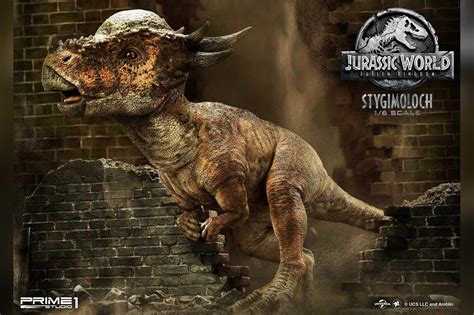
Despite being a relatively obscure dinosaur in scientific terms, Stygimoloch has gained recognition in popular culture, particularly through its appearances in entertainment media.
| Cultural Appearance | Details |
|---|---|
| Movies | Featured in “Jurassic World: Fallen Kingdom” (2018) |
| Television | Appeared in various documentary series |
| Books | Featured in dinosaur encyclopedias and children’s books |
| Video Games | Included in several dinosaur-themed games |
| Toys and Merchandise | Popular choice for dinosaur toy lines |
| Museum Exhibits | Featured in paleontological displays worldwide |
| Scientific Impact | Name recognition higher than many other dinosaurs |
| Depiction Accuracy | Varies considerably across media |
Stygimoloch gained significant mainstream attention with its prominent appearance in the 2018 film “Jurassic World: Fallen Kingdom,” where it was portrayed as an aggressive dinosaur helping the protagonists escape. According to Universal Studios, the film’s producers were attracted to the dinosaur’s distinctive appearance and relatively unfamiliar status compared to iconic dinosaurs like Tyrannosaurus or Velociraptor.
The distinctive spiky head of Stygimoloch makes it a visually striking subject for paleoartists and illustrators. Its appearance in numerous dinosaur books, particularly those aimed at children, has helped establish it in the public consciousness. The Natural History Museum of Los Angeles County and other major institutions have featured Stygimoloch in their dinosaur exhibits, further enhancing its visibility.
However, many popular depictions of Stygimoloch take significant artistic liberties with its appearance and behavior. The film portrayal, in particular, exaggerates its aggressive tendencies beyond what the fossil evidence suggests. This highlights the ongoing tension between scientific accuracy and dramatic license in dinosaur media representations.
Research Methods and Fossil Evidence
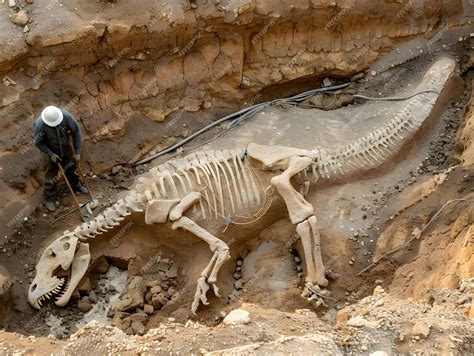
Understanding Stygimoloch and the debate surrounding its classification requires an appreciation of the paleontological methods used to study its limited fossil remains.
| Research Aspect | Details |
|---|---|
| Primary Fossil Material | Skull fragments, particularly dome and spikes |
| Collection Locations | Hell Creek Formation (Montana, Wyoming, South Dakota) |
| Fossil Preservation | Generally fragmentary, rare complete specimens |
| Dating Methods | Radiometric dating of surrounding rock layers |
| Analysis Techniques | Comparative anatomy, histology, CT scanning |
| Key Studies | Horner & Goodwin (2009), Williamson & Carr (2002) |
| Research Challenges | Limited sample size, fragmentary nature of specimens |
| Recent Advances | 3D modeling, advanced imaging technologies |
The primary fossil evidence for Stygimoloch consists of partial skull material, with the distinctive dome and spike pattern being the most diagnostic features. According to the Society of Vertebrate Paleontology, the fragmentary nature of these specimens has contributed to the taxonomic debate, as complete skeletons would provide more definitive evidence of growth patterns and species boundaries.
Modern paleontological techniques have significantly advanced our ability to study these fossils. Computer tomography (CT) scanning allows researchers to examine the internal structure of fossils without damaging them, revealing growth patterns and bone density that provide clues about the animal’s development. Research published in PeerJ demonstrates how these techniques have been applied to pachycephalosaur specimens to investigate the ontogeny hypothesis.
Histological analysis—the microscopic examination of bone tissue structure—has been particularly important in the Stygimoloch debate. By creating thin sections of bone and examining the growth lines and cellular structure, paleontologists can determine the relative age and growth stage of specimens, providing evidence for or against the hypothesis that Stygimoloch represents a juvenile form.
The Hell Creek Formation, where most Stygimoloch specimens have been found, continues to be an active area of paleontological research. New discoveries and improved analytical techniques may eventually provide more definitive answers about this enigmatic dinosaur’s true identity and place in dinosaur evolution.
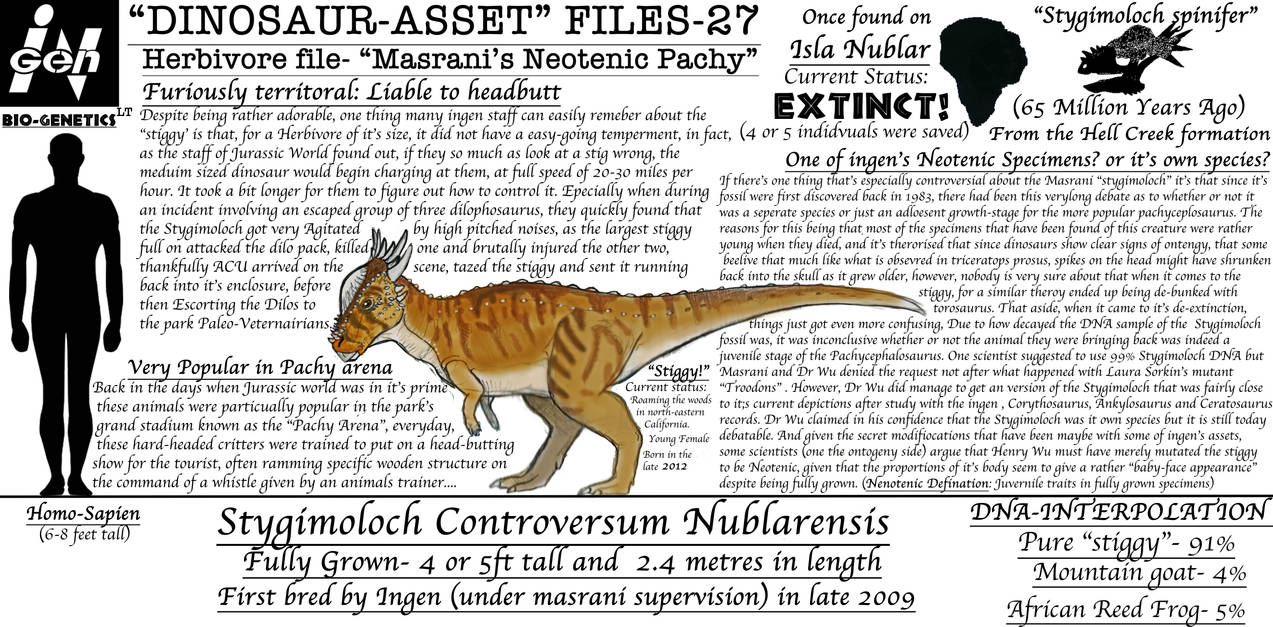
Overview of Stygimoloch
Introduction to Stygimoloch
Stygimoloch, a fascinating member of the ceratopsian family, has piqued the interest of paleontologists and dinosaur enthusiasts alike. This unique dinosaur existed during the Late Cretaceous period, around 70 million years ago, and is known for its distinctive features, particularly its striking skull structure adorned with numerous horns and spikes.
Imagine wandering through a prehistoric forest, the air dense with the sounds of rustling leaves and distant roars. Suddenly, a Stygimoloch appears on the landscape. Its robust body, coupled with an impressive array of cranial adornments, captures attention. What could this dinosaur have been like? Did it use its impressive skull for defense, or perhaps in mating displays? These questions spark further exploration into the life and environment of this remarkable dinosaur.
The name Stygimoloch, which can be translated to “devil from the river Styx,” draws from both literature and mythology. This creature’s moniker reflects its intriguing appearance, which evokes the mystical and somewhat intimidating realms of ancient stories. As researchers delve deeper into its biology and behavior, Stygimoloch continues to capture the human imagination, balancing our endless fascination with the enigmatic lives of long-gone beasts.
Discovery of Stygimoloch
The history of Stygimoloch’s discovery is as intriguing as the dinosaur itself. First uncovered in the Hell Creek Formation of Montana in the 1980s, the initial fossils brought significant attention from paleontologists. Notably, the skull was found in 1983 during an expedition led by the influential behavioral paleontologist, Dr. Robert Bakker.
- Key facts about the discovery:
- Location: Found in the Hell Creek Formation in Montana, a rich fossil bed known for diverse Cretaceous fossils.
- Year: The first fossils were identified and reported in 1983.
- Paleontologist Involved: Dr. Robert Bakker played a pivotal role in its discovery and subsequent research.
The remarkable thing about Stygimoloch is its initial classification. At first glance, its unique features and skull structure led scientists to wonder if it was a juvenile form of another dinosaur known as Pachycephalosaurus. This sparked debates within the scientific community, reflecting the complex nature of paleontological classification.
As more fossils emerged, particularly those featuring adult characteristics, the consensus shifted. Stygimoloch stands as its own genus, distinct from its relatives despite morphological similarities. This twist in understanding illustrates the ever-evolving nature of paleontological research; every fossil holds the possibility of rewriting our understanding of prehistoric life.
In addition to its anatomical features, the exploration of Stygimoloch has invited conjecture about its role in its ecosystem. What environments did it thrive in, and how did it interact with other dinosaurs? Those questions led to further studies, unearthing important insights into the habits and habitats of this ancient creature.
With Stygimoloch, the story doesn’t end at its discovery; it’s the beginning of a rich tapestry of research that continues to this day. Scientists are constantly revisiting existing specimens and uncovering new discoveries, leading to ever-expanding narratives about its life in the Cretaceous.
As the search for fossils continues and technology advances, Stygimoloch remains a subject of great interest. Its beautifully complex skull and myriad unanswered questions ensure that this dinosaur will remain a key player in the larger narrative of dinosaur evolution and diversity.
Stay tuned for the next sections, where we will delve into the physical characteristics that make Stygimoloch so unique and important in our understanding of Earth’s prehistoric past.
Physical Characteristics
Skull Structure
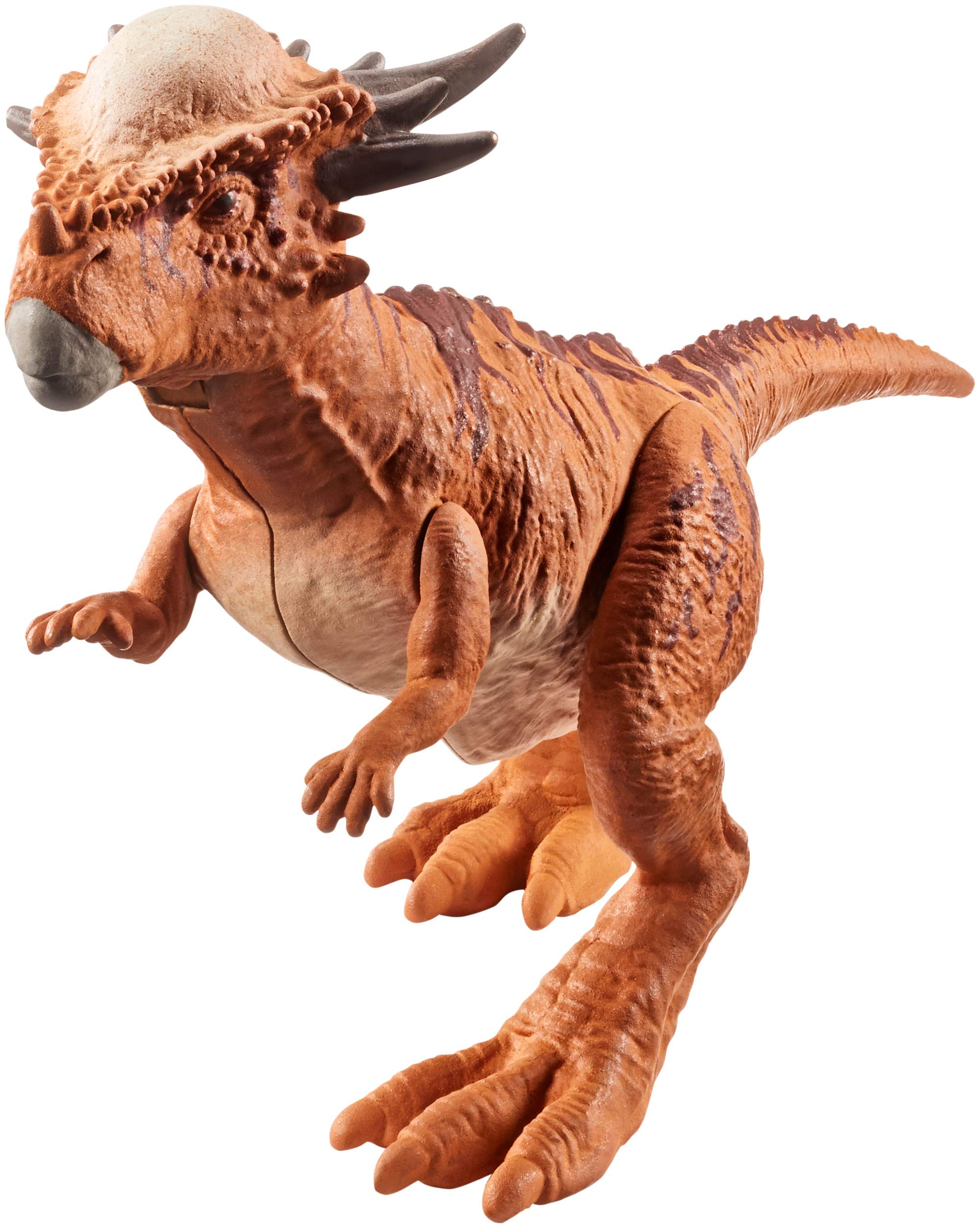
Continuing our journey into the world of Stygimoloch, one cannot help but be captivated by its remarkable skull structure. This dinosaur is best known for its impressive cranium, which showcases a combination of features that make it stand out in the ceratopsian family.
When imagining Stygimoloch, one might picture its thick, dome-shaped skull, adorned with an intimidating array of horn-like structures and spikes.
- Key features of the skull:
- Dome-Shaped: The top of its skull is notably domed, providing a sturdy structure.
- Bony Frills: It bears frills that extend back from the head, similar to other ceratopsians, providing protection and perhaps intraspecific rivalry displays.
- Horns and Spikes: Stygimoloch’s skull is decorated with an impressive set of small horns and spikes, which could have served multiple purposes—from defense against predators to attracting mates.
The cranial ornamentation of Stygimoloch offers fascinating insights into its behavior. For instance, many scientists hypothesize that these unique features were used in social interactions, whether to communicate with others of their species or to deter rivals. Imagine being a Stygimoloch facing another of your kind, with your formidable horned skull as a badge of dominance in a competitive landscape.
Scholars have debated the exact function of these features, introducing theories on whether Stygimoloch used them in head-butting behavior, common among other ceratopsians. A vivid image springs to mind of two Stygimolochs cautiously approaching each other, sizing one another up, before engaging in a clash to establish superiority!
Size and Weight
Turning our attention to the physical dimensions of Stygimoloch, we find that this dinosaur was relatively small compared to some of its more massive relatives. Size has often played a crucial role in the survival strategies of various species, and understanding Stygimoloch’s proportions can provide insights into its ecological niche.
- Estimated size:
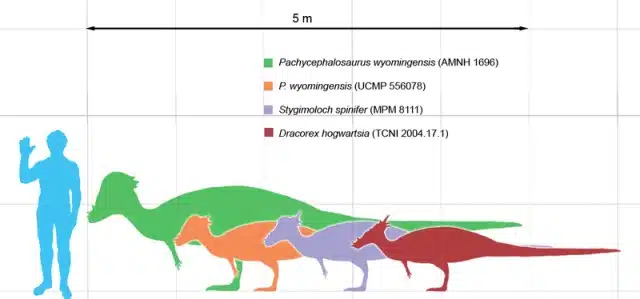
- Length: Approximately 10-12 feet (3 to 4 meters)
- Height: Roughly 5 feet (1.5 meters) at the shoulders
- Weight:
- Estimated to be around 500 to 1,000 pounds (225 to 450 kg), similar in weight to a modern-day rhinoceros.
This smaller size may have offered Stygimoloch numerous advantages in its environment. For example, its modest dimensions would allow it to navigate through the dense vegetation of its habitat more easily than larger dinosaurs. In a world where food availability and evasion from predators were constant concerns, such adaptability could be the key to survival.
Moreover, this relatively compact size likely influenced its feeding strategies. While larger herbivores may have fed on high vegetation, Stygimoloch could forage in lower shrubs and grasses, ensuring it had consistent access to food resources.
Interestingly, the physical characteristics of Stygimoloch lead scientists to ponder its social behavior. Did smaller individuals form close-knit groups for protection against larger predators? Were there social hierarchies based on cranial adornments? The questions regarding its lifestyle never end.
In summary, the skull structure and size of Stygimoloch contribute significantly to our understanding of this unique dinosaur. The distinct cranial features invite further exploration into its potential social and behavioral patterns, while its size allows us to picture its role within Cretaceous ecosystems. As we continue to unravel the mysteries surrounding Stygimoloch, it is evident that its physical characteristics are vital keys to understanding this enigmatic creature.
Next up, we’ll delve into the behavior and diet of Stygimoloch, which will undoubtedly provide even more insights into its ancient world.

Behavior and Diet
Feeding Habits
As we unfold the lifestyle of Stygimoloch, its feeding habits stand out as a crucial aspect of its behavior. Being a herbivorous dinosaur, Stygimoloch’s diet primarily consisted of a variety of plant materials, and understanding how it foraged can illuminate its daily activities and interactions within its ecosystem.
Imagine walking through the lush Cretaceous landscape filled with vibrant ferns, cycads, and small shrubs. Stygimoloch would likely be seen grazing on these low-lying plants, using its specialized teeth to strip leaves and twigs with precision.
- Key feeding traits of Stygimoloch:
- Dental Adaptations: Its teeth were flat and suited for grinding, allowing it to efficiently process tough plant material. This adaptation is common among herbivorous dinosaurs.
- Foraging Behavior: Stygimoloch would have spent a considerable amount of time foraging close to the ground, searching for nutrient-rich foliage.
- Selective Grazing: Evidence suggests that Stygimoloch may have been a selective feeder, opting for more nutritious plants over less desirable ones, which could have included flowering plants and leafy greens.
Stygimoloch’s feeding habits would have allowed it to thrive in its environment. Picture a herd of Stygimoloch gradually moving through a secluded area, necks stretched towards the best plants, their unique skulls craning as they searched for flavorsome morsels. This selective feeding not only ensured their survival but also played a role in maintaining the ecological balance of their habitats by influencing plant growth patterns.
Interaction with Other Species
Delving into the social aspects of Stygimoloch, we discover intriguing possibilities regarding its interactions with both its own species and others in the diverse Cretaceous ecosystem. Understanding these interactions helps to paint a broader picture of its ecological role and survival strategies.
- Intraspecific Interactions:
- Herd Behavior: Stygimoloch likely lived in small groups or herds. Living in numbers would provide security against predators and facilitate social dynamics.
- Ritualized Displays: The prominent skull features, including the horns and spikes, might have been used in social displays among herd members, especially during mating seasons or to establish dominance hierarchies.
Imagine a scene where male Stygimolochs face off, their heads lowered, horns poised for a clash. The display would not only establish dominance but also signal vigor and health to potential mates. Such interactions could create a vibrant social structure worthy of thorough investigation.
- Interspecific Interactions:
- Predator-Prey Dynamics: Stygimoloch shared its environment with various carnivorous dinosaurs. When faced with threats from predators like Tyrannosaurus rex, Stygimoloch would have relied on its quick reflexes and sheer numbers to evade capture.
- Coexistence with Other Herbivores: In addition to predators, Stygimoloch undoubtedly interacted with other herbivorous dinosaurs, such as Triceratops and hadrosaurs. Each species would have had its preferred foraging areas, minimizing competition and allowing for a diverse range of plant life to flourish.
The interactions that Stygimoloch maintained within its ecosystem illustrate a dynamic community. Picture the lush environment bustling with various dinosaurs, each playing their respective roles, like a grand stage where the performances of life and survival continuously unfold.
In exploring the feeding habits and interactions of Stygimoloch, we can glimpse the complex web of life in the Late Cretaceous period. Knowing how Stygimoloch coexisted with its surroundings provides invaluable insights into its adaptations and strategies for thriving in a world dominated by challenges and competition.
Next, we will delve deeper into the habitat and environment of Stygimoloch, uncovering the specific ecosystems that shaped its existence and enriching our understanding of this captivating dinosaur.
Habitat and Environment
Paleoecology of Stygimoloch
To fully understand Stygimoloch, it’s essential to explore the paleoecology of its environment. This dinosaur thrived during the Late Cretaceous period, an era rich in biodiversity and characterized by unique geological and climatic conditions.
Imagine strolling through the vibrant landscape that Stygimoloch called home, teeming with life. The Hell Creek Formation, where Stygimoloch fossils have been predominantly found, paints a picture of a lush ecosystem filled with a variety of plant and animal species.
- Key ecological features:
- Flora: The area was dominated by diverse plant life, including ferns, cycads, conifers, and flowering plants. This variety provided ample food sources for herbivorous dinosaurs like Stygimoloch.
- Climate: The Late Cretaceous climate leaned towards warm temperatures with seasonal rainfalls, fostering a hospitable environment for plants and animals alike.
- Coexisting Species: The Hell Creek ecosystem was home to a plethora of other dinosaurs, such as the mighty Tyrannosaurus rex and various hadrosaurs, as well as numerous smaller reptiles and mammals.
The dynamic interactions within this ecosystem influenced Stygimoloch’s behavior and adaptations. For instance, its unique skull structure evolved not only for protection and display but also in response to the competitive pressures exerted by other herbivores in the same region.
It’s fascinating to think about Stygimoloch as a part of this interconnected system, where every species had its role, and they all contributed to the ecological balance. Can you envision the bustling activity of herbivores grazing, carnivores stalking prey, and the lush greenery providing a backdrop to this ancient drama? Such a vibrant setting would have been the stage for countless interactions.
Living Conditions
Living conditions for Stygimoloch were shaped vastly by its habitat and ecology, influencing its behaviors and survival strategies.
- Shelter and Nesting: Stygimoloch likely sought out sheltered areas within dense vegetation to protect itself from predators. Nests might have been built in secluded clearings, allowing mothers a safe space to lay eggs and rear their young. Just picture a mother Stygimoloch meticulously crafting a nest surrounded by the ferns and flowering plants that provided both cover and food.
- Mobility and Range: As a relatively small dinosaur, Stygimoloch would have roamed large areas in search of food. Its ability to traverse various terrains within the Hell Creek Formation would have allowed it to adapt to seasonal changes and availability of resources. The foraging behavior of these dinosaurs reminds one of the strategies of modern-day herbivores, which move to find better pastures over time.
- Social Structures: Living conditions would have also included interactions with others of its species. Imagine groups of Stygimoloch gathering together at watering holes, locked in social behaviors such as grooming or engaging in playful antics before they spread out to forage. These social dynamics not only provided support but also enhanced defense against predators.
Moreover, water sources would have played a vital role in their living conditions. The availability of drinking water in the environment would be crucial for hydration and the overall health of Stygimoloch. Picture herds of these dinosaurs approaching freshwater streams, their heads lowered for a much-needed drink after a day of grazing.
By piecing together the elements of habitat, paleoecology, and living conditions, we gain a more comprehensive perspective on Stygimoloch’s world. Understanding how this dinosaur adapted and thrived amid its challenges provides a clearer view of its existence and the intricate relationships between species at that time.
In our next exploration, we’ll turn to the paleontological significance of Stygimoloch, highlighting its impact on prehistoric ecosystems and contributions to our scientific knowledge of the past. Prepare to dive into why this dinosaur continues to be a valuable topic of study for paleontologists today.
Paleontological Significance
Importance in Prehistoric Ecosystems
Now that we’ve painted a vivid picture of Stygimoloch’s habitat and lifestyle, it’s time to turn our attention to its paleontological significance within its prehistoric ecosystem. This dinosaur wasn’t simply a wanderer of the Late Cretaceous; it played a pivotal role in maintaining the balance of life in its environment.
Stygimoloch was an herbivore, and like many plant-eating dinosaurs, its feeding habits contributed significantly to the ecological dynamics of its time. Grazing on the flora of the Hell Creek Formation, it would have influenced plant growth patterns and distribution.
- Key ecological roles of Stygimoloch:
- Herbivory: By consuming a variety of plants, Stygimoloch helped regulate vegetation growth, which not only promoted plant diversity but also ensured that the ecosystem could sustain other herbivores and predators.
- Seed Dispersal: As with many modern herbivores, Stygimoloch might have facilitated seed dispersal through its diet, further enriching the ecosystem by aiding in the reproduction of various plant species.
- Prey Availability: As a mid-sized herbivore, Stygimoloch served as a food source for larger carnivores like Tyrannosaurus rex, contributing to the food web that supported multiple species.
Reflecting on how interdependent species are—could you imagine an ancient landscape alive with the sounds of grazing and the presence of predators lurking just out of sight? The role of Stygimoloch in this rich tapestry highlights the complexity of prehistoric ecosystems, where every species, no matter its size, contributed to the survival of others.
Contributions to Scientific Research
The importance of Stygimoloch extends beyond its role in prehistoric ecosystems; it has made significant contributions to scientific research and our understanding of dinosaur evolution.
- Evolutionary Insights: Stygimoloch’s unique physical features, particularly its skull structure, have led scientists to re-evaluate the relationships between ceratopsians. This has helped clarify the evolutionary tree of dinosaurs and the adaptations that emerged in response to ecological pressures.
- Juvenile vs. Adult Classification: The initial confusion surrounding Stygimoloch’s classification—whether it was a juvenile Pachycephalosaurus or a distinct species—stimulated important discussions about ontogeny in dinosaurs. Understanding this differentiation has implications for how we classify similar species and assess their developmental biology.
- Research and Discoveries: Ongoing research involving more fossil findings continues to shed light on Stygimoloch and its relatives. Paleontologists are using advanced imaging techniques and analytical methods to study fossilized remains, revealing insights into the lifestyle and environment of these remarkable animals.
For example, researchers have employed CT scans to analyze skull structures without damaging the fossils. This non-destructive technique has opened new avenues for understanding the nuances of how Stygimoloch might have lived, roamed, and interacted with its kin.
Moreover, Stygimoloch has become a significant focal point in educational programs, outreach initiatives, and museum exhibits. Its striking appearance and the controversies surrounding its classification make it a relatable window into the world of dinosaurs for budding paleontologists and the general public alike.
Reflecting on its contributions, one realizes how essential Stygimoloch is to our narrative of prehistoric life. It serves not only as a fascinating subject of study but as a testament to the intricate web of relationships in ancient ecosystems.
In our next section, we will discuss the extinction of Stygimoloch, examining the theories and factors that might have contributed to its disappearance from the Earth’s stage. Join us as we explore this turning point in the narrative of this captivating dinosaur.

Extinction
Theories on Extinction
Continuing from the exploration of Stygimoloch’s paleontological significance, we now turn our attention to a crucial chapter in its history: extinction. The disappearance of Stygimoloch, like many other dinosaurs, raises several intriguing theories about the causes and mechanisms that led to its eventual decline.
One cannot help but ponder what might have happened to these magnificent creatures. The late Cretaceous period was marked by dramatic changes, both environmental and biological, which likely played a role in their extinction. Among the most widely discussed theories are:
- Asteroid Impact Theory: One of the most prominent theories posits that a massive asteroid impact struck the Earth around 66 million years ago, leading to catastrophic environmental changes. This event, often associated with the Chicxulub crater in modern-day Mexico, would have unleashed unimaginable destruction, causing wildfires, tsunamis, and a “nuclear winter” effect, drastically altering climates and food availability.
- Volcanic Activity: Another significant contributor to extinction theories involves intense volcanic activity, particularly the Deccan Traps in India. The eruptions produced vast quantities of volcanic ash and gases, releasing sulfur dioxide and carbon dioxide into the atmosphere. This would have led to acid rain, cooling temperatures, and significant shifts in plant life, further stressing herbivores like Stygimoloch.
- Combined Effects: Many paleontologists suggest that it was not a single event that led to extinction, but rather a combination of factors. The impact of an asteroid may have triggered massive volcanic eruptions, while both events contributed to the destruction of habitats and food sources. Imagine Stygimoloch struggling to find the lush greenery it depended on as its world slowly changed for the worse, competing with predators in an ever-shrinking environment.
Reflecting on these theories can conjure images of a world in turmoil, where familiar landscapes morphed into hostile territory, pushing species to their limits.
Impact of Climate Change on Stygimoloch
In addition to the theories surrounding the catastrophic events that contributed to extinction, climate change itself also played a significant role in shaping the fate of Stygimoloch and its contemporaries.
- Climate Shift: As the Earth’s climate fluctuated during the late Cretaceous, it may have altered habitats and food sources. The warm and humid conditions that supported rich plant life could have given way to cooler temperatures and more arid landscapes.
- Plant Diversity: Changes in climate would also affect plant diversity. As certain species thrived or diminished in varying conditions, Stygimoloch would have found its feeding options significantly affected. A decrease in the variety of available plants could have led to competition for food resources among herbivores, stressing populations of Stygimoloch.
- Behavioral Impacts: The changing climate might have necessitated shifts in behavior as Stygimoloch adapted to find adequate forage or shelter. Such adaptations can take significant time or may not occur fast enough to counteract rapid changes in the environment or available resources.
Reflecting on climate change’s impact evokes a sense of urgency in understanding how species adapt to environmental pressures. Can you envision bands of Stygimoloch roaming the land, searching for sufficient food in transforming habitats, while the shadows of predators grow ever larger?
Ultimately, the extinction of Stygimoloch draws upon the interconnected web of environmental changes and biological responses that shaped its fate. Although it is often seen as the closing chapter in the story of these dinosaurs, it remains a vital aspect of research today. By studying past extinctions, we gain insights into how species, including our own, can respond to ongoing environmental challenges.
As we reflect on the life and extinction of Stygimoloch, the legacy it leaves behind prompts us to consider the broader implications for biodiversity and survival. Our journey continues, and in the next section, we will explore the cultural impact Stygimoloch has had on society, examining how this remarkable dinosaur continues to resonate in popular culture and media today.
:max_bytes(150000):strip_icc()/GettyImages-72476921-5c816b5846e0fb00015f8f09.jpg)
Cultural Impact
Representation in Media
As we shift from the extinction of Stygimoloch, we find it fascinating how this dinosaur has carved out a significant niche in our cultural landscape. Stygimoloch’s striking features and enigmatic nature make it a compelling subject, capturing the imagination of many, both in scientific circles and broader media representations.
Stygimoloch has appeared in various forms of media, from documentaries to books, adding layers to our understanding of this ancient creature while also sparking interests among audiences.
- Film and Television: While Stygimoloch itself might not be the main star in blockbuster films, it has made notable appearances in documentaries. “Walking with Dinosaurs,” for instance, showcases Stygimoloch in its prehistoric habitat, allowing viewers to visualize the dinosaur’s behavior and interactions. Such portrayals offer audiences insight into the dynamic world of dinosaurs, emphasizing their complexity and the habitats they inhabited.
- Books and Educational Materials: Numerous publications aimed at children and adults alike feature Stygimoloch, introducing it as a fascinating creature among its ceratopsian relatives. These books often highlight its physical characteristics, diet, and role within its ecosystem, inspiring curiosity and encouraging a love for paleontology. For instance, children’s books that illustrate the life of dinosaurs often include Stygimoloch as a colorful, engaging character, capitalizing on its unique appearance to capture the interest of young readers.
In reflecting on media representation, one can appreciate the role of Stygimoloch in educating the public about prehistoric life. These portrayals introduce a sense of wonder about the distant past while emphasizing the importance of scientific inquiry. Picture a child engrossed in a dinosaur book, eyes wide with fascination, dreaming of becoming a paleontologist one day.
Influence in Popular Culture
Beyond traditional media, Stygimoloch has influenced popular culture, making its way into various aspects of everyday life. As society increasingly embraces dinosaurs, they have become iconic symbols, but Stygimoloch has carved out a unique identity among these ancient behemoths.
- Merchandising: Stygimoloch appears in toys, figurines, and collectibles, captivating the imaginations of young children and adult dinosaur enthusiasts alike. Retailers often offer various dinosaur toys and kits that include Stygimoloch, showcasing its distinctive skull and vibrant coloration. Imagine building a model kit of Stygimoloch or playing with a figurine, creating narratives of adventures in a prehistoric world.
- Video Games: In the realm of video games, dinosaurs have become central to gameplay experiences. Stygimoloch, due to its intriguing characteristics, sometimes surfaces in dinosaur simulation games or action-adventure titles. For example, games like “Jurassic World Evolution” allow players to manage dinosaur parks, bringing characters like Stygimoloch to life in virtual environments. Engaging with dinosaurs in gaming helps solidify their appeal, bridging the gap between education and entertainment.
- Social Media and Art: Artists and creators frequently draw inspiration from dinosaurs, including Stygimoloch, leading to a plethora of art, memes, and fan fiction. These platforms enable fans to share their interpretations, creating a community of enthusiasts devoted to exploring the lives and attributes of these creatures. Picture scrolling through Instagram and discovering an artist’s beautifully crafted representation of Stygimoloch, capturing its fierce yet whimsical essence.
In essence, Stygimoloch represents more than just a dinosaur; it embodies a connection to our curiosity about the past, our quest for knowledge, and our desire to narrate stories that promote wonder and exploration. Its cultural impact continues to resonate across generations, reminding us that the world of dinosaurs is still a vibrant part of our collective imagination.
As we conclude our discussion on Stygimoloch’s cultural impact, we move toward the final reflections on the key points we’ve explored throughout this journey. The legacy of Stygimoloch not only enriches scientific discourse but also fosters a passion for learning about the natural world, captivating minds young and old alike. Let’s wrap up with a thoughtful conclusion that summarizes the significance of this remarkable dinosaur and its ongoing allure in our culture.

Conclusion
Summary of Key Points
As we wrap up our exploration of Stygimoloch, it’s worth reflecting on the journey we’ve taken through various facets of this intriguing dinosaur. From its striking physical characteristics to its rich role in prehistoric ecosystems and its ongoing cultural impact, Stygimoloch continues to pique our curiosity.
- Physical Characteristics: Stygimoloch is best known for its extraordinary skull structure, featuring a thick dome and a fascinating array of horns and spikes. These features not only made it a standout member of the ceratopsian family but also offered insights into its social behavior and potential uses in mating displays or defense against predators.
- Behavior and Diet: As a herbivore, Stygimoloch adapted its feeding habits to navigate the vegetation-rich environments of the Late Cretaceous. Understanding its foraging behaviors sheds light on its interactions with both plant life and other species, contributing to its ecological niche in the Cretaceous food web.
- Habitat and Environment: Stygimoloch thrived in the diverse ecosystems of the Hell Creek Formation, where lush flora provided sustenance. Its living conditions were shaped by environmental factors, influencing everything from social structures to coping mechanisms in response to changing climates.
- Paleontological Significance: Stygimoloch’s role in ancient ecosystems, its contribution to scientific research, and its evolutionary implications for ceratopsians emphasize its importance in understanding the broader narrative of dinosaur history. The discussions surrounding its classification and adaptations continue to enrich the study of paleontology.
- Cultural Impact: Represented in various forms of media and popular culture, Stygimoloch has become an iconic figure within the dinosaur community. From toys and video games to captivating illustrations, its presence demonstrates the enduring allure of dinosaurs in human imagination.
As we ponder these points, it becomes clear that Stygimoloch is not merely a relic of the past but a vibrant symbol of our fascination with prehistoric life.
Future Research Perspectives
Looking into the future, the potential for research on Stygimoloch—and dinosaurs in general—remains vast and exciting. Each new fossil discovery holds the possibility of reshaping our understanding of this dinosaur and refining our knowledge about the Late Cretaceous world.
- Advancements in Technology: Emerging technologies, such as CT scanning and 3D modeling, will allow paleontologists to analyze fossilized specimens with unprecedented detail. This could lead to new insights into Stygimoloch’s physiology, developmental biology, and cranial functionalities.
- New Fossil Discoveries: As paleontologists expand their search for fossils across the globe, discovering new specimens of Stygimoloch or related species could redefine its classification and familial relationships within ceratopsians. Each new find can add to our understanding of evolutionary changes and diversity.
- Interdisciplinary Studies: The integration of fields such as geology, climatology, and ecology will provide deeper insights into the environmental factors that influenced dinosaur behavior and survival. This approach can yield comprehensive data regarding how climate change impacted ecosystems during the Cretaceous and shaped species interactions.
- Public Engagement and Education: Continued efforts to educate the public, especially younger generations, about paleontology and the significance of dinosaurs like Stygimoloch are essential. Engaging exhibits, educational programs, and social media campaigns will inspire curiosity and encourage new discoveries.
In conclusion, Stygimoloch serves as a powerful reminder of the dynamic interplay between evolution, environment, and our understanding of life on Earth. Fascination with this dinosaur will undoubtedly continue as research unfolds and our knowledge expands. As we venture into the future, Stygimoloch not only enriches our scientific narrative but also nurtures our shared wonder for the natural world, connecting us across time and inviting us to explore the mysteries bound within its ancient history.
Thank you for joining this journey through the life and significance of Stygimoloch; may it inspire further exploration into the vibrant realms of paleontology and the wonders of the past!
Stygimoloch: The Complete Guide to the Spiky-Headed Dinosaur | Comprehensive Analysis
Discover everything about Stygimoloch, from its distinctive spiky skull to the scientific controversy surrounding this Late Cretaceous pachycephalosaur. Explore habitat, behavior, and legacy.
- Pachycephalosaurus to explore the taxonomic controversy further
- Cretaceous-Paleogene extinction event for more context on dinosaur extinction
- Hell Creek Formation to provide geological context