

Discovery of Saltasaurus
Unearthing the First Fossils
The discovery of Saltasaurus, an intriguing member of the sauropod family, is often considered a watershed moment in paleontology. This remarkable dinosaur was unearthed in Argentina during the late 20th century, specifically in the mid-1980s. Paleontologists in the region were scouring the vast and rich deposits located in the Salta Province, an area known for its unique geological features and incredible fossil diversity. In the midst of their excavations, researchers stumbled upon fossilized remains that would soon unveil a new chapter in the study of dinosaurs. As the initial discoveries were made, the excitement within the scientific community grew. Imagine being one of those paleontologists, brushing away the dust and debris only to uncover the skeletal remains of a creature that lived around 80 million years ago! The adrenaline rush encapsulating that moment is one that many researchers dream about. The first fossils of Saltasaurus included numerous vertebrae and limb bones, revealing insights into its size and morphology. These fossils were distinct not only for their structure but also because they indicated features previously unseen in other sauropod species. The fossils showcased a smaller, more compact body compared to its colossal contemporaries. This revelation shifted the understanding of sauropod diversity and adaptation during the Late Cretaceous period. Furthermore, the paleoenvironment in which these fossils were found provided vital clues about the conditions Saltasaurus thrived in. Layers of rock containing these fossils suggested that the region comprised an array of different ecosystems rich with flora and fauna, ideal for a large herbivore. This contributes an essential layer of understanding regarding the evolution of these magnificent creatures.
Significance of the Find
The unearthing of Saltasaurus was groundbreaking for several reasons. First and foremost, it was the first known sauropod to possess evidence of armoring. This unique feature captured the interest of both paleontologists and the public alike. The discovery prompted researchers to rethink how they viewed sauropod defense mechanisms. It opened the door to new discussions about the roles of physical adaptations in dinosaurs' survival strategies. Moreover, the significance of Saltasaurus extends beyond its physical characteristics. It provided pivotal evidence reinforcing the theory that dinosaurs were more diverse and adaptable than previously believed. This realization had profound implications for how scientists viewed dinosaur ecology and evolution, prompting further research into similar species and environments. Here’s a brief rundown of the key implications of Saltasaurus’s discovery:
- Revolutionized Perspectives on Sauropods: The armored nature offered new insights into survival behaviors among sauropods.
- Informative Paleoecology: Understanding the demographic and ecological dynamics of Late Cretaceous Argentina expanded the comprehension of prehistoric life.
- Stimulated Interest in South American Paleontology: As paleontologists explored this new find, it encouraged further exploration in South America, a treasure trove of fossilized history.
- Public Fascination: The unique characteristics of Saltasaurus piqued the curiosity of the general populace, leading to renewed interest in dinosaurs and their various adaptations.
In conclusion, the discovery of Saltasaurus is a vivid reminder of the untold stories concealed within our planet's geological layers. It acts as a window into a time when dinosaurs roamed free, each uniquely adapted to their environment. Through the unearthed fossils, we gain a richer understanding of their lives, habitats, and perhaps even a glimpse into their thoughts on survival in a world dramatically different from our own. The impacts of this find are still contributing to the fascination and understanding of prehistoric life today.

Characteristics of Saltasaurus
Physical Description
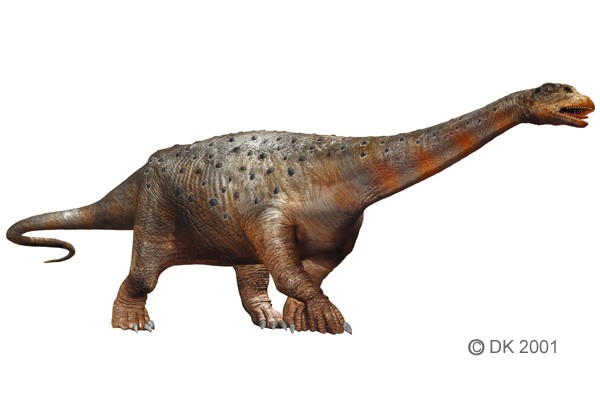
Moving forward from the excitement of discovering Saltasaurus, it is only fitting to explore the remarkable characteristics that set this dinosaur apart from its contemporaries. Saltasaurus, belonging to the sauropod family, featured an intriguing combination of traits that distinguished it in the Late Cretaceous period. First and foremost, Saltasaurus measured approximately 13 to 15 meters (around 43 to 49 feet) in length. While many sauropods are renowned for their gargantuan size, Saltasaurus was somewhat more compact, reflecting an adaptation that perhaps aided in mobility on diverse terrains. What’s more captivating, however, is the structure of its body, which resembled that of a barrel in shape. This rounded silhouette might have played a crucial role in its interactions with its ecosystem. Some interesting aspects of Saltasaurus's physical description include:
- Long Neck: Like most sauropods, Saltasaurus sported a long neck, allowing it to reach high foliage and browse on vegetation that other herbivores may have struggled to access.
- Stocky Limbs: Strong, pillar-like legs provided a solid foundation for its massive body, while also indicating a potential for impressive speed for its size, a rarity among giants.
- Tail: Saltasaurus possessed a long, robust tail which may have acted as a balance tool, helping it navigate through dense forests or mountainous areas.
- Large Head: Its noticeably large head was positioned on a long neck, giving an image of grace and majesty, despite its heavy body.
While these physical traits highlight a dinosaur adapted to a life of herbivory, they also set the stage for an even more compelling aspect of Saltasaurus – its armor.
Armor Adaptations
One of the most fascinating features of Saltasaurus is its unique armor adaptations. Unlike many of its sauropod cousins who primarily relied on sheer size as a defensive strategy, Saltasaurus emerged with distinctive bony plates embedded in its skin, akin to those found in ankylosaurs, a group of armored dinosaurs. Imagine walking through a prehistoric landscape, and you spot a Saltasaurus grazing alongside a larger sauropod. Now, picture the bony nodules adorning its back and sides. These formations served as an effective defense mechanism against potential predators. Here’s a closer look at its armor adaptations:
- Ostracoderm-Like Scutes: The presence of these bony scutes provided a shield-like covering that could deter attacks from predators, effectively allowing Saltasaurus to thrive in a world filled with danger.
- Sturdy Build: The combination of its stout limbs and armored body illustrates a possible evolutionary strategy focused on both mobility and protection.
- Social Structure Implications: The presence of armor could hint at social behaviors, as well. A herd of Saltasaurus, with their protective armor, might have worked together to fend off larger carnivores, much like many modern herbivorous animals.
This evolutionary development represents a fascinating confluence of adaptation strategies. It suggests that Saltasaurus was not just a passive participant in its ecosystem but an active player, employing both size and protection to navigate the challenges of its environment. The combination of physical attributes and armor provides an exciting glimpse into the life of Saltasaurus, raising questions about its interactions with other species and environmental challenges. Did these adaptations make it more competitive for food? How did it fare against predators like Giganotosaurus? In summary, the physical characteristics and intriguing armor adaptations of Saltasaurus reveal much about its life in the ancient world. It serves as a testament to the diverse survival strategies that evolved alongside dinosaurs, underscoring the complexity of prehistoric life. As we continue our exploration of Saltasaurus, these physical traits and adaptive strategies pave the way for understanding its habitat and feeding behavior in the chapters to come.
Habitat and Environment
Paleoenvironment of Ancient Argentina
As we delve further into the life of Saltasaurus, it’s essential to understand the paleoenvironment of ancient Argentina in which it thrived. During the Late Cretaceous period, approximately 80 million years ago, the region that is now Argentina was strikingly different. Picture a lush, green landscape filled with towering trees, flowing rivers, and other diverse plant life, all under a warm, inviting climate. The geological formations across this region, particularly in the Salta Province, reveal a tapestry of ecosystems supporting a wide range of flora and fauna. There are several key characteristics that defined the paleoenvironment during Saltasaurus’s reign:
- Rich Flora: The area was abundant with conifers, ferns, and flowering plants, creating a veritable smorgasbord of greenery. This diverse plant life was crucial in supporting large herbivores such as Saltasaurus.
- Fertile Floodplains: Ancient river systems coursed through the region, offering fertile lands rich in nutrients. These riverbanks likely provided excellent foraging grounds not only for Saltasaurus but for other plant-eating dinosaurs as well.
- Climate: The climate during this period was mostly warm and wet, providing optimal growing conditions for vegetation. This humid environment would have played a significant role in shaping the fauna that lived there.
Exploring the ancient world of Argentina helps paint a vivid picture for the curious mind. One can only imagine walking among towering ferns and stopping by a riverbank, where a group of Saltasaurus might be foraging for food. Distinct sounds of a prehistoric ecosystem teeming with life would have filled the air, lending an atmosphere of both serenity and vitality.
Saltasaurus' Preferred Habitat
With such a rich and diverse landscape available, one might wonder where exactly Saltasaurus preferred to roam. This dinosaur flourished in diverse habitats, but certain features of its surroundings would have made particular areas especially appealing. Saltasaurus is believed to have favored open woodlands and shrublands for several reasons:
- Access to Food: The ample foliage provided by trees and shrubs would have been an ideal food source for Saltasaurus’s herbivorous diet. Its long neck allowed it to reach high branches, making it well-suited for feeding on the leaves and ferns that grew in abundance.
- Water Sources: Proximity to ancient rivers or lakes would have been essential for hydration. The lush environments near these water bodies likely attracted various herbivores, creating a biodiversity hotspot where Saltasaurus could thrive alongside other dinosaur species.
- Mobility and Safety: Open woodlands allowed for easier movement compared to denser jungles. Navigating through these areas would have offered Saltasaurus the ability to quickly escape from predators while searching for food.
- Social Dynamics: A herd mentality could have formed in such habitats, allowing young Saltasaurus to benefit from social interactions. Grazing alongside companions and sharing the foraging load would have been advantageous, especially in ensuring the survival of juveniles.
From the perspective of a Saltasaurus, these choices were not mere preferences—they represented vital decisions that shaped their livelihood and survival. Just image a young Saltasaurus joining its herd along a riverbank, surrounded by the sounds of nature, from rustling leaves to distant calls of other prehistoric creatures. This depiction of Saltasaurus’s preferred habitats underscores not only its adaptability but also its role within the broader ecological system. All of these factors combined to shape the lifestyle of Saltasaurus, providing the perfect setting for this armored herbivore to flourish. As we piece together the story of the ancient ecosystems of Argentina, it becomes evident that Saltasaurus was not just a solitary creature but part of a complex web of interactions among various species. These connections are essential to understanding the dynamic and multifaceted nature of prehistoric life, setting the stage for further exploration into their feeding behavior and relationships with predators.

Feeding Behavior and Diet
Herbivorous Nature
Continuing our exploration of Saltasaurus, it becomes increasingly fascinating to delve into its feeding behavior and diet. As a herbivore, Saltasaurus had a specialized dietary regime that allowed it to thrive in the abundant ecosystems of Late Cretaceous Argentina. Imagine a creature as large as a Saltasaurus, gracefully foraging for lush greenery among the ancient trees—what a sight that must have been! Saltasaurus was predominantly herbivorous, feasting on a variety of plants, including:
- Foliage: With its long neck and large head, Saltasaurus could reach high into the trees for tender leaves and nutritious shoots that were out of reach for many other herbivores.
- Low-lying Plants: This dinosaur also likely foraged on ferns and shrubs, showcasing its adaptability to different levels of vegetation. The ability to mix its diet allowed it to maximize its foraging efficiency.
- Seasonal Variability: Depending on seasonal changes, Saltasaurus might have altered its diet to take advantage of the most available and nutritious flora, further enhancing its survival.
In this way, Saltasaurus epitomized the adaptability of herbivorous dinosaurs, capitalizing on various plant sources to satisfy its dietary needs. The herbivorous lifestyle also suggests potential social structures; single individuals may not have discovered enough food resources alone, encouraging group living and foraging. Can you imagine a herd of Saltasaurus gracefully meandering through the verdant underbrush, each dinosaur aware of its companions as they diligently searched for their next meal?
Possible Feeding Strategies
When it comes to feeding strategies, Saltasaurus likely optimized its foraging efficiency through several interesting behaviors, which illustrate its adaptability to the environment. Consider how modern herbivores, like elephants or giraffes, have developed unique strategies to mitigate competition and maximize their food intake. Now, let’s contemplate how Saltasaurus may have employed similar tactics:
- Grazing in Groups: By forming herds, groups of Saltasaurus could cover larger areas while feeding, thus minimizing competition between individuals. Herd dynamics play a crucial role, as members could guide each other toward untouched feeding grounds.
- Selective Feeding: Saltasaurus may have exhibited selective feeding behaviors, targeting specific plants that offered the most nutrients. This strategy would have enabled them to thrive even in an environment rich with diverse plant life.
- Use of Neck Flexibility: The long neck of Saltasaurus likely adapted to various feeding heights. It could use its flexibility to forage in higher trees while also feeding on lower plants, giving it an edge in resource acquisition.
- Changing Habitats Seasonally: Altering feeding grounds based on seasonal availability of vegetation is vital for any herbivore. Saltasaurus might have migrated within its region, following fertile floodplains or temporarily abandoned areas to maximize efficient foraging.
- Digging and Foraging for Roots: While primarily herbivorous, it’s reasonable to speculate that Saltasaurus might have trained itself to explore for underground plant roots or tubers during dry spells when foliage was scarce. This flexible approach would allow for adaptation during environmental stress.
A personal anecdote comes to mind: watching a group of elephants in a national park, meticulously stripping bark from trees, or watching them work cooperatively to uncover buried roots. One can only imagine similar interactions among Saltasaurus, echoing through ancient forests. In summary, Saltasaurus exemplifies the dietary adaptations that allowed it to flourish in expansive prehistoric landscapes. Its herbivorous nature, coupled with intelligent feeding strategies, underscores how this dinosaur continued to thrive despite the challenges of its ecosystem. As we navigate through the interplay of feeding and environment, it becomes clearer just how interconnected the lives of these ancient creatures were, setting the stage for future exploration into the defenses they employed and their interactions with predators. The saga of Saltasaurus is a vivid reminder of the intricate dance of survival that defined life in the age of dinosaurs!
Defenses and Predators
Armored Protection
As we progress in our exploration of Saltasaurus, it's crucial to examine how this remarkable dinosaur defended itself in a landscape teeming with potential threats. Given its formidable size and herbivorous diet, Saltasaurus had to employ various defensive mechanisms to ensure its survival against predators. One of the most fascinating aspects of this dinosaur was its unique armored protection. Imagine stepping into the shoes—or, rather, the scales—of a Saltasaurus. With its armor-like bony plates embedded in its skin, you would feel somewhat secure while roaming the lush ancient landscapes. These adaptations provided several advantages:
- Bony Scutes: Saltasaurus featured distinct bony plates, also known as scutes, that served as a protective barrier against predators. These scutes covered its back and sides, offering a layer of defense that deterred carnivorous attackers.
- Physical Bulk: Its large and stout body added not only to its formidable size but also to its ability to withstand forceful attacks. A Saltasaurus would have presented a daunting figure to any predator contemplating an attack.
- Low Center of Gravity: The low center of gravity, due to its robust limbs and body structure, would have contributed to its stability, making it difficult for predators to topple or overpower Saltasaurus during confrontations.
- Behavioral Adaptations: Beyond physical defenses, Saltasaurus may have utilized behavioral adaptations. When threatened, it could either flee the scene using strong limbs or stand its ground, demonstrating its protective armor to potential attackers.
Personal anecdotes about animal behavior often illustrate how even the most unassuming creatures can surprise us. For instance, I once witnessed a herd of water buffalo stand together in a defensive circle, showcasing their bulk. In a similar fashion, the armored look of Saltasaurus likely acted as both a physical barrier and an intimidation tactic against predators.
Interactions with Predators
Now, let’s explore the dynamic interactions between Saltasaurus and the predators of its time. Living in a world filled with large carnivorous dinosaurs, including formidable hunters like Giganotosaurus, Saltasaurus had to navigate a landscape rife with challenges. One might imagine Saltasaurus, grazing peacefully and occasionally lifting its long neck to survey its surroundings, while on the lookout for lurking dangers. Here are some aspects of its interactions with predators that shed light on its survival strategy:
- Grouping Behavior: Predation often drives herbivores to form groups for protection. Saltasaurus likely operated within herds, enabling individuals to alert one another to threats. This behavior would not only serve as a buffer against attacks but also increase the chances of survival for the young and weaker members of the group.
- Fleeing vs. Fighting: When faced with a predator, Saltasaurus faced a critical decision: to flee or to confront. Depending on the circumstances, it might choose to use its agility to escape into the dense underbrush, leveraging its stout limbs to navigate through foliage quickly. Alternatively, if cornered, it could stand its ground, using its armored body to ward off attackers.
- Mobbing Behavior: In a herd, when under threat, Saltasaurus might have engaged in a mobbing behavior, working together to intimidate or chase off a predator. This cooperative strategy reflects a sophisticated social behavior, enhancing its survival odds as a group.
- Optimal Foraging Distance: By understanding the presence of predators in their range, Saltasaurus would have adjusted its foraging distances from potential lurking threats. This adaptability illustrates how environmental awareness played a critical role in their life.
Understanding the nature of Saltasaurus’s encounters with predators paints a vivid picture of life during the Late Cretaceous period. It underscores the intricate balancing act between prey and predator that characterizes many ecosystems. Much like modern-day scenarios involving herbivores and their predators, these interactions reveal the resourcefulness and adaptability that define evolutionary survival. Ultimately, the armor and social behaviors of Saltasaurus illustrate the lengths to which this dinosaur adapted to exist among the myriad forces of nature. The interplay between defenses and predation sets the foundation for further inquiry into the reproductive strategies and life cycle of this extraordinary species. The story of Saltasaurus continues to evolve as we traverse the fascinating chapters of its existence!
Reproduction and Life Cycle
Reproductive Strategies
As we shift our focus to the reproductive strategies and life cycle of Saltasaurus, we find another layer of complexity in the fascinating story of this ancient dinosaur. Understanding how Saltasaurus reproduced offers insight into its survival and the continuation of its species in the harsh environments of the Late Cretaceous period. Imagine a lush woodland setting, rippling with sounds of life, when a herd of Saltasaurus engages in reproductive behaviors. Much like modern-day herbivores, these dinosaurs likely had specific seasonal windows for mating, taking advantage of favorable environmental conditions. Let’s dive deeper into some potential reproductive strategies:
- Seasonal Breeding: Saltasaurus may have exhibited seasonal mating, synchronizing reproduction with periods of abundant food and favorable weather. This timing would ensure that when hatchlings emerged, there would be plenty of resources to support their rapid growth.
- Courtship Displays: The courtship rituals could have involved visual displays or vocalizations. Imagine a male Saltasaurus standing tall, showcasing its size and strength, perhaps even engaging in a display of ritualistic behaviors to attract females.
- Nest Building: Evidence suggests that many theropods built nests for their eggs. While direct evidence of Saltasaurus nesting behavior is sparse, it’s reasonable to speculate that these dinosaurs may have laid their large eggs in communal nests, forming structures that provided protection from predators and environmental threats.
- Parental Investment: Just as many modern-day herbivores provide care for their young, it’s plausible that Saltasaurus exhibited some level of parental investment. This might have included guarding nests or remaining close to hatchlings during their early vulnerable stages.
Reflecting on the dynamics of animal reproduction today, I recall observing a group of flamingos engaging in vibrant courtship dances, showcasing their plumage in an elaborate performance. It’s easy to envision a similar sense of urgency and wonder among Saltasaurus as they sought to perpetuate their lineage amidst the challenges of their world.
Growth and Development
Once the eggs were laid and the hatchlings emerged, the life of a young Saltasaurus was just beginning. The stages of growth and development were critical in ensuring that these dinosaurs would thrive and eventually become the formidable giants of their time.
- Hatching: Saltasaurus eggs, likely large and spherical, would have provided a protective environment for the developing embryos within. When the hatchlings finally broke through their eggshells, they would have been relatively small and vulnerable, depending on their mothers and the herd for protection during their early days.
- Rapid Growth: Fossil evidence suggests that sauropods, including Saltasaurus, experienced rapid growth rates. As a young dinosaur, it could have grown several centimeters in mere weeks. Providing sufficient nutrition through a high-vegetation diet would have been essential for their healthy development.
- Social Learning: Growing up within a herd would have allowed young Saltasaurus to learn critical survival skills by observing adults. For instance, they would witness foraging techniques, social interactions, and predator evasion tactics, all essential for life in their dynamic environment.
- Sexual Maturity: Over the years, as they matured, Saltasaurus would eventually reach sexual maturity, allowing them to join in the reproductive cycle and contribute to the next generation. Estimates suggest that this could have occurred when the dinosaurs were around 10 to 15 years old.
Personal anecdotes about animal growth often highlight how vital early experiences are, particularly in social animals. Observing young elephants learn from their matriarchs about navigation or resource allocation emphasizes the importance of mentorship in ensuring a species' future. Saltasaurus likely shared a similar journey during its developmental stages. In conclusion, the reproductive strategies and growth patterns of Saltasaurus reveal the intricate processes that underlie the survival and continuation of this remarkable dinosaur. From seasonal breeding to rapid growth and social learning, each aspect highlights how this species adapted to its environment, showcasing resilience and resourcefulness. As we explore the life journey of Saltasaurus, it becomes evident that their legacy extends far beyond their time, offering insights into the interconnectedness of life in prehistoric ecosystems. The story of Saltasaurus continues to unfold, paving the way for a deeper understanding of its extinction and the vast impact it left on paleontological studies.
Extinction of Saltasaurus
Theories on Extinction
As we draw our exploration of Saltasaurus to a pivotal conclusion, we must consider what led to its extinction and the broader implications for prehistoric ecosystems. While the exact timeline and cause of Saltasaurus’s demise remain the subject of ongoing research, several intriguing theories have emerged that provide insight into the factors that influenced its disappearance. Imagine a lush world bustling with life, slowly shifting under the weight of environmental changes. Here are some theories regarding the extinction of Saltasaurus:
- Climate Change: Rapid changes in climate during the Late Cretaceous period could have significantly impacted the habitats and food sources available to Saltasaurus. As temperatures fluctuated, it’s likely that certain flora could have diminished, restricting the dietary options of these large herbivores and leading to starvation.
- Decreased Vegetation Diversity: Alongside climate changes, shifts in global flora may have reduced biodiversity in the habitat, limiting the variety of food sources that Saltasaurus depended on. A stable diet is crucial for large herbivores, and a decline in available plant life might have contributed to population stress.
- Meteor Impact: Much research has focused on the catastrophic meteorite impact that hit the Earth approximately 66 million years ago. While the overwhelming evidence links this event primarily to the extinction of the non-avian dinosaurs, it might have also influenced earlier extinctions. Such impacts could have triggered volcanic activity and huge fires, further disrupting ecosystems.
- Predatory Pressure: As other carnivorous dinosaurs evolved and adapted, the increased pressure from predators could have also played a role. A dynamic predator-prey relationship often alters the population dynamics. Saltasaurus could have faced challenges as predators evolved more efficient hunting strategies.
Reflecting on these theories reminds me of the delicately balanced ecosystems I’ve observed while hiking through forests. Just as an unexpected drought can jeopardize local wildlife, so too can shifts in environment dictate the survival of entire species.
Legacy and Impact
Despite its eventual extinction, the legacy of Saltasaurus looms large in the annals of paleontology. Not only does its fascinating anatomy and behavior provide critical insights into sauropod evolution, but it also prompts further questions regarding the overall dynamics of prehistoric life. Consider the following aspects of Saltasaurus’s legacy:
- Understanding Sauropod Diversity: The discovery of Saltasaurus contributes significantly to our understanding of the evolutionary adaptations that sauropods underwent. Its unique armored features opened up conversations and research on defense mechanisms among large dinosaurs, giving a new dimension to their ecological roles.
- Paleontological Motivation: The excitement generated by Saltasaurus’s discovery sparked greater interest in paleontological studies within South America. Argentina, previously overshadowed by fossil finds in North America, has since been recognized as a hotbed of dinosaur discoveries, paving the way for future research.
- Inspiration for Modern Conservation Efforts: Saltasaurus serves as a reminder of the fragility of ecosystems and how environmental changes can alter the composition of life on Earth. This knowledge translates into modern conservation efforts, urging us to be aware of how human activity can impact biodiversity today.
- Cultural Fascination: Saltasaurus has captured the imaginations of many, serving as a bridge between past and present. Its representation in media, literature, and educational programs helps to promote a sense of wonder about dinosaurs and the natural world.
In concluding this journey through the life and legacy of Saltasaurus, it is clear that this remarkable dinosaur was more than just a prehistoric creature. Its story offers significant insights into evolutionary processes, environmental adaptability, and the interconnectedness of life. The extinction of Saltasaurus, while marked by tragedy, is a compelling chapter in the larger narrative of natural history. Each find, each discovery, builds upon this foundational knowledge, fostering a deeper appreciation for the complexities of life on Earth. As we reflect on its legacy, we are reminded of the delicate balance that sustains our planet—a key takeaway as we navigate the future amid changing ecological landscapes. The legacy of Saltasaurus continues to thrive in both academic inquiry and the collective imagination, ensuring that this magnificent dinosaur will not be forgotten.