
Table of Contents
In Search of Chubutisaurus: Adventures in Paleontology’s Frontier
Introduction to Chubutisaurus
| Characteristic | Description |
|---|---|
| Type | Sauropod Dinosaur |
| Period | Early Cretaceous |
| Location | South America (Argentina) |
Discovery and Naming of Chubutisaurus
| Year | Event |
|---|---|
| 1965 | First fossils discovered |
| 1974 | Officially named Chubutisaurus insignis |
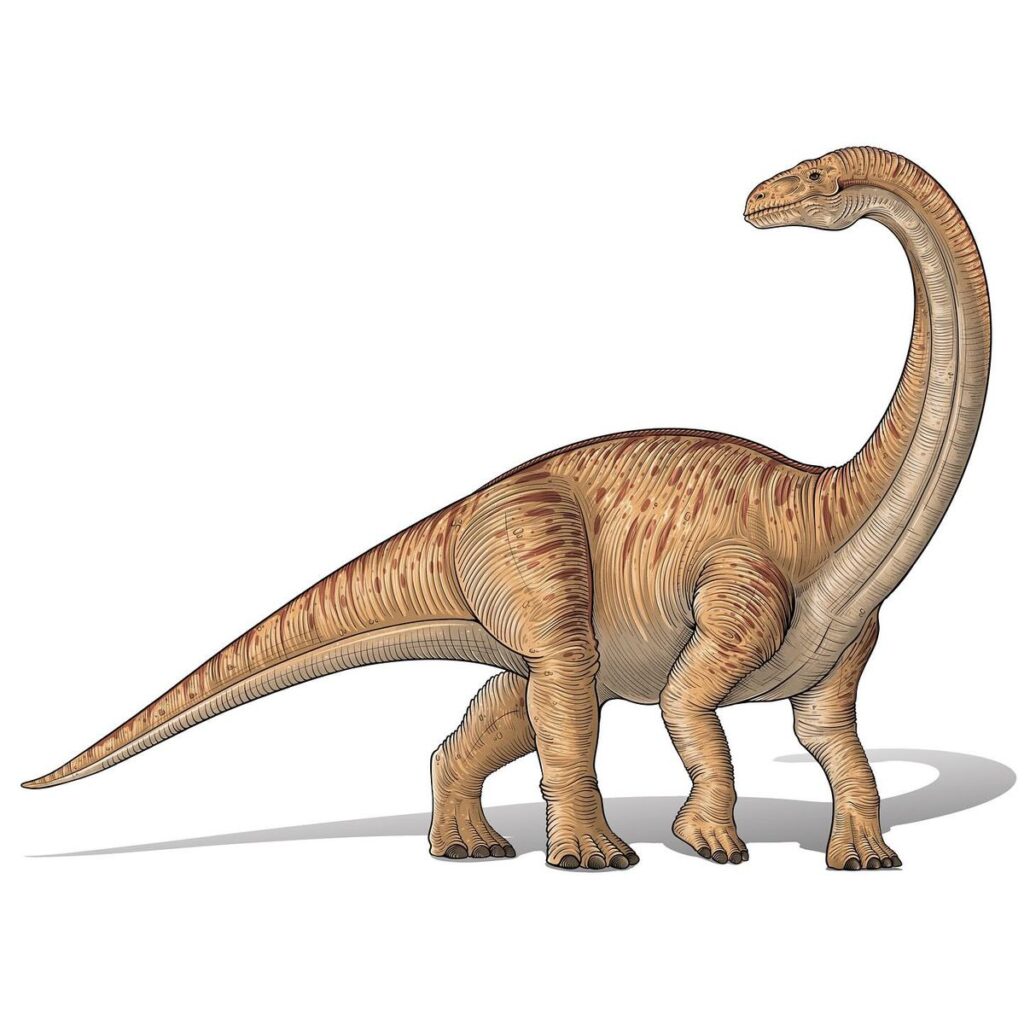
The Anatomy of a Giant: Chubutisaurus Features
| Feature | Description |
|---|---|
| Neck | Long and flexible |
| Body | Massive and barrel-shaped |
| Legs | Four, thick and strong |
Chubutisaurus in the Cretaceous Ecosystem
| Interaction | Organism |
|---|---|
| Prey | Conifers and other plants |
| Predator | Possibly large theropods |
The Significance of Chubutisaurus in Paleontology
| Significance | Description |
|---|---|
| Evolution | Provides insights into sauropod evolution |
| Biogeography | Helps understand dinosaur distribution |
Unveiling the Mysteries: Current Research on Chubutisaurus
| Research Area | Focus |
|---|---|
| Bone Histology | Growth rates and lifespan |
| Paleoecology | Interactions with environment |
FAQ – Frequently Asked Questions
What does the name Chubutisaurus mean?
Chubutisaurus is named after the Chubut Province in Argentina where its fossils were found. “Saurus” means lizard.
How big was Chubutisaurus?
Chubutisaurus is estimated to have been around 23 meters (75 feet) long.
What did Chubutisaurus eat?
As a sauropod, Chubutisaurus was a herbivore, feeding on plants.
References
Summary
Chubutisaurus, a massive sauropod from the Early Cretaceous of Argentina, offers valuable insights into the dinosaur world. Discovered in the Chubut Province, this giant herbivore provides clues about sauropod evolution, Cretaceous ecosystems, and the ancient world of Patagonia.
Tags
Chubutisaurus
Sauropod
Cretaceous Period
Paleontology
Argentina Dinosaurs