

Chubutisaurus: The Colossal Dinosaur from Patagonia
Paleontologists consider Chubutisaurus to be one of the most significant dinosaur discoveries from South America’s Cretaceous period, providing crucial insights into sauropod evolution and distribution across ancient Gondwana.
Discovery and Excavation of Chubutisaurus
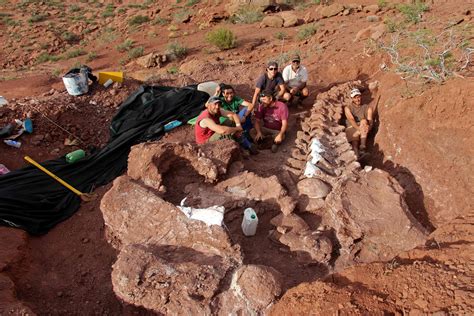
The remains of Chubutisaurus were first discovered in 1980 by a team led by Argentine paleontologist José Bonaparte in the Cerro Barcino Formation of Chubut Province, Patagonia, Argentina. This significant finding occurred during a series of expeditions focused on uncovering Cretaceous fauna from the region.
https://www.google.com/maps/search/?api=1&query=Cerro+Barcino+Formation+Chubut+Province+Argentina
| Discovery Aspects | Details |
|---|---|
| Year Discovered | 1980 |
| Lead Paleontologist | José Bonaparte |
| Formation | Cerro Barcino Formation |
| Geological Age | Early Cretaceous (Aptian-Albian) |
| Expedition Team | Museo Argentino de Ciencias Naturales |
| Specimen Completeness | Partial skeleton including vertebrae, limb bones, and pelvic elements |
| Excavation Duration | Multiple field seasons spanning 1980-1983 |
| Current Repository | Museo Paleontológico Egidio Feruglio, Trelew, Argentina |
The excavation of Chubutisaurus presented numerous challenges due to the remote location and harsh Patagonian environment. The fossil remains were embedded in sandstone and mudstone, requiring careful extraction techniques to preserve the fragile bones. Despite these difficulties, the paleontological team successfully recovered significant portions of the specimen, including vertebrae, limb bones, and portions of the pelvis.
According to research published in the Journal of South American Earth Sciences, the discovery site has yielded other important dinosaur specimens, making it a crucial locality for understanding Cretaceous ecosystems in South America.
Scientific Classification and Naming
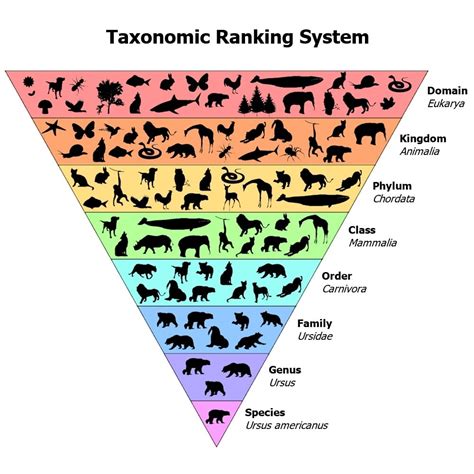
The genus Chubutisaurus derives its name from Chubut Province where it was discovered, combined with “saurus,” the Greek word for lizard. The type species, Chubutisaurus insignis, was formally described by Bonaparte and fellow paleontologist Zulma Gasparini in 1995, fifteen years after its initial discovery.
| Classification Aspect | Details |
|---|---|
| Kingdom | Animalia |
| Phylum | Chordata |
| Class | Reptilia |
| Superorder | Dinosauria |
| Order | Saurischia |
| Suborder | Sauropodomorpha |
| Clade | Titanosauriformes |
| Family | Uncertain (possibly Titanosauridae) |
| Genus | Chubutisaurus |
| Species | C. insignis |
| Etymology | “Chubut lizard” + “remarkable” |
| Named By | Bonaparte & Gasparini, 1995 |
The taxonomic placement of Chubutisaurus has been subject to debate among paleontologists. Initially classified as a titanosaurid, more recent phylogenetic analyses suggest it may belong to a more basal position within Titanosauriformes, possibly related to the Somphospondyli clade. According to research by Mannion et al. (2019) in Scientific Reports, its classification remains problematic due to the incomplete nature of the fossils and ongoing revisions of sauropod taxonomy.
The scientific naming process followed standard binomial nomenclature, with the species name “insignis” chosen to reflect the remarkable nature of the find. This taxonomic designation places Chubutisaurus within the broader evolutionary context of sauropod dinosaurs while acknowledging its unique characteristics.
Physical Characteristics and Size
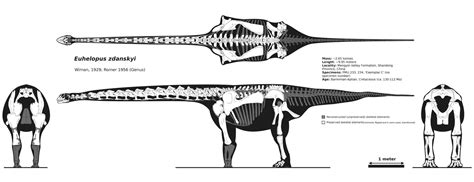
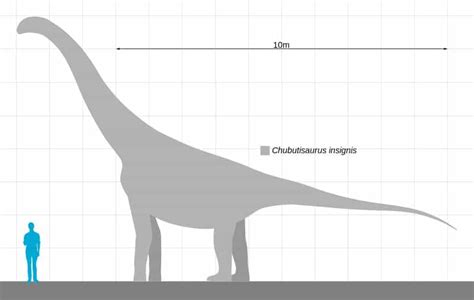
Chubutisaurus was a massive quadrupedal herbivore with the characteristic long neck and tail of sauropod dinosaurs. Based on the recovered fossil material, scientists have estimated its impressive dimensions and distinctive anatomical features.
| Physical Aspect | Measurement/Description |
|---|---|
| Estimated Length | 25-30 meters (80-100 feet) |
| Estimated Height | 4-5 meters (13-16 feet) at the hip |
| Estimated Weight | 30-40 metric tons |
| Neck Vertebrae | Elongated with complex internal air spaces |
| Limbs | Columnar and robust, especially forelimbs |
| Notable Features | Strongly built humeri (upper arm bones) |
| Distinctive Traits | Unusually robust ulna (forearm bone) |
| Vertebral Structure | Camaraspondylous (camera = chamber) |
| Femur Length | Approximately 1.8 meters |
| Comparison | Larger than Diplodocus, smaller than Argentinosaurus |
The most distinctive anatomical features of Chubutisaurus include its robust forelimb elements, particularly the humerus and ulna, which were unusually strong even by sauropod standards. According to a study published in Cretaceous Research, these adaptations may indicate a specialized locomotion or feeding strategy.
The vertebrae of Chubutisaurus display the characteristic pneumaticity (air spaces) found in most sauropods, which likely served to reduce weight while maintaining structural strength. This feature, combined with its skeletal proportions, suggests Chubutisaurus was well-adapted to supporting its enormous body mass.
Size estimates place Chubutisaurus among the larger sauropods, though not reaching the extreme dimensions of titans like Argentinosaurus or Patagotitan. Nevertheless, it would have been one of the largest animals in its ecosystem, with few if any predators capable of threatening an adult specimen.
Paleoenvironment and Diet
The Cerro Barcino Formation where Chubutisaurus was discovered provides valuable information about the paleoenvironment and ecological conditions in which this massive dinosaur lived during the Early Cretaceous period.
| Environmental Aspect | Details |
|---|---|
| Geological Age | Aptian-Albian stages (125-100 million years ago) |
| Climate | Warm temperate to subtropical |
| Landscape | River floodplains with seasonal flooding |
| Flora | Conifers, cycads, ginkgoes, ferns |
| Fauna | Diverse dinosaurs, pterosaurs, crocodilians |
| Contemporary Dinosaurs | Titanosaurs, rebbachisaurids, abelisaurids |
| Water Sources | Meandering rivers, oxbow lakes, wetlands |
| Seasonal Patterns | Evidence of wet and dry seasons |
| Soil Conditions | Well-drained alluvial sediments |
| Plant Diversity | Moderate to high, supporting megaherbivores |
Paleobotanical evidence from the formation, detailed in Palaeontologia Electronica, indicates a landscape dominated by coniferous forests, with an understory of ferns, cycads, and other gymnosperms. This vegetation would have provided ample forage for a large browsing herbivore like Chubutisaurus.
The diet of Chubutisaurus, like other sauropods, likely consisted primarily of plant matter. Its elongated neck would have allowed it to reach vegetation at various heights, potentially enabling it to feed from trees as well as lower-growing plants. However, lacking preserved skull material, specific details about its feeding adaptations remain speculative.
Sedimentological analyses suggest the region experienced seasonal variations in rainfall, creating a dynamic ecosystem with periods of abundance and scarcity. As one of the largest herbivores in this environment, Chubutisaurus would have played a crucial role in shaping the vegetation structure through its feeding habits and movement patterns.
Evolutionary Significance
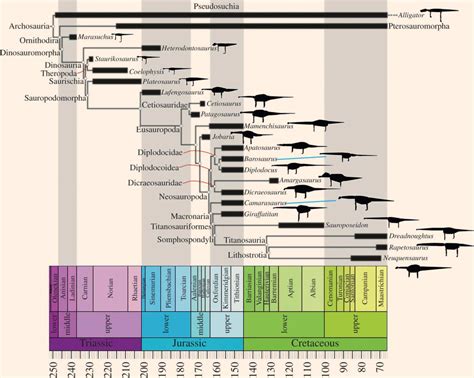
Chubutisaurus occupies an important position in sauropod evolution, providing crucial insights into the diversification and dispersal of titanosauriform dinosaurs during the Cretaceous period in the southern continents.
| Evolutionary Aspect | Significance |
|---|---|
| Phylogenetic Position | Basal titanosauriform or early somphospondylan |
| Temporal Significance | Mid-Cretaceous transition period |
| Geographic Importance | Evidence of South American sauropod endemism |
| Ancestral Relationships | Possible transitional form between brachiosaurids and titanosaurs |
| Anatomical Innovations | Specialized forelimb adaptations |
| Biogeographic Implications | Supports Gondwanan provincialism theories |
| Evolutionary Timing | Lived during major sauropod turnover events |
| Comparison Groups | More derived than diplodocoids, more basal than advanced titanosaurs |
| Research Impact | Key taxon in sauropod phylogenetic analyses |
| Outstanding Questions | Precise relationship to other titanosauriforms still debated |
The evolutionary significance of Chubutisaurus is particularly noteworthy as it existed during a transitional period in sauropod evolution. According to research published in the Journal of Systematic Palaeontology, the mid-Cretaceous saw significant turnover in sauropod communities globally, with the decline of diplodocoids and brachiosaurids and the rise of titanosaurs.
Chubutisaurus shows a combination of primitive and derived features that make it valuable for understanding this evolutionary transition. Its robust forelimbs show some similarities to brachiosaurids, while other aspects of its anatomy align more closely with early titanosaurs.
From a biogeographical perspective, Chubutisaurus provides evidence for the increasing provinciality of dinosaur faunas during the Cretaceous, as the continents of Gondwana continued to separate. This pattern of endemism has been documented in research from the Bulletin of the American Museum of Natural History, highlighting the importance of South American taxa in understanding global dinosaur distribution patterns.
Research History and Recent Discoveries
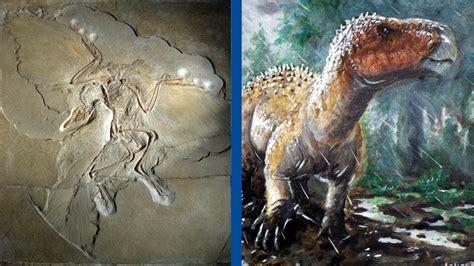
Since its initial description in 1995, our understanding of Chubutisaurus has evolved through ongoing research, comparative studies, and the discovery of related sauropod species that provide additional context for interpreting its fossils.
| Research Milestone | Details |
|---|---|
| Initial Description | Bonaparte & Gasparini, 1995 |
| First Phylogenetic Analysis | Salgado et al., 1997 |
| Comparative Limb Study | Bonnan & Wedel, 2004 |
| Revised Classification | González Riga et al., 2009 |
| Paleohistological Analysis | Company, 2011 |
| Biomechanical Studies | Ullmann & Lacovara, 2016 |
| CT Scanning of Vertebrae | Windholz et al., 2019 |
| New Related Taxa | Discovery of Patagotitan, 2017 |
| Updated Phylogeny | Mannion et al., 2019 |
| Recent Field Expeditions | 2018-2022, yielding additional material |
Recent technological advancements have enabled more detailed analyses of the Chubutisaurus fossils. CT scanning and digital reconstruction techniques, as reported in PLOS ONE, have revealed previously unobservable internal structures of the vertebrae, providing new insights into the pneumatic system and growth patterns.
Comparative studies with more recently discovered titanosaurs from Patagonia, such as Patagotitan and Notocolossus, have helped refine our understanding of Chubutisaurus’s place in sauropod evolution. These studies suggest that Chubutisaurus may represent an early stage in the titanosaurian radiation that would later produce the truly gigantic forms of the Late Cretaceous.
Ongoing fieldwork in the Cerro Barcino Formation continues to yield new specimens that may eventually provide additional material of Chubutisaurus or closely related forms. According to the Museo Paleontológico Egidio Feruglio, expeditions between 2018 and 2022 have recovered new sauropod material that is currently under preparation and study.
Cultural Impact and Public Engagement
Beyond its scientific importance, Chubutisaurus has become a significant cultural symbol in Patagonian paleontology and serves as an educational gateway to understanding Argentina’s rich dinosaur heritage.
| Cultural Aspect | Impact |
|---|---|
| Museum Exhibitions | Permanent display at Museo Egidio Feruglio |
| Educational Programs | Featured in Argentine school curricula |
| Tourism | Contributes to Patagonian paleotourism |
| Media Representations | Included in documentaries on South American dinosaurs |
| Local Economy | Boosts regional tourism and scientific employment |
| Scientific Outreach | Featured in public lectures and museum programs |
| Digital Presence | Virtual exhibitions and 3D models available online |
| International Collaboration | Facilitates research partnerships between institutions |
| Regional Pride | Symbol of Argentina’s paleontological heritage |
| Inspirational Value | Encourages new generations of South American paleontologists |
The Museo Paleontológico Egidio Feruglio in Trelew, Argentina, houses the most significant collection of Chubutisaurus material and has developed engaging exhibits that contextualize this dinosaur within the broader Patagonian ecosystem. According to the museum’s visitor statistics, dinosaur exhibits featuring locally discovered specimens like Chubutisaurus attract over 300,000 visitors annually.
Educational programs based on Chubutisaurus and other Patagonian dinosaurs have been developed for Argentine schools, promoting scientific literacy and regional heritage appreciation. These programs, described on the Argentine Ministry of Education website, reach thousands of students each year.
The discovery of iconic dinosaurs like Chubutisaurus has significantly contributed to paleotourism in Patagonia, creating economic opportunities in regions otherwise challenged by geographic isolation. Local guides often highlight the story of Chubutisaurus’s discovery as part of tours that showcase the region’s natural history.
Conservation and Fossil Protection Efforts
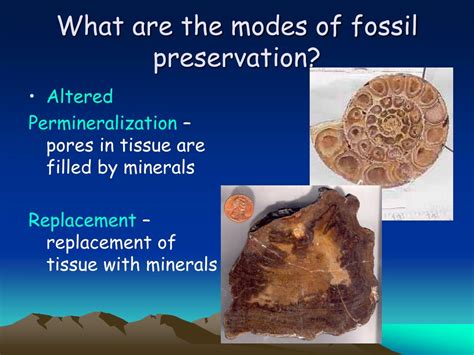
The preservation and protection of important paleontological sites like those yielding Chubutisaurus remains have become increasingly important as both scientific resources and cultural heritage assets.
| Conservation Aspect | Implementation |
|---|---|
| Legal Protection | Argentine National Law 25.743 on Protection of Archaeological and Paleontological Heritage |
| Site Monitoring | Regular surveys of known fossil localities |
| Anti-Poaching Measures | Park ranger patrols and community reporting systems |
| Scientific Permits | Strict requirements for excavation and collection |
| Fossil Preparation | State-of-the-art laboratories at Argentine museums |
| Storage Conditions | Climate-controlled repositories for long-term preservation |
| Digital Archiving | 3D scanning of specimens for data preservation |
| Repatriation Efforts | Recovery of illegally exported specimens |
| Local Involvement | Training programs for community members |
| International Cooperation | Cross-border agreements on fossil protection |
The Cerro Barcino Formation and other important fossil-bearing units in Patagonia are now protected under Argentine federal and provincial laws. According to the Argentine National Council for Scientific and Technical Research (CONICET), these protections have significantly reduced illegal fossil collection and export.
Modern fossil preparation techniques employed at institutions like the Museo Egidio Feruglio ensure that valuable specimens like Chubutisaurus are preserved for future generations of researchers. These methods include acid preparation, microabrasion, and consolidation with specially formulated resins that prevent deterioration while allowing continued scientific access.
Community engagement has proven crucial for effective fossil protection. Local residents in Chubut Province receive training to recognize significant fossils and report unauthorized collection activities. This participatory approach, detailed in the Journal of Paleontological Conservation, has successfully integrated scientific interests with community development.
Future Research Directions
The study of Chubutisaurus continues to evolve as new technologies, methodologies, and discoveries provide opportunities for deeper understanding of this remarkable dinosaur and its place in Earth’s history.
| Research Direction | Potential Advancements |
|---|---|
| Genomic Studies | Ancient DNA analysis from preserved soft tissues |
| Advanced Imaging | Synchrotron radiation analysis of bone microstructure |
| Growth Studies | Improved aging and development models |
| Paleoclimatic Context | Higher resolution environmental reconstructions |
| Locomotion Analysis | Dynamic biomechanical modeling of movement |
| Integrated Phylogenetics | Combined morphological and molecular approaches |
| Paleoecological Modeling | Food web and energy flow reconstructions |
| Soft Tissue Inference | Muscle attachment and body proportion estimates |
| Comparative Histology | Growth patterns compared across titanosauriform groups |
| Biogeographic Analysis | Updated models of dinosaur dispersal routes |
Future research on Chubutisaurus is likely to benefit from technological advancements such as synchrotron radiation analysis, which can reveal bone microstructure at unprecedented resolution. According to Nature Methods, these techniques are revolutionizing paleontological research by providing insights into growth patterns, physiology, and even potential soft tissue preservation.
Biomechanical modeling using advanced computational approaches promises to shed new light on how Chubutisaurus moved and functioned as a living animal. These studies, as reported in Paleobiology, integrate fossil data with principles from engineering and comparative anatomy to create dynamic models of extinct organisms.
The continued discovery of new sauropod material from South America will provide additional context for understanding Chubutisaurus. Comprehensive phylogenetic analyses incorporating these new finds will help resolve remaining questions about its precise evolutionary relationships and significance.
Chubutisaurus insignis stands as a testament to the remarkable diversity of sauropod dinosaurs that once roamed Patagonia during the Cretaceous period. From its discovery in 1980 to ongoing research today, this massive herbivore has provided significant insights into dinosaur evolution, particularly regarding the development and dispersal of titanosauriform sauropods in the southern continents.
The robust skeletal adaptations of Chubutisaurus, especially its powerful forelimbs, suggest specialized locomotion or feeding strategies that merit further investigation. As a potential transitional form between earlier sauropod groups and the highly successful titanosaurs, it occupies a crucial position in our understanding of dinosaur evolutionary history.
Beyond its scientific importance, Chubutisaurus has become a cultural icon and educational resource in Argentina, contributing to regional identity, tourism, and scientific literacy. The protection and continued study of its fossils represent both a scientific imperative and a commitment to preserving natural heritage.
As research techniques continue to advance and new discoveries provide additional context, our understanding of Chubutisaurus will undoubtedly become more nuanced and complete. This ongoing scientific journey highlights the dynamic nature of paleontological research and the enduring fascination with the magnificent creatures that once dominated Earth’s ecosystems.
Discovery of Chubutisaurus
The fascinating story of the Chubutisaurus begins with its discovery in the verdant landscapes of Patagonia, Argentina. Understanding who discovered this remarkable dinosaur and the context in which it was found helps paint a vivid picture of its significance in paleontological research.
Who Discovered Chubutisaurus?
Chubutisaurus, a giant sauropod dinosaur, was first discovered by a team of paleontologists led by José F. Bonaparte in the early 1990s. Bonaparte, renowned for his extensive contributions to the field of paleontology, had a keen eye for spotting significant fossil finds. His expertise and passion for ancient life led him to the arid regions of the Chubut Province. The bones of this incredible creature were unearthed between layers of sediment in the rich geological formations known as the Chubut Group. Bonaparte’s dedication paid off, and thus began the saga of Chubutisaurus, leading to the dinosaur’s formal description in 1992. Here are a few intriguing points about Bonaparte and his team:
- Background: José Bonaparte was an Argentine paleontologist who significantly impacted dinosaur classification and discovery throughout South America.
- Methodology: The team utilized traditional field excavation techniques, often carefully brushing away the surrounding rock to reveal the bones.
- Collaboration: Alongside Bonaparte, several students and assistants contributed to the excavation, showcasing the importance of teamwork in scientific discovery.
Each expedition revealed intriguing clues about the life and times of Chubutisaurus, underscoring Bonaparte’s belief in collaboration and mentorship in the scientific community.
Location and Context of Discovery
The discovery of Chubutisaurus took place in a remote area of Patagonia, specifically in Chubut Province, which is known for its rich fossil beds. This location is characterized by its unique geological formations that date back to the Late Cretaceous period, approximately 90 million years ago. Why is this significant? The geological context provided vital clues to understanding the environment in which Chubutisaurus lived. The sediments in this region contain a plethora of fossilized remains from other dinosaur species, as well as flora and fauna that once thrived alongside them. Key points about Chubut‘s location of discovery include:
- Geological Features: The fossils were found within the Cerro Cañadón Formation, known for its diverse fossil assemblage, including various dinosaur remains, ancient plants, and invertebrates.
- Paleoenvironment: The site indicates that during the Late Cretaceous, the area supported a lush environment rich in vegetation, offering ample food sources for herbivorous dinosaurs like Chubutisaurus.
- Weather Conditions: The arid and semi-arid climate of Patagonia today contrasts sharply with its vibrant prehistoric ecosystem, providing a window into the dramatic ecological changes over millions of years.
The process of excavation required meticulous planning. Weather conditions, geography, and accessibility posed challenges to the team, with each step revealing more about this magnificent creature. Just imagine the moment when the first sizeable fossil emerged from the ground! The thrill of uncovering something that had lain hidden for eons must have been a profound experience for Bonaparte and his team. The experience of discovering Chubutisaurus resonates with many paleontologists who have spent years dreaming of their extraordinary findings. Unearthing such fossils not only contributes to their career goals but also enriches our collective understanding of prehistoric life. The discovery of Chubutisaurus is a remarkable tapestry woven from scientific curiosity, teamwork, and the thrill of unveiling the mysteries encoded in ancient bones. As we move forward, understanding the taxonomy and classification of Chubutisaurus will reveal even more about its place in the dinosaur family tree.
Taxonomy and Classification
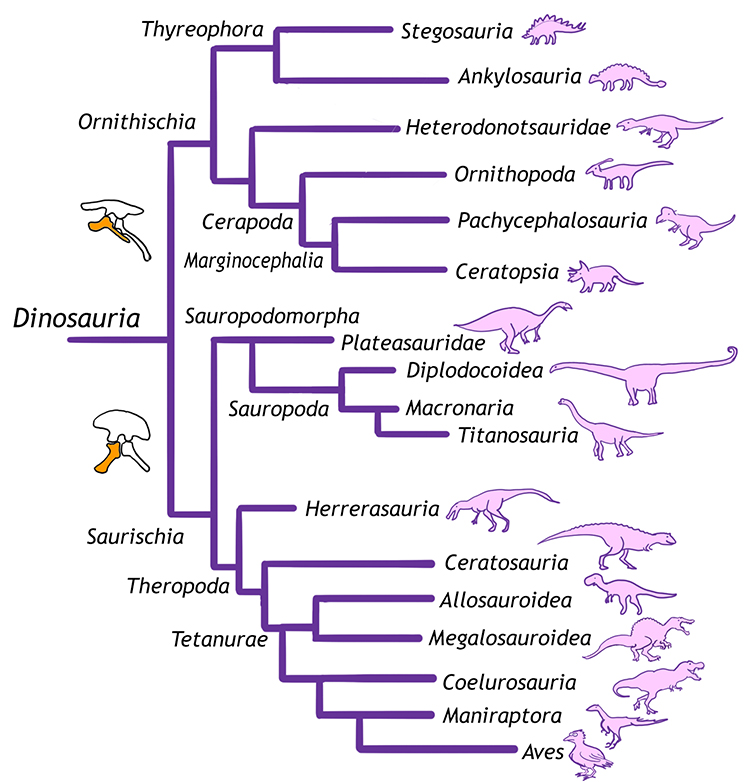
As the understanding of Chubutisaurus expands, its classification within the dinosaur family tree sheds light on its evolutionary relationships and unique characteristics. Grasping the taxonomy of this magnificent creature not only enhances our knowledge of Chubutisaurus itself but also deepens our appreciation for the diversity of dinosaurs that roamed the Earth millions of years ago.
Genus and Species of Chubutisaurus
The name Chubutisaurus translates to “lizard from Chubut,” reflecting its discovery location in Argentina’s Chubut Province. It was officially named and described in 1992 by José F. Bonaparte, marking an important addition to the roster of known dinosaurs.
- Genus: Chubutisaurus
- Species: Chubutisaurus insignis
The classification of Chubutisaurus is crucial in identifying it within the larger framework of sauropods, a group of long-necked, herbivorous dinosaurs known for their massive sizes and unique body structures. The species designation “insignis” highlights the notable features that set it apart from other dinosaurs in its category. What truly captures the imagination about Chubutisaurus is its potential for further discovery. As paleontologists continue to analyze fossilized remains, they may uncover new aspects of the species. For example, studies examining the morphology of the vertebrae and limbs can provide insights into locomotion, feeding strategies, and ecological adaptations.
Relationship to Other Sauropods
Chubutisaurus fits neatly into the sauropod family, which is characterized by its long neck, enormous body, and distinctively shaped heads. But where does it stand alongside its relatives? The evolutionary tree for sauropods branches into various subgroups, highlighting the wide array of adaptations that emerged over millions of years. Chubutisaurus is categorized as part of a subgroup called “Titanosauria,” which includes many of the largest sauropods. Here’s a closer look at its relationships:
- Sister Taxa: Chubutisaurus shares a close relation with other giant titanosaurs, including Argentinosaurus and Patagotitan. These connections offer insights into the similarities and differences that existed among these colossal creatures.
- Morphological Traits: Like many titanosaurs, Chubutisaurus likely possessed a relatively small head in proportion to its enormous body, an adaptation that contributed to efficient feeding strategies.
- Behavioral Implications: Understanding its place in the sauropod lineage helps researchers hypothesize about its behavior, such as herd dynamics and movement patterns. For instance, it is often hypothesized that large sauropods may have traveled in groups, reducing the risk of predation.
Chubutisaurus and its relatives can also be understood through their geographic distribution, especially since many of the titanosaurs were habitually found in the southern hemisphere, particularly in what is now South America. Reflecting on these relationships can bring a sense of awe regarding the scale of the sauropod family. Imagine standing in the shadow of a Chubutisaurus, knowing that it may have shared its environment with other massive dinosaurs, each occupying a niche in a vibrant ecosystem. Research efforts continue to reveal intricate details about these relationships, with new fossils being discovered and analyzed regularly. As scientists hone their methods, the connections within the sauropod family tree become clearer, leading to an evolving picture of the prehistoric world. In exploring the taxonomy and classification of Chubutisaurus, we not only uncover the fascinating characteristics of this particular dinosaur but also chart the larger narrative of dinosaur evolution. This journey continues to lend insights into the incredible diversity of life that once inhabited our planet, as we look forward to future discoveries that may deepen our understanding further.

Physical Characteristics
As researchers continue to uncover the secrets of Chubutisaurus, the dinosaur’s physical characteristics take center stage. Understanding its size and body structure, along with unique features and adaptations, paints a vivid picture of how this enormous creature lived in its prehistoric environment.
Size and Body Structure
When it comes to size, Chubutisaurus was truly an awe-inspiring giant. Estimates suggest that it could reach lengths of up to 70 feet (about 21 meters) or more, making it one of the largest dinosaurs known. The sheer scale of such an animal is hard to comprehend—it’s about the length of a basketball court! Let’s break down some key elements of its body structure:
- Long Neck: Like most sauropods, Chubutisaurus possessed an exceptionally long neck, allowing it to reach high into the trees for food. This adaptation opened up a buffet of vegetation, enabling it to thrive in diverse environments.
- Massive Body: Its enormous body would have been supported by strong, pillar-like legs. The robust skeletal structure indicates that these limbs helped bear the weight of its gigantic form, allowing it to move gracefully despite its size.
- Tail Length: The tail of Chubutisaurus was also impressively long, serving multiple functions such as balance and communication. Imagine a creature swaying its tail to ward off threats or communicate with others in its herd!
- Overall Weight: Its weight is estimated to have exceeded 20 tons, placing it among the heaviest terrestrial animals to walk the Earth. Such size raises questions about how Chubutisaurus maintained its colossal form—nutrition, metabolism, and habitat all played crucial roles.
Interestingly, reflecting on these extraordinary dimensions makes one think about how naturally adapted these animals were to their environments. When walking through a museum and standing next to a life-sized dinosaur replica, it’s almost surreal to imagine millions of years ago, these creatures were roaming freely.
Unique Features and Adaptations
Chubutisaurus wasn’t just a massive creature; it boasted several unique features and adaptations that helped it survive in the prehistoric landscape. Research into its skeletal remains reveals fascinating insights into how it thrived.
- Specialized Teeth: Similar to other herbivorous dinosaurs, Chubutisaurus had flat, spatula-shaped teeth—perfect for stripping leaves and tough plant material. Its dental adaptations allowed it to efficiently process fibrous vegetation.
- Increased Sensory Abilities: Some studies suggest that sauropods like Chubutisaurus had heightened senses, particularly regarding smell and sight. A keen sense of smell would be vital in detecting food sources or sensing predators.
- Thick Skin: The skin of Chubutisaurus likely bore tough scales that provided protection from environmental factors, insects, and potential predators. This characteristic is common among large mammals and reptiles today.
- Social Behavior: Neuroanatomical studies indicate that these creatures may have engaged in social behavior, possibly living in herds. This adaptation would have provided protection against predators, increased foraging efficiency, and enhanced reproductive success.
The design of these creatures showcases a remarkable blend of evolutionary adaptations. Perhaps it’s the thought of a herd of Chubutisaurus grazing peacefully that brings the scene to life. It’s almost poetic—the balance of size and grace, transformed by time into our understanding of dinosaurs. As paleontology evolves, the exploration of Chubutisaurus continues to intrigue scientists, as new discoveries emerge to further dissect its impressive physical characteristics. Each fossil cleansed from the earth strengthens our grasp on what life was like during the age of dinosaurs and highlights the intricate adaptations that allowed these giants to thrive. With insights into Chubutisaurus’ physical attributes in mind, the next exploration will dive into its habitat and distribution, revealing more about the environments it called home and how it interacted within them. The adventure continues!
Habitat and Distribution
As we delve deeper into the world of Chubutisaurus, understanding its habitat and geographic distribution provides crucial context for its lifestyle, behaviors, and interactions within its ecosystem. The era during which it thrived shaped its development and evolutionary path, unveiling many layers of this intriguing dinosaur’s life.
Environment Where Chubutisaurus Thrived
Chubutisaurus flourished during the Late Cretaceous period, approximately 90 million years ago, in a world that was vastly different from today. The environment of Patagonia offered a rich tapestry of landscapes that contributed to its survival.
- Flora Diversity: The typical environment in which Chubutisaurus lived was lush with vegetation, characterized by conifer forests, ferns, and flowering plants. The plant diversity would have provided ample food resources, allowing Chubutisaurus and other herbivores to graze on leaves, branches, and soft plants.
- Climate: The climate during this time was likely warmer and more humid than current conditions. A mild climate would have supported a range of plant life, including both low-lying and towering trees. It’s easy to imagine Chubutisaurus reaching high into the canopies with its long neck to access nutritious foliage that many other herbivores couldn’t reach.
- Water Sources: Proximity to freshwater sources like rivers and lakes would have been crucial for the survival of large animals. These sources would not only provide drinking water but also create vital ecosystems filled with other life forms, contributing to a balanced food web.
Visiting sites with fossil remains in Patagonia today, one can still see traces of these ancient environments. Standing in a field studded with fossils, it becomes apparent how rich and diverse these prehistoric habitats were. The imagery of gigantic dinosaurs roaming amidst lush greenery captures the imagination and often highlights the delicate balance of life.
Geographic Distribution
Chubutisaurus is primarily known from fossil discoveries in the Chubut Province of Argentina, specifically within the geological formations referred to as the Cerro Cañadón Formation. However, its presence gives hints about a broader distribution among the titanosaur sauropods across different regions. Here are some essential points about the geographic distribution:
- Fossil Evidence: The bones unearthed from this area serve as the primary evidence of Chubutisaurus, providing insight into the specific locale where it thrived. However, titanosaurs, in general, have been found across other regions, indicating a wider ancestral spread.
- Southern Hemisphere Dominance: Chubutisaurus’ relatives, particularly other titanosaurs, have been predominantly discovered in southern continents. This suggests that Sauropods had adapted to various niches in these regions, further establishing their dominance in prehistoric ecosystems.
- Paleobiogeographical Implications: Studies of other sauropod fossils from regions like Brazil and other parts of South America help paint a clearer picture of how these giants may have migrated or expanded their territories. Geographical evidence suggests that changing climates and landforms could have influenced population distributions.
Looking at the broader context of where Chubutisaurus lived offers fascinating insights into its adaptability and ecological role. Imagine a timeline where species thrived in response to their environments, evolving traits that ensured survival while engaging in a complex web of interactions with other organisms. The exploration of Chubutisaurus’ habitat and distribution shifts our understanding from individual characteristics to a larger ecological framework. It invites reflections on the constant dance of evolution shaped by environmental challenges and opportunities. With a solid grasp of Chubutisaurus’ habitat and distribution, the journey now continues toward examining its feeding behavior and diet. Understanding what these massive creatures consumed will ultimately illuminate more about their lifestyles and interactions within their rich prehistoric environment. Let’s step into the world of Chubutisaurus as a bustling herbivore navigating its ancient landscape!
Feeding Behavior and Diet
With a firm understanding of Chubutisaurus’ habitat and geographic distribution, we are now ready to explore its feeding behavior and diet. As one of the enormous herbivorous dinosaurs of its time, Chubutisaurus had specific dietary preferences and employed effective feeding strategies that enabled it to thrive in a rich prehistoric environment.
Dietary Preferences
Chubutisaurus was primarily a herbivore, meaning it relied on plant material for sustenance. As a colossal creature, its dietary choices were essential for obtaining the necessary nutrients to support its massive size and active lifestyle. Here are some key points about its dietary preferences:
- Foliage: The abundant flora in its environment offered a variety of plant material for consumption. Chubutisaurus likely fed on leaves, branches, and other soft plant tissues.
- Selection of Plants: It may have had a preference for certain types of vegetation, particularly deciduous trees and shrubs that provided tender, nutrient-rich leaves. Analyzing the fossils suggests that it was well-equipped to strip leaves from high branches, allowing access to food sources that many other dinosaurs could not reach.
- Seasonal Variability: Just like modern-day herbivores, Chubutisaurus likely adapted its diet based on seasonal changes. During periods of greater foliage growth, it may have taken advantage of abundant plant life, while in harsher conditions, it might have turned to more fibrous plants.
Imagine standing in the warm sunlight of the Late Cretaceous, observing a herd of Chubutisaurus grazing peacefully. Picture these giants effortlessly reaching the tops of tall trees, indulging in a veritable banquet of leaves, while smaller dinosaurs forage on the ground. Interestingly, paleontologists study the wear patterns on fossilized teeth to gain insights into the dietary habits of these dinosaurs. Such studies indicate that herbivorous dinosaurs like Chubutisaurus had a well-rounded diet that ensured they received essential nutrients for growth and maintenance.
Feeding Strategies
The scale of Chubutisaurus played a significant role in its feeding strategies. Given its enormous size, effective feeding practices allowed it to maximize food intake while minimizing energy expenditure. Here are some notable strategies that Chubutisaurus and similar sauropods likely employed:
- Grazing and Browsing: Chubutisaurus likely utilized a mix of grazing and browsing techniques. Grazing refers to consuming low-lying vegetation, while browsing involves reaching for higher plant materials. Its long neck allowed it to access foliage well above ground level, optimizing food gathering.
- Time Efficiency: With its sheer size, it would take time to consume enough food to sustain itself. It’s conceivable that a Chubutisaurus could spend several hours each day grazing—just imagine the dedication it would require to maintain such a diet!
- Mobility and Herd Behavior: Living in herds may have provided not just protection from predators, but also opportunities to migrate toward abundant food sources. By moving together, these massive beings could access wider ranges of vegetation, exploring different feeding grounds as needed.
- Efficient Digestive System: Like other sauropods, Chubutisaurus likely possessed a robust digestive system designed to break down fibrous plant material. The combination of large size and an effective digestive system helped ensure that this remarkable dinosaur was able to extract and utilize nutrients efficiently.
In contemplating the feeding strategies of Chubutisaurus, one can appreciate the incredible adaptations these creatures possessed to thrive in their ancient ecosystems. Just think about the interconnected web of life, where each animal played its part, promoting the dynamics of the environment. As we unravel the intriguing feeding behavior and diet of Chubutisaurus, it’s clear that this dinosaur’s survival depended on both its physical attributes and environmental factors. The next step is to explore the paleontological significance of Chubutisaurus, examining how it contributes to our understanding of prehistoric ecosystems and the ongoing efforts to study ancient life. This journey into prehistory continues to excite and enlighten, reminding us of the intricate tapestry of life that once existed on Earth!
Paleontological Significance
Having explored the fascinating feeding behavior and diet of Chubutisaurus, it becomes clear that this dinosaur holds substantial significance in our understanding of prehistoric life. Its existence extends beyond its own fascinating traits; in this section, we’ll delve into how Chubutisaurus contributes to our broader comprehension of prehistoric ecosystems and the ongoing research that inspires paleontologists today.
Contribution to Understanding Prehistoric Ecosystems
Chubutisaurus is not just another dinosaur in the historical record—it represents a crucial piece in the puzzle of prehistoric life. By studying Chubutisaurus and its environment, we gain insights into the dynamics of Late Cretaceous ecosystems, offering valuable clues about the ecological relationships that existed millions of years ago.
- Herbivore Dynamics: As a large herbivore, Chubutisaurus illustrates the role of plant-eating dinosaurs in sustaining the ecosystem. It likely played a significant part in shaping the vegetation through grazing and browsing. This relationship shows how herbivores influence plant communities, highlighting their role in promoting biodiversity.
- Predator-Prey Interactions: Understanding the existence of Chubutisaurus also shapes our perceptions of predator-prey dynamics. By examining evidence of potential predators in the same geological layers as Chubutisaurus fossils, researchers can better understand food chains and interactions during this era.
- Ecosystem Engineers: The activities of massive herbivores like Chubutisaurus can modify habitats. Their movements would have reduced dense vegetation and created clearings, facilitating growth in new plants and influencing the animal populations that depended on these resources.
- Climate Adaptation: Studying Chubutisaurus provides insight into how dinosaurs adapted to changing climates. By examining fossilized remains, scientists can infer how these giants responded to shifts in the environment over eons, offering perspectives on resilience and adaptability.
Reflecting on this interconnectedness brings a sense of artistry to the ancient world, as if a vibrant painting showcases the relationships between various life forms. Just as ecosystems today depend on delicate balances, so too did those of the past.
Research and Studies on Chubutisaurus
Research surrounding Chubutisaurus has evolved as new technologies and methods develop in paleontology. The vibrant fossil findings have led to significant scientific inquiries, from anatomy and behavior to ecological roles.
- Fossil Analysis: Ongoing studies involve detailed examination of the fossilized remains collected from the Chubut Province. High-resolution imaging and 3D modeling techniques are utilized to enhance our understanding of its skeletal structure, offering insights into its life history and functional morphology.
- Comparative Studies: Paleontologists often conduct comparative analyses among different sauropods, including Chubutisaurus. By comparing its bones, dentition, and morphology with related species, researchers can piece together evolutionary narratives, tracing the lineage and adaptations of both Chubutisaurus and its relatives.
- Ecological Modeling: Modern techniques allow scientists to create models depicting the ecosystems in which Chubutisaurus lived. These models consider various factors like climate, available flora, and other fauna to reconstruct a detailed picture of life during the Late Cretaceous.
- Publication and Collaboration: Researchers publish their findings in reputable journals, fostering collaboration within the global paleontological community. These studies allow scholars from different backgrounds to share knowledge and enhance our collective understanding of these ancient creatures.
As progress continues, the unveiling of Chubutisaurus’ life story serves to enrich our knowledge of prehistoric ecosystems. Each fossil discovery and subsequent study can evoke excitement and wonder in uncovering the past, solidifying the connection between ancient life and our present understanding of ecological systems. The significance of Chubutisaurus extends beyond its mass; it embodies the intricate web of life that once thrived on Earth while providing a canvas for scientists to explore questions about adaptation, sustainability, and the resilience of life itself. As we conclude this exploration, it’s clear that Chubutisaurus not only holds a legacy in the annals of paleontology but also serves as a gateway to deeper inquiries into the mysteries of our planet’s history. What we learn today about Chubutisaurus could illuminate our understanding of life’s adaptability in the future.

Speculation and Controversies
As our understanding of Chubutisaurus deepens, some speculation and controversies naturally arise within the paleontological community. The discussions surrounding its behavior and interactions, as well as ongoing debates, provide a dynamic landscape for researchers striving to decipher the intricate life of this iconic dinosaur. Let’s take a closer look at these aspects.
Theories about Behavior and Interactions
While fossil evidence can provide a wealth of information about Chubutisaurus, much remains speculative regarding its behavior and social interactions. Here are some theories that researchers consider when reconstructing the life of this magnificent dinosaur:
- Social Structures: One prominent theory posits that Chubutisaurus may have engaged in social behavior, traveling in herds. Living in groups would have provided numerous advantages, such as protection from predators and increased foraging efficiency. Imagine a massive herd of these gentle giants moving together, much like modern-day elephants!
- Communication Methods: Given its size, Chubutisaurus may have relied on both vocalizations and physical movements to communicate with other members of its herd. Some researchers speculate that deep vocal sounds, like those of modern-day large herbivores, would have allowed them to maintain group cohesion over long distances.
- Territoriality: Another theory revolves around whether Chubutisaurus and its relatives exhibited territorial behavior. While some large herbivores today display territorial instincts, suggesting that competition for resources may exist, others prefer communal living without strict boundaries. Understanding the ecological context of the Late Cretaceous could provide clues about Chubutisaurus’ behavior.
- Predator Avoidance: Predators would have certainly posed a threat to Chubutisaurus. Studies suggest that these sauropods might have relied on their massive size as a deterrent, but they could have also utilized group dynamics for protection. Imagine the tension during an encounter with a predator; the herd must have formed a united front!
While these theories are captivating, they rely heavily on interpretation and comparison to modern animals. The remnants of Chubutisaurus, coupled with fossil evidence of other contemporaneous species, form the foundation for glimmers of understanding but still leave much open to interpretation.
Debates in the Paleontological Community
As with any scientific field, paleontology is rife with debates and discussions. The study of Chubutisaurus is no exception, where several controversial aspects come into play among experts:
- Classification Disputes: Ongoing debates exist about classifying Chubutisaurus within the sauropod family. Some paleontologists argue that it belongs to a specific group of titanosaurs, while others have proposed alternative classifications based on differing morphological traits. This lack of consensus can lead to fruitful discussions but can also create confusion within the scientific community.
- Interpretation of Fossil Evidence: Different interpretations of fossil evidence can lead to varying theories regarding behavior and ecology. As new fossils are discovered and techniques advance, what was once commonly accepted might be challenged. For example, the implications of fresh discoveries could reshape perceptions about the diets of similar sauropods when considering the ecological relationships in which they thrived.
- Technological Influences: The evolving technologies used in paleontology, such as 3D imaging and biomechanical modeling, add layers to discussions. Although these tools provide more accurate models, they also introduce fresh ideas that can challenge established viewpoints. Striking a balance between innovative ideas and traditional interpretations can create spirited debates among researchers.
Reflecting on these controversies and discussions evokes a sense of excitement. The journey into paleontology mirrors a detective story, where each new clue uncovers more mysteries while raising new questions. The presence of debate exemplifies the scientific process at its finest—collaboration, critique, and creative thinking lead to progress. As we explore the speculation and controversies surrounding Chubutisaurus, it’s an invitation to appreciate the dynamic interplay of ideas within the paleontological community. Understanding this remarkable dinosaur not only involves piecing together fossil records but also engaging in an ongoing conversation that expands our grasp of Earth’s rich history. The path to deeper insights continues, driven by curiosity, discussion, and the thrill of discovery!
Chubutisaurus: The Colossal Sauropod of Cretaceous Patagonia | Complete Guide
Discover Chubutisaurus, Argentina’s massive sauropod dinosaur. Explore its discovery, anatomy, evolutionary significance, and cultural impact in this comprehensive guide.