

Introduction
The Late Cretaceous period, stretching from approximately 100 to 66 million years ago, was a fascinating time for the evolution of non-avian dinosaurs. In particular, South America, and more specifically Argentina, emerged as a dynamic epicenter for these extinct giants. This era saw a plethora of unique species, with gigantic sauropods feeding on the lush vegetation, thriving amid dramatic landscapes. Among these awe-inspiring creatures was Saltasaurus loricatus, a titanosaur that would eventually capture the interest of paleontologists and enthusiasts alike.
Late Cretaceous Argentina
Argentina during the Late Cretaceous was a world vastly different from today. The climate was warmer, and the region was covered with a rich tapestry of vegetation, providing the ideal conditions for enormous plant-eating dinosaurs. Imagine standing in a landscape dominated by wide-open spaces, dotted with lush forests of Gingkos and ferns, where the sun beats down on expansive plains.
- Climate: This period was characterized by a generally humid climate, which allowed for diverse flora to thrive. The presence of conifers, ginkgos, and various cycads created an abundant food supply for the herbivorous titanosaur sauropods like Saltasaurus.
- Vegetation: Large expanses of vegetation flourished, with conifers and broadleaf plants integrating into this prehistoric ecosystem. The vast forests attracted various herbivores, contributing to a cohesive food chain.
- Geography: The landscape itself was marked by significant geological diversity, including rivers, valleys, and plains. The Lecho Formation in northwestern Argentina became one of the richest sources of dinosaur fossils, revealing the intricate world in which these majestic creatures roamed.
Small groups of dinosaurs, such as Neuquensaurus or the predatory Venenosaurus, coexisted with titanosaur giants. These dinosaurs, ranging from fast-moving carnivores to lumbering herbivores, all filled essential niches in the ecosystem.
Discovery of Saltasaurus Loricatus
The journey to discovering Saltasaurus loricatus began in 1980 when paleontologist José Bonaparte unearthed its first fossils in a remote area of the Salta province, Argentina. This discovery was monumental, not only for its immediate impact on our understanding of sauropod dinosaurs but also for what it would imply about the evolution of these magnificent creatures. The initial finds included various limb bones, plates of armor, and vertebrae, leading Bonaparte and his colleagues to recognize that they had stumbled upon a previously unknown species. As more excavations took place in the Lecho Formation, additional fossils were unearthed, revealing the unique features of Saltasaurus.
- Fossil Findings: The fossils of Saltasaurus were remarkably well-preserved, allowing researchers to piece together a more complete picture of the creature. Over time, several sites yielded not just limb bones but also osteoderms—small bony plates that provided armor for the dinosaur. These discoveries contributed valuable insight into the physical appearance and possible behaviors of Saltasaurus.
- Scientific Naming: The name Saltasaurus derives from the province in which it was found, Salta, while the specific name loricatus refers to its “armored” body. Together, they highlight both the geographical context and the remarkable adaptations that this dinosaur possessed.
Personal anecdotes from paleontologists involved in the excavation often illustrate the excitement of rediscovering prehistoric life. Renowned paleontologist Martín Vince, who was pivotal in further excavating and studying Saltasaurus, recalls the thrill of extracting fossils from the rocky terrain, often working in harsh weather conditions that challenged their resolve. Through dedicated teamwork and perseverance, paleontologists unveiled the treasures of the Late Cretaceous period. The discovery of Saltasaurus loricatus paved the way for understanding the evolution of sauropod dinosaurs, particularly titanosaurs, whose adaptations allowed them to thrive in their environments. As new findings emerged, the scientific community began to recognize Saltasaurus as not just another sauropod, but as a representative of an evolutionary lineage that successfully developed armor and retained a distinctive morphology. Importantly, Saltasaurus showcased many unique features, including its:
- Armor Plates: These bony osteoderms served as a protective mechanism against predators, a significant evolutionary advantage when living in a world occupied by predatory creatures such as the fierce Venenosaurus.
- Body Structure: Unlike some other sauropods like Argentinosaurus and Brachiosaur, Saltasaurus had a shorter neck and limb proportions tailored to its habitat, influencing its lifestyle and feeding behavior.
The discovery and subsequent analysis of Saltasaurus loricatus represents a vital chapter in the evolving narrative of dinosauria, showcasing how fossils help reconstruct the past and elucidate the behaviors of these ancient animals. In conclusion, the Late Cretaceous landscape of Argentina provided fertile grounds for a remarkable diversity of non-avian dinosaurs. The discovery of Saltasaurus loricatus marked a significant turning point for paleontological research, fueling curiosity and revealing pivotal details about the life and times of these armored titans. As researchers continue to delve deeper into these ancient ecosystems, Saltasaurus remains a vital cornerstone in understanding not only its species but the entire group of sauropod dinosaurs that once roamed the earth.
.jpg)
The Armored Giants
As we delve deeper into the fascinating world of Saltasaurus loricatus, it’s essential to examine what made this titanosaur so distinctive among its peers. Often referred to as the “armored giants,” these incredible creatures were defined by several unique characteristics that set them apart in the vast landscape of non-avian dinosaurs.
Characteristics of Saltasaurus Loricatus
Saltasaurus loricatus was not just any sauropod; it possessed several features that contributed to its survival and adaptability in Late Cretaceous Argentina. Here are some key characteristics that defined this remarkable creature:
- Size: Saltasaurus was a relatively small titanosaur compared to other sauropods, averaging about 30 feet in length and weighing around 8 to 10 tons. While it was smaller than giants like Argentinosaurus or Brachiosaur, its size was still imposing.
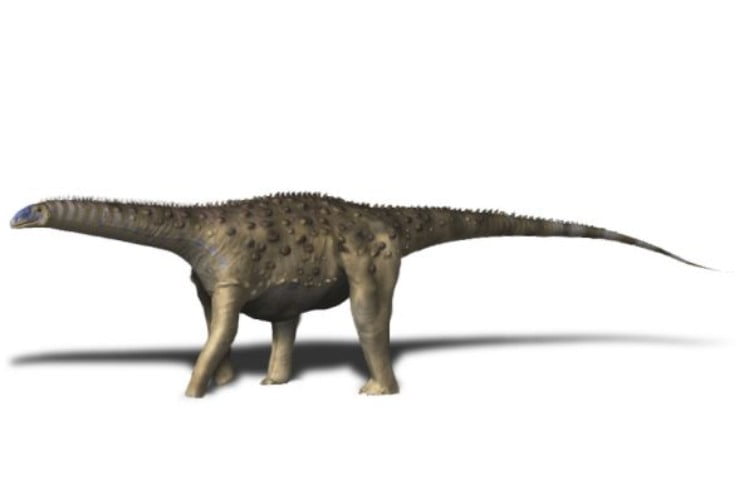
- Armor: The most distinctive feature of Saltasaurus was undoubtedly its bony armor. Small osteoderms covered its back and sides, forming protective plates that measured anywhere from a few inches to a foot in diameter. These armour plates were not just for show; they served as effective shields against potential predators like the fearsome Venenosaurus.
- Body Structure: Its body was more compact than that of other sauropods, featuring a short neck and stubby limbs. This unique anatomy allowed Saltasaurus to maneuver effectively through dense vegetation, browsing on lower foliage without the need for an elongated neck.
- Tail: Saltasaurus had a long, muscular tail, which likely served multiple purposes: balance, communication, and defense against attackers. Imagine a creature as massive as this swinging its tail to fend off a predator—a sight to behold!
- Dentition: The teeth of Saltasaurus were specialized for a herbivorous diet, with flat, grinding surfaces well-suited for processing tough plant material. This dental adaptation allowed it to consume a variety of fibrous plants, keeping it well-nourished in its lush habitat.
Personal anecdotes from paleontologists who studied Saltasaurus often highlight the awe they experienced when handling the fossilized remains. The wear patterns on the teeth, for example, provided profound insights into the plant-eating habits of this dinosaur, allowing researchers to infer what types of vegetation it preferred.
Comparison to Other Sauropods
To better understand Saltasaurus’s unique adaptations, it’s helpful to compare it to other sauropods, such as Argentinosaurus, Brachiosaur, and Nigersaurus. These comparisons reveal significant differences and similarities that underscore the diversity within the sauropod group.
| Characteristic | Saltasaurus loricatus | Argentinosaurus | Brachiosaur | Nigersaurus |
|---|---|---|---|---|
| Length | ~30 feet | ~100 feet | ~80 feet | ~30 feet |
| Weight | 8-10 tons | 70 tons | 30-80 tons | 4-6 tons |
| Neck Length | Short | Long | Long | Short |
| Dentition | Flat grinding teeth | Peg-like teeth | Flat teeth | Leaf-shaped teeth |
| Armor | Bony plates | None | None | None |
As seen in the table above, Saltasaurus was among the smaller titanosaurs, with a notably short neck compared to Argentinosaurus and Brachiosaur, which boasted long necks suited for reaching elevated foliage. Nigersaurus, on the other hand, also shared some size similarities but had distinctively unique dentition that allowed it to graze efficiently on low-lying plants. The differences in neck length and body structure from other sauropods suggest that Saltasaurus evolved specific adaptations that catered to its environment and lifestyle. Smaller size and armor provided this dinosaur with better maneuverability in dense vegetation, contrasting with larger sauropods that dominated open spaces and could reach higher vegetation.
Evolutionary Adaptations
The evolutionary adaptations of Saltasaurus loricatus paint a comprehensive picture of how this titanosaur thrived in its habitat. For dinosaurs, adaptation is essential for survival, and Saltasaurus showcases several finely tuned traits that contributed to its dominance in Late Cretaceous ecosystems.
- Armor Utilization: The evolution of bony plates marked a significant departure from other sauropod designs. These osteoderms were likely adaptations to deter predators, given the presence of formidable carnivores in the same environment. By investing energy into developing armor, Saltasaurus enhanced its chances of survival.
- Diet and Foraging Efficiency: Saltasaurus’s flat grinding teeth reflect its plant-eating habits, efficiently processing fibrous plants in its environment. With the availability of various low-lying vegetation, this adaptation ensured that Saltasaurus could thrive even in competition with larger herbivores.
- Body Proportions: The combination of short limbs and a compact body built for stability allowed for greater agility in navigating through dense forests, where larger sauropods might struggle. This adaptability facilitated foraging for food and evading predators more effectively than other, clumsier giants.
- Social Interaction: While we cannot say for certain how Saltasaurus interacted with its peers, its smaller size suggests a potential for more social behavior. The ability to communicate and form small groups may have offered safety in numbers against predators or facilitated reproduction.
One can only speculate about the fascinating behaviors that defined Saltasaurus. Perhaps they gathered in small social groups, slowly grazing in the verdant landscapes of Late Cretaceous Argentina, while occasionally defending against the slashing jaws of fearsome predators lurking nearby. In summary, Saltasaurus loricatus emerged as a remarkable example of evolutionary refinement among sauropod dinosaurs. With its unique characteristics, comparisons to other giants, and distinct evolutionary adaptations, Saltasaurus provides critical insight into the functions of natural selection in prehistoric ecosystems. As researchers continue to unlock the mysteries of this armored titan, the legacy of Saltasaurus promises to inspire curiosity and enrich our understanding of dinosauria for generations to come.

Paleoenvironment of Late Cretaceous Argentina
To truly appreciate Saltasaurus loricatus and its adaptations, one must step back and immerse themselves in the paleoenvironment of Late Cretaceous Argentina. This period provides critical context for understanding the conditions these dinosaurs faced and the ecosystems they inhabited. The combination of climate, vegetation, and the creatures that shared these environments contributes to a rich narrative of life millions of years ago.
Climate and Vegetation
The climate of Late Cretaceous Argentina was vastly different from what we know today. Central and western Argentina were part of lush, warm terrain with a variety of ecological niches.
- Warm Climate: The average temperatures were significantly higher than present-day levels. The regions were characterized by a subtropical to tropical climate, with mild winters and warm summers. This elevated temperature, combined with high levels of rainfall, created a fertile environment brimming with plant life.
- Vegetation Types: The landscape was dominated by a diverse array of vegetation that supported various herbivores, including Saltasaurus. Key components of the flora included:
- Conifers: These evergreen trees were prevalent during the Cretaceous and served as an essential food source for many dinosaur species. Their needle-like leaves were well-suited to the climate, helping retain moisture.
- Gingkos: This ancient tree species was prominent during this period. The broad, fan-shaped leaves were favorable for grazing herbivores, showcasing the importance of diverse plant forms for dinosaur diets.
- Ferns and Cycads: Ferns flourished, providing low-level undergrowth for smaller dinosaurs. Cycads, which resemble palm trees, added to the diversity of plant life and offered additional food sources.
- Coastal and Riverine Areas: Fossil evidence suggests that many of the dinosaur remains were found near ancient riverbeds and coastal areas. This access to water sources created rich ecosystems, supporting various life forms from dinosaurs to smaller reptiles.
One paleontologist recounted their experiences while excavating in the Lecho Formation, vividly describing the stark contrast between the dry rocky landscape they initially approached and the lush, green world that existed millions of years ago. Imagining large sauropods like Saltasaurus wandering through dense clusters of cycads and towering conifers enriches our understanding of their environment.
Co-existence with Other Dinosaurs
The Late Cretaceous period in Argentina was home to a thriving and diverse array of dinosaur species, creating a complex and dynamic ecosystem where creatures coexisted and interacted. Understanding this intricate web of life offers a fascinating glimpse into the prehistoric world.
- Carnivores and Herbivores: The relationship between plant-eating dinosaurs like Saltasaurus and their predatory counterparts was an essential aspect of this ecosystem. Saltasaurus had to navigate the ever-present threat of carnivorous dinosaurs such as:
- Venenosaurus: This large predator was a key player in the food chain, hunting herbivores that ventured too far from cover. Its presence likely shaped the behavior of Saltasaurus and other herbivores, influencing their foraging patterns.
- Giganotosaurus: Another formidable predator, Giganotosaurus is known for its impressive size and was one of the largest land carnivores of its time. Its hunting strategies would have forced herbivores to develop tactics to evade such powerful hunters.
- Niche Partitioning: The co-occurrence of various herbivorous dinosaurs allowed for effective resource utilization through niche partitioning. Different species occupied various feeding strata, with some, like Saltasaurus, grazing on low-lying plants while others reached for higher branches. This behavior reduced competition and allowed multiple herbivorous dinosaurs to thrive in close quarters.
- Community Dynamics: Imagine a vibrant landscape where herds of Saltasaurus roamed, interspersed with other dinosaurs like the smaller Neuquensaurus, which might have fed on ferns and low shrubs. The interactions between these creatures would have been pivotal to the health of their environment, creating a self-regulating ecosystem.
Interestingly, fossil evidence from sites like Auca Mahuevo indicates the existence of nesting behaviors among some dinosaurs. There, paleontologists discovered clusters of dinosaur eggs, hinting at parental care and social structures that may have involved the young staying near their parents for protection against predators. Personal vignettes from paleontologists working in these excavation sites reveal the thrill of uncovering fossil evidence that paints a colorful tapestry of life in the Cretaceous. One researcher shared how finding fossilized footprints in shallow depressions added a level of excitement; it provided a tangible connection to the living world that once thrived—a vivid reminder that these creatures walked the Earth, leaving their mark like shadows of a bygone era. In summary, the paleoenvironment of Late Cretaceous Argentina encapsulated a vibrant and diverse ecosystem. The warm climate and rich vegetation served as the lifeblood for countless species while the intricate interactions between herbivores and predators shaped their survival strategies. As we continue our exploration of Saltasaurus loricatus and its world, it becomes increasingly clear that understanding the richness of this prehistoric environment is essential to appreciating the magnificent lifeforms that once dominated the landscape.
Fossil Discoveries and Research
The story of Saltasaurus loricatus is incomplete without delving into the remarkable fossil discoveries and ongoing research that continue to illuminate our understanding of this titanosaur and its environment. By exploring unique excavation sites and examining the scientific significance of these findings, we can appreciate the immense contributions of paleontologists in uncovering the secrets of the Late Cretaceous period.
Excavation Sites
In the rugged and arid landscapes of northwestern Argentina, a series of key excavation sites have yielded significant fossils of Saltasaurus and other ancient creatures. These sites have become vital for paleontological research, offering a window into a world long gone.
- Lecho Formation: Located primarily in the province of Salta, the Lecho Formation is perhaps the most famous site associated with Saltasaurus. Spanning thousands of years of geological history, it has produced a variety of fossils, including limb bones, vertebrae, and osteoderms. The rich deposits here highlight the diverse flora and fauna of the time.
- Auca Mahuevo: Another critical excavation area, Auca Mahuevo has revealed extensive fossil records of dinosaur eggs, nesting sites, and juvenile remains. This site offers unique insights into the reproductive behaviors of not only sauropods like Saltasaurus but also other dinosaurs that coexisted with them.
- Location Conditions: Many of these excavation sites are situated in semi-desert regions today. Despite the arid conditions, the underlying strata remain well-preserved, providing valuable resources for paleontological studies.
One paleontologist fondly recalled a particularly memorable day at Auca Mahuevo, where the excitement was palpable as they uncovered a well-preserved clutch of dinosaur eggs. The discovery sparked discussions about parenting behaviors in dinosaurs, and the team celebrated the moment, realizing they were contributing to a larger story surrounding the evolution of these magnificent creatures.
- Team Efforts: Excavation often requires extensive teamwork. Paleontologists, geologists, and volunteers collaborate to carefully unearth fossils while ensuring minimal damage. Every excavation event transforms into a collective journey—each participant contributing to unearthing history.
Scientific Significance
The discoveries made at these excavation sites carry profound scientific significance, expanding our understanding of dinosaurs and their ecosystems. This significance stretches beyond the fossils themselves; it propels ongoing research and leads to exciting discoveries about ancient life.
- Insights into Evolution: Fossils from the Lecho Formation and Auca Mahuevo provide crucial evidence for understanding the evolutionary lineage of Saltasaurus within titanosaur groups. The presence of osteoderms, combined with the more modern adaptations found in its anatomy, reveals the evolutionary processes shaping these armored giants.
- Paleoecology: The diverse fossil assemblages help reconstruct ancient environments. By examining the relationships between different species and plant life, scientists can assess how climate and ecological changes influenced the behavior and adaptations of various dinosaurs, including Saltasaurus.
- Behavioral Studies: Fossils at Auca Mahuevo—that include nests and juvenile remains—offer tangible evidence of parenting behaviors among dinosaurs. This knowledge adds layers of complexity to our understanding of dinosaur social structures and reproduction strategies.
- Public Engagement: Discoveries at these excavation sites not only contribute to the scientific domain but also captivate the wider public. Museums and institutions often feature these fossils in exhibitions, bringing the prehistoric world to life for visitors. Educational programs help demystify paleontology, inspiring future generations to appreciate the wonders of our planet’s history.
Personal anecdotes from paleontologists involved in research often reveal the long hours spent studying and cataloging specimens. One researcher shared an instance of working late into the night, piecing together the skeletal remains of Saltasaurus in the lab. As dawn broke, the exhilarating feeling of unearthing ancient secrets outweighed the fatigue.
- Collaborative Research: The scientific community is vast, and many discoveries often lead to collaboration. Fossil findings may prompt specialists from various fields to come together to analyze and interpret data. For example, paleobotanists studying the plant life from the same strata can offer crucial insights into what types of vegetation Saltasaurus fed on, contributing to our understanding of its habits and lifestyle.
- Paleontological Techniques: Advancements in technology, such as CT scanning and 3D modeling, have transformed how researchers study fossils. These techniques allow for non-invasive examinations, revealing hidden details and reconstructing the anatomy of Saltasaurus without damaging valuable specimens.
As research continues to advance, the dedicated efforts of paleontologists ensure that the story of Saltasaurus and its contemporaries remains alive and vibrant. The collaborative spirit of discovery fosters a deeper appreciation for these ancient giants and their ecosystems. In conclusion, the fossil discoveries surrounding Saltasaurus loricatus enrich the narrative of the Late Cretaceous period, unveiling the interconnectedness of life in a world millions of years ago. The excavation sites, particularly the Lecho Formation and Auca Mahuevo, serve as invaluable windows into the past, providing crucial insights into evolution, paleoecology, and behavioral studies. As science continues to evolve, so does our understanding of these ancient creatures—connecting us through time to a vibrant world long lost.
The Legacy of Saltasaurus Loricatus
The tale of Saltasaurus loricatus extends far beyond its discovery and fossilization; it weaves a compelling narrative within the broader context of paleontology. As a prominent figure of the Late Cretaceous period, Saltasaurus has left an indelible mark on scientific research, education, and public interest. Understanding its legacy helps to illuminate the ongoing quest for knowledge regarding the prehistoric world.
Contribution to Paleontology
Saltasaurus loricatus serves as a cornerstone in the study of titanosaurs and sauropod dinosaurs. Its unique adaptations and fossil evidence have provided extensive insights into dinosaur evolution, anatomy, and ecological interactions.
- New Insights into Titanosaurs: Prior to the discovery of Saltasaurus, titanosaurs were often viewed as massive, lumbering giants with little variation in morphology. However, Saltasaurus introduced the idea of armored sauropods equipped with osteoderms, reshaping the narrative surrounding titanosaurs.
- Evolutionary Significance: The study of Saltasaurus has broad implications for understanding evolutionary biology. The development of bony plates for protection showcases a significant evolutionary innovation, and its skeletal structure provides a detailed look at adaptations in response to environmental pressures. Paleontologists have utilized Saltasaurus to explore evolutionary pathways among other titanosaurs, drawing connections and distinctions that illuminate the broader narrative of sauropod diversification.
- Contributions to Comparative Anatomy: The well-preserved fossils of Saltasaurus offer a wealth of information for comparative anatomy studies. Researchers have used its remains to compare limb structures, neck length, and dentition against both contemporaries and earlier sauropods. These anatomical explorations serve as stepping stones to decipher evolutionary trends and functional adaptations within the clade.
Many researchers recount their excitement when they first connected the dots between originating fossils and current scientific knowledge. For instance, in discussions about the evolution of bony armor, a paleontologist described how studying Saltasaurus correlated with evidence found in modern reptiles, bridging the gap between ancient and contemporary life forms.
- Interdisciplinary Collaboration: The legacy of Saltasaurus extends into the realm of interdisciplinary research. Paleontologists often collaborate with geologists, paleoecologists, and even climate scientists to gain a deeper understanding of how environmental factors influenced dinosaur survival and adaptation. These collaborative efforts foster a holistic view of prehistoric life.
- Influencing Future Research: Finally, the discoveries made through the study of Saltasaurus have inspired further exploratory studies in Argentina and beyond. New excavation sites are being investigated, and previously uncovered specimens are being reanalyzed, which underscores the idea that the world of paleontology is continually advancing.
Educational Value and Public Interest
Saltasaurus has not only enriched the scientific field but has also become a symbol of public interest in paleontology. The work associated with this dinosaur highlights how fossils can awaken curiosity and inspire future generations.
- Museums and Exhibits: Fossils of Saltasaurus frequently adorn museum displays around the world. Exhibitions featuring Saltasaurus and other dinosaur fossils captivate audiences, bringing the incredible achievements of paleontologists into the limelight. The size, structure, and range of adaptations of Saltasaurus serve as engaging focal points for learning.
- Educational Programs: Many museums and educational institutions base their outreach programs and curricula around inspiring stories of dinosaurs. Saltasaurus provides a case study rich in educational potential, offering young learners the chance to explore paleontology through interactive exhibits and workshops. Students can engage in hands-on activities that spark interest in science and nature.
Anecdotes abound about how exhibits featuring dinosaurs like Saltasaurus have inspired school trips and family outings. One teacher shared that a visit to the museum sparked several students’ passion for paleontology, leading them to research and even write reports on dinosaurs. The impact of such experiences is significant, highlighting the importance of accessible education.
- Public Engagement Events: Annual fossil fairs and paleontology festivals often focus on popular dinosaurs like Saltasaurus to draw in crowds. These events invite local communities to participate in hands-on fossil excavation experiences, meet researchers, and learn about ongoing science in an approachable way.
- Media and Pop Culture Representation: Saltasaurus, along with other dinosaurs, often finds its way into documentaries, educational programs, and even fictional narratives. When interconnected with modern storytelling, paleontology becomes an avenue for creativity—overlapping science with popular culture. Whether it’s through animated series, films, or social media content, Saltasaurus captures the imagination of audiences of all ages.
- Cultivating Environmental Awareness: The legacy of Saltasaurus also extends to promoting environmental awareness. Through the study of ancient climates and ecosystems, educators can help people understand the importance of preserving biodiversity and learning from nature’s history. As visitors learn about the ecosystem that supported Saltasaurus, they are compelled to think critically about present-day conservation efforts.
Terminology Related to Saltasaurus and Other Dinosaurs
The study of dinosaurs encompasses a wide array of terms and classifications. Below is a detailed terminology guide focusing on Saltasaurus, its relatives, and related concepts within paleontology.
General Dinosaur Classification
- Dinosauria: The clade that includes all dinosaurs.
- Sauropod Dinosaurs: A subgroup of dinosaurs characterized by their large size, long necks, and tails, typically herbivorous.
- Titanosaur: A group of sauropods that includes some of the largest land animals ever to exist, known for their stocky bodies and often possessing bony armor.
- Non-Avian Dinosaurs: Dinosaurs that are not part of the avian lineage, which includes modern birds.
Specific Dinosaurs
- Saltasaurus: A genus of small titanosaur sauropod known for its unique bony armor (osteoderms) embedded in its skin. It lived during the Late Cretaceous period in what is now Argentina.
- Saltasaurus loricatus: The type species of Saltasaurus, named for its distinctive armor. The name translates to “Salta lizard,” referencing its discovery location in Salta Province, Argentina.
- Neuquensaurus: Another sauropod from the Late Cretaceous, recognized for its similar features to Saltasaurus and also possessing protective scales.
- Aeolosaurus: A titanosaur known from South America, sharing characteristics with Saltasaurus.
- Argentinosaurus: One of the largest known dinosaurs, also a titanosaur from Argentina.
- Nigersaurus: A herbivorous dinosaur known for its unique teeth adapted for browsing low vegetation.
- Rexy: A colloquial name often used to refer to Tyrannosaurus rex, a well-known predatory dinosaur.
- Stegosaurus: A distinct genus of herbivorous dinosaurs known for their plated backs and spiked tails.
Physical Characteristics
- Osteoderms: Bony plates found in the skin of some dinosaurs like Saltasaurus, providing armor against predators.
- Tail: Used for balance and possibly defense; in Saltasaurus, it was flexible and could be raised to reach vegetation.
- Neck: Shorter compared to other sauropods; Saltasaurus had a relatively short neck that contributed to its unique body structure.
- Limbs: Characterized as stubby; adaptations allowed for stable support despite its weight.
Diet and Behavior
- Herbivore: Refers to plant-eating dinosaurs like Saltasaurus, which primarily consumed ferns, cycads, and ginkgos.
- Plant-Eating: A dietary classification indicating the dinosaur’s reliance on vegetation for sustenance.
- Predatory vs. Herbivorous Behavior: While Saltasaurus was herbivorous, it coexisted with various predatory dinosaurs during the Late Cretaceous.
Fossil Evidence
- Fossils: Remains or traces of ancient life preserved in rock; important for understanding dinosaur anatomy and behavior.
- Footprints: Fossilized tracks left by dinosaurs, providing insights into their movement and behavior patterns.
- Eggs: Fossils of dinosaur eggs have been discovered, offering clues about reproductive behaviors; Saltasaurus likely laid clutches averaging around 25 eggs.
Paleontological Context
- Late Cretaceous: The geological period during which Saltasaurus lived, approximately 70 to 66 million years ago.
- Salta Province: The region in Argentina where Saltasaurus fossils were first discovered, highlighting the area’s significance in paleontology.
- José Bonaparte and Jaime Powell: Paleontologists credited with the discovery and description of Saltasaurus in 1980.
This terminology provides a foundational understanding of Saltasaurus and its context within the broader field of paleontology. Each term reflects significant aspects of dinosaur biology, ecology, and classification during the Late Cretaceous period.
In conclusion, the legacy of Saltasaurus loricatus represents a multifaceted contribution to paleontology and public interest. This titanous creature has not only enriched scientific knowledge through its unique characteristics and evolutionary adaptations but has also inspired educational initiatives and captivated the imaginations of people worldwide. As paleontologists continue their work surrounding Saltasaurus and its contemporaries, the implications of these discoveries will undoubtedly influence future research, education, and the ongoing narrative of Earth’s ancient past. The fascination with dinosaurs persists, fueled by the wonders of science and the timeless allure of discovering our planet’s extraordinary history.
Citations: [1] https://www.thesaurus.com [2] https://en.wikipedia.org/wiki/Saltasaurus [3] https://en.wikipedia.org/wiki/Saltasauridae [4] https://www.nhm.ac.uk/discover/dino-directory/saltasaurus.html [5] https://www.britannica.com/animal/titanosaur [6] https://www.nhm.ac.uk/discover/dino-directory/neuquensaurus.html [7] https://www.astrosafe.co/article/saltasaurus [8] https://www.extinctanimals.org/saltasaurus.htm [9] https://thedinosaurs.org/dinosaurs/saltasaurus [10] https://atechsur.org/saltasaurus/