
Introduction
Overview of Tehuelche Clothing Evolution
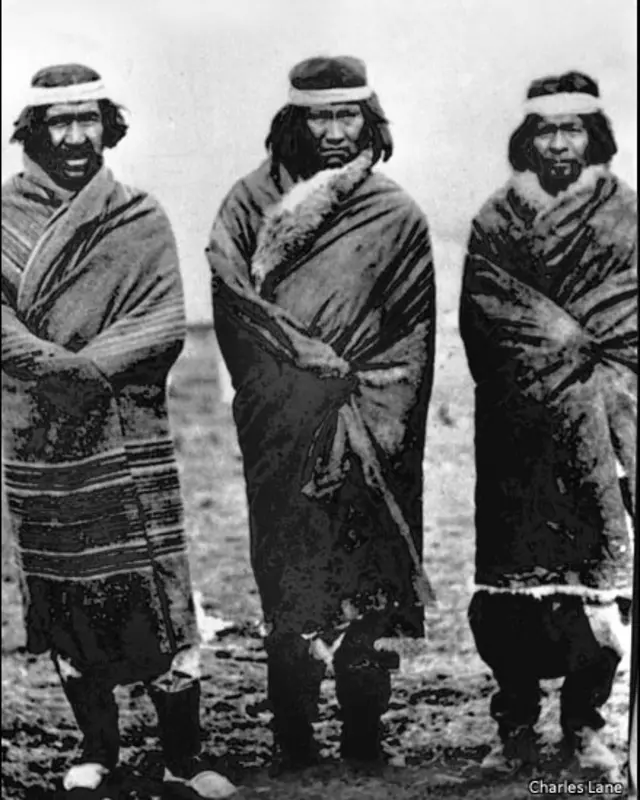
When one considers the evolution of clothing among the Tehuelche people, it is a fascinating journey that reveals not just changes in fabric and style but a deep intertwining of culture, environment, and creativity. The Tehuelche, indigenous to the vast landscapes of Patagonia in Argentina, have a rich history that is reflected in their traditional attire. Clothing has always played a pivotal role in Tehuelche life. From the materials used to the designs chosen, every aspect of their sartorial choices tells a story — a story of survival, adaptation, and cultural expression. Historically, their clothing has evolved in tandem with societal changes and external influences, leading to a unique blend of tradition and modernity that continues to shape their present identity.
The Role of Environment in Clothing Choice
The natural environment of Patagonia deeply influenced the clothing practices of the Tehuelche. The region is characterized by its cold, harsh climate, and the Tehuelche relied heavily on the resources available to them. Their clothing was primarily made from:
- Animal skins and furs: These provided essential warmth and protection from the elements.
- Vegetal fibers: Some Tehuelche also utilized plant materials available in their surroundings, allowing for breathability during warmer periods.
- Leather: A favorite material for creating durable and flexible clothing, perfect for their nomadic lifestyle.
These materials were not only practical but also embodied the relationship between the Tehuelche people and the land they inhabited.
Traditional Clothing: A Reflection of Identity
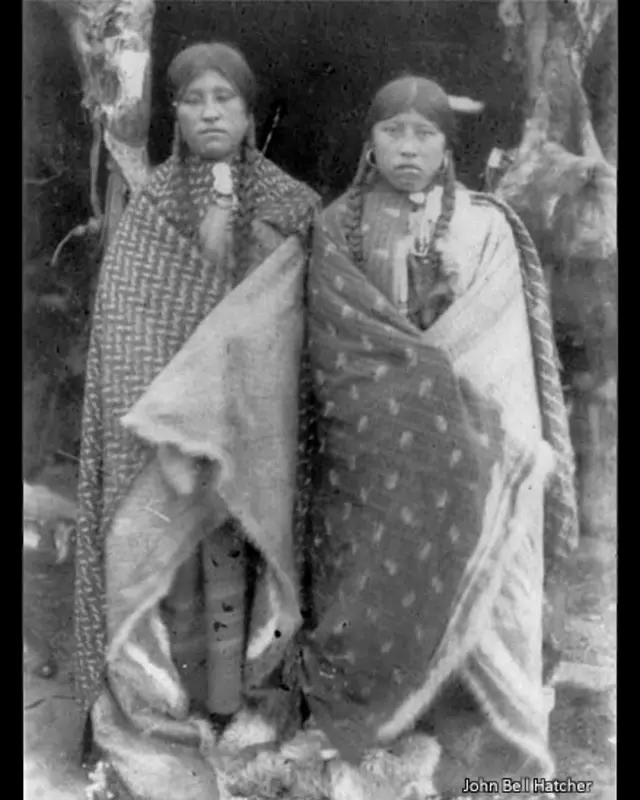
Traditional Tehuelche clothing serves as a crucial component of their identity, often reflective of their social status, age, and gender. Traditionally, men wore ponchos made from animal skins, often adorned with intricate designs. Women, on the other hand, typically wore longer garments, which were also crafted from animal skins, with added decorations that showcased their artistry. In social gatherings, one could see variations in designs and styles that signified the wearer's identity. For instance, during ceremonies, vibrant colors and unique motifs were displayed, illustrating the importance of community and cultural pride.
Cultural Significance Beyond Fashion
Clothing among the Tehuelche was never merely about functionality. It played a fundamental role in their cultural rituals and social interactions. The items they wore often held deeper meanings, serving as symbols of unity, heritage, and tradition.
- Ceremonial Garments: Certain outfits were reserved for specific cultural events, playing a vital role in celebrations and rituals.
- Color and Decoration: The choice of colors and decorations carried symbolic meanings; for example, specific patterns might indicate a family's lineage or tribal affiliation.
As a living tapestry, Tehuelche clothing offers insights into their societal values and stories passed down through generations.
The Impact of External Influences
With European contact, particularly during the 19th century, changes began to ripple through Tehuelche clothing styles. The introduction of new materials, such as woven fabrics and metal accessories, led to significant shifts in their traditional attire. Examples include:
- Wool and Cotton Fabrics: These became popular, influencing the way clothing was constructed and adorned.
- Western Styles: As trade relations expanded, Western styles began to creep into Tehuelche fashion. This led to a blend of European and traditional Tehuelche styles, giving rise to what some would call a hybrid culture.
Such changes were not just superficial; they represented broader shifts in the Tehuelche way of life and their interaction with the world around them.
Modern Adaptations and Revivals
Today's Tehuelche embrace this rich heritage but are also keenly aware of contemporary fashion trends. Young Tehuelche women and men are now experimenting with traditional designs, often combining them with modern outfits to create a unique, fresh style. This evolution showcases an exciting juxtaposition:
- Contemporary Fashion Trends: Many young Tehuelches incorporate elements of their traditional clothing into modern attire, often seen on social media or fashion exhibitions.
- Revival of Traditional Garments: There is a growing movement among the Tehuelche, especially women, to revive traditional garments for cultural representation. This is observed during community events where traditional clothing takes center stage.
Ultimately, the evolution of Tehuelche clothing is a testament to their resilience and adaptability. The clothing that once represented daily survival in harsh environments has transformed into a symbol of cultural identity, bridging the past with the present. As the Tehuelche continue to navigate their place in the modern world, their clothing remains a crucial part of their expression and identity, celebrating their rich history while embracing new influences. In doing so, they ensure that their sartorial legacy is not only preserved but also continues to evolve.
Historical Background of Tehuelche Clothing
Traditional Clothing of the Tehuelche People
As one delves deeper into the world of Tehuelche clothing, the rich tapestry of history comes into vivid focus. Traditional clothing among the Tehuelche people existed long before contemporary influences arrived, forming the bedrock of their identity. At its core, the clothing they wore was closely entwined with their environment, societal roles, and daily activities. A unique feature of Tehuelche clothing was its reliance on natural resources. Given the chilly climate of Patagonia, the Tehuelche utilized the sturdy hides and furs of the animals they hunted. Here are a few notable aspects of their traditional attire:
- Materials:
- Animal Skins: The most significant source for clothing, including leather from guanacos and other local fauna, provided insulation against the cold.
- Furs: Warm and protective, furs were reserved for outer garments and ceremonial occasions.
- Natural Fibers: While less commonly used, plant fibers served as supplementary materials for woven items.
- Garments:
- Ponchos: Men typically wore ponchos crafted from furs or skins, often adorned with elaborate beadwork and designs that represented their family lineage or tribal group.
- Dresses: Women’s attire included long dresses made from soft leather or animal hides, sometimes embellished with decorative stitching or fringe, showcasing the artistry of the wearer.
- Functional Footwear: Boots made from the same materials provided warmth, and their designs were functional for the rugged terrains of Patagonia.
The traditional clothing not only protected the Tehuelche from the harsh elements but also allowed them to express their cultural identity. This attire was indicative of their relationship with nature, where every stitch and seam was made with purpose.
An Anecdote of Tradition
Let’s take a moment to appreciate a real-life example! Imagine a young Tehuelche girl preparing for a family gathering. She carefully selects a beautifully embroidered dress, inherited from her grandmother who wore it during community ceremonies. This garment, rich in history and familial love, is not just clothing; it is a bridge connecting generations, showcasing the significance of tradition in Tehuelche society.
Cultural Significance of Clothing in Tehuelche Society
Clothing for the Tehuelche was more than practical; it was steeped in meaning. Every piece of clothing worn was a manifestation of their beliefs, values, and social structures. The cultural significance of clothing in Tehuelche society can be broken down into several key aspects:
- Social Hierarchy: Traditionally, clothing signified social class and status within the community. Leaders and prominent figures often wore more ornate garments, indicating their role and responsibilities within the tribe.
- Ceremonial Importance: During rituals and celebrations, specific garments were worn to represent spiritual connections and cultural heritage. For instance, during a rite of passage, particular ceremonial outfits would be donned, signifying the transition into adulthood.
- Artistic Expression: The attire reflected the artistic creativity of the Tehuelche. Patterns and colors were selected based on their meanings and the stories they told. These designs often held significance within the community, showcasing individual or family stories through garments.
Connection to Identity and Community
Clothing served as a binding element between individuals, families, and the larger community. It was through these garments that stories were circulated, and traditions were maintained. For example, certain ceremonies required attire made from very specific materials, emphasizing community standards and collective identity. Key Takeaways to Highlight:
- Clothing connected the Tehuelche to their ancestral knowledge, with designs rooted in historical events, myths, and everyday life.
- The materials chosen were not arbitrary; they were a direct reflection of the Tehuelche's life experiences and the environment surrounding them.
Importance of Clothing in Daily Life
In daily life, clothing functioned as vital tools, adapted to various tasks and labor. While they were practical, they also carried weighty meanings regarding gender roles and responsibilities within the tribe. Men typically engaged in hunting and gathering, while women were praised for their crafting skills, which included not just clothing but also accessories and tools.
- Maintenance of Closely-Knit Communities: Clothing often became a topic of conversation and a tool for social gatherings. When families would come together for celebrations, the intricate clothing worn by each member sparked stories and memories, reinforcing community bonds.
In sum, the historical clothing of the Tehuelche people weaves a narrative rich in culture, history, and meaning. As we move forward in our exploration, it becomes increasingly evident how these traditional garments have not only shaped the identity of the Tehuelche but have also adapted over the years in response to external influences and changing times. Understanding this evolution is key to appreciating the continued significance of their attire within contemporary society.
Influence of External Factors on Tehuelche Clothing
Impact of European Contact on Tehuelche Attire
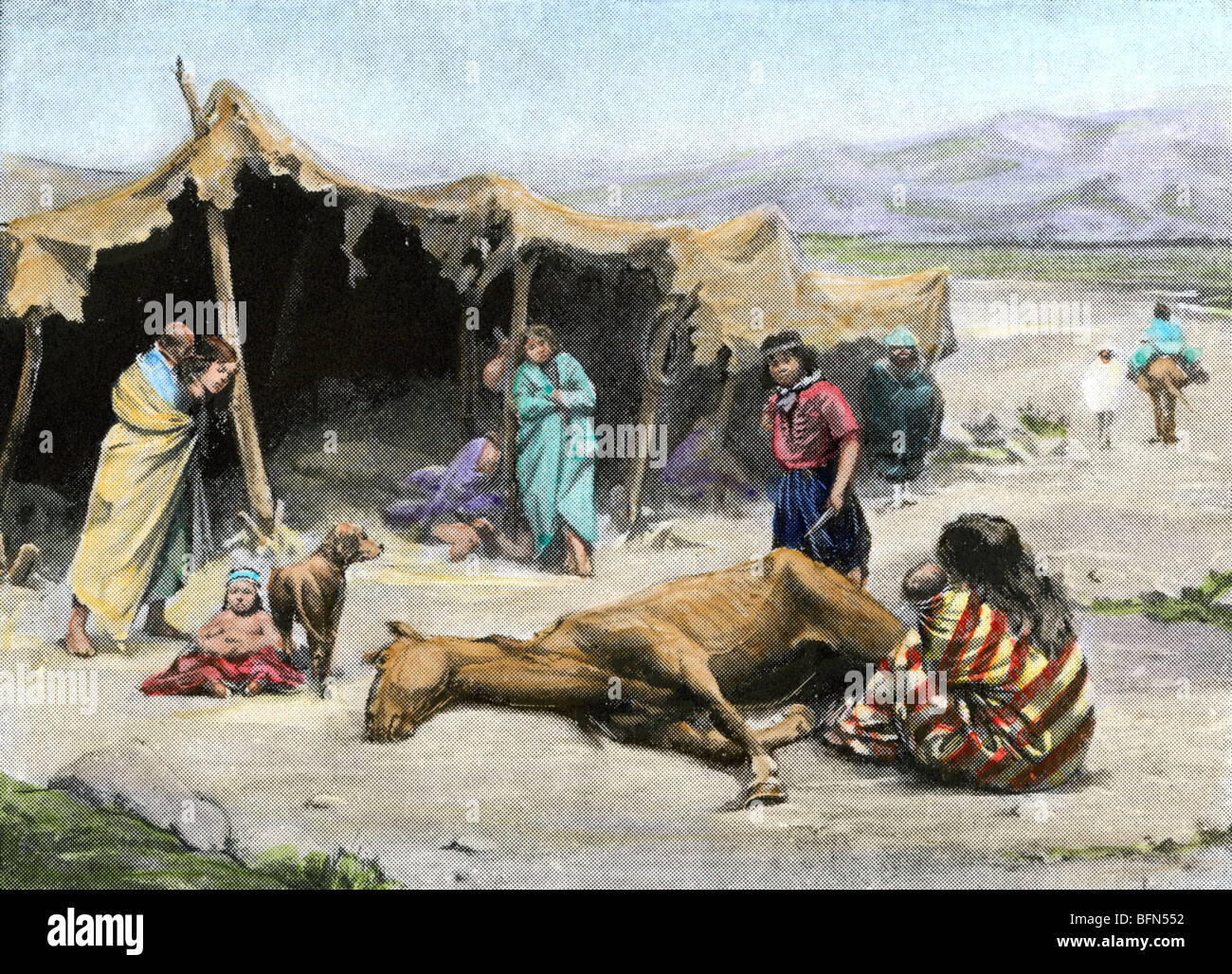
As the story of Tehuelche clothing unfolds, it is crucial to acknowledge the impact of European contact, which marked a significant turning point in their sartorial practices. When Europeans began exploring the vast landscapes of Patagonia in the 16th and 17th centuries, the Tehuelche people were introduced to foreign materials, styles, and ideas that would fundamentally alter their traditional attire. Initially, the Tehuelche were influenced by the presence of explorers and missionaries, who brought with them new fabrics and clothing styles. The introduction of wool and cotton changed how the Tehuelche viewed clothing, making it possible to create pieces that were both functional and comfortable.
- Wool: It became a favored material among the Tehuelche, primarily due to its warmth and resilience. Unlike the furs they traditionally used, wool was less cumbersome and offered more versatility in designs.
- Cotton: This new fabric provided a vibrant alternative for decorative clothing. It was lighter and softer, leading to the creation of garments that were more suitable for warmer seasons.
Moreover, with European influence came changes to aesthetics and fashion. Traditional designs began to blend with Western styles, resulting in an intriguing mix:
- European cut: The introduction of tailored garments influenced how clothing was crafted, leading to the adoption of shapes and fits that had not been part of their wardrobe before.
- Embroidery and Patterns: The Tehuelche incorporated new motifs and techniques into their garments, creating a unique hybrid of styles that celebrated both their heritage and new influences.
A Personal Anecdote of Cultural Exchange
Imagine a young Tehuelche seamstress sitting at her workshop, threading a needle through a piece of soft wool she had recently acquired from a trader. With her grandmother’s teachings in mind, she carefully combines traditional designs with new techniques she learned from European visitors. As she stitches, she reflects on how her clothing tells a story—one that connects past traditions with the dynamic present. Such exchanges went beyond materials and designs; they symbolized a cultural dialogue that would impact the Tehuelche identity moving forward.
Shifting Perspectives on Identity
While the integration of European styles offered new opportunities for expression, it also posed challenges. Traditionalists within the Tehuelche community were concerned that the adoption of Western clothing might dilute their cultural identity. This tension between embracing new influences while preserving their heritage has been an ongoing conversation among the Tehuelche, highlighting the importance of balancing tradition with modernity in contemporary attire.
Changes in Materials and Designs Over Time
The evolution of materials and designs in Tehuelche clothing has been a continuous process shaped by external influences. As the Tehuelche adapted to these changes, their clothing reflected deeper meanings intertwined with their culture, resilience, and innovation.
New Materials and Their Uses
The influx of new materials didn’t merely change the aesthetics of Tehuelche clothing; it greatly enhanced functionality and adaptability to the varying climates of Patagonia. Over time, materials included:
- Synthetic Fabrics: In recent decades, the arrival of synthetic materials has further diversified the Tehuelche wardrobe. These modern fabrics are often lightweight, durable, and water-resistant, catering to the needs of their ever-evolving lifestyle.
- Leather and Animal Hides: Although still used, the sourcing of animal hides has transformed due to regulations and changes in hunting practices, necessitating a shift in how these materials are viewed and utilized.
Design Innovations
With new materials came new design possibilities. The Tehuelche began experimenting with various styles, leading to innovations that reflect their identity as dynamic people. Contemporary designs often feature:
- Functional Garments: The modern Tehuelche focus on creating clothing that accommodates their active lifestyles, leading to practical yet stylish combinations. This is particularly evident in their adaptations for outdoor activities, which honor their traditional connection to the land.
- Cross-Cultural Motifs: Today’s Tehuelche clothing is a blend of traditional and contemporary motifs. For example, one might find traditional embroidery alongside modern cuts, reflecting a fusion that celebrates both heritage and change.
The Role of Fashion in Identity
Fashion has become a powerful medium for expressing identity and reconnecting with heritage. Younger generations of Tehuelche are not only showcasing their history through their attire but are also participating in a broader narrative of Indigenous identity in modern society. These reflections are crucial in a world where cultural heritage is increasingly endangered. As we analyze the influence of external factors on Tehuelche clothing, it is evident that this evolution has played a vital role in shaping their social and cultural landscape. The rich history of their attire encapsulates a story of resilience, adaptation, and the beautiful interplay between tradition and innovation. In the next section, we will explore the modern adaptations of Tehuelche clothing, examining how contemporary fashion trends interact with their traditional roots.

Modern Adaptations of Tehuelche Clothing
Contemporary Tehuelche Fashion Trends
As we move forward in the exploration of Tehuelche clothing, it becomes increasingly fascinating to witness how traditional attire has adapted to contemporary styles while still reverberating with echoes of the past. Today, a new generation of Tehuelche is embracing fashion not just as a means of expression but as a way to celebrate their cultural heritage and bring awareness to their communal identity. Contemporary Tehuelche fashion trends are characterized by an exciting blend of traditional elements and modern design influences. Here are a few key trends worth noting:
- Fusion of Styles: Many young Tehuelche have begun incorporating traditional patterns into modern silhouettes. For instance, you might find a simple t-shirt adorned with ancestral designs, showcasing that cultural pride can be stylish and accessible.
- Comfort Meets Tradition: There is a strong emphasis on comfortable clothing that does not sacrifice style. Loose-fitting garments made from breathable fabrics are favored, allowing individuals to move freely while representing their heritage.
- Sustainable Practices: Sustainability is at the heart of many contemporary Tehuelche fashion choices. Many are turning to locally sourced materials, upcycling old garments, and creating environmentally friendly clothing lines. This trend not only respects the land but also intertwines their identity with modern ecological values.
Picture this: A Tehuelche daughter walks through the streets of downtown Buenos Aires wearing a chic, contemporary outfit that fuses traditional patterns with urban designs. Her jacket features embroidered details inspired by ancestral motifs. Every passerby is drawn to her ensemble, which tells a story of identity, cultural resilience, and modern flair. This example encapsulates the way contemporary fashion is bridging the gap between tradition and modern life in an engaging manner.
A Personal Tale of Transformation
A young Tehuelche fashion designer, Mariana, once found herself at a crossroads between her heritage and the modern world. Growing up, she was surrounded by her grandmother's stories about traditional clothing, which sparked her love for fabrics and designs. As she entered fashion school, she realized there was a potent opportunity to create something new. Mariana began blending traditional designs with contemporary cuts, planning her first collection that launched during a cultural festival. The audience was electrified by her modern interpretations of Tehuelche attire, a moment that honored the past while envisioning a vibrant future. This experience exemplifies a broader trend: Tehuelche fashion is evolving, becoming a canvas where history meets aspiration.
Revival of Traditional Garments in Modern Contexts
As much as contemporary trends are shaping Tehuelche fashion, there is also a robust movement focused on reviving traditional garments. This revival is paramount for several reasons, including preserving ancestral knowledge, maintaining cultural identity, and fostering community pride.
- Cultural Events and Ceremonies: Many Tehuelche people are committing to wearing traditional garments during significant gatherings, such as weddings, religious ceremonies, and community festivals. This not only showcases their rich heritage but also reinforces social bonds among community members.
- Cultural Exchange: Workshops and events have emerged where artisans share traditional crafting techniques with younger generations. These gatherings often focus on the construction of traditional garments, demonstrating how skills can be passed down and kept alive. By participating, younger Tehuelche can create and wear clothes that connect them to their ancestors.
- Formal Education and Exhibitions: Cultural institutions and museums are now hosting workshops and exhibitions focused on Tehuelche clothing. They highlight the intricate designs woven into the garments and educate the public about the cultural significance of these pieces. This creates awareness and fosters admiration for the craftsmanship behind traditional attire.
The Emotional Connection to Garments
To illustrate the emotional significance, consider a family passing down a vibrant, hand-stitched poncho. As the elder hands it over to the youngest member, they recount the history and stories behind it, making the garment a living piece of their heritage. Each thread represents not just craftsmanship but also the collective memory of joy, struggle, and resilience. Moreover, this revival signifies an assertion of identity. By embracing traditional garments in modern contexts, the Tehuelche are stating their place in the contemporary world as proud individuals rooted in rich cultural history.
Bridging the Old and New
In conclusion, the modern adaptations of Tehuelche clothing highlight a dynamic journey where tradition meets contemporary practices. The blend of contemporary fashion trends with the revival of traditional garments offers a captivating glimpse into how the Tehuelche continue to shape their identity. Fashion serves as both a statement of resilience and a celebration of heritage—an artistic expression where the past continues to inform the present. As this evolution unfolds, it captures the enduring spirit of the Tehuelche people, demonstrating that their garments are more than articles of clothing; they are vessels of culture, connection, and pride. With this rich tapestry of influences, Tehuelche fashion is not only an attire; it is an ongoing story woven into the very fabric of their community.

Evolution of Accessories in Tehuelche Attire
Evolution of Headwear and Footwear
As we delve deeper into the fascinating world of Tehuelche attire, it becomes clear that accessories play an essential role in defining their cultural identity. Among these, headwear and footwear stand out as significant elements in their clothing philosophy. Throughout history, these accessories have evolved, reflecting not only practical needs but cultural symbolism and aesthetic values.
Headwear: From Practicality to Personal Style
Traditionally, Tehuelche headwear served important functional purposes, designed to protect against the elements. Early styles included:
- Hats Made from Animal Hides: Crafted from the furs or hides of animals like guanacos, these hats provided warmth during harsh Patagonian winters.
- Braided Plant Materials: In warmer months, the Tehuelche also fashioned head coverings from local plants, both for shade and as a means of protection from the sun.
Over time, the evolution of headwear began to incorporate more decorative elements, moving beyond the merely functional:
- Adornments: As interactions with Europeans increased, more ornamental hats began appearing, embellished with beads, feathers, and other decorative items. This not only added flair but also showcased individual family identities and social status.
- Modern Styles: Today’s Tehuelche youth often sport contemporary hats that merge traditional designs with current trends, creating a vibrant aesthetic that tells a rich story. For instance, a colorful beanie may feature embroidered patterns reflective of Tehuelche mythology.
Footwear: A Symbol of Resilience
Tehuelche footwear has also represented both practical adaptations and expressions of identity. In earlier times, the footwear worn was directly connected to their lifestyle and activity:
- Thick Leather Boots: Designed for durability, traditional boots made from animal hide were essential for traversing rugged terrains and cold landscapes.
- Sandals: In warmer weather, sandals made from woven plant fibers or soft leather provided comfort and breathability.
As fashion evolved, so did footwear styles within the Tehuelche community. Today, these adaptations reflect a blend of modern comfort and traditional craftsmanship:
- Durable Modern Designs: Many Tehuelche opt for hiking boots inspired by contemporary outdoor fashion but select designs that respect their roots, featuring high-quality leathers and local materials.
- Cultural Footwear: At cultural events, it’s common to see handmade shoes that showcase intricate designs. These shoes often incorporate elements of traditional stories or wildlife imagery, blending history with modernity.
A Personal Anecdote of Footwear Transformation
Consider a young Tehuelche man named Mateo preparing to attend a community gathering. He carefully selects his footwear, a pair of leather boots he painstakingly crafted from the skins of animals he and his family hunted. As he puts them on, he reflects on the generations of Tehuelche who walked the lands before him, their footsteps echoing his own. Each stitch tells a story of survival and strength, while also making a statement about his commitment to honoring his heritage.
Decorative Elements in Tehuelche Clothing
Beyond functionality, decorative elements in Tehuelche attire serve as powerful expressions of identity, culture, and artistry. These embellishments are more than mere ornaments; they are threads of memory and storytelling woven into the fabric of their clothing.
Symbolism in Ornamentation
Traditional Tehuelche garments often featured specific decorative elements that conveyed deeper meanings:
- Beadwork: Intricate bead designs were common in the attire of women, often symbolizing family lineage, nature, or significant events. Each color and pattern relayed messages about the wearer's identity and community ties.
- Embroidery: Hand-stitched embroidery depicting animals, plants, or geometric patterns adorned garments. Every piece created was a personal canvas reflecting each artist's voice and history.
Modern Decorative Trends
In recent years, the revival of interest in traditional decorative arts has led to a flourishing of creativity in Tehuelche clothing:
- Fusion of Styles: Contemporary designers are now combining traditional decorative techniques with modern aesthetics, resulting in striking garments that appeal to a global audience. For example, a contemporary dress may feature traditional motifs as a form of homage, appealing to both cultural pride and modern fashion sensibilities.
- Fashion Statements: In urban settings, you might see jackets and handbags adorned with Tehuelche symbols that connect the wearer to their heritage while making a chic fashion statement.
Community Celebrations and the Role of Decoration
Cultural events and festivals offer an excellent opportunity to witness the importance of decorative elements in Tehuelche attire. During such gatherings, it is common to see:
- Vibrant Displays: Participants don large amounts of colorfully decorated clothing that encapsulate the creativity and spirit of the community.
- Cultural Shows: Events often include fashion showcases where traditional and modern designs come together, illustrating the evolution of Tehuelche clothing while paying homage to the past.
In essence, the evolution of accessories within Tehuelche attire—both headwear and footwear—is a vivid representation of adaptability and cultural expression. As elements of design shift between practicality and decoration, they strengthen the connection between the Tehuelche community and their rich heritage, merging the old and new into a beautiful tapestry of identity. The deep cultural meanings behind these decorative items serve as reminders that every outfit is not just a piece of clothing, but a statement laden with history, pride, and artistry. As we continue to explore Tehuelche clothing, it becomes increasingly clear that every thread, every bead, and every stitch weaves a narrative of resilience and cultural heritage.
Conclusion
Summary of Key Changes in Tehuelche Clothing Evolution
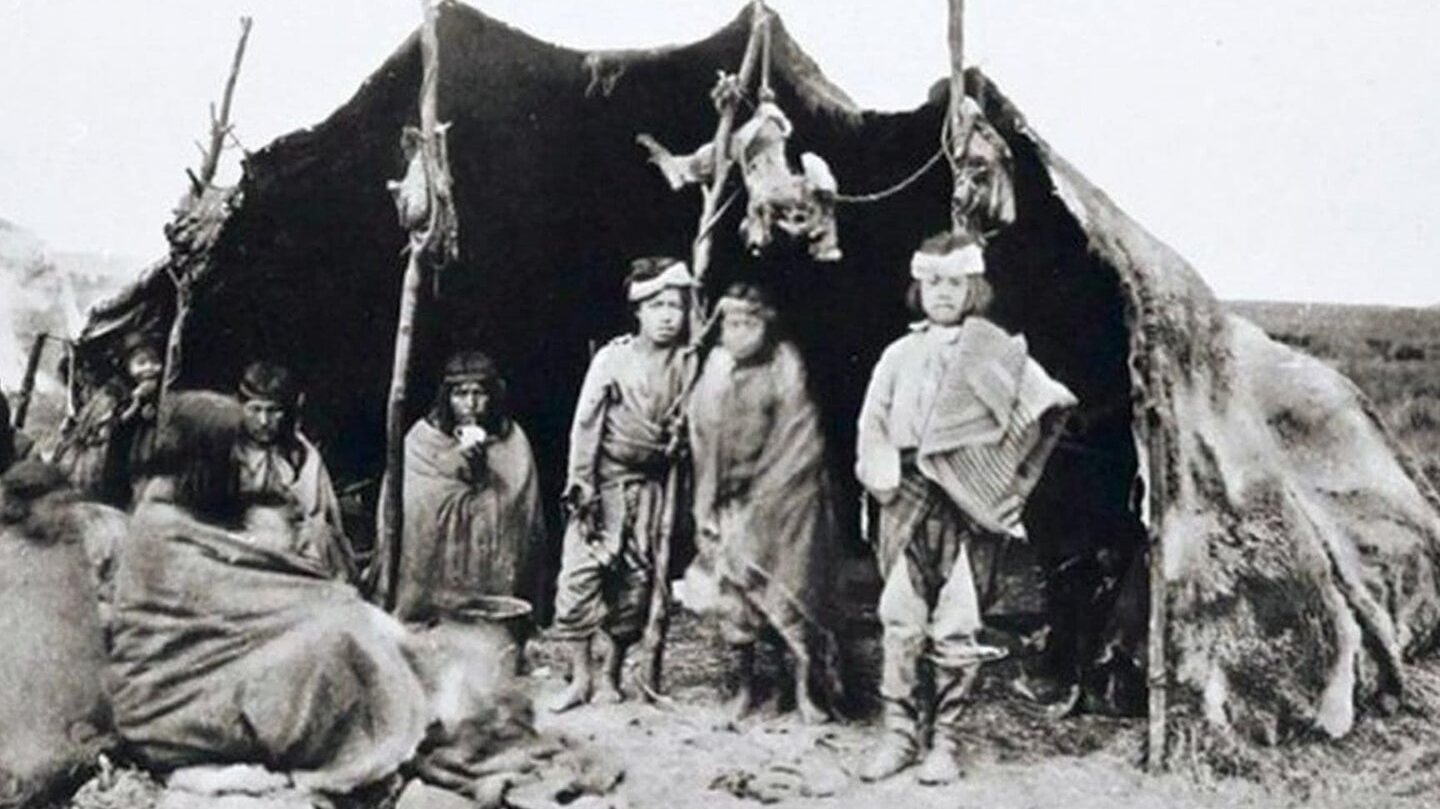
As we wrap up this exploration into the evolution of Tehuelche clothing, it’s important to reflect on the transformative journey that this attire has undertaken over time. From the ancient roots of practical garments crafted from animal hides and furs to the dynamic fusion of modern styles and traditional motifs, Tehuelche clothing has evolved significantly in response to external influences, societal changes, and cultural revival.
A Journey Through Time
- Historical Origins: The Tehuelche people originally fashioned their clothing primarily from animal skins and furs, using their environment to create garments suited for survival in the harsh Patagonia climate. This was a time when clothing was about functionality and meeting the needs of daily life.
- Impact of European Contact: The arrival of Europeans introduced new materials like wool and cotton, which reshaped the way Tehuelche dressed. These influences brought about a blending of styles, merging traditional forms with new aesthetics and functionality.
- Contemporary Adaptations: In modern times, younger generations of Tehuelche have begun to create an exciting fusion of traditional and contemporary clothing. Emphasizing comfort, sustainability, and artistic expression, contemporary fashion trends showcase the rich cultural heritage while appealing to modern tastes.
- Accessories Evolution: Accessories like headgear and footwear have also undergone significant transformation. What began as purely functional items have developed into symbols of cultural pride and identity, often adorned with intricate decorations that speak to both personal and communal narratives.
- Revival and Innovation: Finally, we see a strong revival of traditional garments and crafting techniques, facilitated by community workshops and cultural events. This revival signifies a desire to reconnect with heritage, emphasizing the significance of traditional attire in maintaining cultural identity.
Reflecting on Heritage
Throughout this journey, it is clear that Tehuelche clothing is not just a collection of garments; it is a vibrant expression of history, identity, and resilience. Each piece of clothing tells a story—a story that speaks to survival, adaptation, and the continuing legacy of the Tehuelche people.
Importance of Preserving Tehuelche Sartorial Heritage
As we consider the series of changes in Tehuelche clothing, it becomes increasingly evident that preserving this sartorial heritage is not only an act of remembering the past but also a critical step toward safeguarding the future. The cultural threads that weave through Tehuelche attire provide a tangible connection to their ancestors, identity, and community values.
Cultural and Identity Significance
- Connection to Ancestry: The garments worn by the Tehuelche today are imbued with the stories and traditions of their ancestors. By preserving and wearing traditional clothing, they honor the legacies that have shaped their community over generations. This connection fosters a sense of pride and belonging among Tehuelche people.
- Expression of Identity: In our rapidly globalizing world, uniquely identifiable cultural expressions like Tehuelche clothing are vital. They serve as a reminder of the beauty of diversity and the importance of celebrating individuality. Wearing traditional garments can help assert and reaffirm cultural identity, especially among the younger generations trying to navigate a world that is becoming increasingly homogenized.
Educational Opportunities
- Workshops and Cultural Events: Encouraging workshops and educational events centered around Tehuelche clothing serves as an avenue for knowledge transmission. By involving younger generations in the process of crafting, decorating, and understanding the significance of traditional attire, we enable them to grasp valuable skills while instilling pride in their cultural heritage.
- Community Involvement: Promoting community festivals and fashion exhibitions that celebrate Tehuelche attire fosters awareness and appreciation among both Tehuelche and non-Tehuelche audiences. These events create opportunities for conversations around culture, identity, and the arts, making the Tehuelche sartorial heritage more visible and thus, more likely to be preserved.
The Call to Action
Ultimately, the preservation of Tehuelche sartorial heritage is a collective responsibility. Both community members and outsiders can contribute to this effort by respecting, supporting, and actively engaging with the Tehuelche fashion narrative. By doing so, they help ensure that the vibrant stories woven within each piece of clothing continue to be told for future generations. In reflecting on the evolution of Tehuelche clothing, we come to appreciate its profound importance—more than mere fabric or adornments, it represents survival, creativity, and enduring identity. As we move forward, let us continue to celebrate and support the richness of Tehuelche attire, recognizing that in doing so, we honor not only the past but also the vibrant tapestry of cultural heritage that persists in the present.