
Overview of the Guarani Indigenous Group in Argentina
As we delve deeper into the rich tapestry of Argentina’s cultural fabric, it becomes essential to highlight the Guarani Indigenous Group, a community that not only has deep historical roots but also continues to influence modern Argentine society.
History and Background
The Guarani people are one of the most significant Indigenous groups in South America, with a presence that stretches across several countries, including Argentina, Paraguay, and Brazil. Their journey dates back thousands of years, characterized by a strong connection to the land, which they see as a source of life and sustenance.
- Early Settlement: Archaeological evidence suggests that the Guarani have inhabited the region of the Paraná and Paraguay rivers for over 3,000 years. Ethnographic studies often highlight their semi-agricultural lifestyle, relying on hunting, fishing, and gathering.
- Colonial Impact: The arrival of Spanish colonizers in the 16th century drastically changed the Guarani way of life. Despite facing oppression and displacement, they engaged with Spanish settlers through trade but simultaneously resisted colonization, leading to a mixed legacy of both collaboration and conflict.
- Modern Era: In contemporary Argentina, the Guarani population primarily resides in the northeastern provinces, particularly Misiones and Corrientes. Over the years, various socio-political movements have aimed to reclaim their rights and land, showcasing their resilience and determination to preserve their cultural identity.
Understanding their history is pivotal to appreciating the profound struggles and adaptations the Guarani have undergone. Individuals from this community often share personal stories that reflect their sense of belonging and connection to their ancestral lands, illustrating how their historical experiences shape their current identity.
Cultural Significance
The Guarani culture is rich and diverse, reflecting their relationship with nature and spirituality. It encompasses traditional practices, social structures, and a unique worldview that has a significant impact on Argentina’s broader culture.
- Language: The Guarani language is an integral part of their identity. It is not only a means of communication but also a vessel of cultural heritage. In Argentina, Guarani is one of the languages recognized alongside Spanish, showcasing its importance and relevance.
- Social Structure: Traditionally, the Guarani society is organized into clans, where family ties and kinship play a crucial role in maintaining social harmony and collective decision-making.
- Art and Expression:
- Storytelling: Oral traditions are central to Guarani culture, with stories often filled with cosmological insights that explain their view of the world.
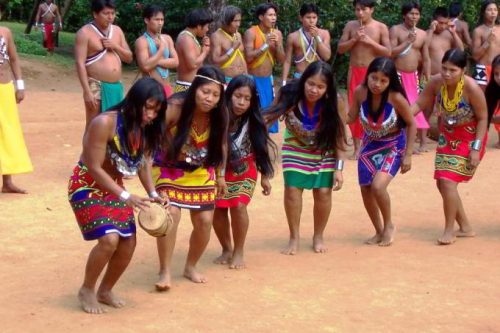
- Music and Dance: Traditional music and dances serve as a means of cultural expression, especially during ceremonies and festivities. Instruments like the “mbopi” (a traditional flute) create melodies that resonate deeply within their community.
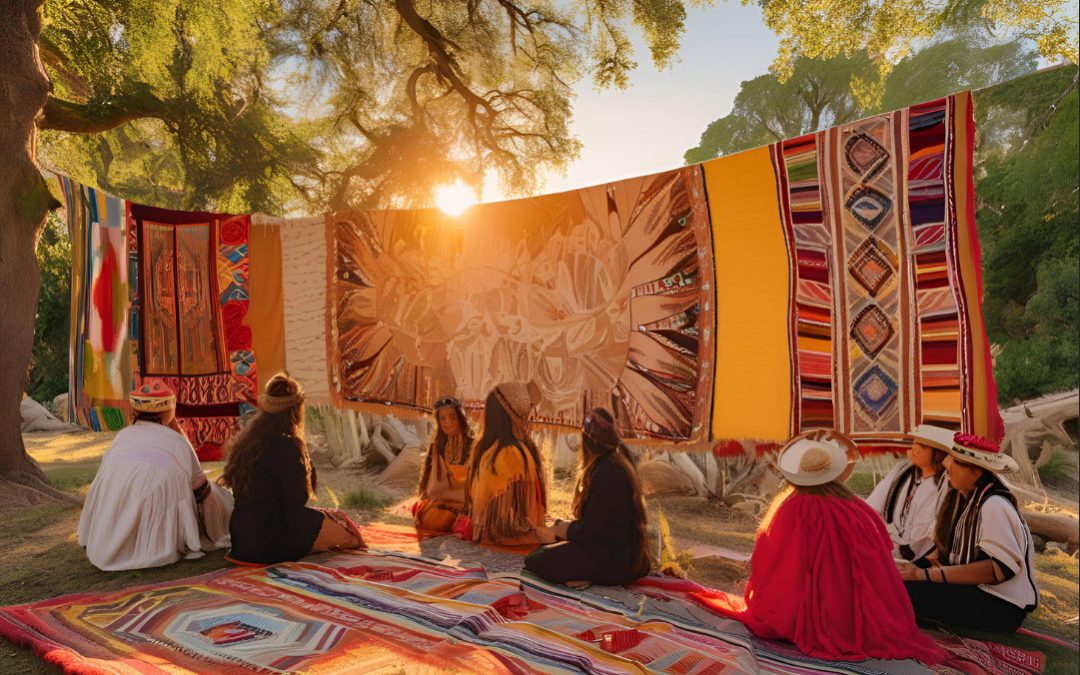
- Craftsmanship: The Guarani are known for their intricate crafts, such as weaving and pottery. Crafts often carry significant meanings, with motifs depicting aspects of their cosmology.
- Rituals and Celebrations: The Guarani’s connection to nature is celebrated through various rites and ceremonies. Key occasions such as the “mbopi” (harvest celebration) not only mark the agricultural cycle but also reinforce their communal bonds.
- Food Practices: Their diet is rich in local produce, with staples like maize, sweet potatoes, and yucca, reflecting their sustainable agricultural practices. Engaging with their culinary traditions offers a taste of their vibrant culture.
The thriving cultural expressions of the Guarani are not merely artifacts of the past but living traditions that evolve with each generation. They serve as a testament to the community’s resilience and strength in maintaining a rich legacy amidst modern challenges.
In conclusion, the Guarani Indigenous Group stands as a beacon of cultural significance in Argentina. Understanding their history and cultural practices is essential not only for recognizing their contributions but also for acknowledging their ongoing fight for recognition and preservation in today’s world.

Traditional Beliefs and Practices of the Guarani
As we continue to explore the vibrant legacy of the Guarani people in Argentina, it’s important to delve into their traditional beliefs and practices, which intertwine with their cultural identity and day-to-day living. The Guarani’s spiritual beliefs and healing methods offer insight into how they understand the world and maintain their connection to nature and community.
Spiritual Beliefs
The Guarani hold a profound spiritual worldview that emphasizes a deep respect for nature, ancestors, and the cosmos. Their beliefs are not merely religious; they reflect a holistic way of life that permeates every aspect of their existence.
- Cosmology and Deities: The Guarani believe in various deities and spirits, such as Tupa, the creator god, and Karai, the god of fire. These beings are integral to their understanding of life and morality. Tupa is often seen as a benevolent figure, representing creation and nourishment, while Karai embodies transformation and purification.
- Connection to Nature: Nature is sacred to the Guarani. They view the forest, rivers, and animals as living entities that communicate with them. For example, before hunting, a traditional prayer is offered to seek permission from the spirits of the animals, reverently acknowledging the cycle of life and death.
- Rituals and Offerings: Spiritual ceremonies play a pivotal role in Guarani life. Rituals such as the “Pañu,” which involves offering food and flowers to the spirits, are performed during significant life events, such as births, marriages, or harvests. These ceremonies reinforce community bonds and create a collective space for spiritual reflection.
- Spiritual Guides: The Guarani often rely on shamans or spiritual leaders known as “Paje.” These individuals play a vital role in guiding their community through challenges, interpreting signs from the natural world, and connecting the spiritual to the material.
In these traditions, personal anecdotes often highlight a community member’s deep connection to a specific place, such as a sacred tree or waterfall that serves as a spiritual landmark, further illustrating the Guarani’s intertwining relationship with their environment.
Traditional Healing Methods
In addition to their spiritual beliefs, the Guarani possess a wealth of traditional healing methods that reflect their understanding of health, disease, and well-being. Their approach often combines herbal medicine, spiritual practices, and community involvement.
- Herbal Remedies: The Guarani’s intimate knowledge of the flora in their environment allows them to utilize local plants for medicinal purposes. Some key herbal treatments include:
- Yarrow: Used for treating wounds and promoting healing.
- Guaraná: Known for its energizing properties, it is often consumed to improve vigor and mental clarity.
- Boldo: Traditionally used to aid digestion and liver function.
- Spiritual Healing: Healing sessions often involve rituals aimed at restoring balance. Shamans conduct ceremonies where they chant and use sacred objects to cleanse individuals of negative energies or spirits. This intertwining of physical and spiritual healing is essential to their healing philosophy.
- Community Support: The Guarani emphasize community involvement in health. Illnesses are often seen not just as individual afflictions but as disruptions within the community. Gatherings of family and friends to provide support and care during recovery highlight the communal aspect of health.
- Preventive Practices: Preventing illness is as critical as healing it. Traditional knowledge is passed down through generations regarding how to maintain health, including dietary practices that connect individuals with their land.
- Intergenerational Knowledge: Elders frequently share stories about their experiences and traditional medicines with the younger generation, ensuring that this vital knowledge is preserved. For example, a grandparent might tell a story about how a particular remedy helped a family member recover from illness, thus serving as both a lesson and a form of healing.
The Guarani’s traditional beliefs and healing practices serve not only to maintain physical health but also to foster a strong cultural identity. They provide a framework for understanding life and death, community cohesion, and even environmental stewardship. As we proceed through this exploration of the Guarani, it is clear that their unique traditions and practices continue to shape their identity and contribute to the broader Argentine cultural mosaic.
Guarani’s Influence on Argentine Culture
Continuing our exploration of the Guarani people, it’s evident that their cultural influence extends beyond their community and plays a significant role in shaping Argentine culture as a whole. From language to music, and traditional crafts to art, the Guarani have left an indelible mark on the cultural landscape of Argentina.
Language and Music
One of the most striking aspects of the Guarani’s influence is their language, which, alongside Spanish, is recognized in Argentina. Guarani is not only a means of communication but also a vessel of cultural identity, enriched with proverbs, stories, and expressions that reflect the community’s worldview.
- Linguistic Integration: Many Spanish-speaking Argentines incorporate Guarani words into everyday conversation. Terms like “tapioca” (a starch extracted from cassava) and “pira” (meaning fish) showcase how the language has mingled with the national tongue. Examples of Guarani phrases often resonate in discussions around food and nature, signaling a deep appreciation of Indigenous knowledge.
- Cultural Renaissance: Musically, the Guarani’s influence is vividly expressed through various genres that echo their traditions. Styles like “polka” and “chamamé” integrate Guarani rhythms and instruments, producing melodies that have become synonymous with Argentine identity. Celebrations often feature live performances where Guarani songs narrate stories of cultural significance, pride, and history.
- Instruments and Performance: Instruments such as the “berimbau” and the “ronroco” showcase unique sounds rooted in Guarani traditions. Personal anecdotes reveal how family gatherings often revolve around music; a grandmother’s voice might be heard echoing traditional lullabies that have been passed down, ensuring the stories remain alive.
Traditional Crafts and Art
Moving from language and music, the realm of crafts and art further highlights the Guarani’s impact on Argentine culture. Their artistic expressions are not just beautiful; they embody deep meanings and are often tied to rituals and community life.
- Pottery: Guarani pottery showcases intricate designs that often symbolize aspects of their cosmology. The craftsmanship involved is a form of storytelling. Each pot and vessel reflects the artisans’ connection to their ancestors and the land.
- Example: A guide in a village might proudly show visitors a pot adorned with patterns depicting the sky and stars, emphasizing the community’s roots in the natural world.
- Weaving: Traditional weaving techniques produce vibrant textiles, such as hammocks and bags, often made from local fibers. These items reflect not only durability but also exquisite artistry.
- Family Heritage: It’s common for children to learn weaving from their parents, creating a beautiful narrative of continuity. A parent might share, “I learned this from my mother, and now my daughter is learning it from me,” reinforcing familial bonds.
- Basketry: The Guarani also excel in basketry, crafting functional yet decorative items that showcase their environmental knowledge. These baskets are often made using local plants, symbolizing their sustainable relationship with nature.
- Symbolic Art: Paintings and carvings, often based on spiritual beliefs or natural elements, are prevalent within Guarani culture. Artwork can depict the cycle of seasons, connecting observers with the natural rhythms of the world.
- Expressions of Identity: Local artists frequently exhibit their work in fairs, merging traditional themes with modern expressions. For instance, an artist may incorporate traditional motifs but apply contemporary techniques to attract a wider audience.
- Community Workshops: The Guarani communities often host workshops where artisans share their skills with newcomers and younger generations. These gatherings not only foster skill development but also celebrate cultural heritage.
Through their language, music, crafts, and art, the Guarani Indigenous Group has significantly enriched Argentine culture. Their capacity to merge tradition with contemporary life creates a dynamic environment that honors the past while embracing the future. As we continue forward, the impacts of the Guarani remain a reminder of the importance of cultural identity and community resilience, enriching our shared human experience.

Challenges and Preservation Efforts
As we examine the rich cultural tapestry woven by the Guarani people, it is vital to confront the modern challenges they face. Their resilience in the face of adversity signifies not just a struggle for survival but a broader fight for cultural preservation. Let’s explore the complexities of these challenges and the ongoing efforts to conserve Guarani culture.
Modern Challenges Faced by the Guarani
The Guarani today navigate an array of hurdles that threaten both their traditional ways of life and their cultural identity. Understanding these challenges is essential for fostering empathy and support for their community.
- Land Displacement: The most pressing challenge for the Guarani is land rights. Historically, their ancestral lands have been encroached upon by agricultural expansion, logging companies, and urban development. This not only affects their ability to sustain traditional livelihoods, but it also disrupts their connection to sacred sites.
- Personal Stories: Reflecting on this, one elder might recount how their village once thrived surrounded by lush forests, now replaced by sprawling farms. Such anecdotes resonate deeply, illustrating the loss of connection to their cultural landscape.
- Cultural Erosion: With rapid globalization and assimilation pressures, younger generations face the risk of losing touch with traditional languages and customs. Many Guarani children are enrolled in schools where Spanish predominates, often sidelining Guarani.
- Family Experiences: A parent might express concern: “My child speaks Spanish better than Guarani. I fear our language will fade away,” underscoring a pressing urgency to maintain their linguistic heritage.
- Economic Challenges: Many Guarani communities struggle with poverty and lack of access to essential services such as healthcare, education, and employment opportunities. Economic hardships further limit their capacity to invest in cultural education and preservation initiatives.
- Environmental Threats: Furthermore, the degradation of natural resources poses an existential threat. The destruction of forests and waterways not only affects their ability to practice traditional hunting and gathering but also limits their spiritual practices.
- Elders’ Wisdom: Elders often remind their community, “We are the guardians of the forest; if we lose it, we lose ourselves.” Such reflections capture the deep-rooted belief in environmental stewardship as part of their identity.
Conservation of Guarani Culture
Despite these challenges, the Guarani are actively engaged in numerous preservation efforts to ensure that their culture thrives for future generations. Their resilience shines through their collective action and commitment.
- Cultural Revitalization Projects: Communities are establishing cultural centers aimed at promoting traditional practices. These centers often host workshops, language classes, and storytelling sessions, serving as hubs of cultural heritage.
- Example: A local cultural center might offer classes in Guarani weaving and pottery, enabling artisans to share their skills and keep traditions alive.
- Language Preservation Initiatives: Various organizations and grassroots movements are focused on revitalizing the Guarani language. Efforts include digital platforms and educational materials designed to engage youth in learning their native tongue.
- Community Programs: For instance, local schools are beginning to implement bilingual programs that celebrate Guarani culture, making language learning a communal effort.
- Advocacy and Collaboration: The Guarani actively participate in advocacy groups, working closely with NGOs and governmental organizations to champion their rights. These collaborations often focus on land rights, sustainability, and cultural education.
- Success Stories: Initiatives that have successfully returned land to the Guarani exemplify the power of collective action, bringing hope and fostering community pride.
- Intergenerational Knowledge Transfer: Families are prioritizing the transmission of cultural knowledge by organizing community gatherings where elders pass down stories, crafts, and songs to the younger generation.
- Examples of Engagement: An elder sharing a traditional story with a group of children, narrating their people’s history and values, ensures the legacy continues.
- Participation in Cultural Festivals: The Guarani engage in local and national festivals to showcase their traditions and art. These events foster intercultural dialogue and enhance public awareness of their rich heritage.
In summary, while modern challenges loom large over the Guarani people, their enduring spirit and commitment to cultural preservation shine brightly. Through resilience and proactive engagement, the Guarani community continues to navigate adversity while safeguarding their identity, leaving a lasting impact not only on Argentina but on the heritage of Indigenous peoples worldwide.
Guarani’s Impact on Argentina Today
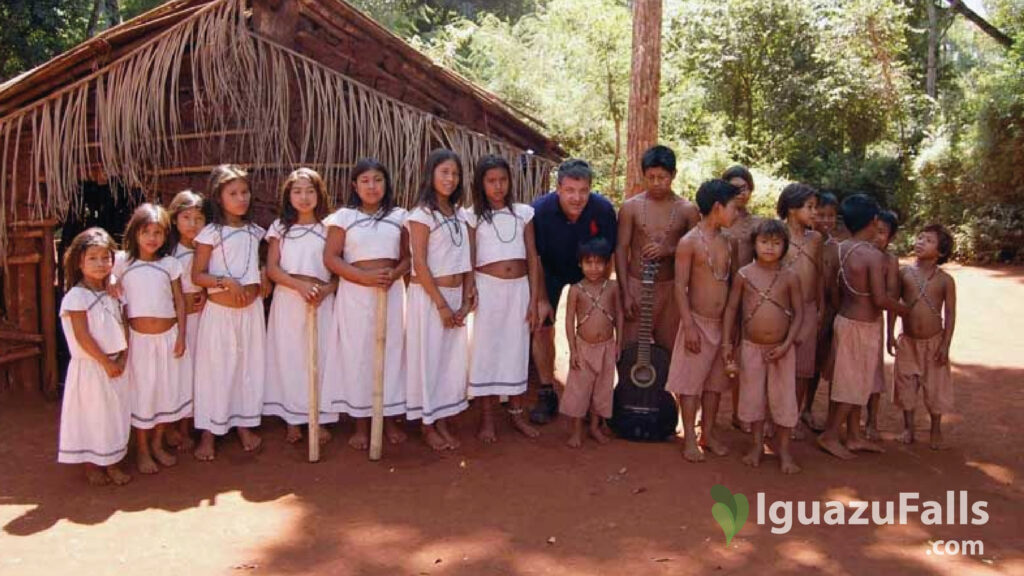
As we reflect on the cultural resilience of the Guarani people, it’s essential to consider their current influence on Argentine society. Their efforts in social integration and economic contributions demonstrate a vibrant and dynamic presence that enriches the nation’s diversity. Let’s delve into how the Guarani have carved out their space within contemporary Argentina.
Social Integration and Recognition
The Guarani’s journey toward social integration has been one of determination and strength, as they navigate challenges while striving for acknowledgment within the broader Argentine society.
- Cultural Identity Affirmation: Many Guarani individuals are increasingly proud of their heritage, leading to a cultural renaissance that emphasizes their identity. Events such as cultural festivals celebrate Guarani traditions, arts, and music, fostering a sense of pride and unity among community members.
- Pride in Heritage: An example can be seen in local festivals where Guarani musicians and dancers perform traditional songs and dances. A festival attendee might share, “Witnessing my people celebrate our culture makes me proud and reminds me of where I come from.”
- Political Representation: There’s a growing movement among the Guarani for political representation within local and national governments. Advocates are working tirelessly to elevate Indigenous voices, pushing for policies that recognize their rights and protect their lands.
- Community Leadership: Leaders within the Guarani communities are increasingly participating in dialogues about social issues, asserting their roles as vital contributors to Argentine society.
- Intercultural Exchanges: Social integration efforts have sparked opportunities for intercultural exchanges, where members of the Guarani community collaborate with non-Indigenous groups. These interactions foster mutual understanding, creating platforms for dialogue about Indigenous rights and cultural appreciation.
- Personal Stories: A Guarani youth might share an experience of collaborating with artists from other cultures, highlighting how these exchanges opened new perspectives and friendships.
- Educational Outreach: Schools and universities are beginning to incorporate Guarani history and culture into curriculums, promoting recognition of their contributions to Argentine identity. These educational initiatives not only benefit Guarani students with a sense of belonging but also educate non-Indigenous students.
- Engaging Programs: Cultural workshops led by Guarani artisans in schools are a great example of how knowledge is shared and different cultures are celebrated in educational settings.
Economic Contributions
Aside from their social impact, the Guarani community contributes significantly to Argentina’s economy through various avenues, reflecting their adaptability and resourcefulness.
- Arts and Crafts: The traditional crafts produced by Guarani artisans, such as woven textiles and pottery, are highly valued in both local and international markets. Craft fairs and online platforms enable artisans to sell their products, providing them with a sustainable income.
- Local Mercado: A local artisan might narrate their story of establishing a small shop that showcases Guarani crafts, providing employment for local youth and connecting them to their heritage.
- Ecotourism: The Guarani are also engaged in ecotourism initiatives that showcase their beautiful ancestral lands. Tourists are drawn to the unique experiences offered, such as guided nature hikes and cultural workshops that allow a deeper understanding of Guarani traditions.
- Personal Experiences: A traveler might recount their immersive experience in a Guarani community, where they learned about medicinal plants, traditional cooking, and the significance of natural preservation. These firsthand accounts highlight the potential for economic growth through sustainable practices.
- Agricultural Practices: The ability of the Guarani to maintain traditional agricultural practices contributes to food diversity and sustainability. They cultivate crops suited to the ecology of their regions while using methods that have minimal impact on the environment.
- Farmers’ Markets: Guarani agricultural products can often be found in local farmers’ markets, where they provide fresh produce to the community, fostering a connection between consumers and sustainable farming practices.
- Employment and Local Businesses: Members of the Guarani community are increasingly participating in various industries, including hospitality, education, and environmental conservation. Their involvement enhances local economies and promotes the importance of Indigenous perspectives in various sectors.
- Success Stories: A Guarani individual working as a tour guide might highlight how sharing their knowledge of Indigenous traditions with visitors has opened up job opportunities and increased appreciation for their culture.
In summary, the Guarani people have made substantial strides in social integration and economic contributions within Argentina. Their ability to blend tradition with contemporary practices enriches both their identity and that of the nation. As they continue to assert their presence through cultural pride and economic initiatives, the Guarani’s impact on Argentine society remains a powerful testament to resilience and unity.
Future Prospects for the Guarani Indigenous Group
As we look ahead, the future prospects for the Guarani Indigenous Group in Argentina reflect a blend of hope and opportunity. While challenges persist, there are significant avenues for cultural revival and increased recognition that can empower the community. Let’s explore how these elements can play a pivotal role in shaping their future.
Opportunities for Cultural Revival
The Guarani community is witnessing a resurgence of interest in their culture and traditions, driven by various initiatives that aim to preserve and revitalize their heritage.
- Cultural Festivals and Events: One of the most vibrant ways the Guarani are promoting their culture is through festivals that celebrate their music, art, and traditions. Local and national events, like the “Fiesta Nacional de la Cultura Guarani,” serve as platforms for cultural expression and gathering, attracting both locals and tourists.
- Community Engagement: Many Guarani individuals actively participate in organizing these festivals. Residents often recount stories of how these events rekindle pride in their heritage, bringing together generations in celebration.
- Artistic Collaborations: The rise of collaborative projects with non-Indigenous artists has led to exciting exchanges that bolster cultural visibility. By blending traditional art forms with contemporary styles, Guarani artists are finding new ways to express and share their stories.
- Examples of Success: A well-known Guarani painter could showcase their work in a gallery alongside modern artists, creating meaningful dialogues about identity and artistic expression.
- Documentaries and Media Representation: The advent of digital media provides a powerful platform for the Guarani’s voices to be heard. Documentaries that highlight their struggles, traditions, and aspirations can foster empathy and understanding among wider audiences.
- Real-life Impact: One filmmaker who has worked with the Guarani may share the profound impact of sharing their story with the world, emphasizing the importance of visibility in creating awareness.
- Cultural Exchange Programs: Educational and cultural exchanges between Guarani communities and academic institutions can lead to mutual learning. Such programs often emphasize the importance of Indigenous knowledge in addressing contemporary issues like climate change and sustainability.
- Success Anecdotes: A Guarani student might describe how a university internship allowed them to share their knowledge of traditional ecological practices, enriching academic discourse.
Role of Education and Awareness
Education and awareness are crucial components in shaping a positive future for the Guarani. By fostering an understanding of their culture, history, and rights, both within their community and beyond, they can create a more favorable environment for growth and recognition.
- Bilingual Education Initiatives: Schools that implement bilingual programs in Guarani and Spanish help to rejuvenate the language and instill cultural pride in young students. The integration of Guarani history and traditions into the curriculum enhances students’ sense of identity.
- Classroom Stories: A teacher involved in such programs might share how students eagerly participate in language classes, bringing their families into the conversation and creating a community-wide commitment to cultural preservation.
- Community Workshops and Training: Regular workshops focusing on traditional practices, such as weaving, cooking, and storytelling, strengthen cultural connections, allowing individuals to pass down knowledge to younger generations.
- Engaging Families: Parents often join these workshops, reinforcing the importance of shared learning and bonding. A parent may recount how their child’s interest in traditional crafts grew through participation in these gatherings.
- Awareness Campaigns: Public awareness campaigns aiming to educate the broader Argentine population about the Guarani’s rights, contributions, and challenges can promote social integration and support.
- Community Contributions: An individual involved in advocacy may explain how creating informative pamphlets and hosting community discussions have significantly shifted perceptions about Indigenous cultures.
- Increased Representation: Encouraging Guarani voices in media, politics, and academia will further the cause of recognition and respect. The community is making strides to have their representatives in local governance, ensuring their voices are heard.
- Impact of Representation: A Guarani politician might discuss the importance of their seat at the table and how it enables them to advocate for resources and policies that benefit their community.
In conclusion, the future prospects for the Guarani Indigenous Group in Argentina are filled with promising opportunities for cultural revival and increased recognition. Through education, community engagement, and collaborative efforts, they are not only preserving their rich heritage but also paving the way for a more inclusive society. As they move forward, the Guarani stand as a powerful reminder of resilience, cultural pride, and the importance of fostering understanding in today’s world.
Conclusion
As we wrap up our journey through the rich narrative of the Guarani Indigenous Group in Argentina, it’s essential to pause and reflect on the profound cultural legacy they have established. This legacy is a tapestry of traditions, values, and practices that not only shape the identity of the Guarani people but also contribute significantly to the broader Argentine cultural landscape.
Summary of Guarani’s Cultural Legacy
The Guarani’s cultural heritage is a unique blend of ancient traditions and modern adaptations that highlight their resilience and richness. Their language, music, crafts, and social practices come together to form a vibrant community that continues to thrive.
- Language and Communication: Guarani is not just a mode of communication; it’s a living embodiment of their history and worldview. The language carries stories, proverbs, and centuries of knowledge, making it an invaluable cultural asset.
- Personal Anecdote: A Guarani elder might share that speaking in their native tongue conjures memories of childhood tales, emphasizing the connection to their roots.
- Artistic Expressions: Traditional crafts, textiles, and artwork depict their relationship with nature and spirituality. These creations reflect their beliefs and serve as a means of storytelling.
- Illustrative Example: At local markets, visitors can see artisans weaving baskets and crafting pottery, each piece telling a story of both artistry and ancestry.
- Social Practices and Community: The Guarani’s strong sense of community and interconnectedness is evident in their rituals, celebrations, and social structures. They prioritize relationships, both with each other and the environment, which reflect a deeply rooted understanding of holistic living.
- Community Gatherings: Families come together for seasonal festivals, where they collectively share in music, dance, and culinary delights that honor their heritage, strengthening bonds and intergenerational ties.
- Challenges and Resilience: Though facing modern challenges, such as land rights disputes and cultural erosion, the Guarani continue to advocate for their identity and heritage. Their adaptability ensures that they remain not only relevant but also thriving in contemporary society.
As we explore this cultural legacy, it becomes clear that the Guarani people are custodians of a heritage that is crucial to understanding Argentina’s diverse identity.
Importance of Preserving Indigenous Cultures
The preservation of Indigenous cultures, such as that of the Guarani, is vital not only for the communities themselves but also for society as a whole. It fosters diversity, enriches cultural landscapes, and provides essential insights into sustainable living.
- Cultural Diversity: Each Indigenous culture adds a unique thread to the global tapestry. The Guarani’s practices remind us of the richness implicit in cultural diversity, leading to a more inclusive society.
- Personal Reflections: Attending a Guarani festival, non-Indigenous attendees often express newfound respect for their traditions and stories, realizing how different yet interconnected all cultures can be.
- Environmental Stewardship: Indigenous knowledge, particularly that of the Guarani, offers invaluable lessons about sustainable living and environmentally friendly practices. Their deep respect for nature embodies principles of conservation that are essential in today’s world.
- Practical Applications: By embracing traditional ecological knowledge, contemporary society can address pressing issues such as climate change and biodiversity loss.
- Empowerment and Identity: For Indigenous communities, preserving culture is a form of empowerment. It strengthens community bonds, fosters identity, and instills pride among members, promoting mental and emotional well-being.
- Community Empowerment: A young Guarani saying, “I am proud to be Guarani,” reflects the powerful sense of belonging that comes from cultural preservation.
- Education and Understanding: Educating current and future generations about Indigenous cultures promotes respect and understanding. This awareness enables collective action towards a more equitable society.
- Cultural Education Programs: Schools incorporating Guarani history and traditions teach students the importance of inclusivity from a young age, building a foundation for future acceptance and understanding.
In conclusion, the Guarani Indigenous Group contributes immeasurably to Argentina’s cultural heritage and societal fabric. Their legacy serves as a powerful reminder of the importance of preserving Indigenous cultures, not only for the community itself but for the enrichment of all humanity. As we honor their traditions, we embrace the possibility of a more inclusive, understanding, and harmonious world.