

Introduction
Overview of the Mapuche Community
The Mapuche are an indigenous community primarily located in southern Chile and Argentina. Known for their rich cultural tapestry and history, they have a strong sense of identity linked to their land and traditions. Many Mapuche individuals take pride in their customs, language, and the vital relationship they maintain with nature.
- Location: Mainly in the Araucanía region of Chile and parts of Patagonia in Argentina.
- Population: Approximately 1.5 million, making them one of the largest indigenous groups in the Americas.
Historical Background
The history of the Mapuche is marked by resilience. Their struggle against colonial forces began in the 16th century when Spanish conquistadors attempted to exert control over their territories. Over the centuries, the Mapuche have fought to preserve their culture and autonomy, resulting in a unique narrative of resistance.
- Key Events:
- The Mapuche-Spanish War (1541–1883): A series of confrontations that demonstrated their fierce independence.
- The 1879–1884 Occupation: Chilean forces made significant advances into Mapuche land, leading to the loss of ancestral territories.
Through their enduring spirit, the Mapuche continue to celebrate their heritage while navigating the complexities of modern society.
Mapuche Cultural Traditions
Spiritual Beliefs and Practices
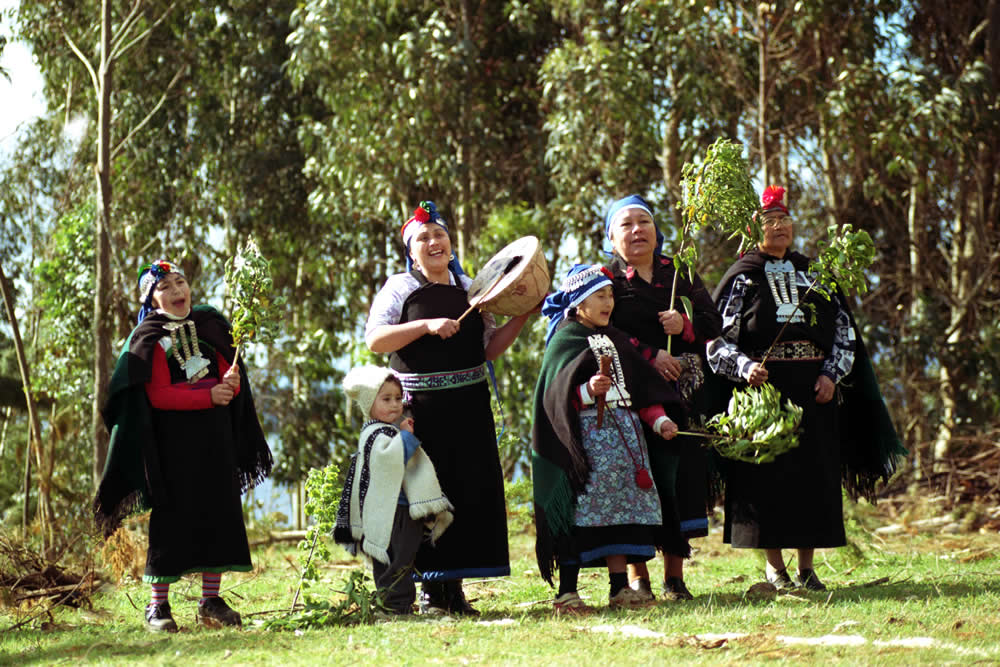
The spiritual beliefs of the Mapuche are deeply rooted in a connection with nature and a reverence for their ancestors. They view the natural world as alive, filled with spirits that require respect and offerings. Common practices include rituals and ceremonies such as the Ñilhue, performed to honor the spirits and seek their guidance, reflecting their commitment to a harmonious existence with the environment.
Traditional Attire and Textiles
Mapuche traditional attire is not just clothing; it’s a vibrant expression of culture. Each piece tells a story through its colors and patterns.
- Women often wear the traira, a long tunic adorned with intricate designs, and colorful moccasins.
- Men typically wear a poncho, which can signify age and status.
These textiles, often woven from natural fibers, are not only practical but also artistic representations of their heritage.
Culinary Heritage
Food plays a central role in Mapuche cultural traditions. Meals often feature ingredients sourced from their rich land, highlighting a deep appreciation for the environment.
- Traditional dishes may include:
- Paila Marina: A seafood stew flavored with local herbs.
- Curanto: A dish prepared in an earth oven, using meats, seafood, and vegetables.
Sharing meals is an essential part of community gatherings, emphasizing connection and fellowship.
Mapuche Art and Craftsmanship
Intricate Mapuche Weaving
The artistry of Mapuche weaving is a remarkable testament to their cultural heritage. Each piece is crafted with meticulous attention to detail, often representing the weaver’s identity and personal story. Women play a crucial role in this tradition, using traditional looms to create vibrant textiles.
- Materials Used: Natural fibers such as wool and cotton, dyed with organic pigments.
- Common Items: Shawls, ponchos, and decorative tapestries, often featuring intricate designs that symbolize the Mapuche worldview.
Symbolism in Mapuche Art
Symbolism is a cornerstone of Mapuche art, with many patterns holding significant meanings connected to nature and spirituality. For instance, the “kañum” design, resembles waves, symbolizing the flow of life and the importance of water. These symbols are not only decorative; they tell stories and share ancestral wisdom, fostering a sense of identity and continuity.
Mapuche Pottery and Woodwork
Pottery and woodwork are additional vital components of Mapuche craftsmanship. Skilled artisans utilize local materials to create functional and aesthetic pieces that reflect their cultural narratives.
- Pottery: Often characterized by its earthy tones and unique shapes, these items are used for everyday tasks as well as ceremonial purposes.
- Woodwork: Carvings typically feature motifs from nature, showcasing not only artistry but also respect for the land.
Together, these artistic expressions form a vibrant tapestry of Mapuche cultural identity, deeply rooted in tradition and community.

Mapuche Festivals and Celebrations
Importance of Rituals and Ceremonies
Mapuche festivals are vibrant occasions that showcase their rich cultural heritage, firmly rooted in rituals and ceremonies. These events serve not only as celebrations but also as moments for spiritual reflection, honoring their ancestors and the natural world. A key ritual, the Pewma, involves offerings to the spirits and is essential in maintaining harmony between the community and nature.
- Connection: Rituals reinforce community bonds, reminding participants of their shared history and identity.
- Significance: Ceremonies mark important life events such as births, harvests, and commemorations.
Traditional Music and Dance
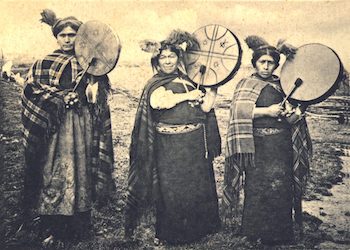
Music and dance are at the heart of Mapuche celebrations, infusing the air with joyous energy. Traditional instruments like the kultrun (a ceremonial drum) and pife (flute) set the tone for festivities. Dances, such as the Ñolken, often tell stories of ancestral spirits, inviting everyone to participate in the expression of their culture.
- Participation: Anyone can join in, regardless of age, fostering inclusivity and community spirit.
- Emotional Expression: Music and dance convey emotions that words sometimes cannot, uniting people in a shared experience.
Festivities Throughout the Year
Throughout the year, the Mapuche celebrate various festivals that reflect their agricultural calendar, spirituality, and community milestones. The Wetripantu, or New Year, is particularly significant, marking the winter solstice with rituals that symbolize renewal and the cycle of life.
- Other Notable Celebrations:
- Rayen: Celebrated to honor the earth and its bounty.
- Kawesqar: A festival focused on fishing, celebrating the connectedness to water and life.
These joyous occasions not only preserve the Mapuche identity but also strengthen community ties, making each celebration a cherished event for all.

Mapuche Socio-Political Influence
Community Organization and Leadership
The Mapuche community is well-known for its strong organizational structure and leadership qualities. Traditional leaders, or lonkos, play a vital role in guiding their communities, often making decisions that reflect collective wishes and maintaining cultural integrity.
- Collective Decision-Making: This process fosters unity and respect for diverse opinions within the community.
- Relevance: The integration of modern political systems offers opportunities for the Mapuche to assert their rights and advocate for their needs.
Resilience and Advocacy
Resilience has been a hallmark of the Mapuche’s socio-political journey. Over the years, they have faced numerous challenges, yet they continue to advocate for their rights and cultural preservation. Organizations and movements focused on land rights, environmental justice, and cultural preservation empower grassroots initiatives.
- Key Actions: Protests, legal actions, and public awareness campaigns.
- Community Impact: These efforts have drawn national and international attention to Mapuche issues, fostering solidarity with other indigenous groups.
Contemporary Challenges and Opportunities
While the Mapuche face contemporary challenges, including land disputes and socio-economic inequalities, there are emerging opportunities for progress.
- Political Participation: Increasing representation in government allows them to influence policies affecting their communities.
- Cultural Revitalization: Young Mapuche individuals are rediscovering and promoting their heritage, ensuring its continuity.
By embracing both traditional practices and modern advocacy approaches, the Mapuche are paving the way for a more equitable future while upholding their rich cultural identity.