
Introduction
Background of the Bandera Mapuche
The Bandera Mapuche, or Mapuche flag, serves as a vital symbol of identity for the Mapuche people of Chile and Argentina. Expertly crafted, this flag is not just a piece of fabric; it encapsulates the rich traditions, struggles, and aspirations of the Mapuche community.
Significance in Mapuche Culture
In Mapuche culture, the Bandera holds profound meaning, representing:
- Cultural Heritage: It acts as a reminder of the ancient customs and practices of the Mapuche.
- Unity: The flag fosters a sense of belonging among the Mapuche people, reinforcing their identity.
- Resistance: Displaying the flag is a bold statement of resilience against historical oppression.
This emblematic banner waves proudly, echoing the spirit of a people determined to honor and preserve their culture.

History and Origins
Brief History of the Mapuche People
The Mapuche people’s history spans centuries, beginning long before European colonization. They inhabited the fertile valleys of southern Chile and Argentina, fiercely protecting their lands and culture. Their notable resilience against invasions has made them one of the strongest indigenous groups in Latin America.
Key historical moments include:
- Resistance to Spanish Conquest: The Mapuche courageously fought against Spanish colonizers, leading to the historic Treaty of Penco in 1550.
- Formation of Alliances: They established inter-tribal alliances for unity and strength in combating external threats.
Evolution of the Bandera Mapuche
As the Mapuche identity evolved, so did their flag. Originally, the Bandera Mapuche served as a simple depiction of their connection to nature and their ancestral lands. Over time, it adopted more intricate designs, reflecting cultural symbols and colors that represent elements such as:
- Nature: Green for fertility and sky.
- Community: Blue symbolizing water and unity.
Today, the Bandera Mapuche stands as a proud emblem of heritage, continually evolving while honoring its roots.

Symbolism and Meaning
Interpretation of Colors and Symbols
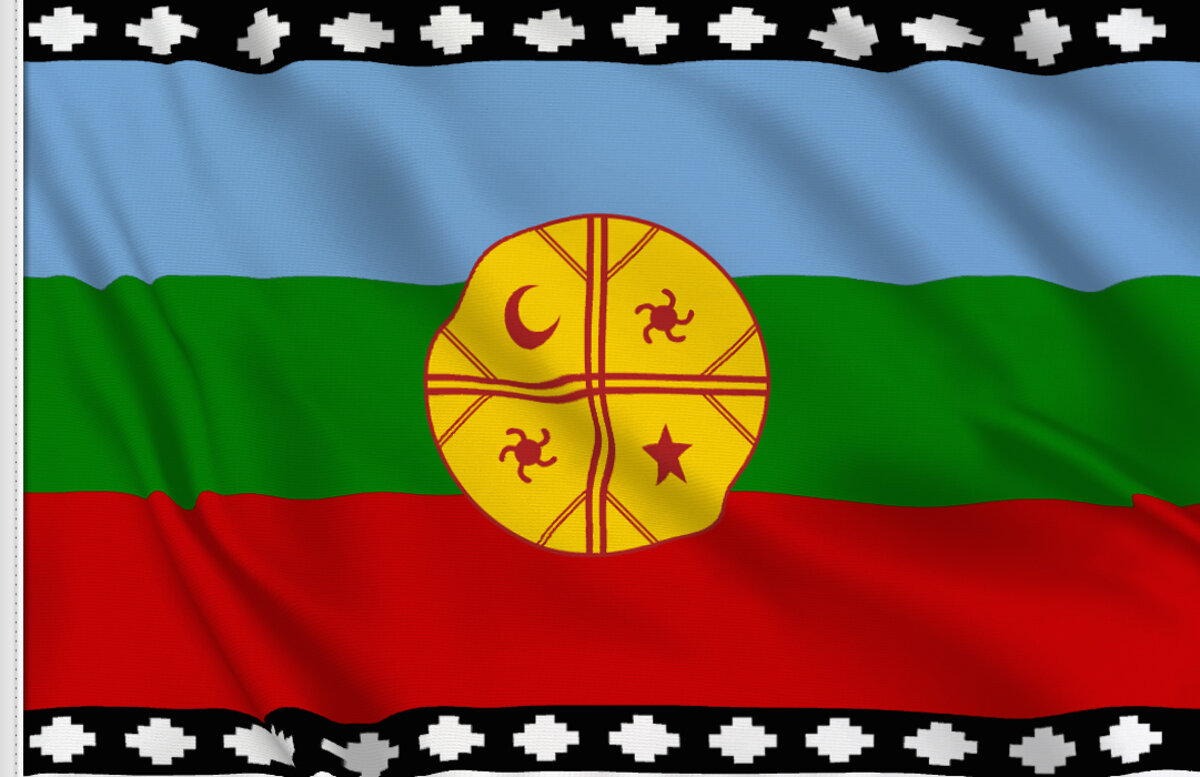
Diving into the Bandera Mapuche reveals a rich tapestry of colors and symbols, each carrying its own unique significance. The vibrant hues represent the essence of the Mapuche identity:
- Green: Symbolizes fertility, nature, and the earth.
- Blue: Reflects the lakes and rivers, embodying water’s importance to life and sustenance.
- Red: Represents the blood of their ancestors, illustrating courage and sacrifice.
Cultural Significance in Mapuche Society
In Mapuche society, the flag and its symbols foster a deep emotional connection among community members. They remind them of their heritage and shared struggles, promoting unity and a collective identity. During ceremonies or gatherings, the flag is often prominently displayed, serving as a source of pride and a reaffirmation of their cultural values.
Personal stories of elders passing down the meaning of the flag create a familial bond, making the Bandera not just a symbol but a living testament to their vibrant culture.
Contemporary Use and Representation
Modern Adaptations of the Bandera Mapuche
In recent years, the Bandera Mapuche has experienced a resurgence, with various modern adaptations reflecting contemporary aesthetics. Many young artists and activists create:
- Fashion Items: Apparel featuring the flag’s colors and symbols, promoting the Mapuche identity globally.
- Art Installations: Creative expressions in galleries, bringing attention to indigenous issues through visual storytelling.
Political and Social Implications
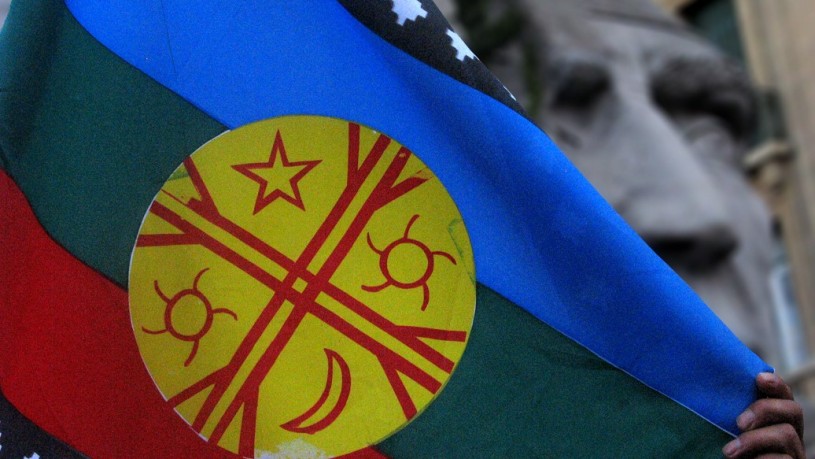
The Bandera Mapuche is not just a symbol of identity; it carries significant political weight. Its use in protests and social movements highlights:
- Advocacy for Rights: The flag serves as a rallying point for Mapuche demands for land rights and autonomy.
- Cultural Awareness: Displaying the flag in public spaces promotes understanding of Mapuche history and struggles.
Through these modern adaptations, the Bandera becomes a powerful statement, intertwining tradition with contemporary social challenges. Each wave of the flag echoes the vibrant heartbeat of a resilient community, urging for recognition and respect.
Comparison with Other Indigenous Flags
Contrasting the Bandera Mapuche with Other Indigenous Flags
When examining the Bandera Mapuche alongside other indigenous flags, such as the Navajo or Maori flags, notable contrasts and similarities emerge. While each flag embodies distinct cultural narratives, they share common threads. The Bandera Mapuche, for instance, uses colors to denote natural elements and community ties, similar to how the Navajo flag reflects earth and sky.
Common Themes and Distinct Features
Reflecting on these flags reveals both shared themes and unique aspects:
- Unity and Identity: Most indigenous flags, including the Bandera Mapuche, serve as emblems of unity among their people.
- Cultural Elements: Each flag incorporates symbols representing their specific cultural heritage. The Bandera features patterns and colors uniquely tied to the Mapuche landscape.
Through these comparisons, one can appreciate how indigenous flags not only promote cultural identity but also connect communities through shared experiences and values, each flag telling its own powerful story.

Controversies and Challenges
Controversies Surrounding the Use of the Bandera Mapuche
The Bandera Mapuche, while a symbol of pride, has not been without controversy. Its use in various political protests, for example, can sometimes lead to misunderstandings among those unfamiliar with its history. Conflicts can arise when non-Mapuche individuals co-opt the flag for unrelated causes, diluting its true significance and purpose, thus prompting discussions within the community.
Issues of Cultural Appropriation
Cultural appropriation has become a significant concern regarding the Bandera Mapuche. Instances of the flag being used in fashion or art without proper acknowledgment of its cultural heritage have caused tension. Key points include:
- Misrepresentation: When designers use the flag’s imagery without understanding its meaning, it risks misrepresenting the Mapuche culture.
- Exploitation Concerns: The commodification of sacred symbols can lead to feelings of exploitation among the Mapuche community.
These challenges emphasize the importance of respectful representation and dialogue, fostering a deeper understanding of the Bandera Mapuche’s cultural significance amidst ongoing discussions about identity and heritage.

Preservation and Promotion
Efforts to Preserve the Bandera Mapuche
Preserving the Bandera Mapuche involves a collaborative effort from the community and cultural organizations. Initiatives include workshops and local gatherings where elders share the flag’s history and meaning with younger generations. These efforts help ensure that the flag remains a vital piece of Mapuche heritage. Notable activities include:
- Cultural Festivals: Events celebrating Mapuche identity often prominently feature the flag.
- Educational Programs: Schools incorporate lessons on Mapuche culture, highlighting the significance of the flag.
Promoting Awareness and Understanding
Raising awareness about the Bandera Mapuche is crucial for fostering respect and understanding. Activists and communities have engaged in outreach through various channels, such as:
- Social Media Campaigns: Utilizing platforms to share stories and educate people about the flag’s meaning.
- Community Dialogues: Hosting forums to discuss the importance of the flag and its role in contemporary society.
These efforts aim to deepen appreciation for the Bandera Mapuche, ensuring it is recognized not only as a cultural emblem but also as a symbol of resilience and unity in the face of challenges.

Conclusion
Recap of the Bandera Mapuche’s Significance
The Bandera Mapuche stands as a powerful symbol of identity and resilience for the Mapuche people. It encapsulates their rich history, cultural values, and the enduring spirit of a community committed to preserving its heritage. Whether displayed in ceremonies or during protests, it serves to foster unity and pride among the Mapuche.
Looking Towards the Future
As we look to the future, the importance of the Bandera Mapuche will likely grow. Continued efforts to educate others about its significance, combined with the community’s ongoing commitment to cultural preservation, will ensure the flag remains a vibrant symbol.
Key areas for future focus could include:
- Intergenerational Knowledge Transfer: Involving youth in cultural practices to keep traditions alive.
- Global Advocacy: Expanding awareness of the Mapuche struggle and the flag’s representation in international forums.
By embracing these pathways, the Bandera Mapuche can continue to resonate deeply, not just for the Mapuche people, but for all who value cultural heritage and social justice.