

The Qom, also known as Toba, are indigenous people primarily found in the northern provinces of Argentina.
The Qom, often referred to as Toba, are an indigenous community that has a significant presence in the northern provinces of Argentina, particularly in Chaco, Formosa, and parts of Salta. Their rich history and heritage are deeply woven into the fabric of the Argentine landscape, and their identity is embraced by their strong sense of community and connection to the land.
These regions, characterized by diverse ecosystems including forests, wetlands, and rivers, provide the Qom with a variety of resources essential for their traditional way of life.
- Key Provinces:
- Chaco
- Formosa
- Salta
The Qom people thrive in these areas, practicing their ancestral customs while facing numerous challenges from modern society. The land offers not only sustenance but also reflects their spiritual relationship with nature, which is a central theme throughout their cultural identity.
In conversations with Qom elders, they often share stories about how their ancestors adapted to the rhythms of nature – tales of seasonal flooding nurturing crops and the sacred role of water sources in their daily lives. This connection underscores why the Qom community fiercely protects their ancestral territories.
As they navigate contemporary issues, the Qom embody resilience and determination, showcasing how traditional practices can coexist with modernity, all while emphasizing the importance of preserving their language, cultural rituals, and communal bonds.

They traditionally speak the Qom language, which belongs to the Tupi-Guarani language family.
The Qom language is more than just a means of communication; it is a living tapestry that weaves together the culture, history, and identity of the Qom people. Belonging to the Tupi-Guarani language family, Qom is rich with expressions that reflect their deep connection to the land and their worldview.
- Language Family:
- Tupi-Guarani
- Other languages in the family include Guarani and Tupinambá.
As the Qom navigate the complexities of modern life, their language remains a vital part of their cultural heritage. Personal anecdotes from Qom community members often highlight the importance of language in teaching their children about traditions, values, and ancestral stories. One elder recounted how storytelling in Qom during evening gatherings not only entertains but also imparts lessons that shape community identity.
Many young Qom are learning to speak their native language alongside Spanish, fostering a bilingual culture that honors both their roots and contemporary realities. This bilingual approach allows the Qom to engage with the wider world while ensuring their language endures, bridging generations.
- Key aspects of the Qom language:
- Rich oral traditions
- Unique vocabulary tied to nature and spiritual beliefs
- Efforts for revitalization through educational initiatives
Despite facing challenges, such as the underrepresentation of indigenous languages in educational systems, the Qom community is actively working on revitalizing their language. Schools are beginning to incorporate Qom lessons, encouraging students to embrace their linguistic heritage.
By promoting their language and culture, the Qom not only preserve their identity but also pave the way for future generations to connect with their ancestry and communal ties.

The Qom have a rich oral tradition, passing down stories and knowledge through generations.
Continuing the legacy of the Qom language, oral tradition serves as the heartbeat of their culture, embodying the values, teachings, and history of the Qom people. This vibrant practice of storytelling is not only a form of entertainment but also a crucial means for educating younger generations about their identity and the world around them.
- Significance of Oral Tradition:
- Preserves ancestral wisdom.
- Strengthens community bonds.
- Promotes cultural continuity.
Personal anecdotes from members of the Qom community reveal how stories are often shared during gatherings, highlighting events such as seasonal changes, rituals, and significant historical moments. One elder reminisced about childhood evenings spent around a fire, listening to tales of ancestors who communicated with nature through dreams and visions. These stories instill a sense of respect for the earth and its resources, reinforcing their connection to the environment.
As a community that emphasizes collective memory, the Qom weave important life lessons into their narratives. Here are some common themes you might hear in a Qom story:
- Nature and the Sacred:
- Animals as spiritual guides.
- Plants as integral to healing and sustenance.
- Community and Identity:
- The importance of cooperation and togetherness.
- Legends that illustrate the creation of the Qom people.
- Resilience and Resistance:
- Tales of overcoming adversity and standing against oppression.
As the Qom face modern challenges, such as globalization and cultural assimilation, these stories become even more valuable. They serve as a compass, guiding the community and ensuring the transfer of vital traditional knowledge despite external pressures.
Efforts to document and share these oral narratives have begun, with younger generations recording conversations with their elders to preserve the richness of Qom storytelling for future audiences. In doing so, the Qom not only cherish their past but actively engage in shaping a resilient cultural future. By fostering the art of storytelling, they ensure that their rich oral tradition remains a vibrant part of their community identity, echoing through time and generations.
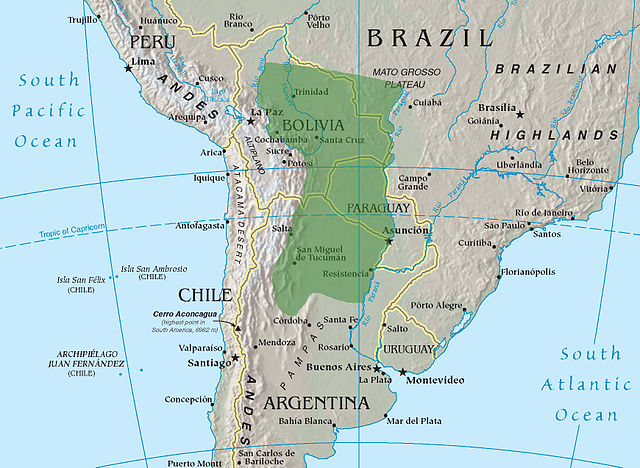
Their social structure often emphasizes community and collective decision-making.
Building upon their rich oral traditions, the Qom people's social structure is intricately designed to foster community and ensure collective decision-making. Unlike many Western cultures that prioritize individualism, the Qom operate within a framework that deeply values collaboration and shared responsibility.
- Key Features of Qom Social Structure:
- Collective Decision-Making: Decisions affecting the community are typically made through discussions that involve various members, ensuring that everyone’s voice is heard.
- Elders as Guides: Elders play pivotal roles in guiding discussions, drawing on their knowledge and experiences to help steer community decisions.
- Community Projects: Initiatives that rely on teamwork, such as building communal spaces or organizing cultural events, are common, encouraging unity and cooperation.
In conversations with Qom members, it becomes clear that this collective approach fosters a sense of belonging and empowerment. For instance, during recent discussions about land rights, community members gathered in a circle, voicing their concerns and aspirations. One participant shared how these discussions not only strengthened their resolve but also reminded them of their shared history and purpose.
- Meetings and Gatherings:
- Regular meetings take place where everyone is encouraged to participate, fostering a sense of transparency and inclusiveness.
- These gatherings serve as both decision-making platforms and cultural celebrations, reinforcing their identity and connections.
The Qom’s emphasis on community extends to everyday life as well. Personal anecdotes reflect how neighbors come together to support each other during important life events, whether it’s weddings, births, or even harvests. The communal spirit of sharing food and resources underscores their philosophy that “when one thrives, all thrive.”
Through this communal lens, the Qom demonstrate how social structures can empower individuals while enhancing collective well-being. As they face contemporary challenges, such as land disputes and the encroachment of modern development, their strong sense of community serves as a foundation for resilience. By fostering unity and collaboration, the Qom continue to navigate the complexities of life while honoring their traditions and collective identity.
The Qom people traditionally practiced hunting, fishing, and gathering for their sustenance.
Following the principles of community and collective living, the Qom people's traditional practices of hunting, fishing, and gathering have significantly shaped their relationship with the land and the environment. These practices not only provide them with sustenance but also embody their cultural identity and connection to nature.
- Traditional Subsistence Practices:
- Hunting: The Qom have long relied on hunting game such as deer, capybara, and various birds. Techniques are shared across generations, with younger hunters learning from their elders how to track and hunt effectively.
- Fishing: Rivers and lakes in their territory are abundant with fish. Fishing is often a communal activity, where families gather to catch fish using traditional methods such as nets and traps.
- Gathering: Foraging for wild fruits, nuts, and medicinal plants is an essential part of their diet. Seasonal changes dictate what is available, and knowledge of these patterns is a point of pride and wisdom among the Qom.
Personal anecdotes often showcase these practices as integral to their way of life. One elder fondly remembers time spent in the waterways with family, recounting the thrill of the catch as well as the peaceful moments of sharing stories while waiting for fish to bite. This synergy between sustenance and storytelling reinforces their cultural identity.
- Nutritional Aspects:
- Diets are diverse, incorporating:
- Fresh fish
- Game meat
- Seasonal fruits and vegetables.
- Diets are diverse, incorporating:
- Cultural Significance:
- Hunting and fishing are often celebrated in communal feasts, where food becomes a symbol of togetherness and gratitude to the land.
- Gathering wild plants also includes knowledge of their medicinal properties, highlighting the Qom’s deep understanding of their natural environment.
As modernization progresses, the Qom continue to uphold these practices, integrating traditional knowledge with contemporary approaches to ensure food security. While facing external pressures that threaten their resources, they remain committed to sustaining their heritage through these time-honored practices.
By valuing hunting, fishing, and gathering, the Qom people demonstrate not only their connection to the earth but also their cultural resilience. These traditions nourish both body and spirit, reminding us of the essential bond between people and nature that has persisted through generations.

They cultivated crops such as maize, beans, and cassava, relying on both agriculture and foraging.
Building on their traditional activities of hunting, fishing, and gathering, the Qom people also possess a deep-rooted relationship with agriculture. Cultivating crops such as maize, beans, and cassava plays a vital role in their sustenance, complementing the wild resources they gather from their environment.
- Key Crops Cultivated:
- Maize: This staple crop is not only a dietary fundamental but also a cultural symbol, often featured in traditional dishes and rituals.
- Beans: Rich in protein and nutrients, beans are commonly planted alongside maize in a method known as intercropping, which enhances soil fertility.
- Cassava: This resilient tuber is crucial for food security, thriving in diverse conditions and providing a hearty food source when other crops may falter.
Personal anecdotes illustrate the significance of agriculture in Qom life. One community member recalls the bustling energy of planting season, where family members would gather to prepare the fields, share laughter, and exchange stories. Such traditions deepen bonds and ensure the passing down of agricultural knowledge through generations.
- Agricultural Practices:
- Sustainable Techniques: The Qom utilize traditional farming methods that respect the land, ensuring that the cycle of cultivation aligns with environmental rhythms.
- Seasonal Changes: Understanding the patterns of rainfall and soil fertility is critical, and much of the agricultural knowledge is inherited from elders, reflecting their connection to the land.
While agriculture is fundamental, the Qom also rely on foraging to enrich their diets. Plants collected from the wild provide essential vitamins and minerals and highlight their connection to the local ecosystem.
- Foraging Activities:
- Seasonal fruits and vegetables.
- Edible wild herbs and roots.
Together, agriculture and foraging create a resilient food system that nourishes the Qom community. Celebrating harvests often involves communal feasts where dishes made from these crops are shared, reinforcing their ties to both the earth and each other.
In an era where modern agricultural practices often dominate, the Qom’s approach reminds us of the sustainable practices rooted in ancestral wisdom. By cultivating crops and respecting the land, they create a harmonious balance that supports their community and culture. This relationship with agriculture not only contributes to their physical sustenance but also embodies their dedication to nurturing their heritage for future generations.

The Qom worldview is deeply connected to nature, believing in the sacredness of the land and its resources.
Transitioning from their agricultural practices, the Qom people hold a profound worldview that underscores their intrinsic connection to nature. This relationship is not merely practical; it encompasses a spiritual belief in the sacredness of the land and its resources, treating them with deep respect and reverence.
- Core Beliefs:
- Nature as Sacred: The Qom see themselves as caretakers of the land, attributing spiritual significance to natural elements such as rivers, mountains, and forests.
- Interconnectedness: Their worldview emphasizes that all living beings—humans, animals, plants—are interrelated, which fosters a sense of responsibility toward the environment.
Personal stories from community members often reflect this connection. For example, an elder shared how the Qom conduct rituals before planting, thanking the earth for its generosity and asking for blessings on the coming harvest. This practice is both a way of expressing gratitude and a recognition of their reliance on the land’s bounty.
Rituals and Practices:
- Ceremonial Offerings:
- The Qom prepare offerings of food and flowers in sacred spaces to honor Mother Earth.
- Drumming and traditional songs accompany these rituals, reinforcing communal ties and cultural identity.
- Teachings from Nature:
- Elders often recount stories illustrating the teachings derived from observing wildlife and natural cycles.
- Children are taught to listen to the sounds of nature, gaining insights into the rhythms of life that guide their community.
The Qom's deep connection to nature informs every aspect of their lifestyle, from agricultural practices to daily routines. This connection also influences their approach to environmental conservation. For instance, they advocate for sustainable practices that reflect their belief in the importance of preserving natural resources for future generations.
- Conservation Efforts:
- Protecting local ecosystems through traditional farming methods.
- Engaging in dialogues with external organizations to raise awareness about land rights and environmental protection.
As they face modern challenges, such as land dispossession and climate change, the Qom’s commitment to their worldview is unwavering. Their belief in the sacredness of the land enables them to forge strong community bonds and advocate for their rights while continuing to honor their traditional practices.
Through the lens of their worldview, the Qom maintain a harmonious balance with nature, ensuring that their culture and identity remain vibrant. Ultimately, their deep-rooted connection to the earth serves as a reminder of the intrinsic value of nature and the importance of nurturing and respecting it in all its forms.
Their traditional homes are often made from natural materials, reflecting their close relationship with the environment.
Expanding on their profound connection to nature, the architectural styles of the Qom people's traditional homes exemplify their harmonious relationship with the environment. Built using natural materials readily available in their surroundings, these homes not only provide shelter but also embody their values and beliefs.
- Materials Used in Construction:
- Wood: Harvested from local trees, wood serves as the primary framework for their homes.
- Palm Leaves: Often used for roofing, palm leaves offer insulation and are flexible to shape.
- Clay: Natural clay is sometimes mixed with other materials to create sturdy walls.
Personal anecdotes highlight the significance of these homes in Qom culture. One community member fondly recalled the communal effort it took to build a new family home, bringing together neighbors who share stories and songs while constructing the walls. Such gatherings not only foster community ties but also symbolize their unity and shared identity.
Home Design Elements:
- Circular Shapes:
- Many homes are designed in a circular fashion, which not only reflects their connection to nature but symbolizes the concept of unity and wholeness.
- Elevated Structures:
- Homes are often raised on stilts in areas vulnerable to flooding, showcasing their adaptability to the environment.
- Open Spaces:
- The layout typically includes communal areas for gathering and cooking, reinforcing the importance of family and community life.
The close relationship the Qom maintain with their surroundings extends to how they decorate and use their living spaces. Their homes are often filled with handmade crafts, such as woven baskets and pottery, that serve functional purposes while also adding beauty and meaning to their environment.
Cultural Significance:
- Spaces for Rituals:
- Homes are designed to accommodate traditional ceremonies and gatherings, allowing families to celebrate important cultural events.
- Children and Elders:
- The layout allows easy access for children and elders, promoting inclusivity and care within the family structure.
As external influences and modernization encroach upon their territory, the Qom strive to preserve their traditional building practices. By doing so, they ensure that their homes continue to reflect not just their survival instincts, but also their spiritual and cultural identities.
In an era where environmental awareness is paramount, the Qom's sustainable practices in housing serve as an exemplar. Their choice to build from natural materials illustrates a commitment to living in harmony with the earth, reinforcing their belief in the sacredness of their environment. This connection is not merely about shelter; it is about creating a living space that is a testament to their way of life, values, and the profound relationship they share with nature.
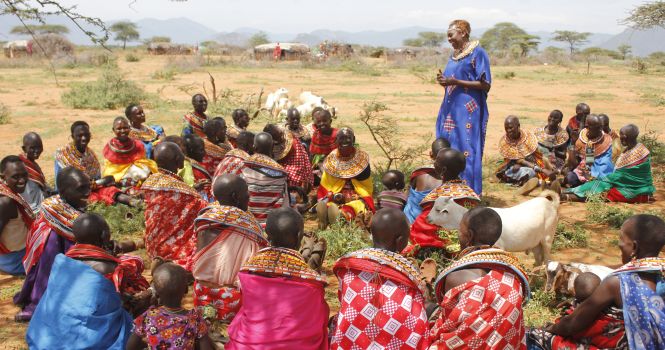
The Qom are known for their vibrant craftsmanship, including weaving, pottery, and jewelry making.
Transitioning from the traditional homes that reflect the Qom's connection to nature, their vibrant craftsmanship showcases their artistic talents and deep cultural heritage. The Qom people have honed various crafts, such as weaving, pottery, and jewelry making, each with its own unique significance and history.
Weaving: A Thread of Tradition
Weaving is one of the most prominent crafts among the Qom, with beautiful textiles made from natural fibers.
- Materials:
- Cotton and other plant-based fibers.
- Dyes derived from local plants and minerals.
Personal stories often highlight the bonding moments of weaving. One artisan shared how she learned to weave with her grandmother, who skillfully taught her the intricate patterns passed down through generations. Each piece created is not just functional; it carries stories and meanings associated with the Qom’s culture.
- Common Products:
- Hammocks, bags, and decorative textiles.
- Traditional garments that showcase vibrant patterns and colors.
Pottery: Earth’s Gifts
Pottery is another significant aspect of Qom craftsmanship, with many artisans crafting functional pieces that also tell stories of their culture.
- Techniques and Materials:
- Hand-shaped and fired using natural clay.
- Decorations often feature traditional designs and motifs inspired by nature.
An elder potter illustrated the reverence for her craft, sharing how each vessel is created with a process that honors the earth. She recalls spending days collecting clay, shaping it with care, and firing it in a wood-burning kiln, feeling a connection between herself and the earth with every piece.
- Functional Items:
- Cooking utensils and storage containers.
- Decorative pots that serve both practical and artistic purposes.
Jewelry Making: Adorned Identity
Jewelry making holds a special place in Qom culture, often incorporating materials sourced from their environment.
- Materials:
- Beads made from seeds, bone, and metals.
- Natural stones that are either polished or left in their raw state.
Crafting jewelry is often a communal activity, bringing together women and fostering creativity. One Qom woman fondly remembers sitting around with friends, sharing laughter while designing intricate necklaces. The pieces they created not only serve as adornments but also carry messages of identity, resilience, and connection to their ancestry.
- Common Jewelry Items:
- Necklaces, bracelets, and earrings.
- Items often gifted for special occasions, emphasizing community bonds.
Through their vibrant crafts, the Qom people express their creativity while preserving their cultural identity. By passing down these artisanal skills, they instill pride in their heritage and ensure that future generations continue to embrace their traditions.
This craftsmanship also serves as an avenue for economic sustainability. By selling their woven items, pottery, and jewelry at local markets, the Qom can support their community while sharing their unique artistry with the outside world.
Ultimately, the Qom's vibrant craftsmanship encapsulates their relationship with nature and community, offering a beautiful glimpse into their rich cultural tapestry. Expressing creativity through practical and decorative arts, they weave their identity into every piece, reinforcing the enduring spirit of their people.
Rituals and ceremonies play an important role in Qom culture, often tied to agricultural cycles and community events.
Continuing from their vibrant craftsmanship, the Qom people's rituals and ceremonies are integral to their cultural identity, deeply entwined with agricultural cycles and the rhythms of community life. These events not only reinforce their connection to the land but also strengthen social ties within the community, creating a collective spirit that binds them together.
Significance of Rituals and Ceremonies
Rituals within Qom culture are steeped in meaning, often reflecting their beliefs about nature, the cycles of seasons, and the importance of community cohesion.
- Connection to Agriculture:
- Many ceremonies celebrate planting and harvesting and honor the earth’s generosity, aligning these events with the agricultural calendar.
- These rituals often signify gratitude and reinforce a sense of responsibility to care for the land.
Personal anecdotes from community members shed light on the vibrant tapestry of these ceremonies. One elder recounted the excitement surrounding the end of the harvest season when the community gathers for a grand feast, celebrating their hard work and sharing food that they have nurtured from the land. Families come together, bringing their specialties to the table, and children are encouraged to participate in the festivities, learning from their elders.
Types of Rituals and Ceremonies
The Qom engage in various rituals, each with unique significance and customs:
- Planting Ceremonies:
- Conducted before planting crops, these rituals include offerings made to the earth, asking for blessings and bountiful harvests.
- They often involve songs, prayers, and the participation of all community members, emphasizing collective effort.
- Harvest Festivals:
- Marking the end of the harvest season, these vibrant celebrations incorporate music, dance, and feasting, showcasing traditional foods.
- The entire community gathers to share stories, and performances highlighting cultural heritage are common.
- Life-Cycle Events:
- Births, marriages, and deaths are also marked by significant rituals, reflecting the importance of each stage in life and the community’s role in these transitions.
- Ceremonies often include communal participation, reinforcing social bonds and shared experiences.
Cultural Exchange and Learning
These ceremonies serve as opportunities for knowledge transfer, where younger generations learn about traditions, agricultural practices, and storytelling.
- Elders as Knowledge Keepers:
- During rituals, elders share stories and wisdom, ensuring that cultural practices are passed down.
- Children are often engaged in preparations, fostering a sense of belonging and responsibility for preserving their heritage.
As external influences challenge traditional ways of life, these rituals remain essential for the Qom in maintaining their cultural identity. They infuse everyday life with purpose and connection, reminding the community of their shared values and the importance of honoring the earth.
Through rituals and ceremonies, the Qom cultivate a deep sense of community and belonging, reinforcing their bonds to each other and to the land they cherish. This commitment to tradition ensures that their cultural heritage remains vibrant and alive, fostering resilience through changing times. Ultimately, these practices celebrate life, nature, and the enduring spirit of the Qom people.
The Qom have faced significant challenges from colonization, land dispossession, and modernization.
Building on the richness of their cultural practices and deep-rooted connection to the land, the Qom people have encountered formidable challenges throughout their history. These challenges stem largely from colonization, land dispossession, and the forces of modernization, each of which has profoundly impacted their way of life.
Colonization and Its Impact
The arrival of colonizers disrupted the traditional lifestyles of the Qom and many other indigenous groups in Argentina.
- Loss of Land and Resources:
- Colonization led to the appropriation of ancestral lands, disrupting their agricultural practices and access to natural resources essential for their survival.
- Many Qom families were displaced from their homes, forcing them to adapt to new, often less favorable living conditions.
A community elder shared a poignant story of how their territory has shrunk over generations. He recounted tales of vast expanses of land where they would gather food, fish, and reconnect with nature, now replaced by urban sprawl or agricultural monocultures. This loss has not only affected their livelihood but also their cultural practices tied to the land.
Land Dispossession
Modern land policies and economic pressures have exacerbated the challenges faced by the Qom people, leading to ongoing struggles for their rights.
- Legal Battles:
- The Qom have fought for recognition of their land rights, often facing bureaucratic obstacles and legal challenges that hinder their claims.
- Land dispossession has affected community cohesion, as many members are forced to relocate in search of work and resources.
- Cultural Erosion:
- The loss of traditional lands directly impacts their cultural practices, as many rituals and agricultural practices are tied to specific locations and natural resources.
Modernization and Its Effects
As modernization continues to encroach upon their lives, the Qom are faced with the challenge of integrating into a rapidly changing society while preserving their identity.
- Economic Pressures:
- Many Qom individuals are compelled to seek employment outside their traditional practices, leading to a disconnect from their way of life.
- This shift often results in a reliance on external goods and services, making them vulnerable to economic fluctuations.
A younger Qom member expressed the difficulty of maintaining traditional practices in a world that increasingly emphasizes modernity. She spoke about the desire to learn from her elders while also seeking education and job opportunities that can improve her community's living conditions.
Resilience in the Face of Adversity
Despite these challenges, the Qom people have shown remarkable resilience. They continue to advocate for their rights, engage in social movements, and seek support from various organizations to reclaim their land and cultural identity.
- Community Initiatives:
- The Qom actively participate in cultural preservation initiatives, emphasizing the importance of language revitalization, education, and the documentation of their history.
- Collaborative partnerships with NGOs and other indigenous groups strengthen their efforts to create sustainable solutions for their communities.
As they navigate the complexities of the modern world, the Qom people remain unwavering in their commitment to protecting their culture and land. Their journey is a testament to their enduring spirit, reminding us of the vital importance of recognizing and respecting indigenous rights in the face of relentless change. Through unity and resilience, the Qom continue to uphold their heritage while charting a path for future generations, striving for a balance between tradition and the demands of a modern society.

Their traditional clothing often features intricate patterns and is made from natural fibers, showcasing their cultural identity.
Continuing the conversation about the Qom people's rich cultural heritage, their traditional clothing is a vibrant expression of their identity and values. Made from natural fibers and adorned with intricate patterns, these garments tell the story of their connection to the earth and their unique cultural practices.
Materials and Techniques
The Qom utilize locally sourced natural materials to create their clothing, reflecting their sustainable approach to living.
- Natural Fibers:
- Cotton, which is grown and harvested within their communities, is the primary material used for weaving.
- Wool and other plant-based fibers are also incorporated, especially for warmer garments during colder months.
- Weaving Techniques:
- Traditional weaving methods passed down through generations involve hand-loom techniques, showcasing the craftsmanship and skill of Qom artisans.
- Patterns are created using dyes derived from local plants, ensuring vibrant colors that are both visually striking and culturally significant.
A local artisan shared a heartwarming story about learning to weave from her mother. As they sat together, she learned not just how to craft beautiful patterns but also the stories behind each design. Every symbol woven into their clothing holds significance, drawing inspiration from nature, spirituality, and their ancestral history.
Cultural Symbolism in Clothing
The intricate patterns found in Qom clothing carry deep meanings, reflecting aspects of their cultural identity.
- Patterns and Motifs:
- Common motifs may represent elements of nature, such as animals, plants, and geometric designs that symbolize balance and harmony.
- Specific colors and patterns may vary between communities, emphasizing regional identities and styles.
- Dresses for Special Occasions:
- Traditional garments often vary for ceremonial purposes or significant life events, such as weddings, festivals, or rituals.
- Garments worn during celebrations may feature more elaborate designs and are often passed down through families, symbolizing continuity.
Everyday Clothing and Community Identity
While their clothing is beautiful and vibrant, it is also pragmatic, designed for daily living.
- Functional Aspects:
- Traditional outfits provide comfort and durability, essential for daily activities such as farming, gathering, and community events.
- Dresses and tunics allow ease of movement and are often paired with accessories made from locally sourced materials.
One individual recounted wearing their traditional dress to a community gathering and how it felt like wearing a piece of history. Each time they don the garments, they feel a sense of pride, knowing that they carry forward the legacy of their ancestors.
Preservation and Modern Influences
Despite modernization and external fashion influences, the Qom are dedicated to preserving their traditional clothing practices.
- Cultural Revitalization Efforts:
- Workshops are held within communities to teach younger generations the art of weaving and the importance of traditional attire.
- Community events focus on celebrating their heritage, with a special emphasis on clothing as an essential aspect of their identity.
By participating in these traditional practices, the Qom not only honor their ancestors but also instill pride in their cultural identity. Their clothing becomes a powerful statement of resilience in the face of change, a colorful tapestry that threads together their history and vision for the future.
Ultimately, the traditional clothing of the Qom people serves as a vivid reminder of their cultural richness and identity. Through intricate patterns, sustainable practices, and deep-rooted traditions, their garments tell a story that continues to flourish, showcasing the enduring spirit of the Qom community.
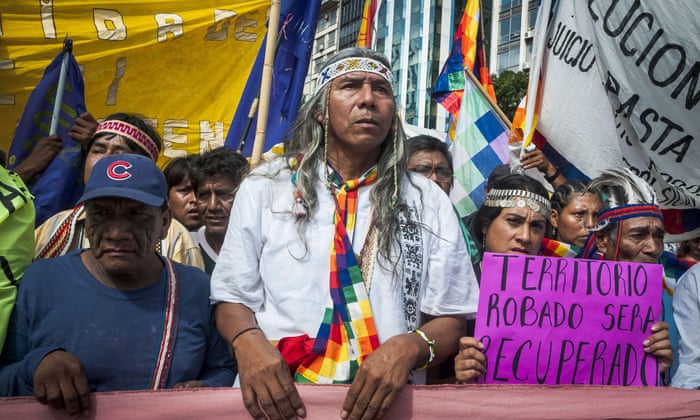
The Qom have a strong connection to ancestral lands, which they seek to protect and preserve.
Transitioning from their vibrant clothing, the Qom people's cultural identity is deeply intertwined with their ancestral lands. These lands are not just a physical space but are sacred to their history, traditions, and way of life. The Qom cherish this connection, recognizing the critical importance of land preservation for their community's future.
Ancestral Lands: A Source of Identity
For the Qom, their lands represent much more than geographical boundaries; they embody their heritage, spirituality, and sustenance.
- Cultural Significance:
- The land is viewed as a living entity, imbued with stories and ancestral spirits that guide and protect them.
- Ceremonies and rituals are often conducted in specific locations that hold historical significance, reinforcing their connection to the land.
A respected elder in the community shared a poignant memory of walking the ancestral land with his grandchildren, recounting stories of their ancestors who lived and thrived there. He pointed out significant landmarks, each tied to a story or lesson, forging a bond between the younger generation and their heritage.
Challenges to Ancestral Lands
Despite the profound importance of these lands, the Qom face ongoing challenges due to external pressures, including land dispossession and environmental degradation.
- Land Dispossession:
- Colonization and modern development have led to the loss of vast areas of Qom territory, impacting their access to natural resources.
- Many families have been uprooted from their homes, creating a sense of displacement and loss of identity.
- Environmental Threats:
- Activities such as deforestation and industrial agriculture threaten the delicate ecosystems upon which the Qom rely for sustenance.
- Climate change poses additional risks, affecting weather patterns and agriculture, which directly impacts their livelihoods.
A community leader discussed the frustration and heartache felt when witnessing changes to their ancestral lands. He emphasized the importance of educating younger generations about the need for environmental stewardship and the preservation of sacred sites, fostering a sense of responsibility towards their legacy.
Activism and Advocacy
In response to these challenges, the Qom have mobilized to advocate for their rights and the protection of their lands.
- Community Mobilization:
- Groups have formed to raise awareness about land rights and environmental conservation, pushing for legal recognition of their ancestral territories.
- The Qom often collaborate with environmental organizations to address issues such as deforestation and pollution.
- Inter-community Solidarity:
- The Qom engage in dialogues and partnerships with other indigenous groups to strengthen their advocacy efforts, sharing strategies and resources.
- Participation in broader social movements helps amplify their voices and concerns on national and international platforms.
One inspiring example came from a recent land rights rally where Qom members joined forces with various organizations. They marched together, chanting for justice and recognition, their vibrant traditional clothing a visible testament to their identity and unity.
Steps Towards Preservation
Protecting their ancestral lands is a multi-faceted effort for the Qom, blending activism with education and cultural preservation.
- Education Initiatives:
- Programs are being developed within the community to teach younger generations about traditional ecological knowledge, reinforcing the importance of land stewardship.
- Workshops focus on sustainable agricultural practices that align with their cultural values and respect for nature.
- Cultural Events:
- Festivals and ceremonies serve as reminders of their connection to the land, often emphasizing the need for protection and preservation in their narratives.
- Art and storytelling become vehicles for educating others about their struggles and the importance of their ancestral homelands.
In the face of significant challenges, the Qom people remain steadfast in their commitment to protecting their ancestral lands. Through advocacy, cultural education, and community resilience, they are carving a path toward a future that honors their past while ensuring the sustainability of their identity. Their connection to the land serves as a powerful reminder of the enduring relationship between people and their environment, emphasizing the importance of preserving both for generations to come.
They are actively involved in social movements advocating for indigenous rights and recognition.
Building on their deep connection to ancestral lands, the Qom people have turned their collective experience and cultural heritage into action. They are actively involved in social movements advocating for indigenous rights and recognition, striving to combat the injustices that have historically marginalized them.
Empowerment through Advocacy
For the Qom, engaging in social movements is not just about fighting for rights; it’s about reclaiming their identity and heritage.
- Social Justice:
- The Qom advocate for recognition of their cultural rights, land rights, and the preservation of their language and traditions.
- Through organized campaigns, they educate both the broader public and policymakers about the significance of respecting indigenous voices and knowledge.
A community member shared her journey into activism, recalling the moment she decided to stand up for her people during a local government meeting. Facing representatives who were unaware of the Qom’s struggles inspired her to become a voice of change for her community. Her determination to advocate for the Qom's rights ignited a collective passion among her peers.
Collaboration with Other Movements
The Qom understand that solidarity amplifies their efforts in the fight for social justice.
- Inter-community Alliances:
- Collaborating with other indigenous groups in Argentina and Latin America strengthens their advocacy work.
- Participation in national and international gatherings focuses on exchanging strategies and sharing success stories in the fight for rights.
- Engagement with NGOs:
- The Qom partner with non-governmental organizations that align with their values, utilizing resources and expertise to bolster their campaigns.
- Workshops and capacity-building initiatives help empower community leaders in advocacy and negotiation skills.
During a recent gathering of indigenous activists, a Qom representative spoke passionately about unity. She emphasized that by standing together, they could raise awareness of shared struggles, ultimately leading to stronger recognition and respect for indigenous rights.
Cultural Awareness Campaigns
In addition to direct advocacy, the Qom engage in cultural awareness campaigns to educate the public about their history and traditions.
- Educational Initiatives:
- Hosting workshops and cultural events fosters understanding and appreciation of Qom culture among non-indigenous communities.
- School programs aim to share the Qom’s rich heritage with younger generations, ensuring their stories are told far and wide.
- Social Media and Public Campaigns:
- Utilizing social media platforms allows the Qom to share their experiences, struggles, and victories with a global audience.
- Public campaigns highlight specific issues, such as land rights or environmental degradation, inviting support from allies.
One community leader reflects on how sharing their stories on social media has transformed perceptions. A simple post about their traditional practices can spark conversations, drawing in allies who are eager to support their cause.
Youth Leadership and Future Generations
A crucial aspect of their movement is empowering the younger generation.
- Youth Involvement:
- The Qom prioritize training young leaders to carry on the fight for rights and recognition.
- Mentorship programs pair experienced activists with youth, fostering skills in advocacy, public speaking, and community organizing.
In one inspiring instance, a group of Qom youth organized a cultural festival that highlighted their stories, art, and struggles. The event not only celebrated their heritage but also drew attention from local media, raising awareness of their advocacy.
The commitment of the Qom people to social movements is a testament to their resilience and determination. By uniting their voices for indigenous rights and recognition, they are not only advocating for themselves but also paving the way for future generations. Through cultural education, awareness campaigns, and solid advocacy, the Qom continue to honor their heritage while striving for dignity, justice, and recognition in a rapidly changing world.
The Qom celebrate various cultural festivals throughout the year, showcasing their music, dance, and traditions.
Building on their active involvement in social movements, the Qom people cherish their culture through vibrant celebrations held throughout the year. These cultural festivals are not only a way to honor their heritage but also serve as vital opportunities for community bonding and the transmission of traditions to younger generations.
Cultural Festivals: Celebrating Heritage
The festivals celebrated by the Qom reflect their deep-rooted connection to nature and their community’s history, showcasing a rich tapestry of music, dance, and traditional practices.
- Significance of Festivals:
- They serve as a means of cultural preservation, ensuring that traditional knowledge is passed down.
- Festivals often coincide with agricultural cycles, marking important events such as planting and harvest.
One elder shared a cherished memory of a festival that occurred during planting season, where the community would gather to perform dances and songs that welcomed the rains. The joy in the air was palpable, and it brought everyone together, reinforcing their bond to each other and the land.
Key Festivals and Their Activities
Several key festivals take place throughout the year, each with unique customs and significance:
- Harvest Festival:
- Marking the end of the harvest season, this festival is a time of gratitude, where families come together to celebrate their labor.
- Traditional foods made from freshly harvested crops are shared, and dance performances often take center stage.
- Cultural Week:
- A week-long event featuring music, storytelling, and crafts, where Qom youth showcase their skills and learn about their cultural heritage.
- Workshops on traditional weaving, pottery, and music provide opportunities for hands-on learning.
During the Cultural Week, one of the young participants excitedly described participating in workshops that taught them traditional songs. She beamed with pride as she demonstrated a dance move that her grandmother had taught her, feeling a connection to her roots.
- Ritual Ceremonies:
- Certain festivals include rituals that honor ancestors and the spirits of the land, featuring offerings and prayers for blessings.
- These ceremonies are often accompanied by traditional drumming, which plays a central role in their cultural expression.
Music and Dance: The Heart of Celebrations
Music and dance are vibrant components of Qom festivals, bringing energy and life to their gatherings.
- Traditional Music:
- Instruments such as drums and flutes create rhythms that energize the crowd, fostering an atmosphere of celebration.
- Singing in the Qom language reinforces their cultural identity and serves as a means of storytelling.
- Dance Performances:
- Dances are choreographed to reflect stories from their history and the natural world, often incorporating movements that mimic wildlife.
- Participants of all ages engage in dance, making it a joyous communal experience that transcends generations.
One community member reminisced about performing a traditional dance at the harvest festival, feeling the beat of the drums resonate in her heart. The smiles on everyone’s faces and the laughter shared during the dance made her feel like she was part of something much larger than herself.
Community and Connection
These festivals serve as vital touchpoints for the Qom community, promoting unity and cultural pride.
- Strengthening Community Bonds:
- Festivals provide a platform for individuals to reconnect with family and friends, reinforcing social ties that are fundamental in Qom society.
- Elders pass on stories and wisdom during these gatherings, ensuring that knowledge is preserved and valued.
- Promoting Cultural Awareness:
- Many festivals also invite non-indigenous people to join in, fostering understanding and respect for their culture.
- These interactions help dispel stereotypes and promote solidarity with neighboring communities.
Through their celebrations, the Qom people not only honor their traditions but also create lasting memories that nurture their community's identity. Each festival showcases their resilience and creativity, reinforcing their commitment to keeping their culture alive in a rapidly changing world. By celebrating their music, dance, and traditions, the Qom continue to tell their story, bridging the past and future with vibrant threads of unity and cultural pride.

Their cuisine includes traditional dishes made from locally sourced ingredients, reflecting their agricultural practices.
Transitioning from the vibrant celebrations of the Qom culture, their cuisine offers a delicious glimpse into their way of life, deeply rooted in local agricultural practices. The traditional dishes of the Qom community are a testament to their connection to the land and their commitment to using fresh, locally sourced ingredients.
The Foundation of Qom Cuisine
At the heart of Qom cooking lies a strong reliance on seasonal and locally grown crops, reflecting their sustainable approach to food.
- Key Ingredients:
- Maize: A staple in the Qom diet, maize is used in various forms—from bread to tamales.
- Beans: Rich in protein, beans complement the diet and are often served alongside maize dishes.
- Cassava: This versatile root vegetable is a common food source, easily prepared in different ways.
A community member fondly recalled learning to cook traditional recipes with her mother, emphasizing the joy of incorporating freshly harvested ingredients into their meals. The aroma of cooking beans simmering alongside cornbread brings back cherished memories of family gatherings where stories were shared over delicious food.
Traditional Dishes to Savor
The Qom cuisine includes a variety of traditional dishes that highlight their agricultural heritage and culinary skills:
- Chipa:
- A popular bread made from cassava flour and cheese, often enjoyed during family gatherings and celebrations.
- Each family has their unique twist on the recipe, making it a beloved staple in many households.
- Mbopi:
- A traditional dish made from maize, often cooked in a stew with beans and seasonal vegetables.
- This nutrient-rich meal is a favorite, particularly during harvest festivals, where it is prepared in large quantities for community feasts.
- Guaraní Soup:
- A robust soup made with local vegetables, beans, and sometimes meats, representing the flavors of the land.
- It is often accompanied by traditional flatbreads made from locally sourced grains.
One Qom elder shared how these traditional dishes tell the story of their ancestors, emphasizing that every meal is intertwined with cultural significance. She described the joy of preparing the family's favorite guaraní soup, with each ingredient carefully chosen from their gardens, highlighting the importance of connection to the earth.
Culinary Practices and Sustainability
The Qom's approach to food preparation reflects their respect for nature and sustainable practices.
- Seasonal Cooking:
- Meals are often prepared according to the season, ensuring that the ingredients are at their freshest and most flavorful.
- This practice not only supports a healthy diet but also reinforces their bond with the environment.
- Gathering Wild Foods:
- Foraging for wild plants and herbs adds a unique flavor and nutritional diversity to their meals.
- Knowledge of edible plants is passed down through generations, and young Qom are taught how to identify and prepare these ingredients.
A young Qom woman recounted her experience learning to forage with her grandmother, who taught her which wild plants are edible and how to prepare them. These moments not only provided culinary knowledge but also nurtured her appreciation for the land.
Culinary Celebrations
Food plays a central role in Qom festivals and community gatherings, bringing people together and showcasing their cultural heritage.
- Community Meals:
- During festivals, traditional dishes are prepared in large quantities, allowing everyone to share and partake in the celebration.
- Cooking together fosters a sense of unity, as families gather to prepare meals, create memories, and strengthen community bonds.
- Cultural Exchange:
- The Qom often invite neighboring communities to join in their culinary celebrations, fostering intercultural understanding and respect.
- This exchange of recipes and culinary traditions enriches both cultures, creating a beautiful tapestry of shared flavors and experiences.
Through their traditional cuisine, the Qom not only sustain themselves but also celebrate their heritage and community. Each dish serves as a delicious reminder of their connection to the land, their agricultural practices, and the knowledge shared across generations. Their cuisine is not just about nourishment; it is a celebration of identity, culture, and the rich tapestry of life that binds them together.
The Qom have a history of resistance against oppression and have fought for their rights and land.
Following their vibrant culinary traditions and deep-rooted cultural practices, the Qom people have also demonstrated remarkable resilience and determination throughout history. Their struggle against oppression and their fight for rights and land is a profound testament to their strength and commitment to preserving their identity and ensuring a future for generations to come.
Historical Context of Resistance
The Qom's history of resistance is not just a recent phenomenon but a longstanding struggle rooted in their experiences with colonization and land dispossession.
- Colonial Impact:
- The arrival of colonizers led to significant land loss and cultural disruption, which ignited a spirit of resistance among the Qom.
- Over the years, various waves of colonization saw them fighting to reclaim their lands and rights.
One elder recounted stories handed down through generations about their ancestors organizing peaceful protests and forming alliances with other Indigenous groups to resist the encroachment on their territories. These historical narratives inspire pride and commitment among the Qom today.
Modern Struggles and Advocacy
In contemporary times, the Qom continue to face challenges, but they have also mobilized to advocate for their rights more effectively.
- Land Rights Movements:
- The fight for recognition of ancestral lands remains a primary focus, as many Qom families are still affected by historical dispossession.
- Coordinated efforts include legal battles to protect their rights and advocate for territorial claims.
- Social Movements:
- The Qom actively participate in social movements that address broader issues of Indigenous rights, often collaborating with other groups to amplify their voices.
- These movements not only advocate for land rights but also for cultural preservation and environmental protections.
A community leader shared their experience attending a national assembly focused on Indigenous rights, where representatives from numerous groups spoke about their struggles. A sense of hope and unity filled the room, demonstrating the power of collective action.
Cultural Resilience and Activism
The Qom’s resistance is also deeply tied to cultural preservation, emphasizing that their identity is integral to their fight.
- Cultural Education Initiatives:
- Efforts to revitalize the Qom language and traditional practices are vital. Language classes and cultural workshops help instill pride among the youth.
- Empowering the younger generation through education ensures that their history and customs remain alive.
- Art as Resistance:
- The Qom utilize art and music to express their struggle, telling stories through creative outlets that resonate with broader audiences.
- Murals, performances, and traditional songs serve as forms of cultural resistance, conveying their messages of resilience and hope.
At a recent community event, local artists showcased their works that reflect the Qom's struggles and aspirations. Participants expressed a deep connection to these artistic representations, reaffirming the importance of culture in their fight.
Legal and Political Advocacy
The Qom also engage in political advocacy to secure their rights and land:
- Lobbying and Legal Action:
- They work with legal experts to navigate complex land rights legislation, actively pushing for policy changes that favor Indigenous communities.
- Engagement with government entities allows them to present their cases and seek recognition formally.
- International Advocacy:
- Partnering with global organizations ensures that the Qom's story reaches international audiences, fostering solidarity and support.
- This visibility can attract attention and resources that bolster their advocacy efforts.
Through their history of resistance, the Qom exemplify the spirit of perseverance despite enduring significant hardships. Their unyielding commitment to fighting for their rights and land is an essential part of their identity, reflecting their resilience and strength. By blending advocacy with cultural practices, the Qom continue to shape their narrative and work towards a future where their rights and heritage are recognized and respected. Their journey serves as an inspiring reminder of the power that comes from standing together in solidarity for justice and preservation.
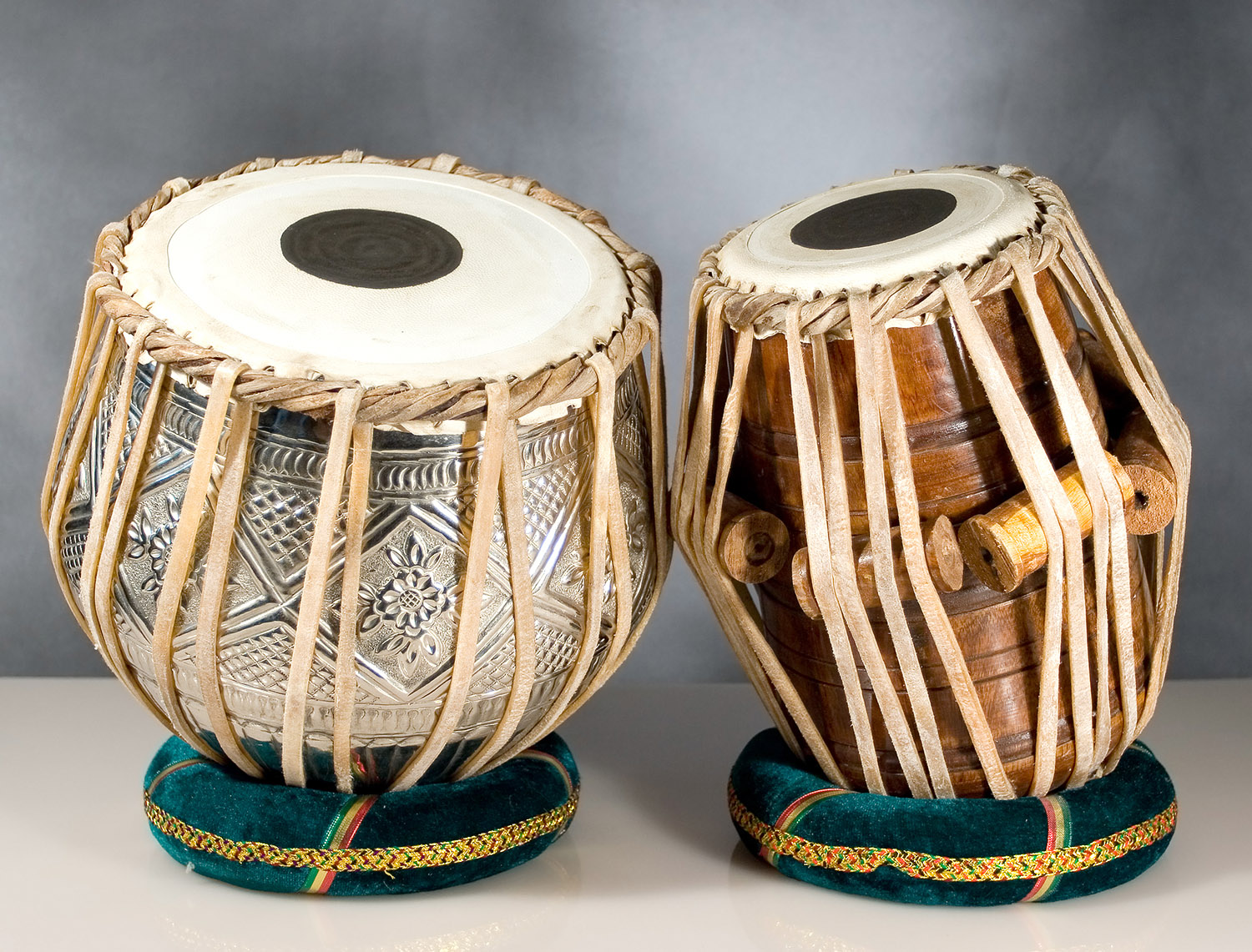
Traditional Qom music includes the use of wind instruments and drums, often reflecting their cultural themes.
Continuing their resilient fight for rights and land, the Qom people's cultural identity also shines through in their traditional music. This vibrant aspect of their heritage showcases not only their artistic expression but also the themes that resonate deeply with their history, spirituality, and communal values.
The Role of Music in Qom Culture
Music holds a significant place in Qom culture, serving as a medium for storytelling, celebration, and connection to their ancestry.
- Communal Expression:
- Music is often performed during gatherings, festivals, and rituals, creating a shared experience that strengthens community bonds.
- Songs and performances evoke historical events, weaving narratives that educate younger generations about their heritage.
One elder fondly reminisced about attending community celebrations where traditional music brought everyone together, igniting a sense of pride and belonging. The rhythmic beats and melodic patterns echo the stories of their ancestors, reminding them of their shared journey.
Instruments Used in Traditional Qom Music
The traditional instruments of the Qom reflect their connection to the natural world and play a crucial role in their musical expression.
- Wind Instruments:
- Bamboo Flutes: Made from local bamboo, these flutes produce soft, melodic sounds that are deeply soothing, often accompanying dances and storytelling.
- Whistles: Simple but effective, these instruments are used in both ceremonial contexts and everyday celebrations, adding a whimsical element to their music.
- Drums:
- Hand Drums: Typically constructed from animal skins and hollowed wood, these drums provide the rhythmic foundation for many traditional songs.
- Ceremonial Drums: Larger drums are often used in rituals and community events, creating a powerful sound that resonates with participants, drawing them into a shared experience.
A young musician shared her joy in learning to play the traditional bamboo flute, explaining how the sounds she creates feel like a direct connection to her Qom ancestry. It allowed her to express emotions and tell stories that resonate with her culture.
Themes Reflected in Music
The music of the Qom is rich with themes that reflect their connection to land, spirituality, and the community.
- Nature and Ancestry:
- Many traditional songs celebrate the beauty of the natural environment and pay homage to the spirits of their ancestors and the land.
- The melodies often mimic the sounds of nature, such as wind rustling through trees or birds calling, reinforcing their bond with the earth.
- Celebration and Resistance:
- Music also serves as a form of resistance, expressing their struggles and aspirations for the future.
- Songs may articulate themes of resilience, hope, and the importance of maintaining their cultural heritage in the face of adversity.
At a recent festival, a group of Qom musicians performed a powerful piece that conveyed their history of resistance. The pulsating rhythms of their drums resonated through the crowd, stirring emotions and uniting the audience in a shared sense of purpose.
Passing Down Musical Traditions
Ensuring that traditional music persists within the community is vital for the Qom, and they actively work to pass down their musical heritage.
- Mentorship Programs:
- Elders teach younger generations the art of traditional music, strengthening both musical and cultural skills.
- Workshops provide opportunities for interactive learning, showcasing the importance of preserving their musical heritage.
- Community Performances:
- Engaging community performances, such as concerts and cultural festivals, highlight the Qom's rich musical traditions and invite participation from all ages.
- These events celebrate the vibrant atmosphere fostered by music, dance, and storytelling, maintaining a sense of identity.
Through their traditional music, the Qom not only celebrate their cultural identity but also embody resilience and connection to their roots. The use of wind instruments and drums serves as a powerful reminder of their shared history and communal spirit. By keeping their musical traditions alive, the Qom forge a bridge between past and future, ensuring that their heritage resonates within the hearts of all who experience it.

The Qom community emphasizes education as a means to empower their people and preserve their culture.
Building upon their rich musical heritage, the Qom community recognizes the paramount importance of education in their ongoing efforts to empower individuals and preserve their cultural identity. Education is not merely viewed as a pathway to personal advancement; it’s a key component in maintaining their traditions, values, and connection to the land.
Education as a Tool for Empowerment
For the Qom, education serves as an essential means of empowerment, enabling community members to advocate for their rights and navigate the modern world.
- Access to Knowledge:
- Emphasizing both traditional knowledge and formal education helps bridge the gap between past and present.
- Community-led initiatives aim to raise awareness about the importance of education for the younger generation.
A community leader shared how educational access has transformed countless lives in their village. She recalled speaking to a young student who had dreams of becoming a teacher, inspired by the desire to give back to his community by educating others about their culture and history.
Preservation of Cultural Heritage
Incorporating cultural education into formal schooling ensures that the Qom traditions and language remain vibrant.
- Bilingual Education Programs:
- Schools offer bilingual curricula that include lessons in both Spanish and the Qom language, fostering fluency and cultural pride.
- These programs emphasize the importance of preserving their language as a living connection to their heritage.
- Cultural Workshops:
- Traditional crafts, music, and storytelling are integrated into educational programs, allowing younger generations to engage with their cultural heritage actively.
- Workshops led by elders provide practical experience and teach valuable skills that are intrinsic to their identity.
A poignant example came from a recent cultural workshop where students learned traditional weaving techniques. They delighted in crafting items alongside their elders, reinforcing the importance of memory and history while fostering community bonds.
Community Involvement in Education
Collaborative efforts within the community ensure that educational initiatives resonate with the unique needs of Qom students.
- Parental Engagement:
- Encouraging parents to participate in educational processes helps create a supportive environment for learners.
- Workshops for parents emphasize the importance of educational advocacy and cultural involvement.
- Partnerships with NGOs:
- Collaborations with non-governmental organizations have facilitated access to resources and expertise aimed at enhancing educational opportunities.
- Projects may include building new educational facilities or providing training for teachers in the community.
A dedicated parent shared her experience of attending meetings with teachers to discuss how to incorporate more Qom cultural content into the curriculum. Her involvement instilled a strong sense of loyalty to both her children's education and her cultural heritage.
Challenges and Aspirations
Despite the progress made in education, the Qom community continues to face several challenges that they work diligently to overcome.
- Resource Limitations:
- Funding for educational programs and resources can be limited, making it difficult to implement all desired initiatives effectively.
- Ongoing efforts focus on fundraising and seeking grants to support educational projects.
- Cultural Erosion:
- The influence of broader societal changes can threaten the preservation of the Qom language and cultural practices.
- The community strives to balance their traditions with the challenges posed by modernization.
Through education, the Qom community emphasizes empowerment and cultural preservation with profound passion and dedication. They recognize that by investing in their youth and fostering an environment of learning, they not only nurture individuals but also protect the collective identity of their people. In this way, education becomes a powerful tool to ensure that the Qom culture thrives for generations to come, creating a brighter future rooted in respect for their rich heritage.
Traditional healing practices include the use of medicinal plants and knowledge passed down through generations.
Continuing their commitment to education and cultural preservation, the Qom community also values traditional healing practices as an essential aspect of their identity. These practices, rooted in the extensive knowledge of medicinal plants and herbal remedies, have been passed down through generations, providing a holistic approach to health and wellness.
The Importance of Traditional Healing
For the Qom, traditional healing is more than just a method of treating ailments; it is an integral part of their cultural heritage and connection to nature.
- Holistic Approach:
- Traditional healing practices encompass physical, emotional, and spiritual well-being, highlighting the interconnectedness of all aspects of life.
- The use of medicinal plants is complemented by rituals and ceremonies that honor the healing process and the spirits of nature.
An elder healer in the community shared her belief that true healing comes from understanding the root cause of illness, not just treating the symptoms. She has spent decades learning from her ancestors, using both traditional remedies and spiritual practices to guide her work within the community.
Medicinal Plants and Remedies
The Qom have an intimate relationship with the natural world, identifying numerous local plants with medicinal properties.
- Commonly Used Plants:
- Eucalyptus: Known for its anti-inflammatory properties, it is commonly used to treat respiratory issues and fevers.
- Chamomile: Used for its calming effects, chamomile tea is often relied upon to soothe anxiety and digestive problems.
- Aloe Vera: Valued for its topical healing abilities, it is often used to treat skin irritations and wounds.
Personal stories reveal the enduring impact of these traditional remedies. A young man recalled how his grandmother treated his childhood fevers with eucalyptus leaves infused in hot water. He still carries the aroma of that healing tea with him, a comforting reminder of his cultural roots.
Knowledge Passed Down Through Generations
The transmission of knowledge about medicinal plants and healing practices is a vital aspect of Qom culture.
- Elders as Knowledge Keepers:
- Elders play a pivotal role in passing on their wisdom regarding the use of specific plants and healing methods to younger generations.
- Oral traditions and hands-on learning ensure that invaluable knowledge is not lost over time.
A notable memory shared by a young woman involved her learning from an elder about the significance of each plant and how to prepare them for different ailments. She emphasized the patience and reverence required to gather herbs, a practice that deepened her respect for both the plants and her ancestors’ knowledge.
Ceremonial Healing Practices
In addition to the use of medicinal plants, the Qom incorporate ceremonial aspects into their healing practices.
- Spiritual Healing Rituals:
- Ceremonies often accompany treatments, acknowledging the spiritual components of healing and promoting a sense of community.
- Drumming, singing, and storytelling may play roles in these rituals, creating an atmosphere conducive to healing.
A healer described a recent ceremony aimed at helping individuals cope with grief in the community. Together, participants engaged in a group healing process, combining the power of plant remedies with supportive rituals, emphasizing the importance of collective strength.
Challenges and Modern Integration
While traditional healing remains vital to the Qom community, they also face challenges in a rapidly changing world.
- Modern Medicine:
- Many Qom individuals access modern healthcare, and sometimes this can create a rift between traditional practices and contemporary methods.
- Balancing both approaches is essential for holistic health.
- Preserving Traditional Practices:
- Efforts are underway to ensure that traditional healing knowledge is documented and taught to younger generations.
- Workshops and classes engage the community in learning about both the science behind medicinal plants and their cultural importance.
Through their commitment to traditional healing practices, the Qom highlight the essential connection between culture, health, and the environment. By nurturing their knowledge of medicinal plants and integrating community rituals with modern healthcare, they empower themselves and preserve their cultural identity. This healing wisdom, passed down through generations, remains a vital resource, reminding the Qom of their resilience and deep bond with nature. Each plant, each ritual, and each shared story holds the promise of healing, cultural preservation, and the hope for a vibrant future.
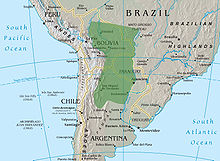
The Qom have maintained many aspects of their cultural identity despite external pressures and influences.
Following their commitment to traditional healing practices, the Qom people have demonstrated remarkable resilience in preserving their cultural identity amidst external pressures and influences. This steadfastness is evident in various aspects of their lives, from language and customs to arts and spirituality.
Cultural Resilience
The Qom people possess a rich cultural heritage that is deeply rooted in their history and lived experiences.
- Language Preservation:
- Efforts to maintain the Qom language have intensified, with community programs encouraging its use in schools and daily life.
- Bilingual educational initiatives help younger generations embrace their native language while simultaneously learning Spanish.
One community member proudly shared how teaching his children the Qom language has allowed them to connect more deeply with their roots. Family gatherings now include storytelling sessions where traditional tales are recited, fostering a sense of identity and belonging.
Traditions and Customs
Despite the challenges posed by modernization and cultural assimilation, the Qom have retained many of their traditions and customs.
- Ceremonial Practices:
- Rituals and ceremonies continue to be central to Qom life, reflecting their connection to the land and their spirituality.
- Events such as harvest festivals and marriage ceremonies showcase traditional practices, reinforcing communal bonds and cultural heritage.
A local elder shared memories of the recent harvest festival, illustrating how the community came together to celebrate their success. From traditional dances to singing, the atmosphere was alive with the spirit of their culture, reminding everyone of the importance of their shared history.
Art and Craftsmanship
Art and craftsmanship serve as vital expressions of Qom culture, contributing to their identity and resilience.
- Craftsmanship:
- Traditional crafts, such as weaving and pottery, are not only rooted in practical needs but also carry cultural significance.
- Many artisans create pieces that reflect their cultural stories, imbuing them with an identity that is distinctly Qom.
One artisan recounted how she learned to weave from her mother, emphasizing the pride she feels in creating pieces that tell stories of her culture. Her crafts have found a place in both the local market and within the community, reinforcing the value of their artistic traditions.
Community Initiatives and Support
To combat external pressures, the Qom community has developed several initiatives aimed at preserving their culture.
- Cultural Education Programs:
- Workshops and classes focused on traditional practices are offered to ensure that community members learn about their history, crafts, and rituals.
- Engagement with youth is particularly crucial, fostering a sense of pride in one's heritage.
A youth coordinator shared that organizing cultural sessions has been rewarding, allowing young Qom members to engage with their culture actively. This effort ensures that the community's rich history is not only remembered but actively practiced.
Coping with Modern Influences
While the Qom confront many external challenges, they are also finding ways to integrate modern conveniences without losing their essence.
- Balancing Tradition with Modernity:
- The Qom are navigating the complexities of modern life by blending traditional practices with contemporary approaches.
- This might involve using modern tools for traditional crafts or incorporating digital platforms to promote their arts and culture.
One young Qom entrepreneur described how she uses social media to showcase traditional crafts, reaching a broader audience while maintaining her cultural identity. The feedback has been overwhelmingly positive, creating a dialogue between their heritage and the wider world.
Through perseverance and a commitment to their values, the Qom have successfully maintained their cultural identity. By nurturing their language, traditions, arts, and community, they continue to foster a strong sense of self in the face of external pressures. Their resilience is a testament to the power of culture and tradition, proving that, despite challenges, it is possible to thrive while honoring one’s roots. The journey of the Qom reflects a broader narrative of indigenous communities worldwide, celebrating the enduring spirit of identity, heritage, and community.
They often participate in inter-community dialogues to strengthen alliances with other indigenous groups.
Continuing their efforts to foster cultural resilience, the Qom people actively engage in inter-community dialogues aimed at strengthening alliances with other indigenous groups. These collaborations enhance their advocacy for rights and recognition, highlighting the power of unity in the face of shared challenges.
The Importance of Inter-community Dialogues
The Qom recognize that building relationships with other indigenous communities is crucial for both cultural preservation and social justice.
- Shared Experiences:
- Engaging with other indigenous groups allows the Qom to share knowledge and strategies on overcoming common issues such as land rights, cultural preservation, and environmental protection.
- These dialogues create a supportive network that strengthens collective advocacy efforts.
In a recent gathering, a Qom elder shared a poignant story about the time they collaborated with neighboring indigenous communities to challenge a proposed industrial project that threatened their lands. Hearing the various perspectives and experiences from different groups empowered the Qom to approach the situation with a united front.
Building Alliances Through Collaboration
The Qom actively participate in various initiatives that promote collaboration and solidarity among indigenous peoples.
- Cultural Exchanges:
- Festivals and cultural events provide platforms for sharing traditions, arts, and stories, fostering mutual respect and understanding.
- The Qom host and attend events showcasing their unique customs, inviting others to celebrate alongside them.
One recent festival featured performances and workshops from diverse indigenous delegates, where each group shared their traditional songs, dances, and stories. A Qom participant remarked on the joy of connecting with others who share a similar passion for cultural preservation, creating bonds that transcend geographical boundaries.
- Advocacy Networks:
- Participation in regional and national indigenous councils allows the Qom to engage in broader discussions about rights and social justice.
- Collaborating with organizations that represent multiple indigenous voices helps amplify their concerns and aspirations on larger platforms.
A community leader reflected on how being part of a national indigenous council transformed their advocacy efforts. They found that working together with other groups garnered greater attention from policymakers, leading to more substantial discussions about Indigenous rights.
Shared Goals and Challenges
The alliances formed through inter-community dialogues help the Qom navigate challenges that may seem daunting alone.
- Collective Advocacy:
- By joining forces, they can address pressing issues such as land disputes, environmental degradation, and health concerns more effectively.
- These joint efforts amplify their voices, making it harder for their concerns to be overlooked by authorities.
During a joint meeting with other indigenous groups, someone expressed that sharing their stories and struggles reminded them all of the strength they possess as a united front. These moments of solidarity bolster their resolve in working towards justice.
Future Aspirations and Collaborations
Looking to the future, the Qom are committed to maintaining and expanding their alliances with other indigenous communities.
- Educational Initiatives:
- Plans for workshops and training sessions aim to empower participants with knowledge about indigenous rights, cultural practices, and advocacy skills.
- Knowledge sharing becomes a two-way street, enriching everyone involved.
A young Qom activist shared their excitement about upcoming collaborative workshops that aim to engage youth from various indigenous groups. They envision a future where interconnectedness leads to a stronger and more vibrant movement for cultural and social justice.
Through participating in inter-community dialogues, the Qom people are not only strengthening alliances with other indigenous groups but also enriching their understanding of what it means to be part of a diverse and interconnected community. By sharing experiences, dreams, and aspirations, they work towards common goals, reminding us all of the power of unity in the pursuit of justice and cultural preservation. This ongoing journey reinforces the idea that together, Indigenous peoples can create a better future for generations to come, fostering a world that respects and honors their rich heritages.
The Qom language is considered endangered, leading to efforts for revitalization and education.
As the Qom continue to strengthen alliances with other Indigenous communities, they face significant challenges associated with the preservation of their language. The Qom language, which carries immense cultural heritage, is considered endangered due to various factors, prompting renewed efforts toward revitalization and education within the community.
The Significance of the Qom Language
The Qom language is not just a means of communication; it's a vital aspect of their identity and cultural expression.
- Cultural Heritage:
- The language embodies traditional knowledge, stories, and songs that are integral to Qom culture.
- Losing the language would mean losing a vital connection to their history, spirituality, and community values.
A respected elder often expressed how every word in the Qom language holds a story and meaning that links to the earth and their ancestors. This connection fosters a deep appreciation for the language among community members, reinforcing the need to preserve it.
Challenges of Language Endangerment
Several factors contribute to the endangered status of the Qom language, threatening its transmission to younger generations.
- Modern Influences:
- Increasing use of Spanish and other dominant languages within education and media has led to a decline in everyday use of the Qom language.
- This shift creates barriers for children to learn and engage with their heritage.
- Limited Resources:
- There is a lack of educational resources and programs that focus on teaching the Qom language effectively.
- Many elders who are fluent in the language may not have the opportunity to pass down their knowledge systematically.
A young woman shared her experience growing up in a bilingual environment, feeling torn between speaking Spanish at school and learning Qom at home. She expressed a desire for more structured language classes that would help her engage with her culture on a deeper level.
Revitalization Efforts
Recognizing the urgency of the situation, the Qom community is actively working to revitalize their language through various initiatives.
- Educational Programs:
- Bilingual education initiatives have been introduced in schools, providing lessons in both Qom and Spanish to foster fluency and cultural pride.
- Workshops for adults and children focus on language skills, shouting stories, and traditional songs.
A community member involved in teaching young children the Qom language described the joy of witnessing their excitement when they learn words and songs. These moments not only foster language skills but also instill pride in their cultural heritage.
- Cultural Events:
- Festivals and community gatherings often incorporate the Qom language, enhancing its visibility and importance.
- Storytelling sessions and performances highlight the beauty of the language, encouraging community participation.
During a recent cultural festival, performances in the Qom language graced the stage, and audience members applauded with enthusiasm. This visibility served as both a celebration of culture and a reminder of the language's significance.
Community Involvement
Engaging the community is essential for successful language revitalization, and the Qom are united in their efforts.
- Elder Participation:
- Elders act as knowledge keepers, ensuring that the language is passed down with care and respect.
- Their stories and experiences provide context for younger generations, offering a living connection to their heritage.
A local elder highlighted how community storytelling gatherings allow him to share not just language but also life lessons learned through generations. These gatherings create an atmosphere of gratitude and mutual respect for their history.
- Collaborations:
- Partnerships with linguists, educators, and cultural organizations aid in the development of effective curriculum and resource materials.
- Support from non-governmental organizations helps provide platforms for advocacy, funding, and educational initiatives.
A young activist shared their excitement about collaborating with organizations to support language programs, emphasizing the power of working together to ensure the future of the Qom language.
In conclusion, the revitalization of the Qom language represents a concerted effort to preserve their cultural identity in a rapidly changing world. Through educational initiatives, community engagement, and shared stories, the Qom people are reawakening their language and heritage. Each step taken to promote the Qom language strengthens their identity, ensuring that future generations can carry on the stories, traditions, and spirit of their ancestors. In this way, the language becomes a living testament to their resilience and cultural pride, enabling them to thrive in both their community and the broader world.

Many Qom children are now attending schools that include lessons in their native language.
As efforts to revitalize the Qom language gain momentum, many Qom children are now attending schools that include lessons in their native language. This shift represents not just an educational advancement but also a significant cultural milestone for the Qom community.
Embracing Bilingual Education
The introduction of bilingual education into Qom schools is a crucial step toward empowering the younger generation to connect with their heritage.
- Curriculum Development:
- Schools have incorporated Qom language classes alongside Spanish, allowing children to learn in both languages.
- Teaching materials are being developed that present subjects such as mathematics, science, and history within the context of Qom culture.
A parent shared her excitement about her daughter coming home and practicing her Qom vocabulary. She elaborated that these lessons enable children to broaden their understanding of both their identity and the world around them, fostering a strong sense of belonging.
Cultural Relevance in Education
Integrating the Qom language into educational settings not only helps preserve the language but also enriches the students' overall learning experience.
- Cultural Context:
- Lessons often include elements of Qom folklore, traditional stories, and songs, connecting language learning with cultural traditions.
- Students learn about the values and history associated with their language, creating a deeper appreciation of their roots.
In one classroom, a teacher recently narrated traditional Qom tales as part of a language lesson, engaging students in a joyful and meaningful way. Students enthusiastically participated by acting out the stories, allowing them to immerse themselves in their culture while learning vocabulary.
Community Involvement and Support
The success of language instruction hinges not only on the educational initiatives but also on community involvement and support.
- Parent Engagement:
- Parents are encouraged to participate in school activities, enhancing the connection between home and school while fostering a cultural dialogue.
- Workshops for parents help them understand how to support language learning at home.
One enthusiastic father spoke about the importance of attending parent-teacher meetings to discuss strategies, such as reading Qom books together. He explained how he has seen an increase in his children’s confidence speaking their native language at home as a result.
- Elder Participation:
- Elders in the community often visit schools to share their knowledge and experiences, reinforcing the cultural significance of the language.
- Storytelling sessions led by elders enrich the curriculum and provide authentic context and wisdom.
A local elder delighted students with stories from his youth, emphasizing their relevance in today’s world. This connection to elders not only reinforces the importance of the Qom language but also strengthens family ties and intergenerational relationships.
Challenges Remaining
While the positive developments in language education are promising, challenges still exist in the implementation of effective programs.
- Resource Limitations:
- Access to quality educational materials and trained teachers proficient in the Qom language can be limited.
- Ongoing efforts are needed to secure funding and resources for educational initiatives.
A teacher expressed her hopes for more training sessions for educators to improve their ability to teach effectively in the Qom language. This sentiment reflects the community’s desire for continuous improvement and support.
- Balancing Languages:
- Striking a balance between Qom and Spanish language education can be challenging, as some families may prioritize Spanish due to perceived economic advantages.
- Opening discussions about the importance of cultural identity can help families appreciate the value of maintaining their native language.
Through embracing bilingual education, the Qom community is making strides in ensuring that their language remains alive and vibrant. By attending schools that incorporate lessons in their native language, children become empowered as cultural custodians, carrying forward their rich heritage. This educational transformation not only breathes life into the Qom language but also instills a sense of pride that can lead to a brighter future, where cultural identity is celebrated and cherished. As the Qom children learn and grow, they embody hope for a thriving community that honors its past while looking confidently toward the future.

The Qom practice a holistic approach to health that includes physical, spiritual, and cultural well-being.
As Qom children embrace their bilingual education, they also grow within a community that practices a holistic approach to health. This comprehensive perspective emphasizes the interconnectedness of physical, spiritual, and cultural well-being, reflecting the Qom's deep-rooted values and beliefs.
Understanding Holistic Health
For the Qom, health is not merely the absence of illness but a harmonious balance between various aspects of life.
- Physical Well-Being:
- Traditional practices include the use of medicinal plants and herbs, which serve as the foundation for healing.
- Regular physical activities, such as traditional dance and communal work, promote fitness and well-being.
A local healer shared that the Qom approach to physical health involves both preventive and restorative measures. She emphasizes the importance of a balanced diet, incorporating locally sourced foods and traditional dishes passed down through generations.
Spiritual Health
Spiritual well-being is a vital component of the Qom's holistic health philosophy, deeply intertwined with their connection to nature and cultural practices.
- Rituals and Ceremonies:
- The Qom engage in rituals that honor their ancestors and the natural world, reinforcing their spiritual connection and sense of community.
- Ceremonies for healing, gratitude, and reflection strengthen their ties to the earth and foster a sense of belonging.
One elderly community member reflected on how participating in spiritual rituals helps her navigate life’s challenges. Through prayer and offerings, she finds peace and renewed purpose, reinforcing her connection to her ancestors and her land.
Cultural Well-Being
Cultural identity plays a crucial role in the Qom's approach to health, as it significantly impacts their overall well-being.
- Preserving Cultural Heritage:
- The Qom actively engage in cultural practices, ensuring that traditional knowledge is passed down and celebrated.
- Participation in traditional crafts, music, dance, and storytelling events fosters resilience and pride in their identity.
During a recent cultural festival, community members gathered to celebrate and share their customs through music, dance, and food. One participant shared how these events nourish not only their bodies but also their spirits, strengthening their ties to culture and each other.
The Role of Education
Education plays a pivotal role in enhancing the Qom's holistic approach to health by integrating traditional knowledge with modern understanding.
- Teaching Traditional Practices:
- Educational initiatives focus on imparting knowledge about medicinal plants and their uses, ensuring the continuation of this vital aspect of their health approach.
- Schools promote cultural education, enabling children to learn about their heritage while fostering a sense of pride and identity.
A teacher working with Qom children expressed excitement about incorporating lessons on traditional healing practices into the curriculum. This integration helps students appreciate the wisdom of their ancestors while learning about overall health and wellness.
Challenges to Holistic Health Practices
Despite the strengths of their holistic approach, the Qom encounter challenges that threaten their health practices.
- Modern Influences:
- Increasing reliance on Western medicine and lifestyle changes can sometimes overshadow the importance of traditional practices.
- Access to healthcare services may not always align with their cultural beliefs and practices.
A local activist emphasized the importance of advocating for culturally competent healthcare services that recognize and respect traditional healing methods. This focus can help bridge the gap between modern and traditional approaches to health.
Through their holistic approach to health, the Qom community strives to maintain a balance that honors their physical, spiritual, and cultural well-being. As they share their knowledge of traditional healing practices and emphasize the significance of cultural identity, they empower themselves and future generations. This dedication to a comprehensive understanding of health highlights the importance of connection—to themselves, their land, and their community—ultimately fostering resilience and thriving well-being. The Qom's holistic health model serves as a powerful reminder of the importance of integrating diverse approaches to wellness, tailored to the unique heritage of each community.
Environmental conservation is an important value for the Qom, as they depend on the land for their livelihoods.
Continuing their commitment to holistic health, the Qom people place a high value on environmental conservation. For them, the land not only provides the resources necessary for survival but also embodies their cultural identity and spirituality. Understanding this deep connection, the Qom actively engage in practices that promote sustainability and protect their natural environment.
The Connection Between Land and Livelihood
The Qom have a profound understanding of how their livelihood is intricately linked to the health of their environment.
- Dependence on Natural Resources:
- Their traditional practices, such as agriculture, hunting, fishing, and gathering, all rely on the land, water, and ecosystems surrounding their communities.
- The quality of the environment directly impacts food security and their ability to sustain their way of life.
A farmer within the Qom community shared how traditional farming methods have been adapted over generations to ensure the soil remains fertile. He emphasized that protecting the land is essential for future harvests, recognizing that what they do today affects their children’s ability to farm tomorrow.
Sustainable Agricultural Practices
The Qom have long used sustainable agricultural practices that align with their values of environmental stewardship.
- Crop Rotation and Diversity:
- By rotating crops and planting a variety, their farming methods promote soil health and reduce the risk of pests and diseases.
- Traditional knowledge passed down through generations informs which crops to plant in harmony with the land.
- Organic Methods:
- The use of natural fertilizers and pest control methods minimizes harm to their ecosystems.
- Many Qom farmers are returning to ancestral practices that emphasize organic farming, which reinforces their commitment to sustainability.
A Qom elder recalled how in her youth, her family would plant crops in plots that allowed for natural vegetation to remain in place. This practice, she explained, helped rejuvenate the soil and provided habitats for beneficial insects.
Community Initiatives for Conservation
The Qom actively participate in initiatives aimed at protecting and preserving their environment.
- Environmental Advocacy:
- As part of their efforts to safeguard their land, the Qom engage in advocacy work to raise awareness about environmental issues impacting their community.
- Collaborating with environmental organizations enhances their voice in discussions about conservation and land management policies.
A local activist mentioned how they recently participated in a demonstration to push for the protection of a nearby river that has been threatened by industrial activities. Their determination to fight for their land resonated with allies who joined them to demand action.
- Conservation Education Programs:
- Workshops and community meetings focus on environmental education, discussing issues such as deforestation, climate change, and biodiversity loss.
- These programs empower the younger generation with knowledge about sustainable practices that they can incorporate into their lives.
One school teacher shared her excitement for a recent workshop that explained the importance of protecting local wildlife habitats. Students were encouraged to share their thoughts and ideas on how they could contribute to conservation efforts in their daily lives.
Cultural Practices and Environmental Protection
The Qom's cultural practices inherently promote environmental consciousness and respect for nature.
- Rituals that Honor Nature:
- Many Qom ceremonies and rituals include elements that honor the earth, reinforcing the importance of caring for the environment.
- Spiritual beliefs emphasize gratitude for the resources provided by the land, fostering a sense of responsibility to protect it.
A community elder spoke passionately about ritualistic offerings made to the earth for the bounty they receive. This practice embodies their belief that they are caretakers of the land and promotes a mindset of preservation and gratitude.
Conclusion: A Vision for the Future
The Qom's commitment to environmental conservation is rooted deeply in their identity and values. By protecting the land that sustains them, they preserve not only their livelihoods but also their cultural heritage. Their sustainable practices, advocacy efforts, and educational initiatives reflect a collective vision for a future where their environment thrives alongside their community. As they continue to nurture this relationship with nature, the Qom embody the spirit of stewardship and resilience, paving the way for a sustainable future for generations to come. This unwavering commitment to environmental protection serves as an essential reminder of the interconnectedness of all living beings and the vital role nature plays in shaping cultural identities.
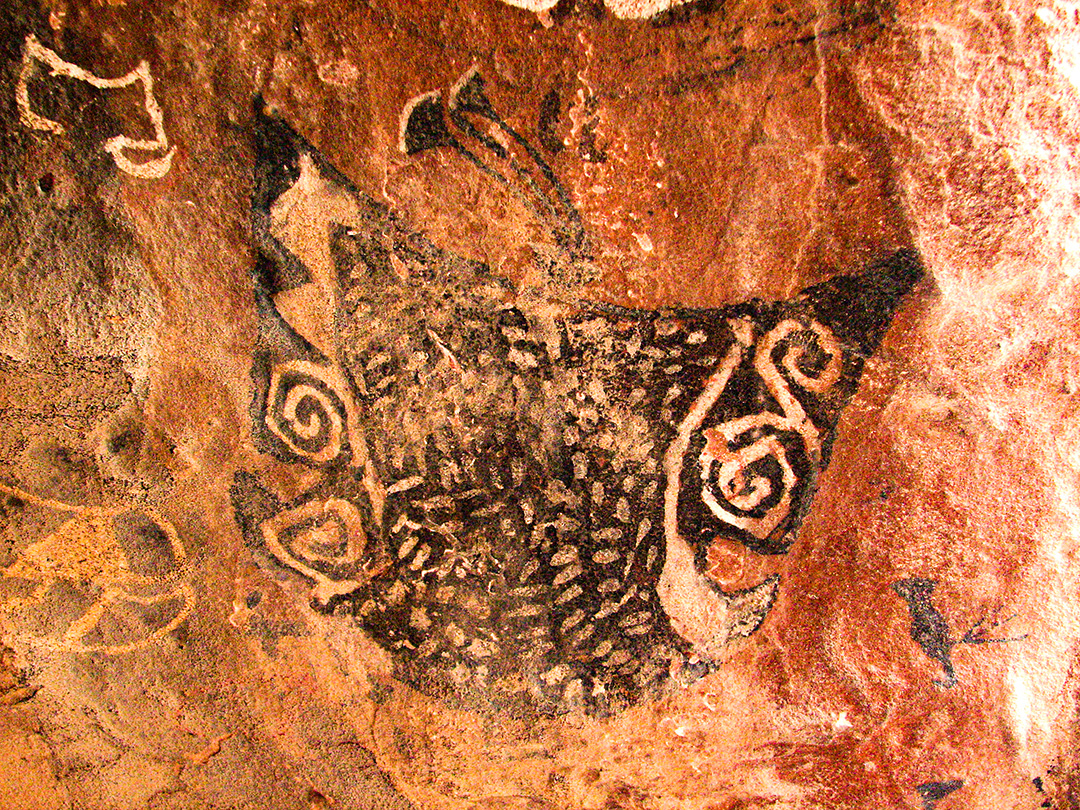
Traditional stories often feature animals and nature, reinforcing their respect for the environment.
As the Qom continue to embrace their commitment to environmental conservation, traditional stories play a vital role in reinforcing their respect for nature. These narratives, often rich with symbolism and lessons about the natural world, serve to pass down ancestral wisdom and cultural values across generations.
The Influence of Nature on Storytelling
Nature is a central theme in Qom storytelling, where animals and the environment take on important roles in the narratives.
- Symbolism in Animal Characters:
- Animals often embody traits that reflect values such as wisdom, bravery, and community.
- Through these characters, Qom children learn valuable lessons about coexistence with nature and respect for all living beings.
A grandmother shared how her favorite story about a wise old owl teaches children the importance of listening and observing before acting. She emphasized that these stories help instill a sense of humility and gratitude toward the natural world.
Common Themes in Traditional Stories
Several recurring themes can be found in Qom traditional stories, each reinforcing their cultural values and respect for the environment.
- Interconnectedness of Life:
- Many stories illustrate the interconnectedness of all living beings, highlighting that the actions of one can impact many others in the ecosystem.
- This theme fosters a sense of responsibility in younger generations to care for their surroundings.
One story recounted by an elder features a rabbit who learns that his actions impact the entire forest, reminding children that every creature has its role in maintaining harmony within nature.
- Respect for Nature’s Cycles:
- Tales often convey the importance of respecting the rhythms of nature, such as seasons and animal migrations.
- Understanding these cycles encourages the Qom to live in harmony with their environment.
A young boy enthusiastically shared how a story about the changing seasons reminds him to prepare for planting and harvest time, instilling in him an appreciation for the land’s gifts.
Narrative Techniques and Oral Tradition
Qom storytelling is not just about the content; it is also about the way these stories are told and shared across generations.
- Oral Tradition:
- Storytelling is often done in communal settings, where community members gather to share tales around a fire or during special occasions.
- This oral tradition strengthens community bonds while nurturing a shared cultural identity.
A local storyteller expressed the joy of watching the young ones' eyes widen with curiosity as they listened to his tales. He believes that engaging with the community in storytelling fosters a deeper connection to cultural values and environmental respect.
- Interactive Storytelling:
- Stories may involve audience interaction, prompting children to participate and engage with the narrative, enhancing their understanding and connection to the lessons.
- This approach also encourages critical thinking and creativity.
One exciting community gathering featured a storytelling session where children were invited to act out parts of the story, solidifying their understanding of its themes through active participation.
Preserving Stories for Future Generations
As the Qom work to preserve their culture and language, there is a concerted effort to document and pass down these traditional stories.
- Story Recording Initiatives:
- Community members are recording stories to create written and audio resources for future generations.
- This documentation ensures that the lessons and values embedded in these narratives endure, even as modern influences grow.
A young Qom woman shared her passion for becoming a storyteller and recording the tales of her ancestors. She envisions a future where children can connect with their heritage through these narratives, regardless of the changing world around them.
Through traditional stories that feature animals and nature, the Qom reinforce their deep respect for the environment and their cultural identity. These narratives serve not only as educational tools but also as vital reminders of the interconnectedness of life. By celebrating these stories, the Qom community continues to pass on essential values to younger generations, nurturing a profound understanding of their relationship with the natural world. Ultimately, this commitment to storytelling embodies their resilience and determination to ensure that their cultural heritage remains vibrant and respected in a modern context.

The Qom participate in various forms of governance, advocating for their rights and representation in local politics.
As the Qom continue to honor their traditions and environmental stewardship, they are also making strides in political advocacy. Their participation in various forms of governance reflects a commitment to ensuring that their voices are heard and their rights are represented in local and national discussions.
Understanding Governance Participation
For the Qom, engaging in governance is an essential avenue for advocating their rights and addressing issues that affect their community.
- Community Leadership:
- The Qom have established local councils and leaders who represent their interests and conduct discussions on pressing matters.
- These leaders play critical roles in mobilizing community members and fostering dialogue about issues that impact their lives.
A respected Qom leader shared that through meetings and forums, community members express their concerns about land rights, healthcare, and education. The strong sense of unity in these gatherings reinforces the importance of collective action in pursuit of justice.
Advocacy and Representation
The Qom actively engage with government entities and advocacy organizations to promote their rights and ensure fair representation.
- Collaborative Partnerships:
- Forming alliances with nongovernmental organizations (NGOs) amplifies their efforts, providing resources and expertise that bolster their advocacy work.
- Joint initiatives with other indigenous groups help strengthen their message and capacity to affect change.
A community member reflected on a successful recent campaign where multiple indigenous groups united to address land rights. This coalition not only increased visibility but also drew attention from local authorities, leading to more constructive discussions on their shared issues.
- Grassroots Movements:
- The Qom engage in grassroots organizing, mobilizing members to participate in peaceful protests and demonstrations to draw attention to their rights.
- These movements are essential for raising awareness and garnering public support for the Qom’s causes.
One activist recounted her experience during a demonstration related to land protection, where the energy of unity and solidarity was palpable. The involvement of diverse groups from the community underscored the importance of collaboration in their advocacy efforts.
Participation in Local Politics
Increasing representation in local political structures is crucial for the Qom's efforts to advocate for their rights.
- Electing Representatives:
- The community works to elect representatives who understand their needs and issues, ensuring that Qom perspectives are included in local governance.
- Participation in local elections empowers them to have a voice in decision-making processes that affect their lives.
A young Qom politician shared his journey of entering local politics, explaining how he aims to bridge the gap between traditional Qom values and the demands of modern governance. His story inspires hope among younger generations, showcasing that advocacy can take many forms.
- Policy Advocacy:
- The Qom participate in policymaking discussions, advocating for changes that promote their rights to land, resources, and cultural practices.
- Engaging with government officials helps build relationships that can lead to more favorable policies for Indigenous communities.
During a recent town hall meeting, a Qom representative expressed the need for policies that protect their ancestral lands and resources. These discussions highlight the crucial role of dialogue in fostering mutual understanding between the Qom and local government authorities.
Challenges Faced in Governance
While the Qom are committed to advocacy and representation, they face challenges that complicate their participation in governance.
- Bureaucratic Barriers:
- Navigating the complexities of local and national political systems can present challenges, often requiring significant resources and knowledge.
- Ensuring that community members understand their rights and how to access them is essential for successful engagement.
A local activist emphasized the importance of creating educational programs to guide community members through political processes, allowing them to feel empowered and informed.
- Historical Marginalization:
- The legacy of colonization and marginalization still impacts their ability to advocate effectively within political structures.
- Overcoming this historical disadvantage requires building alliances and solidarity with other Indigenous and marginalized communities.
By participating in various forms of governance, the Qom are not only advocating for their rights and representation but also reaffirming their cultural identity and resilience. Their engagement in local politics reflects a commitment to forging a path toward justice and recognition. As they continue to navigate the complexities of governance, the Qom are working collectively to ensure their voices are heard, fostering a brighter future for their community. Through political advocacy, they are taking active steps toward reclaiming their rights and affirming their presence in a rapidly changing world.
They engage in sustainable agricultural practices that honor the earth and its resources.
Following their advocacy for rights and representation in local governance, the Qom community demonstrates their commitment to sustainability through agricultural practices that honor the earth. Their approach is not merely about food production; it reflects a deep respect for the environment and a dedication to preserving natural resources for future generations.
Understanding Sustainable Practices
Sustainable agriculture for the Qom involves methods that maintain ecological balance while providing for the community’s needs.
- Traditional Techniques:
- The Qom utilize farming techniques that have been passed down through generations, emphasizing harmony with nature rather than exploitation.
- Practices like crop rotation, intercropping, and polyculture are common, ensuring diverse plant life and soil health.
A local farmer recounted how his father taught him the importance of planting different crops in rotation. This practice not only improves soil fertility but also minimizes pest problems, showcasing the wisdom embedded in traditional farming knowledge.
Crops and Biodiversity
The choice of crops and the promotion of biodiversity are integral aspects of the Qom's agricultural practices.
- Diverse Crop Selection:
- The Qom cultivate a variety of crops, including maize, beans, cassava, and various fruits and vegetables that thrive in their environment.
- This variety helps ensure food security, greater nutrition, and resilience against climate change.
A community member shared how her family grows several types of beans alongside maize, noting that when pests affect one crop, the other often remains unaffected. Such interdependence not only secures their harvest but also enhances their ecological balance.
- Native Plant Conservation:
- The Qom also focus on preserving native plant species, recognizing their value for both food and medicinal purposes.
- By promoting traditional plants, they contribute to biodiversity and maintain a link to their heritage.
An elder healer explained that knowledge about native plants is crucial for health and wellness. Their medicinal gardens include plants traditionally used for healing, ensuring that these vital resources are readily available while preserving their cultural practices.
Environmental Stewardship
Engaging in sustainable practices reflects the Qom's deep-rooted values of environmental stewardship and respect for the earth.
- Soil Health:
- Organic composting and the use of natural fertilizers help maintain healthy soil, reducing the need for synthetic chemicals.
- These methods promote a thriving ecosystem that supports not only crops but also local wildlife.
During a recent workshop on organic farming, a Qom participant shared how he collects kitchen scraps to create compost, explaining how it helps nurture the soil and ultimately supports healthier crops.
- Water Conservation:
- Water management techniques are employed to protect their vital water resources, ensuring that irrigation is efficient and sustainable.
- Practices such as rainwater harvesting and contour farming help minimize water use while maximizing crop yield.
One farmer shared how adapting traditional irrigation methods allows them to conserve water while ensuring their fields remain hydrated, especially during dry spells.
Community Engagement and Education
The Qom are actively engaging their community in education surrounding sustainable agricultural practices.
- Workshops and Training:
- Farmers in the community often come together to share knowledge and skills related to sustainable methods, enhancing their collective agricultural practices.
- Engaging younger generations in these workshops fosters appreciation for their environment and encourages them to embrace sustainable farming.
A local farmer described how teaching his children about sustainable practices not only educates them about farming but also deepens their connection to the land. He expressed pride in watching them take an active interest in their family’s tradition.
- Inter-community Collaborations:
- Collaborating with other Indigenous and environmental groups allows the Qom to learn from diverse perspectives on sustainability and ecological stewardship.
- These partnerships help them amplify their efforts and share best practices for sustainable agriculture.
The Qom participated in a recent eco-festival where communities exchanged ideas and experiences related to sustainability. The excitement surrounding these collaborations highlighted the importance of working together for stronger environmental advocacy.
Conclusion: A Vision for Sustainable Living
Through their engagement in sustainable agricultural practices, the Qom exemplify a profound respect for the earth and its resources. Their commitment to traditional techniques, biodiversity, and community education underscores the importance of nurturing the environment while sustaining their livelihoods. By honoring their agricultural heritage and embracing sustainability, the Qom are not only securing their future but also reaffirming their connection to the land, culture, and identity. Their journey serves as an inspiring example of how indigenous communities can lead the way in creating a more sustainable and eco-conscious world. Through these practices, the Qom are cultivating not just crops, but a lasting legacy that prioritizes health, harmony, and environmental stewardship for generations to come.
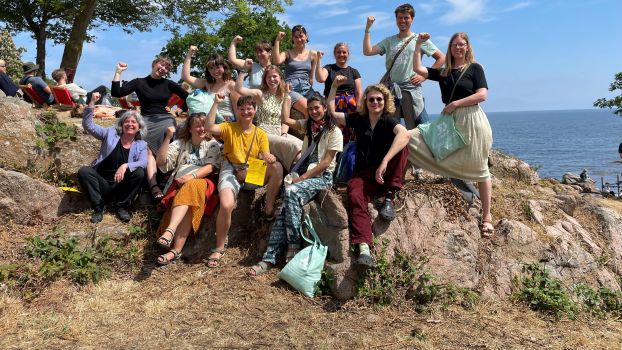
Intergenerational knowledge transfer is crucial in Qom communities, with elders playing a significant role in education.
Building on their commitment to sustainable agricultural practices, the Qom people understand the invaluable role of intergenerational knowledge transfer within their communities. Elders, as the keepers of tradition and wisdom, play a vital part in educating younger generations about cultural practices, language, and environmental stewardship.
The Value of Elders in Education
Elders are seen as not just family members but as respected teachers and guides, ensuring that the rich cultural heritage of the Qom is preserved and passed down.
- Cultural Transmission:
- Elders impart traditional stories, songs, and rituals that are essential to the Qom identity.
- This transmission is often done through storytelling sessions, where younger members gather to listen and learn from their elders' experiences.
A community elder recently shared a touching memory of gathering with her grandchildren under a shade tree, recounting stories from her childhood. She emphasized that these moments are precious opportunities for her to impart resilience and value, shaping the children's understanding of who they are.
Educational Practices and Community Learning
The education led by elders extends beyond storytelling to encompass various aspects of Qom life.
- Hands-On Learning:
- Elders often teach practical skills such as traditional hunting, fishing, crafting, and agricultural practices, providing a comprehensive understanding of their environment.
- Younger community members learn directly from these experiences, gaining respect for the land and its resources.
One young Qom man spoke of his excitement when he went fishing for the first time with his grandfather, learning not only fishing techniques but also listening to stories about the significance of the river and the spirits that dwell within it.
Language Preservation through Intergenerational Bonds
Language plays a fundamental role in knowledge transfer, and elders are critical in teaching and preserving the Qom language.
- Bilingual Learning:
- In community gatherings, elders actively engage children in speaking the Qom language, encouraging them to use it in daily conversations.
- This environment fosters greater fluency and a deeper connection to cultural narratives where language is intertwined with identity.
A little girl joyfully recounted a recent afternoon spent learning new words from her grandmother, who sang traditional songs. This playful interaction deepened her appreciation for her ancestry, reinforcing her commitment to preserving the language.
Bridging Traditional Knowledge and Modernity
As the Qom community navigates the complexities of modern life, the wisdom and practices of elders are essential for fostering resilience and adaptability.
- Integrating Traditional and Contemporary Practices:
- Elders guide the community in adapting traditional methods for modern contexts, ensuring that cultural practices remain relevant.
- They encourage dialogue about the importance of balancing ancient knowledge with contemporary education to empower younger generations.
A community activist shared her experience working alongside elders to develop programs that incorporate cultural teachings into formal education. This collaboration helps bridge traditional wisdom with modern learning approaches, making education more meaningful for students.
Creating a Culture of Respect
The Qom place significant importance on fostering respect for elders, which plays a vital role in their educational approach.
- Cultural Respect and Authority:
- Elders hold a revered position in the community, and their voices are listened to in decision-making processes.
- By respecting their insights, younger generations cultivate a culture of gratitude and appreciation for the wisdom of their ancestors.
During a recent community meeting, elders shared their views on environmental stewardship, and the youth were eager to listen. One young woman remarked on how understanding the elders' perspectives enriched her views on sustainability.
Conclusion: A Legacy of Wisdom
Through intergenerational knowledge transfer, the Qom community not only honors their elders but also preserves the cultural fabric of their society. Elders play a central role in education, teaching younger generations vital skills, values, and a profound respect for their heritage and environment. As the Qom continue to cultivate knowledge through storytelling, practical teachings, and cultural engagement, they forge a strong legacy that empowers future generations to embrace their identity confidently. This commitment to intergenerational learning ensures a vibrant cultural continuity that reflects resilience and adaptation to an ever-changing world. With each story shared and lesson imparted, the Qom reinforce the importance of their heritage and the interconnectedness of their community's past, present, and future.
The Qom often cooperate with NGOs and external organizations to advocate for their rights and cultural preservation.
Building on their commitment to intergenerational knowledge transfer and cultural resilience, the Qom actively collaborate with non-governmental organizations (NGOs) and external groups to advocate for their rights and preserve their cultural identity. This cooperation reflects their recognition that collective action can amplify their voices in the quest for justice and recognition.
The Role of NGOs
NGOs play a crucial role in supporting the Qom community’s efforts, providing resources, expertise, and platforms for advocacy.
- Capacity Building:
- NGOs offer training and workshops that empower Qom members with the skills necessary for effective advocacy, enhancing their ability to negotiate and communicate with government entities.
- These sessions may cover topics like rights awareness, leadership development, and strategies for community organizing.
A local activist shared her experience participating in a leadership training program organized by an NGO, expressing how the skills gained have significantly boosted her confidence in advocating for her community. She now feels better equipped to represent the Qom and articulate their needs in local forums.
Collaborative Advocacy Efforts
The collaboration between the Qom and NGOs often results in joint advocacy campaigns focused on specific issues affecting their community.
- Land Rights Campaigns:
- Together, the Qom and NGOs have launched initiatives aimed at securing land rights, addressing issues related to territorial dispossession, and environmental sustainability.
- These campaigns typically involve community organizing, public awareness efforts, and lobbying government officials.
In a recent campaign, the Qom collaborated with an environmental NGO to highlight the impact of proposed industrial developments on their ancestral lands. A community member recounted the empowerment they felt while participating in demonstrations, drawing attention to their struggle and uniting with others in solidarity.
- Cultural Heritage Preservation:
- Collaborative efforts extend to cultural preservation initiatives, ensuring that the Qom’s traditions, language, and practices are documented and celebrated.
- Working with cultural organizations enables the Qom to develop programs that promote their heritage and bring awareness to the broader public.
A young Qom artist shared her excitement about participating in a cultural exchange program facilitated by an NGO. This initiative allowed her to showcase traditional music and crafts while sharing the stories behind them, fostering greater appreciation for her heritage.
Mutual Learning and Exchange
The cooperation between the Qom and external organizations is often characterized by mutual learning and exchange of ideas.
- Cultural Exchange Programs:
- These programs provide opportunities for the Qom to share their customs, stories, and practices while also learning from others.
- By engaging with diverse groups, the Qom expand their understanding of advocacy and cultural preservation while creating lasting relationships.
During a recent cultural exchange, a Qom elder described sharing their traditional stories with youth from different backgrounds. This experience helped bridge cultural gaps and fostered a sense of global community and responsibility.
- Best Practices Sharing:
- NGOs often facilitate platforms where the Qom can exchange best practices with other indigenous groups, creating a cooperative environment for collective learning and support.
- These interactions build solidarity among Indigenous communities, highlighting shared struggles and successes.
An elder recounted a gathering with other Indigenous groups, where they discussed strategies that had worked in their respective communities. He noted how these exchanges inspire collective strength and resilience, reminding them of their shared histories.
Challenges and Goals
While cooperation with NGOs brings many benefits, the Qom also face challenges in these partnerships.
- Navigating Bureaucratic Barriers:
- Coordinating with external organizations can sometimes lead to bureaucratic hurdles, making it challenging to focus on grassroots advocacy.
- Striking a balance between external support and self-determination remains a priority for the Qom.
A local leader expressed the need for clear communication and shared goals with NGOs to ensure that the Qom’s voice remains central in advocacy efforts.
- Sustaining Commitment:
- Ensuring that partnerships are built on mutual respect and understanding requires ongoing effort and commitment from both the Qom and NGOs.
- Prioritizing long-term relationships over short-term projects often yields the most significant benefits for the community.
Through collaboration with NGOs and external organizations, the Qom community not only advocates for their rights but also strengthens their cultural preservation efforts. These partnerships foster empowerment across the community, enabling Qom members to actively engage in discussions about their future while honoring their rich heritage. By merging traditional knowledge with external resources and support, the Qom continue to thrive in a rapidly changing world, ensuring that their cultural identity, rights, and contributions are recognized and respected. Their journey serves as an inspiring example of how collective action and cooperation can forge a path toward justice and sustainability in the face of modern challenges.

Their worldview emphasizes a deep interconnectedness with all living beings, fostering respect and responsibility.
As the Qom community continues to engage with NGOs and collaborate on advocacy efforts, their worldview highlights a profound interconnectedness with all living beings. This perspective not only shapes their cultural identity but also informs their relationship with the environment, promoting a sense of responsibility and respect toward nature and the world around them.
Interconnectedness in Qom Culture
For the Qom, understanding their place within the larger web of life is fundamental to their values and beliefs.
- Spiritual Connections:
- The Qom view themselves as integral parts of the natural world, where every living being, plant, and element has its own spirit and role.
- Their spirituality often reflects an appreciation for the earth, urging them to honor nature in their daily practices.
An elder from the community shared how his ancestors taught him that the river and trees are not just resources but spirits to be respected. He recalls family rituals where offerings are made to the earth, acknowledging the interconnectedness of life and expressing gratitude for the gifts received.
Respect and Responsibility Toward Nature
The Qom’s worldview fosters a strong sense of responsibility to protect and preserve the environment.
- Sustainable Practices:
- Their agricultural methods are designed not only for nourishment but also to maintain ecological balance and protect biodiversity.
- This sustainable approach reflects their belief that every action affects the greater ecosystem.
A farmer emphasized that his decision to practice crop rotation and organic farming stems from his belief in respecting the land. He wants to ensure that future generations inherit soil that is healthy and flourishing, embodying a commitment to ecological stewardship.
- Cultural Traditions:
- Qom storytelling often incorporates lessons about respecting nature and recognizing the rights of all living beings.
- These stories serve as cultural pedagogy, teaching younger generations about their responsibilities toward the environment.
In a storytelling session, a young girl eagerly shared her favorite Qom tale about an eagle that helped teach the people how to coexist with other animals. The story illustrated how every creature must be treated with love and care, reinforcing the message of responsibility that resonates within her community.
Community Values and Collective Responsibility
Interconnectedness extends beyond nature; it also plays a critical role in shaping the Qom's sense of community and relationships with each other.
- Support and Solidarity:
- The Qom emphasize the importance of community bonds, where supporting one another is a shared responsibility to ensure collective well-being.
- This reflects their understanding that when one person thrives, the entire community benefits, fostering a spirit of cooperation.
A community leader recounted the time when families came together to support a neighbor who had lost their crops due to flooding. The collective effort to help rebuild and replant not only reinforced their interconnectedness but also deepened relationships within the community.
- Cultural Celebrations:
- Community events, such as festivals and gatherings, serve to remind the Qom of their shared identity and responsibilities towards one another.
- These celebrations honor the values that bind them, reinforcing their collective commitment to nurturing their culture and environment.
A participant at a recent cultural festival spoke about how participating in traditional dances and sharing food strengthens her sense of belonging within the Qom community. These experiences celebrate their interconnectedness and emphasize the importance of supporting one another.
A Vision for the Future
The Qom’s worldview of interconnectedness encourages a holistic approach to living, guiding their interactions with nature, community, and future generations.
- Mentorship and Education:
- By embedding values of respect and responsibility into educational practices, the Qom are preparing their youth to uphold these principles.
- Elders actively mentor younger members, ensuring that knowledge of sustainability and interconnectedness is preserved and valued.
A young boy affectionately spoke about the time he spent with his grandfather in the forest, learning about plants and animals. He expressed pride in being part of a community that values education through experience, recognizing the vital role they play in preserving their culture.
Through their emphasis on interconnectedness, the Qom community embodies a commitment to respect and responsibility toward all living beings. This worldview shapes their practices and relationships, guiding them in a world that increasingly requires sustainable choices and collective action. As they foster a culture that prioritizes these principles, the Qom pave the way for a future that honors the earth, celebrates their heritage, and nurtures the bonds that connect them to one another and to the environment. In doing so, they inspire others to consider the significance of their relationship with nature and the responsibility we all share in preserving it for generations to come.
The Qom women play vital roles in maintaining cultural traditions, crafting, and community leadership.
As the Qom community embraces their interconnectedness and commitment to preserving their culture, the vital contributions of women become increasingly evident. Qom women are at the heart of maintaining cultural traditions, engaging in crafting activities, and taking on leadership roles that help shape their community's future.
Cultural Guardianship
Qom women carry the responsibility of passing down cultural traditions, ensuring that their rich heritage remains alive and vibrant.
- Storytelling and Oral Traditions:
- Women are often the primary storytellers in families, sharing tales that embody the values, history, and lessons of the Qom culture.
- Through storytelling, they instill a sense of identity and pride in younger generations.
One grandmother shared how she often gathers her grandchildren around to tell them the tales of their ancestors. They sit together, captivated by the stories, learning about their heritage and the lessons embedded in each narrative. This practice not only strengthens family bonds but also nurtures a shared connection to their culture.
- Ceremonial Roles:
- Women often play essential roles in cultural ceremonies, organizing events, performing traditional rituals, and preparing food.
- Their active participation ensures that these important cultural expressions are preserved and celebrated.
A young Qom woman excitedly described her experience participating in a recent harvest festival, where she had the responsibility of preparing traditional dishes. She felt an immense sense of pride in her role, knowing that her contribution was essential to the celebration and the continuation of their traditions.
Crafting and Artistry
Crafting is another vital aspect of life for Qom women, who create beautiful and functional art that embodies their cultural identity.
- Traditional Weaving and Pottery:
- Qom women are skilled artisans, producing intricate textiles, baskets, and pottery that reflect their heritage.
- These crafts often incorporate traditional motifs and techniques passed down through generations.
An artisan shared her journey of learning to weave from her mother and grandmother. The process of creating each textile piece reverberates with love and history, imbuing it with deeper meaning. She now teaches her daughters, ensuring that these skills and stories endure.
- Cultural Symbolism:
- The items crafted by Qom women often carry cultural significance, serving as symbols of their identity and connection to their history.
- Many pieces are used in ceremonies, reinforcing the importance of these crafts in cultural practices.
A community member recounted an instance where her crafted pottery was used in a ceremonial offering. She described the joy she felt knowing that her work contributed to honoring their ancestors, highlighting the intimate relationship between craft and culture.
Leadership and Community Empowerment
Qom women also serve as leaders within their communities, advocating for their rights and the well-being of their families.
- Community Organizing:
- Women often take on leadership roles in community meetings, organizing discussions about pressing issues such as education, health, and environmental concerns.
- Their voices and experiences are critical in shaping community policies and practices.
A local leader shared her experience of organizing an event to discuss the importance of protecting their land. She emphasized the need for women's perspectives to be prioritized in conversations about community issues, reinforcing the power of collective action.
- Mentorship Roles:
- Many Qom women mentor younger generations, providing guidance and support as they navigate challenges in their personal and cultural lives.
- This mentorship fosters resilience and encourages youth to embrace their identity and heritage.
During a recent mentoring workshop, a young girl expressed gratitude for the support she received from older women in the community. Their encouragement motivated her to take on leadership roles in school, proving that the influence of Qom women extends beyond traditional boundaries.
Conclusion: Empowering Through Tradition and Leadership
The vital roles played by Qom women in maintaining cultural traditions, crafting, and community leadership reflect their resilience and commitment to their heritage. By nurturing their cultural identity and advocating for their rights, they empower future generations to embrace their roots confidently. As they pass down stories and skills, engage in crafting, and participate in decision-making processes, Qom women serve as pillars of strength and inspiration. Their contributions ensure that the community remains vibrant and united, fostering a sense of pride that resonates through their rich cultural legacy. As the Qom continue to grow and adapt, the important roles of women within the community remain essential to their collective journey of preservation and empowerment.

Traditional Qom festivals often include dance and song, celebrating their heritage and community bonds.
As the Qom community thrives on intergenerational knowledge and the vital roles played by women, their vibrant cultural life continues to flourish through traditional festivals. These events not only serve as occasions for celebration but also reinforce community bonds and provide an opportunity to honor their rich heritage through music, dance, and storytelling.
The Importance of Festivals in Qom Culture
Traditional festivals are integral to the Qom, allowing them to come together and celebrate their identity in a lively and interactive manner.
- Cultural Significance:
- Festivals provide a platform to showcase the Qom’s unique traditions while fostering a strong sense of community.
- They serve as opportunities for cultural transmission, where stories, music, and dances are shared and celebrated.
A local elder fondly recalled her participation in the annual harvest festival, emphasizing how it felt like a reunion filled with joy, laughter, and artistry. The vibrant atmosphere created a sense of belonging among families and friends, enriching the cultural fabric of their community.
Festivals Filled with Dance and Song
Dance and song are central components of Qom festivals, each performance reflecting the community’s deep connection to their traditions.
- Traditional Dances:
- Each dance tells a story, often inspired by elements of nature or historical events that shape their identity.
- Dance performances are usually a collective effort where family members participate, fostering intergenerational connections.
During last year’s cultural festival, a group of children performed a traditional dance, echoing the movements of local animals. Their excitement showed how these forms of expression invigorate the community spirit, reinforcing their pride in their cultural heritage.
- Songs of the Ancestors:
- Traditional songs, usually sung in the Qom language, are woven with messages of unity, gratitude, and storytelling.
- Elders often lead these songs, instilling a sense of respect and reverence for the teachings of their ancestors.
One attendee shared how moving it was to hear the elders sing songs from their youth during the festival. Each note resonated with history and emotion, connecting everyone in attendance to their roots and reminding them of their cultural guardianship.
Celebrating Community and Togetherness
Festivals are not only about showcasing cultural practices but also about fostering togetherness and solidarity.
- Shared Meals and Stories:
- Traditional festivals often feature communal meals where families share dishes, reinforcing bonds within the community.
- Storytelling sessions allow members to recount historical narratives, creating a shared understanding of their journey.
At a recent festival, families gathered to share food prepared from locally sourced ingredients, highlighting the importance of community engagement. One mother recalled how cooking together brought everyone closer, as they laughed and shared memories while preparing traditional dishes.
- Intergenerational Participation:
- Festivals provide a space where Qom elders and youth interact, allowing for knowledge transfer and growth.
- Learning traditional dances and songs fosters pride in their heritage while encouraging active participation from younger generations.
A young girl expressed her joy in learning new dance steps from her grandmother during the festival. She felt a powerful connection to her culture and family, appreciating how the festival allowed her to carry on traditions learned from her ancestors.
A Bright Future for Qom Festivals
Looking ahead, the Qom community is committed to nurturing their festivals to ensure a thriving cultural landscape.
- Incorporating Modern Influences:
- While honoring tradition, the Qom are open to incorporating modern elements into their festivals, making them relevant for younger generations.
- This balance fosters a sense of excitement and engagement, attracting participation from all age groups.
As one community leader pointed out, adapting some elements of the festivals doesn't dilute their heritage but instead creates spaces for connection and understanding across different generations.
- Education and Awareness:
- The Qom actively promote their festivals to raise awareness about their culture, inviting outsiders to experience their rich traditions.
- These gatherings serve as an opportunity for dialogue, creating connections that underscore the importance of cultural diversity.
Through traditional Qom festivals, the community not only celebrates their heritage but also reinforces the bonds that connect them. Dance and song become vehicles for expression, allowing them to honor their culture while fostering unity and respect within the community. As they continue to gather, share, and celebrate, the Qom exemplify the strength of their traditions, paving the way for a vibrant future that cherishes cultural identity and communal ties. Each festival serves as a vibrant reminder of the beauty that lies in their interconnectedness to one another and the rich tapestry of life that surrounds them.
Many Qom have adapted to modern life while striving to keep their traditions alive and relevant.
Following their vibrant celebrations of culture and community, the Qom people exhibit a remarkable ability to adapt to modern life while faithfully preserving their traditions. This balance is key to ensuring that their cultural identity remains strong amidst the changes brought by the contemporary world.
Navigating Modern Challenges
Adapting to modern life presents various challenges for the Qom, but they face these obstacles with resilience and determination.
- Economic Pressures:
- Many Qom individuals are engaged in various forms of employment outside traditional practices, yet they aim to integrate their cultural identity into new job roles.
- Some are involved in small businesses that promote traditional crafts or agricultural products, allowing them to generate income while honoring their heritage.
A Qom artisan shared her experience of starting a small business that sells handmade crafts online. By showcasing her traditional artistry in a modern marketplace, she connects with customers who appreciate her culture while fostering pride in her identity.
Fusion of Traditions and Modernity
The Qom actively seek ways to blend their cultural practices with modern influences, ensuring that their heritage remains relevant for new generations.
- Cultural Adaptations:
- While maintaining traditional crafting techniques, some artisans are now incorporating contemporary designs to appeal to wider audiences.
- This creative fusion not only attracts interest but also keeps traditional craftsmanship dynamic and evolving.
A local potter described how she began experimenting with new shapes and glazes that appeal to younger customers while still preserving the methods learned from her ancestors. Her efforts illustrate the seamless integration of tradition with modern aesthetics.
- Educational Incorporation:
- Schools often introduce modern subjects and practices while still emphasizing the importance of learning the Qom language and traditional customs.
- This framework provides students with a well-rounded education that respects their heritage while equipping them for contemporary life.
One teacher noted the enthusiasm of students when they learned about traditional Qom history alongside modern science. By linking their cultural stories to contemporary subjects, students find value and relevance in both realms.
Community Engagement and Leadership
The Qom are not only adapting on an individual level but also fostering collective actions to ensure their traditions are upheld.
- Advocacy for Rights and Representation:
- Engaging in local and national dialogue helps the Qom secure their rights while reinforcing the importance of their cultural identity in political processes.
- By participating in governance and advocacy initiatives, they retain a level of influence over the decisions that affect their community.
A Qom community member shared how being involved in local politics has empowered her to raise awareness about the significance of cultural preservation. She emphasizes that their voices need to be heard in shaping policies that promote both economic development and cultural sustainability.
- Cultural Events and Celebrations:
- Organizing festivals and cultural activities that celebrate their heritage creates opportunities for younger generations to participate and learn.
- These events serve as platforms for showcasing traditional practices, fostering engagement, and instilling pride in their identity.
At a recent cultural festival, a young girl expressed excitement about performing a dance that her grandmother taught her. By participating in such events, she feels a strong connection to her heritage and her community, reinforcing the bond between generations.
Emphasizing Future Generations
The Qom’s commitment to keeping their traditions alive is rooted in a desire to ensure future generations remain connected to their cultural identity.
- Mentorship Programs:
- Initiatives aimed at mentoring the youth in traditional practices cultivate an appreciation for their heritage and identity.
- Elders play a crucial role in guiding the younger generation through storytelling, crafting, and cultural teaching.
An elder described her joy in mentoring a group of children, teaching them traditional songs and crafts. She noted that witnessing their enthusiasm provides hope for the continuity of their culture.
Despite the rapid changes brought about by modernization, the Qom people's resilience shines through in their ability to adapt while preserving their cultural roots. By blending tradition with modern life, engaging in community leadership, and fostering mentorship, they ensure that their identity remains vibrant and relevant. Their commitment to nurturing their heritage while navigating contemporary challenges serves as an inspiration for communities everywhere, illustrating the power of adaptability in preserving cultural legacy. With each step taken toward adaptation, the Qom not only honor their history but also pave the way for a future where their traditions thrive alongside modern influences.

The Qom engage in agriculture, livestock rearing, and fishing as part of their economic activities.
As the Qom weave together their cultural heritage with modern life, agricultural practices, livestock rearing, and fishing remain central to their economic activities. These practices not only provide sustenance but also serve to reinforce their connection to the land and their traditional ways of life.
Agricultural Practices
Agriculture is a cornerstone of the Qom economy, deeply rooted in their customs and sustainability practices.
- Diverse Crop Cultivation:
- The Qom cultivate a variety of crops, including maize, beans, cassava, and seasonal fruits and vegetables. This diversity helps ensure food security and economic resilience.
- Crop rotation and organic farming methods are employed to maintain soil health and maximize yield.
A local farmer proudly shared the story of how his family has practiced traditional farming techniques for generations. He explained that by choosing heirloom seeds and rotating crops, they not only nourish their bodies but also protect the land for future generations.
- Community Collaboration:
- The Qom often come together to help one another with planting and harvesting, reinforcing community bonds and shared responsibility.
- Cooperative farming efforts enhance productivity and allow for innovative sharing of techniques.
One community member expressed gratitude for the teamwork during harvest season, stating, “When we gather to harvest, it feels like a celebration. It strengthens our ties and reminds us of our shared purpose.”
Livestock Rearing
Alongside crop cultivation, livestock rearing contributes significantly to the Qom's economic activities.
- Types of Livestock:
- The Qom raise various animals such as goats, sheep, and chickens, which provide essential resources like meat, milk, and eggs.
- These animals play a crucial role in their diet while offering opportunities for trade and income.
A young Qom woman shared her experience of tending to her family’s chickens. She explained that not only do they provide eggs for the family, but selling surplus eggs also helps contribute to household finances. This dual purpose embodies their approach to resourcefulness and sustainability.
- Cultural Significance of Animals:
- Livestock is often integrated into cultural practices, including rituals and traditional gatherings, reinforcing their importance to the community's identity.
- Rearing animals also instills a sense of responsibility in children, teaching them valuable lessons about caring for living beings.
Fishing and Water Resources
Fishing is another vital economic activity for the Qom, providing food and livelihoods connected to their ancestral lands.
- Traditional Fishing Techniques:
- The Qom utilize traditional methods for fishing, often using nets, traps, and spears that reflect their sustainable practices.
- Fishing not only supplies food but also promotes community cohesion as families often engage in this activity together.
One fisherman recounted teaching his son how to fish in the river, sharing stories of their ancestors who relied on these waterways for sustenance. This bonding experience reinforces both their cultural heritage and practical skills.
- Ecological Stewardship:
- The Qom’s approach to fishing emphasizes the importance of sustainable practices, ensuring that fish populations are maintained and ecosystems are protected.
- They understand the delicate balance of the environment and take measures to preserve water sources for future generations.
A local elder expressed the community’s commitment to preserving their fishing practices. He highlighted that they prioritize conservation, ensuring that their children can continue to enjoy these natural resources in years to come.
Integration of Economic Activities
The integration of agriculture, livestock rearing, and fishing into daily life illustrates the Qom’s commitment to maintaining their traditional lifestyle while adapting to modern circumstances.
- Economic Sustainability:
- These activities not only provide food and resources but also create opportunities for members to engage in local and regional markets, fostering economic stability.
- Learning effective trade practices allows the Qom to connect with broader economic systems without losing sight of their values.
A local leader discussed how diversifying their economic activities has strengthened the community’s resilience. By combining traditional knowledge with modern techniques, they are poised to navigate the challenges of today’s economy.
Conclusion
Through agriculture, livestock rearing, and fishing, the Qom people sustain their livelihoods while honoring their cultural practices and connection to the land. Each practice reinforces their identity and values, embodying a commitment to stewardship and community. As they navigate the complexities of modern life, these economic activities provide not only sustenance but also pathways to resilience and growth. By integrating traditional practices with contemporary approaches, the Qom continue to ensure that their heritage remains vibrant while fostering a sustainable future for their community. In every harvest, catch, and livestock care, they celebrate their cultural identity, echoing the teachings of their ancestors while embracing opportunities for the next generation.
The Qom view education as a means of empowerment and strengthening their community identity.
As the Qom continue to navigate their economic activities with resilience and creativity, they also place a strong emphasis on education as a vital tool for empowerment. Education plays a pivotal role in shaping the future of their community, enhancing both individual potential and collective identity.
Empowerment Through Knowledge
Education is seen by the Qom not merely as a formal process, but as a critical pathway to personal and community empowerment.
- Building Skills:
- Access to education helps community members develop essential skills that facilitate greater participation in various spheres of life, from local governance to economic endeavors.
- Encouraging critical thinking and problem-solving is essential for youth, equipping them to address challenges that may arise.
A young Qom student shared her experience of attending a workshop focused on leadership skills. She expressed joy at being able to learn new ways to contribute to her community, reinforcing that education empowers her to make a difference in the Qom's future.
- Cultural Relevance in Education:
- Integrating cultural teachings within the curriculum enhances relevance and engages students in a more meaningful way.
- Lessons drawn from Qom history, language, and traditions foster pride in their identity.
During a recent school event, children performed traditional dances and recited Qom stories they had learned in class, creating a vibrant celebration of their culture. This integration shows how education can nurture a profound sense of belonging and identity.
Strengthening Community Identity
For the Qom, education strengthens their cultural identity and fosters unity within the community.
- Preservation of Language and Traditions:
- By prioritizing the Qom language and traditional customs in school curricula, the community ensures that their heritage is preserved for future generations.
- Programs designed to promote cultural teachings help solidify the community’s connection to their roots.
An elder expressed pride in watching young students participate in cultural activities, noting that preserving their language and traditions through education is vital for cultural continuity. This shared commitment among community members fosters a strong collective identity.
- Interconnectedness Among Generations:
- Education creates a bridge between generations, reinforcing respect for elders while also encouraging youth to embrace their roles as cultural custodians.
- Sharing knowledge and experiences between elders and youth fosters a sense of responsibility to carry forward their heritage.
A community leader shared heartfelt stories of mentorship, where elders take time to teach the younger generation about traditional practices. This mentorship cements intergenerational bonds and highlights the importance of both learning from the past and looking toward the future.
Challenges and Aspirations
While the Qom community emphasizes education, they face challenges that must be acknowledged and addressed.
- Access to Quality Education:
- Limited resources and access to quality educational facilities can hinder opportunities for children in remote Qom communities.
- Advocacy for better educational infrastructure and support is essential for fostering a brighter future.
A local activist described the need for more educational facilities in their area. They are currently working together with NGOs and other organizations to establish more robust educational programs that meet the needs of the Qom children.
- Balancing Modern Education with Tradition:
- Finding the balance between modern educational methods and traditional teachings requires thoughtful consideration and collaboration.
- Engaging curriculum designers in conversations about incorporating Qom cultural lessons is crucial.
One educator emphasized the importance of integrating traditional knowledge into their teaching practices. By doing so, children can grow up valuing both modern education and their ancestral heritage.
Conclusion: A Vision for Empowerment
The Qom view education as a fundamental pillar of empowerment and cultural preservation. By fostering knowledge, skills, and a deeper connection to their heritage, they create a pathway for growth and resilience that strengthens their community identity. Education not only empowers individuals but also enhances collective strength, nurturing shared responsibility among generations. As the Qom continue to advocate for their educational rights and aspirations, they embody a commitment to a future that honors their rich cultural legacy while embracing the opportunities presented by modern life. Through education, they empower themselves and inspire the next generation to carry forward the vibrant spirit of their heritage with pride and confidence.
Their arts often reflect their relationship with nature, incorporating local materials and themes.
As the Qom community places emphasis on education and empowerment, their artistic expressions beautifully reflect their deep relationship with nature. The arts are a fundamental aspect of Qom culture, serving not only as a means of expression but also as a way to convey their values, heritage, and connection to the environment.
Nature as Inspiration
The Qom draw inspiration for their artistic creations from the natural world around them. This connection to nature infuses their work with meaning and significance.
- Natural Materials:
- The use of locally sourced materials is vital in their artistic practices. Painters, weavers, and sculptors often utilize natural pigments, fibers, stones, and wood in their creations.
- This approach not only celebrates the beauty of the local environment but also reinforces the community's commitment to sustainability.
One talented Qom artist shared her experience collecting natural pigments from plants and earth. She described how joyful it was to create vibrant colors for her paintings that echoed the landscapes of her childhood, allowing her to connect deeply with her roots.
- Themes of Nature:
- Artworks often feature themes related to wildlife, landscapes, and the elements, reflecting their cultural narratives and their respect for the earth.
- Animals, plants, and celestial bodies are depicted in various forms of art, symbolizing the Qom's interconnectedness with their surroundings.
An elder recalled how the carving of traditional masks and figurines often draws from stories of local animals, emphasizing the teachings inherent in each creation. This artistic expression serves to illuminate their relationship with the ecosystem and the lessons nature imparts.
Art Forms in Qom Culture
The Qom engage in various art forms that celebrate their cultural identity and showcase their relationship with nature.
- Weaving:
- Traditional weaving practices result in beautiful textiles that often incorporate motifs inspired by nature.
- Patterns and colors are chosen to reflect the seasons, flora, and fauna unique to their region.
A young woman who learned to weave from her grandmother shared the pride she felt when producing a colorful tapestry that depicted local wildlife. This project was not just an artistic endeavor; it also reinforced her connection to nature and her cultural heritage.
- Pottery:
- Along with weaving, pottery plays a significant role in Qom artistic expression. Pottery pieces often feature designs inspired by natural elements.
- The use of traditional methods ensures that their pottery is functional while maintaining a cultural significance in every piece created.
A local potter spoke of how each vessel carries a personal story or a connection to the environment. When forming clay, she considers how the designs reflect the patterns found in nature—twisting vines, rippling waters, and swirling winds—creating wearable art that honors their surroundings.
Cultural Celebrations and Art Exhibitions
Art is showcased during Qom cultural festivals, providing opportunities for the community to celebrate their heritage collectively.
- Festival Exhibitions:
- Festivals often include art exhibitions where local artists display their creations, allowing community members to appreciate their cultural richness.
- These events foster a sense of pride and encourage artistic expression among the youth.
At a recent cultural festival, a vibrant art exhibit featured various works inspired by nature. Visitors could engage with the artists, learn about their techniques, and listen to the stories behind each piece. One child excitedly shared how learning about the meanings behind the artwork deepened her appreciation for her culture.
- Workshops and Demonstrations:
- Workshops that teach traditional art forms provide younger generations with an opportunity to engage with their culture creatively.
- These sessions instill a sense of identity while encouraging environmental awareness.
A local artist expressed joy in teaching a workshop on pottery-making, sharing the importance of connecting with the materials and the environment. Seeing the excitement in children's eyes as they shaped their own creations was immensely rewarding, showcasing the power of art in nurturing their cultural identity.
Conclusion: The Significance of Art in Qom Culture
Through the arts, the Qom beautifully reflect their deep relationship with nature, using local materials and themes to convey their cultural identity. Whether through weaving, pottery, or various other creative expressions, their art serves as a vital medium for storytelling and connection. As the Qom community continues to celebrate their heritage through artistic endeavors, they reinforce their commitment to sustainability and environmental stewardship. This artistic legacy not only honors their past but also inspires future generations to embrace their roots, ensuring that the spirit of Qom culture remains alive and vibrant amidst the changing world. Through each brushstroke, weave, or carving, the Qom's relationship with nature is beautifully expressed, celebrating both their identity and the environment that nurtures them.
The Qom celebrate the changing seasons with various rituals that honor their connection to the land.
Following their deep commitment to cultural expression and environmental stewardship, the Qom people's connection to nature is vividly manifested in their seasonal celebrations. These rituals, tethered to the rhythms of nature, allow them to honor their relationship with the land, fostering a profound sense of belonging and identity.
The Significance of Seasonal Rituals
For the Qom, seasonal rituals mark important transitions in the year, reflecting their reliance on the land and the cycles of agriculture.
- Connection to Nature:
- Each season brings unique changes in the environment, and the Qom adapt their rituals to acknowledge these shifts.
- These celebrations create opportunities for the community to come together, reinforcing bonds and shared values.
A local elder described how the arrival of spring signals the time for planting. The rituals conducted during this season, which include blessings for the earth, help prepare the community for the months ahead. The act of honoring the land becomes a shared commitment to nurturing their environment.
Seasonal Celebrations and Their Practices
The Qom celebrate significant seasonal changes with specific rituals that encompass their agricultural practices, communal values, and respect for nature.
- Spring Planting Rituals:
- In spring, the Qom conduct ceremonies to honor the earth and ask for a good harvest.
- Traditional songs and dances are performed, invoking the spirits of the land and nature.
One young Qom woman excitedly shared how her family participates in the spring planting ritual, gathering with others to sing and dance while preparing the fields. This joyful atmosphere strengthens community ties, creating a sense of unity as they prepare for the abundance of the coming season.
- Summer Gatherings:
- Summer brings warmth and abundance; the Qom celebrate with communal feasts that feature dishes prepared from local produce and harvested plants.
- These gatherings provide opportunities for storytelling and sharing wisdom, reinforcing the value of heritage and tradition.
A local farmer spoke fondly of the summer gatherings, recalling how the community comes together to share meals made from their harvest. The laughter, tales, and shared food create a deep sense of connection among families.
- Autumn Harvest Festivals:
- As the harvest season approaches, the Qom celebrate their gratitude for the earth's bounty with festivals dedicated to giving thanks.
- Rituals often include ceremonial foods that symbolize the fruits of their labor and recognize the interconnectedness of all living beings.
One elder described how, during the autumn festival, families prepare special dishes using their crop yields, sharing them with the community and offering thanks to nature. This collective gratitude reinforces their bond with the earth and encourages a sense of responsibility toward future harvests.
- Winter Reflection and Renewal:
- In winter, the Qom hold rituals focused on reflection, renewal, and the passage of time.
- These ceremonies serve as a moment to honor ancestors while preparing for the new year and its challenges.
A young Qom student shared how winter rituals often involve recounting stories of their ancestors and the lessons learned through the seasons. These practices foster an appreciation for tradition and the cyclical nature of life, encouraging them to embrace resilience and hope.
Cultural Transmission Through Rituals
The seasonal rituals of the Qom not only celebrate the changing environment but serve as vital educational opportunities for younger generations.
- Learning from Elders:
- During these celebrations, elders share stories, teachings, and lessons that impart wisdom about the land and cultural practices.
- This knowledge transfer strengthens intergenerational ties and ensures the continuation of traditions.
A young girl described how listening to her grandmother recount traditional stories during the harvest festival allows her to learn about their culture in a meaningful way. These moments create lasting memories that deepen her connection to her roots.
- Youth Engagement:
- Encouraging youth participation in rituals helps foster a sense of ownership over their heritage and encourages pride in their cultural identity.
- Engaging the next generation ensures the continuity of these important practices.
At a recent spring planting ceremony, children were invited to participate in the rituals, learning how to prepare the land and plants alongside their elders. Their involvement solidifies their commitment to preserving Qom traditions, threading their identity into the fabric of the community.
Conclusion: Honoring the Land Through Rituals
The Qom celebrate the changing seasons through vibrant rituals that honor their deep connection to the land. These ceremonies provide a rich tapestry of cultural expression, fostering community ties and transmitting essential wisdom from elders to younger generations. As the Qom engage in these seasonal practices, they not only acknowledge the rhythms of nature but also reinforce their commitment to sustainability and stewardship of the earth. Through song, dance, and shared meals, they celebrate their heritage while nurturing the bonds that connect them to one another and to the environment. These rituals are more than mere traditions; they are living expressions of identity, resilience, and gratitude, ensuring that the spirit of the Qom community thrives through the ages.

They face ongoing issues related to land rights, health, and access to basic services.
As the Qom celebrate their cultural heritage and engage in seasonal rituals, they are also confronted with significant challenges that impact their daily lives. The ongoing issues related to land rights, health, and access to basic services are critical concerns that the community actively addresses through advocacy and solidarity.
Land Rights Challenges
Land rights remain one of the most pressing issues for the Qom, as they continue to fight for recognition and protection of their ancestral lands.
- Historical Dispossession:
- Colonization has led to the loss of vast territories that are integral to the Qom's cultural and economic livelihoods.
- Efforts to reclaim land often face bureaucratic hurdles and resistance from external industries looking to exploit natural resources.
A community leader shared the story of how their families were once displaced from their ancestral lands, emphasizing the pain of separation from the land that holds their history. She expressed the importance of reclaiming these areas, not only for their survival but also for their cultural identity.
- Advocacy and Legal Battles:
- The Qom are actively involved in legal battles to secure their land rights, often collaborating with NGOs and other organizations to amplify their voices.
- Navigating the complexities of land laws can be daunting, but the community remains determined to fight for what is rightfully theirs.
During a recent advocacy workshop, participants discussed strategies for raising awareness about their land rights, highlighting the need for public support and engagement. The leader emphasized the strength found in unity, stating, “When we come together, we can challenge even the toughest obstacles.”
Health Disparities
Access to healthcare remains a considerable challenge for the Qom, impacting their overall well-being and quality of life.
- Limited Healthcare Facilities:
- Many Qom communities lack easy access to health services, requiring members to travel long distances to receive adequate care.
- Insufficient infrastructure and resources hinder their ability to access basic healthcare needs.
A local woman recounted her experience when her child fell ill and they had to travel hours to reach a clinic. Frustrated by the lack of nearby healthcare services, she emphasized how crucial it is for their community to have better access to quality health facilities.
- Cultural Competence in Healthcare:
- There is often a disconnect between healthcare providers and the Qom community, as many practitioners may not understand their cultural needs and practices.
- Efforts to improve cultural competence within healthcare services are essential for building trust and ensuring effective care.
A healthcare activist discussed the importance of training for medical professionals to better understand Qom culture. This training would help ensure that healthcare delivery respects their beliefs and practices, ultimately improving health outcomes.
Access to Basic Services
Beyond land and health, access to basic services such as education, sanitation, and clean water significantly affects the Qom community.
- Educational Resources:
- While efforts have been made to incorporate the Qom language and cultural teachings into education, there remain gaps in resources and facilities.
- Many children still face barriers to receiving a quality education due to geographical isolation and limited funding.
A teacher expressed concern for her students, noting that while they are eager to learn, they often lack the materials they need to succeed academically. “It’s heartbreaking to see the potential yet know they face obstacles beyond their control,” she remarked.
- Sanitation and Clean Water:
- Access to clean water and proper sanitation facilities is vital for health, yet many areas still struggle with limited resources and infrastructure.
- The Qom advocate for improvements to these essential services, understanding their importance for overall community well-being.
One elder shared the community’s efforts to install water purification systems, explaining how crucial clean water is for their health and productivity. This initiative represents a step toward self-sufficiency and reinforces their commitment to improving living conditions.
Conclusion: Resilience in the Face of Challenges
While the Qom community faces ongoing issues related to land rights, health, and access to basic services, their resilience shines through in their determination to advocate for change. By coming together to address these challenges, they are fostering solidarity and empowerment within their community. As they continue to raise awareness, collaborate with supportive organizations, and engage in advocacy efforts, the Qom remain steadfast in their commitment to securing their rights and improving living conditions. This journey, although filled with obstacles, underscores the strength and unity of the Qom people, ensuring that their voices are heard and their needs recognized in the broader societal context. The path ahead may be tough but their determination to uphold their cultural identity and rights reflects an inspiring legacy of resilience and hope.
The Qom often participate in capacity-building workshops to strengthen community leadership and advocacy.
In light of the challenges related to land rights, health, and access to basic services, the Qom community actively engages in capacity-building workshops. These initiatives aim to enhance leadership skills and bolster advocacy efforts, equipping community members with the tools needed to effectively represent their interests and uphold their cultural heritage.
The Importance of Capacity-Building Workshops
Capacity-building workshops play a crucial role in empowering the Qom community, allowing them to foster leadership and advocate for their rights more effectively.
- Skill Development:
- Workshops typically focus on key areas such as negotiation, public speaking, and community organizing. These skills are essential for advocating for rights and engaging with external stakeholders.
- Participants learn how to convey their messages clearly and confidently, ensuring that their voices are heard in discussions that affect their community.
A young leader shared her experience attending a public speaking workshop organized by an NGO. She explained how the training helped her overcome her fear of speaking in front of others, allowing her to represent her community more effectively. "I never knew I could be this confident," she said with a smile.
Promoting Leadership within the Community
Strengthening leadership is one of the core objectives of these workshops, enabling participants to take active roles in community governance and advocacy.
- Fostering Community Leaders:
- Workshops often encourage participants to identify and develop their leadership potential, providing opportunities for individuals to step up and engage in decision-making processes.
- This empowerment creates a ripple effect, inspiring others in the community to take on active roles as well.
A community member expressed her excitement about training younger Qom members in leadership skills. She noted that seeing the youth gaining confidence and clarity in their roles invigorated her faith in the future of their community.
- Creating a Support Network:
- Connections formed during these workshops often evolve into a support network where participants can share experiences, resources, and encouragement.
- This collaboration reinforces the sense of community and shared responsibility that is vital in advocacy efforts.
During a recent leadership workshop, participants connected with individuals from other Indigenous communities, sharing insights and strategies for effective advocacy. The fellowship demonstrated that together they could create a more powerful voice for their rights.
Advocacy and Representation Skills
Capacity-building workshops equip the Qom with essential advocacy skills that help them effectively navigate interactions with government and organizations.
- Understanding Policy Frameworks:
- Attendees learn about local and national policies that impact their rights and how to engage in policy discussions.
- Knowledge of legislative processes empowers the community to approach advocacy strategically.
A participant described a recent workshop that focused on understanding land rights legislation. This knowledge empowered them to engage confidently with government officials during local meetings, advocating for their community's needs with clarity and focus.
- Communication Strategies:
- Workshops often include training on how to craft compelling narratives and use storytelling as a tool for advocacy.
- Learning to articulate their experiences allows the Qom to present their perspectives in a way that resonates with a broader audience.
A local activist shared how embracing storytelling techniques has allowed her to advocate more effectively for her community. "Connecting our struggles to personal stories creates empathy," she explained, highlighting the importance of authentic voices in advocacy.
Challenges and Aspirations
While capacity-building workshops provide valuable resources, the Qom face challenges in the ongoing pursuit of empowerment.
- Sustaining Funding and Resources:
- Securing ongoing funding for these workshops can be challenging, impacting the availability of training opportunities for community members.
- Building relationships with organizations that prioritize Indigenous rights is essential for continuity in capacity-building efforts.
A community leader emphasized the need for long-term partnerships with NGOs that support Qom initiatives, providing stability and resources for future workshops.
- Increasing Community Engagement:
- Encouraging broader participation in these workshops is vital for building a stronger cohesive voice in advocating for rights and representation.
- Developing strategies to engage different age groups within the community can further enhance collective efforts.
A young participant discussed her desire to create more accessible outreach campaigns to encourage participation among youth. She emphasized the need for diverse voices to amplify their advocacy efforts.
Conclusion: Empowering the Future of the Qom
The Qom's active participation in capacity-building workshops is instrumental in strengthening community leadership and advocacy efforts. By developing essential skills, fostering connections, and promoting representation, these workshops empower individuals to take ownership of their cultural identity and rights. As they navigate the complexities of modern life while facing significant challenges, the knowledge gained through these workshops serves as a beacon of hope, illuminating a path toward a more empowered and resilient future. With each workshop attended and skill learned, the Qom continue to build a collective strength that nurtures their heritage, ensuring that their voices echo through advocacy and leadership for generations to come. Through this commitment to capacity-building, the Qom forge deep connections and create lasting change in their community, paving the way for progress and representation in a rapidly changing world.
Many Qom are involved in cultural exchanges and partnerships to promote awareness of their traditions.
As the Qom community continues to embrace capacity-building initiatives, many members are also actively engaging in cultural exchanges and partnerships. These efforts not only promote awareness of their rich traditions but also foster a greater understanding and appreciation of their culture among diverse audiences.
The Significance of Cultural Exchanges
Cultural exchanges provide vital opportunities for the Qom to share their heritage while learning from other cultures, thereby enriching their community experience.
- Creating Connections:
- By participating in cultural exchanges, the Qom establish relationships with other Indigenous communities, NGOs, and educational institutions.
- These connections facilitate dialogue and collaboration that highlight the importance of cultural diversity.
A Qom artisan enthusiastically recounted her experience attending an Indigenous arts festival where artisans from different groups displayed their crafts. “It was eye-opening to see how many similarities we share while also celebrating our differences,” she said, emphasizing the power of connection.
Shared Learning Experiences
Engaging in cultural partnerships allows the Qom to foster shared learning experiences that benefit both their community and visiting groups.
- Workshops and Demonstrations:
- The Qom host workshops that showcase traditional crafts, cooking, and dance, providing an immersive experience for participants interested in learning about their culture.
- These hands-on experiences create a deeper understanding of their customs and practices.
During a recent workshop on traditional weaving, participants from various backgrounds were invited to learn the art of weaving from skilled Qom women. Many expressed delight in working with natural fibers and connecting with the artisans, creating a sense of collaboration and mutual respect.
- Storytelling Sessions:
- Storytelling is a powerful aspect of Qom culture, and cultural exchanges often include sessions where community members share their stories and traditions.
- Sharing their narratives fosters empathy and connection, highlighting the importance of preserving oral histories.
A community member shared her experience of telling traditional stories at an international conference, illustrating how her tales captivated the audience and provided insights into their way of life. This exposure encourages curiosity and respect for their culture.
Promoting Awareness and Advocacy
Through cultural exchanges, the Qom not only keep their traditions alive but also work to advocate for indigenous rights and issues.
- Cultural Awareness Campaigns:
- Collaborative initiatives with external organizations help promote awareness of the challenges faced by Indigenous communities, including the Qom.
- By sharing their stories, they raise awareness about their culture and the importance of protecting their land and rights.
One activist noted how engaging with visitors during cultural events creates opportunities to discuss pressing issues such as land rights and healthcare disparities. “Educating others about our struggles helps bring attention to injustices that need to be addressed,” she explained.
- Strengthening Unity Among Indigenous Communities:
- Partnerships with other Indigenous groups allow the Qom to build solidarity in addressing shared challenges and aspirations.
- By collaborating on advocacy efforts, they amplify their voices and create a larger impact in their respective regions.
A young leader expressed pride in forming coalitions with other Indigenous youth, highlighting that working together strengthens their capacity to advocate for their rights. “It’s empowering to know we’re not alone,” she remarked.
Challenges Faced During Exchanges
While cultural exchanges offer numerous benefits, the Qom also encounter challenges that require thoughtful consideration.
- Cultural Misunderstandings:
- Navigating interactions with external communities can sometimes lead to misinterpretations of their customs.
- Ensuring that visitors engage respectfully and culturally appropriately is crucial for maintaining their dignity and heritage.
A Qom elder shared his experiences with misunderstandings during past exchanges and emphasized the importance of clear communication and mutual learning to foster respect.
- Resource Limitations:
- Organizing cultural exchange programs may face challenges related to funding and resources, limiting opportunities for broader engagement.
- Seeking partnerships and grants to support these initiatives can help ensure successful implementation.
A community leader discussed ongoing efforts to secure funding for cultural exchange programs, indicating the desire for more opportunities to share their heritage while representing the Qom community’s voice.
Conclusion: Embracing Cultural Connections
The Qom's involvement in cultural exchanges and partnerships represents a celebration of their traditions and an opportunity to promote awareness of their heritage. Through shared learning experiences, storytelling, and collaboration with other communities, they foster understanding, empathy, and respect for their culture. As they navigate the challenges posed by modern life, these exchanges provide a pathway for the Qom to strengthen their identity, advocate for their rights, and build connections across diverse communities. This commitment to sharing their culture serves as an inspiring example of how engagement and cooperation can empower Indigenous peoples while celebrating the richness of cultural diversity. By embracing these connections, the Qom not only preserve their traditions but also ensure that their stories continue to resonate with a broader audience, inspiring appreciation for their rich cultural legacy.
The Qom have unique ceremonies that mark important life events, such as births and marriages.
Continuing their commitment to cultural expression through artistic endeavors, the Qom community also cherishes unique ceremonies that celebrate life’s milestones. These rituals are deeply meaningful, serving to reinforce community bonds and cultural identity while honoring the significant moments in people's lives, such as births, marriages, and other transitions.
Ceremonies for Births
Birth is a sacred event in Qom culture, celebrated with rituals that honor both the newborn and the mother.
- Welcoming the Newborn:
- Traditionally, the arrival of a child is marked by ceremonies that incorporate blessings from elders and family members.
- These rituals often involve singing, drumming, and prayers, creating a harmonious introduction to the community for the newborn.
One Qom mother shared the joy she felt during her child’s naming ceremony, where family and friends gathered to sing traditional songs. She recalls how the warmth and love surrounding the ceremony enveloped them, whispering blessings for her child’s future.
- Support for Mothers:
- Following the birth, community rituals often focus on the support and care of the mother, emphasizing rest and healing.
- Elders and other women from the community may take turns providing assistance, offering meals and emotional support.
A grandmother spoke of her experience supporting new mothers, sharing how the community’s involvement creates a nurturing environment. “We believe it takes a community to raise a child,” she said, highlighting the interdependence fostered through these practices.
Marriage Ceremonies
Marriages in Qom culture are vibrant celebrations filled with traditions that strengthen community ties and highlight shared values.
- Traditional Marriage Rituals:
- Marriage ceremonies often incorporate elements that emphasize unity and the joining of families.
- Rituals may include blessings from elders, music, and dance, celebrating the couple and their commitment.
A young couple recounted their marriage ceremony, describing how their families came together to celebrate this milestone. The day was filled with laughter, traditional music, and vibrant dances, making it a memorable occasion that reinforced their connection to their roots.
- Cultural Symbols:
- Specific symbols may be involved in marriage ceremonies, representing the couple’s commitment to each other and their responsibilities to the community.
- Traditional attire often reflects the couple’s cultural heritage, creating a visual representation of their identity.
The bride in the couple shared how wearing traditional Qom attire made her feel connected to her ancestors on her wedding day. The beautiful patterns and colors represented her family's history, grounding her in the significance of the moment.
Ceremonies for Other Life Transitions
In addition to births and marriages, the Qom honor various other life transitions through unique ceremonies.
- Coming of Age:
- Ceremonies marking the transition from childhood to adulthood often involve teaching responsibilities and cultural values.
- Events may include knowledge-sharing sessions, traditional games, and social gatherings, preparing youth for their roles within the community.
A community elder described the pride she felt when attending a recent coming-of-age ceremony for her granddaughter. The event celebrated the girl’s growth while imparting knowledge about the responsibilities she would soon assume within the Qom community.
- Passing of Elders:
- When an elder passes away, the Qom conduct ceremonies that honor their life and contributions, providing comfort and support to the family.
- These ceremonies are characterized by storytelling, remembrance, and communal support, reflecting the deep respect for their elders.
A young man shared his experience of attending the ceremony for his late grandfather, recounting how the community gathered to share stories and celebrate the lessons learned from his grandfather. This moment of reflection reinforced the significance of community in processing grief.
Conclusion: The Heartbeat of Qom Culture
The unique ceremonies of the Qom serve as vital expressions of their cultural identity, marking important life events with deep respect and community participation. Through rituals celebrating births, marriages, and other significant transitions, the Qom reinforce their connections to one another and to their heritage. These ceremonies not only honor individuals but also strengthen the fabric of the community, ensuring that traditions endure through generations. As the Qom continue to embrace their cultural practices in a modern world, these celebrations stand as a testament to their resilience, unity, and commitment to nurturing a vibrant cultural legacy. Each ceremony reflects the heartbeat of Qom culture, reminding all who participate of the shared joys and challenges that shape their community.
Their dances often portray historical events, cultural legends, and community identity.
Continuing the celebration of their cultural heritage through unique ceremonies, the Qom also express their identity and history through dance. Traditional dances are not just performances; they are vibrant narratives that convey the stories of their ancestors, depict significant historical events, and reinforce community solidarity and identity.
Cultural Significance of Dance
Dance serves as a crucial medium of expression within the Qom community, embodying their values, history, and social structures.
- Storytelling through Movement:
- Each dance tells a story, often inspired by historical events or cultural legends that shape their worldview.
- The choreography and movements reflect important themes related to nature, survival, and community unity.
A local elder shared a heartfelt story about a dance that commemorates the Qom’s struggle for land rights. As she explained the significance of each movement, it became clear that the dance served as a powerful reminder of their resilience and the importance of standing together.
Incorporating Legends and History
Traditional Qom dances frequently draw from cultural legends and historical narratives, creating a rich tapestry of storytelling that honors their past.
- Legends in Dance:
- Many dances are inspired by folklore, depicting characters and events that resonate deeply within the community’s consciousness.
- These performances often bring legends to life, allowing younger generations to engage with stories that shape their identity.
During a festival, a young boy eagerly participated in a dance that dramatized the tale of a legendary hero known for protecting their land. The excitement in his movements demonstrated the pride he felt in embodying this important figure from Qom legends.
- Historical Commemorations:
- Dance also serves to commemorate significant events in Qom history, from struggles against colonization to triumphs in reclaiming their rights.
- These performances create spaces for reflection, encouraging community members to honor their history while moving forward with determination.
A community leader recalled a performance that highlighted the Qom's journey through adversity. The emotion conveyed through each step and gesture left a lasting impression on the audience, fostering a sense of unity and shared purpose.
Community Identity through Dance
Dance reinforces the sense of community identity, serving as a collective expression that binds the Qom together.
- Celebrating Unity:
- Group dances allow community members to come together in solidarity, celebrating not only their culture but also their shared experiences and aspirations.
- These opportunities foster collaboration and togetherness, reminding everyone of their collective strength.
A young woman expressed her joy while rehearsing a group dance with her peers, noting how the experience created bonds that transcend individual differences. “When we dance as one, it feels like we are part of something bigger,” she said enthusiastically.
- Encouraging Participation:
- Dance performances often involve participation from all ages, encouraging everyone to engage, learn, and share in the joy of movement.
- This inclusivity helps instill a sense of pride in their culture while nurturing intergenerational connections.
During a recent cultural event, children were invited to join in the dances, eagerly mimicking the movements of the older performers. The laughter and excitement in the air reflected the joyful atmosphere of cultural solidarity.
Conclusion: The Legacy of Qom Dance
Through their dances, the Qom not only preserve their historical narratives and cultural legends but also reinforce their community identity. These performances serve as powerful tools for storytelling, fostering connections between generations and promoting a shared sense of purpose. As they embrace their traditions through movement, the Qom remind themselves and others of their resilience, history, and deep-rooted values. Each dance transports the audience into their world, embodying the spirit of their people and celebrations of cultural pride. In a world that constantly changes, these dances echo the strength and unity of the Qom community, ensuring that their stories and identities continue to thrive for future generations. Through rhythm, movement, and collective celebration, the Qom dance forward, honoring their past while boldly embracing their future.
The Qom community actively seeks to promote their language and culture through education and advocacy.
Building on their rich traditions expressed through dance and storytelling, the Qom community is deeply committed to promoting their language and culture through dedicated educational initiatives and proactive advocacy. This commitment is essential for preserving their identity and ensuring that future generations can connect meaningfully with their heritage.
Education as a Tool for Cultural Preservation
The Qom recognize that education is a powerful means of fostering cultural pride and transmitting knowledge.
- Curriculum Development:
- Schools within the Qom community are integrating Qom language and cultural teachings into their curricula, making them central to the education of young people.
- Language classes not only teach vocabulary but also incorporate traditional stories, songs, and customs, helping students internalize their cultural identity.
One teacher expressed great excitement about the new curriculum that includes Qom language lessons, saying, “It feels rewarding to see our children learning about their heritage in school. It brings our culture to life in their everyday experiences.”
- Cultural Workshops:
- Workshops on traditional crafts, music, and ceremonies are organized to engage youth and instill a sense of cultural pride.
- These experiences allow students to learn hands-on, strengthening their connection to their roots.
During a community workshop on weaving, participants not only learned techniques but also bonded over shared stories. A participant joyfully shared, “When we create things with our own hands, we feel closer to our ancestors. It’s like they are guiding us.”
Advocacy for Language and Rights
Beyond education, advocacy plays a crucial role in the Qom’s efforts to promote their culture and language.
- Community Mobilization:
- The Qom actively participate in advocacy efforts to raise awareness about the importance of the Qom language and the need for its preservation.
- Demonstrations, petitions, and community meetings are organized to bring issues of cultural identity to the attention of local authorities.
A community activist shared her experience during a recent advocacy campaign where they rallied for language rights, stating, “It’s encouraging to see our community united, standing up for the language that defines us. Each voice raised is a step toward recognition.”
- Partnerships with NGOs:
- Collaborating with non-governmental organizations enables the Qom to access resources, training, and networks that enhance their advocacy.
- These partnerships help amplify their voice in broader discussions about Indigenous rights and the preservation of cultural heritage.
One NGO representative remarked on the collaborative impact of working with the Qom. “Their commitment to advocating for their rights is inspiring. We are honored to support their initiatives and help elevate their message in wider platforms.”
Engaging Younger Generations
The Qom community places a high priority on engaging young people to involve them in cultural and advocacy efforts.
- Youth Leadership Programs:
- Programs focused on leadership development aim to empower young Qom members to take on active roles in advocating for their culture and rights.
- Mentors from the community guide youth through initiatives that emphasize the importance of cultural identity and civic engagement.
A young leader shared his experience in a youth empowerment program. “Being part of the leadership initiative made me realize how important it is to fight for our culture. I feel motivated to make a difference,” he stated passionately.
- Utilizing Social Media:
- The Qom have embraced social media platforms to promote their culture, share stories, and highlight advocacy efforts.
- Engaging younger members through digital channels allows them to raise awareness and connect with global audiences.
One young activist recounts how their social media campaign reached a wide audience, gaining support for their cultural initiatives. “It opened doors we never imagined,” they said, knowing that the unity shown online has the potential to lead to meaningful change.
Conclusion: A Vision for Cultural Empowerment
Through dedicated education and collective advocacy, the Qom community actively promotes their language and culture, ensuring that their heritage endures for future generations. By weaving cultural teachings into their educational practices and advocating for their rights, they instill a strong sense of identity and purpose within young members. The desire to preserve their language and traditions reflects the resilience of the Qom, as they navigate the complexities of modern life while staying true to their roots. As they continue to empower themselves and future generations, the ongoing efforts of the Qom serve as a powerful reminder of the importance of cultural preservation and the strength that lies within a united community. Ultimately, by promoting their language and culture, the Qom not only honor their past but also forge a path toward a sustainable and empowered future.
They have a strong bond with the natural world, often seen as caretakers of their ancestral lands.
In light of their ongoing efforts to promote language and cultural preservation, the Qom people's deep connection to the natural world stands out as a defining aspect of their identity. This bond is not just a personal affinity; it shapes their worldview and daily practices, deeply influencing their role as stewards of the land they inhabit.
The Spiritual Connection to Nature
For the Qom, nature is not merely a backdrop to their lives but an integral part of their spirituality and identity.
- Cultural Beliefs:
- The Qom view the land, rivers, and forests as sacred entities, each with its own spirit and significance.
- These beliefs foster a sense of respect and responsibility toward the environment, as they see themselves as caretakers of the earth.
An elder shared his belief that everything in nature is connected and breathing, encapsulating the essence of their understanding. He recounted a story about a visit to a sacred site, emphasizing the importance of honor and gratitude when interacting with the natural world.
Traditional Practices of Stewardship
The Qom have long embraced practices that reflect their role as caretakers of their ancestral lands.
- Sustainable Agriculture:
- Their farming methods emphasize sustainability and solidarity with nature, focusing on organic practices that minimize harm to the ecosystem.
- Crop rotation, intercropping, and the use of local seeds ensure that their agricultural practices fortify rather than deplete the land.
A local farmer proudly described using traditional planting methods that honor the soil’s health. “When I plant, I also listen to the earth. It tells me when and how to nurture,” he affirmed, underlining their thoughtfulness in cultivating the land.
- Environmental Conservation Initiatives:
- The Qom engage in initiatives aimed at protecting their ecosystems, including efforts to clean rivers and preserve natural habitats.
- Community members often participate in tree planting events, fostering a hands-on relationship with the land that benefits both people and nature.
A community member recounted participating in a recent river cleanup event, emphasizing the pride felt in restoring their surroundings. “It brings us closer to nature, and we believe we have to give back to the land that nourishes us,” he said.
Cultural Expressions of Connection
The Qom’s relationship with the natural world is also celebrated through their art and cultural expressions.
- Art Reflecting Nature:
- Many traditional crafts and artworks portray elements from their natural surroundings, whether it’s weaving patterns inspired by plants or pottery shaped by local resources.
- This artistic reflection serves as a constant reminder of their connection to the earth.
An artisan discussed how she incorporates themes from nature into her weaving. “When I create, I think of the mountains and rivers, and each piece tells a story of where I come from,” she explained, showing how her craft bridges personal expression with cultural identity.
- Music and Dance:
- Qom songs and dances frequently draw inspiration from nature, celebrating the rhythms of seasonal changes and the stories of animals that share their environment.
- These performances resonate deeply with the community and reinforce their cultural narratives.
A local musician shared the joy of composing songs about local animals, noting how this connection to nature infuses his music with life. “When I sing, I’m honoring our home, the earth,” he said passionately, highlighting the importance of music as a vehicle for cultural expression.
Challenges to Their Connection with Nature
Despite their strong bond with the natural world, the Qom face ongoing challenges that threaten their relationship with the land.
- Environmental Degradation:
- Modern industrial practices and land development often encroach upon their territories, disrupting ecosystems and decreasing access to natural resources.
- These changes can strain the community’s ability to maintain their traditional practices and sustain their livelihoods.
A concerned leader expressed the urgency of addressing environmental issues, stating, “If we lose our land, we lose our way of life.” This sentiment reflects the collective anxiety over preserving their environment amid rapid changes.
- Advocacy for Rights and Recognition:
- The Qom are actively advocating for their rights to land and resources to preserve their deep-rooted relationship with nature.
- Engaging with policymakers and the public is essential to protecting their environmental heritage.
During a recent advocacy meeting, a community member passionately articulated the need for laws that recognize indigenous land rights. They believe that preserving their relationship with nature is crucial for the survival of their cultural identity.
Conclusion: Guardians of the Land
The Qom's strong bond with the natural world highlights their role as caretakers of their ancestral lands, underpinning their cultural identity and values. This connection is woven into their daily practices, artistic expressions, and communal rituals, emphasizing a respect for the environment that has been sustained over generations. As they navigate modern challenges, the Qom remain steadfast in their commitment to advocating for their rights and preserving the land that nourishes them. Through their actions, they contribute not only to their community’s resilience but also to the broader conversation about environmental stewardship and indigenous rights. Ultimately, the Qom embody a profound understanding that their identity is inextricably linked to the land, solidifying their role as guardians of nature and keepers of cultural heritage.
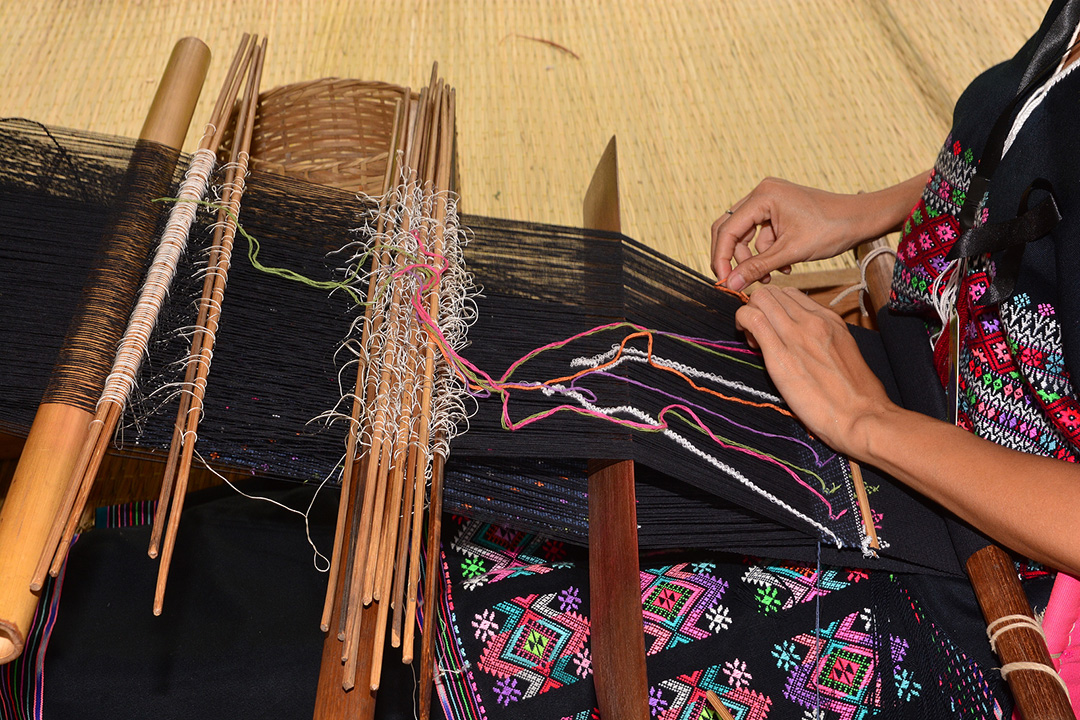
The Qom have adapted traditional practices to incorporate modern influences while retaining their identity.
As the Qom community navigates the complexities of modern life, they have shown remarkable resilience by adapting traditional practices to embrace contemporary influences without losing sight of their cultural identity. This balance enables them to honor their heritage while responding to the evolving context of their environment.
Embracing Modern Innovations
The Qom have creatively integrated modern techniques and ideas into their traditional practices, enhancing both efficiency and relevance.
- Agricultural Practices:
- While maintaining traditional farming methods, some Qom farmers have incorporated modern tools and technology to improve productivity.
- Innovations such as drip irrigation and organic pest control allow them to optimize their crop yield while staying true to their sustainable values.
A local farmer shared how using modern tools has made farming less labor-intensive for his family. “We still use traditional practices, but these new techniques help us work smarter. It’s about finding that balance,” he noted, reflecting the community's focus on sustainability.
- Crafts and Artistry:
- Craftsmanship is being enriched by incorporating contemporary designs into traditional weaving and pottery.
- This fusion of styles attracts a wider audience and opens market opportunities that ensure financial sustainability.
One artisan expressed her excitement about blending modern patterns with traditional weaving techniques. “By evolving, we can reach new customers while keeping our heritage alive,” she explained, showcasing the adaptability of their craftsmanship.
Education as a Bridge
Education serves as a bridge between tradition and modernity, allowing the Qom to empower themselves while celebrating their heritage.
- Bilingual Education:
- Schools incorporating both the Qom language and modern subjects help students value their culture while preparing them for the future.
- This approach is vital for nurturing a sense of cultural pride and identity among the youth.
A local teacher shared the joy she felt witnessing her students engage with both Qom language and contemporary academic subjects. “Seeing their enthusiasm for learning inspires me. It’s a beautiful blend of our past and future,” she remarked, highlighting the effectiveness of this educational model.
- Cultural Workshops:
- Workshops focused on traditional crafts and cultural teachings are tailored to include modern elements that resonate with younger generations.
- By adapting to what engages youth, these workshops ensure that the core teachings remain relevant.
A young Qom woman recalled attending a workshop that combined traditional dance with hip-hop. “It was an amazing experience! We honored our culture and had fun doing something new,” she enthused, emphasizing the importance of inclusivity in cultural expressions.
Community Engagement and Advocacy
The Qom actively engage in advocacy to ensure that their needs and traditions are respected within modern contexts.
- Partnerships with NGOs:
- Collaborating with NGOs and advocacy groups provides the Qom with resources to amplify their voices while adapting their traditional practices.
- These partnerships empower them to integrate modern advocacy methods while staying connected to their heritage.
A community leader spoke about the benefits of forming partnerships with organizations that focus on indigenous rights. “They provide tools and training that help us advocate effectively while respecting our traditions,” she noted, reflecting the dual approach of adapting and preserving.
- Addressing Modern Challenges:
- The Qom recognize the need to address contemporary issues such as climate change and socio-economic challenges while honoring their traditions through advocacy.
- Engaging with policy discussions allows them to incorporate traditional knowledge into modern solutions.
During a recent community meeting, a participant shared his thoughts on integrating traditional ecological knowledge to address modern environmental challenges. “Our ancestors understood the land; it’s crucial that our traditions inform our solutions today,” he remarked, indicating the ongoing relevance of their heritage.
Conclusion: Balancing Tradition and Modernity
The Qom's ability to adapt traditional practices to incorporate modern influences while retaining their identity showcases their resilience and ingenuity. By embracing innovations, enhancing education, and engaging in advocacy, they create a harmonious blend of past and present. This adaptive approach allows the Qom to thrive and preserve their cultural heritage in a rapidly changing world. As they navigate the challenges of modern life, their commitment to finding balance illustrates the strength and unity of their community, ensuring that their identity remains vibrant and pertinent for generations to come. In every adaptation, they honor their ancestors while courageously walking into the future, reinforcing the core values that bind their community together.

Their traditional knowledge holds important insights into sustainable practices and biodiversity conservation.
Building on their adaptability and commitment to community engagement, the Qom's traditional knowledge offers invaluable insights into sustainable practices and biodiversity conservation. This wealth of knowledge is not only rooted in their cultural heritage but also reflects a deep understanding of the ecosystems in which they live.
The Depth of Traditional Knowledge
The traditional knowledge of the Qom encompasses a broad range of information related to agriculture, wildlife, and environmental stewardship.
- Understanding Local Ecosystems:
- The Qom have developed a profound understanding of the plants and animals that inhabit their environment. This knowledge includes which species are beneficial for agriculture and which can be used medicinally.
- Their practices are guided by centuries of observation and experience, promoting conservation and biodiversity.
A local elder recounted how their ancestors taught them the most effective ways to monitor crop health by observing natural signs, such as bird migration patterns. “We learned from nature, not just about plants but about the whole ecosystem,” he reflected, demonstrating the depth of their interconnectedness with the environment.
- Sustainable Agriculture Practices:
- The Qom implement sustainable farming techniques that prioritize environmental health, such as crop rotation, companion planting, and organic methods.
- These practices not only ensure food security but also maintain soil health and biodiversity.
One farmer proudly described how rotating different crops each season allows him to keep the soil fertile without the use of chemical fertilizers, emphasizing his family's commitment to preserving the land for future generations. “It’s about giving back to the earth what it gives us,” he explained.
Insights for Biodiversity Conservation
The Qom's relationship with nature provides key insights that contribute to broader discussions on biodiversity conservation.
- Cultural Practices that Promote Diversity:
- The selection of various crops and plants in their farming practices promotes genetic diversity, playing a critical role in ecosystem resilience.
- The Qom also practice the protection of native species, recognizing their importance in maintaining ecological balance.
In a recent community meeting, a participant shared the importance of cultivating indigenous plants alongside traditional crops. This practice not only enriches biodiversity but also creates habitats for local wildlife, underscoring the connection between cultural practices and ecosystem health.
- Land Management Practices:
- Traditional land management practices, such as controlled burns and grazing systems, have been effective in maintaining healthy landscapes and preventing invasive species.
- Understanding their environment allows the Qom to adapt these practices sustainably over generations.
A Qom leader expressed pride in their ancient land management techniques, stating that these methods have stood the test of time. “By respecting the land, we ensure its health. It’s our responsibility to feather that same respect in future generations,” she affirmed.
Education and Knowledge Sharing
The Qom emphasize the importance of passing down their traditional ecological knowledge to younger generations.
- Mentorship Programs:
- Elders often mentor youth, sharing their insights about the land and sustainable practices, ensuring that these vital teachings continue.
- This intergenerational knowledge transfer fosters respect for both traditional values and the environment.
A young girl shared her excitement about learning from her grandmother during a guided walk through their fields. “It’s not just about plants; it’s about our stories,” she said, emphasizing the importance of integrating storytelling with learning about nature.
- Community Workshops:
- The Qom organize workshops to educate both community members and outsiders about their traditional practices, highlighting their relevance in today’s world.
- These workshops create opportunities for dialogue and learning, emphasizing the value of traditional knowledge in addressing contemporary environmental issues.
At a recent workshop, Qom elders demonstrated the techniques for preparing traditional herbal remedies while discussing sustainable gathering practices. Attendees left with a greater appreciation for the knowledge and the Qom's dedication to ecological integrity.
Conclusion: Bridging Tradition and Conservation
The traditional knowledge of the Qom community embodies important insights into sustainable practices and biodiversity conservation. By honoring their heritage and promoting their cultural practices, the Qom not only enhance their own resilience but also contribute to preserving the environment. Their understanding of ecosystems and commitment to sustainable agriculture ensures that the land remains productive and healthy for generations to come. As they engage in mentorship and community education, the Qom are actively passing down their profound respect for the natural world, fostering a culture of environmental consciousness. This dedication serves as a reminder of the essential role that indigenous knowledge plays in safeguarding biodiversity and cultivating sustainable futures. By weaving traditional wisdom into contemporary practices, the Qom enrich their community and the broader conversation about environmental stewardship, ensuring that their legacy endures.
The Qom often share their cultural heritage with visitors, promoting understanding and respect.
As the Qom continue to embody their commitment to preserving their traditions and educating younger generations, they also take proactive steps to share their cultural heritage with visitors. This openness not only cultivates understanding and respect but also strengthens their ties with the broader community and enhances cultural dialogue.
Cultural Exchange Initiatives
The Qom engage in various initiatives that invite visitors to learn about their culture and traditions, fostering mutual respect and appreciation.
- Cultural Experiences:
- Visitors are welcomed to participate in traditional events, workshops, and festivals, providing immersive experiences into Qom life.
- These experiences often include dance performances, storytelling sessions, and traditional craft demonstrations.
A local guide shared her excitement about hosting visitors during a recent cultural festival. "It's amazing to see newcomers engaging with our traditions and asking questions. It helps break down barriers," she noted, highlighting the importance of cultural exchange.
Educational Workshops and Demonstrations
The Qom frequently organize workshops that educate visitors on their traditional practices, allowing for deeper engagement and learning.
- Artistic Demonstrations:
- Visitors can watch demonstrations of traditional crafts, such as weaving or pottery-making, highlighting the skills and artistry embedded in Qom culture.
- Participants are often encouraged to try their hand at these crafts, fostering a sense of connection to the culture.
One visitor shared his experience attending a weaving workshop, stating, "Being able to create something with my own hands while learning from the artisans made me feel a part of their world. It enriched my understanding of their culture."
- Storytelling Sessions:
- Storytelling is not only a way to entertain but also a vehicle for sharing wisdom and cultural values. Elders often recount important stories during gatherings, illustrating lessons integral to the Qom identity.
- Engaging visitors with these narratives fosters deeper respect and appreciation for the Qom's history and worldviews.
A young girl recalled listening to an elder tell stories about her ancestors during a storytelling night. She remarked, "Hearing those stories made our history feel so alive. I want to remember and share these tales with others."
Building Bridges with the Community
By sharing their cultural heritage, the Qom create opportunities for dialogue and understanding, bridging the gap between their community and the wider world.
- Participatory Events:
- Events that invite community members and visitors to engage in traditional music, dance, and food help cultivate a shared cultural experience.
- Celebrating these moments together fosters bonds that transcend cultural boundaries.
During a recent potluck where Qom dishes were shared alongside international foods, attendees found joy in tasting and discussing different cuisines. A visitor commented, "It was wonderful to see how food brings us together, allowing us to learn more about each other's cultures."
- Cultural Awareness Campaigns:
- The Qom also use social media and outreach initiatives to promote awareness of their traditions and address misconceptions about Indigenous peoples.
- By sharing their stories and experiences online, they encourage visitors and allies to learn and engage respectfully.
A Qom storyteller highlighted how engaging with visitors through social media platforms has opened up a new dialogue, giving outsiders a glimpse into their daily lives and cultural practices. “It’s not just about sharing our culture; it’s about building bridges,” she stated.
Challenges and Ongoing Efforts
While the Qom's efforts to promote their heritage have become more visible, challenges remain in ensuring that cultural exchange is respectful and meaningful.
- Navigating Stereotypes:
- As with other Indigenous cultures, the Qom often encounter stereotypes and misconceptions that must be addressed.
- Engaging in honest dialogue with visitors helps dismantle these misunderstandings and fosters genuine respect.
A community leader expressed the importance of educating visitors before and during their interactions, stating, “We want them to come with an open mind, ready to learn and experience, rather than imposing their ideas.”
- Balancing Tradition with Modern Engagement:
- As the Qom invite visitors to share their culture, they strive to ensure that their traditions are respected and not commercialized.
- This delicate balance requires constant vigilance and thoughtful planning.
One artisan discussed her feelings on commercialization, emphasizing that while sharing her craft is important, it should not dilute its cultural significance. “We must be careful to present our culture in a way that truly reflects its value,” she explained.
Conclusion: A Journey of Cultural Exchange
By sharing their rich cultural heritage with visitors, the Qom promote understanding and respect while fostering connections that enrich both their community and the wider world. Through engaging workshops, storytelling, and participatory events, they bridge cultural gaps, allowing for meaningful interactions that celebrate diversity. The Qom's commitment to preserving their identity while welcoming others is a testament to their strength, resilience, and willingness to engage in dialogue. As they continue to navigate the complexities of modern life, their dedication to cultural exchange reflects a forward-thinking approach that honors their past while embracing the possibilities of a shared future. Together, through respectful engagement, they illuminate the beauty and richness of the Qom heritage, ensuring that their stories and traditions endure for generations to come.
Efforts are ongoing to document and preserve the Qom language and cultural practices for future generations.
In a world that is constantly changing, the Qom community recognizes the urgency of documenting and preserving their language and cultural practices for future generations. These proactive initiatives reflect their commitment to maintaining their identity and ensuring that their rich heritage endures despite modern challenges.
Documenting the Qom Language
The Qom language is an essential pillar of their culture, and efforts to preserve it are a top priority.
- Language Recording Initiatives:
- Community members are actively working to document the Qom language through written resources, audio recordings, and digital platforms.
- This documentation captures not only the language itself but also the nuances, idioms, and stories that carry cultural meanings.
A local elder shared her excitement about participating in a language recording project, stating, “It’s important for our children to hear our language so they learn to speak it just like we did.” This sentiment resonates strongly within the community, emphasizing the legacy they hope to pass on.
- Bilingual Educational Programs:
- Schools are increasingly incorporating Qom language instruction into their curricula, fostering fluency among children and promoting pride in their cultural heritage.
- By teaching the language alongside modern subjects, educators help develop a well-rounded understanding of their identity.
One teacher expressed her joy in seeing her students engage with both languages. “When they speak Qom in class, it brings a smile to my face. They’re building a connection to our past,” she noted, reflecting the pride surrounding language revitalization efforts.
Preserving Cultural Practices
Documenting cultural practices is another crucial aspect of the Qom’s strategy to preserve their heritage.
- Oral Histories and Storytelling:
- Elders within the community are sharing their life stories and traditional folklore, creating a repository of knowledge that future generations can draw upon.
- Recording these stories not only preserves history but also reinforces the values and teachings embedded in their narratives.
A young Qom storyteller excitedly talked about participating in storytelling sessions with elders. “Hearing their stories gives me a sense of belonging. I want to share these tales with my friends!” This eagerness to learn demonstrates the importance of passing down narratives to maintain cultural continuity.
- Craftsmanship Documentation:
- The Qom are also documenting traditional crafts, such as weaving, pottery, and beadwork, showcasing techniques and designs.
- Workshops may be developed to teach these skills while capturing the stories behind each craft, reinforcing their significance.
A local artisan shared that her involvement in documenting traditional weaving techniques helped her connect to her ancestors. “It feels good to know that I am preserving our craft for the next generation,” she said with pride.
Community Involvement in Preservation Efforts
Engaging the community is vital in these preservation efforts, as collective involvement reinforces the importance of cultural heritage.
- Workshops and Training Sessions:
- Regular workshops encourage participation from community members of all ages, fostering a culture of appreciation for their language and practices.
- By bringing people together in these activities, the Qom create a supportive environment that nurtures cultural identity.
A grandmother expressed delight at seeing her grandchildren take interest in cultural workshops. “It warms my heart to see the youth engaged! They ask so many questions and show genuine interest,” she remarked, highlighting the intergenerational connection being built.
- Collaborative Projects with NGOs:
- Partnerships with NGOs focused on cultural preservation provide the Qom with resources and expertise to enhance their initiatives.
- Such collaborations facilitate workshops and events that raise awareness about their heritage and the importance of preservation efforts.
One Qom community member shared how working with an NGO allowed them to organize a cultural festival that showcased their heritage. “It was incredible to see our culture celebrated, and it drew a lot of attention to our language and traditions,” she reflected, illustrating the impact of supportive partnerships.
Conclusion: A Legacy of Preservation
Through ongoing efforts to document and preserve the Qom language and cultural practices, the community demonstrates a powerful commitment to their identity and heritage. These initiatives ensure that future generations will inherit a rich cultural legacy, fortified by a deep understanding of their roots. As they actively engage in language preservation and the documentation of traditional practices, the Qom people are not only honoring their ancestors but also empowering their youth to connect with their culture meaningfully. By fostering an environment rooted in respect and unity, the Qom create a vibrant tapestry of knowledge and tradition that will endure, celebrating their heritage for years to come. This dedication to preservation is a testament to their resilience and passion as they navigate modern life while remaining firmly anchored in their cultural identity.
The Qom emphasize the importance of storytelling in teaching cultural values and history.
Continuing their commitment to preserving their language and cultural practices, the Qom community places great importance on storytelling as a means of imparting cultural values and history. These narratives not only entertain but also serve as essential tools for education, connecting individuals to their heritage and reinforcing the community's shared identity.
The Power of Storytelling
Storytelling is a revered tradition among the Qom, serving as a vibrant expression of their culture and worldview.
- Cultural Transmission:
- Through storytelling, elders pass down knowledge, experiences, and lessons learned from previous generations, ensuring that cultural values are preserved.
- The stories often encapsulate moral teachings that guide behavior and foster a sense of responsibility within the community.
An elder shared her memories of gathering with family around the fire, where stories would be told late into the night. “Each story holds a lesson,” she explained, “and I love sharing them with my grandchildren so they understand where we come from and the values we hold dear.”
Themes in Qom Stories
The themes present in Qom stories are deeply rooted in their cultural and environmental experiences.
- Connection to Nature:
- Many stories feature animals and landscapes, reflecting the Qom’s deep respect for the natural world and showcasing their interconnectedness with the environment.
- These narratives often highlight the importance of stewardship and the ethical treatment of resources.
During a recent storytelling event, a young boy recited a tale about a wise eagle that guided hunters to sustainable practices. The audience was captivated, learning valuable lessons about respecting the balance of nature while being entertained.
- Historical Narratives:
- Stories include accounts of significant historical events and the community’s struggles, offering insights into their resilience and identity.
- They create a collective memory, reminding the community of shared challenges and triumphs.
One community member recounted listening to her grandmother share stories of their ancestors’ resistance during colonization. “These stories remind us of our strength and courage,” she said, emphasizing the power of remembering history as a means of understanding their present.
Role of Elders in Storytelling
Elders hold a special place in Qom culture, serving as the primary storytellers who breathe life into traditions.
- Mentorship and Guidance:
- Elders not only share stories but also mentor younger generations, guiding them in the importance of cultural values and teaching them how to tell stories effectively.
- This mentorship fosters a sense of respect, gratitude, and continuity within the community.
A grandmother described the pride she feels when teaching her granddaughter the art of storytelling. “It’s something I learned from my mother, and now I pass it on, ensuring our stories don’t fade away,” she reflected, highlighting the key role of storytelling in cultural preservation.
- Encouraging Participation:
- Storytelling sessions often encourage audience participation, inviting listeners to share their own stories and connect personal experiences to the larger narrative.
- This interactive element strengthens community bonds and showcases the rich tapestry of experiences among members.
During a recent community gathering, participants were invited to share their tales, fostering a warm atmosphere of connection and celebration. One young participant shared her journey of overcoming challenges, echoing the wisdom gleaned from elder stories, reinforcing the idea that their collective experiences shape who they are.
Modern Storytelling Platforms
As the Qom navigate the realities of the modern world, they are finding innovative ways to share their stories and preserve their cultural heritage.
- Digital Storytelling:
- The use of social media and technology allows the Qom to reach wider audiences, sharing their stories and heritage with the world.
- Video recordings and podcasts are emerging as new platforms for storytelling, enabling the community to document their narratives.
A local storyteller shared how recording her stories and posting them online has connected her with a global audience. “I am proud to share my culture and connect with people beyond our community,” she asserted, highlighting the potential for cultural exchange in the digital age.
- Cultural Festivals:
- Annual cultural festivals serve as opportunities for public storytelling, where the Qom invite visitors to witness their traditions and learn from their experiences.
- These events promote cultural awareness and foster a dialogue between the Qom and broader communities.
At a recent cultural festival, storytelling was highlighted as one of the main activities. Visitors were enthralled by the tales shared, illustrating the depth of Qom culture while helping to educate others about the richness of their heritage.
Conclusion: The Enduring Legacy of Storytelling
The Qom’s emphasis on storytelling as a means to teach cultural values and history highlights the critical role it plays in their community. Through narratives passed down from elders to younger generations, they preserve their identity and strengthen their cultural ties. As they embrace both traditional and modern storytelling methods, the Qom ensure that their rich heritage continues to resonate within their community and beyond. This ongoing commitment to storytelling not only enriches the lives of those who hear the tales but also solidifies the Qom’s legacy for future generations, ensuring that the wisdom and lessons of their ancestors live on. In every story shared, the Qom celebrate their history, foster understanding, and inspire respect for their unique cultural identity.
Traditional Qom foods are often communal and shared during celebrations, reinforcing community ties.
Following the rich storytelling traditions that bind the Qom community together, the role of food in their culture is equally significant. Traditional Qom foods, often prepared and enjoyed in communal settings, serve as a vital expression of their identity and foster community ties, particularly during celebrations and gatherings.
The Significance of Communal Meals
For the Qom, communal meals are more than just sharing food; they represent moments of unity and connection.
- Cultural Gatherings:
- During festivals and special events, families come together to prepare and share traditional dishes, strengthening the sense of belonging and community spirit.
- These gatherings often attract not just relatives but also neighbors and friends, emphasizing inclusivity.
A local elder fondly recalled past harvest festivals where communal feasts took place, highlighting the laughter and joy shared over food. “Every meal was a celebration of our hard work, and it brought everyone together,” she reminisced, illustrating the power of food to unite.
Traditional Qom Dishes
The culinary traditions of the Qom reflect their agricultural practices, local ingredients, and cultural heritage.
- Staple Dishes:
- Chipa: A beloved cheese bread made from cassava flour, often served during celebrations and gatherings.
- Mbopi: A traditional dish made from maize and beans, celebrated for its nutritional value and prepared with love.
- Guaraní Soup: A hearty soup that incorporates seasonal vegetables and local herbs, symbolizing abundance and community care.
At a recent community event, a young woman shared her excitement about preparing chipa for the festival. “Making chipa is a family affair! We gather together, mix the ingredients, and share stories as we bake. The aroma brings back wonderful memories,” she said, reflecting the warmth that comes from preparing traditional foods.
Sharing Food as a Cultural Expression
Sharing food during celebrations serves as a powerful cultural expression for the Qom.
- Rituals of Sharing:
- The act of sharing meals is often accompanied by specific rituals and customs, reinforcing respect and gratitude for the food and the earth that provides it.
- The communal dining experience fosters appreciation for the efforts invested in producing the food, promoting mindfulness about sustenance.
One elder spoke of the significance of offering food to guests, stating, “When we serve our food, we honor our traditions and show respect for our heritage. It’s how we express our love for each other and for our culture.”
Engaging the Younger Generation
Involving younger generations in food preparation and communal meals ensures that these traditions continue.
- Mentorship in Cooking:
- Teaching children how to prepare traditional dishes reinforces the importance of cultural heritage and instills a sense of pride in their identity.
- Cooking together creates a space for storytelling and sharing of wisdom, making family meals more meaningful.
A young girl described how her grandmother patiently taught her the family recipe for mbopi, emphasizing how the process became an opportunity to learn about their ancestors and heritage. “Learning to cook is like learning our family history—all the stories come alive in the kitchen,” she expressed, bridging the gap between generations.
- Cultural Festivals as Learning Opportunities:
- Cultural events serve as platforms for the Qom to showcase their cuisine and provide opportunities for visitors to learn about their culinary traditions.
- This exchange not only educates others but also empowers the youth to take pride in their cultural identity through food.
During a recent cultural festival, attendees were invited to participate in cooking demonstrations, where Qom members excitedly shared their culinary practices. The enthusiasm of the participants illustrated how food can serve as a vehicle for education and cultural exchange.
Conclusion: Nourishing Community Bonds Through Food
The Qom’s tradition of preparing and sharing food during celebrations reinforces their community ties and cultural identity. These communal meals are more than just sustenance; they embody the spirit of togetherness, gratitude, and love that permeates their gatherings. By embracing their culinary heritage, the Qom nurture intergenerational connections and promote a sense of unity that is essential in today’s world. As they continue to celebrate their culture through food, they create lasting memories and honor the ancestral wisdom that shapes their lives. Each meal shared is a celebration of life, culture, and community, reminding everyone that food is not just a necessity but a powerful expression of identity and connection to one another. Through their traditions, the Qom nourish not only their bodies but also their bonds, cultivating a vibrant culture that thrives across generations.
The Qom are actively working towards cultural revitalization, focusing on language, arts, and traditions.
As the Qom community continues to celebrate their culinary heritage and the connections strengthened through shared meals, they are also passionately engaged in a broader movement towards cultural revitalization. This concerted effort focuses on preserving and promoting their language, arts, and traditions, ensuring that their rich cultural identity remains vibrant for generations to come.
Revitalizing the Qom Language
The Qom language is a cornerstone of their cultural identity, and its revitalization is a top priority for the community.
- Bilingual Education Initiatives:
- Schools are integrating Qom language education into their curriculums, providing students with the opportunity to learn their native tongue alongside Spanish.
- Bilingual education fosters pride and fluency, allowing the younger generation to communicate and connect deeply with their heritage.
A local teacher excitingly shared how seeing students interact in Qom during class brings her immense joy. “Hearing them sing songs in our language is a reminder of who we are, and it fills my heart with hope for our future,” she stated, underscoring the transformative power of language.
- Community Workshops:
- Regular community workshops help adults and children practice speaking, writing, and understanding the Qom language, encouraging participation from all ages.
- Engaging activities, such as storytelling sessions and language games, make learning fun and interactive.
During a recent language workshop, a young girl proudly recited a poem she had written in Qom, drawing rapt applause from elders. This moment represented the connection between past and present, embodying the community's desire to nurture their language.
Celebrating Arts and Craftsmanship
The Qom are revitalizing their artistic traditions, ensuring that the crafts and artistry that define their culture continue to thrive.
- Traditional Arts Programs:
- Workshops focused on weaving, pottery, and other traditional crafts provide hands-on learning opportunities and foster artistry within the community.
- Artists often share techniques while also discussing the cultural significance of their crafts, making the learning experience deeply enriching.
A local artisan spoke passionately about teaching her craft to younger generations. “Every piece I create tells a story. Passing down these skills is my way of preserving our culture,” she remarked, emphasizing the importance of artistic storytelling within their heritage.
- Cultural Expressions Through Performance:
- Traditional dance and music, integral to Qom culture, are celebrated and preserved through community events and festivals.
- These performances not only celebrate their identity but also create a platform for younger artists and performers.
A young dancer shared her experience participating in a recent cultural festival, where she performed traditional dances with her peers. “Dancing connects me to my culture and my community. It reminds me of my ancestors and the stories told through movement,” she conveyed, reflecting the power of performance in cultural revitalization.
Preserving Traditions and Rituals
The Qom’s commitment to preserving their rituals and traditions is key to their cultural revitalization efforts.
- Engaging the Younger Generation:
- Involving youth in traditional ceremonies ensures that they learn the significance of these practices and understand their responsibility in carrying them forward.
- Rituals related to key life events, such as births and marriages, are celebrated with an emphasis on community involvement, allowing for shared experience and learning.
During a recent initiation ceremony for young community members, an elder emphasized the importance of understanding their customs. “Every generation must learn our traditions to keep them alive,” she stated, reassuring the community that the essence of their heritage will endure.
- Cultural Festivals and Events:
- Annual cultural festivals are critical opportunities for the Qom to showcase their customs, inviting visitors to learn about their traditions and fostering a sense of pride among community members.
- These events provide a platform for storytelling, dance, art exhibitions, and food, celebrating the richness of their cultural identity.
At a recent festival, families showcased crafts, foods, and performances that reflect their heritage. One attendee expressed gratitude for the opportunity to witness such vibrant expressions, saying, “It truly feels like a celebration of who we are.”
Conclusion: A Vibrant Path Ahead
The Qom’s active efforts towards cultural revitalization demonstrate a resilient commitment to their language, arts, and traditions. Through education, community engagement, and celebration of their heritage, they reinforce their identity and ensure that their rich cultural legacy is preserved for future generations. As they continue to adapt and thrive in a modern world, the Qom remind us of the importance of honoring our roots while fostering connections to the future. Empowering the younger generation through language, arts, and traditional practices helps create a vibrant community that actively celebrates and rejuvenates their rich heritage. Each step taken in this cultural revitalization journey serves as a testament to their strength and commitment, ensuring that the spirit of the Qom endures for years to come. In every word spoken, every dance performed, and every craft created, they sow the seeds of identity, resilience, and cultural pride that enrich not only their community but also inspire others around them.

Their connection to water sources is vital for their agriculture and cultural practices.
Following their commitment to cultural revitalization and community empowerment, the Qom people's connection to water sources emerges as a critical component of their agricultural practices and cultural identity. Water is not only a resource for sustenance but also a symbol of life and an integral part of their rituals and traditions.
Water: The Lifeblood of Agriculture
For the Qom, water sources are vital for agricultural success, providing the foundation for their livelihoods and food security.
- Irrigation Practices:
- Access to clean water allows the Qom to irrigate their crops effectively, ensuring healthy yields throughout the growing season.
- Traditional irrigation methods, often adapted to local conditions, emphasize sustainable use and respect for water as a precious resource.
A farmer in the community shared his experiences of working alongside rivers to cultivate crops. “The river is like our partner,” he explained. “It nourishes our plants and reminds us to care for it in return.” This perspective emphasizes the interconnectedness of their practices.
- Crop Variety and Sustainability:
- The availability of water enables the Qom to grow a diverse range of crops, including maize, beans, and various fruits.
- This diversity not only supports nutritional needs but also contributes to ecological balance by promoting a healthy ecosystem.
During a community meeting, a farmer excitedly recounted how rotating crops based on seasonal water availability improves soil quality and crop yields. “It’s all about listening to the land and respecting its rhythms,” he added, reflecting a sustainable approach to agriculture.
Cultural Significance of Water
Beyond its practical uses, water holds profound cultural significance for the Qom, intertwining with their rituals and community life.
- Rituals and Ceremonies:
- Water is often incorporated into traditional ceremonies, symbolizing purification and renewal. Events such as planting ceremonies involve blessings for water sources to ensure a bountiful harvest.
- These rituals recognize the sacredness of water and its essential role in sustaining life.
An elder recalled a recent planting ceremony where community members gathered at the riverbank, offering prayers for the water spirits. “Every year, we show gratitude for the water that gives us life. It’s our way of honoring our relationship with the earth,” he said, deeply connecting their practices to the natural world.
- Storytelling and Values:
- Many Qom stories feature water as a central theme, conveying lessons about respect and harmony with nature.
- These tales often highlight the essential role that water plays in sustaining both the community and the environment.
One young boy shared his favorite story about a river that transformed into a guardian spirit, protecting the land and its people. “The river teaches us to be thankful and to take care of our world,” he reflected, illustrating the importance of these narratives in shaping values.
Challenges to Water Sources
Despite the integral role of water in their lives, the Qom face challenges that threaten their access to this vital resource.
- Environmental Degradation:
- Industrial activities and climate change pose significant risks to local water sources, impacting both agriculture and cultural practices.
- Pollution and depletion of water resources can disrupt their well-being and hinder their ability to sustain traditional practices.
A community leader articulated her concerns over the pollution affecting the river. “It’s heartbreaking to see our essential water sources threatened. We depend on them not just for crops but for our way of life,” she emphasized, highlighting the urgency of protecting their environment.
- Advocacy for Water Rights:
- The Qom are actively engaged in advocacy efforts to secure their rights to clean water and protect their natural resources.
- Collaborating with environmental organizations helps raise awareness about the importance of safeguarding water sources.
A recent advocacy campaign aimed at raising awareness about water rights brought together Qom leaders and community members. They shared their stories and experiences with local policymakers, emphasizing the relationship between water and cultural identity.
Conclusion: The Vital Connection to Water
The Qom's connection to water sources is vital for their agriculture and cultural practices, serving as a lifeline that sustains their community. Recognizing the essential role water plays in their daily lives, they emphasize respect, gratitude, and stewardship toward their natural resources. Through sustainable agricultural practices and vibrant traditions that honor water, the Qom continue to cultivate their identity and strengthen community resilience. As they face challenges related to environmental degradation and advocacy for water rights, their commitment to preserving this vital resource remains unwavering. The ongoing efforts of the Qom to celebrate their connection to water not only support their livelihoods but also reinforce the importance of environmental stewardship, ensuring that future generations can thrive while honoring the land and its resources. Through their actions, the Qom illuminate the significance of water as a source of life, culture, and community.
The Qom navigate modern society while holding on to their cultural heritage and identity.
As the Qom continue to engage with pressing issues regarding land and water rights, they face the complexity of navigating modern society while fiercely protecting their cultural heritage and identity. This balancing act is central to their efforts to thrive in a changing world without losing the essence of who they are.
Adapting to Modern Influences
The Qom have adeptly integrated elements of modern life into their community while ensuring that they remain anchored in their traditions.
- Embracing Technology:
- Many Qom individuals are utilizing modern technology, such as smartphones and social media, to connect with wider audiences and promote their culture.
- Digital platforms allow them to share their stories, arts, and advocacy efforts, ensuring their voices are heard.
A young Qom activist shared how she uses social media to raise awareness about cultural events and environmental issues facing their community. “It’s incredible to reach people far beyond our borders. I want everyone to understand our culture and struggles,” she stated with enthusiasm, highlighting the potential for modern tools to amplify their message.
- Education and Integration:
- Many Qom children attend schools where they learn both traditional practices and modern subjects, fostering a well-rounded education that respects their heritage.
- This integration helps them navigate the complexities of modern society while remaining rooted in their cultural identity.
A local teacher expressed joy in watching her students thrive in a bilingual education system that honors both the Qom language and contemporary academic disciplines. “Seeing them embrace their heritage alongside their studies empowers them to define their futures,” she remarked.
Cultural Preservation Through Modern Practices
While embracing modernity, the Qom are committed to preserving their cultural practices in innovative ways.
- Celebration of Traditions:
- Organizing community events that celebrate Qom traditions while incorporating modern elements creates opportunities for cultural expression.
- Festivals that blend traditional music and dance with contemporary performances resonate with younger audiences, encouraging participation.
A recent cultural festival showcased traditional dances alongside modern music performances. A participating youth shared, “When I see our dances mixed with new styles, it inspires me! We can honor our traditions and still have fun.” This adaptability ensures that cultural practices remain lively and engaging.
- Artistic Innovations:
- Qom artists are creatively blending traditional art forms with modern techniques and themes, reflecting the evolving landscape of their culture.
- This artistic fusion not only sustains interest in traditional crafts but also introduces Qom culture to new audiences.
One Qom artisan discussed how she incorporates contemporary designs into her pottery while still celebrating traditional motifs. “By fusing these styles, I can share our story and invite others into our world,” she explained, illustrating the richness of cultural exchange.
Advocacy in Modern Society
In navigating modern society, the Qom also engage in advocacy to ensure their rights and interests are represented.
- Participation in Policymaking:
- The Qom actively participate in local governance and advocate for policies that respect their rights and cultural practices.
- This involvement in decision-making processes empowers their community and reinforces their commitment to sovereignty.
A participant at a recent community meeting expressed pride in being elected to represent the Qom in local advocacy efforts. “Knowing that I can amplify our voice in discussions that matter fills me with hope—it’s about protecting our culture and ensuring our future,” she remarked.
- Building Alliances:
- Collaborations with other Indigenous groups and NGOs help the Qom strengthen their advocacy efforts and build a network of support.
- These alliances are essential as they navigate modern challenges, ensuring that their rights are recognized and their cultures celebrated.
A community leader discussed how building partnerships has enhanced their advocacy impact. “When we unite, our voices are stronger, and we can bring attention to the issues we face together,” he noted, reflecting the power of collective action in amplifying their message.
Conclusion: Balancing Tradition and Modernity
The Qom's ability to navigate modern society while holding on to their cultural heritage and identity is a testament to their resilience and adaptability. By integrating technology, promoting education, and engaging in advocacy, they create a harmonious balance between tradition and modernity. This commitment not only enriches their community but also ensures that their cultural practices endure in a rapidly changing world. As they embrace new opportunities and challenges, the Qom remain steadfast in their dedication to cultural preservation, fostering a sense of pride and identity that resonates through generations. Their journey reflects the strength found in honoring the past while boldly facing the future, proving that cultural heritage can thrive amidst modern influences. Each effort taken in this delicate balance reinforces their legacy, paving the way for a vibrant and sustainable cultural future.

Collaborative initiatives between the Qom and other communities strengthen solidarity and mutual support.
Building on their efforts to navigate modern society while preserving their cultural heritage, the Qom are actively engaged in collaborative initiatives with other communities. These partnerships not only fortify their advocacy efforts but also promote solidarity and mutual support, recognizing the shared challenges faced by Indigenous peoples.
Empowering Communities Through Collaboration
The Qom see collaboration as a powerful way to amplify their voices and address common issues, fostering unity among different groups.
- Shared Advocacy Initiatives:
- Working together with other Indigenous communities amplifies their collective voice on issues such as land rights, environmental protection, and cultural preservation.
- By presenting a unified front, they attract more attention from policymakers and increase the chances of success in their advocacy efforts.
A local leader recounted a recent collaborative protest that brought together multiple Indigenous groups addressing water rights. “When we marched together, our voices merged into one powerful call for justice,” she said, highlighting the strength of unity in action.
- Cultural Exchange Programs:
- The Qom partake in cultural exchanges with other communities, allowing them to share knowledge, traditions, and practices that enhance mutual understanding.
- These programs build relationships and foster respect across cultural lines, enriching everyone involved.
During a recent cultural exchange event, Qom artists demonstrated traditional weaving techniques, inviting artists from neighboring communities to participate. One visiting artist shared, “Learning from each other is what keeps our traditions alive. It’s a beautiful way to connect.”
Collaborative Projects and Workshops
The Qom engage in various collaborative projects that promote skill-sharing and empowerment.
- Joint Workshops:
- Workshops that focus on leadership, advocacy training, and traditional crafts allow participants from different communities to learn from one another.
- Such gatherings help build capacity and encourage participatory dialogue about cultural preservation and community empowerment.
One participant shared her excitement about attending a workshop on sustainable agricultural practices, which included farmers from various backgrounds. “Learning how others approach farming has inspired new ideas for my own practices,” she noted, illustrating the rich exchange of knowledge.
- Collective Community Events:
- Collaborative events such as festivals, clean-up days, and cultural performances strengthen bonds between the Qom and other communities.
- These events create a sense of unity and shared purpose while celebrating the diversity of cultural expressions.
During a recent multi-community festival, the Qom showcased traditional dances alongside performances from neighboring indigenous groups, creating a celebration of culture and solidarity. A community member commented, “It was heartwarming to see us all come together, sharing our stories and celebrating our uniqueness.”
Building a Support Network
Through collaboration, the Qom have cultivated a robust support network with other communities.
- Resource Sharing:
- Partnerships often lead to resource-sharing agreements that help communities access materials, knowledge, and funding for various initiatives.
- This cooperation strengthens the ability of each community to respond to their specific needs and challenges.
A young woman spoke of how her community partnered with a neighboring group to access training resources for advocacy. “Together, we’ve been able to learn so much more than we could have alone,” she said, reflecting on the strengths of collective resourcefulness.
- Mutual Empowerment:
- By supporting one another, these communities foster a sense of empowerment that reaches beyond their specific struggles.
- This collaborative spirit encourages resilience and confidence, reinforcing their identity as Indigenous peoples.
A leader from another Indigenous community mentioned how solidarity among tribes has revitalized their spirits. “When we work together, it feels like we are all stronger and braver in facing the challenges of the world,” she affirmed, capturing the essence of their interconnected journeys.
Conclusion: Celebrating Solidarity and Strength
The collaborative initiatives between the Qom and other communities exemplify the strength found in solidarity and mutual support. By uniting their efforts in advocacy, cultural exchange, and skill-sharing, they enhance their capacity to address common challenges and celebrate their shared identities. Through these partnerships, the Qom not only preserve their cultural heritage but also create a brighter future for all Indigenous peoples. As they continue to build connections and strengthen bonds, the Qom demonstrate that together, they can overcome obstacles, celebrate diversity, and foster a sense of belonging in a rapidly changing world. Their journey is a testament to the power of cooperation, reminding us that unity is key to fostering resilience and empowerment across communities.

Traditional music performances often occur during community gatherings and celebrations, fostering unity.
As the Qom actively engage in collaborative initiatives with other communities, traditional music performances stand out as a vibrant expression of cultural identity that fosters unity. These musical celebrations are central to community gatherings, providing not only entertainment but also an invaluable soul that strengthens social cohesion and reinforces shared values.
The Role of Music in Qom Culture
Music is deeply embedded in the Qom's cultural fabric, serving as a vehicle for storytelling and connection.
- Cultural Heritage:
- Traditional songs and rhythms embody the history and experiences of the Qom people, ensuring that their stories and teachings are passed down through generations.
- The themes of Qom music often reflect their relationship with nature, spirituality, and community life.
One elder spoke fondly of her childhood memories of musicians performing at family gatherings. “Music was the heartbeat of our celebrations,” she recalled, noting how those melodies resonated with her sense of belonging and identity.
Community Gatherings and Celebrations
Traditional music takes center stage during community events and celebrations, bringing everyone together in joyous harmony.
- Festivals and Ceremonies:
- Music performances are integral to festivals, marking the rhythm of life and the changing seasons.
- During ceremonies such as weddings, harvest festivals, and cultural events, music creates an atmosphere of joy and celebration.
At a recent harvest festival, the sound of drums and flutes filled the air as community members danced together, celebrating the fruits of their labor. A participant expressed how the music united everyone, saying, “When we dance and sing together, it feels like we become one.”
- Collaborative Performances:
- Local musicians often collaborate during events, showcasing the diversity of styles and instruments.
- This collaboration not only highlights various musical forms but also strengthens relationships within the community.
A young musician shared his excitement about joining experienced musicians for a community performance. “Playing alongside them feels like a rite of passage, and it deepens my connection to my culture,” he stated, illustrating the importance of mentorship and shared experiences.
Music as a Medium for Storytelling
In addition to fostering celebrations, traditional music serves as an effective medium for storytelling.
- Narrative Tradition:
- Many songs carry historical narratives and lessons about the Qom's struggles, triumphs, and essential values.
- Listening to these songs provides insight into their rich history and revered traditions.
During a community event, an elder performed a song that told the story of the Qom's connection to their land, emphasizing the importance of sustainability. The listeners were captivated, reflecting on the profound teachings woven into the melodies.
- Cultural Identity:
- Music acts as a powerful expression of cultural identity, reaffirming the Qom's place in the world.
- Through song, they articulate their hopes, fears, and aspirations, reinforcing their communal spirit.
A young girl shared her enthusiasm for composing songs that reflect her experiences as a Qom youth. “I want to write about what it means to be us—our dreams, our identity,” she expressed, demonstrating how music plays a role in personal storytelling.
Uniting Across Generations
Traditional music is a bridge between generations, fostering understanding and continuity within the Qom community.
- Mentorship in Music:
- Elders often pass down musical techniques to younger musicians, emphasizing the importance of preserving traditional forms of expression.
- This mentorship deepens connections within families and builds a foundation for future cultural continuity.
A local musician shared his pride in teaching his children traditional songs, ensuring that the melodies and rhythms continue to resonate through the generations. “When I hear them sing, I feel the connection to my own childhood,” he reflected warmly.
- Intergenerational Gatherings:
- Community events often include performances that encourage participation from all ages, creating a joyful environment where everyone can contribute.
- This shared engagement promotes unity and reinforces the values that bind them together.
A recent gathering featured an open mic segment where children and elders performed together, showcasing an array of talents. The joy and laughter that filled the space highlighted the importance of unity across generations and the abundance of shared cultural expression.
Conclusion: The Heartbeat of Community
Traditional music performances are vital in connecting the Qom community, fostering unity and shared identity during gatherings and celebrations. Through storytelling, mentorship, and collaborative expressions, music enriches their cultural heritage and strengthens community ties. As the Qom embrace their musical traditions, they nurture a vibrant legacy that celebrates their history while empowering future generations. Each performance not only echoes the values and lessons of their ancestors but also creates shared moments of joy and connection that define their community. In every note sung, every dance performed, and every story told, the spirit of the Qom culture thrives, reminding everyone of the enduring power of music to unite and inspire.
The Qom continue to advocate for access to quality health care and social services tailored to their needs.
Building on their deep cultural heritage and strong community ties, the Qom actively advocate for access to quality health care and social services that are specifically tailored to their unique needs. This advocacy is essential not only for individual well-being but also for the health of the entire community.
Recognizing Health Disparities
The Qom community faces significant health disparities that must be addressed to ensure a higher quality of life.
- Limited Access to Services:
- Many Qom individuals struggle to access health care facilities, often located far from their communities. This can lead to delays in receiving necessary treatments.
- Health care providers may not always be equipped to understand the cultural practices and needs of the Qom, which can create barriers to effective care.
A mother recounted her challenges in finding appropriate medical care for her sick child, explaining, “Traveling hours just to see a doctor is exhausting, and sometimes, we don’t feel understood. It’s frustrating.” Her experiences highlight the urgent need for targeted health care solutions.
- Prevalence of Chronic Conditions:
- Higher rates of chronic health conditions among the Qom can be attributed to factors such as limited access to healthy foods, inadequate health education, and environmental challenges.
- Addressing these underlying issues is critical to improving overall health outcomes.
A local health worker spoke about recent community assessments that revealed concerning health trends. “These insights are essential for pushing for change and advocating for tailored health programs,” she noted, emphasizing the role of data in advocacy efforts.
Advocating for Tailored Health Services
The Qom actively engage in advocacy to improve access to health care that respects their cultural identities and addresses their specific needs.
- Community Mobilization:
- The Qom organize community meetings and forums to discuss health issues and assess local needs, creating a united front for advocacy.
- By coming together, they strengthen their message and increase visibility around their health care needs.
A community leader described the power of these mobilization efforts, stating, “When we gather, our voices become stronger. Together, we can articulate what we need and demand respect.” This collective approach empowers the community to engage effectively with health systems.
- Collaborating with Health Organizations:
- Partnerships with health organizations and NGOs help the Qom in their advocacy for culturally competent health services.
- Engaging with professionals who understand their traditions and values allows for more impactful health programs tailored to their context.
A young woman shared her enthusiasm for working with a local NGO that specializes in Indigenous health. “They listen to us and understand our challenges. Together, we’re working on solutions that really matter,” she expressed, illustrating the mutual benefit of these partnerships.
Educational Programs for Health Awareness
Education is a vital component of the Qom’s strategy to ensure better health outcomes.
- Promoting Health Education:
- Workshops focused on health topics—such as nutrition, chronic disease prevention, and maternal health—equip community members with knowledge and resources.
- These programs empower individuals to take charge of their health and advocate for their rights to quality care.
A community health educator shared her experiences of running workshops on nutrition and fitness tailored for the Qom. “It’s gratifying to see participants engage and ask questions. Education leads to better health choices,” she noted, highlighting the importance of empowerment through education.
- Youth Engagement:
- Engaging youth in health education initiatives is crucial for fostering a new generation committed to improving health outcomes.
- Programs that teach young people about health issues encourage them to take an active role in their communities.
A young Qom student expressed excitement about participating in peer-led health education initiatives. “I feel proud to share what I’ve learned. It’s important for my friends and family,” he stated, emphasizing the potential for youth to influence their community positively.
Emphasizing Cultural Sensitivity in Healthcare
As they advocate for access to health care, the Qom prioritize cultural sensitivity in service delivery.
- Training for Healthcare Providers:
- Education initiatives aimed at health providers to understand Qom culture and customs can enhance the quality of care received.
- Culturally competent care promotes trust and respect between healthcare workers and the Qom community.
A health care practitioner noted her commitment to understanding cultural contexts while caring for Qom patients. “Taking the time to listen and learn about their beliefs is important. It builds trust and truly helps the community in the long run,” she shared.
Conclusion: A Commitment to Health and Advocacy
The Qom's advocacy for access to quality health care and tailored social services showcases their enduring commitment to ensuring the well-being of their community. Through mobilization, collaboration, and education, they strive to overcome barriers and promote cultural sensitivity in health care. As they navigate the complexities of modern society, their resilience shines through in efforts to empower individuals and strengthen their community identity. By working together, the Qom are not only addressing their current health challenges but also forging a path toward a healthier future where their cultural values are respected and integrated into the health systems. This journey reflects their determination to build a supportive network that prioritizes health, identity, and community well-being. In doing so, the Qom exemplify the power of advocacy and solidarity in the ongoing struggle for rights and dignity in the face of changing times.
Their spirituality often includes respect for ancestors and the natural world, influencing their daily lives.
As the Qom community continues to advocate for their rights and cultural preservation, their spirituality plays a pivotal role in shaping their identity. Grounded in a profound respect for their ancestors and the natural world, this spiritual connection influences many aspects of their daily lives and practices.
Spiritual Beliefs and Ancestral Reverence
The Qom's spiritual worldview is intricately tied to a deep respect for their ancestors, fostering a sense of continuity and connection to their past.
- Honoring Ancestors:
- Ceremonies and rituals are often dedicated to honoring ancestors, ensuring their spirits are acknowledged and celebrated.
- The Qom believe that the wisdom and guidance of their ancestors continue to guide them in their daily lives.
An elder shared how she maintains an ancestral altar in her home, where she places offerings of food and flowers. “It’s a way for me to feel connected to my roots,” she explained, emphasizing how honoring her ancestors brings her comfort and strength.
- Cultural Narratives:
- Stories about ancestors are passed down through storytelling, reinforcing values such as community, respect, and resilience.
- These narratives serve as a compass for younger generations, offering guidance on how to navigate life’s challenges.
At a recent storytelling gathering, a young boy enthralled his family with a tale about his great-grandfather's journey and the lessons learned. “It inspires me to be brave like him,” he said, showing how these stories resonate with current experiences.
Connection to the Natural World
The Qom's spirituality also deeply intertwines with their relationship to the natural environment, where every element holds significance.
- Nature as a Spiritual Realm:
- The Qom perceive nature as a living entity, with rivers, trees, and animals entwined in their spiritual beliefs.
- Rituals often include offerings to the earth and nature spirits, embodying gratitude for the resources provided.
A local farmer explained that before planting seeds, his family conducts a small ceremony to honor the earth’s spirits. “We ask for permission to use the land and for a good harvest. It feels right to acknowledge what sustains us,” he reflected, highlighting their reverence for nature.
- Interconnectedness with Ecosystems:
- This spirituality fosters a holistic understanding of the environment, reinforcing the idea that the Qom are stewards of their land.
- There is a strong belief that caring for nature is synonymous with caring for themselves, reflecting an understanding of ecological balance.
A community elder commented on the importance of respecting the seasons, stating, “Mother Earth teaches us lessons that are crucial for our survival. When we observe nature’s patterns, we learn how to live in harmony.” This perspective underscores the unity between spiritual beliefs and environmental stewardship.
Daily Practices and Spirituality
The influence of spirituality permeates the Qom's daily lives, guiding their actions and interactions with others.
- Daily Rituals:
- Many members of the Qom community incorporate small daily rituals that honor their spirituality, such as morning prayers or moments of reflection in nature.
- These practices serve as grounding moments, connecting them to their heritage and the natural world.
A young woman shared her routine of walking through the forest each morning to express gratitude for the day ahead. “It’s my time to reconnect, reflect, and appreciate where I come from,” she shared, illustrating the importance of these practices in their daily lives.
- Community Gatherings:
- Spiritual values are often emphasized during community gatherings, where participants come together to engage in cultural practices that promote unity and shared purpose.
- Together, they honor their ancestors and nature, reinforcing their collective identity.
During a recent community event, participants gathered to give thanks for their harvest, sharing songs and dance as a form of spiritual expression. A participant described how the sense of togetherness and shared purpose created an uplifting atmosphere, brightening the spirits of everyone present.
Challenges to Spiritual Expression
Despite their strong spiritual connection, the Qom face challenges in expressing their spirituality openly.
- Cultural Assimilation Pressures:
- Modern pressures and influences can sometimes overshadow traditional beliefs and practices, making it difficult to maintain spiritual expressions.
- The community actively seeks ways to integrate their spirituality into contemporary contexts while preserving their core values.
A Qom leader discussed the importance of reintroducing traditional practices in schools and community settings. “We want our children to learn that spirituality is part of who we are—it cannot be separated,” she asserted, emphasizing the need to prioritize spiritual education.
Conclusion: A Grounding Force of Identity
The Qom's spirituality, rooted in respect for ancestors and a profound connection to the natural world, plays a crucial role in shaping their identity and guiding their everyday lives. Through rituals, storytelling, and daily practices, they foster a sense of unity and responsibility within the community. As they navigate modern influences, their commitment to preserving their spiritual heritage ensures that future generations inherit a profound understanding of their cultural identity. This dedication to spirituality serves as a grounding force, nurturing resilience and solidarity as they embrace their rich ancestry amidst a changing world. By honoring their spirituality, the Qom create a vibrant tapestry of life that honors their past while looking forward to a sustainable future.
Many Qom individuals have taken on leadership roles in advocating for environmental protection and sustainability.
Following their strong cultural traditions and dedication to spirituality, many Qom individuals have stepped into leadership roles focused on advocating for environmental protection and sustainability. This commitment underscores their profound connection to the earth and highlights the importance of preserving the environment for future generations.
A Grounded Commitment to Advocacy
For the Qom, advocating for the environment is deeply connected to their cultural identity and practices, making their activism both personal and communal.
- Recognizing Environmental Challenges:
- The Qom understand the urgency of addressing issues such as climate change, deforestation, and pollution that threaten their ancestral lands and resources.
- They recognize that protecting their environment is essential for maintaining their cultural heritage and traditional practices.
A local leader emphasized the importance of advocacy, stating, “Our land is not just a resource; it’s part of our identity. When we protect the earth, we are protecting ourselves.” This sentiment resonates throughout the community, reinforcing their commitment to stewardship.
Community Leaders in Action
Many Qom individuals have emerged as leaders in environmental initiatives, translating their commitment to sustainability into concrete actions.
- Leadership Roles:
- Qom leaders have formed organizations and committees focused on promoting sustainable practices and advocating for environmental rights.
- These leaders often serve as spokespeople, raising awareness of the community’s struggles and proposals at local, national, and international levels.
One passionate community member shared her journey of becoming an environmental advocate after realizing the impact of industrial activities on their land. “I felt I had to speak up. This is our home, and we have to protect it,” she remarked, showcasing her motivation to lead through action.
- Collaborative Projects:
- Collaborating with environmental organizations, Qom leaders engage in projects that promote reforestation, biodiversity conservation, and sustainable farming practices.
- These partnerships help amplify their message while also providing resources and support for community initiatives.
A recent collaboration with an NGO focused on reforestation saw community members come together to plant new trees in deforested areas. A participant expressed, “It feels good to be part of something bigger and to know we’re leaving a better world for our children.”
Educating the Next Generation
In addition to leading advocacy efforts, Qom leaders recognize the importance of educating younger generations about environmental stewardship.
- Workshops and Training:
- Educational workshops aim to teach youth about sustainable practices, emphasizing the significance of caring for the earth.
- These sessions often involve hands-on activities, allowing children to engage directly with nature and learn practical skills.
A local educator described a recent workshop on sustainable farming that captivated her students. “Watching them learn about composting and planting native species was incredible. They understand that they can make a difference,” she said, highlighting the impact of education on future leaders.
- Mentorship Programs:
- Older members of the community mentor youth, passing down traditional ecological knowledge and reinforcing the values of environmental respect.
- This intergenerational transfer of knowledge ensures a strong foundation for future advocacy efforts.
During a mentorship meeting, a young Qom girl expressed her desire to learn more about protecting their waters. “I want to be a voice for our rivers,” she declared, reflecting the growing passion among youth to embrace environmental advocacy.
Challenges in Environmental Leadership
While the Qom are committed to advocacy, they face several challenges as they navigate environmental issues.
- External Pressures:
- Industrial development and climate change continue to pose threats to their land and resources, often making advocacy more complicated.
- Navigating local and national policies can also be challenging, requiring persistent effort and collaboration.
A leader shared her frustrations about the complexities of working with government agencies to enact change. “It’s tough, but we must keep pushing for our rights and the protection of our land,” she stated, underscoring the dedication required for effective advocacy.
- Need for More Resources:
- Access to resources for advocacy initiatives can be limited, hindering their ability to implement solutions to environmental challenges.
- Ongoing support from NGOs and allies remains crucial to bolster their efforts.
One community representative discussed the need for increased funding and training for environmental projects, emphasizing how vital it is for them to secure resources that empower their advocacy efforts.
Conclusion: Advocating for Sustainability
The commitment of Qom individuals to take on leadership roles in advocating for environmental protection and sustainability showcases their resilience and dedication to preserving their cultural identity. Through community engagement, education, and advocacy, they strive to create a healthier, more sustainable world while honoring their connection to the land. As they navigate the complexities of modern life, their voices resonate with the wisdom of their ancestors and the urgency of their current struggles. The Qom community embodies the spirit of stewardship, reminding us all that protecting the environment is not only about resources but also about preserving the cultural legacies that enrich our world. Their journey stands as a testament to the power of grassroots advocacy, where every effort made contributes to a brighter and more sustainable future for their people and the environment they cherish.
The Qom aim to create dialogues with government entities to address their rights and territories.
As the Qom community continues their journey of advocacy for environmental protection and cultural preservation, an essential part of their efforts lies in establishing dialogues with government entities. These conversations are crucial for addressing their rights, securing their territories, and laying the groundwork for mutual understanding and collaboration.
The Importance of Dialogue
Engaging in dialogue with government entities is fundamental to the Qom’s strategy to advocate for their rights and territories effectively.
- Building Relationships:
- Open dialogue creates opportunities for Qom leaders to establish relationships with policymakers and other stakeholders.
- These connections foster trust and enable the Qom to present their concerns and aspirations clearly.
A community elder reflected on a recent meeting with local officials, stating, “Being able to sit at the table and share our story was a vital moment for us. It’s about being heard and respected.” This sentiment underscores the importance of communication in advocacy.
- Creating Awareness:
- Engaging with government officials helps raise awareness about the specific challenges faced by the Qom, ensuring that their voices are included in discussions about land rights and resources.
- By presenting their perspectives, the Qom can educate others about the significance of their cultural heritage and the importance of protecting it.
A young advocate shared her thoughts after a dialogue session with local government representatives. “When we talked about our traditions, you could see their interest. It felt like we were making a connection,” she noted, highlighting the power of storytelling in dialogue.
Key Advocacy Areas
The Qom engage in dialogues focusing on several critical areas concerning their rights and territories.
- Land Rights Protection:
- Securing recognition of their ancestral lands is a primary focus, as many Qom families continue to face threats of dispossession.
- Clear discussions about land usage can help preserve their territories from external pressures.
A local leader passionately described their continuous struggle for land rights, stating, “Our land tells our story. It shapes our identity, and we will fight for it.” This determination is a driving force behind their advocacy efforts.
- Access to Resources and Services:
- Ensuring access to essential services, such as education and healthcare, is another integral part of their advocacy.
- Dialoguing with government entities allows the Qom to highlight their specific needs and push for targeted support.
One community member discussed the importance of advocating for better healthcare services, stating, “We need to ensure that our members receive the care they deserve, and dialogue enables us to convey our needs effectively.”
Strategies for Effective Dialogue
To maximize the impact of their conversations, the Qom employ specific strategies in their engagement with government entities.
- Preparation and Organization:
- Qom leaders often prepare detailed documentation outlining their rights, cultural significance, and the challenges they face, providing a coherent narrative for officials to understand.
- Organizing community members to participate in these dialogues ensures a unified front and collective representation.
A community organizer noted, “Before meetings, we gather to discuss our goals and prepare our messaging. It’s essential for being clear about our needs.” This thoughtful preparation cultivates an effective advocacy strategy.
- Utilizing Allies and Partnerships:
- Collaborating with NGOs and legal advocates enhances their capacity to engage in fruitful dialogues by providing additional resources, expertise, and support.
- Allies can amplify their voices and bring broader attention to their concerns.
An activist shared her experience working alongside an NGO, stating, “Having the support of organizations helps us navigate the complexities of advocacy. Together, we can articulate our rights better.” This partnership exemplifies the power of collective effort.
Challenges Ahead
Despite their efforts, challenges remain that complicate the process of open dialogue with governmental entities.
- Bureaucratic Hurdles:
- Engaging with government can often involve navigating complex bureaucratic structures, which can delay responses and hinder progress.
- Patience and persistent follow-up are necessary in advocacy.
A local leader shared the frustration of waiting for responses from officials, emphasizing the need for perseverance. “It can be disheartening at times, but we cannot give up. Our voices matter.”
- Cultural Misunderstandings:
- Discussions about land and rights can sometimes be met with cultural misunderstandings or insensitivity from policymakers.
- Continuous education and awareness-raising efforts are essential to bridge these gaps.
A community member emphasized the importance of taking the time to explain their cultural values to officials during meetings. “When we paint a picture of our lives and land, it fosters empathy and understanding,” she noted, highlighting the importance of clear communication.
Conclusion: A Path Towards Recognition
The Qom’s commitment to engaging in dialogues with government entities underscores their advocacy for rights and territories. By building relationships, raising awareness, and focusing on crucial advocacy areas, they lay the groundwork for meaningful conversations that can lead to positive change. Despite the challenges they encounter, these dialogues reflect their resilience and determination to protect their heritage and secure a sustainable future. As they navigate the complexities of modern governance, the Qom embody the spirit of perseverance and cooperation, ensuring that their voices are heard and their rights respected. This ongoing commitment to dialogue serves as a beacon of hope, illustrating that with unity, respect, and determination, they can advocate effectively for their community’s needs and aspirations, paving the way for a brighter future.
Their connection to the land informs their worldview, emphasizing stewardship and respect for all living beings.
Building upon their commitment to advocacy and cultural preservation, the Qom's profound connection to the land shapes their worldview in significant ways. This relationship is rooted in a deep sense of stewardship, emphasizing respect for all living beings and the environment, which informs their daily actions and community practices.
The Sacred Connection to Land
For the Qom, the land is not merely a resource to be exploited; it is a vital part of their identity and spiritual beliefs.
- Cultural Identity:
- The Qom see themselves as caretakers of the land passed down through generations, and their existence is intricately linked to the health and well-being of their environment.
- This perspective fosters a sense of responsibility to protect and nurture their surroundings, recognizing that their cultural identity thrives through the land.
A Qom elder shared her viewpoint, saying, “Our land is our history. It’s where our ancestors walked, and it’s where we find our strength.” This sentiment powerfully encapsulates how deeply they appreciate and honor their connection to the earth.
Stewardship of Natural Resources
The Qom embody the principle of stewardship by actively managing their natural resources in sustainable ways that honor their relationship with the land.
- Sustainable Practices:
- Agricultural methods, fishing techniques, and resource gathering are all conducted with a mindset of sustainability, prioritizing the health of ecosystems.
- Their practices reflect deep knowledge of local biodiversity and the importance of maintaining ecological balance.
One farmer described how he focuses on organic practices that not only support healthy crops but also protect the local fauna. “We are intertwined with nature; if we nurture it, we thrive,” he explained, highlighting the importance of caring for the environment.
- Community Involvement:
- Qom community members regularly come together to engage in conservation activities, such as tree planting and river cleanup.
- This collective effort strengthens their community bonds while reinforcing their commitment to environmental stewardship.
A community leader recounted a recent successful river cleanup where families gathered to remove debris and honor their waterways. “Seeing everyone work together reminded us of our shared responsibility; it’s about giving back to the earth,” she said passionately.
Cultural Practices that Reflect Stewardship
The Qom's practices reflect their values of stewardship and respect for all living beings, expressed through rituals, storytelling, and education.
- Rituals of Respect:
- Ceremonies often incorporate offerings and prayers to the earth and nature spirits, emphasizing gratitude and acknowledgment of their role in providing sustenance.
- These rituals help reinforce their cultural beliefs about the significance of the natural world.
An elder shared stories of past ceremonies where offerings of food and flowers were made at sacred sites, honoring the spirits of the land. “These acts of respect are vital; they remind us of our duty to the earth,” she said, imbuing the definition of stewardship with spiritual depth.
- Storytelling as a Teaching Tool:
- Qom stories often convey lessons about living harmoniously with nature and respecting all creatures, thus instilling stewardship values in younger generations.
- Through oral tradition, the deep connection to the land is preserved and passed on.
A young boy enthusiastically shared his favorite story about the wise owl, a character that teaches the importance of observing nature's signals. “The owl knows when to take care of the land, and we should too,” he noted, highlighting how stories relate to their responsibilities toward nature.
Education and Future Generations
Intertwining education with their natural environment instills a profound sense of responsibility and understanding of stewardship in future generations.
- Engaging Youth:
- Educational initiatives encourage youth to learn about biodiversity and conservation, fostering a sense of ownership and advocacy for the land.
- Cultural workshops help young Qom members appreciate their heritage while developing practical skills for sustainable living.
A local teacher expressed pride in her students’ engagement during recent lessons on traditional ecological practices. “Seeing their interest in learning about our land fills me with hope for the future. They are our legacy,” she shared, highlighting the importance of education in nurturing stewardship.
- Mentorship Programs:
- Elders actively mentor the youth, sharing their knowledge of sustainable practices and the significance of respecting the land.
- This intergenerational knowledge transfer strengthens community ties and emphasizes the importance of continuous learning.
A young girl spoke of the joy she felt learning from her grandmother about local plants and their uses. “I want to carry this knowledge forward; it’s what makes us who we are,” she stated, reflecting the profound importance of mentorship in cultural preservation.
Conclusion: A Legacy of Stewardship and Respect
The Qom's connection to the land deeply informs their worldview, emphasizing stewardship and respect for all living beings. Through rituals, sustainable practices, and education, they honor their relationship with nature while fostering a culture of responsibility that spans generations. As they navigate the complexities of modern life, this unwavering commitment to their land and ethical treatment of resources reinforces their identity and cultural heritage. In each act of stewardship, the Qom not only preserve their traditions but also inspire others to embrace environmental consciousness. Their ongoing efforts reflect the resilient spirit of their community, ensuring that their legacy of respect and responsibility for the earth is handed down to future generations. Through this deep-seated admiration for the natural world, the Qom remind us all of the significance of nurturing and protecting the environment we share.
Qom art often explores themes of identity, nature, and the challenges faced by indigenous communities.
As the Qom community continues to advocate for environmental protection and cultural preservation, their artistic expressions provide a powerful lens through which they explore themes of identity, nature, and the challenges faced by indigenous communities. Art serves as a vital outlet for storytelling and reflection, allowing the Qom to communicate their experiences and aspirations both within and outside their community.
Themes Rooted in Identity
Qom art often embodies their cultural identity, weaving together elements that showcase their unique heritage and history.
- Cultural Heritage:
- Many artists incorporate traditional motifs and symbols from Qom culture into their pieces, reinforcing their connection to their ancestors.
- The use of local materials also reflects their strong bond with the land, making each artwork not just a creative expression, but also a tribute to their roots.
One artisan shared how each piece she creates tells a story of her lineage. “When I weave, I infuse my family’s history into every thread. Each piece is a reflection of who we are,” she explained, underscoring the intrinsic link between her artistry and her identity.
- Personal Narratives:
- Artists often draw inspiration from their personal experiences, using their work as a platform to express emotions related to their identity and cultural journey.
- This exploration of personal and collective stories fosters a sense of belonging and pride within the community.
During a recent art exhibit, a young Qom artist displayed her collection that portrayed scenes from her childhood, illustrating her connection to nature and the land. “It feels good to share my story; it allows others to see the world through my eyes,” she said, demonstrating the power of individuality in cultural expression.
Nature as a Central Theme
The Qom's strong relationship with nature heavily influences their artistic choices, leading to themes that celebrate and protect the environment.
- Environmental Inspiration:
- Many artworks depict the natural landscape, highlighting the beauty of flora and fauna found in Qom territory.
- Artists often create pieces that reflect their commitment to environmental stewardship, raising awareness of the ecological challenges they face.
A local painter shared how his inspiration stems from the rivers and mountains around him. “When I paint, I want to capture the essence of our land. It’s our life—a reminder to take care of it,” he affirmed, indicating how his art functions as a call to action for conservation.
- Symbolic Representation:
- Animals and plants are frequently represented symbolically within their art to convey messages of respect and interconnectedness.
- Through visual narratives, they express cultural values and the need for balance with the natural world.
During a storytelling event, attendees were mesmerized by a multimedia presentation that featured images of local wildlife alongside Qom narratives. A young girl remarked on how the artist portrayed the eagle as a guardian spirit, reinforcing the Qom’s belief in the importance of protecting their environment.
Addressing Challenges through Art
Art also serves as a means to address and reflect on the challenges faced by the Qom and other Indigenous communities.
- Social Issues:
- Many artists confront themes such as land rights, environmental degradation, and cultural survival in their works, using their creative platform to advocate for change.
- This form of expression not only raises awareness but also empowers the community to voice their struggles and resilience.
A Qom activist who creates powerful murals capturing their fight for land rights shared her journey. “Art allows me to express my anger and frustration. It brings our issues to light in a way that resonates,” she articulated, demonstrating the role of art as a catalyst for advocacy.
- Healing and Resilience:
- Through their art, the Qom find opportunities for healing and resilience, providing a way to process their experiences and celebrate their strength.
- Creative expression becomes a therapeutic outlet, helping individuals and communities cope with the challenges they face.
A participant in an art therapy workshop highlighted how painting allowed her to release pent-up emotions regarding her experiences. “Creating something beautiful from pain helps me heal. It reminds me of our strength,” she noted, showcasing the therapeutic power of creative expression.
Conclusion: Art as Cultural Expression
The Qom's art plays a significant role in exploring themes of identity, nature, and the challenges faced by indigenous communities. Through various artistic expressions, they convey cultural narratives, celebrate their relationship with the environment, and address pressing social issues. As they embrace their creativity, the Qom honor their heritage and inspire future generations to do the same. The vibrant artistic expressions they create serve as powerful reminders of their resilience, shaping a cultural identity that stands strong amid modern challenges. In every brushstroke, thread, and sculpture, the spirit of the Qom lives on, reinforcing their commitment to sustainability and cultural preservation. Their art not only enhances their own community but also enriches the broader tapestry of cultural diversity, inviting empathy and understanding from all who encounter it.