
Torres del Paine: The Crown Jewel of Patagonia
Seasoned adventurers and nature enthusiasts consider Torres del Paine National Park the ultimate Patagonian destination, featuring dramatic granite peaks, azure lakes, and diverse ecosystems that showcase the raw beauty of Chile’s wilderness.
Discovering Torres del Paine National Park
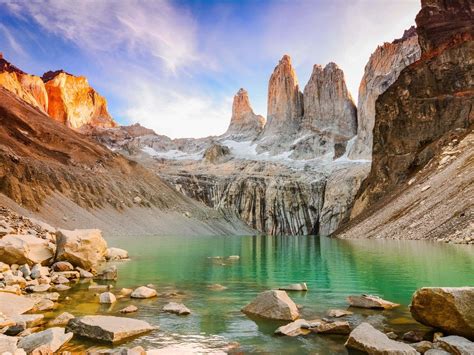
Located in southern Chilean Patagonia, Torres del Paine National Park stands as one of South America’s most spectacular natural wonders. Established in 1959 and declared a UNESCO Biosphere Reserve in 1978, this 181,414-hectare park attracts over 250,000 visitors annually who come to witness its extraordinary landscapes.
https://www.google.com/maps/search/?api=1&query=Torres+del+Paine+National+Park+Chile
The park’s name derives from “Torres” (towers) and “Paine,” a word of Tehuelche origin meaning “blue,” referring to the park’s distinctive granite peaks and predominant color palette. These towering formations, reaching heights of up to 2,500 meters, were sculpted by glacial forces over millions of years.
| Feature | Description | Best Time to Visit |
|---|---|---|
| Size | 181,414 hectares (448,280 acres) | October to April |
| Established | May 13, 1959 | December to February (peak season) |
| UNESCO Status | Biosphere Reserve (1978) | March-April (fall colors) |
| Annual Visitors | 250,000+ | April-May (fewer crowds) |
| Elevation Range | 100m to 3,050m | Year-round (varying conditions) |
| Main Attractions | Granite towers, glaciers, lakes | Morning (best light for photography) |
Torres del Paine features remarkable biodiversity, hosting 26 species of mammals, including the elusive puma, guanaco (wild llama), and huemul (endangered Andean deer). The park is also home to over 115 bird species, such as the imposing Andean condor and the colorful Magellanic woodpecker, making it a paradise for wildlife enthusiasts and photographers.
The Iconic Granite Towers
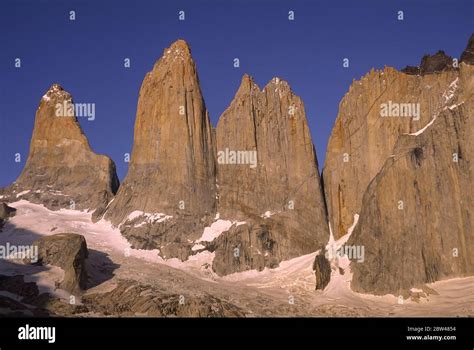
The park’s namesake, the Torres del Paine (Towers of Paine), consists of three distinctive granite peaks that soar dramatically into the sky. These magnificent formations are part of the Paine Massif, a small mountain group that stands apart from the Andes range.
The three towers—Torre Norte (North Tower, 2,260m), Torre Central (Central Tower, 2,460m), and Torre Sur (South Tower, 2,500m)—were formed approximately 12 million years ago when magma pushed upward through the Earth’s crust, cooling and forming a granite intrusion. Over time, glacial erosion removed the softer surrounding rock, leaving behind these towering pillars of granite.
| Tower | Height | Difficulty Level | First Ascent | Notable Features |
|---|---|---|---|---|
| Torre Sur | 2,500m | Extremely difficult | 1963 | Tallest of the three towers |
| Torre Central | 2,460m | Very difficult | 1963 | Most photographed tower |
| Torre Norte | 2,260m | Difficult | 1958 | Distinct reddish hue |
| Cuernos | 2,100m | Moderate to difficult | Various routes | Distinctive black horn-shaped peaks |
| Paine Grande | 3,050m | Difficult | 1957 | Highest peak in the massif |
The vibrant colors of the towers change throughout the day, from soft pinks at sunrise to deep oranges at sunset, creating a mesmerizing spectacle that photographers travel worldwide to capture. The most iconic view of the towers is from the lookout at the end of the Torres Base trail, where they reflect perfectly in a small glacial lake below.
According to a recent study published in the Journal of Geomorphology, the rate of erosion in these granite formations is significantly slower than in similar structures worldwide, suggesting they will maintain their distinctive shape for thousands of years to come.
Breathtaking Lakes and Glaciers
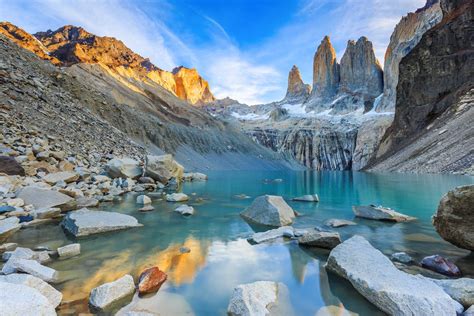
Torres del Paine is renowned for its stunning collection of lakes, each displaying a unique shade of blue or turquoise due to suspended glacial sediment known as “rock flour.” The park contains numerous lakes including Lago Grey, Lago Pehoé, Lago Nordenskjöld, and Lago Sarmiento.
The park’s glaciers form part of the Southern Patagonian Ice Field, the world’s third-largest freshwater reserve after Antarctica and Greenland. Grey Glacier, one of the park’s most accessible glaciers, extends over 6 kilometers in width and reaches heights of 30 meters above water level.
| Lake/Glacier | Size | Color | Notable Features | Activities |
|---|---|---|---|---|
| Lago Grey | 16.5 km² | Deep grey-blue | Views of Grey Glacier | Boat tours, kayaking |
| Lago Pehoé | 22 km² | Turquoise | Island with Paine Grande views | Photography, camping |
| Lago Nordenskjöld | 28 km² | Emerald | Views of Los Cuernos | Hiking, wildlife viewing |
| Lago Sarmiento | 86 km² | Deep blue | Calcium carbonate formations | Bird watching |
| Grey Glacier | 270 km² | Ice blue | Part of Southern Patagonian Ice Field | Ice hiking, boat tours |
| Dickson Glacier | 101 km² | White-blue | Remote location | Advanced hiking |
According to research from the Global Glacier Change Bulletin, these glaciers have experienced significant retreat in recent decades due to climate change. A 2023 study published in Nature Climate Change indicates that Grey Glacier has retreated approximately 6 kilometers since the early 1900s.
Scientists from the Chilean Antarctic Institute monitor these glaciers closely, as they provide critical data about global climate patterns and water resources. Visitors can witness this dramatic glacial retreat firsthand through boat tours on Lago Grey or by hiking to various viewpoints along the park’s trail system.
The W Trek: Patagonia’s Premier Hiking Route
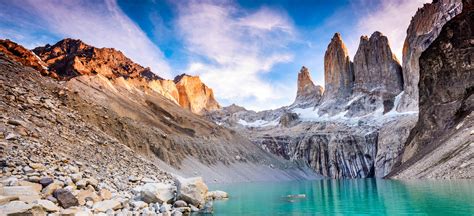
The W Trek, named for its W-shaped route when viewed on a map, is one of the most famous hiking circuits in the world. This 80-kilometer trail typically takes 4-5 days to complete and showcases the park’s most spectacular landscapes, including the base of the Torres, Valle Francés (French Valley), and Glacier Grey.
Hikers from around the globe come to challenge themselves on this iconic route, which offers a perfect balance of accessibility and wilderness immersion. The trail system features well-maintained paths, designated campsites, and refugios (mountain lodges) that provide basic accommodations and meals.
| Section | Distance | Duration | Difficulty | Highlights |
|---|---|---|---|---|
| Eastern Arm (Torres) | 18 km | 8-10 hours | Difficult | Base of the Towers viewpoint |
| Central Section | 11 km | 4-5 hours | Moderate | Nordenskjöld Lake, Los Cuernos |
| Middle Arm (Francés) | 15 km | 6-8 hours | Moderate-Difficult | French Valley, hanging glacier |
| Western Arm (Grey) | 22 km | 8-9 hours | Moderate | Grey Glacier, ice formations |
| Full W Circuit | 80 km | 4-5 days | Moderate-Difficult | All major park highlights |
For more experienced hikers seeking an even greater challenge, the park offers the O Circuit, which extends the W Trek into a complete loop around the Paine Massif, covering approximately 110 kilometers over 7-9 days. This route adds the less-visited northern section of the park, including Paso John Gardner with its breathtaking panoramic views of the Southern Patagonian Ice Field.
According to Lonely Planet, the W Trek ranks among the top 10 multi-day hikes globally. A 2023 survey by Backpacker Magazine found that 92% of hikers who completed the trek rated it as “the experience of a lifetime.”
The Chilean Tourism Board reports that advance reservations for the W Trek’s camping sites and refugios are essential, particularly during the peak season (December to February) when they can be fully booked months in advance.
Wildlife and Ecosystems
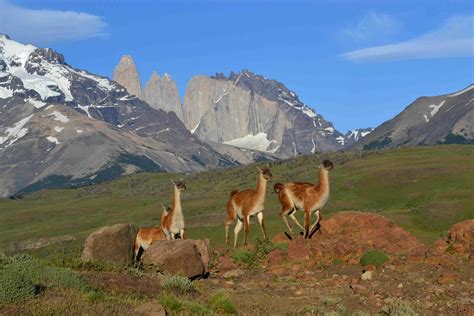
Torres del Paine National Park encompasses a remarkable diversity of ecosystems, from arid Patagonian steppe to southern beech forests, alpine terrain, and wetlands. This ecological variety supports an impressive array of flora and fauna adapted to the region’s harsh conditions.
The park serves as a sanctuary for numerous species, including some that are threatened or endangered. The guanaco, a wild relative of the llama, roams in large herds throughout the park. Their natural predator, the Patagonian puma, maintains healthy population numbers within the protected area.
| Species | Population in Park | Conservation Status | Best Viewing Locations | Best Viewing Times |
|---|---|---|---|---|
| Guanaco | 3,000+ | Least Concern | Eastern plains, Laguna Azul | Dawn and dusk |
| Puma | 50-60 | Near Threatened | Eastern sectors (with guides) | Winter months |
| Huemul Deer | <100 | Endangered | Remote southern areas | Early morning |
| Andean Condor | 70+ pairs | Vulnerable | Cliff faces, thermals | Midday |
| Darwin’s Rhea | 400-500 | Near Threatened | Patagonian steppe | Daytime |
| Magellanic Woodpecker | Unknown | Least Concern | Southern beech forests | Morning |
Birdwatchers will delight in spotting over 115 species, including the majestic Andean condor soaring on thermal currents above the peaks, and the black-chested buzzard eagle hunting in the valleys below. The park’s wetlands host numerous waterfowl, including the striking black-necked swan and the Chilean flamingo.
The park’s plant life is equally diverse, with over 400 species of plants recorded. Notable among these are the firebush (Embothrium coccineum) with its brilliant red flowers, the Chilean firetree (Notro), and several species of southern beech trees that create stunning golden landscapes in autumn.
Research from the Patagonian Ecosystem Research Center indicates that Torres del Paine represents one of the most intact examples of southern Andean ecosystems, making it invaluable for conservation and scientific study. The park’s management plan, developed in collaboration with World Wildlife Fund, focuses on maintaining these delicate ecological balances while accommodating sustainable tourism.
Weather and Climate: The Four Seasons in One Day
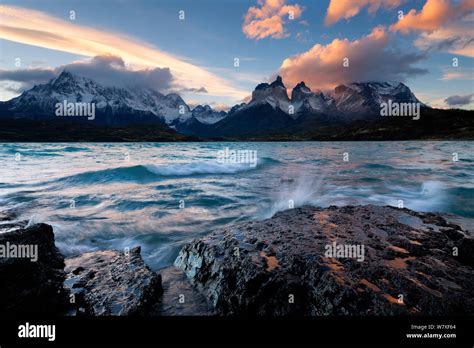
Patagonia is famous for its unpredictable and rapidly changing weather patterns, with locals often describing it as experiencing “four seasons in one day.” Torres del Paine exemplifies this meteorological volatility, presenting unique challenges and spectacular atmospheric conditions for visitors.
The park is characterized by strong westerly winds, particularly during the summer months (December to February) when gusts can reach speeds exceeding 100 km/h. These winds form when air masses from the Pacific Ocean collide with the Andes mountains, creating a phenomenon that shapes both the landscape and the visitor experience.
| Season | Average Temperature | Precipitation | Daylight Hours | Wind Conditions | Special Considerations |
|---|---|---|---|---|---|
| Summer (Dec-Feb) | 10-22°C (50-72°F) | Low | 17+ hours | Strong (70+ km/h) | Peak season, advance bookings required |
| Fall (Mar-May) | 5-15°C (41-59°F) | Moderate | 9-14 hours | Moderate | Beautiful fall colors, fewer crowds |
| Winter (Jun-Aug) | -2-5°C (28-41°F) | High (snow) | 8-9 hours | Moderate | Limited services, some trails closed |
| Spring (Sep-Nov) | 4-15°C (39-59°F) | Moderate | 11-15 hours | Very strong | Wildflowers, variable conditions |
According to meteorological data from the Chilean Meteorological Service, the park receives an average annual precipitation of 700mm, with rainfall distributed throughout the year. The eastern sections of the park lie in a rain shadow and are significantly drier than the western areas, which are influenced by the humid Pacific climate.
Climate research published in the International Journal of Climatology indicates that the region has experienced warming at a rate faster than the global average, leading to accelerated glacial retreat and changes in seasonal patterns. These shifts highlight the importance of the park as a climate change indicator and the urgency of conservation efforts.
Visitors must come prepared for all weather conditions, regardless of the season. Layered clothing, waterproof gear, and sturdy footwear are essential. Park authorities at CONAF (National Forest Corporation of Chile) recommend carrying proper equipment and checking weather forecasts daily, as conditions can change rapidly without warning.
Practical Information for Visitors
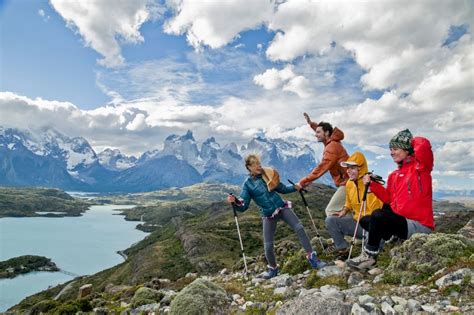
Planning a successful visit to Torres del Paine requires careful preparation, especially given the park’s remote location and variable conditions. Whether you’re planning to tackle the famous trekking circuits or simply enjoy day hikes and scenic drives, understanding the logistics is essential.
The park is accessible year-round, though services are reduced during the winter months (June to August). Most visitors arrive via Puerto Natales, the gateway city located approximately 112 kilometers south of the park, which offers transportation, accommodation, and outfitting services.
| Information Category | Details | Tips | Resources |
|---|---|---|---|
| Entry Fees | Adults: $45 USD (peak), $30 USD (off-peak) | Multi-day passes available | CONAF Official Site |
| Best Season | October to April | December-February (busiest) | Chile Travel |
| Accommodations | Refugios, campsites, hotels | Book 6+ months in advance | Vertice Patagonia |
| Trail Reservations | Required for W and O Circuits | Opens 6-12 months prior | Fantastico Sur |
| Transportation | Bus from Puerto Natales (2.5 hours) | Regular schedules in summer | Bus Sur |
| Guided Tours | Day trips, specialized tours | Wildlife, photography, all-inclusive | Patagonia Camp |
| Equipment Rental | Available in Puerto Natales | Quality varies, inspect before renting | Erratic Rock |
For those planning to hike the W Trek or O Circuit, advance reservations are mandatory for all campsites and refugios. The reservation system typically opens 6-12 months before the season, and popular sites can fill quickly. The three main companies operating accommodations within the park are CONAF (government agency), Fantastico Sur, and Vertice Patagonia.
Day visitors can explore several accessible areas including Lago Grey, Salto Grande waterfall, and the Mirador Cuernos viewpoint. The park’s eastern side offers the best opportunities for wildlife viewing, particularly guanacos and birds of prey.
According to the Chilean Tourism Observatory, over 80% of international visitors to the park combine their visit with other Patagonian destinations, including El Calafate and El Chaltén in Argentina. Multi-country itineraries require additional planning for border crossings, which are subject to specific regulations and operating hours.
Conservation Challenges and Sustainable Tourism
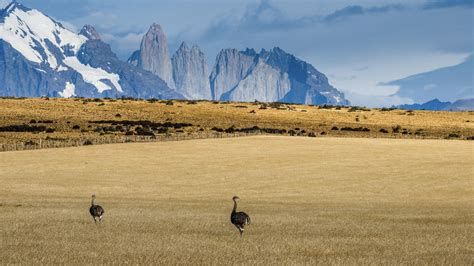
Torres del Paine faces significant conservation challenges as its popularity continues to grow. The delicate balance between preserving the park’s natural beauty and accommodating visitors requires thoughtful management and a commitment to sustainable practices from all stakeholders.
One of the most significant threats to the park has been wildfires, with major incidents in 1985, 2005, and 2011-2012 that collectively damaged approximately 45,000 hectares of native forest. These fires were primarily caused by human negligence, highlighting the importance of visitor education and strict enforcement of park regulations.
| Conservation Challenge | Impact | Solutions | Organizations Involved |
|---|---|---|---|
| Wildfires | 45,000+ hectares damaged | Strict fire regulations, reforestation | CONAF, Reforestemos Patagonia |
| Trail Erosion | Habitat degradation, safety issues | Trail maintenance, capacity limits | AMA Torres del Paine |
| Wildlife Disturbance | Behavior changes, reproduction impacts | Wildlife corridors, visitor guidelines | Wildlife Conservation Society |
| Glacial Retreat | Water resource changes, ecosystem shifts | Climate monitoring, emissions reduction | Glacier Research Center |
| Waste Management | Environmental contamination | Pack-in/pack-out policies, recycling | Leave No Trace Chile |
Several organizations are working to address these challenges. Reforestemos Patagonia has planted over one million native trees in fire-damaged areas since 2012. The AMA Torres del Paine (Friends of Torres del Paine) organization coordinates volunteer programs focused on trail maintenance and visitor education.
The park has implemented a comprehensive sustainability strategy that includes:
- Capacity limits on popular trails and campsites
- Strict “leave no trace” policies requiring visitors to pack out all waste
- Investment in renewable energy at refugios and ranger stations
- Educational programs for visitors and local communities
- Collaborative research with universities and conservation organizations
According to a 2023 report by Sustainable Travel International, Torres del Paine has become a model for sustainable tourism management in protected areas facing high visitation pressure. The park’s approach balances ecological preservation with economic benefits for local communities, creating a framework that other destinations can adapt.
Visitors can contribute to conservation efforts by following park regulations, supporting local businesses committed to sustainable practices, and considering contributing to organizations like AMA Torres del Paine or Reforestemos Patagonia.
Beyond the Park: The Greater Patagonia Region
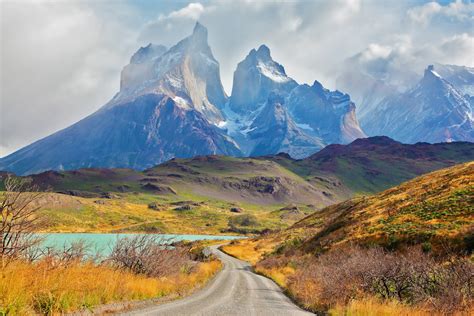
While Torres del Paine stands as the crown jewel of Chilean Patagonia, the surrounding region offers additional natural wonders and cultural experiences that complement a visit to the park. Exploring these areas provides a more comprehensive understanding of Patagonia‘s diverse landscapes and heritage.
Puerto Natales, the gateway city to Torres del Paine, has evolved from a modest fishing port to a vibrant tourist hub with excellent restaurants, boutique hotels, and outdoor equipment shops. The city’s waterfront promenade offers stunning views of the Última Esperanza Sound and the distant mountains.
| Destination | Distance from Torres del Paine | Highlights | Best Combined With |
|---|---|---|---|
| Puerto Natales | 112 km | Restaurants, museums, waterfront | Pre/post park visit |
| Punta Arenas | 312 km | Penguin colonies, historical sites | Southern Patagonia circuit |
| El Calafate (Argentina) | 272 km | Perito Moreno Glacier | Cross-border itinerary |
| El Chaltén (Argentina) | 365 km | Mount Fitz Roy, hiking trails | Extended Patagonia journey |
| Tierra del Fuego | 400+ km | Southernmost forests, Cape Horn | Cruise or extended trip |
| Chilean Fjords | Varies | Remote waterways, wildlife | Cruise from Puerto Natales |
For wildlife enthusiasts, the Magellanic penguin colony at Seno Otway (near Punta Arenas) offers close encounters with thousands of these charismatic birds between September and April. Further south, Magdalena Island hosts one of the largest penguin colonies in southern Chile with over 120,000 breeding pairs.
Across the border in Argentina, Los Glaciares National Park complements Torres del Paine with different but equally dramatic mountain scenery. The massive Perito Moreno Glacier, one of the few advancing glaciers in the world, provides an accessible and spectacular glacial experience for visitors of all abilities.
According to Patagonia Regional Tourism, an integrated visit to both Chilean and Argentine Patagonia allows travelers to experience the full diversity of this remarkable region. Border crossings are straightforward, with regular bus services connecting the main tourist destinations.
The cultural heritage of Patagonia is preserved in museums such as the Museo Regional de Magallanes in Punta Arenas, which documents the indigenous cultures, European settlement, and sheep farming history that shaped the region. The Centro Cultural Natalis in Puerto Natales offers exhibitions on local traditions and contemporary art.
Conclusion: The Enduring Appeal of Torres del Paine
Torres del Paine National Park represents the quintessential Patagonian experience, combining extraordinary natural beauty with opportunities for adventure, solitude, and connection with wild landscapes. Its dramatic granite towers, turquoise lakes, and diverse ecosystems continue to inspire visitors from around the world.
As climate change and increasing tourism present new challenges, the park’s future depends on balancing accessibility with conservation. The collaborative efforts of government agencies, non-profit organizations, local communities, and responsible visitors will determine whether Torres del Paine can maintain its pristine character for generations to come.
Whether you come to trek the legendary W Circuit, photograph the sunrise illuminating the towers, or simply stand in awe before Patagonia‘s dramatic landscapes, Torres del Paine offers an unforgettable journey to one of Earth’s most remarkable wilderness areas. As the Patagonian saying goes, “Quien se apura en la Patagonia, pierde el tiempo” – “Those who rush in Patagonia waste their time.” This wisdom reminds us that Torres del Paine is best experienced mindfully, allowing its natural rhythms and stunning vistas to work their transformative magic.
Torres del Paine: Ultimate Guide to Patagonia‘s Premier National Park
Discover Torres del Paine National Park’s granite peaks, azure lakes, and diverse ecosystems. Plan your perfect Patagonian adventure with our comprehensive guide.