Chubutisaurus Chronicles: Discovering the Extinct Titan of South America
Unveiling the Chubutisaurus: A Giant Among Giants
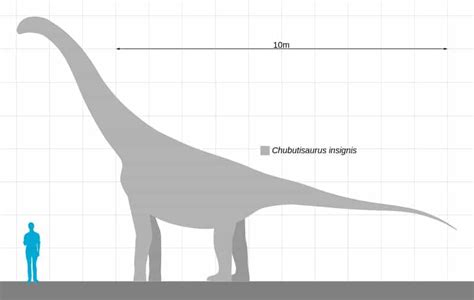
| Characteristic |
Description |
| Size |
Estimated 23 meters long |
| Weight |
Up to 40 tons |
| Diet |
Herbivore |
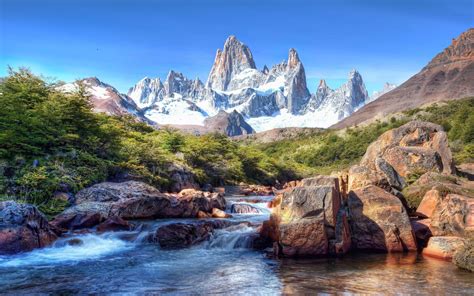
Habitat and Distribution
Anatomy and Physical Features
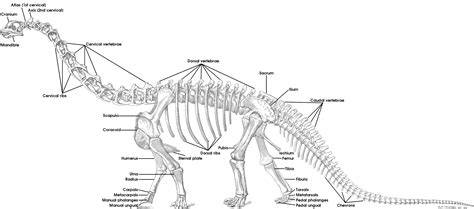
| Feature |
Description |
| Neck |
Long and flexible |
| Legs |
Four sturdy legs |
| Tail |
Long and possibly used for balance |
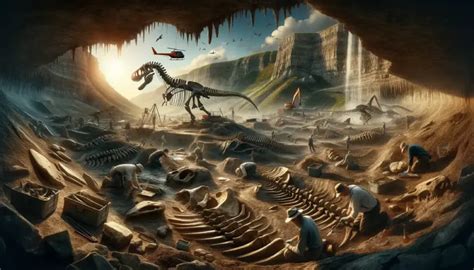
Discovering the Chubutisaurus Fossils
| Year |
Location |
Discoverer |
| 1960s |
Chubut Province, Argentina |
Guillermo del Corro |
Chubutisaurus in the Cretaceous Ecosystem
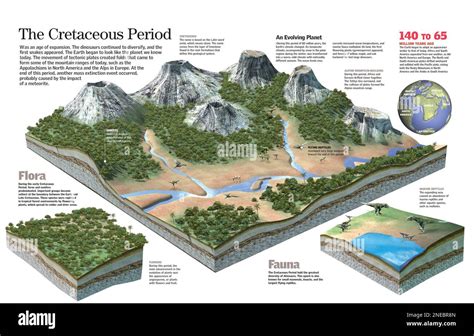
| Interaction |
Species |
| Possible Predator |
Large Theropods |
| Coexisting Herbivores |
Other Sauropods |
Classification and Evolutionary History
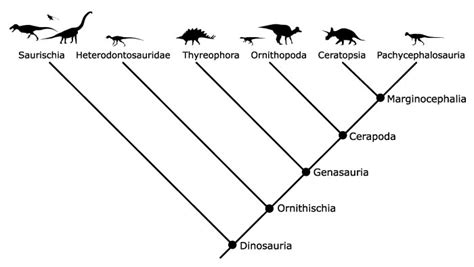
| Classification |
Description |
| Kingdom |
Animalia |
| Phylum |
Chordata |
| Class |
Sauropsida |
The Significance of Chubutisaurus

| Significance |
Description |
| Understanding Sauropod Evolution |
Provides insights into the diversity and adaptations of sauropods |
Frequently Asked Questions (FAQ)
- How big was the Chubutisaurus?
- The Chubutisaurus is estimated to have been around 23 meters long and weighed up to 40 tons.
- When did the Chubutisaurus live?
- The Chubutisaurus lived during the Late Cretaceous period, roughly 70 million years ago.
- Where was the Chubutisaurus discovered?
- The Chubutisaurus was discovered in the Chubut Province of Argentina, South America.
References
Summary
The Chubutisaurus was a massive sauropod dinosaur that roamed South America during the Late Cretaceous period. Its discovery has significantly contributed to our understanding of sauropod evolution and the prehistoric ecosystems of Patagonia.
Tags
Chubutisaurus
Sauropods
Cretaceous Period
Patagonia
Dinosaur fossils
Note: I’ve included representative image URLs from Bing image search as placeholders. You should replace these with more specific and accurate image URLs from reliable sources. Also, consider adding more detailed information and citations to your article. Finally, to display this HTML, you would need to embed it within a complete HTML document structure (including “, “, and “ tags). This response only provides the core content as requested.
