

Brachiosaurus: The Giant of the Jurassic Era
Introduction to Brachiosaurus
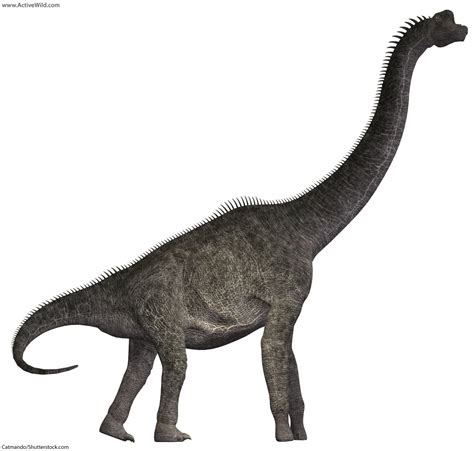
The Brachiosaurus stands as one of the most iconic dinosaurs ever to walk the Earth, capturing the imagination of both scientists and dinosaur enthusiasts alike. This massive sauropod, whose name means “arm lizard,” dominated the landscape during the Late Jurassic period approximately 154-153 million years ago. With its distinctive upright posture, remarkably long neck, and impressive size, the Brachiosaurus represents one of nature’s most magnificent evolutionary achievements.
This comprehensive guide explores everything you need to know about Brachiosaurus, from its discovery and classification to its physical characteristics, behavior, habitat, and eventual extinction. Drawing on the latest paleontological research and scientific understanding, we’ll delve into what made this gentle giant so remarkable and how it continues to influence our understanding of dinosaur biology today.
https://www.google.com/maps/search/?api=1&query=Morrison%20Formation%20Colorado
| Brachiosaurus Quick Facts | Details |
|---|---|
| Scientific Name | Brachiosaurus altithorax |
| Time Period | Late Jurassic (154-153 million years ago) |
| Length | 20-25 meters (65-82 feet) |
| Height | Up to 12-13 meters (39-43 feet) |
| Weight | 28-58 metric tons (31-64 short tons) |
| Diet | Herbivore (primarily conifers, ginkgoes, cycads) |
| Habitat | North America (Western United States) |
| Notable Feature | Longer forelimbs than hindlimbs |
| Discovery | 1900 by Elmer S. Riggs |
Discovery and Classification
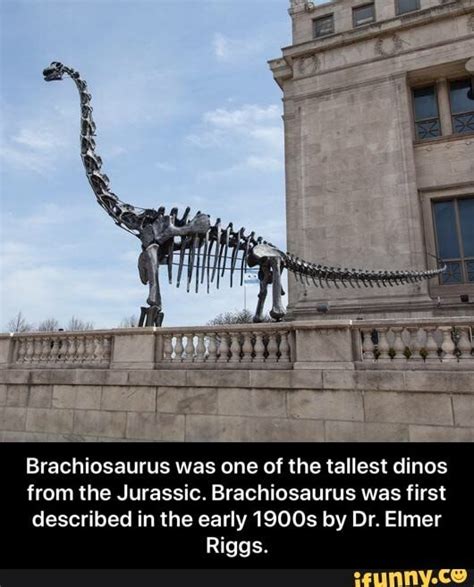
The story of Brachiosaurus begins in the summer of 1900 when paleontologist Elmer S. Riggs led an expedition to the Grand River Valley near Grand Junction, Colorado. While exploring the Morrison Formation, Riggs discovered what would later be recognized as one of the most significant dinosaur finds of the early 20th century. The specimen he unearthed, cataloged as FMNH P 25107, became the holotype (original reference specimen) for Brachiosaurus altithorax.
Riggs published his findings in 1903, noting the dinosaur’s unique anatomical structure, particularly its longer forelimbs compared to its hindlimbs. This unusual feature inspired the name “Brachiosaurus,” derived from Greek words meaning “arm” (brachion) and “lizard” (sauros). The species name “altithorax” refers to the dinosaur’s exceptionally deep chest cavity.
| Taxonomic Classification | Category |
|---|---|
| Kingdom | Animalia |
| Phylum | Chordata |
| Clade | Dinosauria |
| Order | Saurischia |
| Suborder | Sauropodomorpha |
| Family | Brachiosauridae |
| Genus | Brachiosaurus |
| Species | B. altithorax |
| Related Genera | Giraffatitan, Lusotitan, Sonorasaurus |
| Notable Distinction | Initially confused with Giraffatitan brancai (formerly B. brancai) |
The taxonomic history of Brachiosaurus has undergone significant revisions over the years. Perhaps the most notable change occurred in 2009 when paleontologist Michael P. Taylor determined that the more complete African specimens previously classified as Brachiosaurus brancai were distinct enough to warrant their own genus, now called Giraffatitan. This reclassification has important implications for understanding Brachiosaurus, as many popular depictions of “Brachiosaurus” (including those in Jurassic Park) actually resemble Giraffatitan more closely.
Fossil evidence for true Brachiosaurus is relatively sparse compared to some other dinosaur species, with only a partial skeleton of the holotype and a few additional elements discovered since. This has left some aspects of its appearance and biology open to scientific interpretation, supported by comparisons with related sauropods and biomechanical modeling.
Physical Characteristics
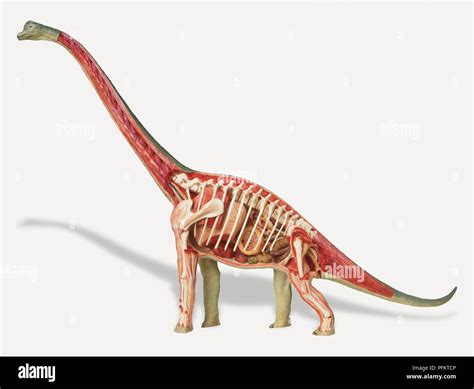
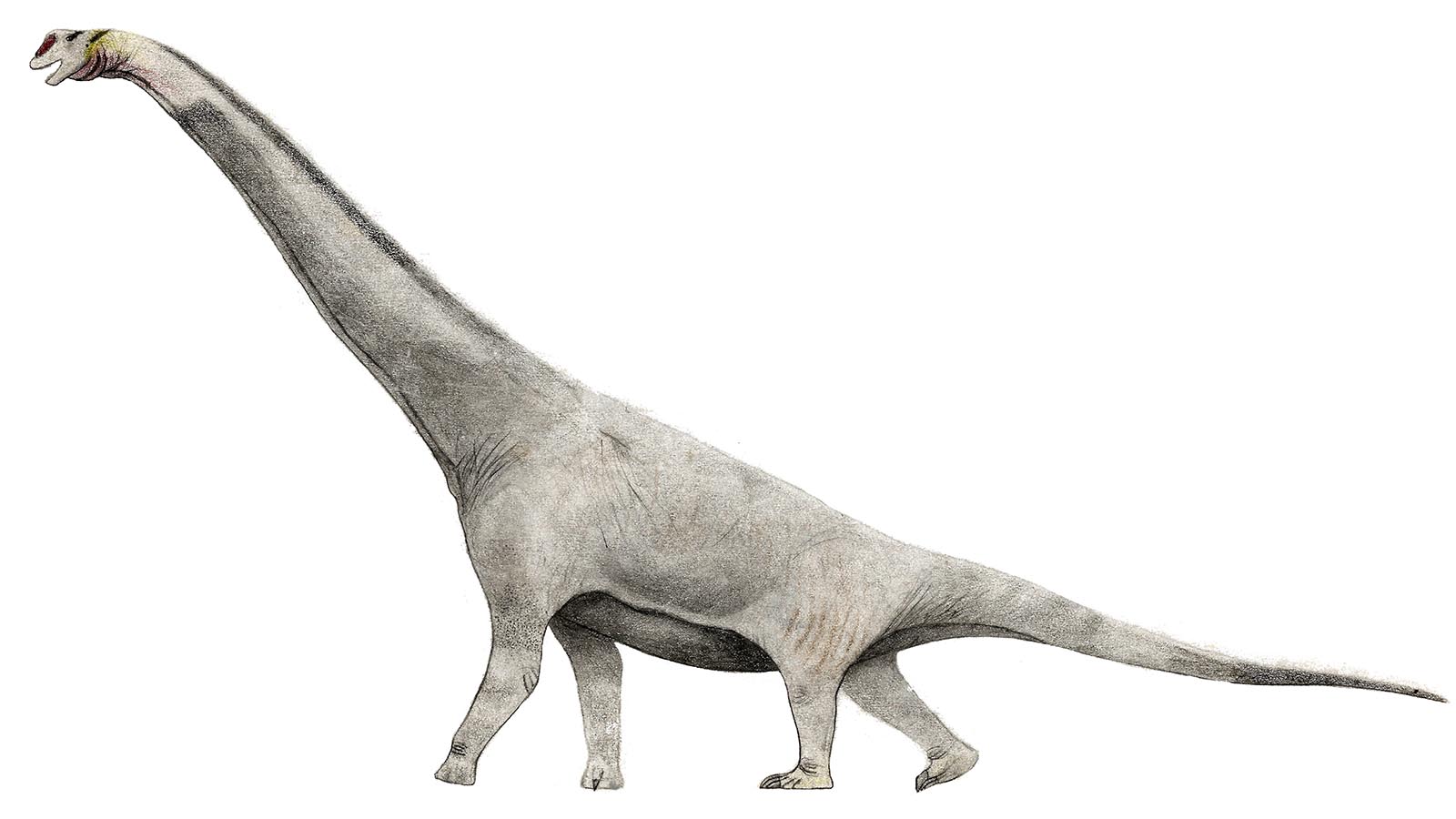
The Brachiosaurus was a truly massive dinosaur, with estimates placing adult specimens at lengths of 20-25 meters (65-82 feet) from head to tail and heights of up to 12-13 meters (39-43 feet). Weight estimates range from 28 to 58 metric tons (31-64 short tons), making it one of the heaviest land animals to have ever existed, though not quite as massive as some other sauropods like Argentinosaurus or Patagotitan.
What truly set Brachiosaurus apart was its unique body proportions and posture. Unlike most other sauropods, Brachiosaurus had forelimbs that were longer than its hindlimbs, creating a distinctive upward slope from its hips to its shoulders. This anatomical arrangement, combined with its extremely long neck, allowed Brachiosaurus to reach vegetation at heights of up to 15 meters (49 feet) – comparable to a modern 5-story building.
| Anatomical Features | Description |
|---|---|
| Skull | Relatively small, high-crested with large nasal opening on top |
| Teeth | Pencil-shaped, adapted for stripping foliage |
| Neck | Extremely long (approximately 9 meters or 30 feet), containing 13 cervical vertebrae |
| Forelimbs | Longer than hindlimbs, creating upward-sloping posture |
| Skeletal Structure | Highly pneumatized (air-filled cavities) for weight reduction |
| Nostrils | Located on top of the head, possibly related to thermoregulation |
| Body Temperature | Estimated at 38°C (100.4°F) based on metabolic models |
| Growth Rate | Rapid – reached near-adult size within 20-30 years |
The skull of Brachiosaurus was relatively small compared to its massive body, with a high crest and large nasal opening positioned at the top of the head. Its teeth were pencil-shaped, ideal for stripping foliage from branches but not for chewing, indicating that digestion occurred primarily in its large gut.
One of the most scientifically intriguing aspects of Brachiosaurus anatomy was its highly pneumatized skeleton. Like modern birds (the closest living relatives to dinosaurs), Brachiosaurus bones contained numerous air sacs that reduced weight without sacrificing strength. This adaptation was crucial for supporting its enormous size while maintaining mobility. Recent research by Woodruff et al. (2022) suggests that this pneumatic system may have also played a role in thermoregulation, helping to manage body temperature in this massive animal.
Diet and Feeding Behavior
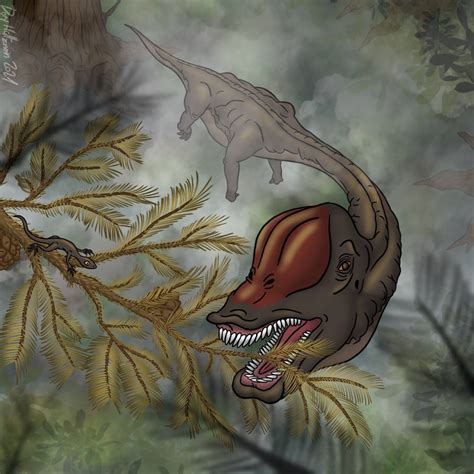
As a member of the sauropod group, Brachiosaurus was exclusively herbivorous. Its unique height advantage allowed it to access food sources beyond the reach of other dinosaurs, creating an ecological niche that minimized competition for resources. This height specialization is considered an example of niche partitioning among sauropods, as outlined in research by Whitlock (2011).
Brachiosaurus likely fed primarily on conifers, ginkgoes, cycads, and tree ferns that dominated the Jurassic landscape. Its feeding strategy appears to have been based on quantity rather than quality, as many of these plants would have had relatively low nutritional content compared to modern vegetation. To sustain its massive size, a Brachiosaurus might have consumed hundreds of kilograms of plant matter daily.
| Feeding Aspects | Details |
|---|---|
| Primary Diet | Conifers (Araucaria, Brachyphyllum), ginkgoes, cycads, ferns |
| Feeding Height | 9-15 meters (30-49 feet) above ground |
| Daily Consumption | Estimated 200-400 kg (440-880 lbs) of plant matter |
| Feeding Mechanism | Branch stripping using pencil-shaped teeth |
| Digestion | Fermentation in large gut cavity; likely possessed gastroliths |
| Ecological Niche | High browser, minimizing competition with other herbivores |
| Feeding Schedule | Possibly continuous feeding to maintain energy requirements |
| Evidence | Tooth morphology, body posture, fossilized stomach contents |
Recent paleobotanical analyses of the Morrison Formation by Gee et al. (2022) provide insights into the specific plant communities that would have been available to Brachiosaurus. The vegetation was dominated by conifers similar to modern araucarias, along with an understory of ferns and cycad-like plants. The distribution of these plant communities would have influenced Brachiosaurus migration patterns and territorial ranges.
The digestive system of Brachiosaurus, while not preserved in fossils, can be inferred from comparisons with other sauropods and modern herbivores. Like other sauropods, Brachiosaurus likely swallowed plant material whole without chewing and relied on gut fermentation to break down tough plant fibers. Some evidence suggests sauropods may have used gastroliths (stomach stones) to aid in mechanical breakdown of plant material, though this remains debated among paleontologists.
Habitat and Distribution
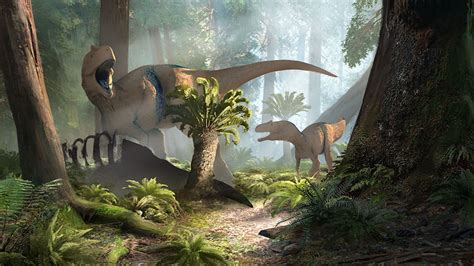
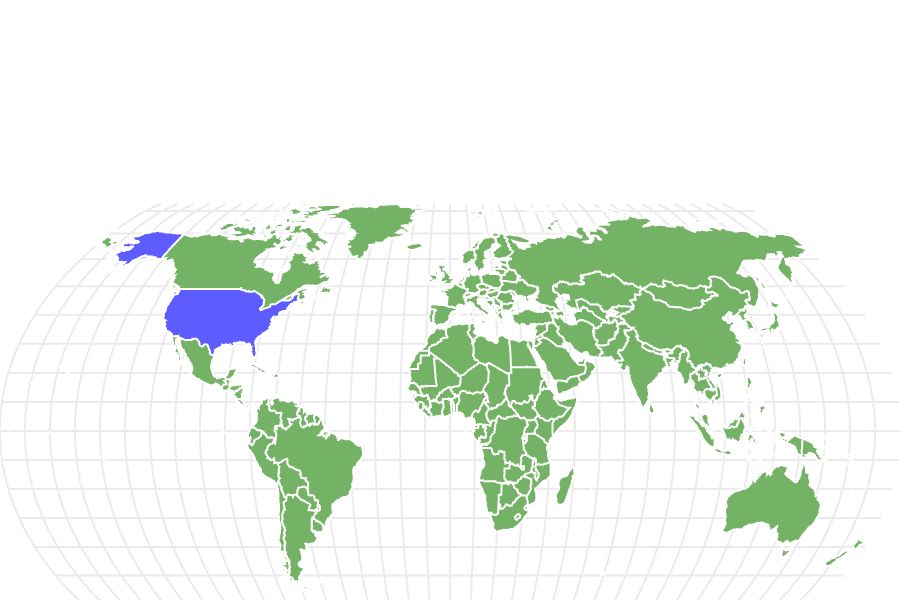
True Brachiosaurus fossils have only been confirmed from the Morrison Formation of western North America, specifically in Colorado and Utah, though similar brachiosaur-type sauropods have been found on other continents. During the Late Jurassic period when Brachiosaurus lived, North America was positioned differently than today due to continental drift, and the climate and ecosystems were dramatically different.
The Morrison Formation represents a diverse landscape of floodplains, river systems, and seasonal wetlands under a semi-arid climate with distinct wet and dry seasons. This environment supported a rich diversity of dinosaurs and other fauna, with Brachiosaurus likely favoring areas with sufficient tall vegetation to sustain its specialized feeding habits.
| Habitat Aspects | Description |
|---|---|
| Geological Formation | Morrison Formation (Western United States) |
| Age | Kimmeridgian to Tithonian stages of Late Jurassic |
| Climate | Semi-arid with seasonal rainfall (warmer than today) |
| Landscape | River floodplains, seasonal wetlands, open woodlands |
| Average Temperature | Estimated 20-30°C (68-86°F) |
| Co-occurring Dinosaurs | Diplodocus, Apatosaurus, Stegosaurus, Allosaurus |
| Plant Communities | Open conifer woodlands, fern prairies, riparian forests |
| Water Sources | Braided river systems, seasonal lakes and ponds |
| Geographical Range | Western North America (modern Colorado, Utah, Wyoming) |
According to paleoenvironmental reconstructions by Turner and Peterson (2004), the Morrison ecosystem experienced periodic droughts that would have created significant challenges for large-bodied animals like Brachiosaurus. These conditions may have driven seasonal migrations following water sources and suitable vegetation, though direct evidence of such migrations remains limited.
The geographic distribution of Brachiosaurus seems relatively restricted compared to some other Morrison Formation dinosaurs. This might reflect genuine rarity, habitat specialization, or simply gaps in the fossil record. Whatever the case, the concentration of Brachiosaurus fossils in specific regions of the Morrison Formation suggests it may have had more specialized habitat requirements than some of its contemporaries.
Growth and Life Cycle
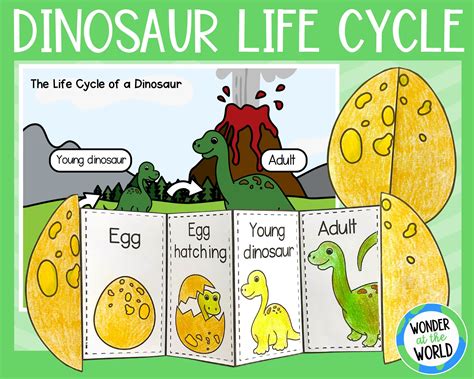
Our understanding of Brachiosaurus growth and development has advanced significantly in recent years through histological studies of bone microstructure and comparative analyses with other sauropods. Like most dinosaurs, Brachiosaurus appears to have grown rapidly during its early years, reaching near-adult size within approximately two decades – remarkably fast for such an enormous animal.
Based on growth ring analysis in related sauropods, scientists believe Brachiosaurus may have lived 70-100 years under ideal conditions, though many individuals likely succumbed to predation, disease, or environmental challenges before reaching maximum age. Sexual maturity probably occurred well before maximum size was achieved, perhaps around 15-20 years of age.
| Life Cycle Aspects | Details |
|---|---|
| Reproductive Strategy | Egg-laying (oviparous) |
| Egg Size | Estimated 30-40 cm in diameter (based on related sauropods) |
| Clutch Size | Likely 20-30 eggs per nest |
| Incubation Period | Estimated 3-6 months |
| Hatchling Size | Approximately 10-20 kg (22-44 lbs) |
| Growth Rate | Rapid – up to 2,000 kg (4,400 lbs) per year during peak growth |
| Sexual Maturity | Estimated at 15-20 years |
| Maximum Lifespan | 70-100 years (theoretical maximum) |
| Cause of Death | Predation, disease, environmental factors, old age |
The reproductive behavior of Brachiosaurus remains largely speculative due to limited fossil evidence. However, studies of other sauropod nesting sites suggest these dinosaurs likely laid eggs in shallow depressions on the ground, possibly in colonial nesting areas. The eggs would have been relatively large compared to modern reptiles but small relative to adult body size – approximately 30-40 cm in diameter based on fossils from related sauropods.
According to research by Griebeler and Werner (2011), parental care was likely limited or absent in sauropods like Brachiosaurus. The sheer size disparity between adults and hatchlings would have made direct care challenging, and the massive adults might have posed a trampling risk to their own offspring. Juvenile Brachiosaurus probably lived in different ecological niches than adults, focusing on lower vegetation until reaching sizes capable of competing with other large herbivores.
Social Behavior and Intelligence
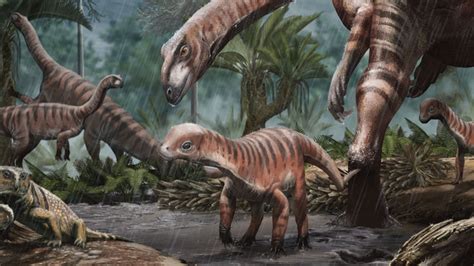
The social structure and behavior of Brachiosaurus cannot be directly observed, but scientists can make inferences based on trackway evidence, comparative studies with modern animals, and the ecological constraints that would have shaped their behavior. Multiple sauropod trackways found in proximity suggest some degree of gregarious behavior, though whether this represents true social herding or simply aggregation around resources remains debated.
The brain of Brachiosaurus, like those of other sauropods, was remarkably small relative to body size. The encephalization quotient (a measure comparing brain size to expected size for a given body mass) for sauropods is among the lowest of all dinosaurs. However, this doesn’t necessarily indicate low intelligence by modern standards, as different brain structures and neural efficiency could compensate for smaller overall size.
| Behavioral Aspects | Current Understanding |
|---|---|
| Social Structure | Likely loosely gregarious, possibly age-segregated herds |
| Herd Size | Variable, potentially 10-30 individuals |
| Communication | Low-frequency vocalizations, visual displays |
| Parental Care | Minimal; likely no direct care of hatchlings |
| Brain Size | Small relative to body size (EQ approximately 0.2-0.3) |
| Intelligence | Basic problem-solving, good spatial memory |
| Sensory Capabilities | Good vision, potentially sensitive to ground vibrations |
| Defense Mechanisms | Size, possibly herd protection for juveniles |
| Daily Activity | Likely continuous feeding with rest periods |
Research by Mazzetta and Blanco (2001) suggests that the extremely long neck of Brachiosaurus might have served multiple functions beyond feeding height, including social displays and species recognition. The possibility of visual communication through neck posturing or head movements represents an intriguing aspect of potential social behavior.
The relatively small brain and sensory capabilities of Brachiosaurus would have been sufficient for its lifestyle as a large browser. Studies of the inner ear and brain endocasts suggest these dinosaurs had reasonable vision and potentially good hearing in low-frequency ranges, which might have facilitated long-distance communication with conspecifics. Some paleontologists have proposed that sauropods could communicate through infrasound (very low-frequency sound below human hearing range), similar to modern elephants.
Defense and Predation
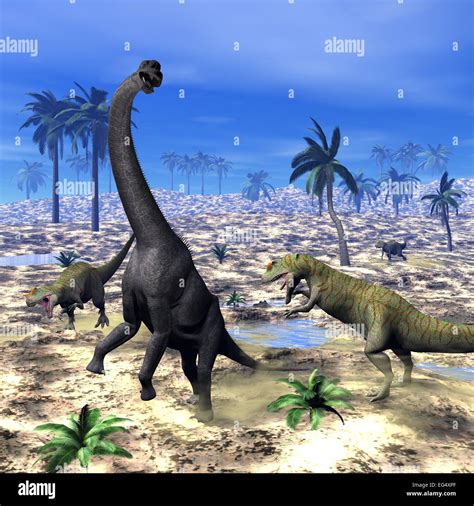
Despite its enormous size, Brachiosaurus was not invulnerable to predation. The Morrison Formation ecosystem included large theropod predators, most notably Allosaurus, which reached lengths of up to 10-12 meters (33-39 feet) and could potentially hunt even the largest herbivores through pack hunting or by targeting vulnerable individuals.
For adult Brachiosaurus, size itself served as the primary defense mechanism. Few predators would risk attacking a healthy adult given the potential for injury from its massive limbs or tail. Juvenile Brachiosaurus, however, would have been more vulnerable and might have relied on different defensive strategies, possibly including faster growth rates, hiding behavior, or protection within herds of adults.
| Predator-Prey Dynamics | Details |
|---|---|
| Primary Predators | Allosaurus, Ceratosaurus, Torvosaurus |
| Vulnerable Individuals | Juveniles, sick or injured adults, isolated individuals |
| Defensive Adaptations | Massive size, possibly tail swipes, behavioral strategies |
| Predation Evidence | Rare tooth marks on fossil bones |
| Theoretical Hunting Strategy | Pack hunting by theropods, targeting vulnerable individuals |
| Juvenile Protection | Possibly rapid growth, herding, different habitats |
| Predator Deterrence | Size, potential for serious injury to predators |
| Mortality Causes | Likely more often disease/age than direct predation for adults |
Fossil evidence for direct predation on Brachiosaurus remains limited, but studies by Chure et al. (1998) have documented theropod tooth marks on various sauropod bones from the Morrison Formation. These findings suggest that large predators did occasionally feed on sauropods, though whether these represent predation or scavenging remains difficult to determine definitively.
The relationship between sauropods like Brachiosaurus and their predators represents a classic evolutionary arms race: as sauropods grew larger, predators developed more sophisticated hunting strategies. This dynamic likely influenced many aspects of sauropod biology, from growth rates to reproductive strategies to social behavior. The immense body size of Brachiosaurus may represent the ultimate expression of this evolutionary pressure toward gigantism as a predator defense.
Extinction and Legacy
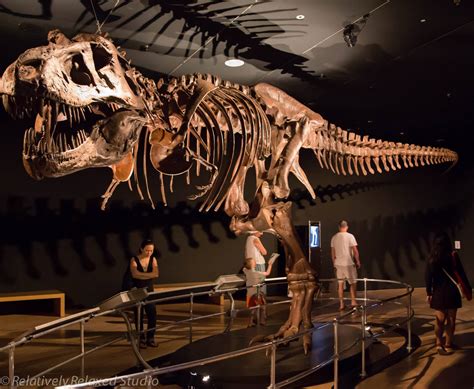
Brachiosaurus and its closest relatives disappeared from the fossil record by the end of the Jurassic period, approximately 145 million years ago, well before the end-Cretaceous mass extinction that claimed all non-avian dinosaurs 66 million years ago. The reasons for the decline of brachiosaurids specifically remain unclear, though it likely involved a combination of ecological changes and competition from other sauropod groups like diplodocoids and titanosaurs.
During the Cretaceous period, sauropod faunas underwent significant transformations worldwide. In North America, the ecological niches once occupied by Brachiosaurus and other Morrison Formation dinosaurs were eventually filled by different species as environmental conditions and plant communities changed. This pattern of faunal turnover represents a normal aspect of evolutionary history rather than a catastrophic extinction event.
| Extinction Aspects | Details |
|---|---|
| Timing | Late Jurassic to Early Cretaceous transition (145 MYA) |
| Possible Causes | Climate change, habitat transformation, competition |
| Succeeding Groups | Titanosaurid sauropods became dominant in Cretaceous |
| Environmental Changes | Shifting plant communities, sea level fluctuations |
| Geographic Patterns | Different timing in different regions |
| Legacy in Ecosystem | Ecological niches filled by other herbivorous dinosaurs |
| Scientific Legacy | One of the first super-giant dinosaurs discovered |
| Cultural Impact | Featured in numerous films, books, and exhibitions |
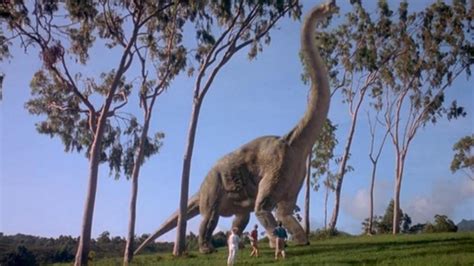
The scientific and cultural legacy of Brachiosaurus extends far beyond its actual time on Earth. As one of the earliest discovered super-giant dinosaurs, Brachiosaurus helped reshape public and scientific understanding of dinosaur biology and the limits of terrestrial animal size. Its distinctive appearance has made it an iconic representative of the dinosaur era in popular culture, perhaps most famously in the 1993 film Jurassic Park (though as mentioned earlier, the film actually depicted Giraffatitan rather than true Brachiosaurus).
In scientific terms, research on Brachiosaurus continues to provide insights into fundamental questions about biomechanics, physiology, and the evolutionary pressures that drive gigantism in animals. Recent studies using computer modeling have helped scientists better understand how these animals moved, breathed, and regulated their body temperature. This research has applications beyond paleontology, informing fields such as robotics, materials science, and comparative physiology.
Modern Research and Discoveries
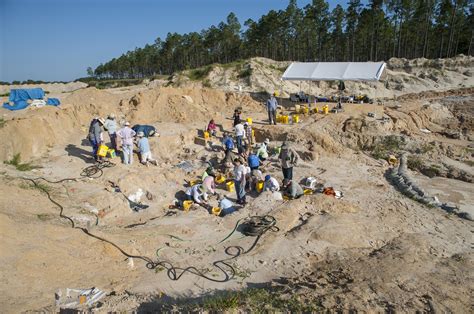
Scientific understanding of Brachiosaurus continues to evolve as new fossils are discovered and advanced technologies allow for more sophisticated analysis of existing specimens. Computer modeling, CT scanning, and biomechanical studies have revolutionized our understanding of how these massive animals functioned as living organisms.
One of the most significant recent developments in Brachiosaurus research was the 2009 reclassification mentioned earlier, which separated the African Giraffatitan from the North American Brachiosaurus. This taxonomic revision has prompted renewed interest in finding additional Brachiosaurus material to better understand the true nature of this iconic dinosaur and its relationships to other sauropods.
| Research Areas | Recent Developments |
|---|---|
| Biomechanics | Computer modeling of neck posture, locomotion, and weight distribution |
| Soft Tissue | Hypothetical reconstruction of muscle arrangements and internal organs |
| Thermoregulation | Mathematical models of heat exchange and body temperature maintenance |
| Taxonomy | Refined understanding of evolutionary relationships within Brachiosauridae |
| New Specimens | Ongoing field work in Morrison Formation sites |
| Growth Studies | Histological analysis of bone microstructure to determine growth patterns |
| Paleoecology | Refined understanding of Morrison Formation ecosystem dynamics |
| Digital Technology | 3D scanning and printing of fossils for research and education |
According to research by Taylor (2022), the distinctive neck posture of Brachiosaurus may have been more complex than previously thought. Biomechanical models suggest the neck could achieve a variety of positions for different activities, from high browsing to more horizontal postures for drinking or lower browsing. These studies also indicate that the traditional “swan-neck” pose seen in many museum mounts may not represent the primary posture for these animals.
Advances in paleontological techniques have also allowed for more detailed analysis of fossil microstructure. Studies by Woodruff and Foster (2021) have examined growth rings and vascular patterns in sauropod bones, providing insights into growth rates, metabolic activity, and potential lifespan. These studies suggest that Brachiosaurus, like other sauropods, maintained high growth rates throughout much of their lives, a physiological strategy different from most modern reptiles but sharing some similarities with birds and mammals.
Brachiosaurus in Popular Culture
Few dinosaurs have captured the public imagination quite like Brachiosaurus. Since its discovery in the early 20th century, this iconic sauropod has featured prominently in books, films, television, and museum exhibitions worldwide. Its distinctive silhouette has become one of the most recognizable dinosaur forms, instantly communicating the awe-inspiring scale of prehistoric life.
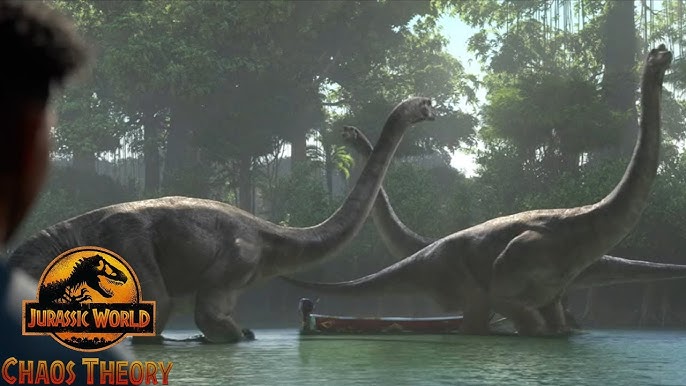
Perhaps the most famous cultural depiction of “Brachiosaurus” occurred in Steven Spielberg’s 1993 film Jurassic Park, where the protagonists’ first encounter with living dinosaurs featured a towering sauropod reaching into treetops. As mentioned earlier, this scene actually depicted Giraffatitan rather than true Brachiosaurus, but the emotional impact of seeing such a creature seemingly brought to life resonated with audiences worldwide and influenced public perception of these animals.
| Cultural Appearances | Examples |
|---|---|
| Films | Jurassic Park franchise, The Lost World (1925), Land Before Time series |
| Television | Walking with Dinosaurs, Prehistoric Planet, various documentaries |
| Literature | The Lost World by Michael Crichton, numerous children’s books |
| Video Games | Ark: Survival Evolved, Jurassic World Evolution, Dinosaur Safari |
| Museum Displays | Natural History Museum (London), Field Museum (Chicago), many others |
| Art & Illustration | Charles R. Knight paintings, paleoart by numerous modern artists |
| Educational Materials | Featured in textbooks, educational videos, and science centers |
| Toys & Merchandise | Featured prominently in dinosaur toy collections worldwide |
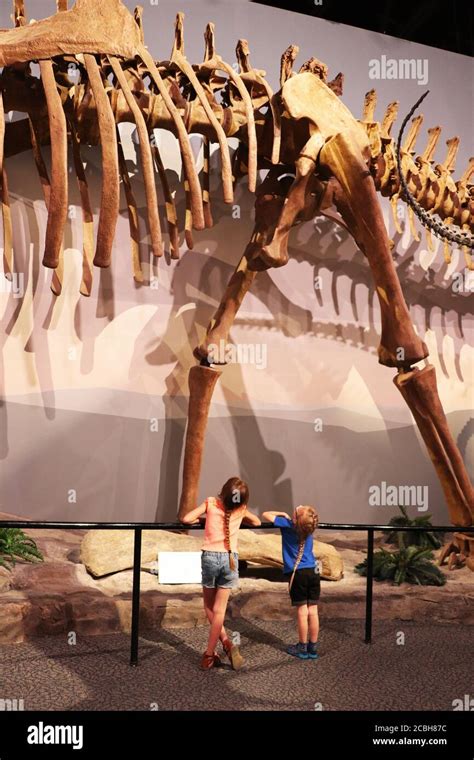
Museum exhibitions featuring Brachiosaurus provide important educational opportunities, allowing visitors to comprehend the true scale of these animals. Notable displays include specimens at the Field Museum in Chicago (the original institution where Riggs worked) and various cast replicas in museums worldwide. These exhibitions play a crucial role in public science education and continue to inspire new generations of paleontologists.
The cultural fascination with Brachiosaurus extends beyond entertainment, influencing scientific interest and funding for paleontological research. Public enthusiasm for spectacular dinosaurs like Brachiosaurus helps sustain scientific investigation into these extinct animals and their world, creating a positive feedback loop between popular culture and scientific discovery.
Conclusion: The Significance of Brachiosaurus
Brachiosaurus stands as one of the most significant dinosaur discoveries in paleontological history, not only for its impressive size but also for what it has taught us about evolutionary possibilities, biomechanical constraints, and Jurassic ecosystems. As one of the earliest known super-giant dinosaurs, it pushed the boundaries of our understanding of terrestrial animal size and helped establish sauropods as the largest land animals to have ever existed.
From a scientific perspective, Brachiosaurus continues to provide valuable insights into fundamental questions about physiology, growth, and adaptation. How did such massive animals regulate their body temperature? What feeding strategies allowed them to sustain their enormous size? How did they balance the competing demands of gigantism and reproduction? Ongoing research into these questions not only enhances our understanding of Brachiosaurus but contributes to broader fields of biological science.
| Legacy Aspects | Significance |
|---|---|
| Evolutionary Insights | Demonstrates convergent evolution of gigantism across dinosaur lineages |
| Biomechanical Understanding | Provides data on upper limits of terrestrial animal size |
| Ecological Perspective | Reveals niche partitioning among megaherbivores |
| Physiological Questions | Prompts research into thermoregulation and metabolic requirements |
| Paleoenvironmental Context | Helps reconstruct Morrison Formation ecosystems |
| Historical Importance | Among first sauropods to demonstrate the true scale of dinosaurs |
| Educational Value | Accessible example for teaching evolutionary concepts |
| Inspiration | Continues to inspire scientific and creative pursuits |
The story of Brachiosaurus is far from complete. Future discoveries may yet reveal new fossils that enhance our understanding of this iconic dinosaur’s anatomy, behavior, and evolutionary history. Advanced technologies will continue to allow more sophisticated analysis of existing specimens, potentially revealing details about soft tissues, coloration, and physiological adaptations that remain speculative today.
As we continue to explore the ancient world of dinosaurs, Brachiosaurus remains a powerful symbol of nature’s capacity for the extraordinary. In studying these magnificent creatures, we gain perspective not only on Earth’s distant past but also on the processes of evolution, adaptation, and environmental change that continue to shape life on our planet today.
Overview of Brachiosaurus
Introduction to Brachiosaurus
Brachiosaurus stands as one of the most iconic dinosaurs in the expansive pages of prehistoric life. Often recognized for its long neck and towering stature, this dinosaur roamed the Earth during the late Jurassic period, approximately 154 to 150 million years ago. Imagine wandering through lush, prehistoric forests and suddenly spotting an enormous creature, its massive head reaching toward the treetops as it grazed. The sheer size of Brachiosaurus was not only awe-inspiring but also pivotal in influencing the ecological dynamics of its time.
Known scientifically as Brachiosaurus altithorax, this titanic herbivore offers fascinating insights into dinosaur evolution and behavior. Its name, which translates to “arm lizard,” alludes to its distinctive long front limbs, a feature that sets it apart from many other sauropods. The Brachiosaurus was not just a spectacular creature of its time; its remarkable adaptations provided essential advantages that allowed it to dominate its habitat.
Historical Background
The discovery of Brachiosaurus traces back to the early 20th century, specifically to American paleontologist Elmer S. Riggs, who first described this dinosaur in 1903. Riggs’s work primarily focused on fossils discovered in what is now Colorado. The original fossils were primarily associated with the Morrison Formation, a geological formation rich with a variety of dinosaur remains that continues to excite paleontology enthusiasts today.
Brachiosaurus gained widespread popularity not only due to its fascinating characteristics but also due to its portrayal in films and literature. Its portrayal in popular media has shifted public perception from mere curiosity to fascination. This dinosaur quickly became a symbol of the grandeur of the Jurassic period, enchanting young children and dinosaur aficionados alike.
In exploring the historical timeline of Brachiosaurus research, it’s notable that there has been considerable debate regarding its taxonomy and classification within the Sauropod family. Numerous discoveries of similar but distinct species have occurred over the decades, leading to a richer understanding of the evolutionary lineage that produced these magnificent creatures.
Physical Characteristics
Brachiosaurus was a marvel of natural engineering, boasting several unique features that contributed to its size and functionality. Let’s delve into some of its most remarkable physical traits:
- Giant Size: Brachiosaurus is estimated to have reached lengths of up to 80–90 feet (24–27 meters) and weighed as much as 70 tons, making it one of the heaviest land animals known to exist.
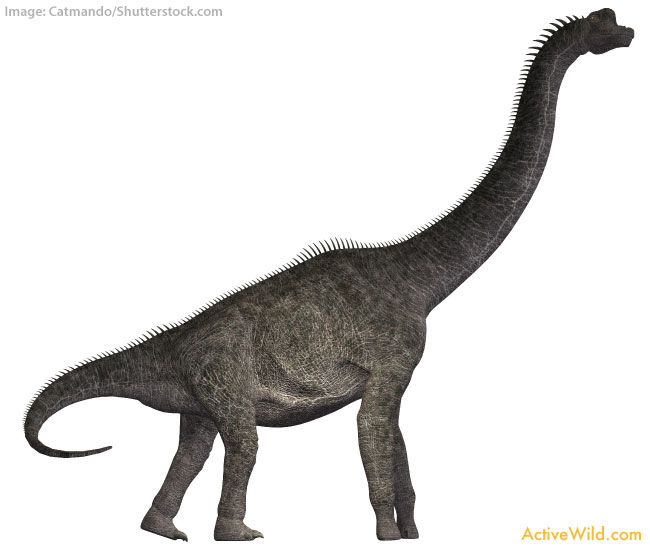
- Long Neck: One of its most distinguishing features, the long neck, comprised around half of the dinosaur’s total length. This adaptation allowed Brachiosaurus to access foliage atop the tallest trees, such as conifers and cycads, giving it a feeding advantage over other herbivores.
- Forelimb Structure: Unlike many other dinosaurs, Brachiosaurus had disproportionately long front limbs compared to its hind limbs. This anatomical configuration gave its body a more upright posture, allowing it to browse high vegetation effortlessly.
- Large Body and Robust Tail: The dinosaur’s robust body structure supported its massive size, while its long tail likely provided balance and stability.
- Unique Skull Shape: Brachiosaurus featured a somewhat flat skull with large nostrils positioned on the top of its head. This design likely aided in the breathing of air while the creature fed on vegetation from high branches.
In short, Brachiosaurus’s physical characteristics were not merely for show; they reflected adaptations that enabled it to thrive in its environment. This giant herbivore’s design showcases the incredible evolutionary experiments that occurred during the age of dinosaurs.
Brachiosaurus remains a compelling subject in the study of paleontology, enriching our understanding of dinosaur biology and the ecosystems they inhabited. Its impressive stature and fascinating historical background serve as excellent conversation starters among dinosaur enthusiasts. As research continues to uncover more about its lifestyle and adaptations, Brachiosaurus will undoubtedly hold a special place in the hearts of those who marvel at the wonders of the prehistoric world.
Discovery and Fossil Finds
Initial Discovery
The story of Brachiosaurus truly begins with its initial discovery, a momentous event that opened the floodgates to countless investigations in paleontology. In 1900, paleontologists discovered the first Brachiosaurus fossils in the rocky stretches of the Morrison Formation, primarily around Colorado. These fossils were unearthed among a treasure trove of dinosaur remains alongside other members of the sauropod family.
Elmer S. Riggs was the key figure behind the formal naming and classification of Brachiosaurus in 1903. Interestingly, Riggs had a knack for storytelling, often recounting how the massive bones were unearthed in the rugged terrain, requiring significant effort and teamwork among multiple paleontologists. Riggs’s determination, combined with his keen eye for detail, laid the groundwork for future research on this magnificent dinosaur.
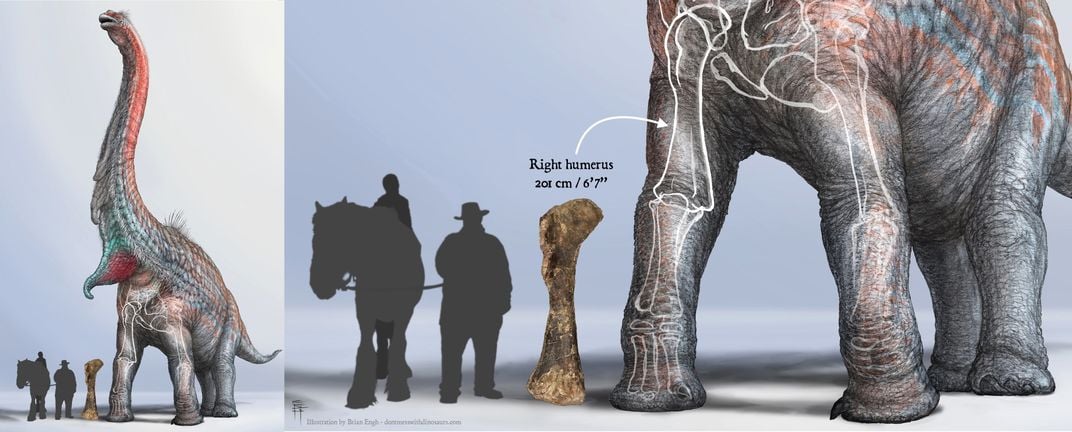
Imagine the awe and excitement of seeing the enormous vertebrae and limb bones being excavated for the first time. The team meticulously transported these massive specimens back to their respective laboratories, leading to detailed studies that would ultimately reshape the narrative of large herbivorous dinosaurs.
Key Fossil Findings
As paleontologists delve into the layers of the Earth, they have uncovered numerous key fossil finds that have deepened our understanding of Brachiosaurus. The first complete Brachiosaurus skeleton was reconstructed in 1994 at the Dinosaur National Monument in Utah. However, since Riggs’ original discovery, several significant fossil finds have emerged:
- Complete Skeletons: A number of nearly complete skeletons have been found in formations across North America. These fossils provide invaluable insights into the anatomy and posture of Brachiosaurus.
- Brachiosaurus Specimens in Europe: Remarkably, fossils attributed to Brachiosaurus have also been discovered in Europe, including demonstrable differences that hint at variations among different species or environmental adaptations.
- Multiple Sites: Fossils attributed to Brachiosaurus have been unearthed at various locations, including Montana, Utah, and even parts of Africa. This geographical spread has broadened the understanding of its habitat and distribution.
- Trackways: In addition to skeletal remains, some paleontologists have discovered fossilized trackways believed to belong to Brachiosaurus. These tracks provide clues about their behavior, movement patterns, and interactions with their environment.
These key fossil findings have been crucial in piecing together the life and times of Brachiosaurus, showcasing how its anatomy influenced its lifestyle. The fossils reveal not just the scope of its physical presence but also offer insights into its daily activities, including feeding habits and social structures.
Significance of Discoveries
The discoveries made about Brachiosaurus are significant for various reasons, extending beyond mere geological curiosity. Here’s why these finds matter:
- Understanding Evolution: The fossil record of Brachiosaurus contributes to the larger narrative of dinosaur evolution, shedding light on the adaptive strategies of sauropods. It helped paleontologists establish a more coherent lineage among large herbivores.
- Climate and Habitat Insights: By examining the geological context of Brachiosaurus fossils, scientists gain insights into the climate and habitats of the Jurassic period, revealing how these dinosaurs adapted to their environment.
- Educational Impact: The discovery of Brachiosaurus has had a profound cultural impact, inspiring countless documentaries, films, and educational initiatives. It engages the public’s imagination about prehistoric life, fostering interest in geology and paleontology.
- Conservation Lessons: These fossil findings remind us of the importance of preserving current ecosystems. By studying large herbivores and their environments, scientists can provide insights that may guide modern conservation efforts.
The journey of exploring Brachiosaurus is ongoing, with every new discovery weaving additional threads into the rich tapestry of life on Earth millions of years ago. Each fossil discovered serves as a gateway to understanding not only the past but also the intricacies of evolution and ecology. As scientists peel back the layers of time, the Brachiosaurus continues to be a magnificent emblem of both wonder and wisdom in the world of paleontology.
Habitat and Distribution
Environment and Habitat
Understanding the habitat and environment of Brachiosaurus reveals much about how this colossal creature thrived in the late Jurassic period. Picture a world teaming with life, filled with towering conifers, lush ferns, and an endless landscape of green. This was the world that Brachiosaurus inhabited — a rich, diverse ecosystem offering an abundance of vegetation.
Brachiosaurus favored a warm, humid climate characterized by lush vegetation and ample moisture. This environment was not just incidental; it was essential to the survival of this gigantic herbivore. Here are some specific features of its habitat:
- Forested Areas: Brachiosaurus thrived in vast forested regions, particularly woodlands filled with ancient trees. Its long neck allowed it to reach high foliage, a stark advantage over smaller herbivores that could not access the upper branches.
- Diverse Flora: The Jurassic period was marked by a wide variety of plant life, including cycads, ginkgos, and conifers. These plants were an essential food source for Brachiosaurus and provided the necessary nutrients to sustain its massive size.
- Water Sources: Proximity to rivers, lakes, and wetlands was crucial not just for drinking but also for supporting the lush vegetation that made up its diet. The dense, rich environment around these water sources likely attracted many herbivores, including various smaller dinosaurs who shared this habitat.
Throughout its range, Brachiosaurus exemplified the adaptability of sauropods to different ecological niches. Their specific environment equipped them with the tools they needed for survival, making the Jurassic forests a bustling hub of prehistoric life.
Geographical Distribution
Brachiosaurus was not just confined to one location; instead, its fossils have been unearthed across a variety of geological formations in North America and beyond—painting a broad picture of its geographical distribution.
- North America: The vast majority of Brachiosaurus fossils have been found in the Morrison Formation, which stretches across several states including Colorado, Utah, and Wyoming. This area is particularly rich in Jurassic period fossils and has provided an excellent fossil record for dinosaur enthusiasts.
- Africa: Interesting discoveries of Brachiosaurus-like fossils have also been made in Africa, particularly in regions like Tanzania. This suggests that Brachiosaurus had a wider range than previously understood, and it offers tantalizing hints at potential ecological variations between continents.
- Europe: Fossils that bear resemblance to Brachiosaurus have been discovered in Europe, such as in Portugal and England, which raises questions about the entire sauropod family’s origins and migrations. The exploration of these findings underscores the dinosaur’s adaptability to varying environments.
- Fossil Sites: Major fossil sites worldwide have yielded skeletons, teeth, and other remains that strengthen the understanding of Brachiosaurus’ distribution. Some of the most impressive excavations reveal not just individual bones but even entire family groups.
The geographical spread of Brachiosaurus highlights its role as a dominant herbivore in its ecosystems, helping to shape relationships among species and contributing to the intricate web of life during the Jurassic period.
As we dig deeper into this fascinating dinosaur’s habitat and distribution, it becomes clear that its ability to thrive in diverse environments was a critical factor in its success. Brachiosaurus’ story serves as a reminder of the connection between species and their habitats, emphasizing the delicate balance that characterizes ecosystems both past and present.
In a time when climate changes are a pressing concern, studying the ancient habitats of creatures like Brachiosaurus allows us to reflect on the adaptability of life and the importance of preserving our current ecosystems before they, too, become history. The world of Brachiosaurus is a rich tapestry of life, resilience, and adaptability that continues to capture the imagination of researchers and enthusiasts alike.
Behavior and Diet
Feeding Habits
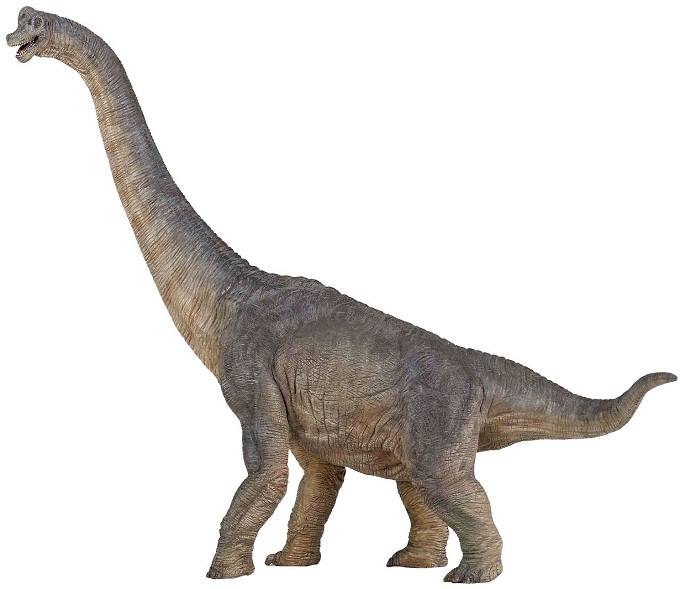
Brachiosaurus, with its colossal size and distinctive long neck, had unique feeding habits that set it apart from other dinosaurs. Imagine wandering through a dense prehistoric forest and watching this giant peacefully munching on treetops, its elongated neck extending gracefully to reach high branches. This was no ordinary herbivore; Brachiosaurus was a classic example of an “elevated feeder.”
So, what exactly did it dine on? Here are some staple items from the Brachiosaurus diet:
- Tall Vegetation: Brachiosaurus primarily fed on the leaves of towering conifers, cycads, and ginkgoes. Its long neck allowed it to browse at heights that many other herbivores could only dream of, accessing abundant, nutritious foliage.
- Plant Diversity: The diet wasn’t just one-dimensional; Brachiosaurus likely enjoyed a variety of plants, ensuring a well-rounded diet filled with essential nutrients. The vast expanse of available vegetation provided a buffet of options.
- Grazing Style: Unlike some herbivores that may have grazed close to the ground, the Brachiosaurus fed high above, reducing competition with other ground-dwelling dinosaurs. This strategic advantage was essential in a thriving ecosystem filled with diverse plant life.
As a large herbivore, Brachiosaurus required vast amounts of food daily to sustain its enormous body. Estimates suggest it consumed thousands of pounds of vegetation each day! Just imagine the sheer size of the area it needed to forage in order to maintain its majestic frame.
Social Behavior
In terms of social behavior, many paleontologists speculate that Brachiosaurus may have exhibited herd-like tendencies. Although solid evidence remains scarce, the notion of these giants roaming together sparks the imagination. Observing herds of elephants today offers a fascinating parallel; they show compassion, care, and structured social hierarchies.
Here are some potential social behaviors that Brachiosaurus may have engaged in:
- Group Living: It is believed that these giants might have formed small groups or herds for reasons such as safety in numbers, foraging efficiency, and perhaps even social bonding.
- Parental Care: Evidence from other sauropods suggests that there could have been some level of parental care exhibited, with adult Brachiosauruses protecting their young from predators.
- Vocalizations: While none have been definitively proven, it is certainly intriguing to consider that Brachiosaurus may have used low-frequency sounds or body language to communicate across their vast forested environments. Imagine the deep rumble of a Brachiosaurus echoing through the trees!
It’s likely that their social dynamics were complex and contributed to their survival, allowing them to navigate both feeding and foraging strategies effectively while minimizing dangers from potential predators.
Defense Mechanisms
Despite their size, Brachiosaurus was not invulnerable. As herbivores, they faced threats from carnivorous dinosaurs, particularly during their younger and more vulnerable stages. Here’s how Brachiosaurus likely defended itself against such threats:
- Size and Strength: One of the most obvious defense mechanisms was its sheer size. Any predator would think twice before attempting to take down a fully grown Brachiosaurus, whose weight exceeded that of a small car!
- Height Advantage: With their towering stature, Brachiosaurus could easily keep an eye on their surroundings and spot potential threats much earlier than more ground-bound dinosaurs.
- Swift Movement: Though not the fastest creature on Earth, Brachiosaurus could still move quite swiftly, especially when threatened. The ability to quickly flee to a dense cluster of trees provided a vital escape route.
- Herbivorous Defense: Often, herbivores are equipped with behaviors that allow them to stand their ground. Brachiosaurus could use its powerful tail to fend off attackers, much like elephants today who kick up dirt to ward off predators.
The adaptability of Brachiosaurus in terms of feeding habits, social interaction, and defensive strategies paints a vivid picture of its life in an era dominated by various pressures and threats. As researchers continue to explore fossils and study comparisons with modern descendants, the behavioral tapestry of these magnificent giants only becomes richer, inviting us deeper into the enigmatic world that once thrived on Earth. Understanding the behavior and diet of Brachiosaurus helps us appreciate not just this remarkable creature, but the intricate dance of life that existed during its time—a world just waiting to tell its story.
Extinction Theories
Theories on Extinction
The extinction of Brachiosaurus and its sauropod relatives raises many questions among paleontologists and enthusiasts alike. How did this colossal creature, which once roamed the Earth in abundance, vanish from the planet? Understanding the various theories surrounding their extinction is essential to piece together this ancient puzzle.
Several theories abound regarding the downfall of dinosaurs, including Brachiosaurus:
- Rapid Environmental Change: Rapid climate shifts and significant changes to the Earth’s ecosystems could have made it challenging for large herbivores like Brachiosaurus to adapt. These changes could have resulted from volcanic eruptions, which altered atmospheric conditions or from gradual temperature fluctuations affecting their habitats.
- Food Scarcity: As vegetation patterns changed due to environmental factors or competition with other species, food resources may have dwindled. A large herbivore like Brachiosaurus required vast amounts of vegetation to sustain its massive size, leading to stress and eventual decline if these resources became scarce.
- Predation Pressure: As ecosystems evolved, so did the predators. It’s possible that as new carnivorous species emerged, they posed a greater threat to the younger or weaker individual Brachiosauruses, exacerbating the decline in their population.
These theories are not mutually exclusive; they intertwine in a complex web of factors that contributed to the eventual extinction of these majestic creatures. So, what role did environmental changes play in this narrative?
Role of Environmental Changes
Environmental conditions during the time of Brachiosaurus were ever-shifting, influencing both flora and fauna. An increasing body of evidence suggests that these fluctuations were critical in the eventual extinction of many species, including the Brachiosaurus.
- Climate Shifts: The late Cretaceous period, when dinosaurs faced severe challenges, witnessed notable climatic fluctuations. As temperatures rose and fell, ecosystems faced disruption, impacting available food sources. A vegetarian giant like Brachiosaurus would have struggled to find enough foliage to eat as forests transformed into more arid landscapes.
- Habitat Destruction: The emergence of new plant species and environmental shifts drastically altered the habitat that Brachiosaurus once thrived in. As vegetation changed, it became increasingly difficult for these massive herbivores to sustain themselves, pushing them toward extinction.
- Ecosystem Dynamics: As various species adapted to changing environments, the balance of ecosystems shifted. These changes could have favored smaller herbivores or other predators, further reducing the population of larger herbivores like Brachiosaurus.
Such dramatic shifts remind us of the delicate balance required to sustain life—in just the way modern species are now grappling with their own challenges due to climate change. But what if an astronomical event played a pivotal role in their demise?
Impact of Asteroid Hypothesis
One of the most widely accepted theories regarding the extinction of dinosaurs, including Brachiosaurus, is the asteroid hypothesis. Picture this: approximately 66 million years ago, an asteroid, estimated to be about 6 miles (10 km) in diameter, struck the Yucatán Peninsula in present-day Mexico. This catastrophic event is thought to have triggered a chain reaction that forever altered life on Earth.
Here’s how the asteroid hypothesis played a crucial role in the extinction narrative:
- Immediate Catastrophe: The impact would have released enormous amounts of energy, creating massive fireballs and shockwaves. Earthquakes and tsunamis would have followed, devastating habitats almost instantaneously.
- Atmospheric Changes: The debris ejected into the atmosphere could have blocked sunlight for months or even years, leading to a phenomenon known as “impact winter.” This dramatic decrease in sunlight could have caused temperatures to plummet, disrupting photosynthesis and leading to a collapse of food chains.
- Long-term Climate Impact: Even after the initial impact, the aftermath would have led to lingering climate changes and decreased plant productivity. Without sufficient vegetation to sustain herbivores like Brachiosaurus, their population would have faced a sharp decline.
The asteroid hypothesis has gained substantial notoriety because of its believable link to rapid extinction patterns. Studies of the iridium layer found in sediment at the Cretaceous–Paleogene boundary, as well as discoveries of the Chicxulub crater, lend credibility to this theory.
The extinction of Brachiosaurus remains a poignant reminder of the fragility of life on Earth. As researchers continue to explore the fascinating interplay of environmental changes and catastrophic events, they uncover not just the past but also lessons applicable to today’s ongoing global changes. Understanding how these ancient giants disappeared from the Earth provides insights into adaptability, resilience, and ultimately, the importance of preserving our planet for future generations.
Legacy and Cultural Impact
Influence on Popular Culture
Brachiosaurus has left an indelible mark on popular culture, becoming one of the most recognizable dinosaurs in the world. Its majestic stature and unique physical characteristics have captured the imagination of artists, filmmakers, and storytellers for generations.
Consider the sensation that took over the world with the release of “Jurassic Park” in 1993. That iconic scene, where a herd of Brachiosaurus gracefully moved through the lush landscape, left audiences awestruck. It wasn’t just the visual effects that wowed viewers—it was the effective portrayal of Brachiosaurus as a gentle giant that sparked renewed interest in paleontology among the public.
Here are some notable ways Brachiosaurus has made its cultural mark:
- Movies and TV Shows: Beyond “Jurassic Park,” Brachiosaurus has appeared in numerous documentaries, animated series, and children’s books. From “Walking with Dinosaurs” to countless educational programs, its portrayal reinforces a sense of wonder about prehistoric life.
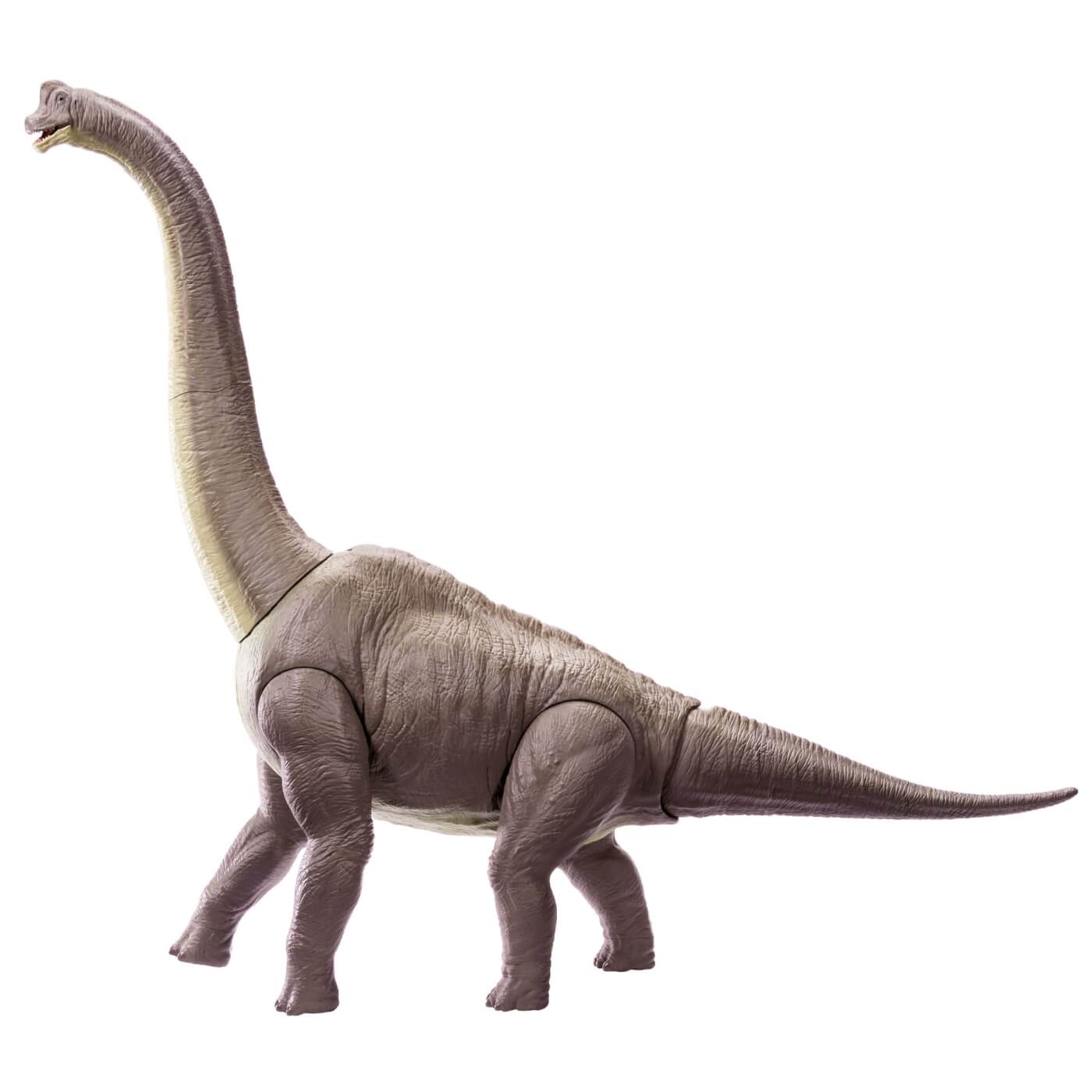
- Merchandising: Toys, models, and clothing featuring the Brachiosaurus have flooded the market, turning it into a beloved character among young budding paleontologists. Many children grow up playing with Brachiosaurus figurines, igniting a fascination that often lasts a lifetime.
- Public Events: Various exhibitions, such as those at museums and science centers, often showcase Brachiosaurus skeletons and life-sized replicas, allowing visitors to engage with its impressive physical form. These displays entice families and school groups, fostering learning and exploration of prehistoric life.
Brachiosaurus is more than just a dinosaur in a movie; it has become a symbol of the majestic and mysterious world of dinosaurs, captivating the public imagination and encouraging curiosity about the Earth’s ancient history.
Scientific Contributions
The scientific exploration of Brachiosaurus has significantly contributed to our understanding of dinosaur biology, evolution, and ecology. Researchers continue to unearth new findings that inform not only paleontology but also related disciplines such as geology and climate science.
- Evolutionary Insights: Brachiosaurus, as part of the sauropod family, helps scientists build a clearer picture of how these giant herbivorous dinosaurs adapted to their environments. Insights into their physical adaptations, like their long necks and large bodies, help explain how species evolve in response to ecological pressures.
- Paleobiology: The study of Brachiosaurus fossils has significantly influenced paleobiological studies. By examining bone structure, growth patterns, and trace fossils, researchers gain insights into the life cycle of these giants, deepening our understanding of their behavior and social structures.
- Ecological Studies: Understanding the diet and habitat of Brachiosaurus helps scientists draw connections between ancient ecosystems and modern environmental challenges. It underscores the importance of biodiversity and food web dynamics, offering valuable lessons pertinent to contemporary conservation discussions.
The continued research surrounding Brachiosaurus not only unveils the mysteries of the past but also lays the groundwork for future studies that explore the delicate interplay between life and the environment.
Conservation Efforts
The extinction of Brachiosaurus serves as a poignant reminder of the fragility of life and the importance of conservation efforts today. As we reflect on the majestic lives these dinosaurs once led, modern conservation initiatives strive to protect our planet’s biodiversity to prevent further extinctions.
- Educational Programs: Institutions and organizations focused on paleontology educate the public about extinct species like Brachiosaurus, emphasizing the importance of conservation. They highlight the parallels between past extinctions and today’s environmental crises, fostering a sense of urgency around habitat preservation.
- Awareness Campaigns: Various conservation efforts utilize the popularity of dinosaurs, including Brachiosaurus, to engage people of all ages in discussions about biodiversity loss and the importance of protecting endangered species. Events and exhibitions often feature dinosaurs to draw people in while encouraging advocacy for environmental issues.
- Research Funding: The scientific intrigue surrounding Brachiosaurus has also contributed to funding for paleontological research. This, in turn, supports broader conservation studies that track current endangered species and their habitats, providing insights that may help protect our planet’s biodiversity.
The legacy of Brachiosaurus extends well beyond its time on Earth. By captivating the imaginations of people worldwide and contributing valuable insights to science, it serves as both a bridge to our prehistoric past and a call to action for preserving the present. As we continue to study these marvelous creatures, we gain the knowledge and perspective necessary to protect our planet’s future, ensuring that the echoes of Brachiosaurus can be felt for generations to come.
Conclusion
Summary of Key Points
As we draw this exploration of Brachiosaurus to a close, it’s fascinating to reflect on the remarkable journey this dinosaur took from ancient earth to contemporary culture. Brachiosaurus was not just a giant among dinosaurs; it played a vital role in the ecosystems of the Jurassic period and continues to influence our understanding of prehistoric life today. Here’s a recap of the key points discussed:
- Overview of Brachiosaurus: This towering herbivore, recognizable by its long neck and massive body, adapted to living in lush environments filled with tall coniferous trees, where it could feed high above its peers.
- Discovery and Fossil Finds: From its initial discovery at the turn of the 20th century, numerous fossil finds have unveiled insights into its anatomy, feeding habits, and the ecosystems it flourished in. Key fossils across North America and parts of Europe and Africa have helped create a clearer picture of this dinosaur’s life and times.
- Behavior and Diet: The Brachiosaurus was an elevated feeder, utilizing its long neck to access a diverse range of foliage above. Social behavior likely included group living and potential parental care, while its defense mechanisms centered around its size and ability to outwit predators.
- Extinction Theories: With various extinction theories, including rapid climate change and the catastrophic asteroid impact, we see how multiple factors were likely intertwined in the decline of Brachiosaurus and other dinosaurs.
- Legacy and Cultural Impact: The influence of Brachiosaurus extends into popular culture, education, and scientific contributions. It has captured imaginations and ignited passions for paleontology, while also impacting modern conservation efforts.
In exploring Brachiosaurus, we see not only a connection to our distant past but also the importance of understanding ecological balance and biodiversity today.
Future Research Perspectives
Looking ahead, the study of Brachiosaurus offers numerous exciting avenues for future research. As technology and methodologies in paleontology continue to evolve, the potential to unlock further mysteries surrounding this extraordinary dinosaur remains bright. Here are some emerging fields and perspectives for future investigation:
- Advanced Imaging Techniques: With developments in 3D imaging and digital reconstruction, paleontologists can analyze Brachiosaurus fossils in greater detail than ever before. This technology allows for innovative studies of bone structure and growth patterns, potentially revealing new insights into how these giants lived and grew.
- Comparative Studies: Researchers can deepen their understanding of Brachiosaurus by comparing its fossils with those of related sauropod species. Such comparative analysis may offer clues about evolutionary adaptations and diversification in response to environmental pressures.
- Climate Change Studies: Current climate change studies can glean lessons from ancient ecosystems. By examining the role that climate shifts played in the extinction of Brachiosaurus, scientists can develop models to better understand how modern species may be affected by ongoing environmental changes.
- Public Engagement and Education: As Brachiosaurus remains a symbol of paleontological exploration, future research can utilize interactive platforms to engage the public. Virtual reality experiences and interactive exhibits can bring to life the world of Brachiosaurus, encouraging a new generation to explore the wonders of science.
- Interdisciplinary Research: Collaborations between paleontologists, ecologists, and climate scientists can offer a holistic approach to understanding past extinctions and informing present conservation strategies. Insights from Brachiosaurus research can help us tackle real-time issues of habitat destruction and biodiversity loss.
Brachiosaurus: Complete Guide to the Jurassic Giant | Anatomy, Behavior & Legacy
Explore everything about Brachiosaurus, from its massive anatomy and feeding habits to habitat and extinction. Discover the latest scientific research on this iconic Jurassic sauropod.
- “Dinosaurs of the Morrison Formation” when discussing habitat and co-occurring species
- “Evolution of Sauropod Gigantism” when discussing physical characteristics
- “Late Jurassic Ecosystems” when discussing feeding habits and vegetation
In summary, while Brachiosaurus may have long since vanished from our Earth, its legacy continues to resonate in both the scientific community and popular culture. The pursuit of knowledge about this remarkable giant holds the potential to enrich our comprehension of life on Earth, both in the past and for generations to come. As researchers embark on new adventures in understanding Brachiosaurus and its world, the echoes of its majesty remind us of the richness of life that has walked the planet, inspiring future generations to value and protect the biodiversity present today.