

The Daily Ecosystem: 24 Hours of Wildlife Survival in the Neotropics
Amazon rainforest animals participate in an intricate, non-stop Amazon rainforest circle of life that unfolds over every single minute of the day and night. During a standard 24 hours in Amazon environments, life shifts dramatically from the vibrant, sunlit canopy layers dominated by avian species to the dark, mysterious forest floor ruled by apex predators and nocturnal foragers. This vast Amazon ecosystem operates as a perfectly balanced biological engine, where each organism’s survival depends on the timely activities of others. From the early morning calls of howler monkeys to the silent nighttime hunts of jaguars, understanding this daily rotation provides unparalleled insight into the world’s most biodiverse habitat. According to experts at the World Wildlife Fund (WWF), the region houses at least 10% of the world’s known biodiversity, making its daily rhythms essential to global ecological stability.
Journey Through the Day
- 06:00 AM – The Canopy Awakens with Scarlet Macaws
- 07:00 AM – Howler Monkeys Claim Their Territory
- 08:00 AM – Leafcutter Ants Begin the Fungus Farm Shift
- 09:00 AM – Poison Dart Frogs Hunt in the Damp Leaf Litter
- 10:00 AM – Three-Toed Sloths Warm Up in the Canopy
- 11:00 AM – Toco Toucans Forage for Exotic Canopy Fruits
- 12:00 PM – Harpy Eagles Scan the Treetops for Prey
- 01:00 PM – Capybaras Cool Off on the Riverbanks
- 02:00 PM – Giant River Otters Defend Their Aquatic Turf
- 03:00 PM – Red-Bellied Piranhas Patrol the Murky Waters
- 04:00 PM – Pink River Dolphins Navigate Flooded Forests
- 05:00 PM – Amazonian Tapirs Emerge from Dense Undergrowth
- 06:00 PM – The Dusk Transition and Cicada Chorus Begins
- 07:00 PM – Jaguars Embark on Their Nightly Prowl
- 08:00 PM – Ocelots Stalk Silently Through the Shadows
- 09:00 PM – Goliath Birdeater Tarantulas Leave Their Burrows
- 10:00 PM – Black Caimans Wait Patiently in the Shallows
- 11:00 PM – Night Monkeys Forage by the Pale Moonlight
- 12:00 AM – Common Vampire Bats Take Flight in the Dark
- 01:00 AM – Emerald Tree Boas Prepare Ambush Strikes
- 02:00 AM – Kinkajous Navigate High Branches for Nectar
- 03:00 AM – Giant Sphinx Moths Pollinate the Night Blooms
- 04:00 AM – Glass Frogs Call Near the Gentle Streams
- 05:00 AM – Green Anacondas Digest Before the Dawn Breaks
06:00 AM – The Canopy Awakens with Scarlet Macaws

As the first rays of sunlight pierce the dense green canopy, the vibrant Scarlet Macaws take flight. These highly intelligent birds are among the most iconic Amazon rainforest animals, and their loud, raucous calls serve as nature’s alarm clock, signaling the start of the diurnal shift. Flocks embark on miles-long journeys to locate fruiting trees and vital clay licks along riverbanks. Consuming this mineral-rich clay helps them neutralize toxins found in the seeds they eat, perfectly demonstrating the intricate adaptations required for survival in the Amazon ecosystem.
| Species Focus | Ecosystem Role | Primary Diet |
|---|---|---|
| Scarlet Macaw (Ara macao) | Seed Disperser | Seeds, fruits, nuts, clay |
07:00 AM – Howler Monkeys Claim Their Territory

By seven in the morning, the jungle resonates with one of the loudest sounds in the animal kingdom. Red Howler Monkeys begin their territorial choruses, sounds that can travel up to three miles through the dense vegetation. This vocalization is a vital part of the Amazon rainforest circle of life, preventing physical conflicts between rival troops by establishing clear boundaries. After the morning chorus, they settle into the canopy to consume massive quantities of leaves, playing a crucial role as primary consumers in the habitat’s vast food web.
| Species Focus | Ecosystem Role | Vocalization Range |
|---|---|---|
| Red Howler Monkey (Alouatta seniculus) | Primary Consumer (Folivore) | Up to 3 miles (4.8 km) |
08:00 AM – Leafcutter Ants Begin the Fungus Farm Shift

Down on the forest floor, a microscopic yet massive civilization is already hard at work. Millions of Leafcutter Ants form long, green highways, carrying leaf fragments many times their body weight back to their underground colonies. Interestingly, they do not eat these leaves; instead, they use them to cultivate a specialized fungus, which serves as their actual food source. This mutualistic farming relationship is a cornerstone of nutrient cycling during any given 24 hours in Amazon territories, breaking down plant matter and aerating the soil.
| Species Focus | Ecosystem Role | Colony Size |
|---|---|---|
| Leafcutter Ant (Atta spp.) | Decomposer / Fungus Farmer | Up to 8 million individuals |
09:00 AM – Poison Dart Frogs Hunt in the Damp Leaf Litter
As the ambient temperature rises, the forest floor becomes a hunting ground for tiny, brilliantly colored Poison Dart Frogs. Their neon hues act as a vivid warning to predators—a mechanism known as aposematism. They spend their mid-mornings hopping through the damp leaf litter, actively hunting small insects like ants, termites, and mites. The specific alkaloid-rich diet they consume is exactly what allows them to synthesize their deadly skin toxins, linking their predator defense directly to their prey selection in the Amazon ecosystem.
| Species Focus | Ecosystem Role | Defense Mechanism |
|---|---|---|
| Poison Dart Frog (Dendrobatidae) | Insectivore / Population Control | Alkaloid toxins / Aposematism |
10:00 AM – Three-Toed Sloths Warm Up in the Canopy

High above the frantic activity of the forest floor, the Brown-throated Three-toed Sloth embraces the mid-morning sun. These notoriously slow mammals deliberately seek out patches of sunlight in the canopy to raise their body temperature, aiding their extremely slow metabolism in digesting tough, fibrous leaves. Sloths are essentially walking ecosystems themselves; their fur hosts a unique species of algae that provides camouflage against visually hunting predators like eagles, showcasing a brilliant symbiotic adaptation among Amazon rainforest animals.
| Species Focus | Ecosystem Role | Metabolic Rate |
|---|---|---|
| Three-toed Sloth (Bradypus variegatus) | Canopy Herbivore / Host organism | Extremely low (energy conservation) |
11:00 AM – Toco Toucans Forage for Exotic Canopy Fruits
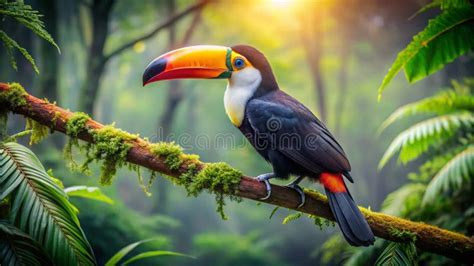
Approaching midday, the iconic Toco Toucans become highly active. Equipped with their massive, colorful bills, they effortlessly pluck hard-to-reach fruits from the terminal branches of canopy trees. Despite its heavy appearance, the toucan’s beak is a lightweight honeycomb structure of keratin, functioning simultaneously as a feeding tool and a highly efficient thermoregulator to shed excess body heat. By swallowing fruits whole and regurgitating or excreting the seeds far from the parent tree, they maintain the vegetative diversity of the Amazon rainforest circle of life.
| Species Focus | Ecosystem Role | Key Adaptation |
|---|---|---|
| Toco Toucan (Ramphastos toco) | Frugivore / Seed Disperser | Vascularized bill for thermoregulation |
12:00 PM – Harpy Eagles Scan the Treetops for Prey

At high noon, the apex predator of the skies, the Harpy Eagle, commands the emergent layer. Armed with talons larger than grizzly bear claws, this massive raptor perches silently, scanning the branches below for movement. Their presence is a vital component of the Amazon ecosystem, as they regulate the populations of medium-sized mammals like sloths and monkeys. When a target is spotted, the eagle weaves through the dense foliage with astonishing agility, ensuring the survival of the fittest in the jungle canopy.
| Species Focus | Ecosystem Role | Primary Prey |
|---|---|---|
| Harpy Eagle (Harpia harpyja) | Apex Predator (Avian) | Sloths, Monkeys, Iguanas |
01:00 PM – Capybaras Cool Off on the Riverbanks

As the afternoon heat reaches its peak, families of Capybaras—the world’s largest rodents—retreat to the muddy banks of the Amazon’s many tributaries. Being semi-aquatic, they spend the hottest part of their 24 hours in Amazon environments submerged in water to regulate their body temperature and hide from terrestrial predators. Grazing heavily on aquatic plants and grasses, capybaras act as nature’s lawnmowers, keeping waterways clear and converting tough plant material into biomass that sustains larger predators like caimans and jaguars.
| Species Focus | Ecosystem Role | Habitat Preference |
|---|---|---|
| Capybara (Hydrochoerus hydrochaeris) | Primary Consumer / Prey Base | Riparian zones, Swamps, Rivers |
02:00 PM – Giant River Otters Defend Their Aquatic Turf

Sharing the waterways with the capybaras are the highly social and intensely vocal Giant River Otters. Operating in close-knit family groups, these “river wolves” spend their afternoons actively hunting fish, crustaceans, and occasionally small caimans. Their coordinated hunting strategies and aggressive territorial defenses demonstrate complex social structures among Amazon rainforest animals. By consuming large quantities of fish daily, they keep fish populations healthy and prevent any single species from dominating the complex aquatic food webs.
| Species Focus | Ecosystem Role | Social Structure |
|---|---|---|
| Giant River Otter (Pteronura brasiliensis) | Apex Predator (Aquatic) | Matriarchal family groups |
03:00 PM – Red-Bellied Piranhas Patrol the Murky Waters

Beneath the surface, schools of Red-bellied Piranhas continuously patrol the slow-moving rivers. Despite their fearsome reputation in Hollywood, their actual role in the Amazon rainforest circle of life is largely as opportunistic scavengers. They play a critical sanitary role in the aquatic ecosystem by rapidly consuming sick, injured, or dead animals that fall into the water, thereby preventing disease outbreaks and water contamination. Their razor-sharp teeth and powerful jaws make quick work of organic debris.
| Species Focus | Ecosystem Role | Feeding Behavior |
|---|---|---|
| Red-bellied Piranha (Pygocentrus nattereri) | Scavenger / Aquatic Predator | Opportunistic / Schooling |
04:00 PM – Pink River Dolphins Navigate Flooded Forests

As the late afternoon shadows begin to lengthen, the legendary Pink River Dolphins (Botos) weave elegantly through the submerged tree trunks of the flooded forests (igapós). Uniquely adapted to the Amazon ecosystem, these dolphins have unfused neck vertebrae, allowing them to turn their heads 90 degrees to navigate complex root systems in search of hidden fish and crabs. They use highly advanced echolocation to hunt in the tannin-darkened waters, thriving as the undisputed masters of the flooded jungle.
| Species Focus | Ecosystem Role | Unique Adaptation |
|---|---|---|
| Amazon River Dolphin (Inia geoffrensis) | Apex Aquatic Predator | Unfused cervical vertebrae |
05:00 PM – Amazonian Tapirs Emerge from Dense Undergrowth

With the day cooling down, the solitary and elusive Amazonian Tapir begins its foraging cycle. Resembling a cross between a pig and an anteater with its prehensile snout, the tapir is heavily reliant on water and dense foliage. During their active 24 hours in Amazon woodlands, they push through thick underbrush, consuming hundreds of varieties of leaves, shoots, and fruits. Because they travel vast distances and excrete intact seeds, tapirs are profoundly important ecosystem engineers, widely regarded as the “gardeners of the forest.”
| Species Focus | Ecosystem Role | Dietary Classification |
|---|---|---|
| South American Tapir (Tapirus terrestris) | Mega-herbivore / Seed Disperser | Browser and Frugivore |
06:00 PM – The Dusk Transition and Cicada Chorus Begins
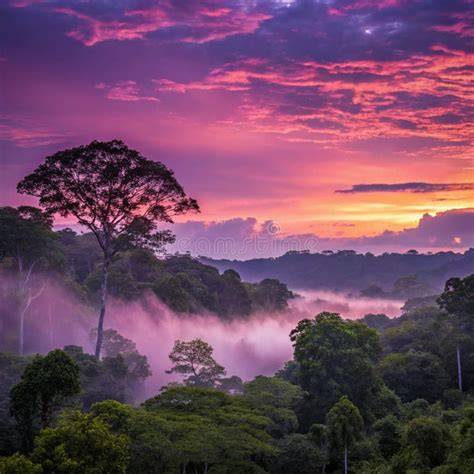
At six o’clock, the equatorial sun sets rapidly, triggering a dramatic shift in the cast of active Amazon rainforest animals. The transition is marked by a deafening chorus of cicadas and tree frogs, a wall of sound that signals the end of the diurnal shift and the awakening of the nocturnal predators. Birds return to their roosts, monkeys settle into high branches, and the temperature drops. This brief twilight period is a dangerous time, as crepuscular hunters take advantage of the fading light to ambush prey.
| Species Focus | Ecosystem Role | Activity Period |
|---|---|---|
| Cicadas & Amphibians | Prey Base / Acoustic signaling | Crepuscular (Dusk) |
07:00 PM – Jaguars Embark on Their Nightly Prowl

Under the cover of complete darkness, the undisputed king of the neotropics begins its hunt. The Jaguar, a solitary and stealthy apex predator, utilizes superior night vision and padded paws to move silently through the undergrowth. Their exceptionally powerful jaws allow them to crush the skulls of capybaras, caimans, and tapirs with a single bite. By keeping the populations of large herbivores and aquatic reptiles in check, the jaguar sustains the delicate balance of the Amazon rainforest circle of life.
| Species Focus | Ecosystem Role | Hunting Strategy |
|---|---|---|
| Jaguar (Panthera onca) | Terrestrial Apex Predator | Nocturnal Ambush / Skull-biting |
08:00 PM – Ocelots Stalk Silently Through the Shadows

Sharing the night with the jaguar is the smaller but equally lethal Ocelot. This beautifully patterned feline dominates the meso-predator niche within the Amazon ecosystem. Prowling the forest floor and lower branches at eight o’clock, they track rodents, small reptiles, and sleeping birds by scent and sound. Ocelots play a critical role in controlling the fast-breeding rodent populations, which would otherwise overconsume vital seeds and disrupt forest regeneration.
| Species Focus | Ecosystem Role | Primary Prey |
|---|---|---|
| Ocelot (Leopardus pardalis) | Meso-predator | Rodents, Lizards, Small Birds |
09:00 PM – Goliath Birdeater Tarantulas Leave Their Burrows
As night deepens, the world’s largest spider by mass emerges from its silk-lined burrow. The Goliath Birdeater Tarantula, despite its name, rarely eats birds; instead, it uses its immense size and inch-long fangs to subdue large insects, frogs, and mice. Lacking good eyesight, these massive arachnids rely on sensitive hairs on their legs to detect the vibrations of passing prey. They represent the incredible invertebrate diversity found within the span of 24 hours in Amazon ecosystems, turning the forest floor into a lethal trap for the unwary.
| Species Focus | Ecosystem Role | Sensory Adaptation |
|---|---|---|
| Goliath Birdeater (Theraphosa blondi) | Invertebrate Apex Predator | Vibration-sensitive setae (hairs) |
10:00 PM – Black Caimans Wait Patiently in the Shallows

By 10:00 PM, the calm surface of the oxbow lakes reflects the moonlight, concealing the massive Black Caiman waiting just below. Growing up to 16 feet long, this dark-scaled crocodilian is the undisputed ruler of the Amazon’s nocturnal waters. They lie perfectly still, utilizing sensory pits along their jaws to detect the slightest ripples caused by swimming capybaras or fish. As apex predators, their hunting activities are essential to regulating aquatic populations in the Amazon rainforest circle of life.
| Species Focus | Ecosystem Role | Maximum Size |
|---|---|---|
| Black Caiman (Melanosuchus niger) | Aquatic Apex Predator | Up to 16 feet (5 meters) |
11:00 PM – Night Monkeys Forage by the Pale Moonlight

High in the canopy, the unique Night Monkey (or Owl Monkey) begins its shift. Being the only truly nocturnal monkeys in the world, they have evolved massive eyes to gather as much moonlight and starlight as possible. By foraging for fruits and nectar during the night, they avoid direct competition with diurnal primates like capuchins and howlers. This temporal niche partitioning is a brilliant strategy employed by Amazon rainforest animals to maximize resource utilization and minimize conflict.
| Species Focus | Ecosystem Role | Evolutionary Trait |
|---|---|---|
| Night Monkey (Aotus spp.) | Nocturnal Frugivore | Enlarged eyes for scotopic vision |
12:00 AM – Common Vampire Bats Take Flight in the Dark
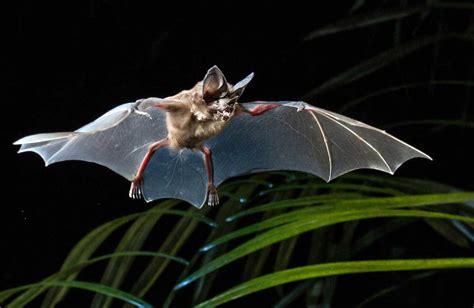
At the stroke of midnight, the skies belong to the bats, including the specialized Common Vampire Bat. Using a combination of echolocation and heat sensors on their noses, they locate sleeping mammals, such as tapirs or resting birds. Making a tiny, painless incision, they lap up small amounts of blood, kept flowing by anticoagulant saliva. While seemingly macabre, this micro-predation rarely harms the host significantly, adding a fascinating layer of parasitic interaction to the Amazon ecosystem.
| Species Focus | Ecosystem Role | Dietary Specialization |
|---|---|---|
| Common Vampire Bat (Desmodus rotundus) | Sanguivore (Parasitic) | Mammalian and Avian Blood |
01:00 AM – Emerald Tree Boas Prepare Ambush Strikes
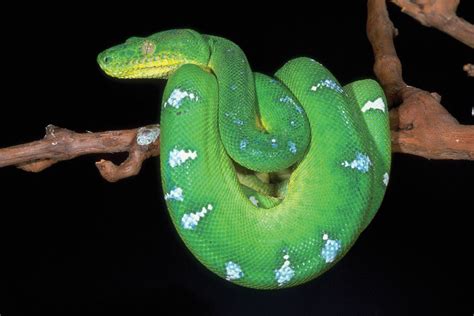
Draped perfectly over a sturdy branch, the vividly green Emerald Tree Boa waits in total stillness. At 1:00 AM, this non-venomous constrictor relies heavily on deep heat-sensing pits located along its upper lip to detect the thermal signatures of passing rodents or roosting birds. Once prey comes within range, the boa strikes with lightning speed, securing the meal with enlarged front teeth before wrapping its muscular body to constrict. Their silent patience defines the nocturnal predator strategy over 24 hours in Amazon jungles.
| Species Focus | Ecosystem Role | Hunting Method |
|---|---|---|
| Emerald Tree Boa (Corallus caninus) | Arboreal Predator | Thermal detection / Constriction |
02:00 AM – Kinkajous Navigate High Branches for Nectar

Scurrying through the high branches in the darkest hours of the morning is the Kinkajou, a completely nocturnal mammal related to raccoons. Often heard but rarely seen, they use their highly prehensile tails as a fifth limb to reach delicate night-blooming flowers. As they dip their long tongues into blossoms to extract nectar, pollen sticks to their faces. As they move from tree to tree, they act as vital nocturnal pollinators, an often-overlooked yet critical function in the Amazon rainforest circle of life.
| Species Focus | Ecosystem Role | Key Adaptation |
|---|---|---|
| Kinkajou (Potos flavus) | Frugivore / Nocturnal Pollinator | Prehensile tail and long tongue |
03:00 AM – Giant Sphinx Moths Pollinate the Night Blooms
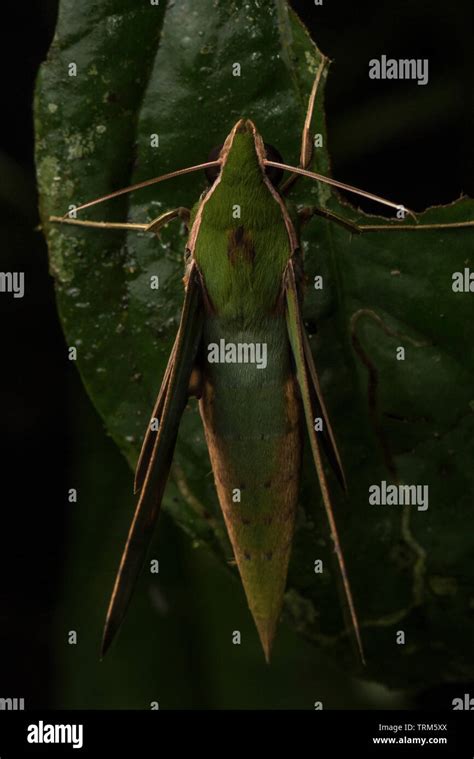
Complementing the kinkajous are the incredible Giant Sphinx Moths, which hover like hummingbirds in the 3:00 AM darkness. Many Amazonian plant species have evolved specifically to bloom only at night, producing pale, strongly scented flowers to attract these exact moths. With proboscises that can be longer than their entire bodies, they reach deep into orchids and vines. This specialized mutualism ensures the reproduction of specific flora, sustaining the botanical foundation of the Amazon ecosystem.
| Species Focus | Ecosystem Role | Target Flora |
|---|---|---|
| Giant Sphinx Moth (Sphingidae) | Specialized Pollinator | Night-blooming Orchids & Vines |
04:00 AM – Glass Frogs Call Near the Gentle Streams

As the night begins its final stretch, the delicate Glass Frogs can be found clinging to leaves overhanging jungle streams. Named for their translucent undersides—which literally allow you to see their beating hearts—these tiny amphibians are highly sensitive to environmental changes, serving as key indicator species for the health of Amazon rainforest animals. Males fiercely guard clutches of eggs laid on these leaves; when tadpoles hatch, they drop directly into the water below to begin the next aquatic phase of their lives.
| Species Focus | Ecosystem Role | Unique Characteristic |
|---|---|---|
| Glass Frog (Centrolenidae) | Insectivore / Indicator Species | Translucent abdominal skin |
05:00 AM – Green Anacondas Digest Before the Dawn Breaks

In the quiet, cool hours just before dawn, a massive Green Anaconda rests semi-submerged in a slow-moving swamp. As the heaviest snake in the world, an adult anaconda may have successfully ambushed a capybara or small deer earlier in the night. Now, its slow metabolism takes over, initiating a digestive process that can last for weeks. Their presence as apex constrictors dictates the movement of terrestrial prey near water sources, acting as the final, silent regulator in a typical 24 hours in Amazon environments before the sun rises to start the cycle anew.
| Species Focus | Ecosystem Role | Metabolic Characteristic |
|---|---|---|
| Green Anaconda (Eunectes murinus) | Apex Aquatic Constrictor | Extremely slow digestion |
The Amazon rainforest circle of life never truly pauses; it merely passes the baton between a rotating cast of incredible organisms. Over the span of 24 hours in Amazon territories, millions of species interact in a beautifully complex, ruthless, yet perfectly balanced web of predation, pollination, decomposition, and mutualism. Every creature, from the microscopic fungus farmed by leafcutter ants to the apex jaguar ruling the night, plays an indispensable role. Preserving this phenomenal Amazon ecosystem is critical, not just for the survival of the unique Amazon rainforest animals that call it home, but for the ecological health and climate stability of our entire planet.