

Introduction
Background of Megaraptor
Megaraptor, a unique predatory dinosaur that roamed the Earth during the Late Cretaceous period, primarily captivated paleontologists with its distinct features and enigmatic nature. Discovered in Argentina, this dinosaur showcased an impressive combination of size and agility. Measuring around 20 feet long, Megaraptor likely had powerful limbs and sharp claws.
Significance of Megaraptor in Paleontology
Megaraptor holds substantial importance in the field of paleontology for several reasons:
- Evolutionary Insights: Helps trace the evolutionary lineage of theropods.
- Ecological Role: Provides clues about predator-prey dynamics in its ecosystem.
- Unique Anatomy: Offers a view into the diversity of dinosaur morphology.
Its discovery has sparked ongoing research and fascination, underscoring the diverse adaptations dinosaurs developed for survival.
Discovery and Naming
Unearthing Megaraptor Fossils
The journey to discover Megaraptor began in the late 1990s in the remote regions of Argentina. Paleontologists uncovered a set of impressive fossils that sparked excitement in the scientific community.
- Findings: Initial discoveries included large claws and some skeletal remains.
- Significance: This find challenged existing assumptions about dinosaur morphology in the theropod group.
As archaeologists pieced together the evidence, the unique structure of the fossils suggested a previously unknown species.
Naming the Dinosaur: Megaraptor namunhuaiquii
In 2003, these fascinating fossils were officially named Megaraptor namunhuaiquii, a name that reflects both its immense size and the region of its discovery. The term "Megaraptor" means "large thief," alluding to its predatory nature, while "namunhuaiquii" pays tribute to the indigenous Mapuche people, showcasing the dinosaur's cultural significance. This naming encapsulated not only its physical traits but also honored local heritage, bridging the past and present.
Physical Characteristics
Anatomy of Megaraptor
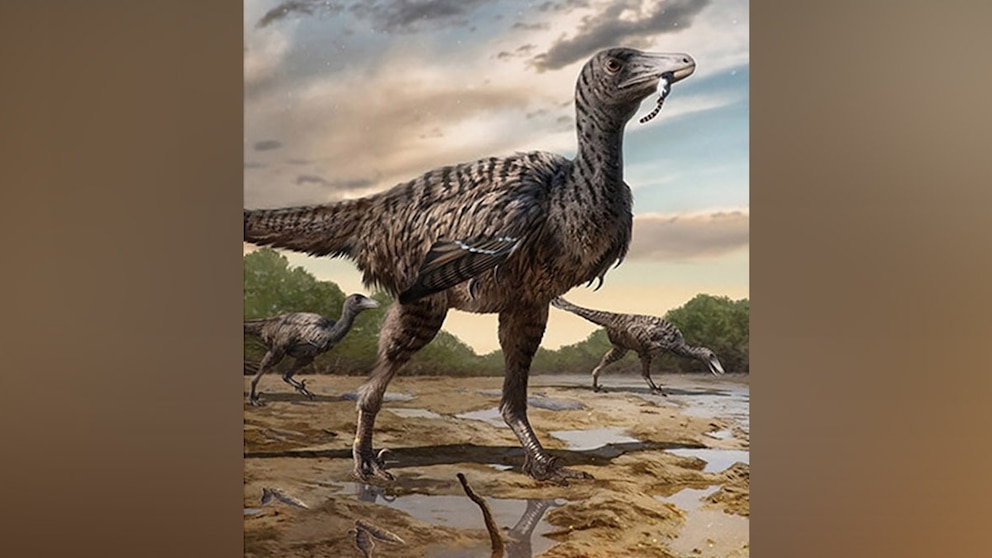
Megaraptor's anatomy is truly fascinating, characterized by a blend of features that highlight its adaptability as a predator.
- Limbs: It boasted long, powerful arms ending in large, curved claws—perfect for grasping prey.
- Skull Structure: Its skull had a distinctive shape, equipped with sharp teeth designed for tearing flesh.
- Posture: Megaraptor likely showcased a balance between bipedal agility and possible arboreal adaptations.
These adaptations made Megaraptor an impressive hunter in its Cretaceous habitat.
Size and Weight Estimates
When it came to size, Megaraptor was no small fry. Estimates suggest it reached around 20 feet in length, which is significantly large for a theropod.
- Weight: Researchers believe it weighed approximately 1,000 pounds.
- Comparison: To visualize, that's about the size of a modern-day car—a true giant among its peers!
Understanding these physical traits helps paleontologists piece together Megaraptor's life and environment.
Hunting Behavior
Megaraptor as a Predator
As a formidable predator, Megaraptor likely occupied a top position in its food chain, thanks to its robust physical attributes and keen hunting instincts.
- Diet: Its sharp teeth and powerful claws indicate it primarily hunted large prey, such as smaller dinosaurs and possibly even large mammals.
- Agility: Despite its size, Megaraptor's elongated limbs suggested it had considerable speed and dexterity, making it a proficient hunter.
Imagining it stealthily stalking through dense vegetation paints a vivid picture of its predatory prowess.
Speculations on Hunting Strategies
Researchers speculate that Megaraptor employed various hunting techniques, showcasing its adaptability.
- Ambush Tactics: It may have relied on surprise attacks, using its agility to leap out and catch unsuspecting prey off guard.
- Pack Hunting: Some scientists suggest that, like modern predatory animals, Megaraptor could have hunted in groups, increasing its chances of success.
These theories provide intriguing insights into how Megaraptor navigated its prehistoric landscape while securing meals.

Evolutionary History
Megaraptor's Place in the Dinosaur Family Tree
Megaraptor holds an intriguing position in the dinosaur family tree, belonging to a group of theropods that showcase remarkable diversity.
- Classification: It is often classified as a coelurosaur, a clade that includes birds and other small theropods.
- Phylogenetic Relationships: Studies indicate that Megaraptor is more closely related to the enigmatic alvarezsaurs, helping scientists understand the evolutionary shifts in predatory traits.
This unique lineage highlights how species adapted over millions of years to thrive in varying environments.
Changes Over Time in Megaraptor's Species
Throughout its evolutionary history, Megaraptor likely experienced several changes that shaped its survival strategies.
- Morphological Changes: Adaptations in limb structure could reflect a response to available prey or environmental shifts.
- Diverse Species: Fossil evidence suggests the existence of multiple related species, each adapting uniquely to their ecosystems.
These evolutionary changes not only demonstrate resilience but also offer insights into the broader narrative of dinosaur evolution and extinction.

Extinction and Legacy
The Demise of Megaraptor
The extinction of Megaraptor, like many dinosaurs, remains shrouded in mystery. While the exact cause is still debated, researchers believe several factors contributed to its demise.
- Climate Change: Shifts in climate could have altered habitats, making survival challenging.
- Competition: Increasing competition from other predatory species may have impacted its food sources.
These environmental pressures likely played a crucial role in the eventual extinction of Megaraptor during the Cretaceous–Paleogene extinction event.
Scientific Impact and Continued Study of Megaraptor
Despite its extinction, Megaraptor has left a significant legacy in paleontology.
- Fossil Studies: Continuous research on its fossils has provided invaluable insights into theropod evolution.
- Educational Importance: Megaraptor serves as a captivating example in discussions about dinosaur physiology and ecosystems.
The fascination with Megaraptor persists, inspiring ongoing studies and sparking curiosity about the complex tapestry of life on Earth millions of years ago.