
Overview of Apatosaurus
History and Discovery
The Apatosaurus, once misnamed as Brontosaurus, was first discovered in the late 19th century. In 1877, paleontologist Othniel Charles Marsh unearthed the first bones in Colorado. Imagine the excitement of finding such massive fossils! Its name means "deceptive lizard," reflecting early confusion in dinosaur classification.
- Key dates:
- 1877: First discovery by Marsh
- 1903: Renaming to Brontosaurus
- 1990s: Reassessment confirmed Apatosaurus as the correct name
Physical Characteristics
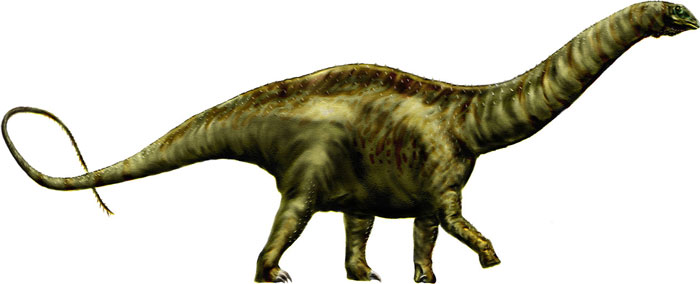
Apatosaurus was colossal, weighing around 20-30 tons and reaching lengths of up to 75 feet! Its long, neck allowed it to forage for leaves high in trees. Key features include:
- Long neck for high feeding
- Massive body to store energy
- Tail that could be used for balance and defense
These impressive physical traits made the Apatosaurus a unique giant of the Jurassic period.
Habitat and Behavior of Apatosaurus
Habitat Preferences
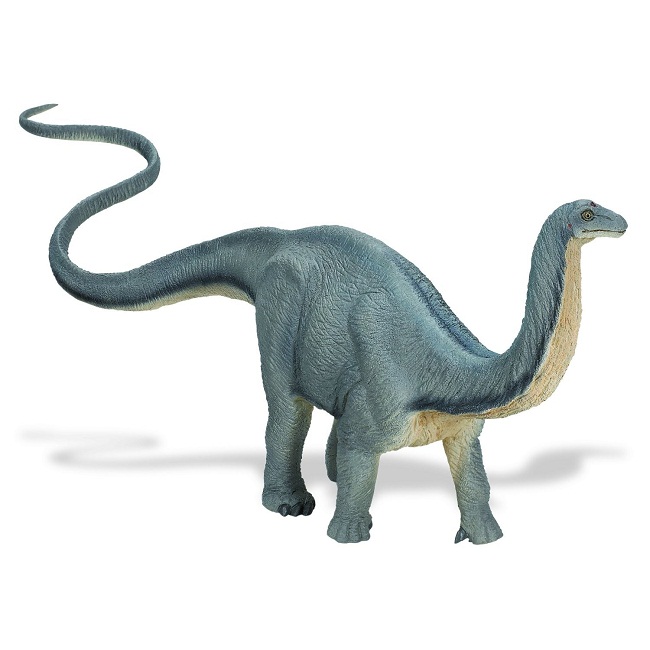
The Apatosaurus thrived in the lush, temperate environments of the late Jurassic period. These magnificent creatures preferred wetlands, river valleys, and floodplains, which provided an abundance of vegetation. Picture them wandering through dense forests, their towering necks stretching towards the canopy for leaves. Some key habitat features include:
- Wooded areas for shelter
- Water sources for hydration
- Rich vegetation for grazing
Feeding Behavior
When it comes to feeding, the Apatosaurus was a true herbivore. Its long neck allowed it to reach high foliage, while its peg-like teeth were ideal for stripping leaves. They primarily fed on:
- Conifer leaves and needles
- Ferns and cycads
- Soft vegetation near water sources
Witnessing an Apatosaurus peacefully grazing in a prehistoric landscape would have been a sight to behold!
Evolution and Extinction of Apatosaurus
Evolutionary History
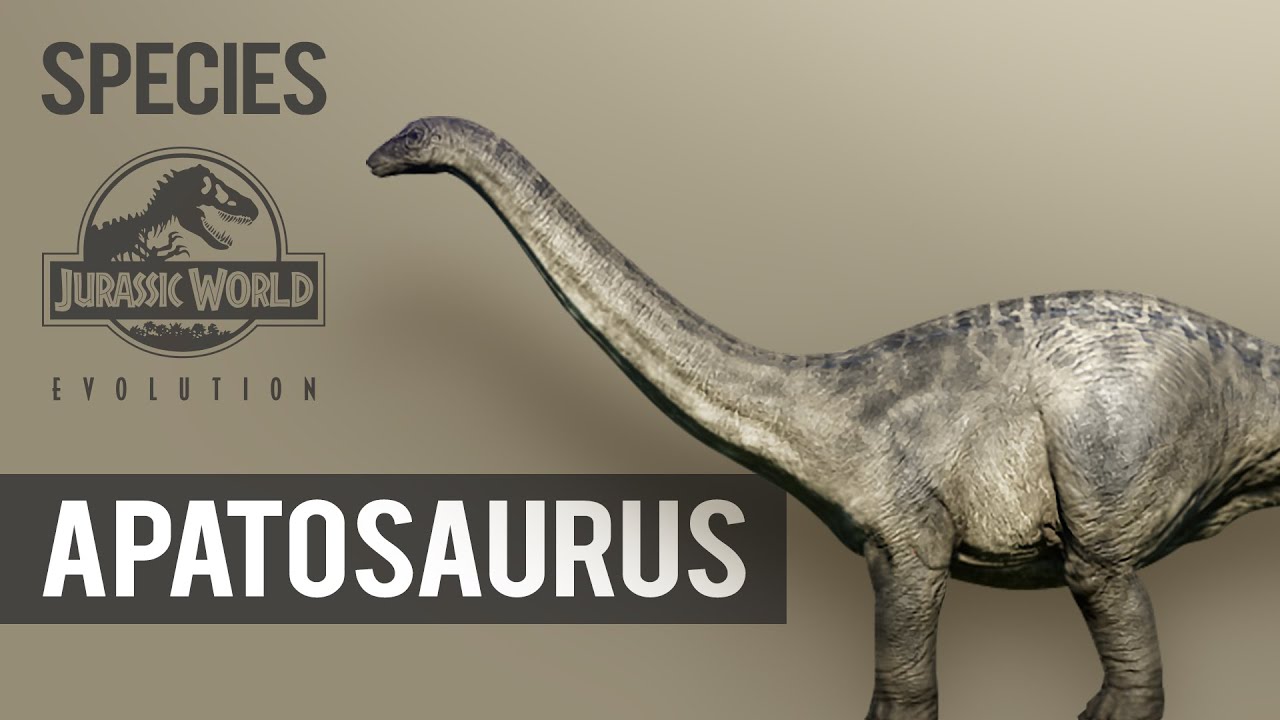
The Apatosaurus evolved during the late Jurassic period, approximately 150 million years ago. As a member of the sauropod family, it reflects the incredible adaptability of large dinosaurs to various ecological niches. Imagine the gradual changes over millennia that shaped this giant! Key evolutionary traits include:
- Long necks for reaching high vegetation
- Massive bodies for support and energy storage
- Tail structures for balance and possibly communication
Extinction Theories
Despite their dominance, the Apatosaurus, like many other dinosaurs, faced extinction at the end of the Cretaceous period. Various theories explain their decline:
- Climate change altering habitats
- Asteroid impact causing massive ecosystem disruptions
- Competition with other herbivores and predatory species
These factors coalesced, leading to the eventual disappearance of these magnificent creatures from Earth.

Cultural Significance of Apatosaurus
Pop Culture References
The Apatosaurus has made quite an impression in pop culture over the years. From animated films to children's books, this gentle giant captures hearts. For instance, think of its memorable appearances in movies like The Land Before Time, where it showcases the power of friendship. Some popular representations include:
- Merchandise: Toys and figures for dinosaur enthusiasts
- Documentaries: Showcasing its life and habitat
Scientific Contributions
Beyond pop culture, the Apatosaurus has significantly contributed to paleontological research. Its discovery helped advance our understanding of dinosaur classification and anatomy. The Apatosaurus serves as a pivotal example in studies of:
- Sauropod evolution and diversity
- Dinosaur behavior based on fossil evidence
Its legacy continues to inspire scientists and enthusiasts alike, bridging the gap between natural history and cultural fascination.
Conservation Efforts for Apatosaurus
Current Conservation Status
While the Apatosaurus itself is extinct, its fossilized remains contribute to ongoing discussions around conservation and preserving paleontological sites. The focus today is on protecting habitats of living species that share ecological characteristics with this giant. For instance, the conservation status of similar large herbivores can reflect efforts to maintain diverse ecosystems. Key aspects include:
- Habitat preservation for modern relatives
- Awareness campaigns highlighting ecological importance
Conservation Initiatives
Various organizations work towards educating communities about the significance of protecting dinosaur fossil sites. Initiatives often include:
- Fossil park development to foster public interest
- Educational programs linking past to present biodiversity
Although the Apatosaurus may no longer roam our planet, its legacy continues to influence conservation efforts and inspire future generations to value and protect our natural heritage.

Conclusion
Summary of Key Points
The Apatosaurus has captivated our imagination with its fascinating history and impressive size. From its early discovery to its influential role in pop culture, this iconic dinosaur remains significant. Key takeaways include:
- Diverse habitat preferences that supported its immense size
- Evolutionary contributions to understanding sauropods
- Cultural impact on both science and society
Future Prospects
Looking ahead, continued research and education will be essential in preserving the legacy of the Apatosaurus. Initiatives aimed at fostering interest in paleontology can inspire future generations. Imagine children growing up with a passion for dinosaurs, translating into conservation efforts for our planet's remaining marvels! As curiosity about our prehistoric past grows, the Apatosaurus will undoubtedly be part of the conversation.