Exploring the Green Kingfisher (Chloroceryle americana)
The Green Kingfisher, or Chloroceryle americana, is a fascinating bird that captivates researchers and birdwatchers alike. This small, striking kingfisher thrives near freshwater environments, showcasing a blend of vibrant colors and remarkable hunting skills. In this article, we will delve into its habitat, physical characteristics, diet, behavior, reproduction, and conservation status, painting a comprehensive picture of this beautiful avian species.
Table of Contents
- Introduction
- Habitat and Distribution
- Physical Characteristics
- Diet and Feeding Behavior
- Breeding and Nesting
- Behavior and Social Structure
- Conservation Status and Threats
- Conclusion
1. Introduction
The Green Kingfisher stands out for its vivid plumage and agile hunting prowess, making it a remarkable specimen within the kingfisher family. Found primarily in Central and South America, it thrives in various freshwater ecosystems, playing an essential role in maintaining ecological balance. From its striking appearance to its complex behaviors, the Green Kingfisher is a key species worth studying.
2. Habitat and Distribution
The Green Kingfisher inhabits a range of environments, favoring coastal brackish waters, rivers, streams, and lakes. Its range extends from southern Texas in the United States down to parts of Argentina. The bird prefers areas with dense vegetation, which provide both cover and hunting grounds. These habitats are crucial for their survival, as they offer abundant food resources and nesting sites.
3. Physical Characteristics
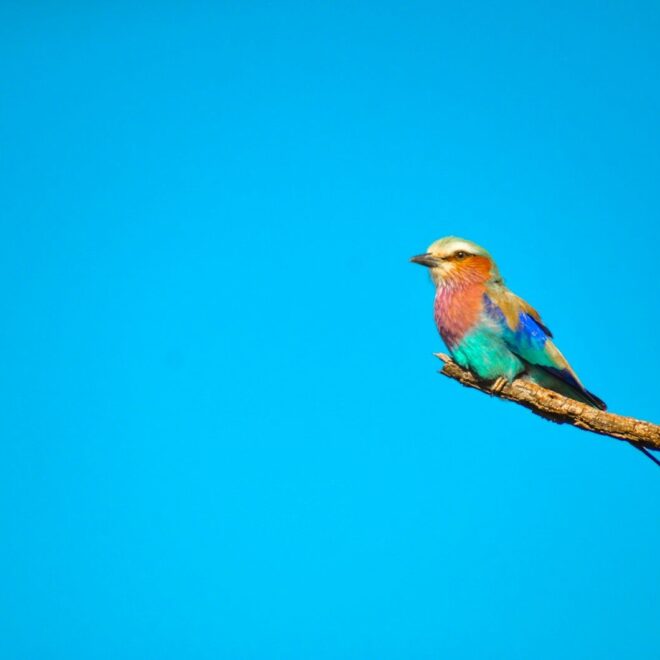
Measuring around 15 to 17 cm in length, the Green Kingfisher exhibits a robust build, ideal for its predatory lifestyle. Males display vivid emerald green feathers on their backs, while their underparts are a contrasting orange-yellow. Females are similar but slightly duller in coloration. Both sexes possess a distinctive white collar and dark masks around their eyes, adding to their striking appearance.
4. Diet and Feeding Behavior
This species primarily feeds on small fish, amphibians, and crustaceans. The Green Kingfisher is known for its remarkable hunting skills, which include perching silently on branches, scanning the water for prey, and then diving headfirst with precision. This unique hunting style not only highlights their physical agility but also showcases their important role in aquatic ecosystems by helping maintain fish populations.
5. Breeding and Nesting
The breeding season usually coincides with the rainy season, when food sources are plentiful. Green Kingfishers typically form monogamous pairs during this time. They dig nests into sandy riverbanks, creating long tunnels where they lay their eggs—usually 3 to 6—which the female incubates for about three weeks. After hatching, both parents are involved in feeding the chicks, demonstrating cooperative breeding behavior.
6. Behavior and Social Structure
Generally solitary outside of the breeding season, Green Kingfishers communicate through a series of loud calls, particularly during territorial disputes. They are known for engaging in ritualized displays to ward off competitors. Their behavior is a fascinating blend of aggression and caution, reflecting their adaptability to environmental challenges.
7. Conservation Status and Threats
While currently classified as "Least Concern" by the IUCN, the Green Kingfisher faces various threats, primarily due to habitat destruction from deforestation and pollution. Wetland destruction, particularly from agricultural expansion, poses significant challenges for their survival. Conservation efforts are focused on habitat preservation to ensure this vibrant species continues to thrive in its natural environment.
8. Conclusion
The Green Kingfisher is a remarkable bird that encapsulates the beauty and complexity of avian life in freshwater ecosystems. From its stunning physical appearance to its vital role in the food chain, it is a species worth preserving. As environmental challenges continue to rise, understanding and protecting the natural habitats of such species is essential for maintaining biodiversity.
Suggested Meta Tags for Search
- Green Kingfisher Habitat
- Conservation of Kingfishers
- Kingfisher Feeding Behavior
- Breeding Habits of Kingfishers
- Green Kingfisher Characteristics
This comprehensive overview not only highlights the ecological importance of the Green Kingfisher but also emphasizes the need for continued research and conservation efforts to protect this extraordinary species.