

Introduction
Overview of the Hell Creek Formation
The Hell Creek Formation is a rich geological site located in Montana, North Dakota, and South Dakota. It spans a crucial chapter in Earth’s history, dating back to the Late Cretaceous period. This formation is famed for its diverse fossil record, showcasing an array of prehistoric life.
Significance of the Hell Creek Formation in paleontology
The Hell Creek Formation is a treasure trove for paleontologists, influencing our understanding of late dinosaur evolution. Its significance can be highlighted through:
- Dinosaur Fossils: Home to iconic species like T. rex and Triceratops.
- Ecosystem Insights: Offers glimpses into the ecosystems just before the mass extinction event 66 million years ago.
- Research Hub: Continues to attract researchers seeking to uncover the past.
Such discoveries not only fuel scientific curiosity but also spark public interest in paleontology, leading to a deeper appreciation for Earth’s biological history.
Formation and Characteristics
Geological processes that formed the Hell Creek Formation
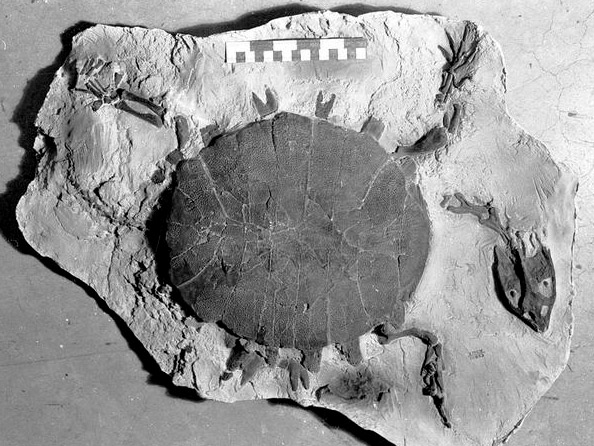
The Hell Creek Formation owes its existence to a series of geological processes. Over millions of years, sediment eroded from the nearby mountains, depositing layers of rock and minerals. This complex interplay of river and marine environments not only shaped the landscape but also preserved countless fossils.
Composition and age of the Hell Creek Formation
Dating back approximately 66 to 70 million years, the Hell Creek Formation consists primarily of:
- Sandstone: Contributing to its rugged terrain.
- Claystone and Siltstone: These fine-grained materials help retain impressive fossil records.
- Limestone: Found in certain areas, indicating past marine influences.
The formation’s vibrant mix showcases the rich, dynamic environments that existed during the Late Cretaceous!
Fossil Discoveries
Dinosaur fossils found in the Hell Creek Formation
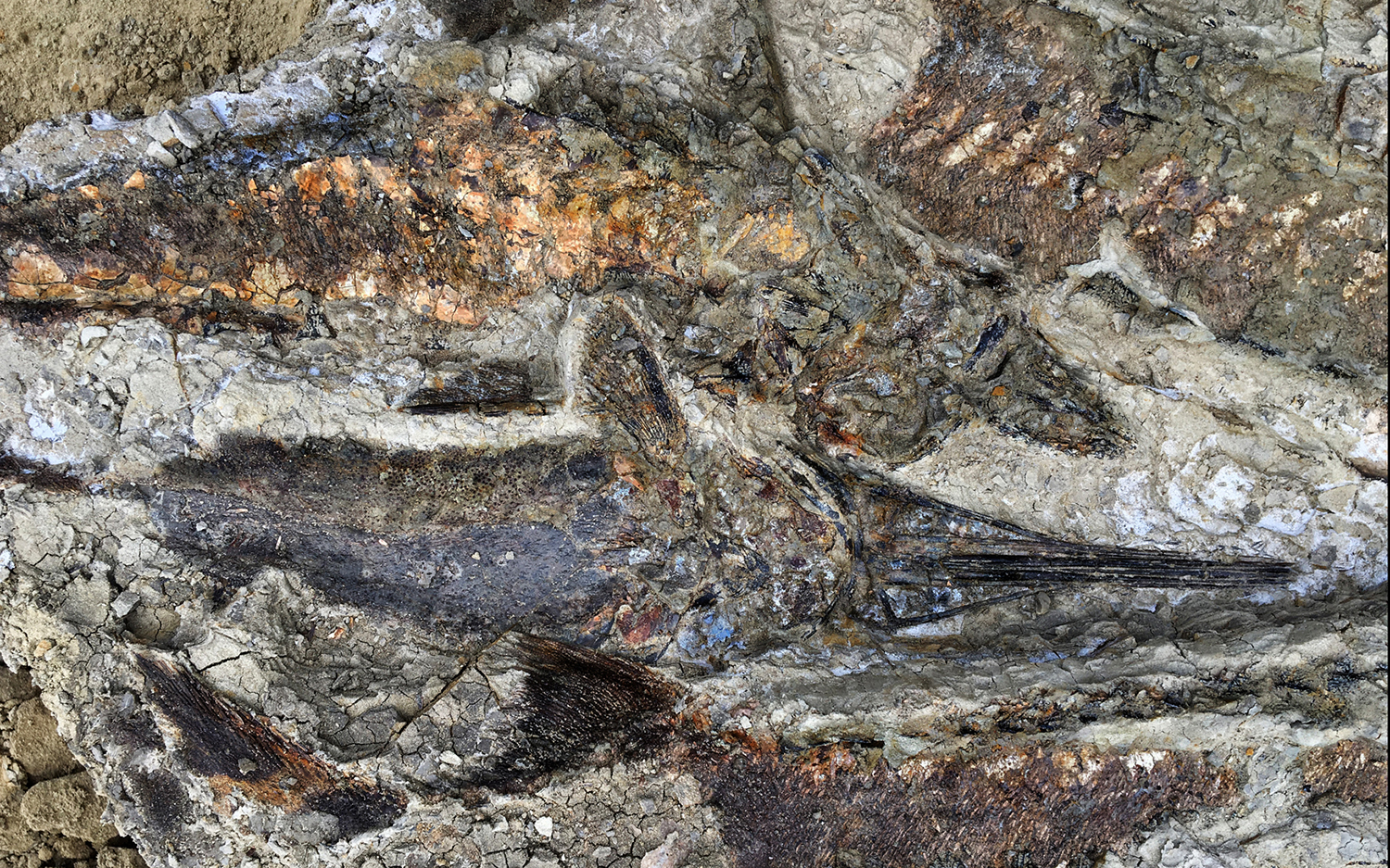
The Hell Creek Formation is renowned for its remarkable dinosaur fossils, making it a prime site for paleontological exploration. Among the notable finds, you’ll encounter:
- Tyrannosaurus rex: This apex predator is perhaps the most celebrated.
- Triceratops: Known for its distinctive three-horned face and frill.
Each discovery adds layers to our understanding of the Cretaceous ecosystems.
Other prehistoric creatures discovered in the Hell Creek Formation
In addition to dinosaurs, the formation has yielded fascinating prehistoric creatures, including:
- Crocodyliforms: Indicative of a diverse range of reptiles.
- Mammals: Early ancestors of today’s mammals, showcasing evolutionary transitions.
These finds help paint a vivid picture of a world teeming with life, extending beyond just the dinosaurs!

Evolutionary Insights
Understanding prehistoric ecosystems through the Hell Creek Formation
The Hell Creek Formation serves as a crucial window into prehistoric ecosystems. By studying its diverse fossil record, scientists can infer:
- Food Chains: Understanding predator-prey relationships, such as T. rex hunting Triceratops.
- Habitat Preferences: Analysis of plant remains reveals the types of environments that supported these creatures.
These insights help reconstruct the ecological dynamics that existed millions of years ago.
Impact of Hell Creek fossils on evolutionary studies
The fossils found in the Hell Creek Formation have fundamentally shaped scientific discussions about evolution. Their contributions include:
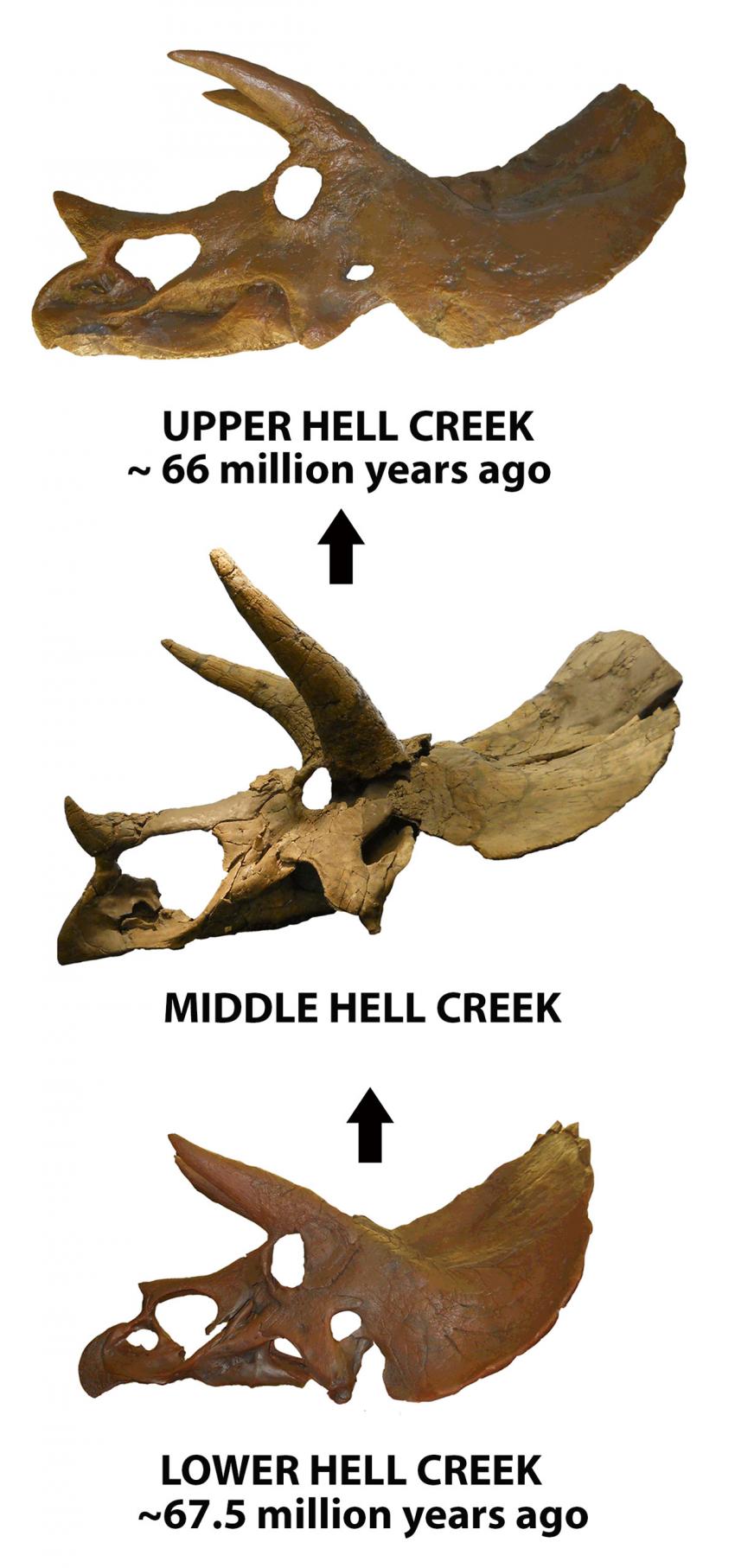
- Transition Evidence: Helping fill gaps in understanding how species adapted over time.
- Mass Extinction Insights: Providing key clues about the Late Cretaceous extinction event and its aftermath.
Ultimately, these findings illuminate the pathways of evolutionary change, showcasing the resilience and adaptability of life.
Research and Discoveries
Ongoing scientific research in the Hell Creek Formation
Ongoing research in the Hell Creek Formation continues to unveil new aspects of its rich history. Scientists are utilizing modern techniques such as:
- 3D scanning: To create detailed models of fossil finds.
- Isotope analysis: To study ancient diets and environments.
These methods enhance our ability to piece together the puzzle of the past.
Recent discoveries and advancements in paleontology from the Hell Creek Formation
Recent discoveries have pushed the boundaries of paleontological knowledge. Notable finds include:
- Soft Tissue Remains: Research into preserved tissues challenges previous notions of fossil preservation.
- New Species Identification: Ongoing digs have identified previously unknown species, enriching the formation’s already diverse record.
These advancements not only expand our understanding of the Hell Creek ecosystem but also excite both scientists and enthusiasts alike, promising even more revelations in the future!

Conservation and Preservation Efforts
Importance of preserving the Hell Creek Formation for future research
Preserving the Hell Creek Formation is vital for ongoing and future paleontological studies. This unique site offers:
- Unmatched Fossil Diversity: Continual research relies on its varied fossil record.
- Climate and Environmental Studies: Crucial for understanding ancient climates and ecosystems.
Protecting this formation ensures that scientists will have access to vital resources that can illuminate the planet’s past.
Challenges and initiatives in protecting the Hell Creek Formation
Despite its importance, the Hell Creek Formation faces several challenges. Key issues include:
- Erosion and Weathering: Threatening exposed fossils and geological features.
- Commercial Activities: Oil and gas exploration can disrupt sensitive areas.
In response, various initiatives are in place:
- Educational Programs: To raise public awareness about conservation.
- Protected Areas: Establishing designated sites for research and preservation.
These efforts are essential to safeguarding the Hell Creek Formation for generations to come.
Educational Value
Use of Hell Creek fossils in educational programs
The fossils from the Hell Creek Formation serve as valuable resources in various educational programs. Schools and museums utilize these finds to teach concepts such as:
- Paleontology: Hands-on fossil examination sparks interest in science.
- Ecosystem Dynamics: Students learn about the intricate relationships within ancient environments.
These programs create a deeper appreciation for our planet’s history through engaging, interactive experiences.
Engaging the public with the evolutionary treasures of the Hell Creek Formation
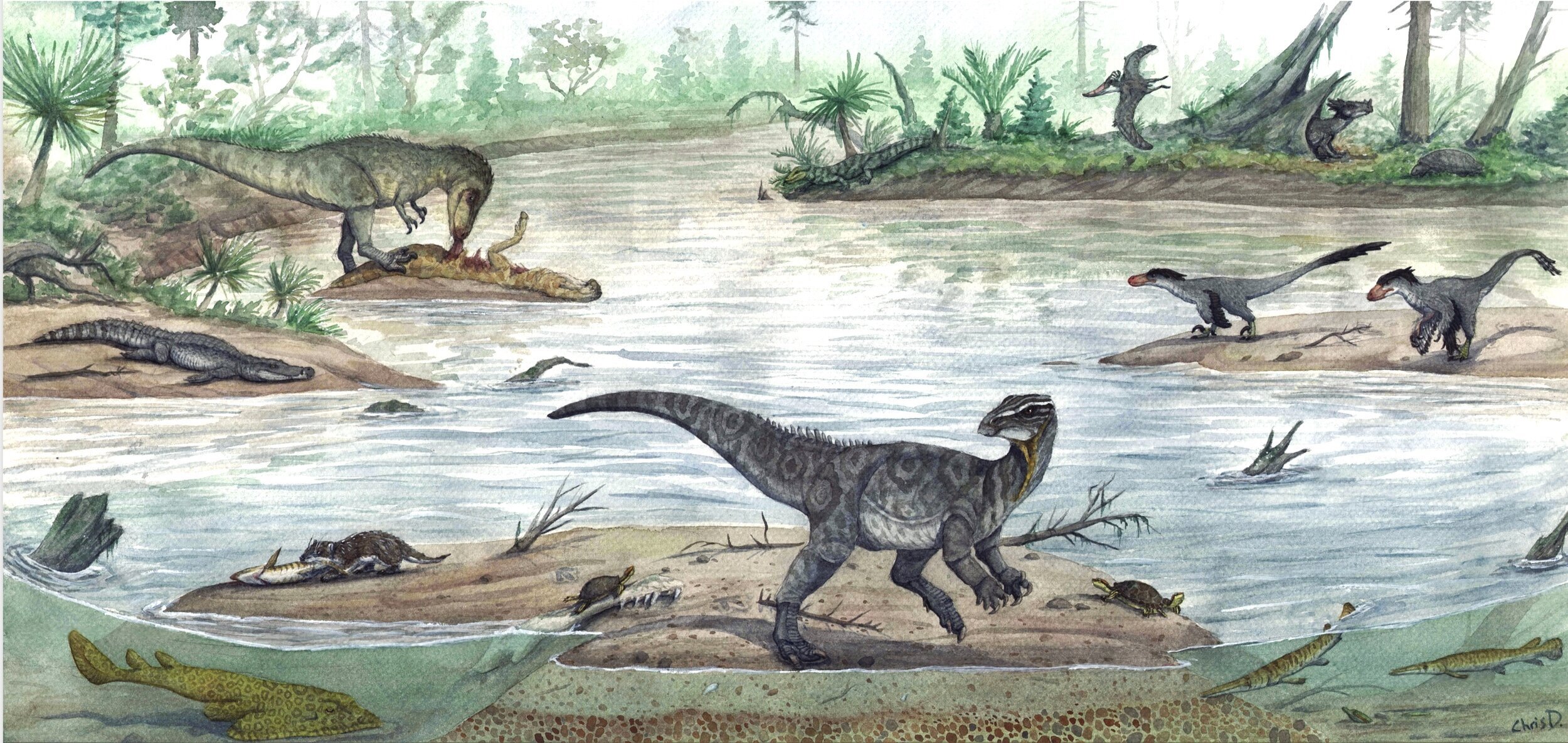
Public engagement initiatives showcase the evolutionary treasures of the Hell Creek Formation, making paleontology accessible and exciting. Examples of these efforts include:
- Exhibitions: Interactive displays that tell the story of ancient life.
- Workshops: Opportunities for enthusiasts to participate in fossil digs.
Through these initiatives, the public is not only educated but also inspired to appreciate the
fascinating history hidden beneath their feet!

Future Prospects
Potential for further discoveries in the Hell Creek Formation
The Hell Creek Formation continues to hold immense potential for further discoveries. With ongoing research and advances in technology, paleontologists are optimistic about finding:
- New Species: Each excavation could reveal fossils that expand our understanding of biodiversity.
- Unique Specimens: Uncommon preservation conditions may yield remarkable finds.
Every new dig brings the promise of exciting breakthroughs that could reshape our understanding of prehistoric life.
Role of the Hell Creek Formation in shaping our understanding of Earth’s history
The Hell Creek Formation plays a pivotal role in shaping our understanding of Earth’s history. It provides crucial insights into:
- Extinction Events: Understanding the factors contributing to the mass extinction that wiped out the dinosaurs.
- Evolutionary Trends: How species evolved and adapted in response to environmental changes.
As researchers continue to uncover its secrets, the formation remains a cornerstone for comprehending the complex tapestry of life on Earth.