
🦕 Adaptations of Herbivores: Understanding the Diet and Feeding Behaviors of Saltasaurus 🌱
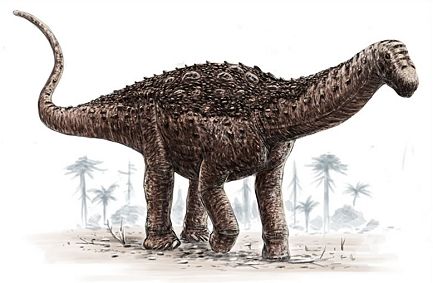
Hey there, Dinosaur lovers! 🌟 Today, we’re diving into an exciting adventure to explore the fascinating world of Saltasaurus—a remarkable dinosaur that roamed the Earth millions of years ago. As herbivores, these gentle giants had unique herbivorous adaptations that allowed them to thrive in their environment. From their specialized teeth to their massive size, Saltasaurus offers us a glimpse into how these magnificent creatures fed and survived during the Late Cretaceous period.
In this article, we’re going to explore various aspects of Saltasaurus’s diet and feeding habits. We’ll take a closer look at its physical attributes, preferred feeding techniques, and how its environment shaped its herbivorous lifestyle. So buckle up, and let’s embark on this thrilling journey to uncover the secrets behind Saltasaurus’s herbivorous adaptations. 🦖🌿
Physical Characteristics of Saltasaurus
Saltasaurus was not just any typical dinosaur; it was a distinctive member of the sauropod family. Known for its robust body and unique features, its herbivorous adaptations were essential for its way of life.
Size and Structure
One of the most striking characteristics of Saltasaurus is its impressive size. Growing up to 50 feet long and weighing around 10 tons, this behemoth needed a colossal physical structure to support its massive weight. Its long neck allowed it to reach high into the trees for leaves and vegetation that would serve as its primary food source. This adaptation not only provided it with a competitive advantage in accessing food but also made it less vulnerable to predators.
Teeth and Jaw Structure
Saltasaurus possessed a mouthful of specialized teeth designed for a herbivorous diet. Its teeth were flat and plate-like, ideal for grinding down tough plant material. This feature is a classic example of herbivorous adaptations, as it allowed the dinosaur to efficiently consume a variety of vegetation, including ferns and cycads. The structure of its jaw also enabled a wide range of motion necessary for effective chewing and processing of its food before digestion.
Feeding Habits and Techniques
Understanding the feeding habits of Saltasaurus gives us further insight into its life as a herbivore.
Grazing Behavior
Saltasaurus is believed to have been a predominantly grazing herbivore, spending most of its time munching on low-lying plants and shrubs. Its long neck allowed it to reach vegetation high up in trees, but it was not just limited to that. Evidence suggests it thrived on ground-level plants, efficiently using its powerful legs and strong body to navigate terrain in search of abundant food sources.
Seasonal Foraging
Like many modern herbivores, Saltasaurus may have adapted its foraging habits based on seasonal availability of food. During periods of drought or food scarcity, it would have relied on its extensive knowledge of its environment to seek out new foraging grounds. This adaptability is a crucial part of its herbivorous adaptations, highlighting its ability to survive and find sustenance no matter the environmental pressures it faced.
Environmental Influences on Diet
The environment that Saltasaurus inhabited played a vital role in shaping its diet and herbivorous adaptations.
Flora Diversity
During the Late Cretaceous period, the environment was teeming with different types of vegetation. Saltasaurus benefited from a rich variety of flora, which allowed it to thrive as an herbivore. The presence of large ferns, cycads, and flowering plants provided an all-you-can-eat buffet for these giants.
Climate Factors
Climate also greatly influenced the feeding habits and lifestyle of Saltasaurus. In periods of warmer climate, lush vegetation would flourish, offering plentiful food supplies. This seasonal abundance allowed Saltasaurus to grow large and strong, adjusting its feeding techniques as necessary to match changes in its environment. Hence, its herbivorous adaptations were not just physical but also behavioral, demonstrating flexibility and resilience.
Detailed Breakdown of Saltasaurus’ Herbivorous Adaptations
| Adaptation Type | Description |
|---|---|
| Body Size | Massive size to deter predators and access more food sources |
| Neck Length | Long neck for reaching high vegetation |
| Teeth Structure | Flat, plate-like teeth for grinding tough plant material |
| Grazing Behavior | Predominantly grazed on low-lying plants and foliage |
| Seasonal Foraging | Adapted foraging techniques based on seasonal vegetation changes |
| Social Behavior | Likely moved in herds for social organization and protection |
Conclusion
In summary, Saltasaurus exemplified the beauty of herbivorous adaptations through its physical traits, feeding habits, and environmental awareness. Its ability to thrive in a changing world offers invaluable lessons about resilience and survival among ancient creatures. If you’re a true dinosaur lover, there’s so much more to discover! Be sure to explore our other articles to learn more about the fascinating world of dinosaurs and their adaptations over time. 🦖💚
Further Reading: Wikipedia