
Introduction
Overview of Tehuelches
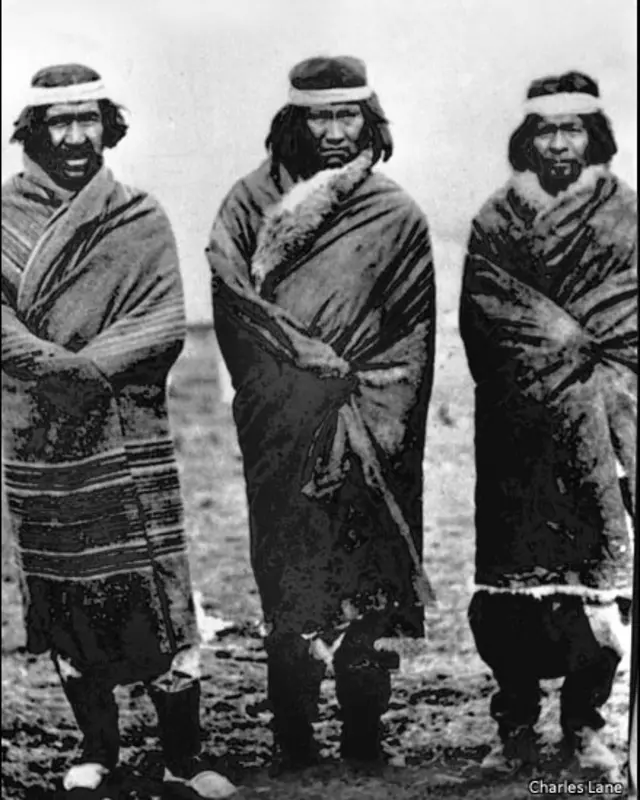
The Tehuelches are an indigenous group native to the Patagonia region in Argentina. They have a rich history and culture that is tightly woven into the fabric of the South American landscape. Known for their nomadic lifestyle, the Tehuelches traversed vast terrains, profoundly shaping their identity and traditions. These people have often been celebrated for their resilience and connection to the environment. Their knowledge of hunting, gathering, and navigating the rugged terrains has been passed down through generations, creating a unique cultural tapestry that remains significant today. Historical Context The origins of the Tehuelches can be traced back thousands of years. They originally inhabited the steppe and mountainous regions of the Patagonian Andes, adapting seamlessly to the diverse climates. Key historical highlights include:
- Early Settlement: Archaeological evidence suggests that Tehuelches have occupied the region for over 10,000 years.
- Nomadic Lifestyle: They primarily depended on hunting and gathering, which required movement across territories to follow migrating herds and seasonal resources.
- Language and Dialects: The Tehuelches spoke a language that is part of the Patagonian cultural identity. Although influenced over time by European languages, several native speakers still promote their linguistic heritage.
Cultural Practices The Tehuelches have a rich tradition of oral storytelling and music, which serves as a means of preserving their history and educating younger generations. Important aspects of their culture include:
- Spiritual Beliefs: They held strong spiritual beliefs tied to nature, with many myths and legends explaining their worldview.
- Art and Craftsmanship: The craftsmanship seen in their clothing and tools reflects their myriad skills and aesthetic sensibilities. The traditional vestimenta de los tehuelches, or clothing of the Tehuelches, is particularly noteworthy for its unique designs and practical functionality.
A personal encounter highlights this connection; during a cultural festival, a Tehuelche elder recounted stories of her ancestors, illustrating the survival skills required to live in harmony with nature. As she shared her narrative, it became evident how every stitch in their clothing tells a story—stories of resilience, adaptation, and cultural pride. The Tehuelches symbolize endurance, showcasing how a community can thrive in challenging environments. Their rich history, customs, and the artistry of their traditional attire serve as a constant reminder of their unique place in the cultural landscape of Argentina. As the article progresses, we will delve deeper into the traditional clothing of the Tehuelches, exploring its materials, techniques, and significance that define this enduring culture.

Traditional Clothing of Tehuelches
Materials and Techniques
As we dive into the traditional clothing of the Tehuelches, it's essential to understand the materials and techniques that shaped their attire. For the Tehuelches, clothing was not merely a necessity but a reflection of their resourcefulness and connection to the environment. Natural Resources The materials used by the Tehuelches were primarily sourced from their immediate surroundings. Key components included:
- Animal Skins: The Tehuelches relied heavily on the skins of guanacos and other local animals. These skins were durable, providing warmth and protection against the Patagonian climate.
- Wool: Shearing sheep introduced with European contact provided another valuable material. Wool garments became popular for their insulating properties.
- Plant Fibers: Certain plant fibers were also woven into their clothing. Techniques like weaving and braiding helped to create belts and other accessories.
Techniques Used The craftsmanship involved in creating their clothing was both skilled and intricate. Techniques included:
- Tanning: Animal hides underwent a labor-intensive tanning process to make them suitable for wear.
- Sewing Techniques: The Tehuelches employed various sewing methods, often using sinew or plant fibers to stitch pieces together, showcasing their profound understanding of available materials.
- Adornments: Beading and embroidery were used not just for decoration, but also to symbolize identity and social status. Each piece could tell a story about the wearer’s lineage and achievements.
Whether crafting a simple tunic or a more elaborate outfit for ritual purposes, the materials and techniques left a lasting impact on the clothing styles that followed.
Clothing Styles and Designs
The clothing of the Tehuelches is as diverse as their culture itself, displaying a variety of styles and designs that serve different functions. Functional Attire Sometimes plain, other times strikingly beautiful, traditional clothing reflected practical needs. Common garments included:
- Ponchos: Often made of animal hides or wool, these versatile pieces provided warmth in harsh weather and could easily be taken off or put on as needed.
- Trousers and Skirts: Men typically wore trousers or leggings, while women donned skirts made from the same materials. The designs were functional yet allowed for freedom of movement, essential for their nomadic lifestyle.
Cultural Significance in Styles Beyond mere functionality, the designs were rich with meaning and tradition. Some notable aspects include:
- Colors and Patterns: Natural dyes were used to create vibrant patterns. The colors often had cultural significance, symbolizing various meanings within the Tehuelche culture.
- Ritual Garments: Special garments were worn during ceremonies and rituals, often adorned with symbols that conveyed ancestral stories or spiritual beliefs.
I recall attending a local festival where a Tehuelche woman proudly displayed her ancestor’s traditional garb, each stitch woven with stories of bravery and heritage. The intricate designs not only showcased artistic flair but also connected the past with the present, reaffirming identity and resilience. As we explore further, we will uncover how European contact influenced the evolution of these traditional garments, and how the Tehuelche clothing continues to adapt over the years, creating a fascinating interplay of old and new.

Evolution of Tehuelche Clothing
Impact of European Contact
The arrival of European explorers and settlers in the 16th century marked a transformative period for the Tehuelches. With their introduction came significant changes that influenced the evolution of traditional Tehuelche clothing. New Materials and Trade The Europeans brought a host of new materials that were previously unavailable to the Tehuelches.
- Textiles: Wool from introduced sheep became a popular alternative to animal hides, providing comfort and warmth in various clothing styles.
- Cotton and Silk: While less common, cotton and silk began to appear in some clothing items, often traded or gifted, introducing a new softness and aesthetic appeal.
Clothing Design Changes Contact with Europeans also led to changes in clothing styles. As the Tehuelches adapted to new influences, their garments evolved:
- Adoption of Western Styles: Some Tehuelches began to incorporate European fashion elements, such as buttons and hats, into their traditional wear.
- Functional Adjustments: With the introduction of metal tools, creating and sewing clothing became easier, allowing for more intricate designs and fittings.
I remember meeting a Tehuelche elder who shared her family's history, explaining how her grandmother made adaptations to her traditional dress after encountering European settlers. The blend of cultures told an incredible story, preserving her heritage while embracing new elements.
Changes Over Time
As time progressed, the clothing of the Tehuelches continued to evolve, reflecting not just changing materials, but also shifts in social structure and identity. Cultural Resilience Despite external influences, the Tehuelches demonstrated remarkable resilience in preserving their cultural identity. Key changes included:
- Fusion of Styles: Modern clothing often blends traditional Tehuelche designs with everyday wear, symbolizing both a connection to heritage and adaptation to contemporary lifestyles.
- Artistic Expression: Today, artisans draw on traditional techniques to craft garments that celebrate Tehuelche heritage while appealing to modern sensibilities. Items like handwoven shawls or intricately decorated ponchos often serve as fashionable statements as well as cultural artifacts.
Social and Economic Factors The broader socio-economic landscape also played an essential role in the evolution of Tehuelche clothing:
- Tourism: With the rise of cultural tourism, there has been renewed interest in traditional clothing. Many Tehuelches now create garments that attract visitors, eager to learn more about their history and culture.
- Community Revivals: Alongside this, there has been a resurgence of pride in traditional attire within the community. Events and festivals often showcase these garments, inspiring younger generations to reconnect with their roots.
Reflecting on a visit to a vibrant cultural festival, I observed the blend of new and traditional styles, where many Tehuelches wore modern adaptations of their ancestral clothing. This amalgamation was not just eye-catching; it illustrated a commitment to honoring their past while looking towards the future. As we move forward, we’ll delve into the significance of Tehuelche attire, exploring how their clothing embodies cultural identity and plays a role in rituals, symbolizing a lasting thread of connection to their rich heritage.
Significance of Tehuelche Attire
Cultural Identity
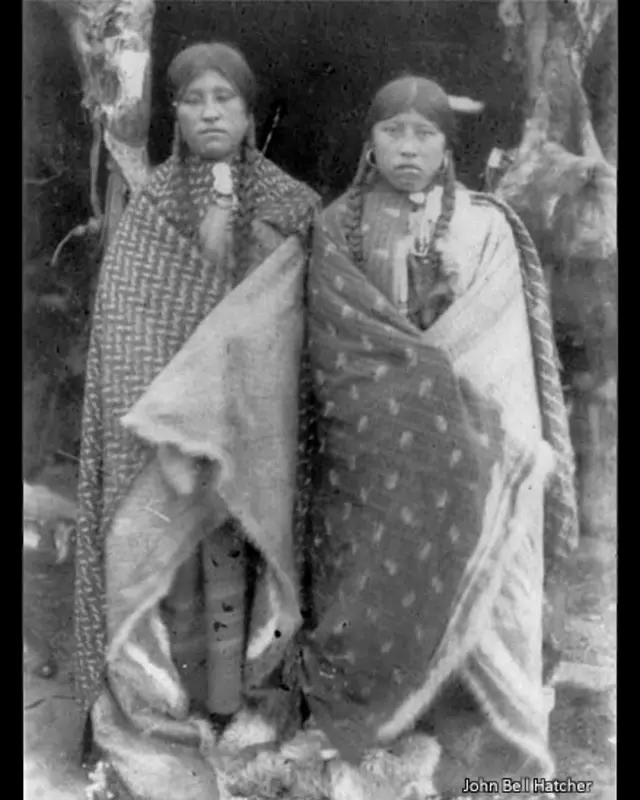
The clothing of the Tehuelches is more than a mere necessity; it embodies their cultural identity and reflects their deep connection to the land and tradition. Each garment tells a story, linking the wearers to their ancestry and community. Symbol of Heritage For the Tehuelches, traditional attire serves as a powerful symbol of their heritage. Key aspects include:
- Distinctive Designs: The unique patterns and colors of their clothing are often tied to specific family lineages or local myths, creating a living tapestry of history.
- Pride in Tradition: Many Tehuelches express pride in wearing traditional garments during important events, signifying their commitment to preserving their culture.
Recalling a warm gathering with a Tehuelche family during a cultural celebration, I was struck by how they described the significance of their clothing. The vibrant hues worn by the elder women represented not only their lineage but also their roles as storytellers and bearers of cultural wisdom. Connection to the Land The natural materials and resources used in making Tehuelche clothing also reinforce their connection to the land.
- Material Dependency: Clothing made from local resources like animal hides or plant fibers symbolizes a relationship of respect and reliance on the environment.
- Cultural Narratives: Stories about how the Tehuelches interact with nature are often woven into their clothing practices, instilling a sense of place and purpose.
Social and Ritual Importance
Clothing within Tehuelche communities also holds significant social and ritual importance, shaping both individual identities and community ties. Social Status and Roles The attire can reflect an individual’s social status and role within the community.
- Ritual Garb: During ceremonies, specific garments signify roles, such as a leader, healer, or storyteller. These distinct outfits establish authority and respect within social structures.
- Marking Life Stages: Clothing often serves to signify life transitions—adults transitioning into parenthood may don specific attire symbolizing their new responsibilities, reinforcing community bonds.
During a recent festival, I witnessed how the elders dressed in their finest traditional garments to lead the ceremonies, their attire immediately communicating prestige and respect among attendees. It was a visible acknowledgement of their status as cultural custodians. Ritual Practices and Ceremonies Rituals and ceremonies are an integral aspect of Tehuelche life, and their attire plays a pivotal role during these significant events:
- Ceremonial Dress: Specially designed clothing is often worn for rituals such as births, weddings, or funerals—each carrying specific meanings and symbolizations of life and death.
- Cultural Revitalization: Today, many young Tehuelches are reclaiming and revitalizing the use of traditional attire in ceremonies, fostering a sense of belonging and continuity.
One particular ceremony I had the honor of attending featured intricate garments that were not only visually stunning but also resonated with deep spiritual significance. The wearers moved gracefully, their clothing speaking volumes about cultural pride and the richness of Tehuelche identity. As we conclude our exploration of the significance of Tehuelche attire, we will next examine modern adaptations and revivals of traditional elements within their clothing, highlighting how these practices continue to evolve while staying grounded in rich cultural heritage.

Modern Adaptations and Revival
Contemporary Tehuelche Fashion
The contemporary fashion landscape for the Tehuelches is a vibrant tapestry woven from both innovation and tradition. Today’s Tehuelche attire reflects a fascinating blend of modern influences while honoring the rich heritage of their ancestors. Fusion of Styles Many young Tehuelches are creatively merging traditional designs with contemporary trends.
- Modern Cuts: You’ll find traditional patterns reimagined in forms that fit today’s fashion standards, such as fitted dresses or trendy jackets adorned with Tehuelche motifs.
- Streetwear Influence: Elements of urban fashion have made their way into Tehuelche clothing, leading to unique fusions, such as graffiti-style designs that incorporate indigenous symbols.
During a recent fashion show celebrating indigenous designers, I was captivated by a collection that combined traditional Tehuelche motifs with modern silhouettes. The collaboration between young designers and artisans truly showcased the beauty of their heritage, making a statement that was both fresh and respectful of the past. Use of Social Media Social media plays a pivotal role in promoting contemporary Tehuelche fashion. Platforms like Instagram and TikTok allow designers to showcase their unique blends of old and new, reaching wider audiences.
- Visibility: Young Tehuelche fashion designers are gaining followers and recognition, helping to elevate their cultural narratives.
- Awareness and Education: Many use their platforms to educate people about Tehuelche heritage, ensuring that the cultural significance of their garments is well understood.
Revival of Traditional Elements
While contemporary adaptations are exciting, there is also a growing movement focused on reviving traditional elements of Tehuelche attire. This revival aims to reconnect individuals with their roots and uphold cultural practices. Cultural Workshops and Education There’s been a surge in workshops aimed at teaching traditional weaving, sewing, and dyeing techniques. These initiatives are designed to:
- Preserve Skills: Older generations pass down their knowledge, ensuring that traditional methods are not lost to time.
- Empower Youth: Engaging younger community members encourages pride in their identity and fosters a sense of belonging.
I attended one of these workshops where participants learned to craft accessories using traditional methods. It was heartening to see young individuals animatedly asking questions, eager to understand how every design held a story. Reviving Rituals and Ceremonies Traditional clothing is making a comeback in modern rituals and ceremonies, allowing for a blend of past and present. This revival includes:
- Cultural Festivals: Events that celebrate Tehuelche culture frequently encourage the wearing of traditional garments, enriching communal ties and re-establishing cultural practices.
- Influence of Traditional Attire on Modern Ceremonies: Many families are now incorporating traditional attire into significant life events like weddings and births, celebrating their heritage in meaningful ways.
I witnessed this first-hand at a wedding, where the bride wore a beautifully crafted traditional dress adorned with vibrant patterns and symbols that represented her family’s history. It was a visual homage to her roots, a poignant reminder of how cultural identity endures through the garments passed down through generations. In conclusion, the modern adaptations of Tehuelche clothing—along with the revival of traditional elements—demonstrate a dynamic relationship between past and present. This evolving narrative not only honors their rich heritage but also propels it forward, ensuring that the essence of the Tehuelches remains vibrant in the contemporary world.