
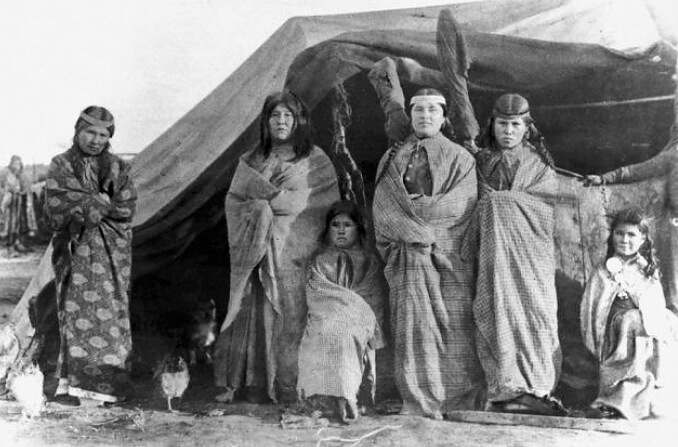
Overview of Tehuelche Clothing Traditions
Brief History of Tehuelche People
The Tehuelche people, native to the arid region of Patagonia in Argentina, boast a rich cultural heritage dating back thousands of years. Historically, these nomadic tribes roamed the vast expanses of the Patagonian landscape, engaging in hunting and gathering. Their deep connection with the environment significantly influenced their way of life, including their clothing traditions. The Tehuelche were primarily known for their survival skills in harsh climates, utilizing available resources to create functional clothing necessary for protection against extreme weather conditions. Traditionally, they would craft garments from animal hides, notably those of guanacos and deer, which provided warmth and durability. As the years progressed, they adopted various materials obtained through trade and interaction with neighboring tribes and European settlers. Their clothing not only served a practical purpose but also reflected the identity and lived experiences of the Tehuelche people. Each garment narrated a story, showcasing their history, belief systems, and community bonds.
Significance of Clothing in Tehuelche Culture
Clothing held profound significance in Tehuelche culture, transcending mere functionality. It was deeply intertwined with their social and spiritual lives. Consider the following aspects that illustrate the importance of clothing traditions within the Tehuelche community:
- Cultural Identity: The garments worn by the Tehuelche peoples were symbols of identity, encompassing unique styles and patterns that represented different tribes and clans. Each design was distinctive, showcasing craftsmanship and heritage.
- Rituals and Ceremonies: Clothing played a critical role in various rituals and ceremonies. Specific garments were worn during spiritual events, signifying the individual's role within the community and honoring ancestral traditions. For instance, elders and shamans had their own distinct robes, adorned with meaningful motifs.
- Social Status: The type and quality of clothing often reflected an individual's social status. Elders and leaders wore richly decorated garments, while everyday attire was simpler. This hierarchy in attire fostered a sense of respect and order within the tribe.
- Adaptation and Sustainability: The Tehuelche traditionally practiced sustainable clothing habits. They utilized every part of the animal they hunted, demonstrating a deep respect for nature. This practice nurtured an understanding of their environment and developed a communal approach to resource management.
In a contemporary context, the resurgence of interest in indigenous cultures globally has renewed appreciation for Tehuelche vestimenta. This evolution fosters a dialogue between the past and present, encouraging new generations to connect with their roots. The merging of traditional and modern influences offers an exciting glimpse into how the Tehuelche style is being reimagined today. Through understanding the history and significance of Tehuelche clothing traditions, one gains a deeper appreciation for their enduring legacy, which continues to inspire and enrich cultural discussions.
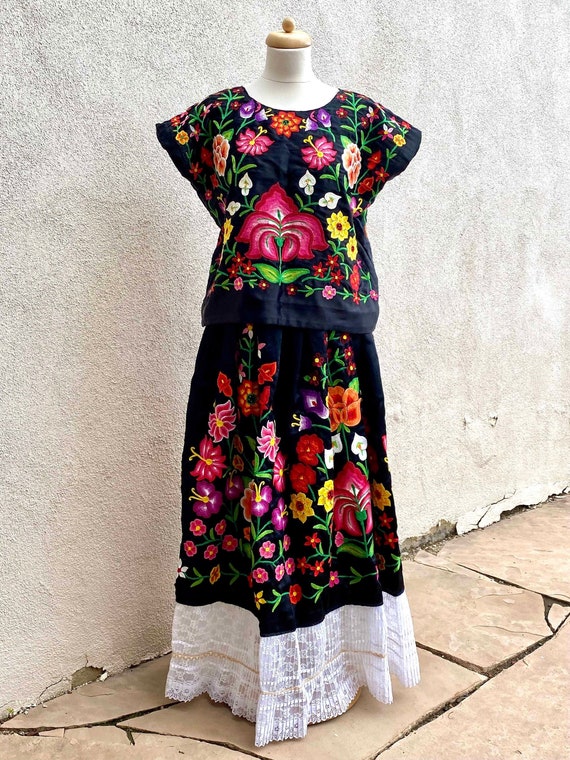
Traditional Tejidos in Tehuelche Garments
Materials Used in Tehuelche Weaving
The artistry behind Tehuelche garments lies not just in their design, but also in the carefully selected materials that embody the essence of their culture. Traditionally, the Tehuelche people sourced a variety of natural materials to create their textiles. Here are some of the key materials that define their weaving practices:
- Animal Hides: The primary material used in Tehuelche clothing was animal hides, particularly those of guanacos and deer. These hides were prized for their warmth, durability, and capability to withstand the harsh Patagonian climate.
- Wool: With the advent of domesticated sheep in the region, wool quickly became an integral part of Tehuelche textiles. The softness and flexibility of wool allowed for comfortable garments, which were perfect for everyday wear.
- Plant Fibers: Tehuelche artisans utilized fibers derived from local plants to enhance their fabric creations. For example, they would extract fibers from the piñón tree to create lightweight clothing suitable for warmer months.
- Dyes: To imbue their fabrics with vibrant colors, the Tehuelche employed natural dyes extracted from native plants and minerals. These dyes not only beautified textiles but also added layers of meaning and symbolism.
During a recent visit to a Tehuelche artisan workshop, I was struck by how each material tells a story of resourcefulness and respect for nature. The idea of making use of what they had available mirrors a deep-rooted philosophy of sustainability.
Techniques and Patterns Employed in Tehuelche Textiles
The craftsmanship involved in creating Tehuelche textiles is both intricate and impressive, showcasing a mastery that has been passed down through generations. The techniques and patterns they employed carry significant cultural meanings and invoke the natural surroundings:
- Weaving Techniques: Tehuelche weavers often used techniques such as loom weaving and finger weaving. Loom weaving enabled the creation of longer textiles, while finger weaving was employed for more intricate designs. Both techniques highlight the skill and dedication of the artisans.
- Embroidered Patterns: Patterns played a key role in adornment, where each design symbolized different aspects of life and nature. For instance, representations of animals, plants, and celestial elements adorned garments. An intricate pattern might represent a specific aspect of their mythology, reinforcing the connection between their clothing and cultural beliefs.
- Geometric Designs: Beyond depicting natural elements, the use of bold geometric shapes is prevalent in Tehuelche textiles. The symmetry and repetition of these designs often symbolize balance and unity—qualities that resonate deeply within their community values.
- Functional Art: There is a beautiful intersection of art and function in Tehuelche textiles. Pieces like ponchos and belts feature not only artistic designs but also practical elements, offering protection from the elements and utility in daily tasks.
Visiting local markets, one can see modern interpretations of these traditional weaving techniques, showcasing how Tehuelche artistry has evolved while retaining core elements of their heritage. The blend of traditional and contemporary styles offers unique insights into the resilience and adaptability of Tehuelche culture, making these textiles true treasures of Patagonia. In summary, the intricacies of Tehuelche textiles—both in materials and techniques—offer a fascinating glimpse into their world, revealing a culture rich in tradition, creativity, and connection to the environment.
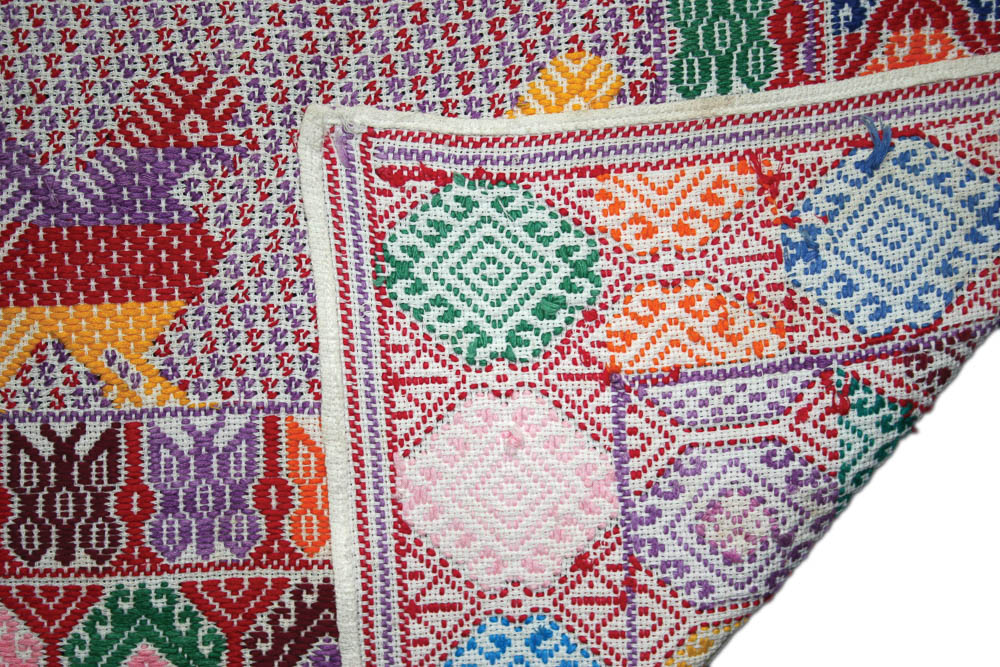
Colors and Symbolism in Tehuelche Textiles
Meaning Behind Different Colors in Tehuelche Garments
Colors in Tehuelche textiles are not merely aesthetic choices; they carry deep meanings and symbolize various aspects of life, nature, and spirituality. The use of color reveals a profound connection between the Tehuelche people and their environment. Each hue is deliberate, contributing to the storytelling and cultural identity woven into their garments. Here are some notable colors and their meanings:
- Red: Often associated with strength and vitality, red is a powerful color in Tehuelche culture. It signifies life force and is sometimes used in ceremonial garments to mark significant events.
- Blue: Representing the sky and water, blue evokes a sense of tranquility and peace. In their textiles, it can symbolize harmony and the connection between the land and the heavens.
- Green: This color indicates growth, renewal, and fertility. Green is often linked to the natural world, reminding the Tehuelche of their deep ties to the lush flora surrounding them, particularly in the spring.
- Yellow: Seen as a representation of sunlight, warmth, and happiness, yellow brings a cheerful note to Tehuelche garments. It symbolizes optimism and is often featured in more festive or celebratory attire.
- Black and White: These colors often represent duality and balance in Tehuelche philosophy. Black can portray strength and protection, while white signifies purity and clarity. When combined, they reinforce the importance of harmony in their culture.
Visiting a local Tehuelche artisan market offered me a vibrant insight into how passionately colors are selected and used. Each color thread that the weavers choose is a reflection of their beliefs, creating a fascinating tapestry of meaning in every garment.
Symbolic Representations in Tehuelche Weavings
Beyond colors, the patterns and motifs in Tehuelche weaving are rife with symbolism, often narrating stories and cultural truths that are deeply rooted in their history.
- Animal Motifs: Many designs feature animals such as guanacos and condors, reflecting their importance in both daily life and mythology. For instance, the condor symbolizes freedom and the spirit of the skies while guiding their ancestors.
- Geometric Patterns: These shapes often carry significant meanings and were historically used to depict aspects of the natural world. Patterns formed of triangles or diamonds might symbolize mountains, while spirals can indicate cycles in nature or life.
- Celestial Elements: Some weavings include depictions of the sun, moon, and stars, symbolizing the Tehuelche’s reverence for the cosmos. These designs connect the terrestrial to the celestial, underscoring their spiritual beliefs that everything is interconnected.
- Cultural Icons: Specific patterns or motifs may represent important historical or familial narratives. For example, a unique weave could denote clan affiliations, helping to maintain social structure and cultural continuity.
As I spoke with local artisans about their work, it became clear that each piece tells a unique story, reflecting both personal and communal histories. The visible voice of the Tehuelche people surfaces in every textile, echoing their past while continuing to influence future generations. In summary, the use of colors and symbolic representations in Tehuelche textiles is a vital aspect of their cultural identity, enriching each crafted piece with meaning and narrative. These elements foster a connection not only to their environment but also to the legacy of their people, reminding us that art is a language that transcends time and space.
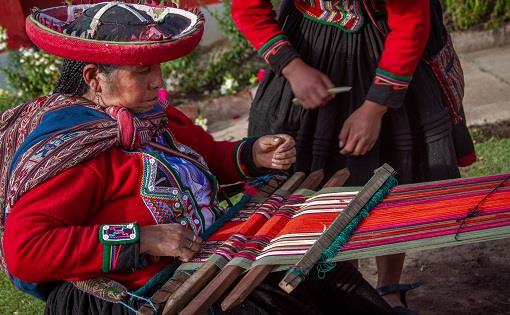
Preservation and Revival Efforts
Challenges in Preserving Tehuelche Weaving Traditions
Despite the rich cultural tapestry woven by the Tehuelche people, several challenges threaten the preservation of their traditional weaving practices. As the world evolves and new generations come of age, these traditions face both societal and environmental pressures. Here are some of the most significant obstacles:
- Loss of Knowledge: One of the most pressing issues is the declining number of master weavers. As elder artisans pass away, their expertise and techniques risk being lost without proper mentorship programs to pass down this invaluable skill set.
- Cultural Assimilation: Globalization and the influence of modern fashion can dilute traditional practices. Younger generations may lean toward contemporary styles, leading to a waning interest in traditional weaving, which, in turn, impacts the number of artisans choosing to pursue this craft.
- Access to Materials: The traditional materials used in Tehuelche weaving, such as specific animal hides and natural dyes, are becoming increasingly difficult to source. Environmental changes and regulations can affect their availability, challenging artisans to adapt or abandon traditional practices.
- Economic Pressures: Many artisans struggle to make a sustainable income from their craft. As a result, some may seek alternative livelihoods, resulting in fewer people dedicated to preserving Tehuelche weaving traditions.
During a visit to a local artisan workshop, I witnessed firsthand the passion and dedication among the few remaining weavers, and it became starkly clear that the future of their art is at a crucial crossroads.
Contemporary Initiatives to Promote Tehuelche Textile Art
In response to these challenges, various contemporary initiatives aim to promote and revive Tehuelche textile art, ensuring its survival for future generations. These efforts highlight the importance of cultural heritage and community engagement. Here are some notable actions taking place:
- Workshops and Training Programs: Several organizations have begun offering workshops that pair young learners with elder artisans. These programs focus on skill-building, the significance of textile art, and the cultural narratives woven into each piece. Such interactions foster appreciation and transfer knowledge across generations.
- Cultural Festivals: Events celebrating Tehuelche culture help bring attention to their textile artistry. These festivals often feature exhibitions, demonstrations, and marketplaces, encouraging community participation and reigniting interest in traditional crafts.
- Collaborations with Designers: Some contemporary fashion designers are beginning to collaborate with Tehuelche artisans, merging traditional techniques with modern aesthetics. This not only helps sustain the artisans financially but also introduces their techniques to a broader audience.
- Digital Platforms: Social media and online marketplaces have opened new avenues for Tehuelche artisans to showcase and sell their work. By reaching global audiences, they can garner appreciation and support for their craft, allowing their stories and artistry to resonate beyond local borders.
Reflecting on these initiatives, it’s inspiring to see how communities rally together to uplift their heritage. The blending of traditional skills with modern platforms demonstrates adaptability and resilience, reminding us of the powerful role art plays in preserving cultural identity. In conclusion, while challenges persist in preserving Tehuelche weaving traditions, contemporary efforts aimed at revival paint a hopeful picture for the future. By nurturing the artisans and their craft, we not only uphold their history but also enrich the cultural mosaic we all share.
Influence of Tehuelche Textiles in Modern Fashion
Incorporation of Tehuelche Designs in Contemporary Clothing
The colorful and intricate world of Tehuelche textiles has recently begun to seep into modern fashion, bridging the gap between traditional artistry and contemporary style. Designers are increasingly looking to indigenous cultures for inspiration, and the Tehuelche people's weaving traditions are shining brightly in this movement. This incorporation does not just pay homage to the past; it also revitalizes the techniques and stories behind these unique fabrics.
- Textile Patterns: Many modern clothing lines have embraced the bold geometric shapes and vibrant colors characteristic of Tehuelche textiles. For instance, you can spot designs featuring spirals and chevrons on everything from oversized sweaters to chic handbags. This fusion creates a conversation between the past and present, making cultural expressions fashionable again.
- Sustainability Focus: As contemporary fashion becomes more aware of environmental impact, the sustainable practices of Tehuelche weaving resonate well with current trends. Many designers prioritize materials that are ethically sourced, mirroring the Tehuelche approach of using natural dyes and renewable resources. This connection emphasizes both substance and style.
- Local Artisan Collaborations: Some fashion houses are collaborating directly with Tehuelche artisans, allowing traditional techniques to be preserved while making their way into high-end collections. I recall attending a fashion show where pieces inspired by Tehuelche textiles were modeled alongside the original weavings. The combination of tradition and modernity was breathtaking, showcasing how heritage can adapt without losing its essence.
These collaborations not only elevate the designs but also offer fair compensation to the artisans involved, creating a win-win situation for both fashion and cultural preservation.
Recognition of Tehuelche Weaving in the Fashion Industry
As Tehuelche textiles gain a foothold in the contemporary fashion world, the recognition of their artistry has also surged. This is vital not only for the artists themselves but for the preservation of their culture and traditions:
- Award-Winning Collections: Several fashion designers have featured Tehuelche-inspired collections that have won awards at fashion weeks globally. These accolades bring international attention to the techniques and symbolism embedded in the textiles, creating a platform for their stories to be shared far and wide.
- Fashion Editorials: Major fashion magazines have started to highlight the cultural significance of Tehuelche textiles in their editorials, profiling the artisans behind the pieces. This media exposure not only broadens their audience but also conveys the message that fashion can indeed be a vehicle for cultural appreciation.
- Educational Campaigns: Some brands are leveraging their influence to educate consumers on the importance of recognizing the traditional sources of their designs. This newfound awareness encourages consumers to value the artistry behind the clothes they wear, fostering respect for indigenous cultures.
As I explored various fashion outlets recently, it was uplifting to see pieces inspired by Tehuelche weaving featured prominently in displays and advertisements. This recognition highlights the profound storytelling potential of fashion, and it reinforces the importance of celebrating cultural heritage. In summary, the influence of Tehuelche textiles in modern fashion signifies the blending of tradition and innovation. This intersection not only breathes new life into ancient crafts but also elevates the voices of those who create them, ensuring that the rich history of the Tehuelche people continues to inspire and thrive in today’s world.