
Megaraptor: The Formidable Predator of the Late Cretaceous Period
The remarkable Megaraptor continues to fascinate paleontologists worldwide with its unique combination of size, speed, and deadly hunting adaptations. Research reveals this formidable theropod dominated its ecosystem with specialized claws and a distinctive body structure unlike any modern predator.
Discovery and Classification of Megaraptor
https://www.google.com/maps/search/?api=1&query=Neuquen+Province+Argentina
The Megaraptor, whose name translates to “giant thief,” was first discovered in 1996 in the Neuquén Province of Argentina by paleontologist Fernando Novas. Initially, researchers believed they had found a member of the dromaeosaurid family (commonly known as “raptors”), primarily due to the discovery of an enormous sickle-shaped claw that measured approximately 13 inches (33 cm) long.
However, subsequent discoveries and more complete fossil evidence led scientists to reclassify Megaraptor as a tetanuran theropod, possibly related to tyrannosauroids or allosauroids, rather than a true raptor. This reclassification has significant implications for understanding the evolutionary history and diversity of theropod dinosaurs in the Southern Hemisphere.
| Characteristic | Description | Significance |
|---|---|---|
| Discovery Year | 1996 | Relatively recent discovery compared to many dinosaurs |
| Discovery Location | Neuquén Province, Argentina | Part of the Patagonian fossil-rich region |
| Named By | Fernando Novas | Leading Argentine paleontologist |
| Initial Classification | Dromaeosaurid (“raptor”) | Based on limited fossil evidence |
| Current Classification | Tetanuran theropod | Revised based on more complete specimens |
| Type Species | Megaraptor namunhuaiquii | Named after the Mapuche words for “foot” and “lance” |
| Age of Fossils | Late Cretaceous (84-93 million years ago) | During the Turonian to Coniacian stages |
The scientific understanding of Megaraptor continues to evolve as new fossils are discovered and analyzed. The most recent research suggests it may belong to a distinct clade of tetanuran theropods called Megaraptoridae, which includes other similar predators from South America, Australia, and Japan. This group’s exact placement in the theropod family tree remains debated among paleontologists.
Physical Characteristics and Anatomy
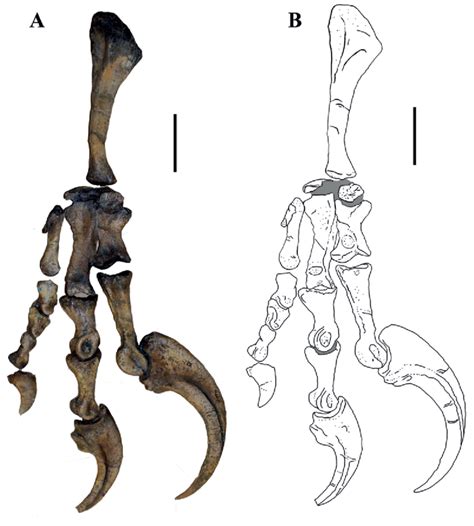
Megaraptor was a formidable predator with several distinctive physical features that set it apart from other theropod dinosaurs. Although complete skeletons are rare, scientists have been able to piece together its appearance and physical characteristics from partial remains discovered in Argentina and Brazil.
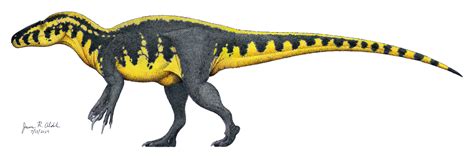
Standing approximately 26 feet (8 meters) in length and weighing around 1-2 tons, Megaraptor was considerably larger than the Velociraptor but smaller than giants like Tyrannosaurus rex. However, what it lacked in overall size, it made up for with specialized adaptations that made it a highly effective predator in its ecosystem.
| Anatomical Feature | Description | Hunting Significance |
|---|---|---|
| Body Length | Approximately 8 meters (26 feet) | Medium-large sized theropod |
| Estimated Weight | 1-2 tons | Relatively lightweight for its size |
| Forelimbs | Unusually long and powerful | Enhanced prey capture abilities |
| Primary Claw | Up to 35 cm (14 inches) | Main killing/hunting tool |
| Secondary Claws | Smaller but still substantial | Additional weapons for subduing prey |
| Skull Structure | Elongated with sharp teeth | Precise biting and feeding |
| Leg Bones | Long and slender | Suggested considerable speed |
| Vertebrae | Pneumatic (air-filled) | Reduced weight for increased agility |
| Tail | Long and counterbalancing | Provided stability during pursuit |
The most striking feature of Megaraptor was undoubtedly its massive, curved claws on the first digit of each hand. These formidable weapons could grow up to 14 inches (35 cm) in length—larger than those of any other known theropod. Recent studies suggest these claws were likely used to slash and disembowel prey, rather than simply to grip or stab as previously thought. According to research published in Scientific Reports, the unique structure of these claws allowed for both powerful striking and precision control.
The arms of Megaraptor were also unusually long and powerful for a theropod of its size, suggesting they played a crucial role in its hunting strategy. Its lightweight, pneumatic (air-filled) bones and relatively slender build indicate it was likely more agile than many other large predators of its time.
Habitat and Geographic Distribution
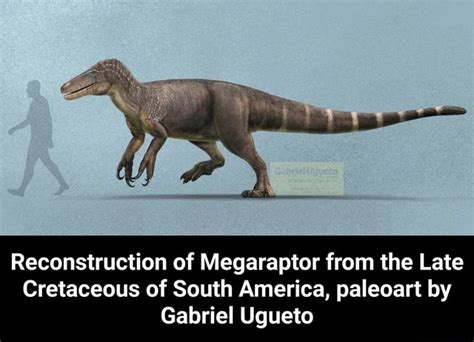
Megaraptor inhabited the southern supercontinent of Gondwana during the Late Cretaceous period, approximately 84-93 million years ago. This period was characterized by warm, humid climates and the ongoing breakup of the supercontinent Gondwana, which influenced the evolution and distribution of dinosaurs across the Southern Hemisphere.
Fossil evidence of Megaraptor and its relatives has been primarily discovered in South America, particularly in Argentina and Brazil, suggesting these regions were important centers of megaraptorid diversity. The paleoenvironments where Megaraptor remains have been found indicate it lived in lush, forested areas with abundant water sources, which would have supported diverse ecosystems and potential prey animals.
| Geographic Region | Fossil Evidence | Time Period |
|---|---|---|
| Neuquén Province, Argentina | Most complete specimens | Turonian-Coniacian (93-84 mya) |
| Patagonia, Argentina | Multiple specimens | Throughout Late Cretaceous |
| Southern Brazil | Fragmentary remains | Late Cretaceous |
| Possible Australia | Related megaraptorids | Similar time period |
| Possible Japan | Potential distant relatives | Late Cretaceous |
| Climate | Warm, humid tropical to subtropical | Typical of Late Cretaceous |
| Terrain | Forested lowlands with rivers and lakes | Based on sedimentological evidence |
| Ecosystem Type | Diverse woodland with varied prey species | Reconstructed from fossil assemblages |
The distribution of megaraptorid fossils across the former Gondwana landmasses provides important insights into dinosaur evolution and biogeography. According to the Journal of Paleontology, the presence of megaraptorids in multiple southern continents suggests these predators evolved and diversified before the complete separation of these landmasses, and then continued to evolve independently in their respective regions.
The Neuquén Basin in Argentina, where the first Megaraptor was discovered, was a particularly rich ecosystem during the Late Cretaceous, supporting a diverse array of dinosaurs, including titanosaurian sauropods, which may have been potential prey for Megaraptor. The region experienced seasonal rainfall patterns and was dominated by coniferous forests and ferns, creating a productive environment that could support large predators.
Hunting and Dietary Behavior
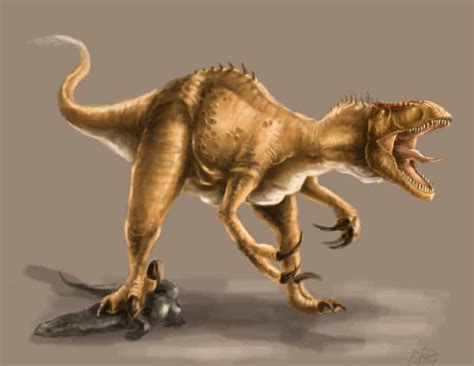
Megaraptor‘s distinctive anatomical features provide compelling evidence about its hunting strategies and dietary preferences. Unlike many other large theropods that relied primarily on powerful jaws for hunting, Megaraptor appears to have been specialized for using its remarkable forelimbs and giant claws as its primary weapons.
Paleontologists believe that Megaraptor was an active predator rather than a scavenger, using its speed and agility to pursue prey before subduing them with its powerful arms and enormous claws. Its relatively lightweight build suggests it could move quickly, while its long arms allowed it to grasp and control struggling prey effectively.
| Hunting Aspect | Details | Evidence |
|---|---|---|
| Primary Prey | Medium to large dinosaurs (possibly juvenile sauropods) | Based on claw mechanics and ecosystem analysis |
| Hunting Strategy | Active pursuit followed by claw attacks | Inferred from limb proportions and claw structure |
| Killing Method | Slashing and disemboweling with large hand claws | Biomechanical studies of claw structure |
| Bite Force | Moderate compared to tyrannosaurids | Skull structure analysis |
| Hunting Range | Large territory within forested environments | Estimated from body size and energy requirements |
| Pack Hunting | Inconclusive evidence | Limited fossil assemblages found |
| Scavenging Behavior | Likely opportunistic but not primary strategy | Tooth and jaw structure analysis |
| Feeding Mechanics | Precise cutting and slicing | Tooth serration patterns |
Based on biomechanical studies published in the Proceedings of the Royal Society B, Megaraptor‘s enormous claws could exert tremendous force, capable of inflicting devastating wounds on prey. The structure of these claws suggests they were used in a slashing motion rather than for grasping, making them effective for disemboweling large prey animals.
The most likely prey for Megaraptor would have been the medium to large dinosaurs that shared its habitat, particularly juvenile titanosaurian sauropods, which were abundant in its environment. The discovery of potential tooth marks on some fossil bones from the same formations provides indirect evidence of Megaraptor‘s predatory behavior, though definitive evidence of specific predator-prey relationships remains elusive.
Recent studies of tooth wear patterns suggest Megaraptor had a diet that included both soft tissues and occasional bone contact, consistent with an active predatory lifestyle rather than pure scavenging. Its dental adaptations allowed for efficient meat processing after a successful kill.
Evolutionary Significance and Relatives
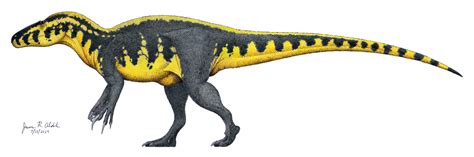
Megaraptor belongs to a fascinating group of theropods called megaraptorids, which represent an important but still incompletely understood branch of dinosaur evolution. The exact placement of Megaraptor and its relatives within the theropod family tree has been the subject of considerable scientific debate, with various hypotheses placing them as either advanced allosauroids, primitive tyrannosauroids, or as a distinct clade of tetanuran theropods.
This uncertainty stems partly from the unique combination of features found in megaraptorids, which share characteristics with several different theropod groups. Their distinctive adaptations represent a fascinating case of convergent or parallel evolution in predatory dinosaurs from the Southern Hemisphere.
| Evolutionary Aspect | Description | Scientific Significance |
|---|---|---|
| Taxonomic Position | Tetanuran theropod, possibly related to allosauroids or tyrannosauroids | Subject of ongoing research and debate |
| Key Relatives | Australovenator, Murusraptor, Aerosteon, Orkoraptor | Form the Megaraptoridae clade |
| Geographic Distribution | Primarily Gondwanan (South America, Australia) | Important for understanding dinosaur biogeography |
| Temporal Range | Mid to Late Cretaceous (approximately 125-65 mya) | Long-lived and successful predator group |
| Evolutionary Innovations | Pneumatic bones, elongated arms, specialized claws | Unique adaptations among theropods |
| Convergent Evolution | Similar adaptations to other predators but independently evolved | Demonstrates evolutionary principles |
| Extinction Pattern | Survived until near the K-Pg extinction event | Part of the terminal Cretaceous dinosaur diversity |
| Research Challenges | Incomplete fossil record, taxonomic uncertainties | Active area of paleontological investigation |
Recent discoveries of related megaraptorids, such as Murusraptor from Argentina and Australovenator from Australia, have helped clarify the characteristics of this group. According to the Journal of Vertebrate Paleontology, megaraptorids share several distinctive features, including pneumatic bones, elongated manual claws, and relatively slender skulls, suggesting they represent a monophyletic group (descended from a common ancestor).
The wide distribution of megaraptorids across the former Gondwana supercontinent provides important insights into dinosaur biogeography during the Cretaceous period. Their presence in South America and Australia suggests they evolved before the complete separation of these landmasses, with subsequent evolution occurring independently in each region.
Megaraptorids appear to have been particularly successful in southern ecosystems, occupying the niche of medium to large predators in environments where tyrannosaurids—the dominant large predators of the Northern Hemisphere—were absent. This pattern of distinct predator guilds in northern and southern continents is a fascinating aspect of Late Cretaceous dinosaur ecology.
Recent Discoveries and Ongoing Research
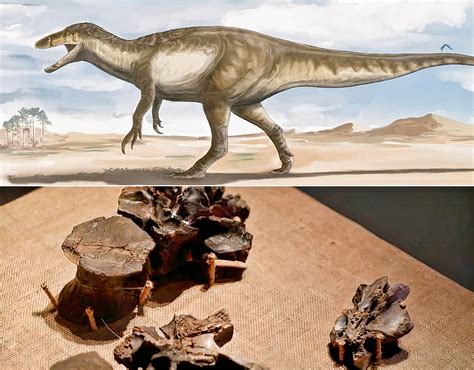
Our understanding of Megaraptor continues to evolve as new fossil discoveries and analytical techniques provide fresh insights into this remarkable predator. Recent years have seen several significant advances in megaraptorid research, expanding our knowledge of their anatomy, relationships, and paleobiology.
One of the most important recent discoveries was the recovery of more complete Megaraptor specimens from Argentina, including previously unknown skeletal elements that have helped paleontologists develop a more comprehensive understanding of this dinosaur’s anatomy. These finds have been particularly valuable for clarifying the structure of Megaraptor‘s forelimbs and hands, confirming their specialized nature.
| Research Development | Description | Implications |
|---|---|---|
| New Fossil Discoveries | More complete specimens from Argentina and Brazil | Better understanding of complete anatomy |
| Biomechanical Studies | Analysis of claw and limb function | Insights into hunting and feeding behavior |
| Phylogenetic Analyses | Updated family tree hypotheses | Clarification of evolutionary relationships |
| CT Scanning Technology | Internal examination of fossil bones | Revealed pneumatic structures and growth patterns |
| Histological Studies | Microscopic examination of bone tissue | Information about growth rates and life history |
| Paleoenvironmental Research | Analysis of ancient ecosystems | Context for Megaraptor‘s ecological role |
| Comparative Anatomy | Studies comparing megaraptorids to other theropods | Helps place them in evolutionary context |
| Digital Reconstructions | Computer models of skeleton and musculature | Visualizing appearance and movement capabilities |
A groundbreaking study published in PLOS ONE used advanced biomechanical modeling to analyze the function of Megaraptor‘s distinctive forelimbs, suggesting they were capable of both powerful strikes and precise movements. This research has transformed our understanding of how Megaraptor hunted, indicating its arms were multi-purpose tools used for both attacking prey and manipulating food.
Histological studies of Megaraptor bones have provided insights into its growth patterns and life history. By examining the microscopic structure of fossil bones, scientists have determined that known specimens represent subadult individuals, suggesting that fully mature Megaraptors may have been even larger than previously estimated.
Ongoing debates about the phylogenetic position of megaraptorids continue to drive research in this field. Recent analyses using comprehensive datasets and advanced computational methods have suggested potential new placements for this group within the theropod family tree, though consensus remains elusive.
The application of modern imaging technologies, such as CT scanning, has revealed previously unknown aspects of Megaraptor’s internal anatomy, particularly the extensive pneumatization (air spaces) within its skeleton. This feature, shared with birds and other advanced theropods, provides additional evidence for the evolutionary connection between dinosaurs and modern avians.
Megaraptor in Popular Culture and Education
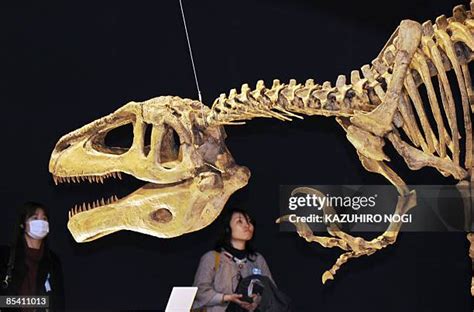
Despite its impressive features and significant scientific importance, Megaraptor has received less attention in popular culture than more famous dinosaurs like Tyrannosaurus rex or Velociraptor. However, its distinctive characteristics have increasingly captured public imagination as new discoveries have brought this remarkable predator into sharper focus.
Museums around the world have begun to feature Megaraptor in exhibits, highlighting its unique adaptations and role in Southern Hemisphere ecosystems. These educational displays often emphasize its massive claws and unusual forelimbs, helping visitors understand its significance in dinosaur evolution and the diversity of theropod adaptations.
| Cultural Aspect | Examples | Impact |
|---|---|---|
| Museum Exhibits | Life-sized reconstructions in Argentina, Brazil, and international museums | Public education and awareness |
| Documentaries | Featured in specialized paleontology programming | Scientific communication to broader audiences |
| Scientific Literature | Growing number of research papers and studies | Expanding academic knowledge base |
| Educational Resources | Inclusion in updated dinosaur encyclopedias and textbooks | Accurate information for students |
| Digital Reconstructions | 3D models and animations based on fossil evidence | Visualization of appearance and movement |
| Paleoart | Artistic interpretations by scientific illustrators | Bringing scientific concepts to life visually |
| Regional Pride | Celebrated as part of South American paleontological heritage | Cultural and scientific significance |
| Research Funding | Increased support for megaraptorid studies | Enabling new discoveries and analyses |
The Natural History Museum of Los Angeles County has developed educational programs specifically focused on lesser-known but scientifically significant dinosaurs like Megaraptor, using them to illustrate evolutionary concepts and the process of paleontological discovery. These programs emphasize how our understanding of prehistoric life continues to evolve as new evidence emerges.
In Argentina, where the first Megaraptor specimens were discovered, this dinosaur has become an important symbol of the country’s rich paleontological heritage. The Museo Argentino de Ciencias Naturales in Buenos Aires features prominent displays of Megaraptor, celebrating both the scientific significance of this discovery and its importance to national scientific accomplishments.
Digital technologies have also helped bring Megaraptor to life for educational purposes. Detailed 3D reconstructions based on fossil evidence allow students and museum visitors to visualize this dinosaur’s appearance and movement capabilities, while virtual reality applications provide immersive experiences of Cretaceous environments.
Scientific illustrators and paleoartists have created increasingly accurate depictions of Megaraptor based on the latest research, helping to disseminate current scientific understanding to broader audiences. These visual representations are updated as new discoveries refine our knowledge of this dinosaur’s anatomy and lifestyle.
Extinction and Legacy in Earth’s History
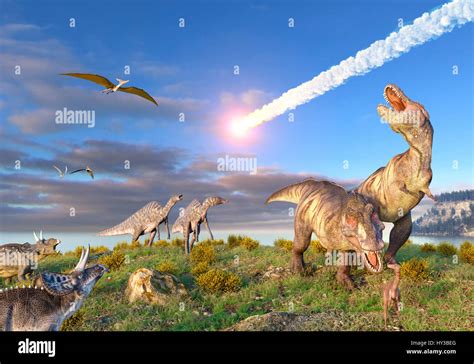
Megaraptor and its relatives were part of the rich dinosaur diversity that thrived during the Late Cretaceous period, ultimately disappearing in the mass extinction event that marked the end of the Mesozoic Era approximately 66 million years ago. This catastrophic event, caused by the impact of a massive asteroid combined with extensive volcanic activity, eliminated all non-avian dinosaurs and many other groups of organisms.
The extinction of Megaraptor represents the loss of a unique evolutionary experiment in predator design—a specialized hunting adaptation that had evolved over millions of years to fill a specific ecological niche. However, its legacy continues through what its fossils reveal about dinosaur evolution, biogeography, and the complex ecosystems of the Late Cretaceous world.
| Extinction Aspect | Details | Scientific Significance |
|---|---|---|
| Timing | End-Cretaceous mass extinction (66 mya) | Part of global dinosaur extinction |
| Causes | Asteroid impact and volcanic activity | Standard extinction mechanism for dinosaurs |
| Last Known Occurrence | Latest Cretaceous deposits in South America | Persisted until near the end |
| Ecological Impact | Loss of specialized predator niche | Changed predator-prey dynamics |
| Evolutionary Legacy | No direct descendants | Terminal branch of unique lineage |
| Contribution to Science | Insights into theropod evolution and adaptation | Important for understanding dinosaur diversity |
| Biogeographical Significance | Evidence of Gondwanan dinosaur distribution | Supports continental drift understanding |
| Modern Research Value | Continuing source of paleobiological data | Active area of scientific investigation |
According to research published in the Geological Society of America Bulletin, the Late Cretaceous ecosystems of South America were highly diverse and complex, with megaraptorids like Megaraptor occupying important roles as top predators. The extinction of these animals would have had significant effects on ecosystem dynamics, opening niches that would later be filled by mammalian predators during the Cenozoic Era.
Studying the extinction of specialized predators like Megaraptor provides important insights into how ecosystems respond to catastrophic events. The ecological vacuum created by the disappearance of dinosaurian apex predators was a crucial factor in the subsequent diversification of mammals, including the eventual evolution of large mammalian carnivores.
The fossil record of Megaraptor and other Southern Hemisphere dinosaurs continues to yield valuable data about paleobiogeography—the geographical distribution of organisms throughout Earth’s history. These patterns help scientists reconstruct ancient continental configurations and understand how geography influenced the evolution and dispersal of different dinosaur groups.
Modern analytical techniques applied to Megaraptor fossils, such as stable isotope analysis, are providing new information about ancient food webs and climatic conditions during the Late Cretaceous. This research connects the study of extinct organisms to broader questions about Earth’s climate history and ecosystem functioning.
Conclusion: Megaraptor’s Place in Dinosaur Evolution
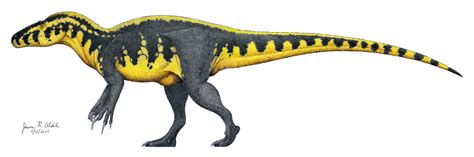
Megaraptor represents a fascinating chapter in the evolutionary history of theropod dinosaurs, illustrating the remarkable diversity of adaptations that evolved within this group. Its specialized forelimbs and massive claws showcase the innovative solutions that evolved in response to the selective pressures of being a large predator in Late Cretaceous ecosystems.
The ongoing scientific investigation of Megaraptor and its relatives continues to refine our understanding of dinosaur diversity and evolution. Each new discovery adds another piece to the complex puzzle of how these magnificent animals lived, interacted with their environments, and ultimately disappeared from Earth’s ecosystems.
| Evolutionary Aspect | Significance | Future Research Directions |
|---|---|---|
| Adaptative Radiation | Example of specialized predator evolution | Further exploration of related species |
| Gondwanan Evolution | Important for understanding Southern Hemisphere dinosaurs | Continued field work in South America and Australia |
| Evolutionary Experimentation | Unique combination of features not seen in other theropods | Comparative studies with other theropod groups |
| Taxonomic Relationships | Still debated, highlighting evolutionary complexity | More complete fossils needed for definitive placement |
| Ecological Specialization | Distinctive niche separate from northern hemisphere predators | Further paleoecological research |
| Morphological Innovation | Novel predatory adaptations | Biomechanical studies of hunting strategies |
| Scientific Importance | Continues to yield new paleobiological insights | Application of cutting-edge analytical techniques |
| Biogeographical Significance | Helps map dinosaur distribution during continental breakup | Integration with geological and climatological data |
As paleontological methods continue to advance, our picture of Megaraptor becomes increasingly complete. New fossil discoveries, particularly in Argentina and elsewhere in South America, hold the promise of revealing additional details about this remarkable predator’s anatomy and lifestyle. According to the American Museum of Natural History, unexplored regions of Patagonia may still hold important Megaraptor fossils waiting to be discovered.
Comparative studies between Megaraptor and other theropods from both the Northern and Southern Hemispheres help scientists understand broader patterns in dinosaur evolution and the factors that drove the development of different predatory adaptations in separate geographical regions. This research illuminates how evolutionary processes operate on a global scale over extended time periods.
The study of Megaraptor also highlights the importance of international scientific collaboration, with researchers from Argentina, Brazil, the United States, Europe, and Australia all contributing to our understanding of this dinosaur and its relatives. This collaborative approach ensures that new discoveries are quickly integrated into the growing body of knowledge about megaraptorids and their place in dinosaur evolution.
As we continue to uncover and analyze fossil evidence, Megaraptor stands as a testament to the incredible diversity and adaptability of dinosaurs throughout their 165-million-year reign on Earth. Its distinctive features remind us that there are still many fascinating aspects of dinosaur evolution yet to be fully understood, driving ongoing research in this dynamic field of paleontology.
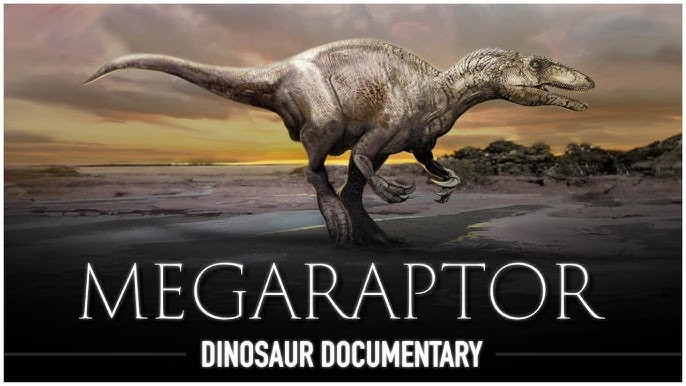
Discovery of Megaraptor
Fossil Discovery
The tale of Megaraptor begins in the late 1990s in Argentina, where paleontologists unearthed its remarkable fossils. What sets this creature apart is the striking specimen discovered in 1996, part of a vertebra and notably large claws. Upon first glance, explorers couldn’t help but feel that they were onto something significant. Imagine the thrill as they brushed away the dust to reveal the skeletal remains of this enigmatic dinosaur! Key points about the discovery:
- Location: Argentinian Patagonia, specifically in the Neuquén Province.
- Year Discovered: 1996.
- Types of Fossils: Partial skeleton, including remarkable claws that hinted at its predatory nature.
Initial Classification
Upon discovery, paleontologists initially classified Megaraptor as a theropod dinosaur, akin to the Velociraptor. This classification was primarily due to its claw structure, which was unlike anything seen before. However, as new fossils emerged, researchers realized that the Megaraptor was indeed a unique member of a previously unrecognized family—Megaraptoridae. This transition in classification stirred excitement within the scientific community:
- First Classification: Theropod.
- Revised Classification: Megaraptoridae, highlighting its distinct lineage.
Exploring the evolution of Megaraptor not only enhances our understanding of this dinosaur’s place in history, but also reflects the changing perspectives in paleontology as new evidence comes to light.

Megaraptor Characteristics
Physical Features
As researchers delved deeper into the anatomy of Megaraptor, they uncovered fascinating physical features that not only distinguished it from other theropods but also highlighted its prowess as a predator. One striking aspect was its long, slender arms equipped with oversized claws—imagine having a natural set of tools for hunting! Key physical features include:
- Claw Size: The claws could reach up to a foot long, ideal for gripping and tearing into prey.
- Skull Structure: A long, narrow skull with sharp, serrated teeth, perfect for slicing through flesh.
- Overall Build: Megaraptor possessed a lithe, agile body, suggesting it was built for speed and agility.
Size Comparison
When it comes to size, Megaraptor was quite an impressive creature. Estimates suggest it reached lengths of about 23 to 26 feet, making it one of the larger members of the predatory dinosaur family. For perspective:
- Megaraptor Length: Approximately 23-26 feet.
- Comparison to Velociraptor: Megaraptor was about five times larger than Velociraptor, showcasing its more dominant presence.
- Weight Estimate: Roughly 1,000 to 2,500 pounds, putting it in the upper range of theropods.
Understanding these characteristics of Megaraptor not only paints a picture of its physical capabilities but also gives us a glimpse into how it may have thrived in its ancient environment. The combination of size and specialization made it a formidable carnivore!
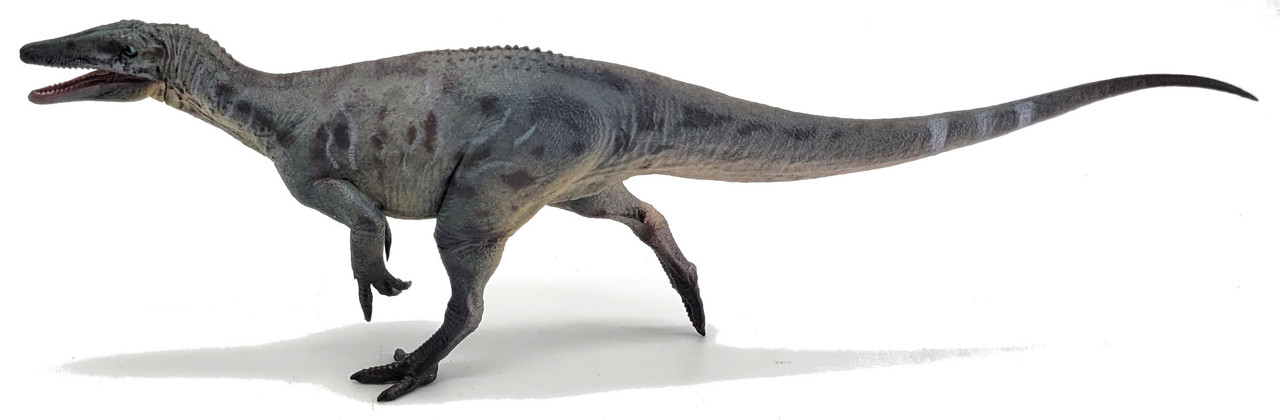
Megaraptor Behavior
Hunting Habits
Megaraptor’s extraordinary physical features hint at its sophisticated hunting techniques. With its impressive claws and sharp teeth, researchers propose that it was a versatile predator, adept at ambushing prey. Imagine the thrill of a Megaraptor as it swiftly stalked its target through dense vegetation, utilizing its speed and agility to close the distance! Some notable hunting habits include:
- Ambush Predation: Likely employing stealth to surprise unsuspecting herbivores.
- Versatile Diet: Evidence suggests it may have scavenged as well as hunted, allowing it to thrive in varying conditions.
- Group Hunting: Although mostly solitary, it’s speculated that Megaraptors might have occasionally hunted in packs for larger prey.
Social Behavior
When it comes to social behavior, Megaraptor’s lifestyle is still a matter of debate among paleontologists. While hard evidence of social structure is scarce, some hints suggest it may have exhibited both solitary and communal traits. Consider the following:
- Territoriality: Like many large predators, Megaraptors may have defended their territories from rivals.
- Communication: They likely used vocalizations and body language to signal to each other, especially during mating or territorial disputes.
- Fossil Evidence: Instances of multiple Megaraptor fossils found in close proximity hint at possible social interactions during certain life stages.
In summary, understanding the hunting and social behaviors of Megaraptor enriches our knowledge of how this incredible dinosaur thrived in its ecosystem, showcasing its adaptability as both a solo hunter and, perhaps, a more social creature than we initially thought.
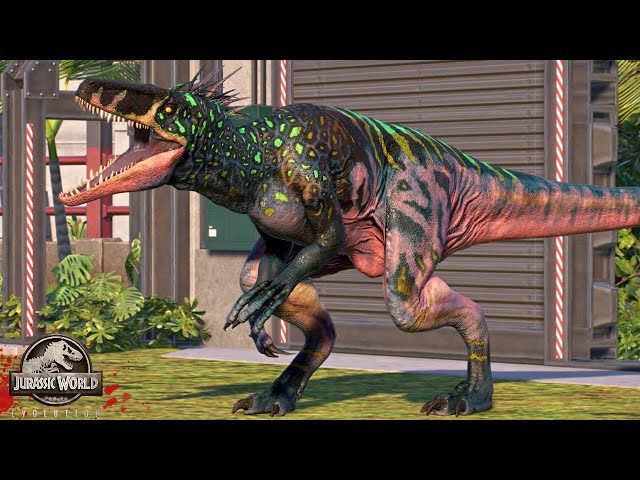
Megaraptor Evolution
Evolutionary Lineage
Exploring the evolutionary lineage of Megaraptor provides fascinating insights into the dinosaur’s ancestry and its place within the broader context of theropod evolution. Positioned within the Megaraptoridae family, it shares distant connections with other well-known theropods like the Tyrannosaurus rex and Allosaurus. Key points to consider about its lineage:
- Common Ancestors: Megaraptor likely descended from early theropods, adapting features that set it apart from its relatives.
- Diversity of Theropods: The late Cretaceous period, when Megaraptor roamed, was a time of incredible diversity among theropods, leading to various niches and adaptations.
- Comparison with Other Dinosaurs: Unlike its close relatives, Megaraptor showcased unique characteristics, setting it apart in the evolutionary tree.
Adaptations Over Time
Megaraptor exemplified numerous adaptations that reflect its survival strategies and predation techniques. Over time, certain traits evolved that increased its effectiveness as a hunter. Some significant adaptations include:
- Claw Development: The evolution of its large, specialized claws allowed for better grip and maneuverability when tackling prey.
- Enhanced Sensory Skills: Over generations, Megaraptor likely developed keen eyesight and hearing, important for tracking prey in various habitats.
- Body Structure: Its robust yet agile body structure enabled swift movement, adapting to diverse terrains.
By examining Megaraptor’s evolution, we can appreciate how changes in anatomy and behavior shaped its way of life, underscoring the dynamic nature of evolutionary processes in the world of dinosaurs. This journey through time showcases the intricate web of life and adaptation that defines the history of Megaraptor and its theropod relatives.
Megaraptor in Popular Culture
Depictions in Media and Art
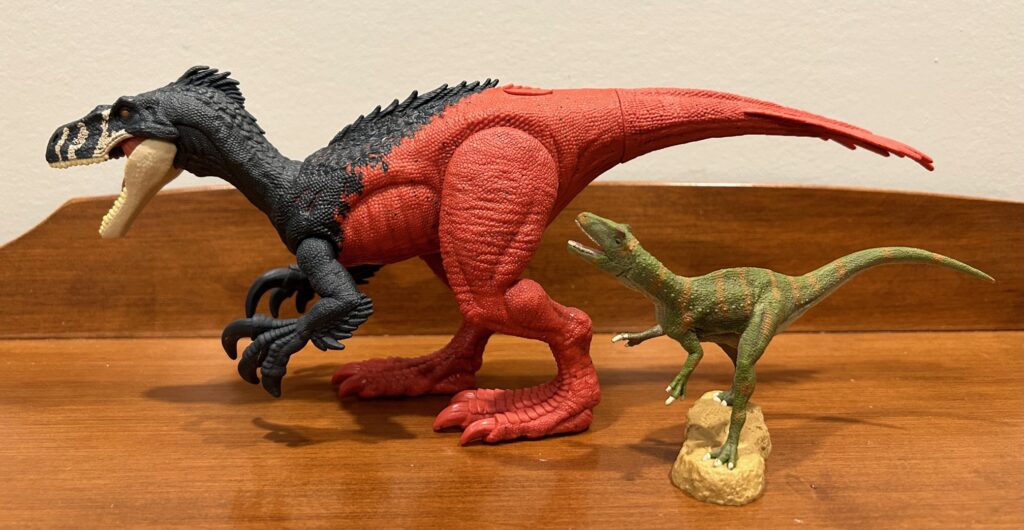
Megaraptor has captured the imagination of artists and filmmakers alike, appearing in various forms of media that showcase its fierce attributes and predatory nature. While it may not be as iconic as the Tyrannosaurus rex, Megaraptor has made its mark in documentaries, illustrations, and even video games. Some notable depictions include:
- Documentaries: Many nature documentaries shed light on the lives of dinosaurs, with Megaraptor often featured for its impressive anatomy and hunting capabilities.
- Illustrations: Artists frequently depict Megaraptor in dynamic poses, highlighting its claws and agility, contributing to public interest in lesser-known dinosaur species.
- Video Games: In recent years, Megaraptor has appeared in gaming titles that allow players to explore prehistoric ecosystems, engaging users in the thrill of dinosaur interactions.
Impact on Dinosaur Enthusiasts
The presence of Megaraptor in popular culture has significantly influenced dinosaur enthusiasts, sparking curiosity and enthusiasm for paleontology. For many, discovering this unique dinosaur fosters a deeper appreciation for the diversity of species that existed millions of years ago. Consider the following effects on the community:
- Educational Engagement: Exhibits and educational programs often include Megaraptor, promoting interest among young paleontologists.
- Inspiring Creativity: Artists and writers are inspired by its characteristics, leading to new stories and artworks that delve into its prehistoric world.
- Community Building: Online forums and social media platforms buzz with discussions about Megaraptor, creating a vibrant community of dinosaur lovers eager to share knowledge and art.
Megaraptor: The Ultimate Guide to the Cretaceous Predator’s Evolution and Adaptations
Explore the fascinating world of Megaraptor, the formidable Late Cretaceous predator with massive claws. Discover its unique hunting adaptations, evolutionary significance, and latest scientific findings in this comprehensive guide.
- “Top 10 Lesser-Known Predatory Dinosaurs”
- “The Breakup of Gondwana: How Continental Drift Shaped Dinosaur Evolution”
- “Dinosaur Hunting Strategies: From Ambush to Pack Hunting”
In summary, Megaraptor’s journey through popular culture illustrates how even lesser-known dinosaurs can inspire fascination and a deep connection to the study of ancient life, making it a beloved topic among enthusiasts.