

Megaraptor Characteristics
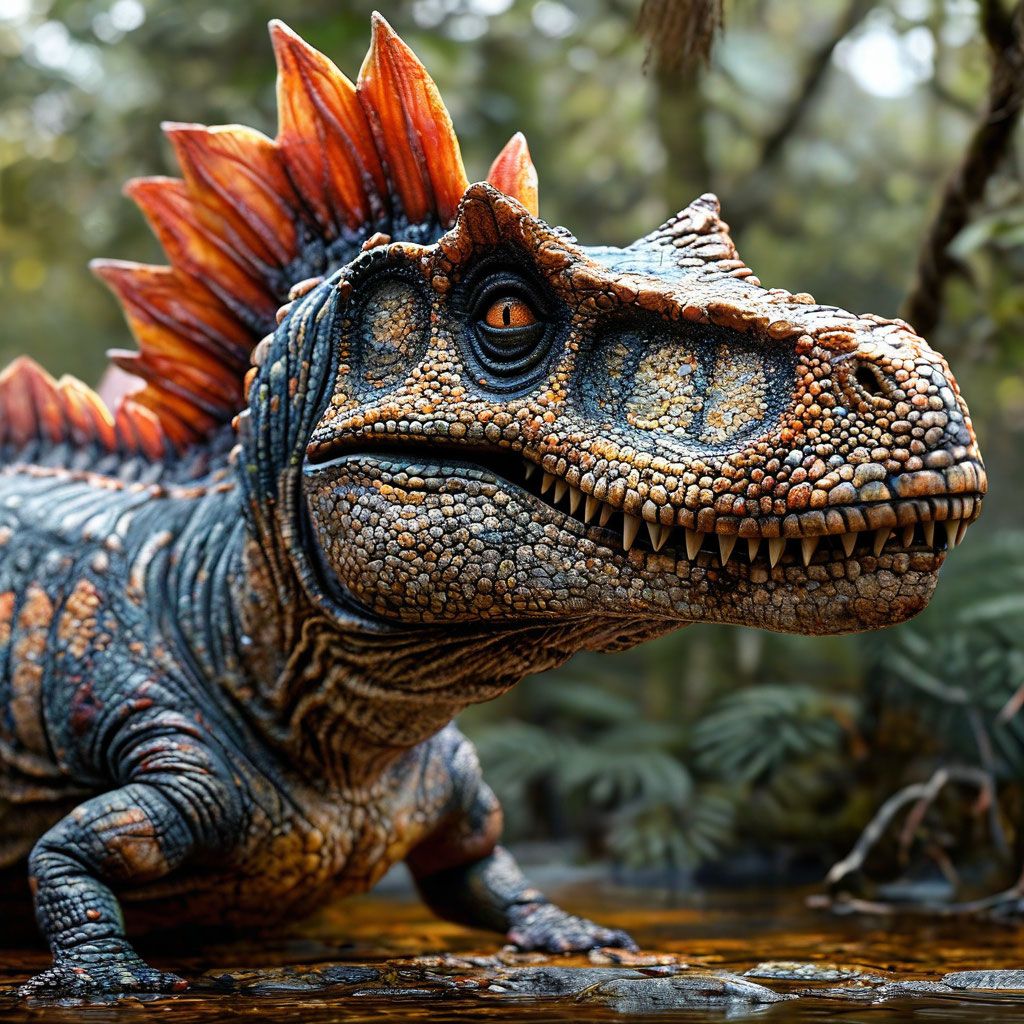
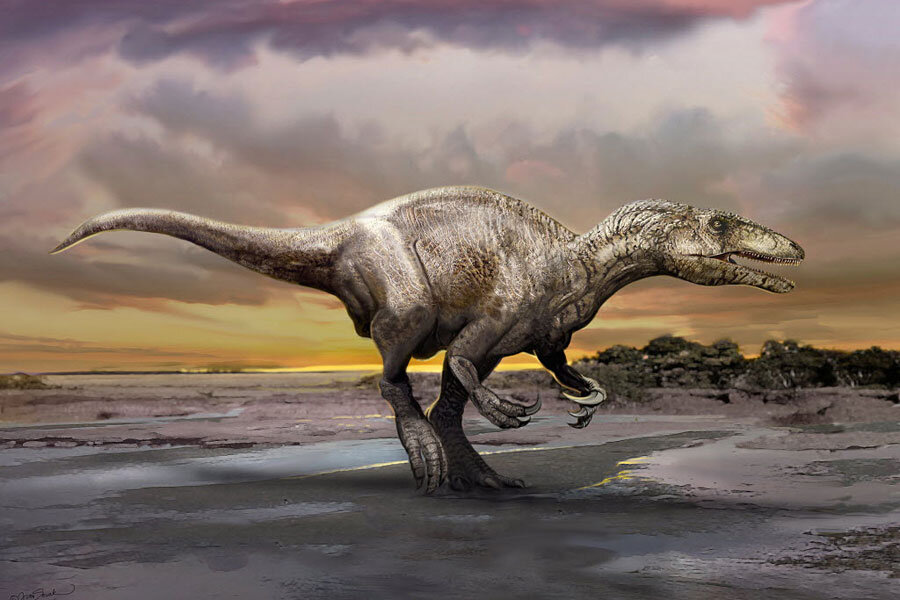
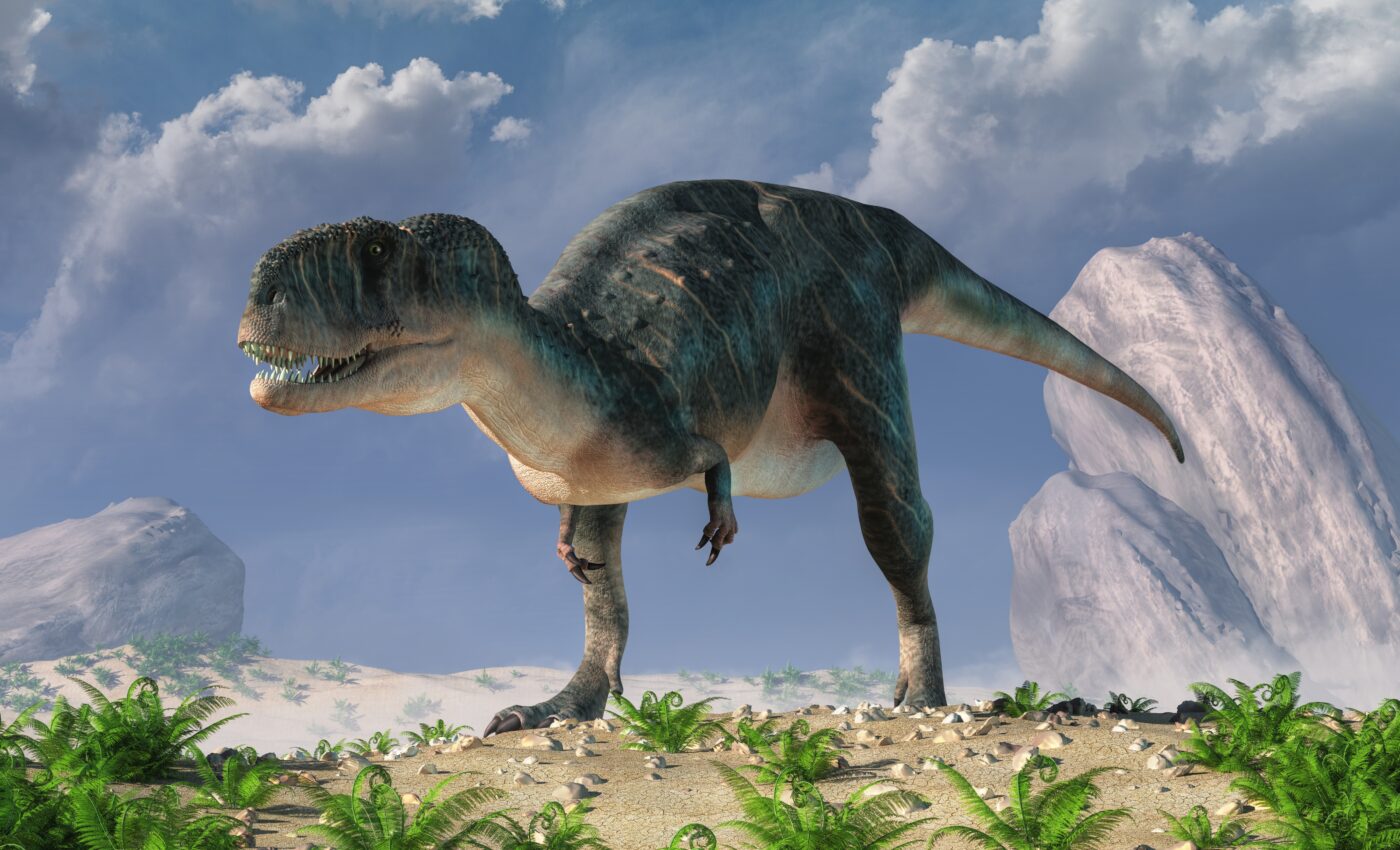
Megaraptor is a dinosaur that has sparked a considerable amount of interest among paleontologists and dinosaur enthusiasts alike. Discovered in the Late Cretaceous deposits of Argentina, this remarkable theropod lived approximately 70 million years ago. Unlike many of its contemporaries, Megaraptor presented a unique blend of predatory features that set it apart from other dinosaurs in its era. Boasting powerful limbs and sharp claws, Megaraptor is often thought to be an apex predator of its environment. Measuring up to 26 feet in length, it was a formidable creature, an impressive sight in the lush landscapes it once roamed. The dinosaur has garnered attention not only for its size but also for its evolutionary significance, challenging previous classifications of theropods. In essence, Megaraptor embodies a fascinating blend of characteristics:
- Size and Posture: It was large yet displayed remarkable agility.
- Physical Features: Included a unique set of claws that are distinct from those of traditional raptors.
- Ecological Role: As a predator, it played an essential part in its ecosystem.
On a personal note, while relevant fossils have not all been recovered, imagining a creature like Megaraptor prowling its territory invokes a sense of both awe and curiosity. It’s fascinating to consider how this dinosaur interacted with its environment and other species.
Significance of Studying Megaraptor
The study of Megaraptor goes far beyond mere fascination; it serves as a crucial piece in understanding the evolutionary puzzle of theropods. As experts delve into its anatomy and behavior, they glean valuable insights into the evolutionary pathways taken by these magnificent creatures. There are several reasons why Megaraptor studies hold significance:
- Evolutionary Insights: Investigating Megaraptor leads to a greater understanding of the lineage of theropods and how diverse these creatures truly were.
- Ecological Dynamics: From studying Megaraptor’s hunting behavior and diet, scientists can better comprehend the ecological dynamics of the Late Cretaceous period, including predator-prey relationships.
- Anatomical Features: Megaraptor presents unique skeletal traits, allowing paleontologists to expand their knowledge of adaptation and speciation among carnivorous dinosaurs.
For instance, analysis of its skeletal remains reveals features that echo both primitive and advanced traits in dinosaurs. This pushes researchers to rethink the evolutionary timeline of these creatures. One could argue that understanding Megaraptor provides an invaluable lens through which to study how species evolve over time, adapting to their environments in response to numerous biological pressures. Moreover, the study of Megaraptor has wider implications for contemporary science. Enhanced understanding of past ecosystems informs current ecological studies, particularly as scientists face the pressing challenges of climate change and habitat destruction today. By drawing parallels between extinct creatures like Megaraptor and modern predatory animals, researchers can:
- Identify Behavioral Patterns: Recognize potential behaviors that may have been advantageous for survival.
- Conservation Strategies: Utilize knowledge of extinct predators to guide the conservation of existing species.
Megaraptor leads us to explore not just dinosaur biology but the very principles of life and survival in changing environments. Future research can reveal how this creature adapted to its circumstances and the implications of such adaptations for species today. In conclusion, studying Megaraptor is not merely an academic exercise; it is essential for unraveling the complexities of life on Earth throughout history. The lessons learned from this fascinating dinosaur echo into our present, fostering a deeper appreciation for nature's resilience and the intricate web of life. As we move further into our exploration of Megaraptor's physical characteristics, evolutionary history, and hunting behavior, we will continue to uncover the many layers of its impact on both past and present ecosystems.

Megaraptor's Physical Characteristics
Size and Weight
As we delve deeper into the world of Megaraptor, one of the first characteristics that capture attention is its sheer size and weight. This dinosaur was a true behemoth of its time, making it an apex predator in its ecosystem.
- Impressive Length: Megaraptor measured approximately 26 feet in length, scaling significantly larger than many of its theropod contemporaries.
- Estimated Weight: It is believed to have weighed between 1,000 and 2,000 pounds. To give you an idea, that's comparable to the size of a modern-day rhinoceros! Imagining a creature of that mass, moving with agility, is both fascinating and a bit frightening.
- Height: While the exact height of Megaraptor is difficult to pinpoint due to incomplete skeletal remains, estimates suggest it stood approximately 6 to 10 feet tall at the hips, allowing it to have a substantial vantage point over its surroundings.
Can you imagine encountering such a creature? Picture it striding through dense vegetation, its size casting an imposing shadow on the ground. The scale of Megaraptor offers a unique glimpse into the types of environmental pressures it must have faced, as being a large predator comes with its own set of challenges, including the need for substantial food intake and suitable habitats. Speaking of habitats, Megaraptor likely traversed a terrain of lush forests and open plains, a characteristic environment where it could exercise its predatory instincts effectively.
Unique Features
What truly sets Megaraptor apart from other theropods are its distinctive features, which not only contributed to its prowess as a predator but also had implications for its classification within the dinosaur family tree.
- Specialized Claws: One of the most notable aspects of Megaraptor is its oversized claws, which could grow up to a foot long. These claws were not just for show; they were essential for gripping and capturing prey. Imagine the way a modern-day eagle uses its talons—now magnify that image for a creature of this size. Such adaptations undoubtedly influenced its hunting techniques, allowing Megaraptor to effectively seize and hold onto its prey.
- Robust Arms and Legs: Megaraptor displayed muscular forelimbs, hinting at a combination of strength and dexterity. Its legs were strong and designed for bursts of speed, essential for both tracking prey and avoiding rival predators in a competitive ecosystem.
- Facial Structure: The skull of Megaraptor featured sharp, serrated teeth that provided an efficient means for slicing through flesh. This specialized dentition mirrors features seen in more modern carnivores, suggesting a lineage that adapted well to predation.
- Unique Foot Structure: Unlike many other theropods, Megaraptor also displayed an unusual foot structure, consisting of three large, robust toes. This complemented its agility and stability, allowing it to navigate various terrains effectively. Such adaptations permitted Megaraptor to be versatile in its hunting strategy, whether in dense foliage or more open spaces.
Having these physical characteristics means Megaraptor was equipped to thrive in a dynamic environment. It reminds us that evolution is a process fine-tuned over millions of years to give rise to truly unique creatures. In essence, the combination of size, weight, and unique features creates a vivid picture of Megaraptor as not just another dinosaur, but as an extraordinary predator of its time. Its form and function encapsulate the delicate balance of adaptation and survival in the prehistoric world. Understanding these characteristics provides crucial insights into not only the creature itself but also the environments and ecosystems in which it flourished. As we transition from the physical attributes of Megaraptor, the next logical step will allow us to explore its evolutionary history, answering the pressing questions of ancestry and classification that surround this intriguing dinosaur.
Evolutionary History of Megaraptor
Ancestry and Classification
Understanding the evolutionary history of Megaraptor requires a dive into its ancestry and classification within the broader theropod family. Megaraptor is classified within the clade Megaraptoridae, a group that was known for its unique adaptations and characteristics.
- Theropod Legacy: Megaraptor belongs to the theropods, a diverse subclass of dinosaur known primarily for their bipedal posture and, mainly, predatory behavior. This lineage includes many well-known members like Tyrannosaurus rex and Velociraptor, yet Megaraptor shows distinctive traits that set it apart from its relatives.
- Megatheropods: Within theropods, Megaraptor is considered a member of the megatheropods—large, carnivorous dinosaurs that exhibited diverse forms and adaptations. What’s fascinating is how Megaraptor’s classification reflects an evolutionary development that emphasizes speed, strength, and agility over mere size.
- Unraveling Relationships: The ancestry of Megaraptor suggests a complex lineage with connections to both primitive and advanced theropods. Paleontologists have dedicated years to unravel the relationships within these classifications, enhancing our understanding of evolutionary transformations across various dinosaur species. Imagine digging through the fossil record as if piecing together a jigsaw puzzle, gradually revealing the intricate relationships between these ancient creatures.
A defining aspect of Megaraptor’s ancestry is what it implies about adaptation and evolution in predatory dinosaurs. As researchers continue to analyze its traits, they're constantly refining our understanding of how different dinosaurs adapted to their environments, giving us critical insights into the survival mechanisms that played out millions of years ago.
Fossil Evidence and Discoveries
Fossils serve as the tangible evidence of a creature’s existence, and for Megaraptor, significant discoveries have played a crucial role in shaping its narrative. The fossil record tells us where Megaraptor roamed, its behavior, and even its interactions within its ecosystem.
- Initial Finds: The first Megaraptor fossils were discovered in the late 1990s in Argentina. The early finds included portions of the limbs and parts of the skull. These initial discoveries piqued the interest of paleontologists who began to investigate further.
- Key Discoveries: Since that first discovery, a variety of fossilized remains have been unearthed, including robust limb bones that indicate its powerful build. As more complete skeletons have been pieced together, evidence has emerged to support Megaraptor's distinctive predatory attributes.
- Fossil Sites: The sedimentary layers found in Patagonia, Argentina, have proven to be rich in fossils from the Late Cretaceous period. These layers paint a picture of a vibrant ecosystem teeming with life and competition. Imagine the excitement of a paleontologist on an excavation, unearthing remains that could change the understanding of prehistoric life—each fossil discovered an important puzzle piece in a larger story.
- Research Implications: Ongoing research into these fossilized remains has led to potentially groundbreaking theories about the behavior and ecological role of Megaraptor. For example, the structure of its bones has provided insights into how it moved and hunted. Hypotheses about its predatory behavior suggest that it employed speed and agility rather than relying solely on brute strength.
Ultimately, the fossil evidence we have paints a dynamic picture of Megaraptor’s life. Each discovery leads to new questions and avenues for exploration, exemplifying the thrill of paleontological research. As researchers continue studying these findings, we’ll see a more comprehensive picture of Megaraptor's place in the tapestry of prehistoric life. Transitioning from the evolutionary history of Megaraptor, it becomes evident that every aspect of its being was shaped by the environment it inhabited. Next, we will explore Megaraptor's hunting behavior, building an understanding of how it survived in a world full of threats and competition.

Megaraptor's Hunting Behavior
Hunting Strategies
As we delve into Megaraptor’s hunting behavior, it’s essential to understand that its survival hinged on effective strategies that allowed it to dominate its environment. Equipped with formidable physical traits, Megaraptor’s prowess revolved around a variety of intelligent and adaptive hunting techniques.
- Agility Over Brute Force: Unlike some of its heavier counterparts, Megaraptor was built for agility, allowing it to dart through dense vegetation and navigate challenging terrains with ease. This characteristic would have served it well for ambush tactics. Imagine Megaraptor stealthily stalking its prey, using the terrain to its advantage to launch surprise attacks.
- Ambush Predator: Many paleontologists theorize that Megaraptor employed ambush strategies similar to those of modern-day big cats. By blending into its surroundings and observing the movements of unsuspecting herbivores, it could strike at the opportune moment. The thrill of the chase becomes apparent in imagining how this prehistoric predator utilized patience and cunning to catch its meals.
- Pack Behavior: While there’s still debate regarding whether Megaraptor hunted alone or in packs, some fossil evidence suggests a possibility for cooperative hunting. This behavior, if verified, would draw parallels to modern predatory birds like wolves or even some species of big cats. Hunting in packs could enhance their chances of taking down larger, more formidable prey while also protecting themselves from threats.
- Dual Tactics: The presence of large claws indicates that Megaraptor was capable of utilizing both its speed and strength. It could tackle smaller prey with swiftness while using those powerful claws to grasp onto larger animals. The versatility in hunting tactics would have allowed Megaraptor to adapt to varying conditions and prey availability.
Having a well-rounded strategy allowed this dinosaur to thrive amid competition, a critical element in understanding how species survive over time. The hunting techniques employed by Megaraptor reveal not only its adaptability but also its place within the prehistoric food web.
Diet and Feeding Habits
When discussing Megaraptor's diet, it becomes evident that its hunting strategies directly influenced its feeding habits. As a carnivorous predator, Megaraptor had specific dietary needs that reflected its ecological niche.
- Predominantly Carnivorous: Analysis of tooth structure suggests that Megaraptor primarily fed on other animals. The sharp, serrated teeth were perfectly designed for shredding through flesh, indicating a diet rich in meat. Imagine the raw power of Megaraptor sinking its teeth into a large herbivore.
- Varied Diet: While larger prey was certainly a target, evidence suggests that Megaraptor likely diversified its dietary choices to include smaller dinosaurs, reptiles, and perhaps even eggs when the opportunity arose. This flexibility in diet would have ensured that Megaraptor could survive even when larger prey was scarce. The ability to adapt feeding behavior in response to environmental changes is a hallmark of successful predators.
- Opportunistic Feeder: Beyond simply hunting, Megaraptor might have also employed scavenging tactics. When faced with the remains of a larger animal, this dinosaur would have taken advantage of the situation, capitalizing on readily available food sources. This opportunistic behavior is seen in many modern carnivores, adding yet another layer to the survival strategies of Megaraptor.
- Feeding Behavior: Once it captured its prey, Megaraptor would likely have used its powerful limbs and claws to grasp and hold onto its food. The act of feeding itself would have been intense, with Megaraptor possibly tearing apart its meal using its sharp teeth and robust jaws.
Overall, Megaraptor’s diet and feeding habits paint a comprehensive picture of its lifestyle as a powerful predatory dinosaur. Its ability to adapt to diverse feeding opportunities marked its endurance within an ever-changing ecosystem. As we transition from hunting behavior and dietary preferences, it becomes clear how Megaraptor's biological and behavioral attributes complemented one another in crafting a formidable predator. Our next exploration will take us into a comparative analysis of Megaraptor alongside other raptors, specifically examining contrasts with renowned carnivores like T. rex and Velociraptor.
Comparison with Other Raptors
Contrasts with T. rex and Velociraptor
When comparing Megaraptor to other well-known theropods like Tyrannosaurus rex and Velociraptor, striking differences become apparent, showcasing the incredible diversity within the dinosaur family.
- Size and Build: First, let’s talk size. While both T. rex and Megaraptor are impressive in their own right, T. rex reigns king in the size category, often weighing in around 9 tons and measuring over 40 feet long. In contrast, Megaraptor, although still large at about 26 feet, falls into the category of medium-sized theropods. This variation in size influenced their hunting strategies: T. rex relied on sheer power and size to subdue large herbivores, while Megaraptor’s agility provided it with an advantage in speed and stealth.
- Hunting Style: Engaging in a comparison of hunting styles, we see a fascinating juxtaposition. T. rex, with its massive jaws and strong bite force, likely took a direct approach, using its power to crush and render large prey incapacitated. On the other hand, Megaraptor would have used smart ambush tactics and speed, reflecting a more agile hunting technique. Think of it like comparing a freight train to a race car—both are powerful vehicles, but the methods they employ to get where they’re going are refreshingly different.
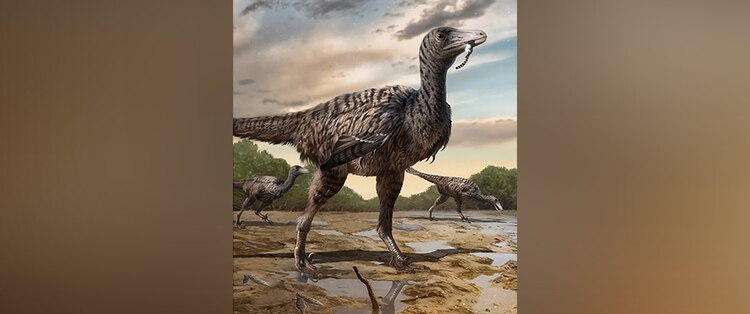
- Morphology and Features: Velociraptor was another interesting contrast. Although it possessed similar predatory instincts and was known for its agility, Megaraptor was significantly larger. Velociraptors were more akin to relatively small birds of prey, focusing on pack hunting strategies, while Megaraptor’s robust physique likely meant it could hunt independently, tapping into a wider range of prey sizes. The contrast in anatomy reveals how significant environmental pressures shaped their evolutionary paths.
- Dietary Differences: In terms of diet and feeding habits, Megaraptor's carnivorous tendencies shared similarities with Velociraptor; however, Megaraptor’s larger size made it less reliant on scavenging and more capable of taking down larger prey. This ability places Megaraptor in a unique niche, suggesting a level of adaptability that might not have been as critical for its smaller, more dependent relatives.
This diverse range of contrasts illustrates how each species adapted to fill unique roles within their ecological systems. It poses intriguing questions about how competition for resources might have influenced their evolutionary trajectories.
Similarities with Other Megaraptorids
While Megaraptor exhibits unique features, it also shares similarities with its relatives within the Megaraptoridae family. Understanding these connections can broaden our perspective on predatory adaptations among theropods.
- Physical Traits: Megaraptors typically display distinctive anatomical characteristics, notably their elongated claws and robust limbs. Like Megaraptor, other members of the Megaraptoridae family—such as Orkoraptor—display similar features adapted for predation, emphasizing the evolutionary advantages conferred by size and agility.
- Ecological Roles: The ecological role of Megaraptor and its relatives highlights a fascinating similarity. Both Megaraptor and other Megaraptorids likely occupied similar predator niches. This positioning within the ecosystem allowed for a variety of hunting strategies and prey selection that emphasized adaptability, reinforcing that successful predation can come in many forms.
- Feeding and Behavior: Feeding evidence suggests that these theropods shared comparable dietary habits. Much like Megaraptor, Orkoraptor has been associated with a varied carnivorous diet, suggesting that these predators adapted creatively to an array of available preys in their environments.
- Ancestral Connections: Fossil studies reveal phylogenetic connections among various megaraptorids, suggesting a common ancestry from which each species diverged as they adapted to specific niches over time. This ancestral relationship underscores how evolutionary paths can lead to a rich tapestry of diverse forms equipped for survival.
In conclusion, comparing Megaraptor to other notable dinosaurs like T. rex and Velociraptor reveals the remarkable adaptability and diversification of predatory dinosaurs. Its similarities with other megaraptorids emphasize how evolutionary pressures shaped the features and behaviors of these intriguing creatures. As we wrap up our exploration of Megaraptor, our next stop will focus on the modern implications of this fascinating dinosaur and how ongoing research sheds light on both paleontology and current ecological studies.
Modern Implications and Scientific Research
Relevance to Paleontology
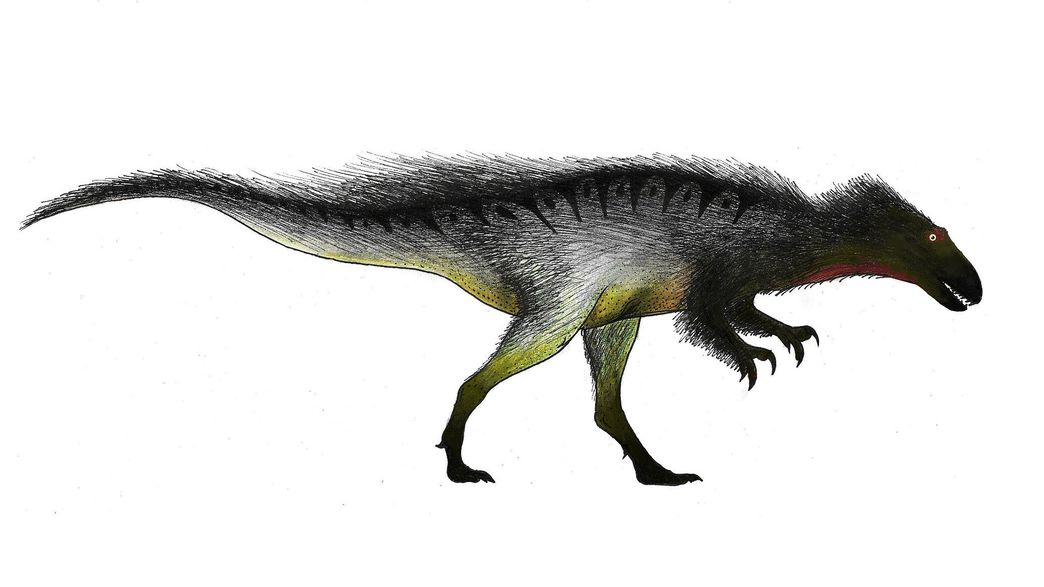
As our exploration into the world of Megaraptor comes to a close, it’s important to recognize the modern implications of studying this extraordinary dinosaur. In the realm of paleontology, Megaraptor serves as a critical case study, helping scientists piece together not only the life it led but also the broader evolutionary relationships of theropods.
- Evolutionary Insights: Research into Megaraptor's unique anatomical features has deepened our understanding of theropod evolution. The study of its skeletal structure provides clues about the adaptive strategies that allowed it to thrive during the Late Cretaceous. Such insights are essential in reconstructing the evolutionary tree of dinosaurs, revealing how various species adapted their body plans to different environments.
- Fossil Context: The fossil evidence unearthed from sites in Argentina contributes significantly to our understanding of the geographical distribution of theropods. Each new finding paints a more detailed picture of prehistoric ecosystems and how different carnivores coexisted, competed, or preyed upon one another. It’s much like piecing together a large puzzle where each piece represents a moment in time, allowing researchers to grasp the interconnectedness of life.
- Interdisciplinary Research: The study of Megaraptor also encourages interdisciplinary collaborations. Combining fields like geology, ecology, and paleobiology, researchers can examine fossils within their broader environmental context, leading to holistic insights about ancient life forms. This approach reflects how comprehensive knowledge emerges from integrating different scientific disciplines, illustrating the complexity of prehistoric life.
On a personal note, it’s thrilling to think about how each new discovery brings paleontologists one step closer to understanding the world of non-avian dinosaurs. Every fossil found brings with it a sense of connection—a glimpse into a life lived millions of years ago.
Lessons for Current Ecological Studies
Aside from its implications for the field of paleontology, the study of Megaraptor also offers valuable lessons for current ecological studies. As we grapple with the impact of climate change and habitat destruction on modern ecosystems, the insights derived from studying ancient species become incredibly relevant.
- Adaptation and Resilience: The ways in which Megaraptor adapted to its environment can teach us essential lessons about resilience in the face of ecological change. Observing how this dinosaur evolved over millions of years to fit various climates and ecological niches reminds us that adaptability is key to survival—an equally crucial lesson for species facing modern challenges.
- Ecosystem Dynamics: By studying Megaraptor, researchers can glean insights into predator-prey dynamics, which remain relevant today. Understanding how large predators interact with their prey can inform conservation efforts and wildlife management strategies, reminding us of the delicate balance within ecosystems.
- Conservation Strategies: Historically, ecosystems have often demonstrated astonishing resilience following disturbances, as seen in Megaraptor’s adaptation to a competitive environment filled with diverse species. This knowledge can inform modern conservation strategies, particularly as we look to implement effective management of endangered species and habitats. Learning from the past can guide efforts to maintain biodiversity and improve ecological health.
- Public Engagement and Education: Finally, Megaraptor's enigmatic nature serves as an engaging entry point for educating the public about the importance of paleontological research and its implications for contemporary issues. Dinosaur exhibits often draw families to museums, allowing scientists to share insights about extinction, adaptation, and ecological interconnectivity with audiences of all ages.
In essence, the study of Megaraptor not only enriches our understanding of ancient life but also provides critical lessons for navigating challenges in today’s environmental landscape. By integrating insights from paleontology into current ecological research, we can foster a deeper appreciation for the past while working towards a sustainable future. As we conclude our examination of Megaraptor and its far-reaching impacts, we are left to ponder the future of research in this domain. The inquiry into the life and times of prehistoric creatures like Megaraptor remains an ever-evolving narrative, one filled with wonder and discovery that continues to inspire generations of scientists and enthusiasts alike.
Conclusion
Recap of Megaraptor's Distinctive Attributes
As we reach the end of our exploration into the life of Megaraptor, it’s enlightening to recap the distinctive attributes that make this dinosaur a particularly captivating subject for study.
- Imposing Size and Build: We began our journey by marveling at Megaraptor’s impressive dimensions, measuring approximately 26 feet in length and weighing between 1,000 and 2,000 pounds. Its large, muscular build allowed it to thrive as an apex predator, showcasing a magnificent blend of strength and agility.
- Unique Anatomy: The dinosaur’s most striking attributes include its elongated claws and robust limbs, which not only offered advantages in hunting and grasping but also influenced its classification within the Megaraptoridae family. These features set it apart from larger, bulkier predators like T. rex, demonstrating the adaptive versatility that Megaraptor exhibited.
- Hunting and Feeding Strategies: Megaraptor’s approach to hunting emphasized speed and stealth, positioning it as a brilliant ambush predator in a competitive ecosystem. It employed various tactics, from hunting alone to possibly collaborating with others, demonstrating the complexity of its hunting behavior. Coupled with a varied diet, Megaraptor exemplified adaptability, consuming a range of prey from smaller dinosaurs to scavenging opportunities when necessary.
- Evolutionary Significance: Its ecological role, evolutionary connections to other theropods, and resilient adaptations highlight how Megaraptor can provide valuable insights into the interplay of species within prehistoric environments. Through fossil evidence, we glean information about ecosystem dynamics, pushing open the door to greater understanding of how ancient organisms thrived, survived, and evolved.
Reflecting on these attributes leaves an impression of a dinosaur that was not only formidable in physical presence but also extraordinarily adaptable in nature.
Future Prospects for Megaraptor Research
Looking ahead, the prospects for continued research on Megaraptor and other megaraptorids are promising, paving the way for further discoveries and insights that could reshape our understanding of these magnificent creatures.
- Ongoing Fossil Discoveries: Paleontologists are constantly uncovering new fossil sites. Each excavation holds the potential for revealing more about Megaraptor, including new specimens that may provide clearer insights into its behavior and adaptations. Imagine the excitement when a new bone is unearthed, possibly shedding light on a previously unknown aspect of this dinosaur’s life.
- Technological Advancements: Advances in technology, such as 3D imaging and digital modeling, empower researchers to analyze fossils in greater detail than ever before. This will likely lead to new methods of studying parade-related data, enhancing our understanding of morphological differences and evolutionary connections.
- Interdisciplinary Approaches: As we highlighted earlier, the interdisciplinary study of paleontology can reveal broader ecological insights. Collaboration with ecologists and climatologists may yield fresh perspectives on how ancient predators like Megaraptor adapted to changing environments, providing valuable lessons for conservation efforts in today’s world.
- Public Engagement and Education: The captivating nature of Megaraptor lends itself to public interest, opening avenues for educational programs that foster appreciation for both paleontology and ecology. Engaging the public through exhibits, outreach programs, or community-based research projects could inspire the next generation of scientists.
- Evolutionary Biology Studies: Continued classification studies involving Megaraptor and similar dinosaurs may yield novel findings regarding the evolutionary pathways taken by these fascinating creatures. Each new insight could shift the paradigms within the field, leading to revisions in classifications or theories tied to predation and adaptation.
As we conclude our journey through the life of Megaraptor, it is clear that its legacy will endure through ongoing research and exploration. Each facet of its existence—hunting strategies, anatomical features, and ecological role—provides a vital piece of the greater puzzle that is the evolution of life on Earth. The world of paleontology is vibrant and ever-changing, and Megaraptor represents just one of the many captivating stories waiting to be unwrapped from the fossil record. Whether you’re a dedicated paleontologist or a curious enthusiast, the journey forward is bound to be as enlightening as it is inspiring. With each discovery, we inch closer to a fuller understanding of the dynamic tapestry of prehistoric life and its implications for today’s ecosystems.