
Introduction
Overview of Guarani People in Argentina
The Guarani people, known for their rich cultural heritage, form one of the indigenous groups inhabiting parts of Argentina, Paraguay, Brazil, and Bolivia. In Argentina, they primarily reside in the northeastern region, particularly in the provinces of Misiones and Corrientes. As a group, they share a deep connection with the land and possess a unique identity shaped over centuries of resilience and adaptation amidst challenges.
Historically, the Guarani have been deeply intertwined with the environment, relying on the dense forests and rivers that define their territory. Their language, also called Guarani, is one of the official languages of Paraguay and is spoken by many in Argentina. The importance of language extends beyond mere communication; it serves as a vessel for tradition, stories, and the spiritual world of the Guarani.
When one thinks of the Guarani, it is essential to recognize their traditions, which reflect a heartfelt bond with nature and the community. They engage in agriculture, hunting, and fishing, maintaining sustainable practices that have prevailed through generations. The vibrancy of their world is showcased in various aspects, from their hospitality to the intricacies of their ceremonies.
Significance of Guarani Traditions and Customs
The traditions and customs of the Guarani people are not just mere rituals; they are the heartbeat of their identity and a testament to their enduring spirit. These practices help scaffold their community structure and reinforce cultural values that have been nurtured throughout history. Here’s a closer look at some of the significant customs:
- Spiritual Beliefs: Central to Guarani life are their animistic beliefs, where nature is sanctified, and spiritual presence is intertwined in everyday existence. They perceive forests, rivers, and animals as living entities to which they show respect and gratitude.
- Social Connection: Customs related to festivals, birth, and marriage act as community glue. For instance, rituals accompanying births celebrate new life, while marriage ceremonies initiate couples into a life of shared responsibility and communal acknowledgment.
- Oral Traditions: Folktales and myths are shared among generations to pass down knowledge, morals, and lessons. These stories create a relational history that binds the community together and fosters a sense of belonging.
- Artistic Expressions: Guarani craftsmanship, from intricate woodwork to vibrant weaving, tells a story of cultural pride and individuality. Their artistic expressions often reflect their relationship with nature and bear witness to their struggles and triumphs.
Understanding the Guarani's traditions and customs provides a rich perspective on their worldview, societal structure, and the unwavering connection they maintain with the environment. Each custom plays a pivotal role in preserving their identity and ensuring that future generations remain rooted in their heritage.
History of Guarani People
Origins and Migration Patterns
The history of the Guarani people is as complex and layered as the lush landscapes they inhabit. The Guarani are believed to have originated in the region that encompasses parts of present-day southern Brazil, Paraguay, and northern Argentina. Linguistic evidence and archaeological findings suggest that these indigenous groups migrated over time, adapting to various environments while maintaining their core cultural identities.
As the Guarani spread across this vast region, they established distinct yet interrelated communities. Each group developed unique dialects of the Guarani language and localized traditions that reflected their environment. This migration pattern was often influenced by the search for fertile land and resources, as well as the need to escape conflicts with neighboring tribes or groups.
An interesting example of their adaptability can be seen in their agricultural practices. The Guarani practiced shifting cultivation, allowing them to make the most of their surroundings sustainably. This technique demonstrated a deep understanding of their environment, fostering a spiritual connection to the land that still resonates today.
Impact of Colonization on Guarani Culture
The arrival of European colonizers in the 16th century marked a pivotal moment in Guarani history. Colonization radically transformed their way of life, filling it with both challenges and adaptations. The Encounters with the Spanish and Portuguese brought diseases that decimated the Guarani population, along with physical and cultural displacement. Yet, the Guarani displayed remarkable resilience.
- Cultural Disruption: European missionaries attempted to impose Christianity on the Guarani, often dismissing their traditional beliefs. This led to a cultural clash where many Guarani were forced to abandon their ancient spiritual practices.
- Resistance and Adaptation: Despite the pressure to conform, many Guarani people resisted colonial rule. They formed alliances with other Indigenous groups and actively participated in uprisings against the colonizers. For example, the Guarani led the famous Anticolonial Wars in the 17th century, fighting to protect their lands and culture.
- The Jesuit Missions: Interestingly, the Jesuits established missions in the 17th century, which sought to protect Guarani communities from enslavement while introducing agricultural innovations. While these missions led to some degree of cultural exchange, they also imposed new social structures and Catholic beliefs that would challenge traditional practices.
- Linguistic Survival: The Guarani language survived, in part, due to its official status in Paraguay and the efforts of both Guarani speakers and allies who recognized its importance. Language preservation became a crucial tool for maintaining cultural identity amid pressure to assimilate.
The legacy of colonization left scars on Guarani culture but also highlighted their strength and adaptability. Understanding this history is integral to grasping the unique identity of the Guarani people today, as they continue to navigate the complexities of maintaining their cultural heritage in a modern world.
Cultural Beliefs and Practices
Spirituality and Animistic Beliefs
The spirituality of the Guarani people is deeply rooted in their animistic beliefs, where the boundary between the physical and spiritual worlds is blurred. They view nature not just as a resource but as a living entity infused with spirit and consciousness. This reverence is evident in their everyday life as well as in their rituals and traditions.
For the Guarani, the forest, rivers, and animals are considered sacred. They believe that each element of nature embodies a spirit that must be respected. Here are some key aspects of their spiritual beliefs:
- Nature as a Living Entity: The Guarani see themselves as part of a vast interconnected web of life. They believe everything has a spirit, from the tallest trees to the smallest insects. This perspective fosters a strong sense of stewardship towards their environment.
- Ritual Practices: They engage in various rituals to honor the spirits of nature. For instance, before embarking on fishing or hunting expeditions, the Guarani may perform ceremonies to seek permission from the spirits, ensuring a respectful relationship with the natural world.
- Mythology and Oral Traditions: Stories of creation, heroism, and moral lessons are passed down through generations. These tales often center around the relationships between humans and spirits, providing insights into their worldview and values.
Experiencing a Guarani ritual firsthand can be an enlightening journey. Observing the deep respect and solemnity with which they approach their ceremonies highlights their profound connection to the spiritual realm.
Traditional Healing Methods
Traditional healing among the Guarani encompasses a blend of spiritual and herbal practices that have been cultivated over generations. Their approach to health is holistic, addressing the physical, emotional, and spiritual well-being of individuals.
- Herbal Medicine: The Guarani possess extensive knowledge of local flora and often rely on plants for medicinal purposes. Herbs such as yerba mate and palo santo are commonly used for various ailments, from digestive issues to respiratory problems. Knowledge of these natural remedies is passed down through trusted healers, often referred to as "wisdom keepers" or shamans.
- Ritual Ceremonies for Healing: Healing rituals often incorporate singing, dancing, and offerings to invoke the spirits' assistance. These rituals are believed to restore balance and harmony to those affected by illness. The participation of the community during these ceremonies reinforces social bonds and collective healing.
- Connection to Spirituality: For the Guarani, illness is not only a physical ailment but can also be linked to spiritual disconnection or imbalance. Thus, the healing process often involves both physical remedies and spiritual cleansing to achieve holistic recovery.
The intertwining of spirituality and healing within Guarani culture illustrates their deep respect for life and the natural world. Their practices not only promote physical health but also nurture emotional and spiritual resilience, ensuring the continuity of their rich cultural heritage for generations to come.
Social Structure and Community Life
Family Dynamics and Gender Roles
The social structure of the Guarani people is intricately woven into their community life, where family forms the core unit. The sense of belonging and interdependence is palpable in every aspect of their daily existence. Guarani families often consist of extended members, creating a network where support and tradition flow freely.
- Family Hierarchy: Traditionally, elders are held in high regard, and their wisdom guides family decisions. They are seen as the custodians of culture and knowledge, passing down traditions and stories that bind the community together.
- Gender Roles: While there are defined roles, the Guarani society exhibits a level of flexibility. Men typically engage in hunting and fishing, while women are often responsible for agricultural tasks and household management. However, both genders contribute equally to communal activities, reinforcing the cooperative spirit that permeates Guarani life.
- Shared Responsibilities: Children play a vital role in the family unit, partaking in chores and learning essential life skills from a young age. The community’s collective approach to child-rearing expands their support system, creating an environment rich in nurturing and mentorship.
Having visited a Guarani village, one can witness the interconnectedness of families and their commitment to each other. Whether it’s during a festive meal or a communal meeting, the spirit of togetherness is evident and cherished.
Customs related to Birth and Marriage
When a child is born into a Guarani family, it marks a moment of joy and deep cultural significance. The customs surrounding birth and marriage are rich with meaning, reflecting the community's values and traditions.
- Birth Rituals: After childbirth, a cleansing ceremony is conducted to bless the newborn and the mother. This ritual serves as a way to welcome the child into the community and ensure a harmonious relationship with the spirits. An interesting practice involves giving the baby a unique name that connects them to nature or family lineage, signifying their place in the world.
- Marriage Customs: Marriage among the Guarani symbolizes an important union not only between two individuals but also between their families. Traditional ceremonies often include the exchanging of gifts and blessings from families, demonstrating mutual respect and commitment.
- Community Celebration: Weddings are vibrant affairs that involve communal feasts, music, and dancing. These celebrations reinforce social bonds and honor the couple's new journey as partners within the broader community. The excitement is infectious, with everyone taking part in the joyous festivities.
Both birth and marriage customs underscore the Guarani's deep respect for life transitions, highlighting the significance of community engagement in these personal milestones. Through shared rituals and celebrations, the Guarani maintain a cohesive social fabric that nurtures their endearing traditions, ensuring that cultural heritage flourishes amid modern challenges.
Understanding these social structures enhances appreciation for the Guarani people's ways, reminding us that community, family, and tradition are vital threads in the tapestry of human life.
Art, Music, and Dance
Traditional Guarani Art Forms
The artistic expressions of the Guarani people reveal a profound connection to their environment and cultural heritage. Traditional Guarani art forms are not just for aesthetic purposes; they serve as a medium for storytelling, preserving history, and fostering identity.
- Craftsmanship: Guarani artisans are skilled in various crafts, including pottery, weaving, and carving. Each item produced carries significant meaning, often depicting elements from nature or symbolic motifs that speak to their spiritual beliefs. For example, the intricate designs on woven baskets echo the patterns found in their natural surroundings, bridging the gap between art and nature.
- Materials and Techniques: Artists often use locally sourced materials such as clay, bamboo, and animal hides. This reliance on natural resources not only emphasizes sustainability but also deepens their connection to the land. Learning from elders, young artisans are guided in traditional techniques, ensuring that these practices endure through generations.
- Personal Anecdote: During a visit to a Guarani village, I had the opportunity to watch a local artisan create a beautifully intricate piece of pottery. The artisan explained how each design element symbolizes a story from Guarani folklore. It was mesmerizing to witness how the art encapsulated their history and beliefs in such a tangible form.
These art forms are integral to community life, often showcased during festivals and ceremonies, reinforcing the collective identity of the Guarani people.
Ceremonial Music and Dances
Music and dance are indispensable components of Guarani culture, enriching their social and spiritual lives. These expressive forms allow them to celebrate, mourn, and connect with the spiritual world.
- Traditional Instruments: The Guarani employ a range of instruments, including flutes, drums, and stringed instruments crafted from natural materials. The distinctive sound of bamboo flutes, for example, resonates with the tranquility of the forests, creating an atmosphere that reflects their deep-rooted connection to nature.
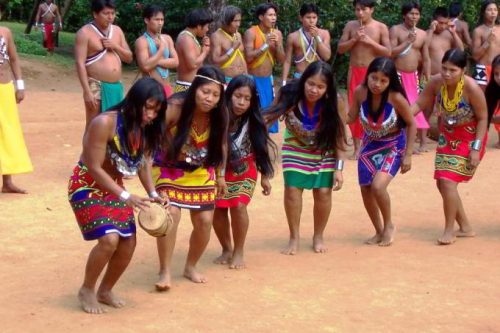
- Ritual Dances: Dances are performed during various ceremonies, each expressing unique cultural narratives or spiritual beliefs. Whether it's to celebrate a bountiful harvest or honor the spirits, these dances tell stories through intricate movements and collective participation. Community members often dress in traditional attire adorned with vibrant colors, enhancing the visual spectacle of the performance.
- Community Engagement: Musical events often bring together entire communities. One memorable experience was participating in a dance around a communal fire during a harvest celebration. The infectious rhythm and joyous atmosphere fostered a strong sense of unity and participation among everyone present.
- Ceremonial Significance: Music and dance are considered offerings to the spirits, reinforcing the spiritual bond that Guarani people share with their environment. They believe that by performing these rituals, they are honoring the connections between themselves, their ancestors, and the natural world around them.
Through their art, music, and dance, the Guarani not only celebrate their rich heritage but also cultivate communal ties that stand the test of time. These practices serve as vital expressions of identity, infusing their lives with meaning, purpose, and enduring resilience in a rapidly changing world.
Culinary Traditions
Staple Foods and Ingredients
Culinary traditions of the Guarani people showcase a rich tapestry of flavors that reflect their deep connection to the land and their sustainable farming practices. Their diet is primarily plant-based, infused with ingredients that are cultivated naturally in their regions, ensuring both nourishment and sustainability.
- Maize (Corn): A staple ingredient, maize is used in a variety of forms, from tortillas and tamales to porridge. It serves as a primary source of carbohydrates, and its versatility allows for countless dishes that provide essential nutrition.
- Manioc (Cassava): Known for its adaptability, manioc is another vital ingredient in Guarani cuisine. Processed into flour or eaten in its whole form, it provides essential calories and is often used in soups and stews.
- Fruits and Vegetables: Seasonal fruits like papaya, guava, and bananas are common in their diets. These fruits are not only nutritious but also add natural sweetness to meals. They also cultivate an array of vegetables, including potatoes and peppers, which enrich their dishes.
- Protein Sources: While traditionally reliant on agriculture, the Guarani supplement their diet with protein sources such as fish, game, and poultry. Gathering knowledge from ancestral practices, they practice sustainable fishing and hunting to ensure that natural resources are preserved for future generations.
I remember savoring a modest yet flavorful lunch made with freshly prepared corn tortillas stuffed with seasonal vegetables during my visit to a Guarani community. The simplicity of the meal belied the depth of flavors and cultural significance it carried, reminding everyone of the abundance provided by the earth.
Festive Dishes and Special Occasion Foods
Festive occasions among the Guarani are marked by elaborate meals that not only nourish but also emphasize community bonding and cultural heritage. These gatherings bring together families and friends, creating a warm and inviting atmosphere.
- Mbeju: A traditional cheese bread made with manioc flour, mbeju is often served during celebrations. Its chewy texture and subtle flavor make it a favorite snack alongside mate, the traditional tea of the region.
- Chipa: Another festive item, chipa consists of a cheesy bread made from corn flour. These delightful treats are enjoyed during social gatherings and are often infused with regional herbs that enhance their flavor.
- Asado: Though not exclusively Guarani, the practice of asado, or barbeque, is a cherished social event. Grilled meats are shared among community members, symbolizing abundance and fellowship. The flames and aroma of roasting meat create a sense of togetherness, encouraging storytelling and laughter.
- Special Offerings: During major celebrations, such as the harvest festivals, families prepare grand feasts featuring a variety of dishes that reflect gratitude toward nature for its bounty. These meals often include a blend of traditional recipes and ingredients sourced from their surroundings.
Witnessing a harvest celebration was a colorful spectacle, with communal tables adorned with vibrant dishes and a palpable sense of joy as everyone shared in the festivities. The food served during such occasions transcended mere sustenance; it was a celebration of community, gratitude, and the enduring connection to their cultural roots.
In conclusion, the culinary traditions of the Guarani people are an essential aspect of their identity, embodying their history, community values, and connection to the land. Through staple ingredients and festive dishes, they preserve a way of life that is both nourishing and culturally enriching, ensuring that their culinary heritage thrives for future generations.

Festivals and Celebrations
Important Guarani Festivals
Festivals are vibrant expressions of the Guarani culture, bringing the community together to celebrate their heritage, agriculture, and the natural world. These events are marked by joyous gatherings, music, dance, and, of course, food. Important festivals blend spiritual significance with communal fellowship, showcasing the Guarani people's strong connection to their traditions.
- Harvest Festival (Teko Porã): One of the most significant celebrations for the Guarani is the harvest festival, known as Teko Porã. This festival occurs at the end of the harvest season and is a time of thanksgiving for the bounty provided by nature. During this festival, the community comes together to prepare traditional dishes using seasonal ingredients, reinforcing the importance of communal sharing.
- Yearly Cultural Celebration: This festival celebrates the Guarani culture in its entirety, featuring art, music, and traditional dances. It serves as a space for cultural exchange and education, allowing younger generations to engage with their heritage actively. Workshops often accompany this event, teaching the intricacies of traditional crafts, music, and cooking to ensure that these vital skills are preserved.
- Community Gatherings: Throughout the year, smaller community gatherings take place to honor significant life events such as births, weddings, and even changes in seasons. These informal celebrations, although smaller in scale, embody the essence of Guarani solidarity and are integral to maintaining communal bonds.
During my visit to a harvest festival, the atmosphere was electric. The aroma of simmering stews wafted through the air as children played, and families worked together to prepare an elaborate communal feast. The joy and laughter encapsulated the essence of the Guarani spirit, emphasizing the importance of celebrating life together.
Rituals and Ceremonies
Rituals and ceremonies play a fundamental role in Guarani life, reflecting their deep spiritual beliefs and connection to the cosmos. These practices are not just observed ritually; they provide an opportunity for communal bonding and the reinforcement of cultural identity.
- Rites of Passage: Important milestones, such as coming-of-age ceremonies, are celebrated with great reverence. These rituals often involve collective participation, showcasing the unity and support of the community. Young individuals are guided through traditions that signify their transition to adulthood, illustrating their roles and responsibilities within the group.
- Spiritual Ceremonies: The Guarani engage in various ceremonies to honor nature's spirits and ancestral guidance. Offerings of food or crafted items may be made at sacred sites, reflecting gratitude and respect. These moments serve as profound reminders of their relationship with the environment.
- Healing Rituals: Healing ceremonies often involve traditional healers, or shamans, who utilize spiritual and herbal methods to restore balance. These rituals are not only focused on physical ailments but also address emotional and spiritual well-being, emphasizing the holistic perspective of health within Guarani culture.
- Community Involvement: Rituals are community events where everyone participates, whether through chanting, dancing, or preparing sacred offerings. The role of community in these ceremonies reinforces the collective identity of the Guarani, ensuring that traditions are passed down and cherished.
Experiencing a Guarani ritual firsthand is a transformative affair. Observing the communal harmony, the respect for nature, and the joy of shared experience underscores just how precious these celebrations are for preserving their cultural legacy. Through vibrant festivals and heartfelt rituals, the Guarani people maintain a living connection to their ancestors, nature, and one another, ensuring their traditions thrive for generations to come.
Conservation Efforts and Sustainability
Guarani People's Connection to Nature
The Guarani people's philosophy is deeply intertwined with the natural world, viewing themselves as stewards of the land rather than its owners. This perspective fosters a profound respect for nature and emphasizes sustainable practices that have been passed down through generations. Their connection to the environment is evident in every aspect of their lives, shaping their customs, spirituality, and daily activities.
- Sustainable Agriculture: The Guarani employ traditional farming methods that prioritize sustainability. They practice rotational agriculture, allowing land to rest and regenerate, which preserves soil fertility. This technique promotes biodiversity and ensures that their farming is in harmony with the surrounding ecosystem.
- Respect for Resources: Gathering and hunting are conducted with the utmost respect for natural resources. The belief that everything in nature possesses a spirit encourages the Guarani to use only what they need, thereby minimizing waste and ensuring that resources are available for future generations.
- Cultural Reverence: The Guarani express their respect for nature through rituals and stories that emphasize its importance. Folklore often includes lessons about living in balance with the environment, highlighting the need for stewardship rather than exploitation.
During my travels to Guarani territories, I was struck by their intimate knowledge of the land. Community members shared culinary secrets, pointing out edible plants and their medicinal uses, illustrating how their existence is intricately linked to the environment's well-being.
Initiatives to Preserve Guarani Cultural Heritage
As globalization presents challenges to traditional ways of life, various initiatives have emerged aimed at preserving Guarani cultural heritage and practices. These efforts not only safeguard their identity but also contribute to broader environmental conservation.
- Cultural Festivals and Workshops: Many communities host cultural festivals that showcase traditional arts, music, and dance. Workshops are organized for younger generations to learn traditional crafts and language, ensuring that these vital skills are kept alive. Participating in these events offers an enriching experience for both locals and visitors alike.
- Environmental Advocacy: The Guarani have become increasingly vocal about environmental issues, advocating for the protection of their ancestral land against deforestation and industrial encroachments. Partnerships with environmental NGOs amplify their voices and champion sustainable land management strategies.
- Educational Programs: Collaborations with universities and research organizations have led to educational programs that emphasize the importance of indigenous knowledge in biodiversity conservation. By integrating traditional practices with modern conservation efforts, the Guarani contribute valuable insights into sustainable land management.
- Reforestation Projects: Initiatives focused on reforestation are being undertaken by Guarani communities, aimed at restoring native flora and fauna to their territories. These projects not only counteract the impacts of deforestation but also preserve cultural sites that have historical significance.
Being on the ground during these conservation efforts is inspiring. Witnessing communities rallying together to protect their land and culture underscores the importance of indigenous voices in the fight for environmental justice. The Guarani people's intimate connection to nature, coupled with their proactive approaches to preserving cultural heritage, showcases how tradition and sustainability can coexist harmoniously.
In conclusion, the Guarani people exemplify a profound commitment to conservation and sustainability. By honoring their cultural heritage and fostering a deep connection to nature, they are not only preserving their identity but also contributing to global efforts for environmental stewardship. These lessons resonate beyond borders, reminding us all of the importance of living in harmony with the natural world.
Modern Influences and Challenges
Impact of Globalization on Guarani Culture
As the world continues to interconnect through globalization, the Guarani people, like many indigenous communities, face both opportunities and challenges. While globalization can bring resources, education, and cultural exchange, it also threatens the very fabric of traditional lifestyles and cultural identity.
- Cultural Dilution: The influx of Western culture—through media, technology, and goods—can dilute traditional values and practices. Many young Guarani find themselves navigating the tension between their ancestral heritage and the allure of modern lifestyles. This shift can lead to dwindling participation in traditional rituals and a gradual fading of language and customs.
- Economic Pressures: The encroachment of industrial activities, such as agriculture and logging, often disrupts their traditional land use and damages their natural resources. As commercial interests expand, the Guarani find themselves competing against larger industries, which undercuts their autonomous ways of living. This economic pressure can force them into a cycle of dependency that further estranges them from their cultural roots.
- Cultural Resilience: Despite these challenges, many Guarani communities are resilient. Younger generations are increasingly blending traditional practices with modern elements, creating a unique cultural fusion that allows them to retain their identity while adapting to contemporary pressures. For example, using social media to promote traditional crafts not only provides a source of income but also raises awareness about their culture.
During my interactions with younger Guarani artisans, I was inspired to see how they combined traditional weaving techniques with contemporary patterns to create beautiful handicrafts that appeal to broader markets, demonstrating a fusion of old and new that honors their heritage.
Current Issues and Preservation Efforts
While globalization poses significant challenges, there are ongoing efforts to address these issues and preserve Guarani culture for future generations.
- Language Revitalization: One of the most pressing concerns is the preservation of the Guarani language, which is at risk of erosion. Community-led initiatives promote bilingual education in schools, ensuring children learn both Guarani and Spanish. This not only aids in cultural transmission but also empowers the younger generation to reclaim their identity.
- Cultural Heritage Projects: Various NGOs and indigenous organizations collaborate with Guarani communities to document oral histories, traditions, and crafts. These projects aim to create resources that celebrate and preserve their heritage, providing educational materials for future generations.
- Advocacy for Land Rights: The Guarani are actively engaged in advocacy to reclaim their ancestral lands. Collaborating with environmental organizations and legal experts, they strive for recognition of their rights to land and resources. Legal victories, although challenging to achieve, underline the growing awareness of indigenous rights and the importance of environmental stewardship.
- Community-Driven Initiatives: Empowering local governance and involving community members in decision-making processes are vital steps in promoting sustainable practices. By ensuring that decisions about land and resources are made collectively, the Guarani strengthen their cultural identity and commitment to sustainability.
Witnessing these preservation efforts firsthand is both uplifting and thought-provoking. The commitment of the Guarani people to retain their cultural identity amid modern pressures is a testament to their resilience and determination. Their journey emphasizes the importance of advocating for indigenous rights in a globalized world, highlighting the crucial role that culture plays in sustainable development.
In summary, while globalization presents challenges to the Guarani culture, the ongoing efforts to preserve their identity showcase resilience and adaptability. Through language revitalization, advocacy, and community initiatives, the Guarani continue to navigate the complexities of modern life, ensuring that their rich heritage thrives for future generations.
Conclusion
Recap of Unique Guarani Traditions
As we reflect on the rich tapestry of Guarani culture, it is evident that their traditions are woven from a deep connection to nature, community, and heritage. From their vibrant festivals that celebrate the harvest to the intricate art forms that tell stories of their ancestors, the Guarani exhibit a culture that is both unique and robust.
- Culinary Practices: The Guarani people's culinary traditions, grounded in sustainable practices, highlight staple ingredients like maize and manioc. Festivals filled with traditional dishes not only nourish but unite families and communities in gratitude for the earth’s bounty.
- Spirituality and Ceremonies: Their animistic beliefs emphasize the sacredness of nature, encouraging a lifestyle that respects and honors the environment. Rituals and ceremonies strengthen their community bonds, allowing them to celebrate life's milestones and honor their connection with the spiritual realm.
- Artistic Expression: The Guarani express their identity through traditional crafts, music, and dance, serving as a testament to their history and values. Each artistic creation carries the essence of their spirit, blending ancient traditions with contemporary influences.
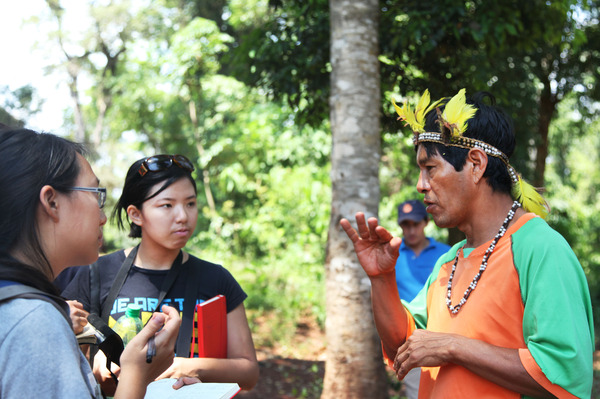
Through personal interactions with community members, I found myself deeply moved by their stories and how they passionately preserve and share their culture. One artisan shared their process of creating intricate woven baskets, emphasizing the spiritual significance behind the patterns. This exchange provided a glimpse into the heart of Guarani life, where culture is lived and experienced daily.
Reflection on the Resilience of Guarani People
The Guarani people's resilience stands as a shining example of adaptability amid adversity. While modern influences and globalization pose challenges, they have demonstrated a profound ability to uphold their traditions while forging new paths.
- Cultural Continuity: Despite external pressures, the Guarani continue to celebrate their cultural identity, often merging traditional practices with contemporary elements. This adaptability ensures that their heritage remains relevant for younger generations while still honoring the past.
- Community Solidarity: Their strong sense of community fosters resilience, allowing them to face challenges collectively. By working together, the Guarani have reclaimed aspects of their culture and demonstrated an unwavering commitment to preserve their identity.
- Advocacy and Change: The Guarani are increasingly vocal in advocating for their rights, particularly regarding land and cultural preservation. Their active engagement in social and political realms highlights the importance of indigenous voices in the conversation about environmental and cultural sustainability.
In witnessing their determination and passion, it becomes clear that the Guarani people embody the spirit of resilience. Their journey is a rich tapestry of cultural pride and adaptation, reminding us of the significance of protecting and honoring indigenous heritage.
As we conclude our exploration of Guarani culture, it serves as a powerful reminder of the importance of diversity in our global community. The Guarani traditions not only enrich the cultural landscape of Argentina but also offer valuable lessons about living in harmony with nature and nurturing relationships within communities. The ongoing efforts of the Guarani to sustain their rich heritage should inspire us all to appreciate and celebrate the unique identities that contribute to the beautiful mosaic of human existence.