Unearthing the Secrets of Saltasaurus: South America’s Late Cretaceous Titan
Discovery and Naming
| Year |
Event |
| 1980 |
First fossils discovered in Salta Province, Argentina |
| 1980 |
Described by José Bonaparte and Jaime Powell |
Initial Findings
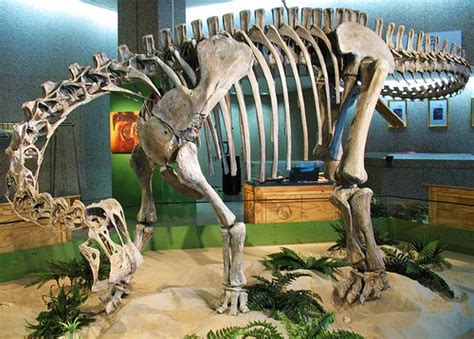
| Bone Type |
Quantity Found |
| Vertebrae |
Numerous |
| Osteoderms (armor plates) |
Many |
Physical Characteristics
| Feature |
Description |
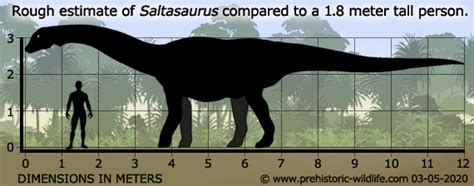
| Size |
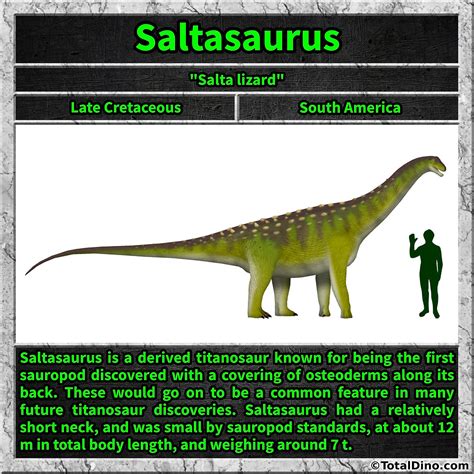
~12 meters long |
| Weight |
~7 tons |
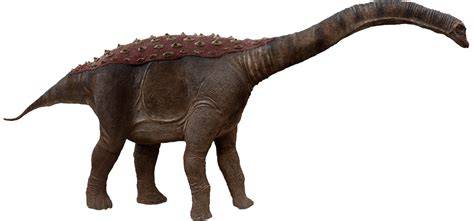
| Armor |
Bony plates (osteoderms) embedded in skin |
Size and Posture
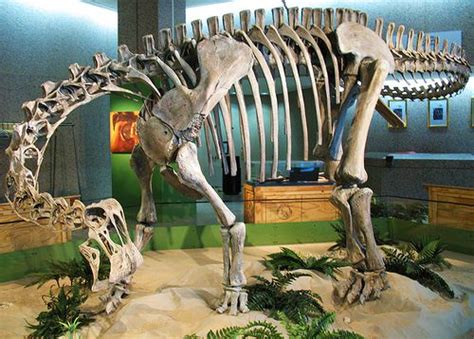
| Body Part |
Relative Size |
| Neck |
Moderately long |
| Tail |
Long and tapering |
Armor Plating
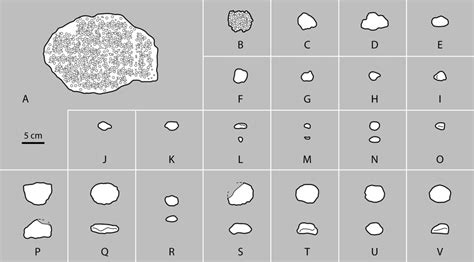
| Osteoderm Type |
Description |
| Small, round |
Covered most of the body |
| Larger, conical |
May have been arranged in rows along the back |
Lifestyle and Diet

| Food Source |
Digestive System |
| Plants (conifers, ferns) |
Probably had a large gut for fermentation |
Herbivorous Diet
| Plant Type |
Availability |
| Conifers |
Abundant |
| Ferns |
Common |
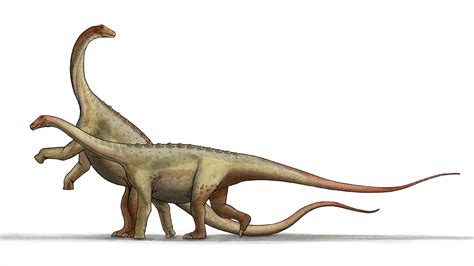
Social Behavior
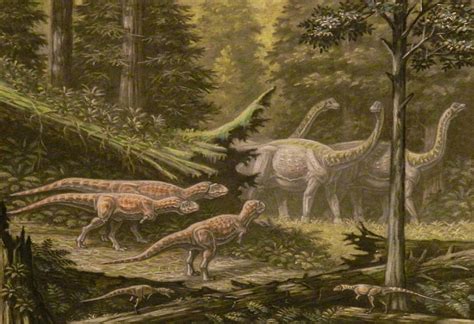
| Evidence |
Interpretation |
| Multiple individuals found in same area |
Possible herding behavior |
Paleontological Significance

| Significance |
Description |
| First armored sauropod |
Challenged previous understanding of sauropod evolution |
Evolutionary Adaptations
FAQ
Frequently Asked Questions
- How big was Saltasaurus?
- Saltasaurus was about 12 meters long and weighed around 7 tons.
- What did Saltasaurus eat?
- Saltasaurus was a herbivore, feeding on plants like conifers and ferns.
- Why was Saltasaurus armored?
- The armor likely provided protection against predators.
Summary
Saltasaurus, a Late Cretaceous titanosaur from South America, was a unique sauropod known for its bony armor. Its discovery revolutionized our understanding of sauropod evolution, demonstrating that even large herbivores developed defenses against predators. This relatively small sauropod provides valuable insights into the diversity and adaptations of dinosaurs in the Late Cretaceous period.
References
Tags
