
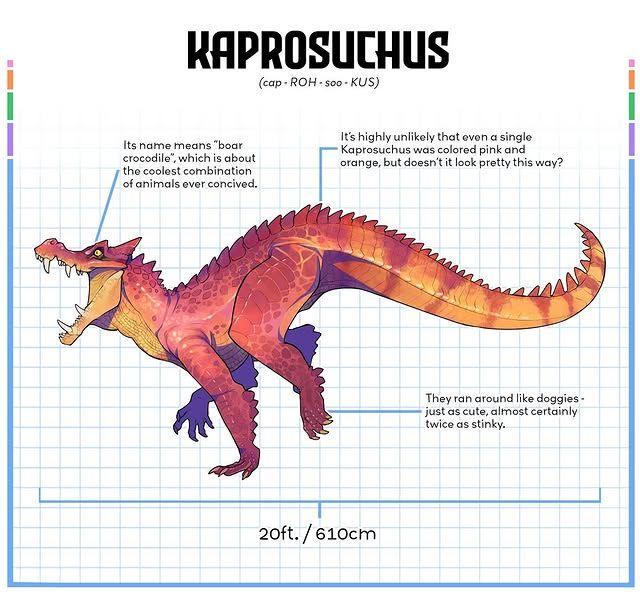
🌊 Exploring the Ancient Predator: Kaprosuchus 🐊
Discovering the fascinating world of prehistoric creatures is a journey filled with wonder. Among the many formidable predators that once roamed the earth, Kaprosuchus stands out as a unique and powerful being, often dubbed the “boar croc” for its distinct characteristics.
This article delves deep into the life and times of Kaprosuchus, unveiling secrets that make it an iconic figure in paleontology.
Table of Contents 📚
- Introduction to Kaprosuchus
- Physical Characteristics
- Habitat and Distribution
- Diet and Hunting Strategies
- Evolutionary Significance
- Comparative Anatomy
- Fossil Discoveries
- Cultural Impact
- Research and Studies
- Myth and Legend
- FAQ about Kaprosuchus
- Future Research Directions
- Kaprosuchus in Pop Culture
- Conservation Lessons from Kaprosuchus
- Conclusion
Introduction to Kaprosuchus
The Kaprosuchus, a fascinating creature that thrived during the late Miocene and Pliocene epochs, has captured the imagination of paleontologists and enthusiasts alike. Known for its impressive boar-like teeth and robust physique, this genus of crocodile-like reptiles dominates discussions about prehistoric aquatic predators. Kaprosuchus was not just an ordinary crocodile; it possessed unique adaptations that made it a formidable predator of its time.
In this introduction section, we will explore what makes Kaprosuchus an intriguing subject of study. With its distinctive physical traits and fascinating history, the “boar croc” is revealing insights into ancient ecosystems and the evolutionary pathways of reptiles. Let’s dive into the anatomical features and the ecological role of this fascinating creature.
Physical Characteristics
The anatomy of Kaprosuchus is integral to understanding its ecological niche. This prehistoric predator boasted a length of up to 23 feet, equipped with powerful jaws characterized by long, tusk-like teeth, resembling those of wild boar. The robust build of Kaprosuchus suggests an adaptation for both land and aquatic environments, which is not typical for modern crocodiles.
Unique Features
- Tusks and Teeth: The most striking feature of the Kaprosuchus is its elongated, protruding teeth, designed for gripping and tearing its prey.
- Body Structure: With a broad snout and sturdy limbs, Kaprosuchus could engage in a variety of hunting conditions, ambushing prey from both land and water.
| Feature | Description |
|---|---|
| Length | Up to 23 feet |
| Teeth | Long, tusk-like for gripping prey |
| Habitat Adaptation | Both terrestrial and aquatic |
Habitat and Distribution
Kaprosuchus inhabited various environments, primarily found in freshwater habitats such as rivers and lakes, where it could effectively hunt its prey. Fossils of this predator have been discovered across Africa, indicating a wide distribution during its reign.
Environment Adaptation
- Freshwater Ecosystems: The majority of Kaprosuchus fossils were found in sedimentary deposits that suggest they thrived in aquatic settings, where their hunting prowess could flourish.
- Geographical Spread: Evidence shows that Kaprosuchus occupied vast regions of Africa, underscoring its success as an apex predator.
| Region | Description |
|---|---|
| Africa | Predominantly fossil findings |
| Ecosystems | Freshwater lakes and rivers |
Diet and Hunting Strategies
As a top predator, Kaprosuchus had a diverse diet that could include fish, small mammals, and potentially even other reptiles. Its hunting strategies were sophisticated, using both ambush and active hunting techniques.
Specialized Hunting Techniques
- Ambush Predator: Kaprosuchus likely relied on stealth and surprise, blending into its surroundings to capture prey.
- Active Hunting: Evidence suggests that it could actively chase prey in water and on land, showcasing an incredible versatility in hunting methods.
| Diet | Description |
|---|---|
| Primary Prey | Fish, small mammals |
| Hunting Technique | Ambush and active pursuit |
Evolutionary Significance
Understanding the evolutionary significance of Kaprosuchus helps paleontologists trace the lineage of modern crocodiles. It stands as a critical link between ancient and contemporary crocodilian species, demonstrating a blend of traits that indicate how reptiles adapted over millions of years.
Linking Ancient to Modern
- Evolutionary Traits: The unique features of Kaprosuchus offer insights into the adaptations that helped reptiles survive various environmental changes.
- Crocodilian Evolution: By studying this genus, researchers can better understand the evolutionary history and diversification of crocodiles.
| Trait | Description |
|---|---|
| Evolutionary Link | Connects ancient and modern species |
| Adaptive Features | Unique traits informing evolution |
Comparative Anatomy
Kaprosuchus serves as an ideal subject for comparative anatomy studies, contrasting it with both extinct relatives and modern crocodiles. Understanding these anatomical differences helps build a clearer picture of evolution within this reptilian lineage.
Comparative Features
- Anatomy vs. Modern Crocs: Kaprosuchus exhibited distinctive physical traits that differ significantly from today’s crocs, particularly in jaw structure.
- Relation to Other Species: Its anatomical features provide critical information about the adaptations of ancient predators in response to their environments.
| Feature | Kaprosuchus | Modern Crocodiles |
|---|---|---|
| Jaw Structure | More elongated | Generally shorter |
| Teeth | Tusk-like | Varying designs |
Fossil Discoveries
Significant fossil findings of Kaprosuchus provide invaluable insights into its existence, contributing to the understanding of prehistoric ecosystems. Locations where fossils were unearthed give context to their environmental conditions.
Key Sites
- Fossil Locations: Many of the fossils were found in formations rich in aquatic sediments, suggesting an environment conducive to their lifestyle.
- Scientific Contributions: These discoveries continue to inform research on reptilian evolution and ancient ecological systems.
| Site | Description |
|---|---|
| Africa | Major location for findings |
| Geological Context | Aquatic environments |
Cultural Impact
Kaprosuchus has not only intrigued scientists but has also permeated popular culture and folklore. Its unique characteristics have made it a compelling symbol in various narratives, blending science with storytelling.
Representation in Culture
- Folklore: Mermaid legends and stories of water monsters often draw inspiration from formidable ancient predators like Kaprosuchus.
- Media Appearances: Documentaries and educational programs frequently feature Kaprosuchus, emphasizing its importance in our understanding of prehistoric life.
| Aspect | Description |
|---|---|
| Influence on Folklore | Linked to myths of water monsters |
| Media Representation | Featured in documentaries and books |
Research and Studies
Continued research into Kaprosuchus has shed light on various aspects of its biology and ecology. Ongoing studies aim to uncover more about how these creatures lived and adapted to their environments.
Advanced Research Techniques
- Paleontological Methods: The use of advanced scanning techniques on Kaprosuchus fossils is unlocking new insights into its biology.
- Behavioral Studies: Research is increasingly focused on understanding the ecological role of Kaprosuchus within ancient ecosystems.
| Research Focus | Description |
|---|---|
| Paleontological Methods | Use of imaging technologies |
| Behavioral Insights | Studies on ecological interactions |
Myth and Legend
As an iconic predator, Kaprosuchus has inspired myths and legends throughout history. The fascination with this creature has led to its incorporation into various cultural narratives describing monstrous beings of the rivers and lakes.
Legendary Associations
- Water Monsters: Stories of water-dwelling beasts often draw on the characteristics of ancient predators, emphasizing their ferocity and mystique.
- Symbolism: Kaprosuchus has become synonymous with strength and dominance in its domain, representing nature’s untamed spirit.
| Mythical Aspect | Description |
|---|---|
| Associations | Linked to tales of monstrous beings |
| Cultural Symbol | Embodies the essence of ancient predators |
FAQ about Kaprosuchus
Here, we address common questions about Kaprosuchus, providing insights into its biology, behavior, and significance.
Common Questions
- What period did Kaprosuchus live in?
Kaprosuchus thrived during the late Miocene to Pliocene epochs. - How dangerous was Kaprosuchus to humans?
Although there were no humans during its reign, its adaptations suggest it was a formidable predator to contemporary fauna.
| Question | Answer |
|---|---|
| Existence Timeline | Late Miocene to Pliocene |
| Threat Level | Apex predator for its time |
Future Research Directions
The future of Kaprosuchus research looks promising, with many avenues yet to be explored. Researchers are keen to study its evolutionary contributions and its ecological significance further.
Potential Areas of Study
- Genetic Analysis: Advances in genetic sequencing may provide deeper insights into the evolutionary lineage of Kaprosuchus.
- Ecological Impact Studies: There remains much to learn about the role Kaprosuchus played in its ecosystem, influencing food webs and predator-prey dynamics.
| Research Area | Proposed Focus |
|---|---|
| Genetic Studies | Exploring evolutionary genetics |
| Ecology | Investigating ecological impacts |
Kaprosuchus in Pop Culture
Kaprosuchus has made appearances in various forms of media, from documentaries to illustrations in books. Its powerful and exotic characteristics make it an appealing subject for storytelling and visual representation.
Media Representation
- Documentaries: Features in programs aimed at educating the public about prehistoric life have popularized Kaprosuchus.
- Art and Literature: Its depiction in art reflects humanity’s fascination with ancient and formidable creatures.
| Medium | Description |
|---|---|
| Documentaries | Educational content featuring Kaprosuchus |
| Artistic Expressions | Illustrations capturing its essence |
Conservation Lessons from Kaprosuchus
While Kaprosuchus roamed the earth millions of years ago, its extinction reminds us of the importance of biodiversity and conservation efforts today. Learning from ancient predators can help inform our strategies for protecting modern ecosystems.
Conservation Implications
- Biodiversity Lessons: Studying past extinction events, like that of Kaprosuchus, offers valuable lessons on the fragility of ecosystems.
- Modern Relevance: Understanding ancient predators can enhance our appreciation for biodiversity and the need for ongoing conservation.
| Conservation Lesson | Description |
|---|---|
| Biodiversity Importance | Emphasizes the value of diverse ecosystems |
| Sustainability | Highlights the need for modern conservation efforts |
Conclusion
In conclusion, Kaprosuchus embodies the fascinating realms of prehistoric life, influencing both science and culture. Its unique adaptations and ecological significance reveal much about ancient ecosystems and the continuous journey of evolution. As we delve deeper into the history of life on Earth, creatures like Kaprosuchus are vital reminders of the intricate web of life that continues to evolve today.
We invite readers to explore our other articles on prehistoric creatures and evolutionary biology to deepen their understanding of these incredible subjects!
For more information, check out Wikipedia on Kaprosuchus.
Related Internal Linking Opportunities:
- Exploring Other Ancient Predators
- Evolutionary Biology: Understanding Prehistoric Life
- The Role of Biodiversity in Modern Ecosystems
Keywords for SEO:
- Kaprosuchus,
- prehistoric crocodiles,
- ancient predators,
- boar croc,
- aquatic reptiles.
These keywords can enhance visibility through search engines, driving more audiences interested in similar topics to your articles.