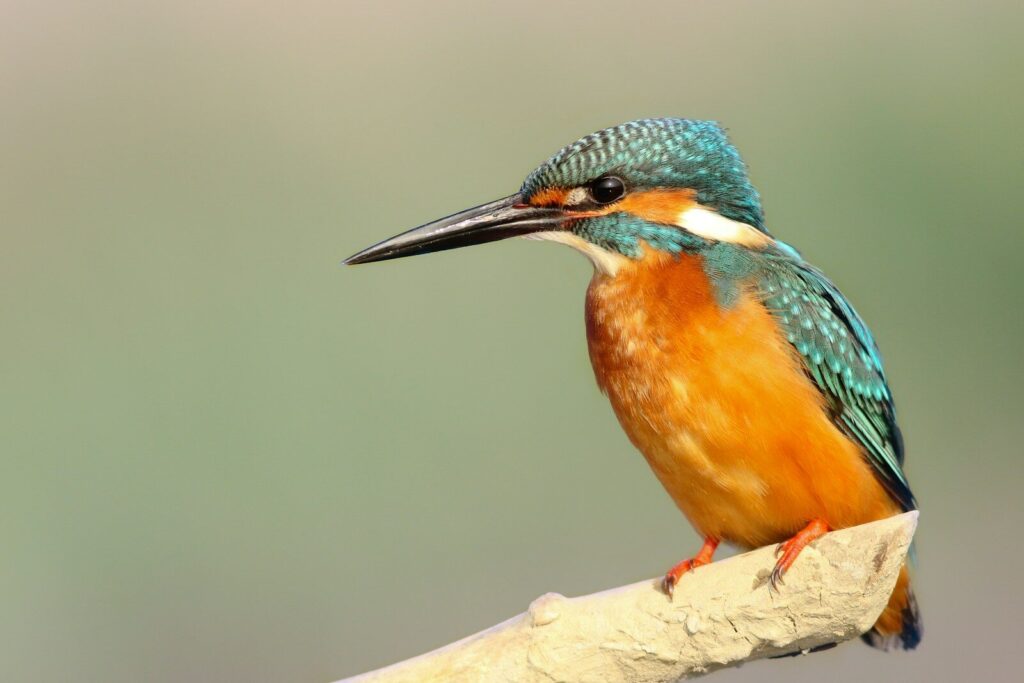
Kingfisher Birds of the Amazon Rainforest
The Amazon Rainforest, often referred to as the "lungs of the Earth," is a vast and biodiverse ecosystem that hosts an incredible variety of wildlife, including the captivating kingfisher birds. Known for their brilliant colors and exceptional hunting skills, these birds play vital roles in their habitats. This article explores the various aspects of kingfishers found in the Amazon, including their characteristics, behaviors, ecological importance, and conservation status.
Table of Contents
- Introduction to Kingfishers
- Habitat and Distribution in the Amazon
- Physical Characteristics of Kingfishers
- Key Species of Kingfishers
- Diet and Feeding Habits
- Behavior and Social Structure
- Breeding and Reproduction
- Ecological Role
- Conservation Status
- Threats and Conservation Efforts
1. Introduction to Kingfishers
Kingfishers are small to medium-sized birds known for their vibrant plumage and exceptional fishing abilities. They inhabit a variety of environments, but they thrive in areas rich in water sources, such as rivers and lakes. The Amazon Rainforest provides an ideal setting for these striking birds, where they hunt for fish, insects, and crustaceans. As integral parts of their ecosystems, kingfishers contribute to the balance of nature, making them fascinating subjects of study.

2. Habitat and Distribution in the Amazon
Kingfishers can be found in diverse habitats throughout the Amazon basin, particularly in regions near water sources. They prefer environments such as riverbanks, floodplains, and wetlands, where dense vegetation provides both shelter and abundant food. The Amazon's intricate network of waterways creates ideal habitats for various kingfisher species, allowing them to thrive in this lush environment.

3. Physical Characteristics of Kingfishers
Kingfishers are easily recognizable by their striking colors and unique physical features. Most species display bright and vibrant plumage, with combinations of blues, greens, and oranges. Their short tails and long, pointed bills are designed for catching fish and other aquatic prey. Size can vary significantly among species, ranging from the diminutive 15 cm green kingfisher to the larger 45 cm ringed kingfisher.
4. Key Species of Kingfishers
Several notable kingfisher species inhabit the Amazon Rainforest, each showcasing unique adaptations:
- Amazon Kingfisher (Chloroceryle amazona): A robust bird recognized by its vibrant green coloration and white underparts.
- Green Kingfisher (Chloroceryle americana): This smaller kingfisher features striking emerald feathers and a distinctive white collar.
- Ringed Kingfisher (Megaceryle torquata): Known as the largest kingfisher in the Americas, it is characterized by its powerful beak and striking blue coloration.
These species embody the uniqueness of Amazonian wildlife and contribute to the overall biodiversity of the region.
5. Diet and Feeding Habits
Kingfishers are adept hunters, primarily feeding on fish, crustaceans, and various aquatic insects. They often perch quietly on branches or stones above water, scanning for prey. When a target is spotted, they dive in with remarkable speed and precision. This hunting technique is not only effective but also showcases their incredible adaptability and skill as predators.
6. Behavior and Social Structure
Kingfishers are generally solitary birds but can also be found in small family groups, especially during breeding seasons. They establish territories, often displaying aggressive behavior to protect their hunting grounds. Their vocalizations, consisting of sharp calls and whistles, play an essential role in communication, helping them mark territory and attract mates.
7. Breeding and Reproduction
Breeding season for kingfishers typically occurs during the rainy season when food is abundant. They usually nest in burrows dug into riverbanks or in hollowed tree trunks. The female lays a clutch of 3 to 6 eggs, which both parents incubate. Upon hatching, the chicks are dependent on their parents for food until they learn to fly and hunt for themselves.
8. Ecological Role
As top aquatic predators, kingfishers play a crucial role in the ecological balance of their habitats. By controlling fish populations, they help maintain healthy aquatic ecosystems. Their presence is often a good indicator of water quality, as they require clean, unpolluted water bodies for hunting and breeding.
9. Conservation Status
Many kingfisher species face threats from habitat destruction, pollution, and climate change. While some species are more resilient, others remain vulnerable or endangered. Conservation efforts are vital in preserving not only the kingfishers themselves but also the ecosystems they inhabit.
10. Threats and Conservation Efforts
The threats to kingfisher populations in the Amazon include deforestation, agricultural expansion, and pollution from human activities. Various conservation organizations are working to mitigate these impacts, focusing on habitat preservation and restoration. Moreover, increasing awareness about the importance of these birds can foster community involvement in conservation efforts.
Conclusion
Kingfisher birds inhabit the Amazon Rainforest as stunning representatives of the region's rich biodiversity. Their vibrant colors, unique behaviors, and ecological significance highlight the intricate connections within this complex ecosystem. By understanding and advocating for the conservation of these beautiful birds, we can help ensure a healthier environment for future generations. Protecting kingfishers is not just about saving a species; it's about preserving the delicate balance of life within one of the planet's most vital ecosystems.