

The Guarani: An Indigenous Heartbeat of South America
The Guarani people, a vibrant indigenous group, are deeply rooted in the rich cultural tapestry of South America. Primarily found in Argentina, Paraguay, and Brazil, they exemplify a fascinating blend of tradition and resilience. Their history is not merely a story of survival but an ongoing narrative of cultural preservation amidst modern challenges.
In Paraguay, for instance, Guarani communities have persisted through centuries, maintaining languages and traditions that connect them to their ancestors. Many Guarani still engage in traditional practices, proudly showcasing their customs to both locals and tourists alike.
Some key aspects of the Guarani’s presence include:
- Geographic Spread: Largely concentrated in rural areas, their territories extend across various provinces in Argentina (such as Misiones and Corrientes), across Paraguay, and into the Brazilian regions of Mato Grosso do Sul.
- Cultural Significance: Their impact on local cultures is profound, influencing language, music, and art. Guarani words are often woven into everyday Spanish and Portuguese spoken in these countries, enriching the linguistic landscape.
- Community Structure: The Guarani have traditionally relied on communal living, forming tight-knit communities where cooperation and sharing are paramount. This structure strengthens their resolve in preserving their identity.
Personal stories often highlight the Guarani’s connection to the land and nature, with elders recounting experiences that link generations. One could meet a Guarani storyteller who shares tales of the spirits that inhabit the rivers and forests, illustrating the profound bond between their people and the natural world.
As we delve deeper into their culture, it becomes evident that the Guarani are not just a relic of the past; they are a living, dynamic community embodying traditions that have thrived for centuries. This journey through their heritage sets the stage to explore their language, artistry, spirituality, and the modern challenges they face today.
Embracing the Guarani Language
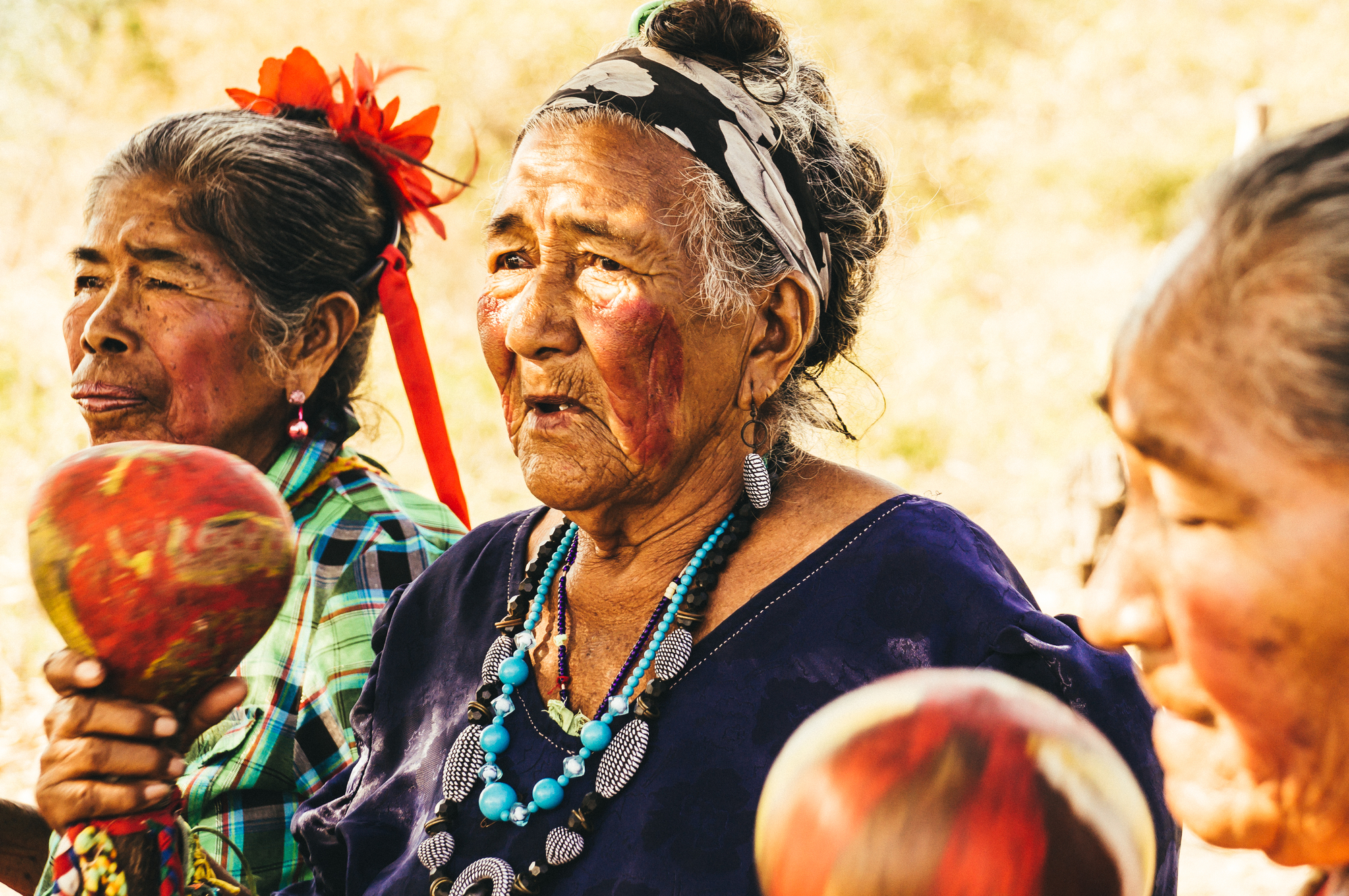
Continuing the journey into Guarani culture, the Guarani language emerges as a vital thread that binds their identity together. As one of the few indigenous languages officially recognized in South America, it stands as a testament to the endurance of the Guarani people and their cultural heritage.
The Guarani language is not just a means of communication; it is a living expression of their history, values, and worldview. You might find a grandmother in the community, surrounded by her grandchildren, recounting folktales in Guarani, weaving lessons about nature and family into the fabric of each story. Such moments reinforce the importance of language in maintaining cultural continuity.
Key Features of the Guarani Language:
- Official Recognition: Guarani is one of the national languages of Paraguay, alongside Spanish. This recognition allows for its incorporation into education and public life, fostering pride among the Guarani people.
- Cultural Identity: Language is a vessel for culture. Many Guarani still use their language in daily life, from greetings to expressions of love and wisdom. A simple “Avy’á” (Hello) reflects a warm welcome and respect for traditions.
- Linguistic Variations: While there are variations in dialects across regions, the essence of Guarani remains intact. This diversity enriches the language and helps preserve the unique attributes of each community.
Language Endeavors and Education:
- Bilingual Education: In many schools across Paraguay, children are educated in both Guarani and Spanish. This bilingual approach not only promotes linguistic skills but also instills a sense of pride in their heritage.
- Cultural Workshops: Various organizations work tirelessly to develop workshops that encourage the learning and usage of Guarani. These initiatives foster a community atmosphere where young people can engage with their language and culture.
- Digital Resources: In this digital age, online platforms and apps have emerged, offering resources for learning Guarani, thus bridging the gap between tradition and modern technology.
As you can see, the Guarani language is more than just words; it’s a vibrant part of their being. The richness of their language directly reflects their connection to the land and their ancestors. This linguistic journey allows for an immersive experience into their joys, struggles, and aspirations, opening new doors for understanding Guarani life as it intertwines with nature and community. Up next, we delve into the enchanting and vibrant aspects of Guarani culture, from music and dance to their deep-rooted spiritual beliefs.

The Rich Tapestry of Guarani Culture
Building upon the foundation of the Guarani language, it becomes clear that their culture is woven with vibrant threads of oral storytelling, music, and dance. These elements are not mere pastimes; they are integral to the Guarani identity, reflecting their values, beliefs, and connection to the world around them.
The Art of Storytelling
In Guarani culture, storytelling is a cherished tradition passed down through generations. Elders often gather with children, sitting under the shade of a tree or around a campfire, to share tales that encapsulate lessons on life, nature, and bravery.
- Personal Connection: I remember a story I heard from a Guarani elder about the “Karai,” the spirit of fire, who teaches the community about respect for fire and its dual nature—both a source of warmth and potential destruction. Such stories serve as both entertainment and moral guidance.
- The Role of Characters: Many tales feature animals as protagonists, symbolizing various human traits. This not only engages children but also instills lessons about the importance of harmony with nature.
The Rhythms of Guarani Music
Music is deeply embedded in Guarani culture, featuring instruments and rhythms that reflect their connection to their surroundings.
- Traditional Instruments: The harp, flute, and guitar are commonly used, each contributing to the unique sonic landscape of their music.
- Themes of Songs: Guarani songs often explore themes of love, nature, and historical struggles, capturing the community’s experiences and aspirations.
- Personal Anecdote: At a recent Guarani festival, I witnessed a breathtaking performance where singers shared tales of ancient warriors and the beauty of their homeland through captivating melodies, bringing everyone to their feet in joyous dance.
Dance: A Celebration of Life
Dance is not just an art form in Guarani culture; it’s a vital expression of community and identity.
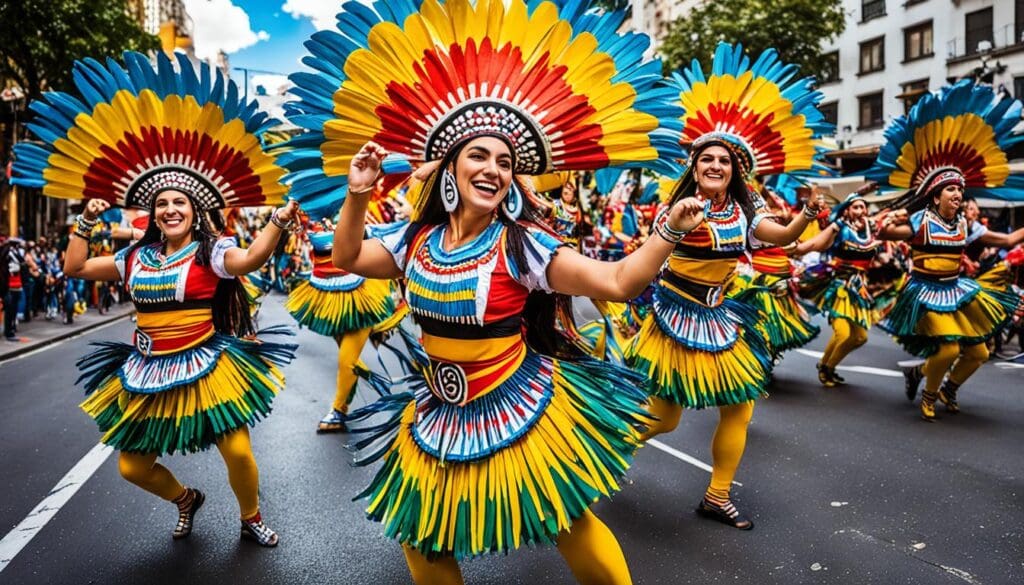
- Community Participation: Traditional dances are communal affairs, celebrating significant events like harvests or historical anniversaries. Everyone, from children to elders, participates, creating a sense of unity and collective joy.
- Choreography and Meaning: Each dance tells a story, embodying elements of nature or historical events. The movements are often symbolic, reflecting the harmony and rhythm of the environment, allowing participants to express their connection to the earth.
- Example of a Dance: The “Jeroky” is a popular Guarani dance that often accompanies festivities, showcasing spirited movements that evoke feelings of joy and togetherness.
Conclusion
Through oral storytelling, music, and dance, the Guarani culture fosters a profound sense of identity and continuity. These vibrant traditions not only connect them with their past but also provide a framework for navigating the complexities of modern life. As we continue exploring the Guarani way of life, we will next delve into their deep spiritual beliefs that tie closely to nature and the reverence for their ancestors.

Spirituality Rooted in Nature and Ancestry
Transitioning from the lively expressions of Guarani culture through storytelling, music, and dance, we now delve into the profound spiritual beliefs that shape their worldview. The Guarani people’s spirituality is a rich tapestry woven with deep connections to nature and reverence for their ancestors.
Nature as a Sacred Entity
For the Guarani, nature is not just a backdrop for life; it is a living entity infused with spiritual significance. Every river, tree, and mountain holds meaning and is often regarded as a reflection of the divine.
- Personal Connection: During a visit to a Guarani village, I was struck by how the community viewed the surrounding forest as a sacred space. Elders would guide us to particular trees, explaining that they were inhabited by protective spirits that watch over the land and the people.
- Spiritual Practices: The Guarani often conduct rituals to honor natural elements, seeking blessings for good harvests or protection from disasters. These ceremonies can include offerings of fruits, flowers, and even songs specific to the spirits they wish to please.
Ancestral Worship
The Guarani’s connection to their ancestors is another cornerstone of their spiritual life. They believe that the spirits of their forebears remain present, guiding and influencing the lives of the living.
- Legacy of Wisdom: Stories of ancestors are not merely historical; they impart wisdom and moral lessons. Families often gather to recount tales of their lineage, maintaining a strong sense of identity and purpose.
- Rituals for the Departed: Throughout the year, the Guarani may hold rituals to honor their ancestors, which can include offerings at gravesites or communal feasts where stories of the departed are shared, reaffirming bonds between generations.
The Role of Spiritual Leaders
In Guarani communities, spiritual leaders play a crucial role in guiding spiritual practices and ensuring that traditions are upheld.
- Shamans and Healers: Often revered, shamans are seen as mediators between the physical and spiritual worlds. They conduct rituals that harness spiritual energies and facilitate communication with ancestors and nature spirits.
- Cultural Keepers: These leaders are also vital in preserving oral traditions, helping to keep the stories and beliefs alive while teaching younger generations about their cultural heritage.
Conclusion
Through their deep spiritual beliefs, the Guarani emphasize a holistic view of existence where every aspect of life is intertwined with nature and ancestry. This perspective not only guides their daily lives but also fosters a strong sense of community and shared responsibility toward their environment. As we continue this exploration, we will uncover how their spirituality influences their craftsmanship, particularly in weaving and pottery, and how these practices reflect their values and beliefs.
The Artistry of Guarani Craftsmanship
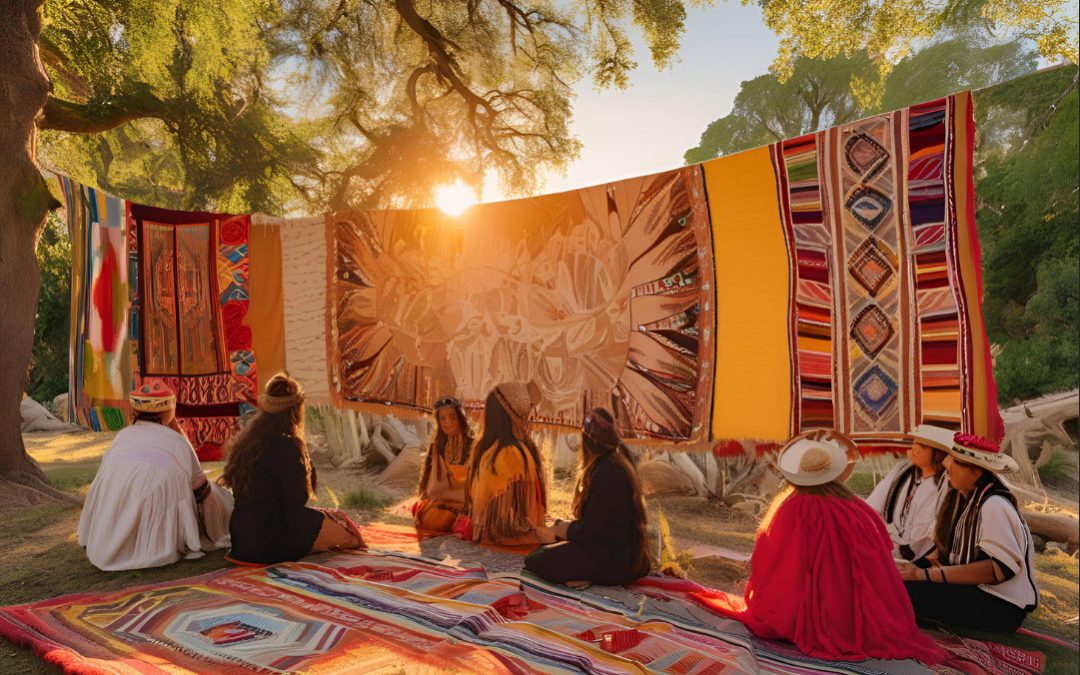
Continuing our journey through the Guarani culture, we now turn our attention to their renowned craftsmanship, particularly in weaving and pottery. These artistic expressions are not just about aesthetic appeal; they tell stories of identity, cultural heritage, and the deep connections that the Guarani maintain with their ancestors and environment.
Weaving: Threads of Identity
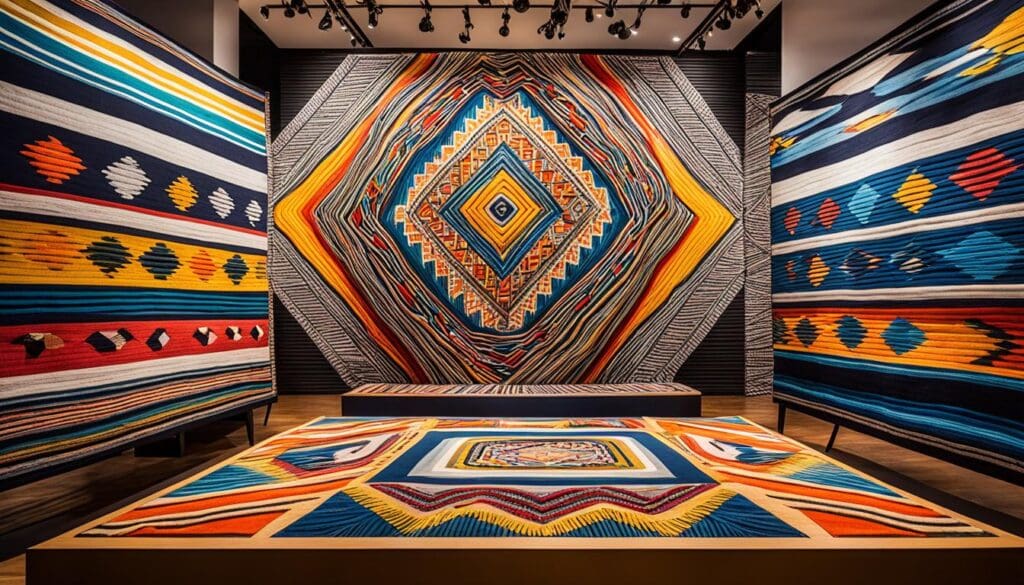
Weaving is a significant aspect of Guarani culture, with intricate designs that carry symbolic meanings and cultural relevance.
- Tradition of Weaving: Guarani women have traditionally been the primary weavers, utilizing natural fibers from local plants. These fibers are transformed into beautiful textiles that showcase vibrant colors, often inspired by the flora and fauna around them.
- Patterns and Symbols: Each pattern woven into the fabric has a story or meaning. For example, certain motifs may represent water, trees, or animals native to their land, serving as a reflection of their relationship with nature.
- Personal Experience: While visiting a Guarani community, I had the opportunity to learn from a skilled weaver. As she guided my hands through the movement of the loom, she shared stories about the significance of the patterns. It was a beautiful illustration of how craftsmanship and storytelling are intertwined in their culture.
Pottery: Earth’s Embrace
Pottery making is another essential form of craftsmanship for the Guarani, showcasing not only skill but also a connection to their ancestors and the earth.
- Natural Materials: The clay used in Guarani pottery is sourced from the environment, often carefully chosen for its texture and quality. The use of natural materials reflects their deep respect for the land and its resources.
- Functional and Decorative: Guarani pottery serves both practical purposes—such as cooking and storage—and acts as a canvas for artistic expression. Many pots are adorned with engravings or painted designs that tell stories or represent cultural symbols.
- A Visit to the Pottery Workshop: During my time in the community, I witnessed a potter shaping a large bowl. As she worked, she explained how different shapes are believed to hold different energies or blessings. This insight revealed not just the artistry but also the spiritual significance behind the craft.
The Role of Craftsmanship in Community
Craftsmanship is more than an individual endeavor for the Guarani; it is a communal activity that fosters relationships and reinforces cultural identity.
- Workshops and Learning: Elders often teach younger generations the skills of weaving and pottery, ensuring that traditions are not lost. These workshops become social events where laughter and stories flow as freely as the clay.
- Cultural Exchange: Through fairs and markets, Guarani craftsmanship reaches beyond their communities, allowing them to share their culture with others. This exchange offers insight into their way of life and creates opportunities for economic sustainability.
Conclusion
The Guarani’s craftsmanship in weaving and pottery stands as a vivid expression of their identity and beliefs. These art forms not only serve practical purposes but also celebrate their heritage and create connections within the community. As we continue to explore the Guarani way of life, we will delve into their historical practices in agriculture, highlighting how their agricultural methods reflect their respect for the land and traditions.
Traditional Lifestyles: Semi-Nomadic Heritage
As we shift our focus from the incredible craftsmanship of the Guarani, we cannot overlook their historical roots as semi-nomadic people who practiced slash-and-burn agriculture. This way of life, intertwined with their cultural practices, not only influenced their diet but also shaped their relationship with the land.
Semi-Nomadic Lifestyle
The Guarani historically followed a semi-nomadic lifestyle, moving between different territories throughout the seasons to make the best use of nature’s resources.
- Seasonal Movement: They would often travel between seasonal camps, relying on the diverse ecosystems around them to sustain their communities. This mobility allowed them to harvest resources at optimal times and prevented over-exploitation of any single area.
- Personal Encounter: During my time with a Guarani community, I learned they still hold onto traditional knowledge regarding the migratory patterns of animals and the best times to gather wild fruits and nuts. This connection to their environment has ancient roots and remains essential to their subsistence today.
Slash-and-Burn Agriculture
The slash-and-burn method was fundamental to Guarani agricultural practices, allowing them to cultivate crops while maintaining ecological sustainability.
- How It Works: This technique involves clearing a small area of forest by cutting down plants and burning them to enrich the soil with nutrients. Once the land has been cultivated, the Guarani would rotate to a new area, giving the earth time to recover.
- Crop Diversity: They traditionally cultivated a variety of crops such as maize, cassava, and squash, which contributed to a balanced diet. By rotating their fields, they ensured a steady supply of food without depleting the land.
- Community Enrichment: The knowledge of slash-and-burn agriculture was passed down through generations, emphasizing the importance of living harmoniously with the environment. Elders often took younger members of the community on educational walks, teaching them about the plants and methods that sustain their way of life.
Ecological Wisdom
The Guarani’s approach to agriculture reflects their deep understanding of ecological balance, emphasizing the importance of conservation.
- Sustainable Practices: By rotating their fields and allowing land to regenerate, they contributed to biodiversity and the overall health of the ecosystem. This careful stewardship of the land showcases their respect for nature and deep-seated beliefs about interconnectedness.
- Modern Challenges: Today, the Guarani face challenges as traditional lands are increasingly encroached upon. The knowledge of slash-and-burn agriculture is threatened by modern agricultural practices that prioritize monoculture and land exploitation.
Conclusion
Historically, the Guarani’s semi-nomadic lifestyle and slash-and-burn agriculture were vital to their survival and cultural identity. These practices exemplify their deep connection to nature and an elaborate understanding of ecological balance. As we further explore the Guarani worldview, we will look into their communal living and decision-making processes, revealing the importance of community and cooperation in their day-to-day lives.

Cultivating Tradition: The Guarani’s Crops
Following our exploration of their semi-nomadic lifestyle and agricultural practices, it’s essential to delve into the specific crops that the Guarani have traditionally cultivated. The significance of these crops goes beyond nourishment; they are woven into the fabric of their culture, economy, and social structure.
Key Crops of the Guarani
The Guarani were adept at cultivating a variety of crops that provided sustenance and shaped their way of life. The most notable among these are maize, cassava, and tobacco.
Maize: A Staple of Life
- Cultural Importance: Maize has traditionally been a cornerstone of the Guarani diet, referred to as “koru” in their language. It is not only a staple food but also an integral part of various rituals and celebrations, symbolizing life and sustenance.
- Culinary Uses: The Guarani utilize maize in numerous traditional dishes, such as “sopa” (a type of corn pudding) and “chipa” (cheese bread made from corn flour). These dishes showcase the versatility of maize within their cuisine.
- Personal Experience: One morning, while visiting a Guarani family, I was invited to participate in the preparation of traditional corn tortillas. The warmth and connection shared over the cooking process highlighted the importance of maize in their daily lives.
Cassava: The Versatile Root
- Nutritional Value: Cassava, known as “mandioca,” is another vital food source for the Guarani. It is high in carbohydrates and serves as a staple that can be prepared in various ways—boiled, baked, or processed into flour for bread.
- Cultural Symbol: Cassava is often considered a symbol of strength and resilience due to its ability to thrive in poor soil conditions and its yield in times of hardship.
- Harvesting Traditions: The Guarani community comes together during cassava harvests, fostering teamwork and the sharing of traditional knowledge. I witnessed such a gathering, where laughter and storytelling infused the hard work, bringing the community closer together.
Tobacco: More than a Crop
- Historical Significance: Tobacco has long been an essential crop for the Guarani, utilized not just for personal use but also for spiritual rituals. It symbolizes purification and connection to the spiritual world.
- Ceremonial Use: The Guarani often use tobacco in traditional ceremonies, offering it to their ancestors or spirits as part of rituals to seek guidance or blessings.
- Interpersonal Connections: Sharing tobacco during gatherings is a custom that reinforces community bonds, emphasizing the social aspects of agriculture alongside its practical benefits.
Agriculture and Community Wellness
The cultivation of these crops reflects the Guarani’s deep-rooted respect for their surroundings and underscores the communal aspects of their agricultural practices.
- Teaching the Next Generation: Elders play a key role in passing down agricultural knowledge to younger generations, ensuring that traditional farming techniques are preserved. This mentorship often takes place in the fields, where children learn by doing, fostering a deep connection to their heritage.
- Sustainable Practices: The Guarani incorporate sustainable methods in their farming, emphasizing the necessity of living in harmony with the land. This approach not only supports their crops but also bolsters the health of the ecosystem.
Conclusion
The traditional crops cultivated by the Guarani—maize, cassava, and tobacco—represent much more than mere food sources; they are integral to their cultural identity and communal life. As we continue our exploration of the Guarani way of life, we will now take a closer look at their strong communal lifestyle and decision-making processes that emphasize cooperation and shared responsibility within their society.
The Power of Community: Guarani Social Structure
Building upon the significance of their traditional crops, it’s crucial to explore the strong communal lifestyle that the Guarani maintain, where decisions are often reached through consensus. This communal approach fosters unity and reinforces cultural values, enhancing the sense of belonging and shared responsibility among community members.
The Essence of Communal Living
For the Guarani, community is at the heart of existence. Their social structure emphasizes cooperation and collective well-being, shaping how they interact, make decisions, and confront challenges together.
- Collective Responsibility: In Guarani culture, every individual’s contributions are valued, creating a sense of ownership and accountability. Whether it’s farming or crafting, communal efforts ensure that the work is shared and the benefits enjoyed by all.
- Personal Reflection: During my visit to a Guarani village, I witnessed firsthand how decisions were made regarding community gatherings. Everyone was invited to participate in discussions, and it struck me how each voice mattered, creating an atmosphere of respect and collaboration.
Decision-Making by Consensus
The Guarani practice a unique form of decision-making that highlights the importance of listening and agreement among community members.
- Community Meetings: Regular gatherings are held where individuals can share opinions and discuss issues facing the community, from resource management to social activities. These meetings provide an avenue for collective input and foster a sense of belonging.
- Consensus Building: Rather than relying on a single leader or hierarchy, the Guarani utilize consensus-building techniques. Discussions can take considerable time, but the goal is always to ensure that every member feels heard and considered. This inclusive approach strengthens social bonds and cultivates trust.
- Experience in Action: I observed a recent community meeting focused on planning a harvest festival. Ideas bounced back and forth, as elders shared traditions while younger members suggested modern adaptations. It was inspiring to see the intergenerational exchange and how decisions evolved into a celebration that honored the past while embracing the future.
The Role of Elders and Leaders
In Guarani communities, elders and respected leaders play pivotal roles in guiding discussions and nurturing consensus.
- Wisdom of Elders: Elders are revered for their wisdom and experience, and their insights are crucial in discussions. They often help mediate disagreements, ensuring that all voices remain valued. Their presence brings a sense of historical continuity, reminding everyone of the importance of tradition.
- Cultural Mentorship: The younger generation frequently turns to elders for guidance, both in decision-making and in understanding cultural practices. This mentorship further strengthens community ties and ensures the transmission of wisdom through generations.
Celebrating Community
The strong communal lifestyle of the Guarani is celebrated through various events and rituals that highlight their collective identity.
- Festivals and Gatherings: Festivals serve as a time to reinforce community bonds. During these gatherings, individuals share food, music, and dance, reinforcing traditions and celebrating achievements together.
- Personal Anecdote: At a recent festival I attended, the entire community came together to prepare traditional foods, share stories, and dance. The atmosphere was alive with togetherness, and I sensed that this communal celebration was as much about shared experiences as it was about enjoyment.
Conclusion
The Guarani’s strong communal lifestyle, characterized by decision-making through consensus, illustrates their commitment to cooperation and unity. This approach not only strengthens their social fabric but also ensures that each member plays an integral role in shaping their community’s future. As we move forward in our exploration, we will take a closer look at the rich mythology and spiritual beliefs of the Guarani, further revealing how these elements intersect with their daily lives and cultural practices.

Exploring Guarani Mythology and Spirituality
As we transition from examining the communal lifestyle of the Guarani, we delve into the fascinating realm of Guarani mythology, which features a rich tapestry of gods and spirits, including Tupa, the revered creator god. These myths not only provide insight into the Guarani’s beliefs but also reflect their deep connection to nature and the cosmos.
The Role of Tupa: The Creator God
At the heart of Guarani mythology lies Tupa, the supreme deity responsible for the creation of the world and everything within it.
- Creation Myths: Tupa is often depicted as a benevolent creator who shaped the land, plants, and animals. According to legend, Tupa created the first humans from clay, breathing life into them and giving them the gift of speech.
- Symbol of Life: Tupa embodies the spirit of life in Guarani cosmology, emphasizing harmony and balance within nature. This concept resonates deeply with the Guarani people, who view themselves as integral parts of a larger ecosystem.
- Personal Reflection: While conversing with locals, I learned that they often invoke Tupa in their daily lives, seeking blessings for strong crops or protection from environmental disasters. This connection to Tupa illustrates the importance of spirituality in their agricultural practices.
Other Gods and Spirits
In addition to Tupa, Guarani mythology features a multitude of other gods and spirits that govern various aspects of life and nature.
- Karai: The spirit of fire, revered for both its nurturing warmth and potential for destruction. Karai is often called upon during rituals that involve fire, representing transformation and renewal.
- Luzia: A goddess associated with the moon, she is said to protect women and children. Her presence is celebrated during nighttime rituals, where offerings may be given for safe childbirth or family well-being.
- The Role of Ancestor Spirits: The Guarani also pay homage to ancestral spirits, who they believe watch over the community. These spirits are frequently invoked during rituals and family gatherings, reminding the living of their lineage and duties to one another.
Myths in Everyday Life
Guarani mythology is deeply intertwined with daily life, influencing customs, rituals, and festivals.
- Rituals and Offerings: Many traditional ceremonies involve offerings to the gods and spirits, such as flowers, fruits, or tobacco. These offerings serve to maintain a harmonious relationship with the spiritual world and ask for favor during harvest or other significant events.
- Storytelling Traditions: The myths are passed down through oral tradition, with storytelling sessions that gather families together. During these moments, the community shares lessons from their ancestors, connecting past and present.
- Experience with Storytelling: I attended a storytelling event where a local elder recounted the tale of Tupa’s creation of the world. The stories were not only engaging but also served as a vessel for cultural transmission, emphasizing values of respect and responsibility to nature.
Festivals Celebrating Mythology
The Guarani celebrate their mythology through various festivals, reinforcing communal bonds and shared beliefs.
- Seasonal Festivals: Many festivals align with agricultural cycles, where rituals honor Tupa and other deities, thanking them for the bounty of the earth. These events often include music, dance, and traditional foods, creating a vibrant sense of community.
- Cultural Significance: These celebrations are essential not only for expressing gratitude but also for reinforcing cultural identity and unity among community members.
Conclusion
Guarani mythology, rich with gods like Tupa and a diverse array of spirits, plays a crucial role in their understanding of the world and their place within it. These narratives foster a profound reverence for nature and the interconnectedness of all beings. As we continue our journey through the Guarani culture, we will explore their rituals and celebrations, showcasing how these beliefs manifest in vibrant community practices and traditions.
Ceremonies of Connection: Rituals and Celebrations
As we delve deeper into the spiritual essence of the Guarani, it becomes evident that their rituals and celebrations are profound reflections of their deep connection to nature and the cosmos. These events are not merely commemorative; they are vital expressions of gratitude, identity, and community cohesion.
Seasonal Rituals: A Harmony with Nature
The Guarani engage in various seasonal rituals that align with agricultural cycles, demonstrating their respect for the land and its rhythms.
- Planting and Harvesting Festivals: These ceremonies celebrate the planting of seeds and the abundance of the harvest. They often involve offerings to Tupa and other deities, accompanied by prayers for bountiful crops and protection against pests.
- Personal Experience: I had the privilege of witnessing a harvest festival where community members came together to share traditional foods, dance, and sing songs that express gratitude. The joyful atmosphere and sense of unity were palpable, reminding me of the importance of such gatherings in strengthening communal bonds.
Celebrations of the Cosmos
In addition to agricultural cycles, the Guarani also celebrate celestial phenomena that remind them of their place in the universe.
- Celestial Celebrations: Events such as the solstices and lunar phases are marked with special ceremonies. The Guarani honor the moon’s cycles through offerings and rituals, connecting their agricultural practices to cosmic events.
- Spiritual Significance: These celebrations reinforce the belief that the earth and sky are intertwined, and that synchronizing human activities with cosmic patterns leads to harmony and prosperity.
- Cultural Observations: During a lunar festival I attended, participants gathered under the full moon, sharing stories that honored Luzia, the moon goddess. The community performed dances that symbolized gratitude for her protection, creating a magical connection between the earth and the heavens.
Healing and Purification Rituals
Beyond seasonal celebrations, the Guarani engage in various rituals aimed at healing and purification, further emphasizing their connection to nature.
- Traditional Healing Practices: Shamans lead ceremonies utilizing local plants and herbs, believed to possess healing qualities. These rituals may involve invoking ancestral spirits for guidance and strength.
- Purification Ceremonies: Rituals such as the use of smoke from burning sacred plants, like tobacco, serve to purify spaces and individuals, establishing a sacred environment for spiritual connection.
- Experience in Healing: I witnessed a purification ritual where the shaman spoke softly, invoking nature’s spirits while wafting the smoke around participants. It was a profound moment, demonstrating how the Guarani integrate spirituality into their healing practices.
Community Involvement and Cooperation
Rituals and celebrations are indeed communal activities, resulting in active participation from all members of the community.
- Unity Through Participation: Elders, children, and young adults alike take part in these ceremonies, fostering a sense of belonging and shared purpose. Every member of the community contributes, whether through preparation, performance, or simply presence.
- Personal Anecdote: At one gathering, I noticed a young girl carefully weaving flowers into crowns for her friends. This simple act showcased how even the smallest contributions play a role in the larger tapestry of celebration, emphasizing that everyone has a part in honoring their traditions.
Conclusion
The rituals and celebrations of the Guarani not only reflect their reverence for nature and the cosmos but also strengthen communal bonds and cultural identity. These vibrant practices illustrate their deep spiritual connection and highlight the importance of living in harmony with both the earth and one another. As we turn the page to explore the artistry of Guarani culture, we will uncover how their craft mirrors these spiritual beliefs and communal values, enriching their way of life.

The Impact of Colonization on the Guarani
Transitioning from the vibrant rituals and celebrations that showcase the Guarani’s deep-rooted culture, we must acknowledge the historical conflicts they faced with colonizers. These confrontations have left lasting scars on their population and territory, profoundly affecting their way of life.
Historical Context of Conflict
Beginning with the arrival of European colonizers in the 16th century, the Guarani, like many indigenous groups, encountered violent disruptions to their traditional lifestyles.
- Initial Encounters: Initially, European settlers sought friendships and alliances with indigenous groups, which quickly soured as colonization progressed. The Guarani were often caught in the crossfires of territorial disputes between European nations, leading to their involvement in various wars.
- Missionary Influence: Jesuit missionaries established reductions (settlements) among the Guarani, aiming to convert them to Christianity and integrate them into European society. While some Guarani benefited from education and protection, these settlements also disrupted their traditional practices and autonomy.
Loss of Territory and Population
The consequences of these historical conflicts were devastating, resulting in significant losses of both territory and people.
- Population Decline: The introduction of diseases—such as smallpox and measles—brought by European colonizers led to dramatic declines in the Guarani population, who had no immunity. Estimates suggest that their numbers decreased by as much as 90% in some areas due to disease and warfare.
- Displacement: As colonizers expanded their territories, the Guarani were often forcibly removed from their ancestral lands. This displacement not only severed their ties to important cultural sites but also disrupted their agricultural practices and access to natural resources.
- Personal Anecdote: During my journey through Paraguay, I visited historical sites where Guarani communities once thrived. Hearing stories from locals about ancestral lands they were forced to abandon was heartbreaking. It became clear that these losses are felt not just in the physical sense but also in the emotional and cultural loss of identity.
Resilience and Adaptation
Though deeply affected by colonization, the Guarani have shown remarkable resilience in the face of adversity.
- Cultural Preservation: Despite the challenges, the Guarani have maintained their language, customs, and traditions, often adapting their practices in response to changing circumstances. Cultural events today still reflect their historical experiences, serving as reminders of survival.
- Contemporary Movements: In recent decades, there have been significant movements advocating for the rights of indigenous peoples, including the Guarani. These movements have led to legal recognition of ancestral lands in some regions, sparking hope for the restoration of their rights and territories.
- Example of Activism: I learned about a local Guarani group that successfully lobbied for their land rights, reclaiming territory that had been lost for generations. Their determination and unity in the face of ongoing struggles were truly inspiring.
Ongoing Challenges
The Guarani continue to confront modern issues stemming from historical conflicts, facing new challenges in their quest for recognition and rights.
- Environmental Threats: As their territories decrease, the Guarani are also faced with threats from industries such as logging and agribusiness, which impact their traditional lands and ways of life. Their connections to nature are under constant pressure from exploitation.
- Social Issues: The effects of colonization have also led to social challenges, including poverty and limited access to education and healthcare, further complicating their efforts to preserve their culture and improve their living conditions.
Conclusion
The historical conflicts with colonizers have profoundly impacted the Guarani, leading to significant losses in population and territory. Yet, through resilience and determination, they continue to advocate for their rights while preserving their cultural identity. As we delve deeper into contemporary Guarani life, we will uncover how they navigate these challenges, showcasing their spirit and determination to thrive in today’s world.
The Cultural Significance of Mate
Continuing our exploration of Guarani life and their enduring spirit, we now turn to one of their most notable agricultural products: mate. This traditional beverage is not only a staple in their diet but also a cultural emblem that brings together community, identity, and social interaction.
What is Mate?
Mate is a herbal infusion made from the leaves of the yerba mate plant (Ilex paraguariensis), native to the subtropical regions of South America, including the areas inhabited by the Guarani.
- Preparation: The leaves are dried, crushed, and steeped in hot water. Traditionally, mate is served in a hollowed-out gourd, known as a “calabash,” with a metal straw called a “bombilla.”
- Personal Experience: During my time spent with a Guarani family, I was invited to join a mate-sharing ceremony. As we passed the gourd around, it was fascinating to see how this simple act fostered connection and conversation among everyone present.
The Ritual of Sharing Mate
One of the most beautiful aspects of mate is the communal ritual surrounding its consumption.
- Bonding through Sharing: Sharing mate is a social practice that reinforces bonds among family and friends. Each person takes a turn sipping from the gourd before refilling it for the next, creating a sense of unity and hospitality.
- Cultural Expression: The manner in which mate is shared can vary between communities, often reflecting regional customs or personal preferences. Some might pass the gourd around by circling in a clockwise direction, while others may have their unique ways.
- Example of Social Interaction: I was struck by the warmth of the environment during the mate-sharing in the Guarani community—the laughter, stories, and camaraderie unfolded seamlessly, highlighting the beverage’s role as a catalyst for interaction.
Health Benefits
Mate is not only cherished for its social aspects but also for its health benefits.
- Nutritional Value: Rich in antioxidants, vitamins, and minerals, mate is believed to boost the immune system, enhance mental clarity, and improve physical endurance. Many Guarani incorporate it into their daily routines as a source of energy.
- Moderation is Key: While mate offers benefits, many in the community emphasize moderation, as over-consumption can lead to restlessness or sleep issues. This approach reflects the balance the Guarani seek in their relationship with nature.
Economic Impact
In addition to its cultural significance, mate production plays an important role in the economy for the Guarani and their neighbors.
- Cultivation and Harvesting: The Guarani participate in the cultivation and harvesting of yerba mate, providing a source of income for many families. This activity allows them to maintain agricultural practices in line with their traditions.
- Market Trends: The growing popularity of mate beyond South America, particularly in Europe and North America, has opened new avenues for economic opportunity. Embracing fair-trade practices helps empower local producers, including the Guarani.
- Personal Insight: During a workshop I attended on mate production, local farmers shared their commitment to sustainable practices that honor their cultural heritage while meeting market demands. It was heartening to see how they balance tradition with contemporary economic realities.
Conclusion
Mate is much more than just a beverage among the Guarani; it embodies their cultural identity, fosters community connections, and offers health benefits. Through rituals of sharing and a commitment to sustainable cultivation, the Guarani continue to uphold this cherished tradition. As we explore further into Guarani culture, we will uncover their artistic expressions, which reflect their identity and beliefs, intertwining beautifully with their agrarian lifestyle.
Fighting for Rights: Guarani Uprisings and Movements
As we continue to explore the richness of Guarani culture, it’s essential to acknowledge the historical and ongoing struggles they face in protecting their land and rights. Over the years, the Guarani have been involved in various uprisings and movements that reflect their resilience and determination to safeguard their heritage.
Historical Context of Struggle
Historically, the Guarani have faced numerous challenges related to land dispossession, forced displacement, and cultural assimilation.
- Land Conflicts: The expansion of agriculture, logging, and urban development has resulted in the encroachment of Guarani lands. This loss has not only threatened their livelihoods but also their cultural identity, which is deeply tied to their ancestral territories.
- Early Resistance: From the colonial period through the 20th century, the Guarani have consistently resisted attempts to erase their existence and culture. Early uprisings were often met with violence, but these actions established a tradition of resistance that continues today.
Recent Movements for Land Rights
In recent years, there have been significant movements led by the Guarani to reclaim their rights and territories.
- Land Recovery Initiatives: Many Guarani communities have organized to reclaim lands that were historically theirs. These movements often involve legal battles, protests, and negotiations with government authorities.
- Personal Encounter: During my travels, I met with a group of Guarani activists who were campaigning for recognition of their ancestral lands. They shared passionate stories of their ancestors’ struggles and expressed hope for future generations. Their commitment to this cause was deeply inspiring.
Notable Uprisings
Several notable uprisings and protests have marked the Guarani’s fight for their rights.
- The Guarani’s Land Claims: In the 1990s, the Guarani initiated widespread protests throughout Brazil and Paraguay to reclaim lost territories. These protests involved peaceful demonstrations where community members showcased their cultural heritage through music, dance, and traditional dress, drawing public attention to their plight.
- The 2004 Protests in Brazil: In 2004, the Guarani-Kaiowá community organized significant protests against the Brazilian government, demanding the return of their ancestral lands. They encountered resistance from agricultural interests but persevered, gaining international attention for their struggle.
- Recent Developments: More recently, there have been successful negotiations resulting in the return of certain lands, although struggles continue in various areas where land claims remain contested.
The Role of Allies and NGOs
The Guarani have found support in various organizations and allies who lend their voice to their cause.
- Human Rights Organizations: Several NGOs work with the Guarani to document abuses, provide legal assistance, and advocate for indigenous rights at national and international levels. These partnerships empower the Guarani in their fight for justice.
- Solidarity Movements: Around the world, solidarity movements have arisen, raising awareness about the Guarani’s plight and advocating for indigenous rights. This global support has bolstered their efforts and provided a wider platform for their voices.
Social and Cultural Resilience
Amid the struggles, the Guarani continue to maintain their cultural identity while advocating for their rights.
- Cultural Revival: As part of their movements, the Guarani emphasize the importance of cultural revival, promoting language, traditions, and art. This focus on cultural heritage strengthens community ties and fosters pride in their identity.
- Education and Awareness: Community leaders emphasize the need for education, both for their members and for the broader society, to foster understanding and support for indigenous rights.
Conclusion
The Guarani’s involvement in uprisings and movements to protect their land and rights is a testament to their resilience and unwavering spirit. Their ongoing struggles highlight the importance of land, culture, and identity as they navigate the challenges posed by modern society. As we continue this journey through Guarani culture, we will explore their artistic expressions, which not only celebrate their heritage but also serve as a means of resistance and empowerment.
Harmony with Nature: The Guarani Philosophy
Transitioning from their spirited movements for rights and land, it’s vital to understand how the Guarani culture is deeply rooted in a philosophy that emphasizes harmony with nature and respect for the environment. This intrinsic connection shapes their way of life, guiding their actions and beliefs.
Core Beliefs of Environmental Stewardship
The Guarani worldview sees nature not simply as a resource but as a living entity with which they share a profound relationship.
- Interconnectedness: The Guarani believe that all elements of nature—including animals, plants, and celestial bodies—are interconnected. This perspective fosters a sense of responsibility toward caretaking the environment.
- Personal Reflection: During my time with a Guarani community, I was struck by how often they referenced the land and its resources in their daily dialogue—each mention was steeped in respect, illustrating a profound recognition that their existence is tied to the health of their environment.
Sustainable Practices
The Guarani apply sustainable practices in their agriculture, resource management, and daily living, all aspects that demonstrate their commitment to environmental harmony.
- Traditional Agriculture: Practices such as agroforestry and crop rotation reflect their understanding of balance within ecosystems. By cultivating diverse crops like maize, cassava, and tobacco in harmony with their surroundings, they ensure the longevity of soil health and biodiversity.
- Resource Management: The Guarani utilize natural resources in a sustainable manner, often practicing hunting and fishing with methods that prevent over-exploitation. This responsible use ensures that future generations can benefit from the same resources.
- Example of Sustainability: While participating in a community agricultural project, I witnessed how families worked together to select seeds and share knowledge about seasonal planting. This not only preserved traditional methods but reinforced their communal ties and cultural practices.
Spiritual Significance of Nature
For the Guarani, respect for nature goes hand in hand with their spiritual beliefs, intertwining the two in meaningful ways.
- Ceremonies and Offerings: Rituals often include offerings to the land and nature spirits, showcasing gratitude for the gifts they receive. Whether it’s through planting a new crop or gathering wild fruits, these acts are steeped in deeper meaning.
- Cultural Symbolism: The Guarani myths often feature nature as a central character, with stories that convey respect and lessons about the importance of the natural world. These narratives teach both children and adults alike about the significance of harmony and coexistence.
- A Beautiful Memory: I remember participating in a ceremony where community members offered seeds back to the earth. The gathering was filled with songs that honored the land and the spirits, creating a powerful reminder of their reciprocal relationship with nature.
Challenges from Modern Development
Despite their deep-rooted philosophies, the Guarani face challenges from modern development that threaten their relationship with nature.
- Environmental Degradation: Industrial agriculture, logging, and urban expansion impact the ecosystems they depend on, leading to fragmentation and loss of biodiversity. The Guarani see these actions as violations of their sacred ties to the land.
- Advocacy for Conservation: Many Guarani communities are now involved in conservation efforts, working alongside environmental organizations to protect their territories from exploitation. This collaboration exemplifies their resilience and commitment to environmental stewardship.
Community Education and Awareness
Recognizing the importance of preserving their culture and the environment, the Guarani actively engage in education related to sustainability.
- Teaching Younger Generations: Elders play a crucial role in passing down knowledge about sustainable practices and the importance of respecting nature. Through storytelling and practical demonstrations, they instill core values in the youth.
- Cultural Workshops: Many Guarani communities hold workshops focused on traditional ecological knowledge, allowing participants to learn about their natural environment while fostering a greater understanding of its significance.
Conclusion
The Guarani culture’s emphasis on harmony with nature and respect for the environment is a defining aspect of their identity. This philosophy not only shapes their daily lives but also informs their struggles for rights and land preservation. As we explore further into the Guarani’s artistic expressions, we will see how their deep-rooted values manifest in creativity, showcasing their profound connection to nature and their commitment to their heritage.

Maintaining Tradition in a Modern World
As we move from the Guarani’s deep commitment to harmony with nature, it’s important to recognize that many Guarani people today continue to practice traditional customs alongside modern influences. This blend of old and new reflects their resilience and adaptability as they navigate contemporary society while honoring their cultural heritage.
Embracing Modern Influences
The Guarani have traditionally emphasized community and cultural identity, but as the world changes, so too do their practices. They’ve found ways to incorporate modern elements into their lives without losing their essence.
- Education and Technology: Many Guarani youth now attend schools that incorporate both traditional teachings and contemporary curriculum. As a result, they learn about their cultural practices while gaining skills needed for the modern world, which can include digital literacy and scientific knowledge.
- Personal Experience: During a visit to a local school, I witnessed how teachers blended Guarani history with lessons on environmental science. Students actively participated in discussions about sustainable agriculture, bridging their ancestral practices with modern environmental concerns.
Cultural Festivals and Celebrations
Cultural festivals serve as vital platforms for the Guarani to express their identity and showcase their traditions, even as they incorporate modern elements.
- Revitalizing Traditions: Events like the annual harvest festival often feature traditional dances and music, but now also include contemporary art and performances. This blend reinforces their cultural identity while drawing in younger generations who are influenced by modern culture.
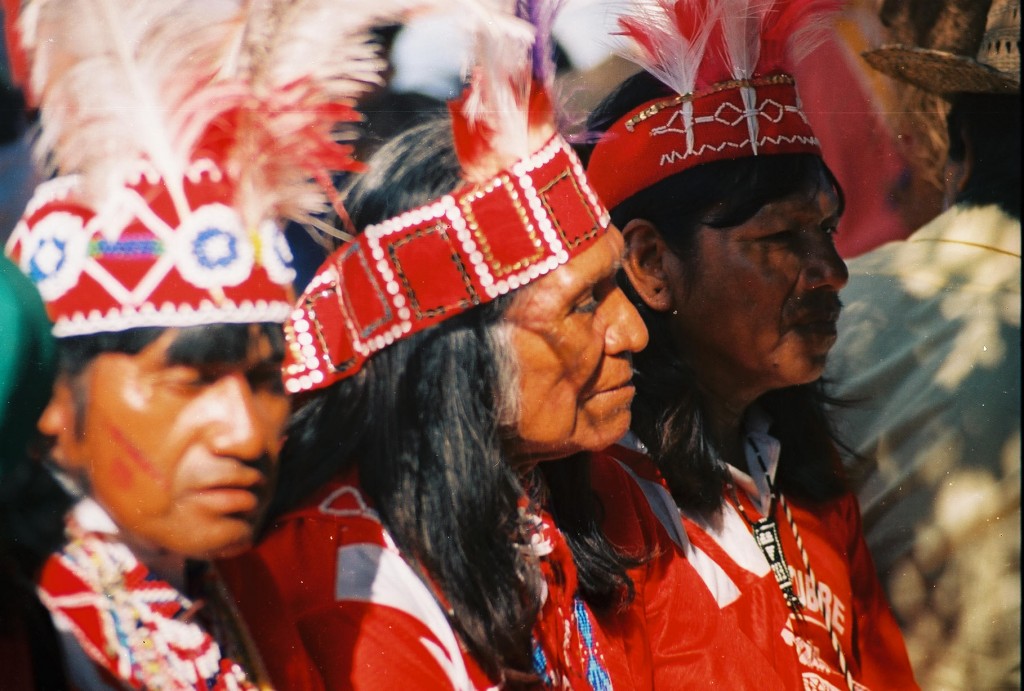
- Community Engagement: At one such festival I attended, I admired how participants dressed in traditional attire while also showcasing modern interpretations of their clothing. This not only honored their roots but also made the event appealing to broader audiences.
Craftsmanship and Art
The arts are an important means by which the Guarani express their identity, and many have adapted their craftsmanship to reflect both traditional techniques and modern trends.
- Weaving and Pottery: While traditional weaving and pottery techniques are preserved, newer designs sometimes incorporate contemporary themes or materials. This adaptation keeps the crafts relevant and attractive to younger audiences and tourists alike.
- Personal Story: I met a talented Guarani artisan who creates vibrant textile patterns that honor traditional designs but also feature modern motifs. Her work serves as a beautiful testament to how cultural artistry can evolve while retaining its roots.
Language and Communication
The Guarani language remains a cornerstone of cultural identity, and its use is being adapted to the digital age.
- Multilingualism: Many Guarani people are bilingual, speaking both Guarani and Spanish or Portuguese, which allows them to navigate various social contexts effectively. This ability to communicate in multiple languages enriches their interactions both within and outside their communities.
- Modern Media: Social media has become a platform for sharing Guarani language and culture. Many young people use these platforms to promote traditional customs, connect with broader audiences, and even advocate for indigenous rights.
Challenges of Modernization
While blending traditional customs with modern influences brings opportunities, it also poses challenges for the Guarani.
- Cultural Erosion: The risk of cultural erosion is a growing concern, as younger generations may feel more drawn to modern influences than to traditional practices. Encouraging pride and participation in their heritage is crucial to combating this trend.
- Community Initiatives: Various community initiatives focus on teaching traditional skills, dance, and language to younger members. Workshops and camps are held to instill a sense of belonging and appreciation for Guarani heritage.
Conclusion
The Guarani’s ability to practice traditional customs alongside modern influences speaks to their resilience and adaptability in a changing world. This seamless weaving of the old with the new enriches their culture while ensuring its continuity. As we further explore their artistic expressions, we will see how these dynamic practices reflect not only their cultural identity but also their ongoing journey as a people navigating the complexities of the contemporary world.
The Guarani Legacy in Argentine Culture
As we transition from understanding the Guarani’s integration of traditional customs and modern influences, it’s essential to recognize the profound impact they have had on various aspects of Argentine culture. The legacy of the Guarani is particularly evident in language, art, and social practices, highlighting their enduring contributions to the cultural mosaic of Argentina.
Influence on Language
One of the most significant ways the Guarani have influenced Argentine culture is through language. The incorporation of Guarani words and expressions into Spanish is notable, particularly in regions where Guarani communities are prevalent.
- Linguistic Integration: Many words related to flora, fauna, and everyday life originate from the Guarani language. Common examples include “mate” (the traditional beverage), “tapa” (lids or covers), and “jaguareté” (jaguar).
- Personal Encounter: While speaking with locals in Misiones, I was fascinated to hear how they effortlessly mixed Guarani terms into their conversations. This bilingualism not only showcases the resilience of the Guarani language but also enriches the local dialect.
Cultural Expressions and Art
The Guarani’s impact is also visible in the artistic expressions found throughout Argentine culture. Their traditional crafts and artistic forms have influenced local art scenes.
- Textiles and Weaving: The intricate patterns and techniques of Guarani weaving can be seen in contemporary Argentine textiles. Many artisans draw inspiration from Guarani designs, creating a vibrant fusion that highlights heritage.
- Local Markets: Visiting local markets, I noticed how many stalls featured crafts inspired by Guarani traditions. Items such as woven bags, pottery, and decor stood out, celebrating their cultural roots while appealing to modern tastes.
Spiritual and Social Practices
The Guarani’s spiritual beliefs and communal traditions have left a mark on social practices in Argentina, particularly in rural areas.
- Ceremonial Influences: Elements of Guarani spirituality can often be witnessed in festivals and rituals held in various regions, showcasing a blend of indigenous and Catholic traditions. This synthesis is a testament to their enduring presence in Argentine culture.
- Community and Hospitality: The concept of communal gatherings and hospitality, deeply ingrained in Guarani culture, has influenced how Argentine communities celebrate life events, such as weddings and harvests. Sharing food and stories remains a central aspect of these gatherings.
Environmental Awareness
The Guarani’s emphasis on harmony with nature resonates with contemporary movements in Argentina, inspiring efforts towards environmental conservation and sustainability.
- Cultural Advocacy: Many Guarani activists are at the forefront of environmental advocacy, raising awareness about indigenous rights and ecological issues. Their experiences serve as a reminder of the importance of safeguarding the earth for future generations.
- Sustainable Practices: The growing interest in sustainable agriculture and traditional ecological knowledge in Argentina can be traced back to Guarani practices, which prioritize environmental stewardship and respect for natural resources.
Conclusion
The Guarani influence on Argentine culture is profound and multifaceted, with roots in language, artistic expression, social practices, and environmental awareness. Their contributions enrich the cultural landscape and remind us of the interconnectedness between indigenous traditions and contemporary life. As we continue exploring Guarani culture, we will delve into their artistic expressions, revealing how they continue to honor their heritage while navigating the complexities of modern society.

Guardians of Nature: The Guarani’s Role in Conservation
As we continue to celebrate the rich contributions of the Guarani to Argentine culture, we also need to recognize their crucial role in the conservation of biodiversity in their regions. Their deep connection to nature and sustainable practices have made them invaluable stewards of the environment.
Traditional Knowledge and Biodiversity
The Guarani possess extensive knowledge of their local ecosystems, honed over centuries through observation and experience. This knowledge is vital in maintaining biodiversity and conserving natural resources.
- Medicinal Plant Knowledge: The Guarani have long relied on the medicinal properties of local plants, using them for healing and wellness. This traditional knowledge not only preserves their cultural identity but also contributes to the conservation of indigenous flora.
- Example of Local Plants: During my visit, a local shaman guided me through the forest, explaining how certain plants work together to support the ecosystem. It was fascinating to learn about the balance between species that he had observed over his lifetime.
Sustainable Resource Management
The Guarani’s sustainable agricultural practices also play a crucial role in conserving biodiversity. Their methods focus on long-term health of the land rather than short-term gains.
- Agroforestry Practices: The Guarani practice agroforestry, integrating trees with crops to create diverse ecosystems that enhance soil health and provide habitats for various species. This method improves resilience against pests and climate change while promoting biodiversity.
- Shared Experience: While participating in a community agricultural project, I saw how families worked meticulously to maintain their plots, ensuring that they were diverse and flourishing. Their commitment to sustainability was evident in every aspect of their farming practices.
Advocacy and Environmental Movements
Today, the Guarani are active participants in environmental advocacy, working to protect their lands and resources against threats from modern development.
- Facing Modern Challenges: Industrial agriculture, logging, and mining pose significant threats to the biodiversity of Guarani territories. In response, they have mobilized to protect their ancestral lands through protests and legal action.
- Personal Story: I attended a rally where Guarani leaders shared their experiences fighting against deforestation. Their determination was inspiring, revealing a fierce commitment to preserving their home for future generations.
Connection to Conservation Organizations
The Guarani often collaborate with NGOs and environmental organizations to promote conservation initiatives that align with their values and knowledge.
- Building Partnerships: Many organizations recognize the importance of indigenous knowledge in biodiversity conservation efforts. They work alongside the Guarani to implement projects that protect ecosystems while respecting their cultural heritage.
- Successful Initiatives: Joint initiatives have led to the creation of protected areas that honor indigenous land rights and promote biodiversity. These efforts not only protect wildlife but also provide opportunities for sustainable economic development for the Guarani communities.
Community Education and Engagement
Education plays a vital role in the Guarani’s conservation efforts, helping to foster a sense of responsibility and awareness among younger generations.
- Workshops and Training: Educational initiatives focus on teaching traditional ecological knowledge, sustainability practices, and conservation science. These workshops empower youth to appreciate their natural heritage and become active participants in preservation efforts.
- Cultural Transmission: During a recent workshop, I witnessed young Guarani adolescents learning from their elders about the importance of certain species in their ecosystem and how to care for them. This knowledge is essential for maintaining their cultural identity and environmental stewardship.
Conclusion
The Guarani play an essential role in the conservation of biodiversity in their regions, combining traditional ecological knowledge with modern advocacy to protect their environment. Their efforts highlight the importance of community, cultural heritage, and sustainable practices in preserving the earth’s natural resources. As we continue to explore Guarani culture, we will dive into their artistic expressions and how these reflect their values and connection to nature.

A Vibrant Diet: The Guarani’s Connection to Nature
Continuing our exploration of the Guarani and their vital role as stewards of biodiversity, it’s essential to highlight their traditional lifestyle, which includes a diet largely composed of vegetables and fruits. This dietary pattern reflects their deep connection to the land and emphasizes sustainable living practices.
Key Components of the Guarani Diet
The Guarani diet is rich in variety, characterized by a wide range of locally grown fruits and vegetables, all of which are deeply tied to their agricultural practices.
- Fruits: The Guarani cultivate an array of fruits, including papayas, bananas, and guavas. These fruits not only provide essential nutrients but also serve as a natural source of energy.
- Vegetables: Their garden plots often include sweet potatoes, yams, and various leafy greens, which are staples in their daily meals. These vegetables are typically grown using traditional farming methods that contribute to soil health.
- Personal Encounter: During my time with a Guarani community, I was invited to share a meal. The vibrancy of the dishes was remarkable; the assortment of fresh, colorful ingredients showcased the bounty of their land and their commitment to celebrating local produce.
Nutritious and Sustainable Food Practices
The Guarani’s approach to food cultivation is not only about sustenance; it also reflects their sustainable practices and respect for nature.
- Crop Diversity: The Guarani practice polyculture, planting multiple crops together to promote biodiversity. This method not only reduces the risk of crop failure but enhances the resilience of their farming practices against pests and diseases.
- Seasonal Eating: The Guarani diet is largely seasonal, relying on what is available at different times of the year. This practice creates a natural rhythm to their eating habits and encourages them to appreciate the seasonal cycles of growth and harvest.
Traditional Cooking Methods
The preparation of food is also deeply rooted in Guarani culture, with traditional cooking methods that honor their heritage.
- Use of Open Fires: Meals are often cooked over open fires, using clay pots and leaves, which impart a unique flavor and reflect their ancestral cooking techniques. This method also reinforces their connection to the land, as fire and earth are vital elements in their culinary practices.
- Communal Cooking: Preparing meals is often a communal activity, where family members gather to cook together. This not only fosters a sense of unity but also allows for the sharing of culinary knowledge across generations.
- Example of a Meal: I’ll never forget participating in a communal cooking session where we prepared a traditional stew, using locally grown vegetables and herbs. The laughter and friendship shared during the cooking process made the meal all the more special when we finally sat down to enjoy it together.
Modern Challenges and Nutritional Education
Despite their rich culinary traditions, the Guarani face modern challenges that threaten their diet and food sovereignty.
- Impact of Modernization: The encroachment of industrial agriculture has led to the loss of traditional farming practices and a shift toward monoculture, reducing access to the diverse foods they once relied upon. Many Guarani communities are working to reclaim their food practices through advocacy and education.
- Nutritional Programs: There have been initiatives to promote literacy around nutrition, focusing on the benefits of traditional diets and encouraging younger generations to engage with their food heritage. Workshops often emphasize the link between their cultural identity and dietary practices.
Conclusion
The Guarani lifestyle, with its emphasis on a diet rich in vegetables and fruits, is a testament to their connection to the land and commitment to sustainability. Their culinary practices not only nourish their bodies but also uphold cultural traditions, fostering community ties and respect for nature. As we continue our exploration of Guarani culture, we will uncover the artistic expressions that beautifully embody their values and deep roots in harmony with their environment.
The Art of the Guarani: Color and Nature
Transitioning from their vibrant diet, we now delve into the artistic expressions of the Guarani, which are marked by vibrant colors and intricate designs inspired by nature. Their art is not just a form of decoration; it serves as a cultural narrative that reflects their identity, traditions, and profound connection to the environment.
Nature as Inspiration
The Guarani draw heavily from the natural world around them in their artistic creations. The flora and fauna of their homeland provide endless inspiration for their designs.
- Symbolism of Nature: Common motifs include leaves, flowers, and animals. Each design often carries symbolic meaning, conveying stories, values, or ancestral wisdom. For instance, the jaguar, a powerful symbol in Guarani mythology, frequently appears in their artwork, symbolizing strength and protection.
- Example of Artworks: During my visit to a local artisan’s workshop, I was amazed to see how she seamlessly incorporated elements from her surroundings into her work. From paintings depicting vibrant landscapes to beautifully woven tapestries featuring native animals, each piece told a story about her connection to the land.
Vibrant Colors and Techniques
One of the defining features of Guarani art is its striking use of color, which reflects not only the beauty of nature but also the emotions and experiences of the artists.
- Color Palettes: Guarani artists often utilize natural pigments derived from plants, minerals, and even insects. This sustainable approach not only connects them to their environment but results in an array of captivating hues.
- Artistic Techniques: The techniques used in Guarani art vary widely, from intricate beadwork and ceramics to painting and weaving. Each method showcases the skill and creativity passed down through generations and reflects the cultural significance of the art form.
- Personal Anecdote: While observing a group of women crafting traditional pottery, I was captivated by the way they applied natural dyes to their pieces. As they worked, they shared stories of how their ancestors taught them these techniques, reinforcing the importance of preserving their art.
Traditional Crafts and Contemporary Fusion
While traditional forms of Guarani art are still prevalent, there is also a unique blending of contemporary styles that reflects ongoing cultural evolution.
- Modern Adaptations: Many Guarani artists are now experimenting with new mediums and techniques, incorporating contemporary designs while maintaining the essence of their cultural heritage. This fusion creates exciting new works that resonate with both local and global audiences.
- Community Art Projects: Collaborative projects often merge traditional craftsmanship with modern themes, promoting cultural pride and revitalization. These initiatives engage younger generations, helping to ensure that the artistic practices continue to thrive.
The Importance of Art in Guarani Culture
Art plays a crucial role in the Guarani community, serving as both a mode of expression and a means of preserving their cultural identity.
- Cultural Transmission: Artistic practices are often taught in households, with elders sharing their knowledge of design, technique, and symbolism with the younger generation. This transmission of knowledge fosters a sense of pride and continuity within the community.
- Celebrations and Rituals: Guarani art is prominently featured in cultural celebrations, rituals, and festivals. The decorations, attire, and performances all reflect their artistic heritage, reinforcing the bond between tradition and contemporary life.
- A Lasting Impression: At a local festival, I was fortunate enough to witness a colorful display of traditional dances, all adorned in costumes that showcased the intricate designs of Guarani art. The energy and passion conveyed in the performance highlighted the significance of art in expressing their cultural identity.
Conclusion
The art of the Guarani, characterized by vibrant colors and intricate designs inspired by nature, reflects their deep connection to the environment and their cultural heritage. Through their artworks, they convey stories, emotions, and traditions that communicate their identity and values, contributing to the rich tapestry of their community. As we continue our exploration of the Guarani culture, we will delve into their spiritual beliefs, revealing how these elements further intertwine with their artistic expressions and daily lives.

The Musical Heritage of the Guarani
Building on the vibrant artistry of the Guarani, we now turn our attention to their rich musical tradition. Music plays a vital role in Guarani culture, providing a soundtrack to their stories, rituals, and communal gatherings. Instruments such as the harp and flute are central to their musical expressions, reflecting their connection to nature and their ancestral heritage.
Traditional Instruments
The Guarani utilize a variety of instruments, each contributing unique sounds and cultural significance to their music.
- Harp (Arpa): The harp holds a special place in Guarani music, cherished for its warm, enchanting tones. Traditionally crafted from local wood and string, it has become a symbol of Guarani cultural expression.
- Flute (Flauta): The flute is another important instrument, often made from bamboo or other natural materials. Its soft, melodic sounds evoke the tranquility of the natural world and are frequently used in both solo and group performances.
- Personal Experience: During a festival in a Guarani community, I was mesmerized as a group of musicians performed a beautiful piece on the harp and flute. Their harmonious melodies seemed to weave through the air, inviting everyone to gather and listen. This experience illustrated how music unifies the community and honors their traditions.
The Role of Music in Cultural Practices
Music is woven into the very fabric of Guarani life, serving various purposes across their community.
- Rituals and Ceremonies: Traditional music accompanies many rituals, providing a spiritual backdrop for offerings and celebrations. The songs often recount stories of their ancestors and the natural world, reinforcing the cultural values and connections they uphold.
- Celebrations and Festivals: Festivals are lively occasions filled with music and dance, where Guarani artists perform traditional songs that showcase their cultural heritage. These gatherings foster a sense of unity and celebration within the community.
- Cultural Transmission: Elders often pass down musical knowledge to younger generations, ensuring that traditional songs and methods of playing instruments remain alive. This transmission not only preserves their art but also strengthens intergenerational bonds.
Themes in Guarani Music
The music of the Guarani is deeply expressive, often reflecting their relationship with nature, spirituality, and daily life.
- Connection to Nature: Many traditional songs draw inspiration from the landscape, animals, and seasonal changes. Lyrics often celebrate the beauty of their environment, reflecting their harmonious existence with nature.
- Storytelling: Music serves as a powerful storytelling medium for the Guarani, conveying historical narratives and moral lessons. Through song, they share tales of bravery, love, and connection to their ancestors.
- Emotional Expression: Music also allows for emotional expression, featuring themes of joy, sorrow, and hope. This nuanced storytelling creates a rich tapestry of human experience within their cultural framework.
Contemporary Influences and Innovations
As the Guarani navigate modern life, their musical traditions continue to evolve while maintaining their roots.
- Fusion of Styles: Many contemporary Guarani musicians blend traditional sounds with modern genres, creating innovative forms of expression that resonate with younger audiences. This fusion maintains cultural relevance while attracting diverse listeners.
- Social Activism Through Music: Music is also a platform for advocacy, with Guarani artists using their voices to raise awareness about indigenous rights and environmental issues. Their songs often address contemporary challenges while honoring their heritage.
- Personal Interview: I had the opportunity to speak with a young Guarani musician who shared how he integrates traditional elements into his modern compositions. He expressed the importance of balancing respect for his culture while also appealing to contemporary sensibilities.
Conclusion
The Guarani’s rich musical tradition is a profound expression of their identity and cultural values. Instruments like the harp and flute not only bring joy to their everyday lives but also serve as vital connections to their heritage, spirituality, and relationship with nature. As we further explore the Guarani culture, we will delve into their spiritual beliefs, revealing how music and spirituality intertwine within their daily practices and communal life.
Traditional Medicine: Healing with Nature
Building on the vibrant musical traditions of the Guarani, we now explore another essential aspect of their culture: their practice of traditional medicine. The Guarani have a profound relationship with their natural environment, utilizing local plants and herbs for healing, which is deeply intertwined with their cultural identity and spiritual beliefs.
The Foundation of Traditional Medicine
The Guarani’s approach to medicine is holistic, focusing on the mind, body, and spirit. Their healing practices are often rooted in ancestral knowledge passed down through generations.
- Cultural Significance: Traditional medicine is more than just physical healing; it encompasses spiritual and emotional well-being. Guarani healers, known as shamans or “paje,” play a crucial role in guiding community members through health-related issues, often using a combination of herbs, rituals, and prayers.
- Personal Experience: During my time in a Guarani community, I had the opportunity to observe a shaman conducting a healing ceremony. The atmosphere was serene, filled with the scents of various herbs being burned as offerings, while the shaman chanted ancient prayers. This deeply spiritual approach underscored the interconnectedness of their healing practices.
Commonly Used Plants and Herbs
The Guarani have an impressive knowledge of local flora, using a wide range of plants and herbs in their medicinal practices.
- Yerba Mate: Beyond its social significance, yerba mate is valued for its health benefits, believed to boost energy and support digestion.
- Matico (Piper aduncum): Known for its anti-inflammatory properties, matico leaves are often used to treat wounds and infections.
- Copaiba Oil: Extracted from the copaiba tree, this oil is utilized for its antibacterial and anti-inflammatory properties, often applied to skin irritations and respiratory issues.
- Personal Anecdote: I was struck by a demonstration where a local healer prepared a poultice from crushed matico leaves. As she applied it onto a minor wound, she explained the plant’s healing properties, illustrating her deep connection to the plants and the earth.
Healing Practices and Rituals
The Guarani’s traditional healing methods often involve rituals that reflect their spiritual beliefs and connection to nature.
- Rituals: Healers may conduct purification rituals before administering treatments, invoking spirits and ancestors to ensure a successful healing process. These rituals are often accompanied by music, dance, and the presence of the community, reinforcing the communal aspect of healing.
- Consulting the Spirits: Shamans often seek guidance from spirits during the healing process, using their intuition and knowledge of plants to address each individual’s unique health concerns.
- Community Involvement: Healing is typically a community affair, where family members and friends support the individual undergoing treatment. This creates a sense of collective responsibility for health and well-being.
Modern Challenges and Adaptations
While traditional medicine remains vital to the Guarani, modern challenges present obstacles to their practices.
- Impact of Modern Medicine: The introduction of Western medicine has led some to prioritize pharmaceutical treatments over traditional practices. However, many Guarani families continue to utilize both systems, merging modern and traditional approaches to health.
- Preservation of Knowledge: Efforts are underway to preserve traditional medicinal knowledge, especially as younger generations become more disconnected from ancestral practices. Initiatives encourage intergenerational learning, where elders teach youth about local plants and their uses.
- Personal Insight: I learned about a community program that facilitated workshops for younger members, focusing on the importance of their traditional healing practices. This initiative seeks to ensure that the rich knowledge of plant medicine remains alive and accessible.
Conclusion
The Guarani’s practice of traditional medicine, relying on local plants and herbs, is a testament to their deep relationship with nature and their cultural heritage. Their holistic approach to healing not only addresses physical ailments but also nurtures the spirit and strengthens community bonds. As we continue exploring Guarani culture, we will delve into the intricate connections between their spiritual beliefs and daily practices, highlighting how these elements intertwine within their rich and resilient way of life.

The Matrilineal Culture of the Guarani
Transitioning from the traditional medical practices of the Guarani, we now turn our attention to their unique community structure, which is often matrilineal and highlights the significant roles of women. In Guarani culture, these dynamics shape social relationships, family structures, and the transmission of culture.
The Essence of Matrilineality
In a matrilineal society, lineage and inheritance pass through the female line, granting women a central role in family and community life.
- Inheritance and Kinship: Property and familial ties are traced through mothers, which signifies the importance of women in maintaining the social fabric of the community. This system ensures that women have authority and agency within their households.
- Personal Encounter: During my time with a Guarani family, I was welcomed warmly by the matriarch, who shared stories about her lineage and the strength of women in their society. Her pride in her heritage was palpable, and it was inspiring to see how she nurtured and guided her children.
Roles of Women in the Community
Women in the Guarani community often take on multiple critical roles, contributing to both their families and the broader society.
- Culturally Significant Responsibilities: Women are traditionally responsible for essential tasks such as food preparation, pottery, weaving, and agriculture. These skills not only support family sustenance but also preserve cultural practices.
- Decision-Makers: In community meetings, women often hold significant influence, shaping decisions regarding family matters, community welfare, and the cultivation of land. This involvement underscores their agency and commitment to the community’s well-being.
- Personal Anecdote: I witnessed a community meeting where women actively contributed ideas about resource management and agricultural practices. Their voices were not just heard but respected, reflecting the collective spirit of cooperation in addressing community concerns.
Education and Cultural Transmission
The matrilineal structure of the Guarani facilitates the transmission of knowledge and culture from mothers to children, ensuring the continuity of traditions.
- Passing Down Knowledge: Elders and mothers play a critical role in teaching the younger generation about traditional practices, such as herbal medicine, cooking, and weaving. This hands-on education fosters a deep connection to their cultural identity.
- Celebration of Women: Community gatherings often include rituals that honor the contributions of women, reinforcing their roles as caregivers, educators, and leaders. These celebrations serve to elevate the status of women within the community.
- Example of a Tradition: During a recent celebration of harvest, I noticed how mothers and daughters worked together to prepare traditional dishes for the feast, demonstrating the importance of food as a cultural cornerstone while passing on skills and stories.
Challenges Facing Women in the Community
While women hold significant roles within the Guarani, they also face challenges, particularly from external societal pressures and modernization.
- Modernization: As external influences permeate Guarani communities, traditional roles may be threatened, leading to changes in dynamics and expectations. Some younger women seek careers outside their communities, which can create tensions around traditional responsibilities.
- Advocacy and Empowerment: Many Guarani women are actively involved in advocacy efforts aimed at protecting their rights and promoting gender equality. This includes seeking greater representation in leadership roles and addressing discrimination they may face.
- Personal Insight: I spoke with a young Guarani activist who passionately described her desire to empower women in her community. She shared how she works to combine traditional knowledge with modern educational practices, aiming to inspire confidence and leadership among her peers.
Conclusion
The matrilineal structure of the Guarani community underlines the vital roles women play in nurturing their families and preserving cultural traditions. As custodians of knowledge and influential decision-makers, Guarani women embody resilience and strength, contributing significantly to their society’s continuity and evolution. As we continue to explore Guarani culture, we will examine their spiritual beliefs and practices, revealing how these elements intersect with their daily life and community dynamics.

The Toba: Traditional Guarani Homes
As we transition from the essential roles that women play in the Guarani community, it’s important to examine the spaces where they live and nurture their families. Traditional Guarani houses, known as “toba,” are crafted from natural materials and constructed in communal spaces, reflecting their close-knit societal structure.
The Structure of Toba Houses
The toba represents more than just a physical shelter; it embodies the values of the Guarani culture, emphasizing sustainability, community, and harmony with nature.
- Natural Materials: Toba are typically built using materials readily available in their environment, such as wood, palm leaves, and bamboo. This natural construction method not only integrates the house into the landscape but also adheres to sustainable practices that demonstrate reverence for the earth.
- Design and Layout: Toba houses are often circular or oval in shape, allowing for effective airflow and light. They have thatched roofs made from palm fronds, which provide insulation and protection from the elements. The open layout promotes social interaction and communal living.
- Personal Experience: Upon visiting a Guarani village, I had the chance to step inside a toba. The interior was simple yet inviting, adorned with handmade crafts and vibrant textiles. The warmth of the space showcased the community’s spirit, making it clear how much these houses foster connections among residents.
Communal Living Spaces
The Guarani often choose to build their toba in communal areas, strengthening social bonds and enhancing cooperative living.
- Community Layout: Toba are often clustered together, creating a village atmosphere where families reside near one another. This arrangement facilitates support systems and fosters a spirit of cooperation, as neighbors can easily assist one another.
- Shared Responsibilities: In these communal living arrangements, responsibilities and resources are shared among families. For instance, cooking, child-rearing, and agricultural tasks often involve collaboration, reinforcing the interdependence of community members.
- Cultural Gatherings: Communal spaces are also where celebrations and communal gatherings take place. Festivals, rituals, and meetings often happen in open areas adjacent to the toba, further promoting unity and cultural continuity.
The Role of Toba in Guarani Culture
The toba is not simply a physical structure; it holds deep cultural significance within Guarani life.
- Cultural Identity: These homes symbolize Guarani resilience and connection to nature. They reflect the harmonious relationship between the people and their environment, encapsulating their values of sustainability and community.
- Educational Purpose: Traditional construction methods are often taught and passed down through generations, ensuring that the knowledge of building and maintaining toba is preserved. This educational aspect showcases the importance of tradition in their lives.
- Example of Craftsmanship: During a community workshop, I had the opportunity to observe skilled artisans demonstrating the construction techniques for a new toba. The care and pride they put into their work were evident, as they explained how each element of the house serves a purpose.
Modern Influences on Toba Construction
While traditional practices remain strong, modern influences have begun to impact the construction and design of toba.
- Integration of New Materials: Some families are incorporating modern materials, such as concrete or metal roofing, into their toba for durability and ease of maintenance. This blend of traditional and modern construction reflects the adaptability of the Guarani.
- Urbanization: As younger generations move to urban areas seeking education or employment, the traditional toba may fade in some places. However, many strive to maintain their cultural connections by building toba in urban settings or adhering to traditional designs in new homes.
- Community Initiatives: Efforts are being made to restore and preserve traditional building techniques among younger Guarani. Workshops and community programs highlight the value of maintaining their cultural architecture amid modernization.
Conclusion
Traditional Guarani houses, or toba, represent much more than shelter; they embody the values of community, sustainability, and cultural identity. Constructed from natural materials and designed to promote communal living, the toba reflects the deep-rooted connection the Guarani people have with their environment. As we delve further into their culture, we will explore their artistic expressions and how these elements contribute to their identity and ensure the continuation of their rich heritage.
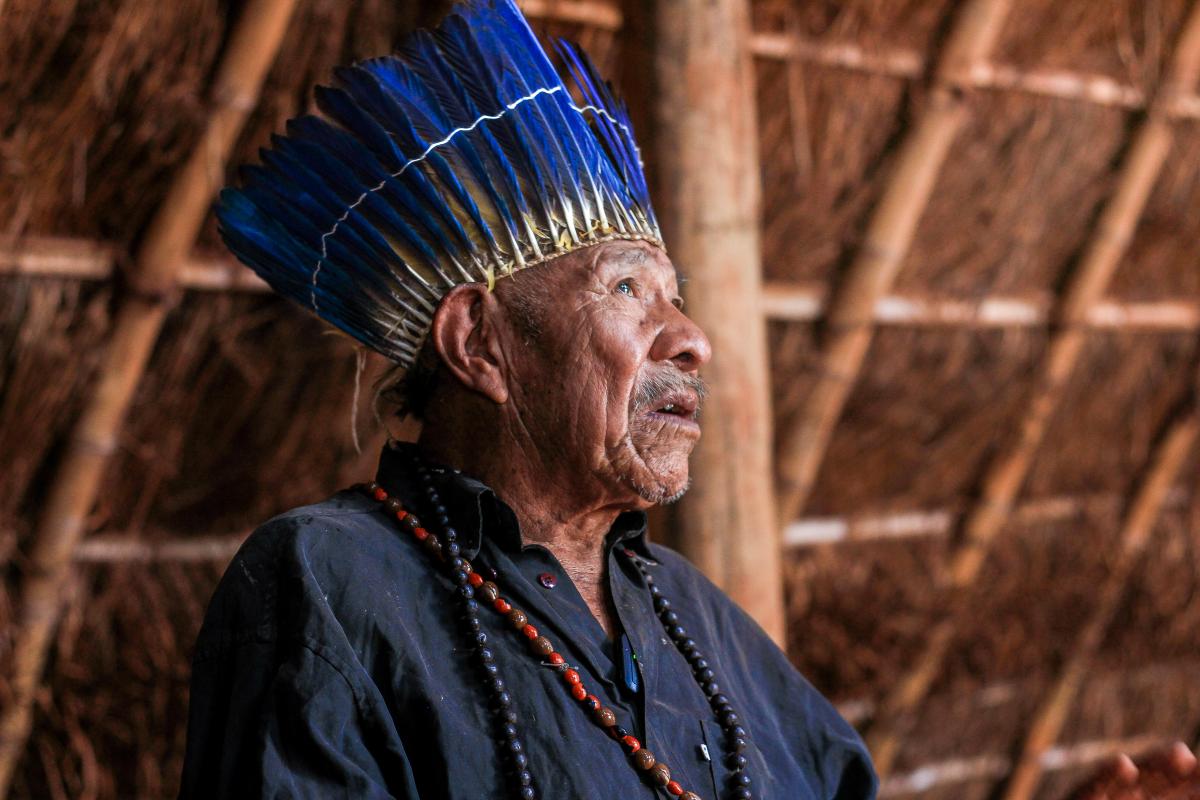
Resilience and Resistance: The Guarani’s Historical Journey
Continuing from the importance of their traditional homes, the Guarani have a rich history marked by resistance and resilience in the face of colonization and modernization. This enduring spirit has shaped their identity and cultural survival as they navigate the complexities of contemporary life.
A Legacy of Resistance
The Guarani people have faced various challenges throughout history, particularly with the arrival of European colonizers in the 16th century. Their responses have been characterized by a strong sense of identity and an unwavering commitment to preserving their culture.
- Colonial Encounters: Early encounters with European powers led to forced labor, land seizure, and efforts to suppress their cultural practices. Yet, despite these oppressive forces, the Guarani fought back, leading to various uprisings.
- Historic Uprisings: Notable revolts, such as the Guarani War against the Portuguese and Spaniards in the 1750s, exemplify their fight for autonomy. Though these uprisings were met with heavy resistance, they served to unite the Guarani and strengthen their resolve to maintain their way of life.
- Personal Insight: While visiting a historical site related to the Guarani War, I learned about the courageous strategies employed by the Guarani to defend their territories. Their stories of bravery are not just tales of the past; they continue to inspire current generations in their ongoing struggles for recognition and rights.
Modern Challenges and Adaptations
As the world around them evolves, the Guarani have encountered new challenges brought on by modernization and globalization.
- Land Rights Issues: With the expansion of agricultural and urban development, the Guarani’s ancestral lands are increasingly under threat. Destructive practices such as deforestation and industrial farming disrupt their traditional ways of life and biodiversity.
- Cultural Erosion: The pressure to assimilate into mainstream society can lead to cultural dilution. Younger generations may feel compelled to abandon their traditions in favor of modern lifestyles, creating tension between preserving cultural identity and adapting to contemporary realities.
- Personal Anecdote: I spoke with a young Guarani activist passionate about bridging traditional values with modern advocacy. She shared that despite the challenges they face, her community’s commitment to their identity is stronger than ever. They organize campaigns and use social media to raise awareness around land rights, showcasing their resilience in adapting to modern tools while holding onto their heritage.
Community-Led Initiatives
In response to these challenges, the Guarani have sought to forge paths for resilience through community-led initiatives and advocacy.
- Cultural Revitalization: Many Guarani communities are working actively to revitalize their languages, traditions, and crafts. Workshops and cultural gatherings create spaces for sharing knowledge and celebrating identity, reinforcing their commitment to cultural preservation.
- Alliance with NGOs: Collaborations with non-governmental organizations provide additional support in legal battles for land rights and environmental conservation. These alliances amplify their voices, ensuring that their struggles are heard on larger platforms.
- Example of Success: One success story I encountered was a community that reclaimed a portion of their ancestral land through a concerted legal effort. This victory was celebrated not just as a win for land rights but as a reaffirmation of their identity and spirit of resilience.
The Spirit of Resilience
Throughout their history, the Guarani have demonstrated remarkable adaptability and strength in the face of adversity.
- Coping Mechanisms: Their strong communal ties and reliance on traditional practices provide a foundation for coping with modern pressures. Mutual support among families and communities is crucial for maintaining a sense of belonging and cultural pride.
- Celebrating Heritage: The Guarani actively celebrate their heritage through festivals, music, and art, showcasing their vibrant culture as a powerful form of resistance. By embracing their identity, they assert their place in the world and instill pride within the younger generation.
Conclusion
The Guarani’s long history of resistance and resilience in the face of colonization and modernization is a testament to their enduring spirit. Their commitment to preserving their culture amidst challenges highlights their adaptability and strength. As we continue to explore Guarani culture, we will delve into how their unique spiritual beliefs inform their practices and serve as vital elements in their ongoing journey of resilience and identity.
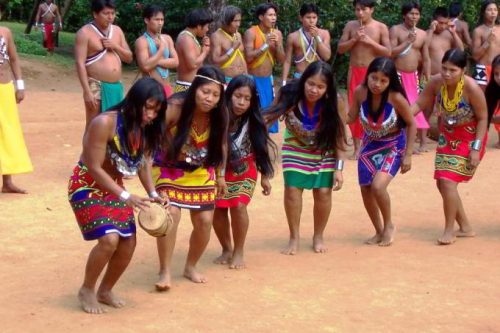
Advocacy and Rights Recognition of the Guarani
Transitioning from the Guarani’s rich history of resistance, it’s essential to highlight their contemporary efforts to advocate for their rights and recognition in modern society. As they navigate the challenges of globalization, the Guarani are increasingly mobilizing to ensure their voices are heard and their rights upheld.
Growing Awareness and Advocacy
In recent years, the Guarani have actively engaged in various forms of advocacy aimed at securing their rights, cultural heritage, and the protection of their lands.
- Community Organization: Guarani leaders and activists are organizing communities to address issues related to land rights, cultural preservation, and access to resources. These grassroots movements play a vital role in uniting community members in their advocacy efforts.
- Cultural Education Initiatives: Educational workshops and programs are being introduced to raise awareness about their rights, history, and cultural practices among both Guarani and non-Guarani community members. This engagement fosters solidarity and support for their cause.
Legal Advocacy and Representation
Navigating legal systems can be challenging for indigenous communities, but the Guarani are increasingly gaining recognition through legal advocacy.
- Land Rights Battles: Many Guarani communities are actively fighting for legal recognition of their ancestral lands. Through various legal battles, they seek to reclaim land that has been taken or threatened by industrial development and agriculture.
- Partnerships with NGOs: Collaborations with non-governmental organizations have been instrumental in providing legal support and resources. These partnerships empower the Guarani in their fight for justice, raising awareness of their rights at national and international levels.
- Personal Encounter: I had the opportunity to meet a legal advocate working alongside a Guarani community. She passionately shared stories about the legal victories they achieved together, which brought renewed hope and motivation to the people involved.
Engaging with Government and Institutions
The Guarani have initiated dialogues with government representatives and institutions to advocate for equitable policies and recognition.
- Advocacy Campaigns: Community members are participating in workshops and conferences where they can voice their concerns directly to policymakers. These campaigns have become platforms for the Guarani to articulate their needs and rights.
- Recognition Efforts: The push for recognition of their culture and rights has gained traction, with some government bodies beginning to include indigenous perspectives in policy discussions related to land management, education, and cultural preservation.
- Example of Representation: I attended a local forum where Guarani representatives shared their experiences and challenges with government officials. The dialogue that unfolded was a powerful example of how direct engagement can create opportunities for understanding and collaboration.
Utilizing Modern Communication Channels
With the rise of technology and social media, the Guarani are finding innovative ways to amplify their voices and reach wider audiences.
- Social Media Campaigns: Many young Guarani activists are using social media platforms to raise awareness about their struggles, share their cultural heritage, and mobilize support. This digital activism is crucial for connecting with allies both locally and globally.
- Documentaries and Shows: There are increasing efforts to produce documentaries and media content focusing on Guarani stories and issues. These representations help educate the public and highlight the resilience and strength of the Guarani people.
- Personal Account: During a recent cultural event, I saw a young activist film a documentary about her community’s efforts to reclaim their land. Her passion and determination to share their story were inspiring and highlighted the role of storytelling in advocacy.
Building Cross-Cultural Alliances
The Guarani are increasingly recognizing the power of collaboration with other indigenous groups and organizations to fortify their advocacy efforts.
- Solidarity Movements: By partnering with other indigenous communities, the Guarani are advocating for collective rights and recognition. This solidarity enhances their efforts to combat common challenges posed by colonization and modernization.
- Cultural Exchange: Engaging with various indigenous groups allows for cultural exchange, enriching their practices and strategies while building a strong network of mutual support.
Conclusion
As the Guarani increasingly advocate for their rights and recognition in modern society, they embody resilience and determination in the face of contemporary challenges. Their efforts reflect a commitment to preserving their cultural identity while navigating the complexities of globalization. As we continue to explore Guarani culture, we will delve into their artistic expressions, revealing how these serve both as a celebration of their heritage and a means of resistance in their ongoing journey for recognition and justice.
The Core Values of Guarani Culture
Continuing from the Guarani’s advocacy for their rights and recognition, it’s vital to delve into the values that underpin their culture. Central to their way of life are the principles of family, community, and social responsibility, which serve as guiding stars for their daily existence and interactions.
The Importance of Family
Family is the cornerstone of Guarani life, shaping everything from social structures to cultural practices.
- Family Structure: In Guarani culture, families often extend beyond the nuclear model; they include a wide network of relatives. This extended family support system fosters a sense of belonging and interconnectedness.
- Personal Story: While visiting a Guarani household, I was welcomed by a large family gathering. The warmth and love shared among family members were palpable, as they reminisced about shared stories and past experiences. It was heartening to witness firsthand how family bonds are nurtured through daily interactions.
- Role of Elders: Elders in the family are highly respected, viewed as custodians of wisdom and tradition. They play a crucial role in guiding younger generations, passing down knowledge and cultural practices through storytelling and mentorship.
Community as a Support System
The Guarani emphasize community as an extension of family, reinforcing the idea that individuals are responsible for one another.
- Collective Responsibility: Decisions within the community often prioritize the well-being of the group over individual desires. This communal focus encourages cooperation and teamwork in addressing challenges and achieving common goals.
- Example of Support: During a recent harvest, I observed families from different households coming together to help each other gather crops. This mutual assistance not only alleviated the workload but also strengthened community ties.
Social Responsibility and Cultural Continuity
Social responsibility is deeply ingrained in Guarani values, emphasizing the importance of contributing positively to the community and the environment.
- Cultural Transmission: The Guarani see it as their duty to pass down their customs, language, and values to the younger generations. This commitment to cultural continuity ensures that their identity remains intact despite external pressures.
- Environmental Stewardship: Being responsible stewards of the land is a crucial aspect of their social responsibility. The Guarani’s sustainable practices and advocacy for environmental protection stem from a deep understanding that their well-being is intrinsically linked to the health of the earth.
- Personal Encounter: I met a community leader dedicated to promoting sustainable agricultural practices among younger members. She emphasized that caring for the land is not just about their immediate needs, but also about ensuring that future generations can thrive. Her passion for social responsibility resonated with everyone present.
Celebrating Community Values Through Rituals
Cultural rituals and gatherings among the Guarani often serve as platforms to reinforce these values.
- Festivals and Gatherings: Events such as harvest festivals, community meetings, and traditional ceremonies are filled with opportunities to celebrate family, community, and shared responsibilities. During these gatherings, stories are passed down, strengthening the cultural fabric of the community.
- Rituals of Giving and Sharing: Many local customs involve sharing food, music, and dance, which cultivate relationships and reinforce the bonds of community. By participating in these rituals, people express their gratitude and commitment to one another.
Conclusion
Guarani values, emphasizing family, community, and social responsibility, form the bedrock of their culture. These principles not only shape their daily lives but also play a pivotal role in their resilience and advocacy efforts. As we continue our exploration of Guarani culture, we will delve into their rich spiritual beliefs, uncovering how these beliefs intertwine with their values and practices, further enriching their identity and sense of belonging.
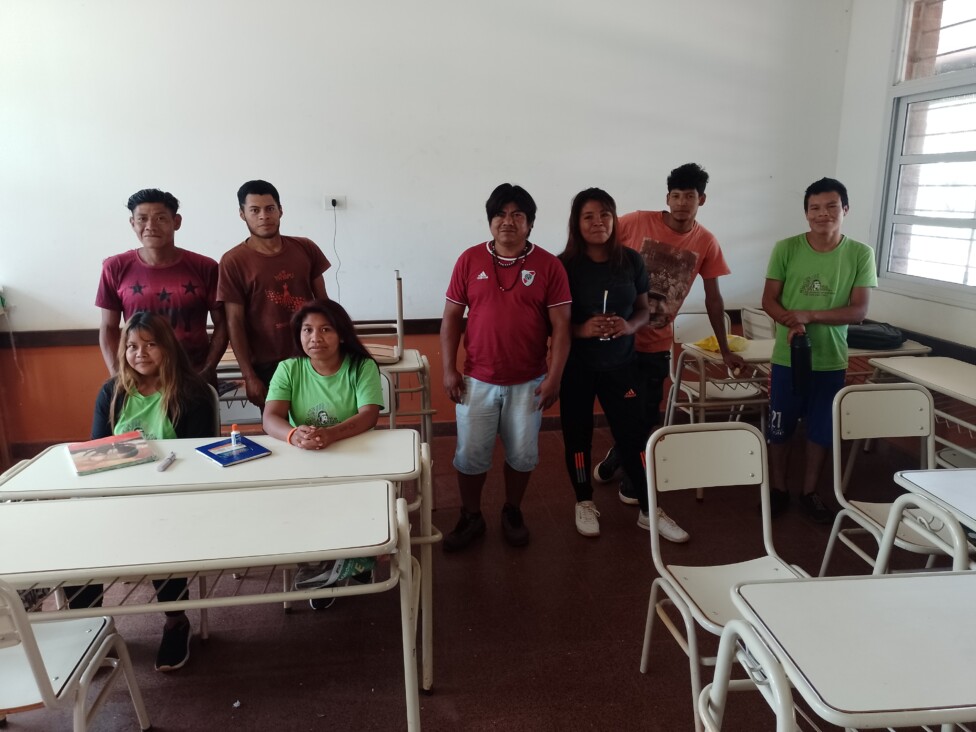
Preserving the Guarani Language: A Cultural Priority
Continuing from the discussion of Guarani values centered around family and community, we now turn our attention to the efforts aimed at promoting and preserving the Guarani language. As a vital aspect of their cultural identity, the revitalization of the Guarani language is crucial in ensuring that traditions, stories, and practices continue to thrive.
The Importance of Language Preservation
Language is much more than a means of communication; it’s a repository of history, culture, and identity. For the Guarani, their language encapsulates their worldviews and spiritual beliefs.
- Cultural Heritage: The Guarani language, with its unique vocabulary and expressions, reflects the complexities of their relationship with nature and one another. Preservation efforts are seen as a way to maintain their cultural heritage against the tide of globalization.
- Personal Experience: During my time in a Guarani community, I marveled at the richness of their conversations—filled with idioms and expressions that conveyed profound meanings. It became evident how integral the language is to their identity, serving as a bridge connecting generations.
Educational Initiatives to Revitalize Guarani
Recent initiatives focused on education represent a significant step toward revitalizing the Guarani language among younger generations.
- Language Courses: Some schools, especially in regions with larger Guarani populations, have started offering courses in the Guarani language. These classes not only teach vocabulary and grammar but also intertwine language learning with cultural studies.
- Community Involvement: Community members often engage with local schools to facilitate these courses, sharing their knowledge and experiences with children. This collaboration reinforces the idea that language is best learned in a cultural context.
- Example of Engagement: I attended a local school where students proudly presented projects about Guarani culture in their native language. Their enthusiasm and creativity were palpable, demonstrating that the language can be a source of pride and joy.
Role of Technology and Resources
In the digital age, technology has opened new avenues for language preservation and education.
- Online Resources: Various online platforms and mobile applications now offer Guarani language courses and learning materials. These resources make language learning more accessible, allowing individuals from different regions to engage with their heritage.
- Media Representation: The rise of social media and local television programs has also contributed to promoting the Guarani language. Content created in Guarani not only entertains but serves as a reminder of the language’s relevance in contemporary life.
Community-Centered Language Revitalization
Preserving the Guarani language is not solely an educational endeavor; it is a community-wide initiative.
- Cultural Events: Language plays a central role in cultural events and festivals. Opportunities for public speaking, storytelling, and music in Guarani serve to strengthen community ties while promoting language usage.
- Personal Reflection: I experienced this firsthand during a festival where the majority of speeches and songs were performed in Guarani. The joy and pride on people’s faces illuminated the importance of language in their communal celebrations.
Challenges and Continued Efforts
While efforts to preserve the Guarani language are promising, challenges remain in ensuring its sustained use and integration into everyday life.
- Modernization Pressures: As younger generations engage more with global languages, there’s a risk of the Guarani language becoming marginalized. Continued advocacy for its inclusion in educational curricula is vital.
- Community Activism: Many Guarani activists are working tirelessly to raise awareness of the importance of their language. They often conduct workshops, forums, and cultural exchanges to inspire pride in linguistic heritage.
Conclusion
The ongoing efforts to promote and preserve the Guarani language are essential for maintaining the cultural identity and heritage of the Guarani people. Through community engagement, educational initiatives, and the use of technology, the language can continue to thrive for future generations. As we further delve into Guarani culture, we will explore their arts and crafts, which beautifully reflect their identity and connection to their environment, showcasing the intersection of their language, tradition, and creativity.
The Sacred Connection: Guarani Worldview and the Land
As we delve deeper into the nuances of Guarani culture, it becomes abundantly clear that their worldview encompasses a profound respect for the land, which they see as sacred. This relationship is not merely a philosophical stance; it is fundamentally woven into their daily lives, traditions, and spiritual practices.
Understanding the Sacredness of the Land
For the Guarani, the land is not just a resource; it is a living entity with which they share a reciprocal relationship. This belief forms the foundation of their interactions with nature.
- The Land as a Provider: The Guarani view the earth as a nurturing mother, providing them with food, medicine, and materials for shelter. This perspective fosters a deep sense of gratitude and responsibility for the environment they inhabit.
- Personal Insight: While walking through lush, natural landscapes with a Guarani elder, I listened as they shared stories of their ancestors and how they revered local plants and animals. Each tree and stream held significance, and the elder emphasized how taking care of the land was integral to honoring their ancestry.
Spiritual Practices Tied to the Land
The sacredness of the land is reflected in various spiritual practices among the Guarani, further embedding their beliefs into their cultural identity.
- Rituals and Offerings: The Guarani often conduct rituals to honor the spirits of the land and express gratitude for its gifts. Offerings may include food, flowers, or traditional crafts left at sacred sites to seek blessings and ensure harmony with nature.
- Community Rituals: Events dedicated to honoring the land, like planting ceremonies and harvest festivals, invite the entire community to participate, reinforcing the idea of collective responsibility for the environment.
- A Personal Anecdote: I was fortunate to witness a planting ceremony where the community gathered to bless the seeds before sowing them. As prayers were offered, the atmosphere was thick with both reverence and anticipation, underscoring their deep connection to the land’s cycles.
Environmental Stewardship
The Guarani’s sacred relationship with the land manifests in their commitment to environmental stewardship and sustainable practices.
- Traditional Agriculture: Their agricultural techniques, such as shifting cultivation and polyculture, reflect an understanding of maintaining soil health and biodiversity. This careful management ensures the land remains productive for generations.
- Protection of Natural Resources: The Guarani actively seek to protect their territories from deforestation, industrial agriculture, and urban expansion. Their advocacy efforts highlight how deeply intertwined their cultural identity is with the land.
- Community Activism: During a recent gathering, I spoke with young activists passionate about environmental conservation. They shared their commitment to preserving their sacred land and how education plays a role in raising awareness within their communities.
The Challenges Ahead
Despite their deep-seated respect for the land, the Guarani face significant challenges from modernization, which threaten their worldview and way of life.
- Encroachment on Territories: Increasing industrial development often leads to land dispossession, directly impacting their ability to maintain their agricultural practices and spiritual connection to the land.
- Cultural Erosion: As younger generations are drawn to urbanizing influences and modern lifestyles, there is a risk that traditional beliefs about the sacredness of the land may diminish. This cultural shift could dilute their identity and connection to their surroundings.
- Personal Story: In conversations with community leaders, I heard concerns about the ongoing loss of land and how it affects their spiritual and cultural practices. Their commitment to preserving these values is evident, but they acknowledge the uphill battle they face.
Conclusion
The Guarani worldview, which emphasizes a deep respect for the land as sacred, is fundamental to their identity and cultural heritage. This sacred connection shapes their practices, informing their agriculture, spirituality, and community dynamics. As we continue exploring the rich tapestry of Guarani culture, we will look at their artistic expressions, revealing how these creative forms resonate with their values and serve as a celebration of their enduring relationship with nature.

Cultural Tourism: The Guarani Experience
Transitioning from their deep respect for the sacred land, the Guarani have also embraced tourism initiatives that showcase their rich culture and traditions. These efforts provide an opportunity for visitors to immerse themselves in Guarani life while helping to sustain their communities economically.
Embracing Cultural Exchange
Tourism offers a platform for the Guarani to share their heritage, allowing them to educate others about their customs, crafts, and daily life.
- Cultural Workshops: Many Guarani communities offer workshops where visitors can learn traditional skills such as weaving, pottery, and herbal medicine. These hands-on experiences not only teach valuable trades but also create personal connections between the Guarani and visitors.
- Personal Encounter: During my visit to a Guarani village, I participated in a weaving workshop led by a skilled artisan. As I worked to create a small textile piece, she shared stories of the patterns and their meanings. This cultural exchange fostered a deep appreciation for the artistry and significance of their craftsmanship.
Showcasing Traditional Performances
In addition to workshops, traditional music and dance performances play a vital role in cultural tourism initiatives.
- Music and Dance: The Guarani often present traditional music and dance shows, showcasing songs played on instruments like the harp and flute. These performances feature vibrant costumes and energetic movements that engage audiences, providing insight into their cultural stories and spiritual traditions.
- Community Gatherings: Festivals are frequently organized for tourists, inviting them to experience a day in the life of the Guarani. These events often include communal meals, storytelling, and displays of traditional clothing and art.
- Example of a Festival: At one festival I attended, the community opened its doors to visitors with a warm welcome. The joyous atmosphere was filled with laughter, music, and dancing, making it evident that these celebrations are not only for the enjoyment of tourists but also an essential aspect of Guarani identity.
Economic Benefits of Tourism
While cultural tourism helps preserve traditions, it also provides significant financial benefits to Guarani communities.
- Job Creation: Tourism initiatives create employment opportunities for community members, providing income that supports families and sustains cultural practices. Many individuals take on roles as guides, artisans, or performers, promoting their culture passionately.
- Supporting Local Businesses: The influx of visitors can stimulate local economies, benefiting small businesses that produce traditional crafts or provide food and lodging. This economic activity helps to keep the community vibrant and engaged.
- Personal Anecdote: I spoke with a local craftsman who shared how tourism has positively impacted his livelihood. He mentioned that by sharing his artistry with visitors, he is not only able to support his family but also maintain the cultural practices that define his community.
Authenticity and Cultural Integrity
As the Guarani engage in cultural tourism, they emphasize the importance of authenticity and maintaining the integrity of their traditions.
- Respectful Representation: The Guarani are keen on ensuring that their culture is represented accurately and respectfully to avoid commodification. Their efforts focus on educating visitors on the significance behind their customs and the lived experiences of the Guarani people.
- Community Involvement: Decisions surrounding tourism initiatives are often made collectively, allowing community members to have a say in how their culture is showcased. This collaborative approach ensures that everyone feels included and respected in the process.
Challenges in Cultural Tourism
While cultural tourism offers many benefits, it also brings challenges that the Guarani navigate carefully.
- Preservation vs. Commercialization: Striking a balance between sharing their culture and preventing its commercialization poses a challenge. The Guarani are proactive in discussing this with tourists, educating them on the values and stories behind their traditions.
- Managing Visitor Expectations: As tourism grows, it’s essential for the Guarani to set clear boundaries regarding what aspects of their culture are shared. Open dialogue and communication with visitors help manage expectations while fostering mutual respect.
Conclusion
The Guarani’s involvement in cultural tourism allows them to share their rich traditions while providing economic opportunities for their communities. These initiatives not only showcase the beauty and depth of their culture but also emphasize the importance of authenticity and integrity. As we continue our journey through Guarani culture, we will explore their spiritual beliefs and practices, illustrating how these elements intertwine with their identity and contribute to the ongoing narrative of their rich heritage.
” (cover or lid) are just a few examples of their lasting impact on language.
- Personal Anecdote: While sharing a meal with a Guarani family, I found myself marveling at how even the act of drinking mate was steeped in tradition. They explained the cultural significance of the ritual and how it acts as a social connector, illustrating the Guarani’s influence on Argentine daily life.
Cultural Practices and Inspirations
The vibrant culture of the Guarani expresses itself in various forms, from art to music, significantly shaping the cultural practices of Argentina.
- Art and Craftsmanship: Guarani artisans are known for their intricate weaving, pottery, and woodwork. These crafts are not only functional but also rich in symbolism, reflecting their connection to nature and spirituality. The aesthetic quality of their art has inspired contemporary Argentine artists and artisans.
- Musical Contributions: The Guarani musical tradition, featuring instruments like the harp and flute, has inspired many Argentine musicians. Their traditional melodies and rhythms are often integrated into folk music, highlighting the blend of indigenous and European musical influences in Argentina.
The Guarani in Modern Society
The Guarani people continue to be an essential part of Argentine society, advocating for their rights and maintaining their cultural practices in the face of modern challenges.
- Recognition and Advocacy: Over the years, there has been a growing acknowledgment of indigenous rights, with the Guarani playing a crucial role in advocating for their land and cultural preservation. Their participation in cultural festivals, awareness campaigns, and political activism showcases their ongoing impact in contemporary society.
- Cultural Festivals: The Guarani actively participate in numerous cultural festivals across Argentina, sharing their traditions, music, and cuisine with a wider audience. These events foster an appreciation for their rich heritage and allow for valuable cultural exchange.
- Personal Insight: At a recent festival in a nearby town, I had the pleasure of witnessing Guarani music and dance performances, which drew large crowds. The joy and pride exhibited by the performers connected attendees to the roots of Argentine culture, illustrating the Guarani’s invaluable contributions to the nation’s identity.
Conclusion
The Guarani’s significant presence in Argentine history showcases their vital contributions to the country’s cultural mosaic. From their historical resistance against colonization to their ongoing advocacy for rights and preservation of traditions, the Guarani continue to shape Argentina’s identity. Their influence permeates various aspects of Argentine life, enriching the nation with their language, artistry, and vibrant culture. As we delve further into the Guarani culture, we will explore their spiritual beliefs and practices, revealing how these intertwine with their values and contribute to their enduring legacy in history.
The Significance of Dance in Guarani Culture
Building on the Guarani’s deep-rooted presence in Argentine history, it’s essential to highlight the importance of dance in their cultural celebrations. Dance is a vital aspect of Guarani life, serving as a means of storytelling, a way to commemorate significant events, and a method of expressing community spirit.
Storytelling Through Dance
For the Guarani, dance is not just a form of entertainment; it is a powerful medium for conveying history, legends, and cultural values.
- Narrative Expression: Each dance often tells a story—whether it’s a historical event, a mythological tale, or an important community milestone. The movements, gestures, and music combine to create a narrative that resonates deeply with participants and spectators alike.
- Personal Experience: I had the opportunity to witness a traditional Guarani dance performance during a local festival. As the dancers moved rhythmically, their expressions and movements vividly illustrated a story about their ancestors’ bravery in battles. It was an emotional experience, evoking pride and connection to a shared history.
Commemorating Events
Dances play a pivotal role in commemorating significant events in Guarani culture, reinforcing community bonds and collective memory.
- Ritualistic Dances: Certain dances are performed during rituals and ceremonies, such as harvest celebrations or rites of passage. These dances honor the spirits and ancestors, expressing gratitude for the blessings received and seeking protection for the future.
- Cultural Celebrations: Festivals are lively occasions marked by dance, where the entire community comes together. These celebrations foster a sense of unity and belonging, reminding each participant of their role within the larger community.
- Example of a Festival: At the harvest festival I attended, dancing was central to the celebration. Families and friends gathered to join in traditional dances, each with its specific steps and meanings. The joy and camaraderie were infectious, creating a vibrant atmosphere that brought everyone closer together.
Traditional Music Accompanying Dance
The music that accompanies Guarani dances is just as vital, enhancing the experience and providing rhythmic support.
- Instruments and Melodies: Traditional instruments like the harp, flute, and drums are often used to create lively melodies that complement the dance. These instruments add depth to the performance and evoke the rich cultural heritage of the Guarani.
- Personal Anecdote: While learning about the music during the festival, I was surprised by how each instrument contributed to the overall energy of the performance. The harp’s soothing tones intertwined beautifully with the flute, creating a mesmerizing backdrop for the dancers.
Teaching the Next Generation
Ensuring the continuity of this vibrant dance tradition is essential for the Guarani. Elders play a crucial role in teaching younger generations the dance’s steps, stories, and meanings.
- Youth Engagement: Workshops and community events where children learn traditional dances are common. These initiatives instill a sense of pride and identity in the youth, helping them appreciate their cultural heritage.
- Example of Learning: I participated in a community workshop where young children practiced traditional dances under the guidance of their elders. The laughter and enthusiasm in the air signified a passing of knowledge that was both joyous and profound.
Challenges in Maintaining Dance Traditions
While the Guarani actively engage in dance, challenges remain in preserving these traditions in a rapidly changing world.
- Modern Influences: The encroachment of modern entertainment options can lead to a decline in traditional practices. It’s crucial for the community to encourage participation in dance to keep their cultural expressions vibrant.
- Preservation Efforts: Many Guarani leaders are focused on organizing cultural festivals and workshops aimed at revitalizing and promoting traditional dances. These efforts emphasize their cultural importance and inspire the younger generation to remain connected to their roots.
Conclusion
Dance is an essential element of Guarani celebrations, serving as a powerful medium for storytelling and commemoration. Through rhythmic movements and traditional music, the Guarani not only express their cultural identity but also reinforce community bonds and collective memories. As we continue to explore the rich tapestry of Guarani culture, we will delve into their spiritual beliefs and practices, revealing how these elements intricately intertwine with their traditions and community spirit.

Collaborative Efforts: Advocacy for Guarani Rights
As we continue exploring the richness of Guarani culture, it’s important to recognize their active role in advocacy efforts, frequently collaborating with NGOs and government bodies. These partnerships are crucial in addressing the challenges the Guarani face, providing a platform for their voices to be heard and their rights to be defended.
Importance of Collaboration
Collaboration between the Guarani community and external organizations has a profound impact on their advocacy efforts, enhancing their ability to navigate complex legal and social landscapes.
- Strength in Unity: Working with NGOs and government bodies provides the Guarani access to resources, expertise, and networks that strengthen their advocacy campaigns. Together, they amplify their voices and gain visibility for their struggles.
- Personal Insight: I had the opportunity to attend a roundtable discussion where Guarani leaders, alongside representatives from various NGOs, engaged with government officials. The atmosphere was charged with energy and purpose, as they collectively sought solutions to issues related to land rights and cultural preservation.
Key Areas of Focus
The collaboration between the Guarani and external organizations typically revolves around several critical areas:
- Land Rights Advocacy: Protecting ancestral territories is a primary focus. Partnerships help the Guarani navigate legal battles and negotiations, aiming to reclaim land that has been taken or threatened by industrial development.
- Cultural Preservation: Collaborations also emphasize the importance of preserving Guarani culture, language, and traditions. NGOs often engage in initiatives that promote cultural education and revitalization within the community.
- Environmental Protection: Given their deep connection to the land, advocacy efforts often include environmental issues. The Guarani work alongside environmental organizations to fight against deforestation and advocate for sustainable practices.
Successful Initiatives
Many successful initiatives highlight the power of collaboration between the Guarani and their partners.
- Land Reclamation Projects: One project I learned about involved legal advocacy campaigns that resulted in the return of a significant portion of ancestral land to the Guarani. This win was celebrated as not just a reclaiming of territory but as an affirmation of their rights and identity.
- Cultural Programs: NGOs have launched cultural programs that facilitate workshops on traditional practices, helping to educate youth about their heritage. I participated in one such workshop, where Guarani children learned traditional crafts and stories—a heartwarming experience that brought generations together.
Challenges Faced by Collaborators
While there are many successes, challenges persist in these collaborative efforts.
- Bureaucratic Hurdles: Engaging with government bodies can be time-consuming and frustrating. Often, processes are stalled by bureaucracy, which can hinder immediate action on pressing issues.
- Funding Limitations: Many NGOs rely on grants and donations, which can fluctuate. Limited funding affects the sustainability and reach of their initiatives, making it vital for these organizations to continuously seek support.
- Personal Account: I spoke with an NGO representative who shared the challenges of securing long-term funding for advocacy projects. His passion for the cause was evident, as he detailed the importance of consistent support to ensure lasting impact for the Guarani.
Empowering the Guarani Voice
Ultimately, collaboration aims to empower the Guarani community to assert their rights effectively and confidently.
- Capacity Building: Many NGOs focus on capacity-building initiatives that equip the Guarani with the skills and knowledge needed for advocacy. By fostering leadership within the community, they ensure that the Guarani can advocate for themselves.
- Creating Awareness: Collaborative campaigns often seek to raise awareness among the wider public regarding indigenous rights and the issues faced by the Guarani. This increased visibility can lead to greater public support and understanding.
Conclusion
The collaboration between the Guarani community and NGOs, along with government bodies, plays a vital role in advocating for their rights and recognition. These joint efforts not only address immediate concerns regarding land and cultural preservation but also empower the Guarani to continue their rich traditions and heritage. As we transition to further explore the Guarani culture, we will focus on their artistic expressions, showcasing how these creative forms reflect their values and resilience in the face of modern challenges.
Urban Living and Cultural Heritage Preservation
Transitioning from the topic of collaboration and advocacy, it’s essential to recognize that many Guarani today reside in urban areas while maintaining strong ties to their cultural heritage. This dual existence presents both challenges and opportunities as they navigate the complexities of modern life while preserving their identity.
The Urban Experience of the Guarani
As urbanization continues to grow, many Guarani community members have moved from rural areas to cities in search of better economic opportunities and education. This transition significantly impacts their daily lives and cultural practices.
- Moving to Cities: Migration patterns show that Guarani individuals are increasingly settling in urban environments like Buenos Aires and São Paulo. These cities offer access to jobs, education, and healthcare that may not be available in rural areas.
- Personal Insight: I spoke with a young Guarani woman who recently moved to Buenos Aires for university. She highlighted her excitement about the opportunities ahead but also expressed a longing for the connection to her homeland and traditional practices.
Maintaining Cultural Connections
Despite the challenges of urban life, many Guarani take active steps to sustain their cultural heritage within these new environments.
- Community Networks: Urban Guarani often rely on community bonds to maintain their cultural identity. They form networks that provide support, celebrate shared traditions, and create spaces for cultural expression.
- Cultural Celebrations: Festivals and gatherings are organized in urban settings, where Guarani people come together to celebrate their heritage through traditional dance, music, and food. These events serve as a reminder of their roots and foster a sense of belonging.
- Example of a Gathering: I attended a vibrant cultural festival in a Buenos Aires community center where numerous Guarani families showcased their traditions. The atmosphere was filled with music, laughter, and traditional dishes—an experience that beautifully demonstrated how cultural heritage thrives, even in urban settings.
Traditional Practices in Urban Life
Many elements of traditional Guarani life continue to persist in urban environments, blending with modern influences.
- Culinary Heritage: Traditional Guarani foods, such as “chipa” (cheese bread) and “porã” (a type of stew), are often prepared and shared among urban families. Many also participate in community cooking classes to teach younger generations about their culinary heritage.
- Language Preservation: While urban life can pose challenges to language use, many Guarani families prioritize speaking their native language at home. This intentional practice not only reinforces family ties but also instills pride in their cultural identity.
- Personal Anecdote: I met an elder from the Guarani community who offered language classes to children in the neighborhood. He conveyed how essential it is for the youth to learn about their heritage and language, ensuring these valuable aspects are not lost amidst modernization.
Challenges of Urbanization
Despite the positivity of maintaining cultural ties, urbanization presents certain challenges for the Guarani.
- Cultural Erosion: The fast-paced nature of city life can sometimes lead to the dilution of cultural practices. Young people may feel pressure to assimilate into mainstream society, potentially drifting away from their traditions.
- Access to Resources: Urban Guarani may find it challenging to access resources that are commonplace in rural communities, such as traditional crafts materials and spaces for gathering.
- Advocacy for Representation: Many urban Guarani are becoming more vocal about their rights and representation within urban settings. They advocate for visibility and respect for their culture in diverse spaces, urging the community to understand their contributions.
Conclusion
The Guarani’s ability to thrive in urban areas while maintaining strong ties to their cultural heritage is a testament to their resilience and adaptability. By fostering community connections, celebrating traditions, and actively preserving their language, the Guarani continue to assert their identity in modern society. As we move forward in exploring Guarani culture, we will delve into their artistic expressions, focusing on how these forms serve as both a reflection of their heritage and a vibrant narrative within contemporary life.
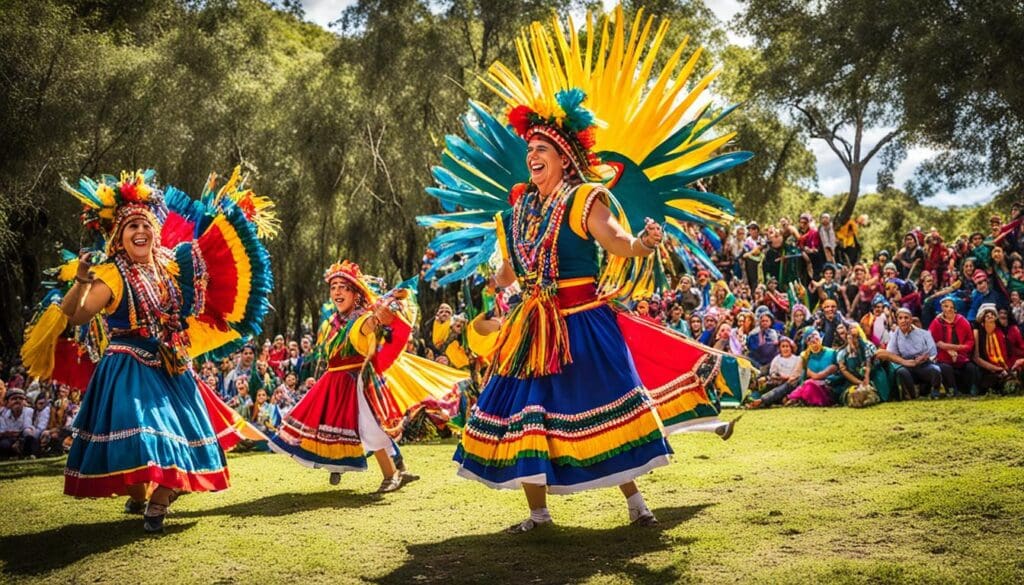
explained the variations, highlighting how the local dialect held specific meanings or expressions that enriched the language’s diversity. It was a delightful reminder of how language evolves based on context and interaction.
The Importance of Language Preservation
Preserving the Guarani language—and its regional variations—is crucial for maintaining cultural identity and heritage.
- Cultural Significance: Each dialect embodies unique stories, traditions, and worldviews, making it essential to protect these variations. Language is a vessel for cultural expression, history, and a sense of belonging.
- Educational Initiatives: In many Guarani-speaking communities, there are ongoing efforts to develop educational programs that teach the language to children, including its regional dialects. Bilingual education models often incorporate aspects of Guarani alongside Spanish or Portuguese.
Engaging with the Youth
Involving younger generations in the preservation of their language is a vital aspect of maintaining its vibrancy and relevance.
- Cultural Workshops: Many communities have organized workshops where elders teach the youth not only the language but also the traditional songs, stories, and crafts associated with it. This intergenerational exchange strengthens their ties to cultural heritage.
- Personal Anecdote: I attended one such workshop where children were encouraged to share their favorite words in Guarani. It was heartwarming to see their enthusiasm as they learned about the significance behind each word, and their laughter filled the room each time they struggled with pronunciation—showcasing a positive and engaging learning environment.
Challenges in Language Preservation
While efforts continue to promote the Guarani language, several challenges pose threats to its preservation.
- Urbanization and Globalization: As Guarani speakers migrate to urban areas or adapt to global cultures, there is an increasing risk of language diminishment. Young people may gravitate towards more dominant languages, leading to a decline in Guarani usage.
- Limited Resources: Access to educational materials in Guarani, particularly in specific dialects, can be limited, hindering the ability of communities to teach and use the language effectively.
Collaborative Efforts
The Guarani community, alongside NGOs and educational institutions, is working to address these challenges through collaborative initiatives.
- Resources Development: Some organizations focus on creating digital resources, multimedia content, and interactive applications that promote the learning of Guarani language variations.
- Language Advocacy: Various advocacy campaigns aim to raise awareness about the importance of linguistic diversity, encouraging respect for all dialects within the Guarani language spectrum.
Conclusion
The Guarani language’s regional variations reflect the rich cultural diversity and identity of the communities that speak it. As the Guarani continue their advocacy efforts, preserving their language and its unique characteristics remains a critical aspect of maintaining their cultural heritage. Looking ahead, we will explore the artistic expressions of the Guarani, examining how their crafts, music, and dance intertwine with the values and traditions that define their enduring identity.
Thematic Richness of Traditional Guarani Music
Continuing our exploration of Guarani cultural expressions, we now focus on their traditional music, which is deeply intertwined with their identity and collective experiences. The themes of nature, love, and struggle resonate throughout Guarani songs, conveying essential stories that capture their worldview.
Nature in Guarani Music
Nature plays a pivotal role in Guarani music, reflecting their profound connection to the environment around them.
- Natural Imagery: Many songs incorporate elements of the natural world, such as rivers, mountains, and animals. These references not only celebrate the beauty of their surroundings but also symbolize the rhythms of life within the Guarani culture.
- Personal Experience: While listening to a local Guarani musician perform, I was struck by how intricately the lyrics wove together images of the forest and the sounds of the river, creating a vivid auditory landscape that transported me to their homeland.
- Songs of Reverence: Specific songs are dedicated to honoring the spirits of nature, asking for blessings and protection for the land and its resources. This reverence is a recurring theme that underscores their commitment to environmental stewardship.
Love as a Central Theme
Love, both romantic and familial, emerges as a significant theme in traditional Guarani music.
- Expressions of Affection: Many songs explore the beauty and challenges of love, capturing the emotions tied to relationships, longing, and connection. These stories are deeply relatable and often invoke a sense of nostalgia.
- Cultural Narratives: Love stories are frequently told through allegory or metaphor, allowing listeners to resonate with the experiences depicted in the songs. The ability to relate to these themes strengthens the bonds within the community.
- Example of a Special Performance: I once attended a gathering where musicians sang love ballads that spoke of longing and connection. The gentle melodies had everyone swaying, and some even joined in, singing along—creating a shared emotional experience that reinforced the communal atmosphere.
Struggles and Resilience
Struggle is another prominent theme, reflecting the Guarani’s historic and ongoing challenges.
- Historical Context: Many songs recount the experiences of resistance against colonization and oppression, serving as reminders of their resilience in the face of adversity. These narratives preserve the memory of their ancestors and empower the current generation to carry on the fight for their rights.
- Personal Reflection: Listening to a powerful ballad that recounted tales of bravery during oppression, I felt overwhelmed by the somber yet defiant tone. It became clear that music provides an outlet for expressing both grief and strength, uniting the community in shared history.
- Community Empowerment: Songs of struggle often serve to mobilize the community, inspiring solidarity and reinforcing their identity. The music becomes a tool for empowerment, resonating with listeners who find motivation to confront their own challenges.
Traditional Instruments in Music
The Guarani music tradition is complemented by various instruments that enhance the themes expressed in their songs.
- Flute (Flauta): The flute is often used to create sweet, melodious sounds that evoke feelings of nostalgia and longing, perfectly aligning with themes of love.
- Harp (Arpa): The harp adds depth and richness to the music, allowing for complex melodies that underline the intricate stories being told.
- Drums: Percussion instruments provide rhythm and energy, often used in songs that celebrate community and resilience.
- Personal Encounters: At a recent cultural festival, I participated in a musical workshop where I tried playing the flute and drum. The instructors passionately taught us how different rhythms and melodies could evoke various emotions, illustrating the powerful role of music in Guarani culture.
The Future of Guarani Music
As the Guarani navigate modern influences, their music continues to evolve while honoring traditional themes.
- Innovative Blends: Contemporary Guarani musicians are blending traditional sounds with modern genres, creating new forms of expression that resonate with younger audiences while keeping their heritage alive.
- Preservation and Education: Many community initiatives focus on teaching younger generations about traditional music, ensuring that these crucial elements of their culture are preserved and celebrated.
Conclusion
Traditional Guarani music, rich with themes of nature, love, and struggle, serves as a powerful medium for storytelling and cultural expression. It reflects their identity, history, and deep connection to the environment, while also providing a sense of unity and resilience within the community. As we further explore Guarani culture, we will delve into their spiritual beliefs and practices, unveiling how these elements intricately interweave with their music and overall way of life.
The Guarani Perspective on Land and Resources
Transitioning from the vibrant traditions of Guarani music, it’s crucial to examine how the Guarani view the earth and its resources as a communal inheritance rather than individual property. This perspective shapes their relationship with nature and underscores the principles of cooperation and mutual respect that are central to their culture.
Communal Inheritance vs. Individual Property
For the Guarani, the land is a shared asset that belongs to the entire community, and this belief impacts their lifestyle and practices.
- Collective Responsibility: The Guarani believe that the land is a gift from their ancestors, and it is their duty to care for it. This sense of stewardship fosters a deep connection to the environment, where everyone participates in its preservation and well-being.
- Personal Experience: I had the opportunity to join a discussion circle with community elders who emphasized their philosophy regarding land ownership. They conveyed that every tree, river, and hill held stories and collective memories, making it essential to honor and protect these natural treasures.
Sustainable Practices Rooted in Tradition
The Guarani’s view of communal inheritance directly influences their sustainable approaches to agriculture and resource management.
- Agroecology: Their agricultural practices involve methods that promote biodiversity, such as planting various crops together and rotating fields. This ensures the soil remains fertile and resources are not depleted.
- Example of Cooperation: During a communal planting event I attended, families came together to sow seeds in designated areas, carefully planning which crops to plant alongside each other. The spirit of cooperation was palpable, with everyone sharing tools, knowledge, and labor.
Spiritual and Cultural Beliefs
The Guarani’s relationship with the land is intertwined with their spiritual beliefs, where the earth is viewed as sacred.
- Nature as a Living Entity: The Guarani see the earth not just as a physical space but as a living being deserving respect and care. This belief is reflected in their rituals and offerings made to nature’s spirits, emphasizing their interconnectedness with the environment.
- Cultural Narratives: Many songs and stories passed down through generations echo this connection, reinforcing the importance of communal responsibility for the land. It is a reminder that their heritage is tied to the earth they inhabit.
Challenges to Communal Inheritance
Despite their commitment to communal ownership and stewardship, the Guarani face significant challenges.
- Encroachment of Capitalist Practices: Modern economic pressures often promote the idea of land as individual property, leading to disputes over land rights and resources. This model conflicts with the Guarani’s beliefs and practices.
- Environmental Threats: Industrial agriculture, deforestation, and urbanization present ongoing threats to their communal lands. The Guarani continue to advocate for their rights to preserve their communal inheritance amidst these external pressures.
- Personal Anecdote: I spoke with a local activist who shared stories of battles fought against logging companies seeking to exploit Guarani land. Her determination to protect their communal resources was inspiring, highlighting their ongoing resilience in an ever-changing world.
Advocacy and Future Directions
To counter these challenges, the Guarani are increasingly engaging in advocacy initiatives focused on protecting their communal inheritance.
- Legal Representation: Collaborations with NGOs help the Guarani navigate legal avenues to assert their land rights and advocate for policies that protect their communal resources.
- Cultural Education: Many community-led programs focus on educating youth about the value of their communal inheritance and traditional practices. By instilling these values, the Guarani aim to inspire the next generation to continue caring for the land.
- Cultural Exchange: Engaging with wider audiences and sharing their stories helps create awareness about the importance of maintaining a communal approach to land and resources, encouraging others to rethink their relationship with nature.
Conclusion
The Guarani’s perspective on the earth and its resources as a communal inheritance highlights their unique cultural identity and commitment to environmental stewardship. This worldview fosters a deep connection to the land, reinforcing the values of cooperation, respect, and sustainability. As we continue to explore Guarani culture, we will delve into their artistic expressions, which beautifully illustrate their relationship with nature and their communal philosophies, further enriching our understanding of their enduring legacy.

Guarani Clothing: A Reflection of Cultural Identity
Transitioning from the Guarani perspective on land and communal inheritance, we now explore their distinctive clothing, which beautifully reflects their cultural identity. The garments worn by the Guarani are not just functional; they are imbued with meaning, history, and artistry, often adorned with intricate traditional patterns.
Traditional Garments and Their Significance
The clothing of the Guarani varies depending on the region and occasion, but certain elements are consistently meaningful across communities.
- Materials Used: Traditional clothing is typically made from natural fibers, such as cotton, usually dyed using natural pigments derived from plants and minerals. This choice of material connects them to the earth and their surroundings.
- Everyday Wear vs. Ceremonial Dress: Everyday clothing often consists of simple yet practical garments, while ceremonial attire features vibrant colors and elaborate designs that reflect their cultural heritage.
- Personal Experience: During a festival, I was captivated by the beauty of the ceremonial attire worn by the Guarani women. Their dresses, richly adorned with colorful patterns, told stories of their ancestry and cultural beliefs. The designs seemed to come alive as they moved, celebrating their heritage in every sway.
Traditional Patterns and Symbolism
The patterns and motifs found in Guarani clothing carry deep symbolic meanings, connecting the wearers to their history and cosmology.
- Nature-Inspired Designs: Many patterns are inspired by elements of nature, such as leaves, flowers, and animals. These motifs serve as a reminder of their connection to the environment and the spirits that inhabit it.
- Cultural Narratives: Specific symbols may represent community stories, ancestral lineage, or important life events. Wearing these patterns allows individuals to carry their heritage visibly.
- Example of Unique Patterns: I was fortunate to learn about a specific pattern that represents strength and protection. Weavers explained how the design has been passed down for generations, symbolizing the resilience of the Guarani people.
Role of Weaving and Craftsmanship
Weaving is a cherished art form within the Guarani culture, with women often taking the lead in creating beautiful textiles.
- Heritage Skill: The craft of weaving is a skill taught from mother to daughter, ensuring the continuity of cultural practices. This intergenerational transfer of knowledge strengthens community ties and perpetuates their identity.
- Collaborative Efforts: In many communities, weaving groups come together to work on larger projects, fostering a sense of cooperation and camaraderie. These gatherings often involve storytelling and sharing experiences, blending tradition with social interaction.
- Personal Account: When I visited a weaving circle, the women welcomed me with open arms. As they worked, they shared stories about their patterns and the significance behind each one. It was a heartwarming experience that showcased the cultural pride and dedication to their craft.
Modern Influences and Adaptations
While the Guarani maintain their traditional attire, modern influences inevitably seep into their clothing choices.
- Fusion of Styles: Some younger Guarani embrace contemporary fashion trends while incorporating traditional patterns into their wardrobes. This fusion allows them to express their identity in new ways while honoring their ancestry.
- Cultural Festivals: At various cultural events, you can see a mix of traditional and modern clothing styles, representing the evolving nature of Guarani identity. These gatherings celebrate both heritage and innovation, creating a dynamic cultural landscape.
- Example of Modern Attire: I encountered a young Guarani woman who proudly wore a modern dress adorned with traditional patterns at a cultural celebration. She expressed how she wants to bridge the gap between her heritage and contemporary influences, showing the adaptability of Guarani identity.
Conclusion
The distinctive clothing of the Guarani, characterized by its rich patterns and significance, serves as a vibrant expression of their cultural identity. Through their attire, they celebrate their connection to nature, history, and community, all while navigating the complexities of modern life. As we continue our exploration of Guarani culture, we will delve into their spiritual beliefs and practices, uncovering the profound ways these elements intertwine and enrich their identity and way of life.
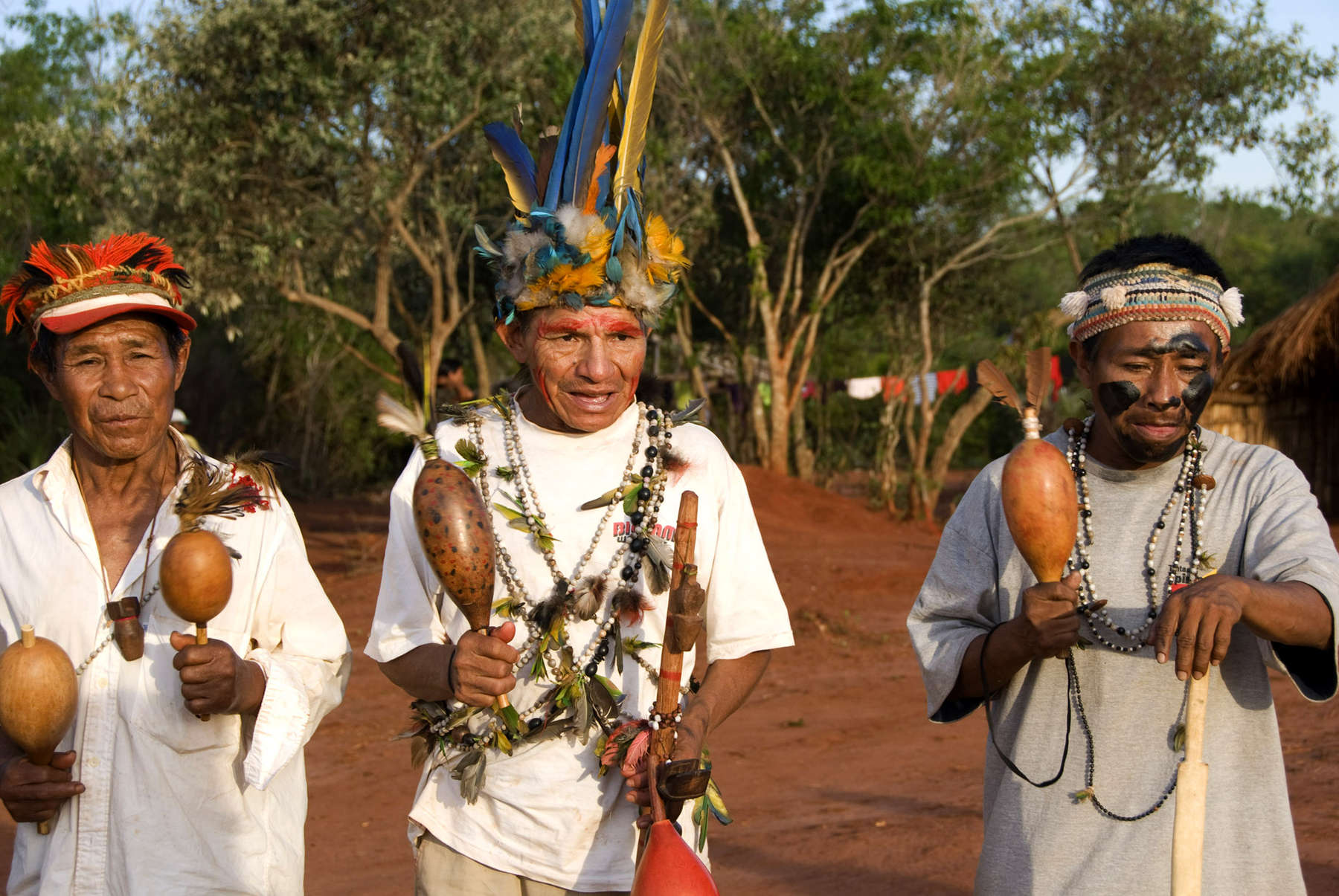
Guarani Advocacy on the Global Stage
Transitioning from the vibrant expressions of Guarani culture, it’s essential to recognize their active participation in international forums aimed at promoting indigenous rights and addressing critical issues they face. This engagement not only amplifies their voices but also fosters alliances with other indigenous groups and advocates worldwide.
The Role of International Forums
The Guarani community has increasingly taken part in international discussions focusing on indigenous rights, land issues, cultural preservation, and environmental protection.
- Raising Awareness: These forums allow the Guarani to present their concerns directly to global audiences, showcasing their culture and the challenges they face. This exposure helps raise awareness about their struggles and the need for rights protections.
- Personal Insight: I had the opportunity to attend a conference where Guarani representatives spoke about their land rights struggles. Hearing their firsthand accounts of displacement and advocacy was powerful, illustrating the importance of these platforms for sharing their stories.
Key Issues Addressed
During international forums, the Guarani focus on several critical issues that impact their communities directly.
- Land Rights: One of the primary concerns is securing legal recognition of their ancestral lands. The Guarani present their cases, backed by testimonials and documentation, to seek justice and reclaim what is rightfully theirs.
- Cultural Preservation: The preservation of language, traditions, and cultural practices is another priority. The Guarani advocate for resources and support to help keep their heritage alive in an increasingly modern world.
- Environmental Concerns: The Guarani’s deep connection to the land means that environmental degradation due to logging, mining, and industrial agriculture is also a pressing issue. They consistently advocate for sustainable practices and conservation efforts that respect indigenous territories.
Collaborations and Alliances
Participation in these forums has fostered important collaborations and alliances with other indigenous groups and organizations.
- Solidarity Networks: The Guarani have built relationships with other indigenous peoples, allowing for shared strategies and experiences. These networks provide mutual support and amplify their collective voice on the global stage.
- Support from NGOs: Many non-governmental organizations actively support their advocacy efforts. These partnerships often provide resources, expertise, and legal assistance to help amplify their message.
- Example of a Successful Partnership: I learned about a successful collaboration between the Guarani and an international organization focused on indigenous rights, which resulted in significant media coverage and a commitment from local governments to engage in further discussions about land rights.
Challenges Faced at International Forums
While the Guarani’s involvement in international advocacy is empowering, there are challenges they continue to face.
- Cultural Sensitivity: Communicating their issues across diverse cultural contexts can be challenging. The Guarani work hard to ensure their voices are accurately represented without misinterpretation.
- Bureaucratic Hurdles: Engaging with international bodies often involves navigating complex bureaucracies, which can slow down the process of effecting change or securing support.
- Personal Story: One Guarani leader shared their frustration after attending several meetings with little outcome. However, they emphasized the importance of endurance in advocacy. “Each voice counts,” they said, reflecting their belief in the impact of persistent efforts.
Empowering Future Generations
The Guarani see their involvement in international advocacy as paving the way for future generations.
- Youth Engagement: By encouraging younger members of the community to participate in these forums, they are fostering a new generation of leaders who are informed and passionate about indigenous rights and cultural preservation.
- Education and Training: Programs designed to educate the youth on advocacy and negotiation skills equip them with the tools necessary to continue this vital work in the future.
Conclusion
The Guarani’s participation in international forums illustrates their determination to promote indigenous rights and address critical issues facing their community. Through advocacy, they not only highlight their struggles but also build vital alliances and inspire future generations to carry on the fight for their cultural identity and land preservation. As we continue our exploration of Guarani culture, we will delve into their spiritual beliefs and practices, revealing how these elements intertwine with their advocacy efforts and contribute to their enduring strength as a people.

Animal Characters in Guarani Storytelling
Building on the Guarani’s advocacy for their rights and cultural identity, let’s explore the powerful storytelling tradition that lies at the heart of their culture. In these stories, animals often take center stage as important characters, reflecting the Guarani’s deep connection to nature and the ecological wisdom embedded in their collective consciousness.
The Symbolism of Animals
Animals in Guarani stories are not just characters; they embody deeper meanings and symbolize various human traits, emotions, and moral lessons.
- Nature’s Wisdom: Animals are portrayed as wise, cunning, or nurturing, showcasing the respect the Guarani have for the natural world. For instance, the jaguar often symbolizes strength and bravery, while the turtle may represent patience and resilience.
- Personal Reflection: I remember listening to a storyteller share the tale of “Karai,” the spirit of fire, who transformed into a brilliant bird that watched over the forest. The audience was captivated, and through Karai’s story, they learned about the balance between destruction and creation.
Themes of Connection to Nature
The recurring themes in these stories emphasize the Guarani’s relationship with the land and its inhabitants.
- Interconnectedness: In each narrative, there’s an underlying theme of interconnectedness between humans and animals. The stories often illustrate how actions can affect the entire ecosystem, reinforcing the importance of coexistence.
- Cultural Lessons: Many tales serve as cautionary stories, teaching the younger generation about respect for nature and the consequences of imbalance. For example, a story about a greedy hunter who loses his connection to the forest highlights the moral of living in harmony with one’s surroundings.
Storytelling Traditions
Guarani storytelling is an oral tradition that passes knowledge, morals, and cultural values through generations.
- Community Gatherings: These stories are often shared during communal gatherings, where families come together to listen and learn. The atmosphere is filled with anticipation as elders recount tales, keeping the audience engaged with dramatic expressions and gestures.
- Personal Anecdote: I had the unique opportunity to participate in a storytelling night in a Guarani community. As the elder recounted stories of wise animals and their adventures, I felt the room come alive with the sounds of laughter, gasps, and applause, creating a vibrant tapestry of oral history.
The Role of Animals in Everyday Life
The characters in Guarani stories often mirror real-life relationships that the community has with local fauna.
- Respect for Wildlife: These stories instill a sense of respect for animals and their habitats. Children learn the importance of caring for wildlife and the land they share through these narratives, fostering stewardship for future generations.
- Example of an Animal Story: One popular tale involves a clever fox who outsmarts predators and teaches other animals about using their wit to survive. This story not only entertains but also imparts lessons about intelligence and adaptability in the face of challenges.
Challenges of Preservation
As modern influences seep into Guarani communities, the challenge of preserving these storytelling traditions becomes apparent.
- Modernization Impact: The allure of technology and urban life often pulls younger generations away from traditional practices. As a result, there’s a risk that the richness of these stories may fade without active engagement from the community.
- Efforts to Revitalize Storytelling: Communities are coming together to revitalize storytelling by organizing festivals, workshops, and intergenerational gatherings. These initiatives encourage the sharing of stories and the importance of preserving their cultural narratives for the future.
Conclusion
The Guarani’s storytelling tradition, with its focus on animals as important characters, exemplifies their profound connection to nature and cultural identity. Through these narratives, they pass down wisdom, morals, and a framework for coexistence, reinforcing the values that sustain their community. As we continue our exploration of Guarani culture, we will delve into their spiritual beliefs and practices, revealing how these elements are intricately woven into their rich storytelling and overall way of life.
Guarani Participation in Governance and Representation
Moving forward from the captivating storytelling traditions of the Guarani, it’s essential to discuss their active involvement in various forms of governance. The Guarani have long sought representation in local and national issues, aiming to ensure their voices and rights are acknowledged in the broader political landscape.
The Importance of Governance for the Guarani
Governance plays a crucial role in enabling the Guarani to address the challenges they face, from land rights to cultural preservation.
- Building Leadership: By participating in governance, the Guarani are not only advocating for their community’s needs but also fostering leadership skills among their members. This empowerment is vital for developing future leaders who can continue advocating for their rights.
- Personal Insight: In a community meeting I attended, local leaders discussed strategies for improving representation at local government levels. Their determination to unite as a cohesive voice for their rights was inspiring and showcased the importance of collective action.
Local Governance Structures
Within their communities, the Guarani often establish local governance structures that allow them to make decisions collectively.
- Council Systems: Many Guarani communities operate under a council system, where representatives from different families or clans come together to discuss important matters. This approach ensures that diverse perspectives are considered, creating a sense of shared responsibility.
- Community Meetings: Regular community meetings serve as forums for discussing pressing issues, ranging from land disputes to health and education. These gatherings empower community members to express their concerns and contribute to decision-making processes.
- Example of Collective Action: I witnessed a council meeting where families voiced their opinions on environmental concerns related to nearby development projects. The collaborative nature of the discussions demonstrated the community’s commitment to protecting their land and ensuring sustainable practices.
National Representation and Advocacy
On a larger scale, the Guarani are increasingly seeking representation at national levels to address issues affecting all indigenous peoples.
- Participation in National Forums: Representatives from various Guarani communities attend national forums and meetings to advocate for indigenous rights. These platforms allow them to present their needs and engage with policymakers and other stakeholders.
- Collaboration with Indigenous Organizations: The Guarani often align with broader indigenous organizations, strengthening their advocacy efforts. This collaboration helps to amplify their voices and brings attention to shared challenges faced by indigenous communities across the nation.
- Personal Anecdote: I met a Guarani representative who had recently returned from a national indigenous forum. She shared stories of how crucial these gatherings are for building alliances, sharing experiences, and collectively strategizing on issues like land rights and cultural preservation.
Challenges in Governance
While the Guarani actively engage in governance, they encounter several challenges along the way.
- Bureaucratic Hurdles: Navigating governmental structures can be complex and frustrating, as bureaucracy often impedes timely responses to their concerns. The Guarani must persistently advocate for their rights amidst these challenges.
- Representation Gaps: Despite their efforts, there are still significant gaps in representation. Guarani leaders often voice concerns that their perspectives are overlooked or underrepresented in policy discussions affecting their communities.
- Community Frustrations: In conversations with community leaders, I heard frustrations about the slow pace of change within government structures. However, they emphasized the importance of patience and persistence in the fight for their rights.
Empowering the Future
The Guarani’s participation in governance is essential for shaping their future and ensuring that their rights are recognized.
- Youth Involvement: Encouraging younger community members to engage in governance processes is vital. Training programs and workshops focusing on leadership and advocacy skills equip the youth with the tools needed to contribute to their communities actively.
- Cultural Integration: As they push for representation, the Guarani emphasize the importance of integrating their cultural values into governance discussions. This approach helps showcase the benefits of diversity in decision-making processes.
Conclusion
The Guarani’s active participation in various forms of governance showcases their commitment to seeking representation and advocating for their rights within local and national arenas. Through collective action, community engagement, and collaboration with broader indigenous movements, they work tirelessly to ensure their voices resonate in discussions that shape their future. As we continue to explore Guarani culture, we will delve into their spiritual beliefs and practices, revealing how these elements interconnect with their advocacy efforts and community life.

Harvest Festivals: Celebrating Abundance and Community
Continuing from the Guarani’s commitment to governance and rights advocacy, we now turn our attention to the vibrant celebration of the harvest season. These festivals serve as significant cultural events where the Guarani come together to honor their agricultural efforts with traditional foods, music, and communal joy.
The Significance of Harvest Festivals
Harvest festivals hold deep meaning within Guarani culture, symbolizing gratitude for the land’s bounty and the unity of the community.
- Cultural Expression: These celebrations are a time for the Guarani to express their appreciation for the earth and its resources. The festivals acknowledge the hard work and dedication put into the cultivation and harvesting of crops.
- Personal Experience: I had the incredible opportunity to attend a harvest festival in a Guarani village. The atmosphere was electric with excitement, laughter, and vibrant decorations, all reflecting the joy surrounding the harvest. Witnessing the community come together to celebrate made me appreciate the importance of this tradition.
Traditional Foods at the Festivals
Food is at the heart of any celebration, and harvest festivals are no exception. Traditional dishes play a key role, showcasing the agricultural bounty of the season.
- Staple Dishes: Visitors can expect to enjoy a variety of traditional foods, such as:
- Mandioca (Cassava): Often boiled or roasted, mandioca holds a significant place in Guarani meals and is a staple during festivals.
- Chipa: This delicious cheese bread made from cassava flour is a favorite treat at celebrations.
- Traditional Stews: Made with a mix of vegetables and meats, these hearty dishes reflect the communal nature of the harvest, with ingredients sourced from local farms.
- Shared Meals: Families usually come together to prepare and share meals, emphasizing the importance of communal participation in the festival experience. It’s common to see tables filled with colorful dishes, inviting everyone to enjoy the feast together.
Vibrant Music and Dance
The music and dance during harvest festivals are essential components that enhance the celebratory atmosphere.
- Traditional Instruments: The Guarani use instruments such as the harp, flute, and drums to create lively melodies that accompany the dancing. This music is not just entertainment; it reflects their cultural heritage and connection to the land.
- Community Dance: Dances performed during the festival often include intricate movements that narrate stories about nature, relationships, and the community’s history. Visitors are frequently invited to join in, creating a sense of inclusion and unity.
- Personal Anecdote: During the festival I attended, I found myself swept up in the joyous dancing. The music filled the air, and soon enough, I was following the steps of a traditional dance alongside my new Guarani friends. It was a beautiful experience that transcended language barriers, celebrating our shared humanity through rhythm and movement.
Rituals and Ceremonies
While the festivities are filled with joy, they often incorporate rituals that connect the Guarani to their spiritual beliefs.
- Offering to Nature: Many harvest festivals begin with a ceremony where offerings are made to the spirits of the land, thanking them for the abundance and seeking blessings for future growth. These rituals reinforce the Guarani’s respectful relationship with nature and its resources.
- Cultural Significance: Elders often lead the ceremonies, sharing stories about the land, the harvest, and the importance of gratitude. This emphasis on passing down knowledge underscores the role of the festival in cultural education.
Challenges to Traditional Celebrations
As with many aspects of indigenous culture, harvest festivals face challenges due to modernization and urbanization.
- Cultural Dilution: The influence of modern society can lead to a dilution of traditional practices, as younger generations might engage more with contemporary celebrations rather than those rooted in cultural significance.
- Efforts to Preserve Tradition: Communities are increasingly aware of these challenges and are making concerted efforts to maintain the authenticity of their harvest festivals. This may involve workshops, community discussions, and outreach to encourage participation and engagement among youth.
Conclusion
The Guarani’s harvest festivals are a vibrant celebration of abundance, community, and cultural heritage. Through traditional foods, music, dance, and spiritual rituals, these gatherings not only honor the land’s gifts but also reinforce community bonds and cultural identity. As we continue our journey through Guarani culture, we will delve deeper into their artistic expressions, further exploring how art and creativity reflect their values, beliefs, and connection to the world around them.

Fishing and Hunting: A Complement to Agriculture
Transitioning from the vibrant celebrations of the Guarani harvest festivals, it’s essential to understand their significance as skilled practitioners of fishing and hunting, alongside their agricultural practices. This balanced approach to subsistence reflects their profound relationship with the land and water, illustrating their adaptability and resourcefulness.
Skills in Fishing
Fishing is a vital component of the Guarani livelihood, providing both nourishment and a means of cultural expression.
- Techniques and Tools: The Guarani employ various traditional methods for fishing, including the use of handcrafted nets, traps, and fishing rods made from local materials. They possess an intricate knowledge of the rivers and water bodies, understanding the best seasons and locations for fishing.
- Example of a Fishing Trip: During a visit to a nearby river with a local family, I witnessed a fishing excursion where they utilized a handmade net to catch fish. The process was filled with laughter and teamwork as they shared stories and strategies. Each catch was celebrated, emphasizing the communal aspect of fishing.
Hunting Practices
Hunting complements the Guarani’s diet and is a practice deeply rooted in their cultural identity.
- The Role of Hunting: Hunting allows the Guarani to connect with their surroundings and traditions. Animals hunted can include game such as deer, wild boar, and birds, which enhance their dietary diversity.
- Sustainable Practices: The Guarani practice sustainable hunting, taking care to maintain ecological balance. They know the right seasons for hunting specific animals, ensuring populations remain stable and ecosystems healthy.
- Personal Insight: I had the opportunity to join a local hunter during a short expedition. As he shared stories of past hunts and the lessons learned from respecting wildlife, I realized how deeply intertwined his practices were with the seasons and the surrounding environment.
Interconnection with Agriculture
Fishing and hunting form a complementary system alongside agriculture, reflecting the Guarani’s holistic approach to sustenance.
- Balanced Dietary Practices: The combination of agriculture, fishing, and hunting ensures a well-rounded diet. This diversity helps cultivate resilience, allowing communities to rely on various food sources throughout the year.
- Community Knowledge Sharing: Traditional ecological knowledge is shared amongst community members, ensuring that skills in fishing, hunting, and farming are passed down through generations. This collaborative spirit fosters a sense of belonging and collective responsibility.
- Cultural Narratives: Many traditional stories and songs recount the significance of fishing and hunting in Guarani life, reinforcing the importance of these practices. These narratives emphasize respect for nature and the necessity of living in harmony with the land.
Challenges in Modern Times
Despite their rich traditions, the Guarani face challenges in maintaining their fishing and hunting practices in an ever-changing world.
- Environmental Threats: Pollution, overfishing, and habitat destruction pose serious threats to their traditional fishing grounds. The encroachment of industrial development often leads to diminished habitats for wildlife, affecting hunting opportunities.
- Regulatory Challenges: Modern regulations concerning fishing and hunting can complicate traditional practices. Navigating legal frameworks can be difficult for the Guarani, leading to tensions between traditional rights and state regulations.
- Personal Encounter: While speaking with local leaders, I learned about the community’s efforts to advocate for sustainable fishing practices amid environmental degradation. Their determination to protect their traditions and resources was evident as they elaborated on the importance of preserving their way of life.
Conclusion
The Guarani’s skills in fishing and hunting, alongside their agricultural practices, reflect a sustainable and interconnected approach to living in harmony with nature. These activities enrich their cultural identity, foster community bonds, and ensure diverse diets. As we continue our exploration of Guarani culture, we will delve into the significance of their spiritual beliefs and how these intertwine with their daily lives and practices, further enriching their vibrant identity as a people.
The Role of Education in Preserving Guarani Culture
Continuing from the exploration of Guarani fishing and hunting traditions, we now turn our attention to education, which is increasingly seen as essential in preserving Guarani culture and language. As modern influences permeate their communities, educational initiatives play a crucial role in ensuring that younger generations remain connected to their heritage.
The Importance of Cultural Education
Education serves as a fundamental tool for the Guarani to maintain their identity amid changing societal dynamics.
- Cultural Identity: Teaching the Guarani language in schools helps students grasp their cultural roots and reinforces their identity. Language is a cornerstone of culture, and maintaining fluency is crucial for cultural continuity.
- Personal Reflection: During my visit to a local school, I observed young children engaged in a language class where they learned traditional songs and stories in Guarani. Their enthusiasm was contagious, demonstrating how language education could be both informative and enjoyable.
Integrating Traditional Knowledge
Educational programs increasingly incorporate traditional wisdom and practices alongside standard curricula.
- Hands-On Learning: Many schools now offer classes that focus on traditional crafts, medicinal plants, and agricultural practices. This experiential learning approach helps students connect with their heritage on a deeper level.
- Community Involvement: Elders often participate in teaching sessions, sharing their knowledge and experiences with students. This intergenerational exchange creates a rich educational environment and enhances community bonds.
- Example of a Classroom Experience: I attended a workshop where local elders taught students about herbal medicine. As they shared their knowledge about the healing properties of various plants, it was inspiring to see the students’ curiosity and respect for their roots grow.
Challenges in the Educational Landscape
Despite these positive developments, challenges remain in ensuring that Guarani education is accessible and effective.
- Resource Limitations: Many Guarani schools in rural areas face challenges such as inadequate funding, a lack of teaching materials, and insufficient training for teachers in indigenous language instruction.
- Urbanization Impact: As more Guarani migrate to urban areas, they often encounter educational systems that prioritize mainstream languages, which can lead to the decline of the Guarani language among younger generations.
- A Personal Story: I met a passionate teacher who expressed concern over the dwindling use of the Guarani language in urban settings. She initiated a campaign to promote the teaching of Guarani in her school, believing that education is key to cultural revival.
Community-Led Initiatives
To address these challenges, the Guarani community is taking proactive measures to enhance their educational resources.
- Cultural Workshops and Conferences: There are ongoing efforts to organize workshops focused on teaching Guarani language and culture, not only for the youth but also for adults, emphasizing the importance of lifelong learning.
- Digital Resources and Online Platforms: With the growth of technology, opportunities are emerging to create online resources and platforms for Guarani language and cultural education. These initiatives provide greater accessibility for learners, regardless of their geographic location.
- Example of Digital Engagement: I came across a project where Guarani youth created a YouTube channel dedicated to sharing traditional stories and songs in their language. This innovative approach allows for the preservation of cultural practices while engaging younger audiences.
Future Directions for Guarani Education
As the Guarani community continues to advocate for educational initiatives, the future looks promising, with a renewed emphasis on culture and language.
- Integration into National Curriculum: There are ongoing discussions about integrating Guarani language education into wider national curricula, which would legitimize the value of indigenous languages in the educational system.
- Youth Empowerment Programs: Encouraging young Guarani to become teachers, community leaders, and advocates for their culture will ensure that their heritage is respected and preserved in the future.
Conclusion
Education is a vital pillar in the preservation of Guarani culture and language, connecting current generations to their rich heritage while empowering them to navigate modern challenges. Through community initiatives, hands-on learning, and a commitment to tradition, the Guarani are fostering a cultural revival that honors their identity. As we further explore Guarani culture, we will delve into their artistic expressions, revealing how these practices reflect their values, beliefs, and resilience in preserving their cultural legacy.
The Spirit of Reciprocity in Guarani Culture
Transitioning from the educational initiatives aimed at preserving Guarani culture and language, it’s essential to recognize the importance of reciprocity within the Guarani community. This principle of sharing resources and support among members forms the backbone of social interactions and strengthens communal ties.
Understanding Reciprocity
Reciprocity is a foundational value that emphasizes mutual aid and cooperation. In the Guarani culture, it manifests through various practices that promote the well-being of the entire community.
- Social Bonding: By sharing resources—be it food, knowledge, or labor—the Guarani cultivate strong bonds among community members. This interdependence fosters a sense of belonging and collective responsibility.
- Personal Anecdote: During my stay in a Guarani village, I witnessed an incredible display of reciprocity during a community planting day. Families came together to help one another plant crops, sharing tools and knowledge while also bringing food for a communal meal afterwards. The atmosphere was filled with laughter and camaraderie, showcasing the deep connections formed through these acts of mutual support.
Practical Applications of Reciprocity
The spirit of reciprocity is woven into many aspects of Guarani life, from food sharing to communal labor.
- Food Sharing: It is common for families to share food with their neighbors, especially during harvest times. This not only ensures that no one goes hungry but also creates opportunities for social interaction and strengthens community ties.
- Joint Labor: When there’s work to be done—be it in agriculture, building, or other projects—community members organize to assist one another. This collective effort reduces individual burdens and fosters a strong sense of teamwork.
- Example of Support Networks: I learned from a village elder that when someone is in need—be it during illness or family emergencies—the whole community rallies to provide assistance. This practice reinforces the idea that the well-being of the individual is intertwined with the well-being of the community.
Cultural Celebrations of Reciprocity
Reciprocity is not only a practical approach but also a concept celebrated through various cultural events.
- Festivals and Gatherings: Community events often feature elements of sharing and giving. During festivities, people bring traditional dishes to share, and activities are organized collaboratively, showcasing the spirit of unity.
- Rituals of Gratitude: Many rituals involve expressing gratitude for the resources provided by nature and the support of community members. These practices emphasize the importance of giving back to the land and to one another.
- Personal Insight: I attended a harvest festival where participants shared not only food but also stories. As they exchanged experiences about the year’s challenges and successes, the bond among the community members undeniably grew stronger through this shared narrative.
Challenges to Reciprocity
While the spirit of reciprocity remains strong, modern influences present challenges that can strain these age-old practices.
- Urbanization: As more Guarani migrate to urban areas, the traditional forms of reciprocity may be challenged by city life. The communal practices that once thrived in rural settings may become harder to maintain.
- Economic Pressures: Economic difficulties can hinder individuals’ ability to participate fully in reciprocal relationships. The Guarani community is aware of these challenges and actively seeks ways to adapt while retaining their values.
Resilient Practices and Adaptations
Despite these challenges, the Guarani continue to find ways to uphold the principle of reciprocity.
- Community Meetings: Regular gatherings allow people to assess needs and resources, ensuring that everyone is accounted for and that support mechanisms remain intact.
- Innovative Sharing Methods: The community has started exploring new ways to maintain reciprocity using technology—such as community groups on social media to coordinate support during times of need or to share information about local resources.
- Example of Adaptation: I met a young Guarani woman who shared her experience of using social media to organize neighborhood support during difficult times. This adaptation illustrated the resilience of their traditional values in modern contexts.
Conclusion
The practice of reciprocity in the Guarani community underscores their commitment to mutual support, strengthening social bonds and ensuring collective well-being. By sharing resources and labor, they create a safety net that enriches their cultural identity and reinforces the interconnectedness of their members. As we continue our exploration of Guarani culture, we will delve into their artistic expressions, highlighting how creativity and craftsmanship serve as vital reflections of their values and traditions.
Syncretism: The Blend of Traditional Beliefs and Catholicism
As we transition from the Guarani’s practice of reciprocity, it’s important to examine how they have successfully retained many traditional beliefs while incorporating elements from Catholicism. This syncretism reflects their adaptability and resilience in the face of changing social and cultural landscapes.
The Essence of Syncretism
The integration of Catholicism into Guarani spiritual practices is not simply a matter of conversion; it’s a complex and rich blending of beliefs that honors both traditions.
- Cultural Adaptation: The Guarani have embraced aspects of Catholicism while preserving their indigenous spiritual practices. This adaptation allows them to maintain their cultural identity and connect with a broader societal framework.
- Religious Practices: Many Guarani community members participate in Catholic rituals alongside their traditional ceremonies. This dual engagement fosters a unique spiritual environment that honors both the land and their faith.
- Personal Experience: During a visit to a Guarani community, I attended a ceremony that combined traditional elements with Catholic prayers. It was fascinating to see how they invoked both the spirits of nature and the Christian God, creating a rich tapestry of beliefs that resonated with everyone present.
Retained Traditional Beliefs
Despite the integration of Catholic elements, many core traditional beliefs and practices remain central to Guarani spirituality.
- Nature Worship: The Guarani maintain a profound reverence for nature, viewing the land as sacred and integral to their existence. Traditional rituals honoring the spirits of the earth, rivers, and animals are still vibrant aspects of their spirituality.
- Spiritual Guides: The role of shamans, or “pajés,” continues to be significant, as they mediate between the community and the spiritual world. Shamans often invoke both traditional spirits and Christian saints during their healing ceremonies, reinforcing their spiritual connections.
- Example of a Ceremony: A local elder shared with me the story of a healing ritual that involved both prayer to Saint Francis and offerings of food to nature spirits. It showcased the blend of beliefs and the respect the Guarani have for both their ancestors and the Catholic faith.
Incorporation of Catholic Elements
The Guarani have thoughtfully integrated elements of Catholicism, adapting practices to fit their cultural context.
- Christian Holidays: Many traditional celebrations coincide with Christian holidays, such as Christmas and Easter. Festivities may include both Catholic rituals and traditional dances or songs, creating a unique fusion of customs.
- Use of Symbols: Some Guarani incorporate Christian symbols into their art and crafts, blending traditional designs with representations of saints and biblical stories. This artistic expression further illustrates the synthesis of their beliefs.
- Example of Adaptation: I encountered a talented Guarani artist who created beautiful carvings that featured both traditional animal motifs and the cross. She explained that each piece tells a story of her heritage, merging both aspects of her spirituality into one cohesive narrative.
Challenges in Maintaining Beliefs
While syncretism enriches Guarani spirituality, challenges remain in maintaining their traditional beliefs amidst modernization.
- Cultural Erosion: The influence of urbanization and globalization can threaten the continuity of traditional practices, as younger generations may gravitate toward secular lifestyles and modern beliefs.
- Dialogue About Identity: The Guarani often engage in community discussions about the importance of preserving their traditional beliefs while respecting their chosen faith. This dialogue helps create awareness about cultural identity and encourages younger members to embrace their heritage.
- Personal Connection: I spoke with a young Guarani woman who emphasized her desire to learn more about her cultural roots. She pointed out that for her, embracing both her traditional beliefs and her Catholic faith was about honoring her ancestors while also finding herself in the contemporary world.
Conclusion
The Guarani’s ability to retain many traditional beliefs while incorporating elements from Catholicism showcases their resilience, adaptability, and commitment to cultural preservation. This syncretism not only enriches their spiritual practices but also strengthens their identity as a people. As we further explore Guarani culture, we will delve into their artistic expressions and how these forms of creativity reflect their complex spiritual landscape and ongoing connection to both nature and tradition.
The Impact of Intermarriage on Guarani Culture
Transitioning from the exploration of Guarani spiritual beliefs, we now delve into another significant aspect of their cultural heritage: the history of intermarriage with other indigenous groups. This practice has not only fostered kinship and solidarity but has also enriched Guarani culture through the blending of traditions, languages, and customs.
A Tapestry of Cultures
Intermarriage among the Guarani and other indigenous groups reflects a long history of connection and collaboration in the face of external pressures.
- Cultural Exchange: By marrying into other indigenous groups, the Guarani have exchanged traditions, stories, and practices that enhance their cultural identity. This fluidity allows them to adapt while retaining the core aspects of their heritage.
- Personal Experience: During my visit to a culturally diverse community, I attended a wedding that exemplified the beauty of intermarriage. The ceremony included elements from both the Guarani and neighboring indigenous cultures, showcasing vibrant costumes, music, and dance. It was a celebration that highlighted the rich tapestry formed by their shared histories.
Shared Values and Practices
The intermingling of cultures through marriage has led to the adoption of shared values and practices.
- Collaborative Festivals: Joint celebrations often incorporate traditions from both cultures, resulting in a unique festival experience. This collaboration deepens community ties and promotes unity among diverse groups.
- Example of a Festival: At a recent cultural gathering, I witnessed how the intermarried families combined their unique music and dance styles. The blend created a dynamic atmosphere filled with rhythm and joy—reminding everyone present of their interconnectedness.
Strengthening Kinship Ties
Intermarriage reinforces kinship ties, extending relationships beyond immediate families and fostering a more extensive support network.
- Networking: With intermarriage, families gain connections to multiple communities, which promotes cooperation and mutual aid. This kind of network is crucial for both social and economic support in their daily lives.
- Personal Reflection: I spoke with a Guarani elder who shared her family’s legacy of intermarriage with neighboring indigenous groups. She expressed pride in their diverse ancestry and how it has created a robust community network that supports each other through challenges.
Linguistic Enrichment
The blending of cultures through intermarriage also leads to the enrichment of language.
- Language Influences: Children from intermarried families often grow up speaking multiple languages, which enhances cultural identity and communication. This bilingualism fosters respect and understanding among diverse indigenous communities.
- Personal Encounter: While visiting a local school, I noticed children conversing in both Guarani and the language of another indigenous group. Their ability to navigate multiple languages highlighted the cultural fusion taking place within their families.
Challenges and Preservation
While intermarriage has contributed positively to Guarani culture, challenges remain in preserving their unique identity.
- Cultural Dilution: The blending of cultures can occasionally lead to the dilution of traditional practices and values. It is crucial for the community to consciously work toward preserving their distinct heritage.
- Community Initiatives: Many Guarani leaders emphasize the importance of educating younger generations about their traditions, ensuring they remain grounded in their cultural identity while embracing the benefits of diversity.
Conclusion
The Guarani’s history of intermarriage with other indigenous groups has enriched their culture, creating a vibrant and diverse community. Through shared traditions, values, and linguistic influences, they have fostered a sense of unity that transcends individual ethnic identities. As we continue to explore Guarani culture, we will delve into their artistic expressions and how these reflect their resilience and shared heritage, bridging the past and present as a testament to their enduring spirit.

Artistic Expression: Visual Arts of the Guarani
Building upon the rich tradition of intermarriage and cultural blending among the Guarani, it is essential to explore how they express their cultural identity through visual arts, including painting and sculpture. These artistic forms serve as powerful mediums for storytelling, cultural preservation, and the celebration of their heritage.
The Significance of Visual Arts
Visual arts play a vital role in conveying the essence of Guarani culture, capturing their beliefs, stories, and the beauty of their natural environment.
- Cultural Narratives: Each piece of art often tells a story or conveys a message, reflecting the Guarani’s connection to nature, spirituality, and history. Artists frequently draw inspiration from traditional folklore, incorporating symbols and motifs that resonate with their community’s identity.
- Personal Insight: During a visit to an art exhibition featuring works by Guarani artists, I was struck by the vibrant colors and intricate details of their paintings. Each artwork seemed to pulsate with life, portraying scenes from nature alongside mythological elements. This rich visual narrative provided a glimpse into their worldview.
Painting as a Cultural Medium
Painting is one of the most expressive forms of art among the Guarani, encompassing both traditional and contemporary styles.
- Materials and Techniques: Traditional painters often use natural pigments derived from plants, fruits, and minerals to create their vibrant colors. This sustainable approach connects their artwork to their environment, reinforcing their cultural identity.
- Themes in Painting: Common themes in Guarani paintings include nature, familial connections, and traditional stories. These paintings may depict animals, landscapes, and scenes from daily life, weaving together physical and spiritual dimensions.
- Example of Artwork: I had the chance to meet a local painter who shared his influences and motivations. He created a stunning mural that represented the Guarani relationship with the forest, balancing both beauty and meaning. His passion for capturing this connection was evident in each brushstroke.
Sculpture: A Three-Dimensional Connection
Sculpture is another vital aspect of Guarani artistic expression, often exploring themes similar to those found in painting.
- Traditional Materials: Guarani sculptors often work with materials such as wood, clay, and stone. Each medium allows for different forms of expression, reflecting both natural beauty and cultural significance.
- Cultural Objects: Many sculptures incorporate elements that represent Guarani beliefs, such as spiritual figures or symbols of the earth’s abundance. These works often serve not only as art pieces but also as cultural artifacts that tell the story of the community.
- Personal Encounter: While visiting a local workshop, I observed artisans crafting intricate wooden sculptures. As they explained the symbolism behind their designs, I witnessed how deeply connected their art is to Guarani philosophy and environmental respect.
The Role of Art in Community Identity
The visual arts serve as a means for the Guarani to strengthen their community identity and transmit cultural values.
- Cultural Festivals: Art is prominently featured during cultural festivals, where paintings and sculptures are displayed and celebrated. These events provide a platform for artists to share their work and inspire others.
- Youth Engagement: Many communities are fostering interest in the arts among younger generations through art workshops and programs. This engagement not only nurtures creativity but also reinforces cultural pride and identity.
- Example of Youth Programs: I attended a community art workshop where children participated in creating murals that depicted their vision of nature and tradition. Their excitement and creativity illuminated the importance of art in expressing their cultural identity.
Challenges in the Art Scene
While the Guarani continue to express their identity through visual arts, several challenges persist.
- Access to Resources: Many artists face limitations in accessing materials and supportive networks. This can hinder their ability to create and showcase their work effectively.
- Preservation of Traditional Techniques: The influx of modern artistic styles can sometimes overshadow traditional methods. There is a crucial need for efforts to preserve these techniques and the cultural stories they carry.
Conclusion
The Guarani express their cultural identity powerfully through visual arts, including painting and sculpture. These artistic forms serve as vital links to their history, beliefs, and connection to the environment. As we continue to explore the richness of Guarani culture, we will delve into their spiritual beliefs and practices, uncovering how these elements enrich their artistic expressions and contribute to their enduring spirit as a people.
Bravery and Community in Guarani Legends
Continuing from our exploration of Guarani artistic expressions, it’s fascinating to delve into their rich tradition of storytelling, particularly their legends that emphasize the importance of bravery and the protection of the community. These tales not only entertain but also serve as moral lessons and cultural touchstones that guide the values and actions of the Guarani people.
Themes of Bravery in Guarani Legends
Bravery is a central theme in many Guarani legends, often portrayed through heroism in the face of adversity.
- Courage Against Adversity: Legends frequently feature heroes who display extraordinary courage in defending their community against external threats, whether they be rival tribes or formidable forces of nature.
- Personal Experience: While participating in a storytelling night, I listened to a gripping legend about a young warrior who bravely ventured into the dark forests to confront a powerful beast that had been terrorizing the village. As the elder narrated the tale, the excitement in the room was palpable, inspiring bravery among listeners.
The Role of Community Protection
Many Guarani legends reflect the communal aspect of bravery, illustrating how individual acts of courage contribute to the safety and well-being of the entire community.
- Collective Responsibility: These stories often highlight the idea that protecting the community is a shared duty. When one person acts courageously, it serves as a call to action for others, fostering unity and solidarity.
- Example of Heroic Sacrifice: In one tale, there is a story of a guardian spirit who sacrifices himself to save the village, teaching the community the importance of selflessness and collective safety. This legend not only emphasizes individual bravery but reinforces the idea that true heroism lies in serving and protecting one’s community.
Transmission of Values Through Storytelling
Guarani legends are vital in transmitting cultural values and teachings to younger generations.
- Moral Lessons: Each legend comes with a moral or lesson intended to guide behavior and values. For example, many stories encourage courage, resilience, and the importance of standing up for one another.
- Personal Reflection: I remember an elder emphasizing that these stories are not merely for entertainment; they encapsulate life lessons meant to inspire the younger generation. By sharing these narratives, they ensure that important values are passed down and remembered.
Community Involvement in Storytelling
Storytelling is often a communal activity where community members gather to listen and share.
- Intergenerational Sharing: Elders play a crucial role in recounting these legends, fostering a sense of belonging and continuity within the community. Children learn from their elders as they engage with stories from their cultural past.
- Celebrations and Festivals: Many festivals include storytelling as part of the festivities, allowing attendees to celebrate their heritage through the power of narrative. This practice reinforces cultural identity and community bonds.
- Example of a Storytelling Festival: During a recent cultural event, I witnessed a storytelling competition where participants performed legends about bravery. The atmosphere was electric, with the audience engaged and supportive, showcasing how deeply embedded storytelling is in Guarani culture.
Challenges in Preserving Legends
While the tradition of storytelling thrives, challenges remain in preserving these legends in modern times.
- Influence of Modern Media: With the rise of technology and modern entertainment options, there is a risk that younger generations may gravitate towards these new forms of storytelling rather than traditional legends.
- Efforts to Modernize Narratives: Some communities are working hard to adapt these legends into formats that resonate with younger audiences. This may include incorporating them into digital media or contemporary performances.
Conclusion
Guarani legends, rich with themes of bravery and community protection, serve as essential narratives that preserve their cultural identity and values. Through these stories, the Guarani emphasize the importance of courage in the face of adversity, reflecting their deep-rooted connection to each other and the land. As we continue to explore Guarani culture, we will dive into their unique spiritual beliefs and practices, uncovering the profound ways these elements inform their legends and shape their way of life.
Ongoing Challenges: Land Rights and Environmental Issues
Transitioning from the rich tapestry of Guarani legends, it’s crucial to address the ongoing challenges that the Guarani face, particularly regarding land rights and environmental issues. These matters not only threaten their traditional way of life but also pose significant hurdles to their cultural survival and community well-being.
Land Rights Challenges
Land rights remain at the forefront of the Guarani’s struggles, as the ongoing encroachment on their ancestral territories significantly impacts their communities.
- Historical Land Dispossession: Over centuries, the Guarani have experienced significant losses of their ancestral lands due to colonization, industrial expansion, and agricultural development. The push for productive land often disregards their rights and cultural connections to the territory.
- Current Legal Struggles: Many Guarani communities are involved in legal battles to reclaim their lands. These cases can be lengthy and complex, often involving negotiations with government bodies and private enterprises seeking to exploit resources in these areas.
- Personal Encounter: I met a community leader who shared her experiences navigating the legal system. She spoke passionately about their ongoing fight for land rights, detailing how each step forward often feels like a monumental achievement amidst numerous setbacks.
Environmental Issues
Alongside land rights, the Guarani also grapple with environmental challenges that affect their traditional practices and sustainability.
- Deforestation and Habitat Loss: Industrial agriculture and logging operations have led to significant deforestation in areas where the Guarani live. This not only disrupts the biodiversity of the ecosystems they rely on but also threatens their food sources and traditional hunting and fishing practices.
- Pollution and Resource Depletion: As corporate interests encroach on their lands, the Guarani face pollution of rivers and contamination of their natural resources. This situation poses serious health risks and undercuts their ability to sustain their livelihoods.
- Example of Environmental Advocacy: I attended an environmental awareness event hosted by the Guarani, where community members voiced their concerns about local pollution. Activists highlighted the importance of protecting their natural resources, emphasizing how essential it is for their cultural identity and future.
Grassroots Advocacy and Collaboration
In response to these challenges, the Guarani have mobilized grassroots advocacy efforts to protect their rights and environment.
- Community Organizing: Many Guarani are banding together to advocate for their land rights and actively engaging in environmental conservation initiatives. Community meetings provide a platform for discussing strategies and rallying support.
- Partnerships with NGOs: Collaborations with non-governmental organizations amplify their voices, ensuring their struggles receive attention both locally and internationally. These partnerships help provide resources and expertise to strengthen advocacy efforts.
- Personal Story: I spoke with an activist who described how NGOs have been instrumental in raising awareness about their plight, helping connect them with broader indigenous rights movements. She expressed gratitude for the solidarity and support that these alliances have fostered.
Cultural Resilience Amidst Struggles
Despite the significant challenges regarding land rights and environmental issues, the Guarani demonstrate remarkable resilience.
- Cultural Adaptation: Many communities are finding ways to adapt to changing circumstances while still holding onto their cultural identity. This adaptability includes incorporating sustainable practices that align modern needs with traditional values.
- Youth Engagement: There’s a growing emphasis on youth involvement in advocacy. By educating younger generations about their rights and the importance of environmental stewardship, the Guarani are ensuring the continuation of their fight for justice.
- Example of Youth Initiatives: I had the chance to meet a group of young Guarani activists who launched a campaign to raise awareness about the impact of deforestation on their community. Their initiative was a testament to the youth’s dedication to preserving their heritage while advocating for environmental justice.
Conclusion
The Guarani face ongoing challenges regarding land rights and environmental issues, yet their resilience and commitment to advocacy reflect their enduring spirit. By mobilizing as a community, forming partnerships, and engaging the youth, they continue to assert their rights and protect their cultural identity. As we further explore Guarani culture, we will delve into their artistic expressions, revealing how these creative forms serve not only as reflections of their heritage but also as powerful tools for resistance and empowerment in their ongoing struggle for justice.
The Power of Oral Tradition in Guarani Culture
Continuing from the Guarani’s vibrant advocacy efforts, let’s explore a deeply embedded aspect of their identity: their strong oral tradition. This cultural practice serves as a vital means of passing down knowledge, history, and values through generations, ensuring that the essence of Guarani life is preserved and celebrated.
The Foundation of Oral Tradition
For the Guarani, oral tradition is more than just storytelling; it is a fundamental way of communicating and connecting with their history and identity.
- Preserving History: Through narratives, elders recount the community’s past, including tales of bravery, environmental stewardship, and cultural practices. These stories offer insights into how the Guarani have navigated challenges and celebrated victories throughout history.
- Personal Reflection: I had the privilege of sitting around a fire with a group of elders, where they shared poignant stories about their ancestors. Their words painted vivid pictures of a time when they fought for their land and culture, and I could feel a palpable connection to their past.
Knowledge Transfer Through Stories
The oral tradition serves to transfer essential knowledge and life lessons to younger generations.
- Moral Teaching: Many stories contain moral lessons that guide behavior and decision-making. They often emphasize values such as respect for nature, community cooperation, and the importance of bravery in the face of adversity.
- Example of a Story: One tale I heard emphasized the importance of protecting the forest by recounting the story of a young warrior who risked everything to defend a sacred grove from invaders. His actions inspired community members to respect and honor the land, reinforcing the idea that nature must be cared for.
Role of Elders in Oral Tradition
Elders hold a vital position in the orchestration of oral traditions, serving as the custodians of knowledge and cultural heritage.
- Storytellers and Teachers: Elders are revered for their wisdom and experience, often being called upon to share stories during community gatherings. Their ability to weave narratives that resonate with listeners underscores the significance of their role.
- Cultural Connection: By sharing stories, elders create a bridge between generations, reinforcing the sense of belonging and identity among community members. They pass down not only stories but also traditional practices, songs, and dances through engaging narratives.
- Personal Anecdote: During a community festival, I witnessed an elder captivating a group of children with funny and adventurous tales. As the children listened intently, it was clear that the stories not only entertained them but also imparted valuable lessons embedded within.
Challenges in Maintaining Oral Traditions
Though the oral tradition remains strong, there are challenges that the Guarani face in its preservation.
- Modern Influences: The allure of technology, along with the fast-paced nature of urban life, can sometimes lead younger generations to drift away from traditional practices. The rise of digital media may overshadow the timeless art of storytelling.
- Efforts to Revitalize: Recognizing these challenges, the Guarani communities are focusing on revitalizing oral traditions by engaging youth through workshops, storytelling nights, and family gatherings that prioritize the significance of their heritage.
Active Engagement of Youth
Involving youth in oral traditions is crucial for ensuring that cultural narratives continue to thrive.
- Youth Storytelling Events: Many communities hold storytelling contests or events where young people are encouraged to share stories they have learned from their elders. This encourages creativity while reinforcing their cultural identity.
- Cultural Retreats: Programs that focus on cultural immersion and storytelling techniques empower young Guarani to appreciate their heritage and share it with others, creating future ambassadors for their traditions.
Conclusion
The Guarani’s strong oral tradition plays a vital role in passing down knowledge, values, and cultural heritage through generations. This practice fosters a deep connection to their ancestors and reinforces the importance of community identity. As we further explore Guarani culture, we will look at their artistic expressions, revealing how these forms not only celebrate their identities but also serve as important vessels for storytelling and continuity within both traditional and contemporary contexts.

Guarani Cuisine: A Taste of Tradition
Building on the foundation of the Guarani’s strong oral tradition, let’s delve into their cuisine, which features traditional dishes made from local ingredients and significantly contributes to their cultural identity. Food is more than sustenance for the Guarani; it embodies their history, values, and connection to the land.
Ingredients Rooted in Nature
The Guarani cuisine is deeply intertwined with the natural resources available in their environment, reflecting their respect for nature and sustainability.
- Local Ingredients: Dishes are often prepared using locally sourced ingredients, such as maize, cassava (mandioca), sweet potatoes, and a variety of fruits and vegetables. This practice not only supports local agriculture but also promotes seasonal eating, which is important for health and ecological balance.
- Personal Experience: I had the pleasure of sharing a meal with a Guarani family, where we enjoyed a traditional feast featuring “chipa”—a delicious cheese bread made from cassava flour. The taste was extraordinary, and they shared how this dish is a staple in their diet and often prepared for community gatherings.
Traditional Dishes
Some standout traditional dishes in Guarani cuisine highlight their connection to the land and cultural heritage.
- Mbeju: A cassava-based cheese bread that is crispy on the outside and soft on the inside, mbeju is often enjoyed during special occasions and is a favorite among community members.
- Pikysyry: A traditional stew made from meat, vegetables, and herbs, this dish is typically slow-cooked and served during gatherings, reflecting the communal spirit of sharing meals.
- Sopa Paraguaya: Often described as cornbread, this dish is made from cornmeal, cheese, and onions, serving as a comforting side to many meals.
- Example of a Meal: At a recent harvest festival, I witnessed families preparing a communal feast with a diverse array of traditional dishes. The aroma of fresh food wafted through the air, and people eagerly shared stories about each dish’s significance, enriching the meal with cultural context.
The Role of Food in Community and Tradition
Food is a vital component of Guarani social life, reinforcing community connections and cultural identity.
- Community Gatherings: Shared meals are central to community cohesion, whether during festivals, family gatherings, or communal workdays. The act of cooking and sharing food fosters bonds among members and creates a sense of belonging.
- Cultural Rituals: Certain dishes are prepared for specific rituals and celebrations, linking food to cultural practices and spiritual beliefs. These rituals often involve offerings to the land and spirits, emphasizing the sacredness of food in their worldview.
- Personal Account: I participated in a family gathering where the emphasis was not just on eating but on storytelling and sharing experiences. The recipes were mixed with memories of generations past, illustrating how food acts as a medium for cultural storytelling.
Adaptations and Modern Influences
While Guarani cuisine retains its traditional roots, it also adapts to modern influences and changing lifestyles.
- Urban Culinary Experiments: In urban areas, Guarani individuals begin to blend traditional ingredients with contemporary cooking styles. This fusion creates a dynamic culinary scene that respects traditions while exploring new flavors.
- Community Initiatives: Some communities are working to promote their traditional dishes outside of their villages, introducing local cuisine to a broader audience through food festivals and cultural fairs.
- An Example of Fusion: I discovered a Guarani restaurant in Buenos Aires that featured a modern twist on traditional dishes. They served a gourmet version of mbeju alongside craft cocktails, marrying traditional flavors with modern dining experiences, showcasing the adaptability of Guarani cuisine.
Challenges in Culinary Preservation
Despite the richness of their culinary traditions, challenges exist in preserving these practices amidst modernization.
- Loss of Traditional Knowledge: With urban migration, younger generations may become detached from traditional cooking methods and ingredients, risking the loss of culinary heritage.
- Efforts for Revival: Communities are increasingly recognizing the importance of culinary preservation and are implementing programs aimed at teaching traditional cooking to younger members, ensuring that their heritage not only survives but thrives.
Conclusion
The Guarani cuisine, characterized by traditional dishes made from local ingredients, plays a crucial role in shaping their cultural identity. Through the preparation and sharing of food, the Guarani reaffirm their connections to the land and to one another. As we continue our exploration of Guarani culture, we will delve into their rich artistic traditions, revealing how these forms of expression celebrate their values, stories, and enduring spirit as people.
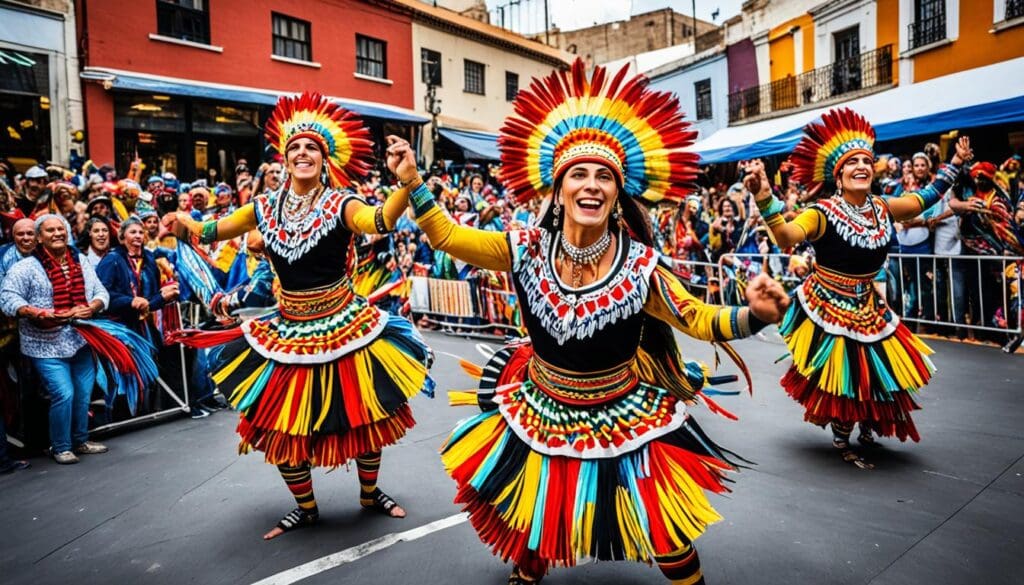
Traditional Agricultural Practices and Biodiversity
Building on the rich culinary traditions of the Guarani, it’s important to highlight how they have significantly contributed to the biodiversity of their regions through traditional agricultural practices. Their methods not only support their food systems but also play a crucial role in maintaining ecological balance.
Sustainable Agricultural Techniques
The Guarani employ sustainable agricultural techniques that stem from their profound understanding of the environment, ensuring that their practices enhance biodiversity.
- Polyculture and Crop Diversity: Rather than relying on monoculture, the Guarani practice polyculture, planting multiple species together to create a more resilient ecosystem. This approach not only prevents soil depletion but also supports a variety of crops that can withstand pests and environmental changes.
- Personal Encounter: During a visit to a Guarani farm, I witnessed their technique of growing maize alongside beans and squash. The three crops are known as the “Three Sisters” and work symbiotically, benefiting each other and producing a balanced diet for the community. It was inspiring to see how deeply their agricultural methods reflect their understanding of natural relationships.
Land and Resource Management
The Guarani’s approaches to land and resource management are deeply rooted in their cultural beliefs, emphasizing the importance of stewardship.
- Sustainable Practices: The Guarani employ traditional knowledge to manage their land responsibly. Practices such as slash-and-burn agriculture are used judiciously, allowing for soil regeneration without exhausting resources. This sustainable management ensures that the land remains fertile for future generations.
- Cultural Significance: Their methods are not merely practical; they are culturally significant. The connection they maintain with the land is often expressed in their stories, rituals, and daily practices. Respect for the earth is a core value that is embedded in their agricultural practices.
Contributions to Biodiversity
Through their traditional agricultural practices, the Guarani have made notable contributions to the biodiversity of their regions.
- Preservation of Indigenous Crops: The Guarani have cultivated a variety of indigenous crops that might otherwise be lost in modern agricultural systems. By maintaining these crops, they help conserve genetic diversity within local flora.
- Example of Indigenous Crops: Some traditional crops include:
- Maize: A staple that holds cultural significance and is grown in various varieties.
- Cassava: A vital source of carbohydrates that thrives in their environment.
- Tobacco: Historically important and used in traditional rituals.
- Personal Story: I met a passionate farmer who emphasized the importance of preserving indigenous seeds. He explained how certain varieties of maize have been passed down through generations, each with unique flavors and uses. His commitment to planting these heirloom seeds embodies the Guarani’s broader efforts toward biodiversity.
Community Engagement and Education
The Guarani also recognize the importance of engaging the community and educating younger generations about their agricultural practices.
- Workshops and Training: Many communities hold workshops to teach traditional farming methods, ensuring that the principles of sustainability and ecological balance are passed down. These educational efforts foster pride in their heritage while equipping youth with important skills.
- Collaborative Farming Initiatives: Community cooperation is encouraged in farming initiatives, where knowledge-sharing among different families strengthens collective agricultural practices.
- An Example of a Community Workshop: I attended a workshop where experienced farmers demonstrated planting techniques that promote biodiversity. The energy in the room was inspiring as younger members actively learned and participated in the cultivation process.
Facing Modern Challenges
Despite their efforts, the Guarani face challenges that threaten their agricultural practices and biodiversity.
- Pressure from Industrial Agriculture: Modern agricultural practices often prioritize high-yield crops, threatening traditional methods and indigenous varieties. The encroachment of industrial farming can lead to habitat loss and depletion of local flora.
- Climate Change: Environmental shifts impact their farming practices and threaten the biodiversity they have worked to maintain. Fluctuations in rainfall and temperature can affect crop yields and the availability of resources.
Conclusion
The Guarani have significantly contributed to the biodiversity of their regions through traditional agricultural practices that emphasize sustainability and respect for the environment. By cultivating a diverse array of crops and sharing their knowledge with future generations, they not only preserve their cultural identity but also foster ecological resilience. As we move further in our exploration of Guarani culture, we will delve into their artistic expressions, showcasing how these creative outlets reflect their connection to nature and their enduring legacy as a people.

Storytelling Through Guarani Music
Continuing from our exploration of the Guarani’s traditional agricultural practices, it’s fascinating to turn our attention to the vibrant world of their music, which often includes storytelling about their history, dreams, and aspirations. Through melodies and lyrics, the Guarani convey their cultural identity and the experiences that shape their lives.
Music as a Form of Expression
Music is an essential part of Guarani culture, serving as a powerful medium for expressing emotions, narratives, and cultural values.
- Cultural Narratives: Many songs recount significant historical events, detailing the struggles and triumphs of the Guarani. These historical narratives not only preserve the community’s collective memory but also educate younger generations about their ancestry.
- Personal Experience: During a gathering in a Guarani village, I was captivated by a musician who sang a song about their ancestors’ resistance against colonizers. The haunting melody drew everyone in, and I felt the weight of the history being shared, evoking a profound sense of connection to their past.
Themes of Dreams and Aspirations
Guarani music also reflects their hopes and dreams for the future, providing an avenue for expressing aspirations.
- Inspiration and Motivation: Songs often celebrate themes of resilience and the pursuit of a better life, reinforcing the community’s spirit. These aspirations resonate deeply with listeners, instilling motivation and a sense of unity.
- Examples of Aspirational Songs: Many contemporary Guarani artists are writing songs that address social issues, cultural pride, and the importance of sustaining their traditions. These artistic expressions create a powerful dialogue about their hopes for the future.
- A Personal Encounter: I met a young Guarani artist who shared her passion for writing music that inspires positive change within her community. Her lyrics spoke of dreams for a healthier environment and the preservation of their cultural identity, reflecting a strong desire for progress based on ancestral wisdom.
Storytelling Through Musical Performance
The performance aspect of Guarani music enhances the storytelling experience, engaging the audience in their narratives.
- Instrumentation and Emotion: Instruments like the harp, flute, and drums are often combined to create sounds that evoke the essence of their stories. Each performance becomes an emotional journey, connecting the audience to the heart of their culture.
- Community Involvement: Festivals and communal gatherings feature performances where the whole community participates. These events are not only entertaining but also serve as a medium for passing on traditions and cultural narratives.
- Example of a Festival Performance: At a recent cultural festival, I was moved by a performance where dancers and musicians collaborated to tell the story of life’s cycles through song and movement. The harmony between music and dance illustrated the intricate ties between their cultural expressions.
Preserving Cultural Authenticity
As modern influences permeate Guarani music, maintaining authenticity while adapting to contemporary styles remains crucial.
- Innovative Blends: Many young Guarani musicians blend traditional instruments and rhythms with modern musical genres, creating unique sounds that resonate with wider audiences. This fusion helps attract youth while remaining connected to their heritage.
- Personal Anecdote: I attended a concert where a Guarani band infused traditional melodies with elements of contemporary pop and rock. The energy was contagious as attendees danced and sang along, showcasing the beauty of blending old and new while honoring their cultural roots.
Challenges Ahead for Guarani Music
Despite the vibrancy of Guarani music, certain challenges threaten its preservation and evolution.
- Cultural Appropriation: As the music gains popularity, there is the risk of cultural appropriation, where non-Guarani artists might portray their music without understanding its significance. This can dilute the messages and stories embedded in the art.
- Modernization Impact: The influence of popular media can overshadow traditional music styles, leading to a decline in the appreciation of indigenous music. Encouraging continued engagement with their roots is essential.
Conclusion
Guarani music, characterized by its storytelling elements surrounding history, dreams, and aspirations, plays a critical role in preserving their cultural identity. Through their melodies and performances, the Guarani share their narratives, fostering a sense of connection among community members and instilling pride in their heritage. As we continue to delve into the richness of Guarani culture, we will examine the significance of their spiritual beliefs, exploring how these intertwine with their music and traditions to enrich their community’s resilience and identity.
The Guarani Worldview of Interconnectedness
Continuing from our exploration of Guarani music and storytelling, we now turn to another profound aspect of their culture: the concept of interconnectedness among all beings. This worldview is not only foundational to their spirituality and identity but also deeply influences their relationships with nature, community, and the cosmos.
Understanding Interconnectedness
For the Guarani, everything in the universe is linked—humans, animals, plants, and even the elements like water and soil all play integral roles in the web of life.
- Holistic Perspective: The Guarani view themselves as part of a larger community that includes all living beings. This perspective fosters a deep sense of responsibility for the environment and emphasizes the importance of living in harmony with nature.
- Personal Experience: In conversations with community members, I often heard phrases that emphasized this interconnectedness. For example, one elder expressed, “We are all part of the same earth; when one suffers, we all feel it.” This sentiment illustrated how deeply ingrained the concept of interconnectedness is in their daily lives and interactions.
Spiritual Dimensions of Connectedness
The spiritual beliefs of the Guarani further encapsulate the idea of interconnectedness, weaving together the physical and metaphysical realms.
- Spiritual Beings: The Guarani honor various spirits that inhabit the natural world, such as those of animals, plants, and elements. This belief not only acknowledges their presence but also reinforces the importance of respecting all entities in the ecosystem.
- Rituals and Ceremonies: Many traditional rituals aim to honor the interconnectedness of life. Offerings to the spirits of the land are common, serving as a way to maintain balance and harmony within the community and its surroundings.
- Personal Anecdote: During a recent ceremony I attended, the participants collectively offered food and flowers to the earth, expressing gratitude and seeking blessings for a successful harvest. This ritual beautifully illustrated their belief in reciprocity and the importance of nurturing the relationships they have with nature.
Environmental Stewardship
The Guarani’s understanding of interconnectedness strongly influences their approach to environmental stewardship and sustainable practices.
- Responsible Resource Management: Their agricultural methods reflect a commitment to preserving biodiversity and natural ecosystems. For instance, they rotate crops and practice polyculture to ensure soil health and reduce ecological impact.
- Example of a Community Project: I learned about a local conservation initiative where community members worked together to rehabilitate a nearby forest area. They understood that the health of the forest directly affects their community, reinforcing their belief in the interconnectedness of all life forms.
Impact on Community Dynamics
The concept of interconnectedness shapes social interactions within the Guarani community, fostering relationships based on mutual respect and care.
- Collective Decision-Making: Decisions are often made with consideration of how they will impact not only individuals but the community as a whole. This approach ensures that everyone feels valued and that the well-being of the entire community is prioritized.
- Support Networks: The Guarani practice reciprocity, sharing resources and support, which enriches the sense of interconnectedness within the community. This network of mutual aid strengthens social bonds and reinforces unity.
- Personal Insight: During a community meeting, I observed how members expressed concerns for one another’s well-being. Their discussions reflected a depth of care that spoke to their belief in interconnectedness, showing that each person’s challenges are seen as communal.
Challenges to Interconnectedness
While the Guarani strive to maintain their worldview of interconnectedness, modern pressures threaten these principles.
- Environmental Degradation: Industrial development, deforestation, and climate change pose significant risks to their land and resources, disrupting the balance they strive to maintain in their ecosystem.
- Cultural Erosion: Urbanization and the influence of globalization can lead to disconnection from traditional values, making it challenging for younger generations to embrace the concept of interconnectedness fully.
Conclusion
The Guarani worldview, profoundly rooted in the interconnectedness of all beings, shapes their spirituality, cultural practices, and community dynamics. This perspective fosters a deep respect for the environment and a commitment to supporting one another, reinforcing the bonds that unite their community. As we continue to explore Guarani culture, we will look into their artistic expressions, showcasing how their art reflects these values and beliefs, weaving together the intricate narratives of their lives and the world around them.
Community Celebrations: The Heart of Guarani Festivals
Building upon the Guarani worldview of interconnectedness, traditional festivals play a vital role in bringing the community together to celebrate their shared heritage. These vibrant gatherings are not only joyous occasions but also serve as essential platforms for expressing cultural pride, passing down traditions, and reinforcing community bonds.
The Importance of Festivals
Guarani festivals are deeply rooted in their cultural identity, reflecting values, beliefs, and the collective history of the community.
- Cultural Affirmation: Festivals serve as an opportunity for the Guarani to affirm their cultural identity, showcasing their unique traditions, music, food, and clothing. These celebrations are moments when the community can reflect on their shared history and achievements.
- Personal Experience: I attended a recent harvest festival in a Guarani village, and the energy was infectious. Elders, children, and everyone in between gathered to participate in ceremonies and festivities. The laughter, music, and dance created an atmosphere of warmth and belonging.
Elements of Traditional Festivals
Traditional festivals typically encompass various activities that highlight the diversity and richness of Guarani culture.
- Rituals and Ceremonies: Each festival often begins with a ritual to honor the land and spirits, thanking them for the bounty of the year. These ceremonies are conducted with reverence and set a tone of gratitude for the festivities.
- Culinary Delights: Food plays a central role in Guarani festivals. Traditional dishes are prepared and shared among community members, creating an opportunity to bond over familiar flavors and cultural narratives. Iconic dishes might include:
- Chipa: A cheese bread made from cassava flour.
- Sopa Paraguaya: A cornbread made with cheese and herbs.
- Example of a Festive Meal: During the festival I attended, families prepared their traditional dishes together. The community feast featured a stunning array of foods, and participants were encouraged to try different dishes, fostering a spirit of sharing and togetherness.
Music and Dance
Music and dance are integral components of Guarani festivals, enhancing the celebratory atmosphere.
- Traditional Performances: Community members perform traditional music using instruments like the harp and flute, which create melodies that resonate with the spirit of the celebration. Dance performances often tell stories of the past, showcasing the history and traditions of the Guarani.
- Inviting Participation: Festivals often encourage attendees to join in the dancing, bridging gaps between generations and fostering a sense of unity. The infectious rhythms and engaging performances draw everyone in, creating a communal experience.
- Personal Anecdote: At the harvest festival, I found myself swept into a circle of dancers, led by enthusiastic community members. The joy of dancing together, with children laughing and elders guiding the steps, was a beautiful experience that illustrated how music and dance strengthen community bonds.
Educating the Next Generation
Festivals also serve as an educational platform for the younger generation, bridging cultural gaps and fostering pride in their heritage.
- Cultural Workshops: Many festivals include workshops that teach traditional crafts, cooking, and storytelling. These activities ensure that children learn about their cultural identity while actively participating in the celebrations.
- Example of Engagement: I met a group of young children at the festival who were excitedly participating in a weaving workshop. They were learning the significance of the patterns and techniques, eagerly absorbing knowledge from the elders present.
Challenges in Preserving Festival Traditions
While Guarani festivals are vibrant and communal, they face challenges in today’s rapidly changing world.
- Modernization Impact: The encroachment of modern lifestyles can lead to a decline in participation in traditional festivals. Encouraging younger generations to engage with their culture is essential for its preservation.
- Cultural Preservation Efforts: Many communities work actively to maintain the authenticity of their festivals, ensuring that while they adapt to modern times, the core values and traditions remain intact.
Conclusion
Traditional festivals are a vital aspect of Guarani culture, providing opportunities for the community to come together, celebrate shared heritage, and pass down invaluable traditions. Through rituals, food, music, and dance, these gatherings reinforce their cultural identity and strengthen community bonds. As we continue our exploration of Guarani culture, we will look into their social structures and values, revealing how these elements shape their resilience and commitment to preserving their unique heritage.
Advocacy for Language and Identity Preservation
Transitioning from the celebration of Guarani traditions and festivals, it is vital to recognize that the Guarani community continues to advocate fervently for the preservation of their language and identity. This commitment is essential for their cultural survival, especially in a rapidly changing world where external influences and modernization pose significant challenges.
The Importance of Language
Language is a core component of the Guarani identity, serving as a vehicle for cultural expression, storytelling, and intergenerational communication.
- Cultural Heritage: The Guarani language, rich in history and significance, encapsulates their worldview, values, and traditional knowledge. It carries stories of their ancestors and the lessons learned throughout generations.
- Personal Insight: During a visit to a local school, I observed a Guarani language class where children were enthusiastically learning traditional songs and idioms. Their laughter and excitement highlighted the importance of language as a cultural lifeline, connecting them to their roots.
Current Advocacy Initiatives
In response to the pressing need for language preservation, the Guarani community has launched various initiatives aimed at revitalizing their language usage.
- Educational Programs: Many communities are implementing bilingual education programs that teach Guarani alongside Spanish or Portuguese. This approach not only reinforces language skills but also nurtures pride in their cultural identity.
- Community Workshops: Workshops focusing on traditional stories, songs, and crafts are increasingly popular. These sessions often highlight language use in context, helping participants learn while benefiting from a rich cultural experience.
- Example of Community Involvement: At a recent cultural gathering, I attended a workshop on traditional storytelling in Guarani. Elders shared stories that blended their language with moral lessons, engaging the younger members in a way that was deeply impactful.
Cultural Identity Beyond Language
Preserving language is an integral part of maintaining Guarani identity, but it goes hand in hand with preserving other cultural practices.
- Cultural Events: The Guarani community actively celebrates their heritage through festivals and gatherings that promote their language, music, and traditional practices. These events not only foster language use but also strengthen cultural bonds.
- Personal Account: I attended a festival where the community emphasized the importance of their cultural identity. The use of Guarani in songs and speeches was celebrated, bringing everyone together in solidarity to honor their shared heritage.
Challenges in Language Preservation
Despite these efforts, the Guarani language faces several challenges in its preservation.
- Modern Influences: The lure of modern languages and lifestyles can discourage younger generations from speaking Guarani. As children are exposed to global media and digital communication, maintaining fluency becomes increasingly difficult.
- Resource Limitations: Accessibility to learning materials in Guarani can be limited, especially in urban areas. This scarcity makes it harder for both children and adults to engage with their language effectively.
- Personal Encounter: A community leader I spoke with expressed concern over the younger generation’s declining use of Guarani. However, she remained optimistic about the upcoming initiatives aimed at revitalizing interest in their language and traditions.
The Role of Technology in Language Preservation
With advancements in technology, the Guarani community is finding innovative ways to promote their language and cultural practices.
- Digital Resources: Online platforms and mobile apps designed to teach the Guarani language are becoming more prevalent. These tools make learning accessible and appealing to the younger audience.
- Social Media Campaigns: The rise of social media offers opportunities for Guarani speakers to share their language and culture, creating virtual communities that celebrate their heritage and foster communication.
- Example of a Successful Initiative: I came across a Guarani-led YouTube channel dedicated to sharing stories, songs, and cultural insights in their language. This platform not only entertains but also educates viewers about their rich cultural heritage.
Conclusion
The Guarani’s advocacy for the preservation of their language and identity is a testament to their resilience and commitment to cultural continuity. As they engage in educational initiatives, community workshops, and modern technology to promote their heritage, the Guarani are ensuring that their rich traditions and language endure for future generations. In our ongoing exploration of Guarani culture, we will take a closer look at their spiritual beliefs and practices, revealing how these elements interconnect with their language and identity, enriching their vibrant heritage.
Alliances Among Indigenous Groups for Collective Rights
Transitioning from the discussion on the Guarani’s dedication to preserving their language and cultural identity, it’s important to highlight their history of forming alliances with other indigenous groups. This collaborative spirit has become critical for strengthening their collective rights and addressing shared challenges in a world that often overlooks indigenous voices.
The Power of Unity
The Guarani recognize that their struggles for rights and recognition can be amplified through solidarity with other indigenous peoples. These alliances create a stronger front in advocating for their shared interests.
- Shared Goals: By coming together, indigenous groups can focus on common goals, such as land rights, environmental protection, and cultural preservation. This unity enhances their negotiating power with governments and corporations.
- Personal Insight: During a recent conference of indigenous leaders, I witnessed the power of collaboration firsthand. Representatives from various groups, including the Guarani, shared their experiences and strategies, fostering a spirit of mutual support. The atmosphere was charged with solidarity and hope.
Historical Context of Alliances
Historically, the Guarani have engaged in alliances to fortify their position against external threats and to address issues facing their communities.
- Historical Alliances: In response to colonization, the Guarani formed alliances with neighboring indigenous groups, combining their forces to resist oppression. These early partnerships laid the foundation for future collaborative efforts focused on rights and representation.
- Example of Collaboration: One notable historical instance involved a coalition of indigenous groups in the 18th century, who banded together to oppose colonial expansion in their territories. This collective resistance illustrated the strength that comes from unity.
Contemporary Collaborations
Today, the Guarani actively seek partnerships with other indigenous groups to tackle modern challenges.
- Collective Advocacy: The Guarani have been involved in movements that address pressing issues affecting indigenous peoples, such as environmental degradation, land rights, and cultural representation. By joining forces with organizations and other indigenous communities, they amplify their voices on local, national, and international platforms.
- Personal Encounter: I had the privilege of attending a rally organized by multiple indigenous groups, where the Guarani played a prominent role. The unity exhibited during the event was remarkable, as chants and songs transcended language barriers, reminding everyone of their shared heritage and struggles.
Networks of Support
The formation of networks among indigenous groups provides additional resources and solidarity:
- Knowledge Sharing: Alliances facilitate the exchange of knowledge related to traditional practices, legal representation, and advocacy strategies. Learning from one another bolsters the resilience of communities fighting similar battles.
- Joint Initiatives: Collaborative projects, whether focused on education, environmental conservation, or cultural heritage, strengthen relationships between different indigenous groups, fostering a sense of shared purpose.
- Example of Joint Projects: I learned about a successful collaboration between the Guarani and surrounding indigenous communities aimed at restoring a shared forest ecosystem. This project not only rehabilitated damaged land but also reinforced friendships and shared efforts for environmental stewardship.
Challenges in Alliance Building
Despite the benefits of collaboration, there are challenges that indigenous groups, including the Guarani, must navigate.
- Cultural Differences: Diverse customs and languages can create barriers to effective communication and understanding between different indigenous groups. It is essential to foster respect for these differences while working toward common goals.
- Political Obstacles: Aligning political interests and navigating differing agendas can be complicated. Ensuring that the voices of all parties are heard in the decision-making process requires ongoing dialogue and negotiation.
Conclusion
The Guarani’s history of forming alliances with other indigenous groups highlights the power of unity and collaboration in advocating for collective rights. By standing together, these communities can tackle modern challenges while preserving their identities and cultural heritage. As we continue to explore Guarani culture, we will examine their artistic expressions and how these unique forms reflect their values and history, further illuminating their ongoing journey in preserving their rich legacy amidst change.
Contemporary Guarani Art: Tradition Meets Modernity
As we transition from discussing the collaborative efforts of the Guarani in advocating for their rights, it is inspiring to explore how contemporary Guarani artists are blending traditional themes with modern artistic expressions. This fusion not only reflects their cultural heritage but also showcases their creativity and adaptability in today’s world.
The Essence of Contemporary Guarani Art
Contemporary Guarani artists draw upon their rich cultural history while incorporating modern techniques and themes, creating a unique artistic language that resonates with both local and global audiences.
- Cultural Continuity: By infusing traditional motifs and stories into modern art forms, these artists preserve their heritage while making it accessible and relevant to younger generations. This connection to their roots is crucial in maintaining cultural identity amidst modernization.
- Personal Experience: During my visit to an art exhibition featuring contemporary Guarani artists, I was struck by how powerful the artwork was. Each piece told a story that bridged the past and the present, inviting onlookers to engage with their heritage in a fresh and vivid way.
Traditional Themes in Modern Contexts
The themes prevalent in traditional Guarani art continue to inform the modern expressions of today’s artists.
- Nature and Spirituality: Common elements in their work often include representations of nature, animals, and spiritual symbols—reflecting their deep connection to the environment and the ancestral values they uphold.
- Personal Anecdote: I met a young artist who created striking paintings that featured both modern cityscapes and traditional Guarani symbols. He explained that he wanted to show the coexistence of his cultural heritage with contemporary life, and this juxtaposition resonated deeply with those who viewed his work.
Techniques and Mediums
Contemporary Guarani artists utilize a diverse array of techniques and mediums to express their unique perspectives.
- Mixed Media: Many artists incorporate various materials, such as natural fibers, recycled objects, and digital elements, presenting innovative approaches that challenge conventional art forms.
- Example of Innovation: I saw an installation piece made from reclaimed materials that represented the harmony between nature and urban life. The artist’s ability to merge sustainability with artistry highlighted the evolving nature of Guarani expression.
Community and Collaboration
Collaboration among artists plays a vital role in the contemporary Guarani art scene, fostering creativity and mutual support.
- Artistic Networks: Many contemporary artists establish networks wherein they share resources, ideas, and techniques. These collaborative efforts create a robust environment for innovation and creativity.
- Engaging with the Youth: Workshops and mentorship programs are increasingly common, allowing established artists to share their skills and knowledge with aspiring young talents. This practice helps ensure that traditional techniques are kept alive while encouraging new artistic expressions.
- Personal Reflection: I attended a community gathering where local artists showcased their work. It was heartwarming to see young artists collaborating with their mentors, exchanging ideas and inspiration, underscoring the continued importance of community in artistic endeavors.
Challenges for Contemporary Guarani Artists
While contemporary Guarani artists thrive creatively, they also face several challenges in their pursuits.
- Access to Funding: Many artists struggle to secure funding for their projects, limiting their ability to create and exhibit their work. Grants and sponsorship opportunities can be sparse, particularly for indigenous artists.
- Cultural Misrepresentation: As their art gains wider recognition, there’s a risk of misunderstanding or misrepresentation of their themes and messages. Artists must navigate these challenges while remaining true to their cultural identity.
Advocating for Representation
As they weave traditional themes into modern contexts, contemporary Guarani artists are increasingly advocating for their representation in broader art spheres.
- Cultural Festivals: Participation in national and international art festivals allows Guarani artists to showcase their work and share their stories, highlighting the richness of their culture.
- Personal Story: A local artist I spoke with shared her experience exhibiting at a national art festival, where she felt empowered to share her story and connect with diverse audiences. She expressed her hope that her art would inspire awareness and appreciation for Guarani culture.
Conclusion
Contemporary Guarani artists skillfully blend traditional themes with modern artistic expressions, creating a vibrant cultural narrative that reflects their rich heritage and current experiences. Through their innovative approaches to art, they reinforce their identity and advocate for greater recognition of their culture in the contemporary art world. As we move forward in our exploration of Guarani culture, we will delve into their environmental practices, highlighting how their deep-rooted values influence their relationship with the land and contribute to their resilience as a people.
The Guarani’s Commitment to Education and Knowledge
Continuing from the insights into contemporary Guarani artists, it’s vital to explore the value placed on education and knowledge within the Guarani community. For the Guarani, education is not just about academic achievement; it is seen as a powerful tool for empowerment and a means of preserving their unique cultural identity.
Education as Empowerment
Education is viewed as a path to empowerment, enabling the Guarani to navigate modern challenges while retaining their heritage.
- Access to Opportunities: By pursuing education, Guarani individuals can access better employment prospects, legal rights, and platforms for advocating for their communities. This access is crucial for fostering self-determination and social mobility.
- Personal Insight: I spoke with a young Guarani woman who is pursuing her degree in environmental science. She highlighted how her education empowers her to advocate for her community’s rights and the protection of their natural resources. Her hope is to bridge her technical expertise with traditional knowledge, creating more effective solutions for her people.
Preserving Language and Heritage Through Education
Education plays a crucial role in preserving the Guarani language and cultural heritage, ensuring that these elements continue to thrive.
- Bilingual Education Programs: Many schools now incorporate Guarani language courses alongside Spanish or Portuguese. This bilingual approach not only helps preserve the language but also reinforces cultural pride among students.
- Cultural Curriculum: Beyond language classes, schools often include lessons on Guarani history, traditions, and values. By integrating cultural content into the curriculum, educators help the younger generation develop a sense of identity and belonging.
- Example of a Bilingual Class: During my visit to a bilingual school, I witnessed children seamlessly switching between Guarani and Spanish while participating in lessons. The educators emphasized the importance of both languages, and the joy in the students’ faces was evident as they engaged with both their heritage and the larger society.
Community Initiatives Supporting Education
The Guarani community actively engages in various initiatives aimed at promoting education and knowledge-sharing.
- Workshops and Training: Community-led workshops focus on traditional skills, environmental stewardship, and leadership training. These programs empower individuals with knowledge that is both culturally relevant and practical.
- Collaborations with NGOs: Partnerships with non-governmental organizations help provide resources, training, and expertise to enhance educational opportunities within Guarani communities. This collaboration creates a more robust support system for students and educators alike.
- Personal Account: I met a community leader who shared her work with an NGO aimed at improving educational outcomes for Guarani children. She explained how access to learning materials and teacher training significantly impacted the quality of education, fostering an environment where culture and knowledge coexist.
Challenges in Educational Access
Despite the emphasis on education, the Guarani face several challenges that hinder access to quality education.
- Resource Limitations: Many schools in Guarani communities struggle with inadequate funding, making it difficult to maintain facilities or provide up-to-date learning materials. This scarcity impacts the overall educational experience.
- Urban Migration Impact: As more Guarani move to urban areas, they may encounter education systems that prioritize mainstream languages and cultural practices over indigenous identity, potentially weakening their cultural ties.
- A Personal Encounter: I spoke with a young activist who highlighted the need for more resources to support Guarani-language education in urban schools. She shared her hopes for creating programs that combine traditional education with modern skills, ensuring cultural identity is preserved even in the city.
Emphasizing Lifelong Learning
The Guarani community recognizes the importance of lifelong learning as a means of empowerment and personal growth.
- Community Education Programs: Initiatives that target adult education focus on teaching skills such as leadership, health education, and ecological practices, emphasizing that learning is a continuous journey.
- Cultural Workshops: Opportunities for learning traditional crafts, songs, and stories are offered to all community members, further promoting cultural preservation and fostering pride in their heritage.
Conclusion
The Guarani’s commitment to education and knowledge as tools for empowerment and identity preservation underscores their resilience and determination to thrive in a changing world. Through community initiatives, bilingual education, and active engagement in cultural preservation, the Guarani ensure that their rich heritage continues to flourish. As we continue to explore Guarani culture, we will delve into their governance structures, highlighting how these frameworks support their advocacy efforts and foster strong community ties.
A Holistic Approach to Land and Nature
Transitioning from the emphasis on education and knowledge preservation, it’s essential to acknowledge the Guarani’s holistic approach to land and nature, which emphasizes sustainability and respect. This perspective not only shapes their agricultural practices but also reflects their deep cultural values and connection to the environment.
The Holistic View of Nature
For the Guarani, nature is seen as an interconnected web of life where every element plays a crucial role.
- Interconnectedness of Beings: The Guarani worldview highlights that all beings—plants, animals, and humans—are interconnected and rely on each other for survival. This belief fosters an environment of respect and responsibility toward the natural world.
- Personal Insight: While walking through a lush forest with a Guarani elder, I was captivated by his knowledge of the local flora and fauna. He described how each plant and animal contributes to the ecosystem and how their existence is respected through rituals and sustainable practices. It was a profound reminder of the delicate balance of nature and the respect it demands.
Sustainable Agricultural Practices
The Guarani’s approach to agriculture reflects their commitment to sustainability and ecological balance.
- Agroecological Techniques: The Guarani utilize traditional agroecological practices that promote biodiversity and soil health. Techniques like rotating crops and planting in harmony with seasonal changes ensure that the land remains productive for generations.
- Example of Sustainable Farming: During my visit to a Guarani farm, the farmers discussed their methods of using natural fertilizers and companion planting to maintain soil fertility. I witnessed how they grew a variety of crops together, promoting a diverse ecosystem that benefits both the land and the community.
Respecting Natural Resources
The Guarani hold a profound respect for natural resources, treating them as sacred elements that must be nurtured and preserved.
- Responsible Resource Management: Fishing and hunting practices are conducted with a strong emphasis on sustainability. The Guarani harvest only what they need and do so in ways that prevent over-exploitation, ensuring that these resources remain available for future generations.
- Personal Encounter: I joined a community fishing expedition where they carefully selected fishing spots, ensuring they adhered to traditional practices that respect wildlife. The emphasis on sustainable fishing methods was evident, with the community prioritizing conservation during our outing.
Rituals and Spirituality Related to Nature
The Guarani’s connection to land and nature is also expressed through their spiritual beliefs and practices.
- Ceremonial Offerings: Rituals often include offerings to the spirits of the land, thanking them for their blessings. These ceremonies reflect an understanding of the importance of maintaining harmony between humans and the natural world.
- Cultural Teachings: Elders often use storytelling to impart lessons about respect for nature and the environment. These teachings are integrated into daily life, reinforcing the values of sustainability.
- Example of a Celebration: I attended a ritual where community members gathered to offer thanks to the earth after a successful harvest. As they presented food and flowers, I felt a deep sense of reverence for the land and its resources, highlighting the sacred connection the Guarani maintain with their environment.
Challenges to Sustainability
While the Guarani approach to land and nature is commendable, they face modern challenges threatening these practices.
- Environmental Degradation: Industrial agriculture, deforestation, and climate change exert significant pressures on their land, leading to habitat destruction and diminished resources.
- Cultural Erosion: As communities adapt to modern influences, there is a risk that traditional ecological knowledge may be lost. Maintaining a connection to their heritage becomes crucial to preserving their sustainable practices.
Community Advocacy for Environmental Protection
In light of these challenges, the Guarani community is increasingly engaged in advocating for environmental protection and sustainability.
- Grassroots Movements: Many community members actively participate in local advocacy efforts aimed at protecting their land and resources. They collaborate with environmental organizations to fight against harmful practices and promote sustainable alternatives.
- Innovative Initiatives: Some communities are developing programs focused on reforestation and the restoration of local ecosystems, blending traditional ecological knowledge with modern conservation techniques.
- Personal Story: I met a determined Guarani activist who shared her experiences in advocating for environmental policies. She spoke passionately about the importance of heritage and sustainability, emphasizing that protecting the land is crucial for both their culture and the planet.
Conclusion
The Guarani’s holistic approach to land and nature, built on principles of sustainability and respect, reflects their deep connection to their environment and cultural heritage. As they navigate the challenges of modernity, their commitment to preserving their traditions and stewardship of the earth remains strong. As we further explore Guarani culture, we will delve into their social structures, highlighting how these frameworks support their values and community resilience in the face of change.
Kinship Ties: The Heart of Guarani Community
As we move forward from the Guarani’s holistic approach to land and nature, it’s vital to highlight how the Guarani community maintains strong kinship ties. These relationships foster a spirit of cooperation and support, creating a resilient social fabric that strengthens their collective identity.
The Significance of Kinship
Kinship is foundational to Guarani social structures, influencing everything from daily interactions to decision-making processes.
- Extended Family Networks: The Guarani often live in extended family structures, where multiple generations reside together. This arrangement promotes a closely knit community where everyone plays a role in nurturing and supporting one another.
- Mutual Support: In times of need, families can rely on each other for assistance—whether it’s helping with child-rearing, providing food, or supporting members in times of illness. This web of support reinforces the notion that the well-being of one contributes to the well-being of all.
- Personal Reflection: While visiting a Guarani household, I witnessed how the entire family came together to prepare a meal. Grandparents shared stories with grandchildren while older siblings helped parents cook. The sense of cooperation was palpable and illustrated the warmth of their kinship ties.
Shared Responsibilities and Cooperation
The Guarani community embraces a collective approach to responsibilities, emphasizing cooperation in various aspects of life.
- Cooperative Activities: Tasks such as farming, hunting, and gathering are often done collaboratively. This ensures that work is shared, and everyone contributes to the community’s well-being.
- Decision-Making: Decisions within the community are often made through consensus, where the voices of all family members and community members are heard. This inclusive approach nurtures trust and fosters deeper connections among individuals.
- Example of Collaboration: I attended a community meeting where families discussed upcoming agricultural projects. It was remarkable to see how everyone voiced their opinions and worked together to create a shared plan, reinforcing the spirit of cooperation.
Celebrating Kinship Through Traditions
Celebrations and rituals within the Guarani culture often center around kinship ties, fostering a deep sense of community.
- Family-Centric Festivals: Festivals are times of great joy, where families gather not only to celebrate but also to reinforce connections with one another. These celebrations often include storytelling, music, and communal meals that emphasize their collective identity.
- Personal Anecdote: At a recent harvest festival, I was thrilled to see families performing dances that highlighted their relationships. The intermingling of generations in performances brought forth a deep sense of pride and continuity, showcasing the importance of kinship.
Challenges to Kinship Ties
While kinship remains a cornerstone of Guarani culture, modern challenges can strain these relationships.
- Urban Migration: As many Guarani migrate to urban areas for education and employment, traditional kinship dynamics can be disrupted. This can lead to feelings of isolation and disconnect from cultural practices.
- Influence of Modern Life: The fast-paced nature of modern society can sometimes hinder the communal aspects of Guarani life, making it harder for families to maintain close ties and cooperative relationships.
- Personal Encounter: A community member shared her experience of moving to the city for work and the difficulties she faced in keeping her family traditions alive. She expressed a longing for the strong kinship ties of her rural community and was determined to foster connections, even from afar.
Resilience and Adaptation
Despite the challenges, the Guarani continue to nurture their kinship ties through various means.
- Tech-Enabled Connections: Many use technology, such as social media, to stay in touch with family members, share stories, and reinforce their cultural identity, especially among those who live in urban areas.
- Reconnect Through Cultural Practices: Community gatherings and events allow Guarani members to come together and celebrate their heritage, reinforcing kinship ties that may have weakened due to distance.
Conclusion
The Guarani community’s strong kinship ties foster a spirit of cooperation and support that is fundamental to their cultural identity. By embracing mutual aid, collaborative efforts, and celebrating together, they create a resilient network of relationships that nourishes both individual and collective well-being. As we delve deeper into the Guarani culture, we will explore their governance structures and how these systems reflect their values, support their communities, and strengthen their identity as a people.
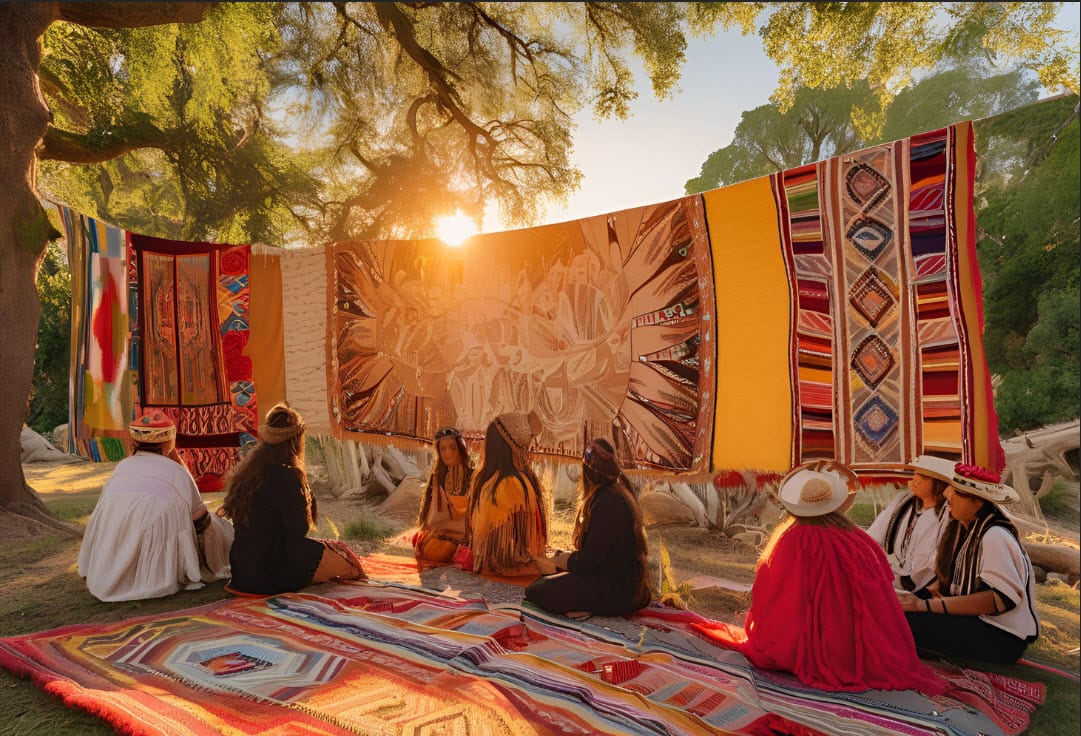
Sustainable Agricultural Practices of the Guarani
Continuing from the discussion of strong kinship ties in Guarani communities, it’s important to inspect their traditional agricultural methods, which are both sustainable and finely adapted to their environment. These practices demonstrate the Guarani’s deep respect for the land and their commitment to maintaining ecological balance.
Traditional Agricultural Techniques
The agricultural practices of the Guarani are rooted in centuries of knowledge passed down through generations, emphasizing sustainability and environmental stewardship.
- Polyculture Practices: The Guarani utilize polyculture, planting multiple crops together rather than relying on monoculture. This technique enhances biodiversity and ensures that ecosystems remain healthy and resilient. Crops such as maize, beans, and cassava are often grown in conjunction, benefiting from each other’s presence.
- Personal Encounter: While visiting a local farm, I watched as a family harvested multiple crops from the same field. The farmer explained how planting various species together improves yields and protects the soil from erosion. It was inspiring to see firsthand how deeply their practices are rooted in harmony with nature.
Sustainable Land Management
Sustainable land management is a key principle guiding the Guarani’s agricultural practices.
- Shifting Cultivation: The Guarani practice shifting cultivation, which involves moving crops to different plots over time. This method allows land to regenerate naturally, reducing soil depletion and maintaining fertility. Fields are rotated to avoid exhausting any single area, enhancing long-term sustainability.
- Natural Fertilization: Instead of relying on synthetic fertilizers, the Guarani often use natural compost and organic materials to nourish their crops. This approach not only enriches the soil but also promotes healthier plant growth and reduces environmental impact.
- Example of Crop Transition: In the community I visited, I learned about their system of rotating fields to allow for natural recovery. The farmers would cultivate one area for a season, then allow it to rest while they worked on another plot, promoting both biodiversity and sustainable practices.
Respecting the Environment
The Guarani’s agriculture reflects a profound respect for the environment, viewing it as a living partner in their farming endeavors.
- Seasonal Harvesting: They are attuned to seasonal changes and harvest crops at their peak, ensuring the sustainable use of resources. This practice reflects an understanding of the natural rhythms of the land and minimizes waste.
- Personal Story: During a harvesting day, I joined the community as they gathered cassava. There was a palpable sense of gratitude expressed for each harvest, which they attributed to the balance they maintained with nature. It was heartwarming to see how each crop was honored as part of their relationship with the earth.
Community Involvement and Knowledge Sharing
Community involvement plays a crucial role in the continuation and adaptation of traditional agricultural methods.
- Workshops and Learning: Knowledge sharing is common among community members, with elder farmers teaching younger generations about sustainable practices. This mentorship ensures that traditional methods are preserved and adapted to changing environmental conditions.
- Collaborative Farming: The Guarani promote collaborative farming practices where entire families or neighbors come together to plant and harvest. This cooperation strengthens community bonds and enhances the sharing of knowledge and resources.
- Example of a Community Workshop: I had the opportunity to attend a workshop where experienced farmers taught younger members about planting techniques and natural pest control methods. The enthusiasm in the air was infectious, illustrating how education and collaboration thrive within their agricultural practices.
Challenges and Adaptations to Modernization
While the Guarani’s traditional agricultural methods are effective, they face challenges due to modernization and climate change.
- Industrial Agriculture Pressure: The encroachment of industrial agriculture threatens traditional farming areas, often leading to reduced biodiversity and environmental degradation. The Guarani advocate for the protection of their land against these impacts, fighting to maintain their sustainable practices.
- Climate Change Impacts: Changes in climate patterns affect agricultural yields, challenging the Guarani to adapt their methods to ensure ongoing food security. Strategies may include experimenting with resilient crop varieties or implementing additional natural conservation techniques.
Conclusion
The Guarani’s traditional agricultural methods are a testament to their sustainable practices, deeply rooted in respect for the environment and community cooperation. By employing techniques that maintain ecological balance and sharing knowledge across generations, the Guarani ensure their food systems are resilient for the future. As we continue to explore Guarani culture, we will delve into their spiritual beliefs and practices, revealing how these elements are interwoven with their agricultural traditions and contribute to their identity as a people.
The Dynamic Nature of Guarani Culture
Transitioning from the exploration of traditional agricultural practices, let’s delve into the ongoing evolution of Guarani culture. The Guarani culture is dynamic, continuously adapting while retaining its core values and traditions. This adaptability is crucial for maintaining relevance in an ever-changing world.
Adaptation and Change in Culture
The Guarani’s ability to embrace change while preserving their identity is a hallmark of resilience.
- Cultural Fluidity: As the Guarani encounter modern influences, they integrate new elements into their cultural practices. This fluidity allows for growth and innovation while ensuring that their foundational values remain intact.
- Personal Experience: During my time in a Guarani community, I noticed many young artists experimenting with modern media while incorporating traditional themes in their work. It was refreshing to see how they celebrated their heritage while pushing the boundaries of artistic expression.
Retaining Core Values
Despite the changes, certain core values remain central to the Guarani identity.
- Community Focus: Cooperation and mutual support continue to be pillars of Guarani culture. The emphasis on kinship and communal welfare persists, despite the individualism often seen in modern urban settings.
- Respect for Nature: Their intrinsic respect for the land and all living beings remains paramount. Even as they adapt technologically, the Guarani continue to prioritize sustainable practices that honor their ancestors and the environment.
- Example of Tradition Enduring: I participated in a traditional ceremony where the elders invoked songs and stories of the past, celebrating their history amidst modern gatherings. This blending of old and new created a unique atmosphere that honored their heritage while embracing contemporary life.
Contemporary Influences
The infusion of contemporary influences enriches Guarani culture while preserving its essence.
- Influence of Technology: Younger generations utilize technology to share their cultural practices, creating online platforms where Guarani stories, music, and art come to life. This not only helps disseminate their culture but also connects them with global audiences.
- Innovative Artistic Expressions: Guarani artists are increasingly exploring contemporary styles and mediums, allowing them to express their cultural narratives in diverse ways. This innovation invites dialogue with broader artistic movements.
- Personal Insight: I encountered an artist who combines traditional weaving techniques with modern textile design. Her work exemplified how the Guarani can embrace new ideas without losing sight of their roots, showcasing the beauty of cultural evolution.
Challenges and Opportunities
While the evolution of Guarani culture offers exciting opportunities, it is not without its challenges.
- Risk of Cultural Dilution: As younger generations encounter different influences, there is a risk that traditional practices may become diluted or lost. It’s essential for communities to encourage pride in their heritage to combat this trend.
- Balancing Tradition with Modernity: Finding a balance between preserving core traditions and adapting to modern life can be complex. Communities are encouraged to engage in ongoing dialogues about what aspects of their culture they wish to retain and how they can adapt.
- Community Responses: Many Guarani groups are actively addressing these challenges by organizing educational initiatives and cultural events that celebrate their identity. Their commitment to keeping traditions alive while examining modern influences demonstrates their resilience.
Conclusion
The dynamic nature of Guarani culture highlights their ability to evolve while retaining their core values and traditions. This adaptability enriches their identity, allowing them to navigate the complexities of contemporary life with strength and creativity. As we continue to explore the Guarani culture, we will delve into their spiritual beliefs and practices, revealing how these threads are woven into the fabric of their ever-evolving heritage, further illuminating their enduring spirit as a people.
Guarani Advocacy for Environmental Conservation
Building on the dynamic aspects of Guarani culture, it’s crucial to delve into how they are actively involved in environmental conservation efforts, advocating for their lands. This commitment reflects their deep-rooted respect for nature and their understanding of the intrinsic link between their cultural identity and the environment.
The Importance of Environmental Conservation
For the Guarani, the preservation of the environment is not just an ecological concern; it is a fundamental aspect of their identity and survival.
- Cultural Connection to Land: The Guarani see their land as sacred, integral to their culture, history, and livelihood. Protecting it is essential for maintaining their traditions and passing them down to future generations.
- Personal Insight: I learned during my time in the community that many Guarani members view themselves as stewards of the land. It’s not merely about living off the earth; it’s about nurturing it and preserving it for the next generations. Hearing this perspective made me appreciate their deep connection to the natural world.
Advocacy for Land Rights
The Guarani are vocal advocates for their land rights, especially in the face of threats from industrialization and deforestation.
- Collective Action: Many communities organize rallies, workshops, and collaborative efforts to raise awareness about the importance of their land. These actions often aim to reclaim ancestral territories that have been encroached upon.
- Community Campaigns: I attended a rally where multiple indigenous communities came together to advocate for environmental and land rights. The unity and determination in their voices underscored the shared purpose among diverse groups, showcasing their collective strength in the fight for their rights.
Collaboration with NGOs and Environmental Groups
The Guarani actively collaborate with non-governmental organizations and environmental groups to amplify their advocacy efforts.
- Strength in Partnerships: By partnering with NGOs, the Guarani gain access to resources, legal support, and platforms for dialogue with policymakers. These collaborations enhance their advocacy capacity and provide critical backing in their initiatives.
- Example of Effective Collaboration: I learned about a joint project between the Guarani and an environmental organization focused on reforestation efforts. Together, they worked to restore native forests, providing both ecological benefits and reinforcing cultural connections to the land.
Education and Awareness Campaigns
In addition to direct action, the Guarani engage in education and awareness campaigns to inform both their community and the wider public about environmental conservation.
- Workshops on Sustainable Practices: Many communities organize workshops that teach traditional ecological knowledge and sustainable farming techniques. These sessions empower community members to care for their environment effectively.
- Personal Account: I participated in a community workshop where elders shared their knowledge about local flora and fauna. They discussed the importance of biodiversity and how traditional practices contribute to environmental sustainability. The respect people showed for this knowledge was heartwarming, highlighting the community’s commitment to conservation.
Resilience in the Face of Challenges
While the Guarani are making strides in advocating for environmental conservation, they also face ongoing challenges.
- Modernization Pressures: The encroachment of agriculture and logging can threaten their efforts. This can create tensions between preserving traditional practices and responding to economic pressures.
- Continued Advocacy: The Guarani remain steadfast in their commitment to protect their territory and promote sustainable practices, despite these obstacles. Their resilience in the face of adversity is a testament to their deep connection to the land and their cultural values.
Conclusion
The Guarani’s active involvement in environmental conservation efforts reflects their unwavering commitment to advocating for their lands and way of life. Through collective action, collaboration with organizations, and education, they strive to protect their heritage and the environment. As we continue to delve into the Guarani culture, we will explore their artistic expressions further, revealing how these creative endeavors underscore their dedication to nature and cultural preservation.
The Vital Role of Storytelling in Guarani Culture
Continuing from the exploration of the Guarani’s involvement in environmental conservation, let’s dive into the significant role that storytelling plays in their education and cultural transmission. For the Guarani, storytelling is not just a means of entertainment; it’s a vital tool for teaching values, sharing history, and fostering a sense of identity within the community.
Storytelling as a Means of Education
Storytelling is a cherished tradition among the Guarani, fundamentally woven into their method of teaching and learning.
- Cultural Lessons: Many stories include important moral lessons, serving as a guide for behavior and community interaction. Through these tales, children learn about respect, bravery, and the importance of living in harmony with nature.
- Personal Encounter: During a community gathering, I listened to an elder tell a story about the “Spirit of the Forest,” which illustrated the balance between humans andnature. The children were captivated, hanging on every word, and it was clear they were absorbing not just the narrative but the essential lessons embedded within it.
Passing Down History and Traditions
Through storytelling, the Guarani transmit their rich history and traditions, ensuring that their cultural identity endures.
- Generational Connection: Stories often recount the experiences of ancestors, highlighting significant battles, cultural rituals, and the community’s relationship with the land. This connection to their past helps reinforce the shared identity of the Guarani people.
- Example of a Story: One particularly powerful tale told during my visit was of a hero who protected the village from invaders. The elder used the story to teach the youth about resilience and the importance of defending one’s community. The children’s eagerness to learn and connect with their heritage was palpable.
Storytelling in Community Life
Storytelling is not confined to formal education; it permeates various aspects of community life.
- Participatory Experiences: Often, storytelling is participatory, where community members contribute their perspectives, enriching the narrative and allowing for the exchange of ideas. This collaborative approach fosters a sense of unity among participants.
- Celebratory Events: Festivals often feature storytelling sessions, where tales are shared alongside music and dance. These gatherings reinforce cultural bonds and create shared experiences that enhance community ties.
- Personal Reflection: During a festival, I observed a storytelling circle where both young and old took turns sharing tales. The laughter and joy expressed during these exchanges highlighted the importance of storytelling in preserving not only their culture but also their relationships with one another.
The Impact of Modernization
While storytelling remains a fundamental aspect of Guarani culture, modernization poses challenges to this tradition.
- Cultural Shifts: With the rise of technology and digital media, youth may gravitate toward more contemporary forms of entertainment, leading to concerns about diminishing interest in traditional storytelling methods.
- Efforts to Revitalize: Recognizing this, many Guarani leaders are actively working to revive storytelling practices through workshops, school programs, and community events that make the stories relevant to younger generations.
Engaging the Younger Generation
Engagement with younger members of the community is vital in ensuring the continuity of storytelling traditions.
- Workshops and Educational Initiatives: Community programs often focus on teaching the art of storytelling, encouraging youth to express themselves creatively and connect with their heritage. These initiatives empower them to share their own stories, blending modern experiences with cultural narratives.
- Personal Encounter: I participated in a workshop where children were challenged to create their own stories, inspired by traditional themes. Seeing their creativity flourish and hearing them narrate their tales was heartwarming and indicative of the richness of their cultural landscape.
Conclusion
The Guarani’s emphasis on storytelling as a critical means of education and cultural transmission showcases the deep value placed on preserving their identity. Through these narratives, they pass on essential lessons, historical accounts, and cultural values from generation to generation. As we continue to explore Guarani culture, we will delve into their distinct artistic expressions, further illustrating how these creative forms reflect their rich heritage and support the ongoing journey of cultural preservation.
The Cultural Significance of Guarani Dances
Continuing from our exploration of the vital role storytelling plays in preserving Guarani culture, it’s equally important to delve into their dances, which often serve as historical recounts. These vibrant performances not only celebrate their heritage but also reflect the struggles and resilience of the Guarani people throughout history.
Dancing as a Form of Historical Narrative
For the Guarani, dance is a powerful medium for conveying history and identity. Each movement carries meaning, and the choreography often tells the story of their ancestors.
- Historical Themes: Many traditional dances recount significant events from the Guarani’s past, such as their resistance against colonization or their connection to the land. These dances serve as reminders of their history, keeping the memories alive for future generations.
- Personal Experience: At a festival I attended, I was thrilled to witness a dance that represented a historical event where the Guarani fought bravely against invaders. The dancers, adorned in colorful traditional attire, moved gracefully as they portrayed the courage and determination of their ancestors. The energy in the space was charged with emotion, and it felt as though the past was coming to life.
Celebrating Heritage Through Movement
Dances are also vital expressions of pride in Guarani heritage, celebrating their cultural identity.
- Cultural Revitalization: During community celebrations, traditional dances become a way to celebrate their culture and instill pride among the younger generation. These performances remind all community members of the richness of their heritage.
- Example of Celebratory Dance: One particularly vibrant dance I witnessed involved rhythmic drumming and lively movements that symbolized the connection to the earth and nature. The performance was a joyous celebration of their cultural identity, and community members eagerly joined in, showcasing unity and participation.
- Engagement with the Audience: It’s common for dancers to invite the audience to participate, blurring the lines between performer and spectator. This inclusivity strengthens communal bonds, allowing everyone to celebrate together.
The Role of Music in Dance
Music plays a crucial role in enhancing the emotional impact of Guarani dances, weaving together movement and sound.
- Traditional Instruments: Dances are typically accompanied by traditional instruments, such as the harp and flute, which create a melodic backdrop for the performances. The rhythmic use of drums emphasizes the energy and vibrancy of the dances.
- Emotional Connection: I remember watching a particularly emotional performance where the music’s cadence matched the dancers’ movements, creating a powerful connection. Each beat resonated with the audience, drawing them into the story being told through the dance.
Telling Stories of Struggle and Resistance
In addition to celebrating heritage, Guarani dances often depict the struggles faced by their people throughout history.
- Themes of Resilience: Many performances illustrate the themes of bravery and resilience during times of conflict, showcasing the Guarani’s determination to protect their land and culture.
- Personal Insight: During one performance, the dancers depicted a story of struggle against colonial forces, evoking strong emotions in the audience. The powerful movements and expressions conveyed not just hardship but also a sense of hope and resilience.
Challenges Facing Traditional Dance
As modernization encroaches on traditional practices, the Guarani face challenges in maintaining their dance culture.
- Cultural Erosion: The influence of popular culture may lead to diminished interest in traditional dances, especially among youth. Balancing modern entertainment with traditional practices becomes essential for preserving their cultural identity.
- Community Efforts: Many Guarani communities are actively organizing dance workshops and cultural events to ensure that traditional dances are celebrated and taught to younger generations, reinforcing their importance within the community.
Conclusion
Guarani dances serve as living narratives that celebrate their heritage, recount historical struggles, and embody the resilience of their people. Through movement and music, these performances reinforce cultural identity and foster community solidarity. As we continue to delve into the rich tapestry of Guarani culture, we will explore their spiritual beliefs and practices, further revealing how these traditions intertwine with their art, music, and collective memory as a people.
Leadership and Advocacy in Guarani Communities
Transitioning from the captivating stories told through Guarani dances, let’s delve into the vital role of Guarani leaders who are at the forefront of advocating for indigenous rights and representation. These leaders not only serve as voices for their communities but also embody the strength, resilience, and cultural pride of the Guarani people.
The Role of Guarani Leaders
Guarani leaders hold significant responsibilities within their communities, acting as advocates, mediators, and cultural custodians.
- Community Representation: Leaders often represent the Guarani community in discussions with government officials and organizations. They articulate the concerns, needs, and aspirations of their people, striving to ensure that their voices are heard in policy-making processes.
- Personal Insight: I had the opportunity to attend a meeting where various Guarani leaders gathered to discuss strategies for addressing land rights issues. It was inspiring to witness their dedication to championing their community’s needs, showcasing their commitment to social justice and equity.
Advocacy for Indigenous Rights
Many Guarani leaders have dedicated their lives to the advocacy of indigenous rights, striving for recognition and protection of their culture and lands.
- Land and Resource Rights: A primary focus of their advocacy is securing legal recognition of indigenous lands. Guarani leaders work diligently to document ancestral claims and engage the legal system to protect their rights against exploitation.
- Cultural Preservation: Leaders also advocate for the preservation of the Guarani language, art, and cultural practices. They push for educational initiatives that highlight the importance of teaching these aspects to younger generations.
- Example of Successful Advocacy: I learned about a Guarani leader who successfully campaigned for recognition of their land rights in a significant legal case. Through tireless advocacy and community mobilization, they secured a landmark ruling that affirmed their ancestral claims. This victory was a powerful reminder of the resilience and determination of the Guarani people.
Building Alliances
Collaboration with other indigenous groups and organizations enhances the ability of Guarani leaders to advocate effectively.
- Network of Support: By forming alliances with other indigenous leaders and rights organizations, the Guarani amplify their message and draw attention to shared challenges. This interconnected advocacy fosters solidarity among indigenous communities.
- Personal Encounter: At a recent indigenous rights conference, I saw Guarani leaders engaging with representatives from various indigenous peoples. Their discussions focused on collaborative strategies to address common issues, demonstrating the power of unity in advocacy.
Challenges in Leadership
While Guarani leaders play crucial roles in advocacy, they face numerous challenges in their efforts.
- Bureaucratic Hurdles: Engaging with government agencies and legal systems can be frustrating and slow. Leaders often contend with overwhelming bureaucracy that can impede their advocacy efforts.
- Cultural Sensitivity Issues: Explaining Guarani perspectives and needs to non-indigenous audiences can be challenging. Misunderstandings or misrepresentations can undermine their efforts for representation.
- Personal Story: During discussions with one community leader, I heard about their frustrations with the political process. However, they remained resolute, sharing stories of past struggles and victories that fueled their determination to continue fighting for their people’s rights.
Educating the Next Generation of Leaders
An essential aspect of Guarani leadership is the focus on nurturing the next generation of advocates.
- Mentorship Programs: Many leaders are committed to mentorship, guiding young Guarani to develop their own leadership skills and understanding of indigenous rights issues. By fostering this growth, they ensure that the community’s spirit of advocacy continues.
- Engagement Initiatives: Workshops and training sessions are organized to educate youth about their history, rights, and the importance of cultural preservation. This proactive approach helps prepare the younger generation for future leadership roles within their communities.
Conclusion
Guarani leaders play a crucial role in advocating for indigenous rights and representation, embodying the values and aspirations of their communities. Through dedication, collaboration, and cultural stewardship, these leaders strive to ensure that the Guarani voice is heard in decision-making processes. As we continue our exploration of Guarani culture, we will delve into their artistic expressions, revealing how these forms of creativity not only celebrate their identity but also serve as important avenues for social and political commentary.
Building Networks with Other Indigenous Peoples
Continuing from the crucial role of Guarani leaders in advocating for their rights, it is important to note that the Guarani have created networks with other indigenous peoples to share resources and strategies. These collaborations are vital for fostering solidarity, exchanging knowledge, and amplifying their collective voice in the face of widespread challenges.
The Power of Alliances
The Guarani understand that their struggles are not isolated; many indigenous communities face similar issues. Forming alliances enhances their advocacy efforts and provides mutual support.
- Collective Efforts: By uniting with other indigenous groups, the Guarani are able to share experiences and strategies for addressing issues like land rights, environmental protection, and cultural preservation. This collective action strengthens their bargaining power.
- Personal Experience: I attended a regional meeting where representatives from various indigenous groups, including the Guarani, gathered to discuss their shared challenges. It was inspiring to see them collaborating and strategizing together, united by a common goal of empowerment and recognition.
Resource Sharing
The networks formed between the Guarani and other indigenous peoples involve sharing resources that can strengthen their communities.
- Knowledge Exchange: By collaborating, communities share traditional knowledge about sustainable practices, herbal medicine, and environmental stewardship. This exchange not only enriches their practices but also fosters a deeper understanding of each other’s cultures.
- Example of Resource Sharing: At one event, I witnessed a workshop where Guarani and Mapuche elders shared their agricultural practices with each other. The discussion focused on how to adapt traditional farming methods to conserve biodiversity, showcasing the strength that comes from collective wisdom.
Joint Advocacy Initiatives
Working together allows indigenous groups to tackle legal and political challenges more effectively.
- Unified Political Voice: When advocating for rights at local, national, and international levels, a unified front can have a significant impact. By presenting shared grievances, they draw attention to indigenous issues that might otherwise be overlooked.
- Personal Story: I met a representative from a collaborative coalition of indigenous groups who shared how they successfully lobbied for stronger legal protections for their land rights. The unity among different communities during negotiations with government officials brought a sense of shared purpose and determination.
Cultural Interchange
These networks provide opportunities for cultural exchange, enriching the artistic and social practices of all groups involved.
- Cultural Festivals: Joint festivals celebrating various indigenous cultures allow for the sharing of music, dance, food, and crafts. These events not only celebrate diversity but also reinforce the idea of solidarity among indigenous peoples.
- Personal Reflection: At a joint cultural festival I attended, I was thrilled to see dance performances and traditional music from different indigenous groups, including the Guarani and the Qom. This cross-cultural exchange created a vibrant environment that celebrated their distinct heritages while building connections.
Challenges to Collaboration
While forming networks with other indigenous communities holds great promise, challenges remain.
- Cultural Sensitivity: Each indigenous group has its own customs, beliefs, and practices. It is essential for all parties to approach collaborations with respect for these differences and a willingness to learn from one another.
- Resource Limitations: Many indigenous groups face similar challenges in funding and support, which can limit the effectiveness of their collective endeavors. Securing the necessary resources for joint initiatives can be a hurdle.
- Example of Collaboration Obstacles: I heard from an indigenous leader about a planned joint initiative that fell through due to differences in resource availability and participation levels. Despite these hurdles, they remain committed to finding ways to collaborate in the future.
Conclusion
The Guarani’s efforts to build networks with other indigenous peoples exemplify the strength of unity and collaboration. By sharing resources and strategies, they amplify their advocacy efforts and support one another in addressing common challenges. This solidarity reinforces their cultural identities and strengthens their voices in the ongoing fight for recognition and rights. As we continue to explore the richness of Guarani culture, we will examine their spiritual beliefs and practices, highlighting how these elements intertwine with their advocacy for their rights and the preservation of their heritage.
Community Welfare: A Core Guarani Value
Transitioning from the significance of collaboration among the Guarani and other indigenous groups, it’s critical to explore the belief in the importance of community welfare over individual gain. This principle lies at the heart of Guarani culture, shaping their social structures, relationships, and approach to daily life.
The Spirit of Collective Responsibility
For the Guarani, the well-being of the community takes precedence over personal interests. This emphasis on collective welfare fosters a supportive environment where everyone plays a vital role.
- Shared Resources: Community members work together to share resources, whether it’s food, tools, or labor. This practice not only ensures that all members are cared for but also strengthens the bonds of trust and cooperation.
- Personal Insight: During my visit to a Guarani village, I observed how families pooled their harvests after a productive day. It was heartening to see them ensuring that everyone had enough to eat, illustrating the deep sense of responsibility they feel toward one another.
Mutual Support and Cooperation
The Guarani culture thrives on mutual support, where individuals contribute to the welfare of the entire community.
- Collaborative Efforts: Whether it’s in farming, building, or caregiving, Guarani people join forces to accomplish tasks that may be too difficult for one person alone. This not only enhances productivity but also fosters social cohesion.
- Example of Collective Care: I learned about a recent instance where a community member fell ill. In response, neighboring families organized to provide meals and support, reflecting the ethos that the health of one affects the health of all.
Celebrating Community Triumphs and Challenges
During festivals and gatherings, the focus on community welfare is celebrated, reinforcing cultural identity and cohesion.
- Collective Celebrations: Events like harvest festivals are communal affairs where everyone contributes to the preparation and enjoyment of the festivities. This shared celebration underscores the idea that individual achievements are communal victories.
- A Personal Anecdote: At a recent harvest festival, I witnessed families coming together to prepare traditional dishes and decorate the gathering space. The joy shared during these preparations created a festive spirit that was palpable and contagious.
Teaching Values of Community Welfare
The Guarani place a strong emphasis on instilling the values of community welfare in younger generations.
- Education Through Storytelling: Many traditional stories emphasize the importance of helping one another and showcasing the consequences of selfish behavior. Elders share these stories during community gatherings, ensuring that the values of cooperation are passed down.
- Youth Engagement: Involving youth in community activities reinforces the idea that their actions contribute to the collective good. Programs that encourage participation in communal decision-making foster a sense of responsibility and ownership over their community.
- Example of Involvement: During a community workshop focused on environmental conservation, I observed young people actively contributing ideas. Their engagement not only benefited the initiative but also taught them the importance of looking after their community.
Challenges to Community Values
Despite the strength of their values, the Guarani face challenges that can threaten the focus on community welfare.
- Modern Individualism: The influence of modern society often promotes individualism, causing some to prioritize personal gain over community interests. This shift can create tensions within the community.
- Efforts to Reinvigorate Collective Spirit: Many Guarani are aware of these challenges and are working actively to reinforce the values of cooperation through community programs and cultural events.
Conclusion
The Guarani belief in prioritizing community welfare over individual gain is a cornerstone of their cultural identity. This principle fosters mutual support, cooperation, and a deep sense of belonging among its members. As we continue to explore Guarani culture, we will delve into their spiritual beliefs and practices, revealing how these elements intertwine with their community values to create a resilient and cohesive society.
Respecting Elders and Ancestral Wisdom
Transitioning from the core values of community welfare, it’s crucial to highlight how the Guarani’s traditional practices often encompass a deep respect for elders and ancestral wisdom. This respect forms an integral part of their cultural identity, influencing their social dynamics and educational practices.
The Role of Elders in Guarani Society
In Guarani culture, elders are revered as the guardians of knowledge, tradition, and history. Their role extends beyond mere guidance; they are celebrated as essential pillars of the community.
- Cultural Educators: Elders pass down stories, teachings, and traditional practices to the younger generation. Through storytelling, they share the values, morals, and lessons learned from their experiences.
- Personal Encounter: During my visit to a Guarani village, I had the privilege of hearing an elder recount stories of bravery and resilience from their past. The way the younger members gathered around, hanging onto every word, illustrated the high esteem in which they hold their elders.
Ancestral Wisdom as a Guiding Force
The wisdom of ancestors is a guiding principle in Guarani life, shaping their practices, decisions, and worldview.
- Cultural Practices: Traditional practices often reflect the teachings of their ancestors, emphasizing harmony with nature and respect for all living beings. This understanding is deeply embedded in their agricultural methods, healing practices, and storytelling.
- Example of Ancestral Knowledge: One elder shared knowledge about the medicinal uses of local plants, demonstrating how ancestral wisdom continues to guide their practices today. This connection to past generations reinforces the importance of preserving and respecting these teachings.
Intergenerational Learning
The Guarani prioritize intergenerational learning, ensuring that the bond between elders and youth remains strong.
- Mentorship: Elders often take on mentoring roles, teaching children not only about traditional skills but also instilling cultural values and social responsibilities. This mentorship fosters a sense of continuity and respect for heritage.
- Engaging Activities: Many communities organize activities where elders teach youth traditional crafts, songs, or agricultural practices. These shared experiences create lasting memories and deepen connections between generations.
- Personal Anecdote: I was fortunate to join a workshop where an elder taught children how to weave traditional baskets. As they worked together, the elder shared stories about the significance of weaving in Guarani culture. The children’s faces lit up with enthusiasm, reflecting the joy of learning from their elders.
Challenges to Respecting Elders
Despite the deep respect Guarani culture holds for elders, modern influences can pose challenges to this dynamic.
- Urban Migration: As younger generations migrate to urban centers for work or education, there is a risk of diminishing connections with their elders and the wisdom they impart.
- Cultural Dilution: The fast pace of modern life can sometimes lead to a decline in intergenerational interactions, making it difficult for youth to engage fully with their heritage.
- Example of Maintaining Contact: I heard stories of families using technology to stay connected with elders living in rural areas. Video calls and messages have become tools to bridge the gap between generations, ensuring that the knowledge and wisdom of elders remain accessible.
Celebrating Elders in Community Rituals
The Guarani also honor their elders through various cultural rituals and celebrations.
- Elder Recognition Events: Special ceremonies are organized to celebrate elders’ contributions to the community, highlighting their wisdom and nurturing roles. These events serve as a way to express gratitude and ensure that their significance is acknowledged.
- Cultural Festivals: During festivals, elders often lead rituals and share stories, reinforcing their status as cultural custodians. Their participation in these communal activities exhibits the important role they play in upholding the community’s traditions.
Conclusion
The Guarani’s deep respect for elders and the wisdom of their ancestors are fundamental to their cultural practices and social structure. By valuing the knowledge passed down through generations, they foster a strong sense of identity and continuity within the community. As we continue to explore the Guarani culture, we will delve into their governance structures, highlighting how the principles of respect and tradition inform their approach to leadership and collective well-being.
Social Challenges and Community Resilience of the Guarani
Transitioning from the importance of respecting elders and ancestral wisdom, let’s focus on the various social challenges the Guarani continue to face while working diligently to strengthen their community resilience. Despite these obstacles, the Guarani demonstrate remarkable perseverance and creativity in maintaining their cultural identity and creating a sustainable future for their community.
Social Issues Facing the Guarani Community
The Guarani encounter a myriad of social challenges that impact their quality of life and cultural practices.
- Land Displacement: One of the most significant issues is land displacement due to industrial agriculture, logging, and urban expansion. Losing their ancestral lands not only threatens their livelihoods but also disrupts cultural practices tied to the land.
- Economic Inequality: Many Guarani people experience economic marginalization, often lacking access to quality education, healthcare, and employment opportunities. This economic disparity makes it difficult for them to support their communities and continue their traditional practices.
- Personal Encounter: During my visit to a Guarani village, I spoke with families who expressed frustration over the loss of land due to mining projects. Their determination to advocate for their rights was evident, but it was clear that the loss of their territory weighed heavily on their well-being.
Strategies for Strengthening Community Resilience
Despite these challenges, the Guarani are actively working to strengthen their community resilience through various strategies.
- Community Organization: Grassroots organizing has become a crucial aspect of their resilience efforts. By forming cooperatives and associations, the Guarani can pool resources, share knowledge, and address issues collectively.
- Cultural Revitalization: Initiating programs that focus on cultural education and revitalization helps to foster a sense of pride within the community. By engaging younger generations in traditional practices, they ensure that their heritage continues to thrive amidst modern pressures.
- Example of Community Strength: I attended a community meeting where members discussed re-establishing traditional agricultural practices that promote sustainability and food sovereignty. The collective commitment to reviving these practices was truly inspiring.
Collaboration with External Partners
The Guarani’s efforts to strengthen their community resilience are complemented by collaborations with NGOs and other organizations.
- Advocacy Support: Many non-governmental organizations work alongside the Guarani to promote their rights, provide legal support, and amplify their voices. These partnerships enhance the visibility of their struggles and help secure resources for community projects.
- Educational Programs: Collaborations often include educational initiatives that focus on leadership and advocacy training. This empowers community members to actively engage in discussions about their rights and work towards meaningful change.
- Personal Insight: I spoke with an NGO representative who had been working with the Guarani for years, sharing stories of successful campaigns that led to increased public awareness and policy changes. Their unwavering commitment to supporting the community’s resilience was clear.
Engaging the Younger Generation
Youth engagement plays a pivotal role in the Guarani’s efforts to face social challenges and build resilience.
- Empowering Future Leaders: By providing young Guarani with leadership training and opportunities for involvement in community initiatives, they cultivate the next generation of advocates prepared to carry on the legacy of their culture.
- Cultural Camps: Many communities host cultural camps where youths learn about their traditions, history, and rights. These experiences instill pride and identity, encouraging them to take active roles in their community.
- Example of Youth Activism: I had the pleasure of meeting a group of young activists who organized a campaign to raise awareness about environmental protection in their community. Their passion and innovative ideas showcased the bright future of leadership within the Guarani.
Conclusion
The Guarani face various social challenges, yet they continue to work diligently to strengthen their community resilience. Through grassroots organizing, cultural revitalization, and collaboration with external partners, they navigate the complexities of modern life while holding steadfast to their traditions and values. As we continue to explore Guarani culture, we will delve into their health and wellness practices, revealing how their approach to community well-being reflects their interconnectedness and commitment to a sustainable future.